Free written scope consultation - allowances, timeline, and change-order rules on paper before a single trade is scheduled
Silestone Fence Installation: The Los Angeles Owner’s Guide
Silestone fence installation in Los Angeles typically runs $4,130 to $10,620 installed, and most jobs are completed in one to two days once materials are on site. We stock the common Silestone fence profiles and mounting hardware on our trucks, so if the product line is current, we can usually match it without ordering from the manufacturer. Most Los Angeles homeowners discover a failed fence installation when a section pulls loose from the deck or substrate, or when the quartz surface starts showing cracks at the mounting points.
A quick word on who we are: Bradford Remodeling is an independent contractor serving Los Angeles. We are not affiliated with Silestone or its parent company, Cosentino. We install and replace Silestone products because they’re a documented brand with traceable specifications, which fits how we run every job. Curtis Lane owns Bradford Remodeling, and he grew up in the Crenshaw district. He trained in construction technology at Los Angeles Trade-Technical College on Washington Boulevard, so the kind of mounting and substrate questions that decide whether a Silestone fence holds for a decade or fails in two years are exactly the questions he asks before we give you a price.
Which Silestone Models This Applies To
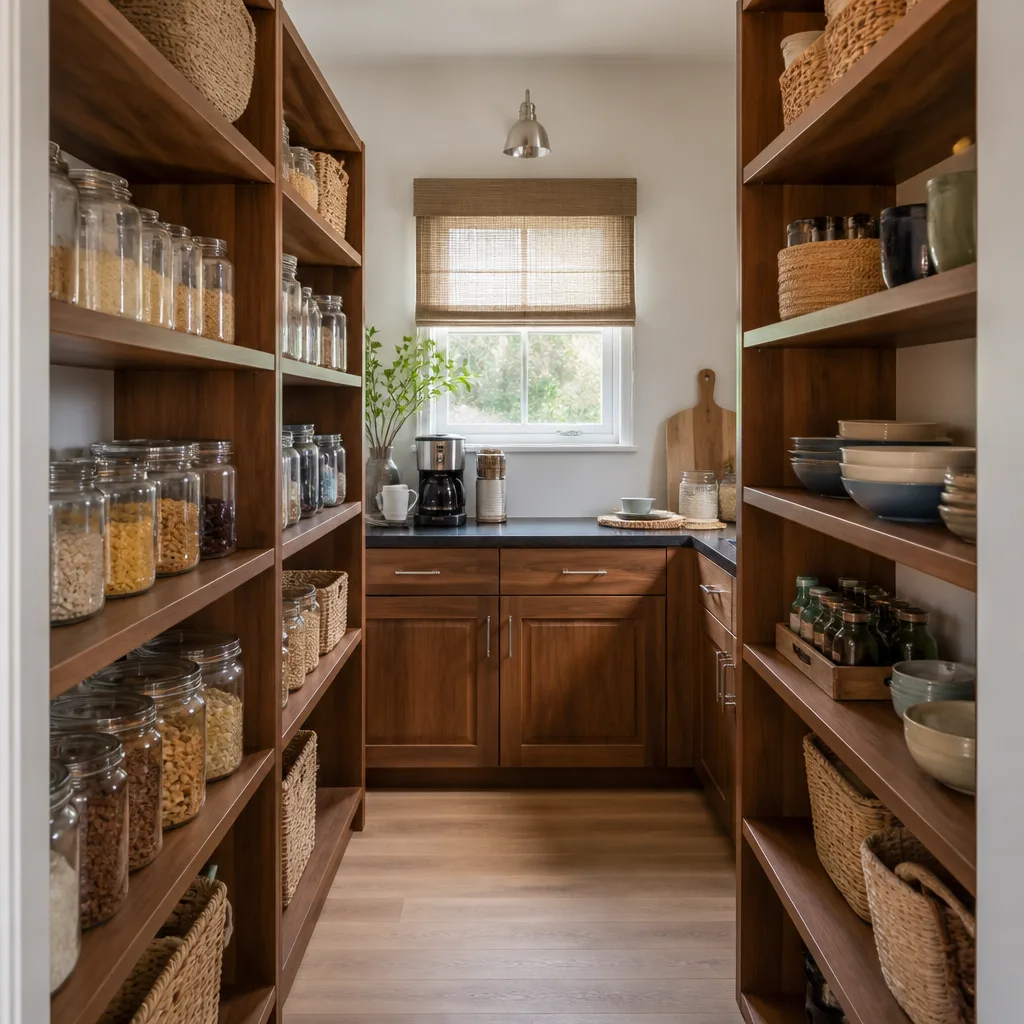
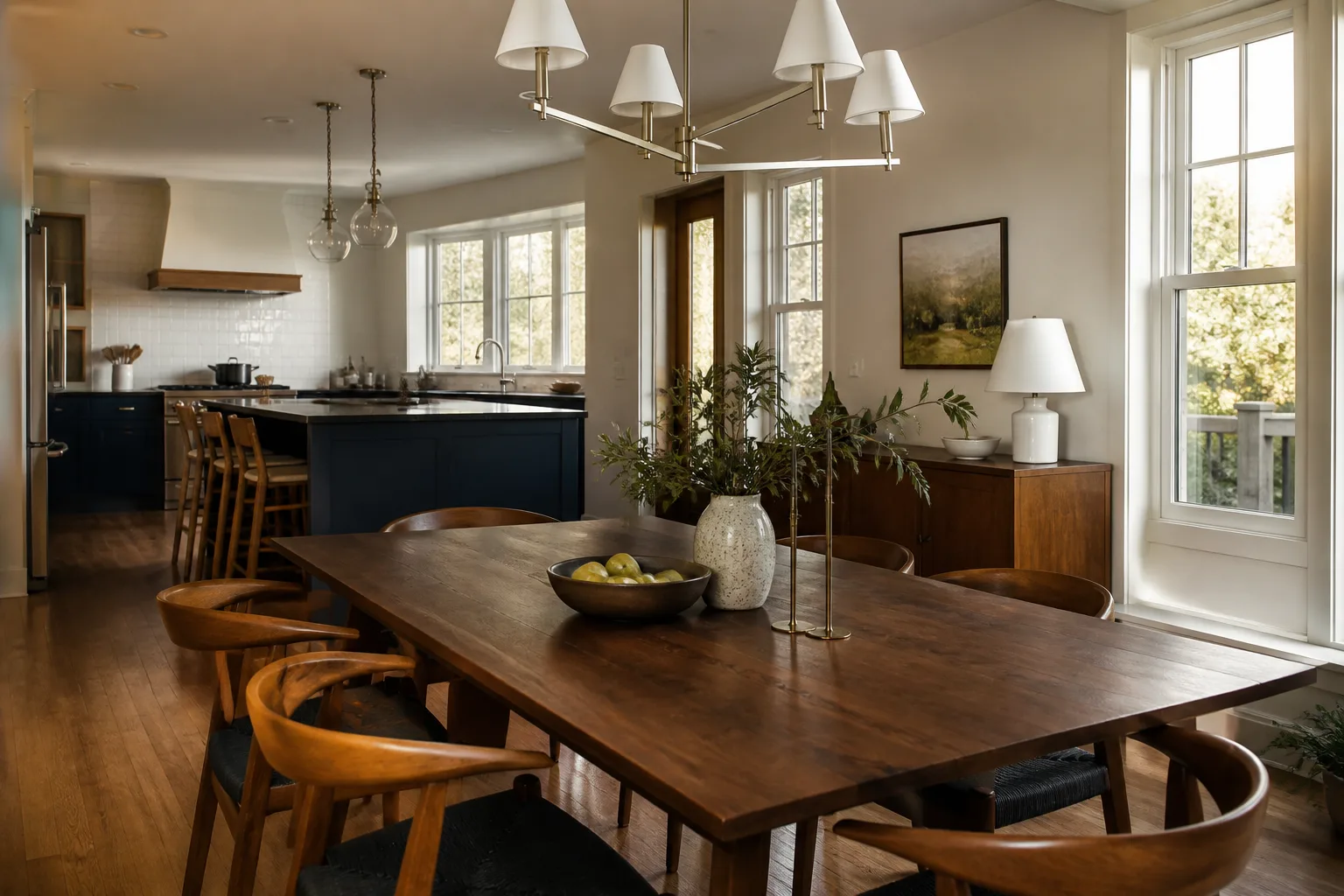
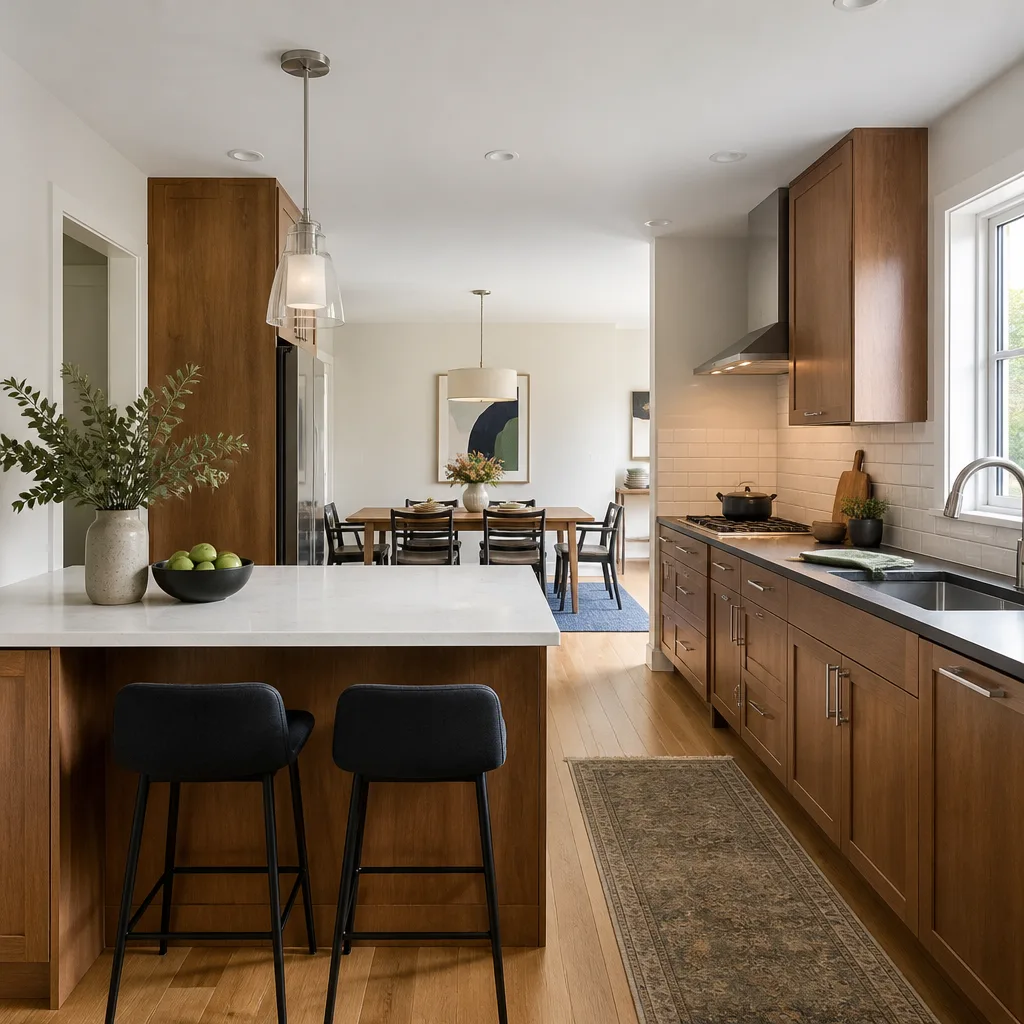
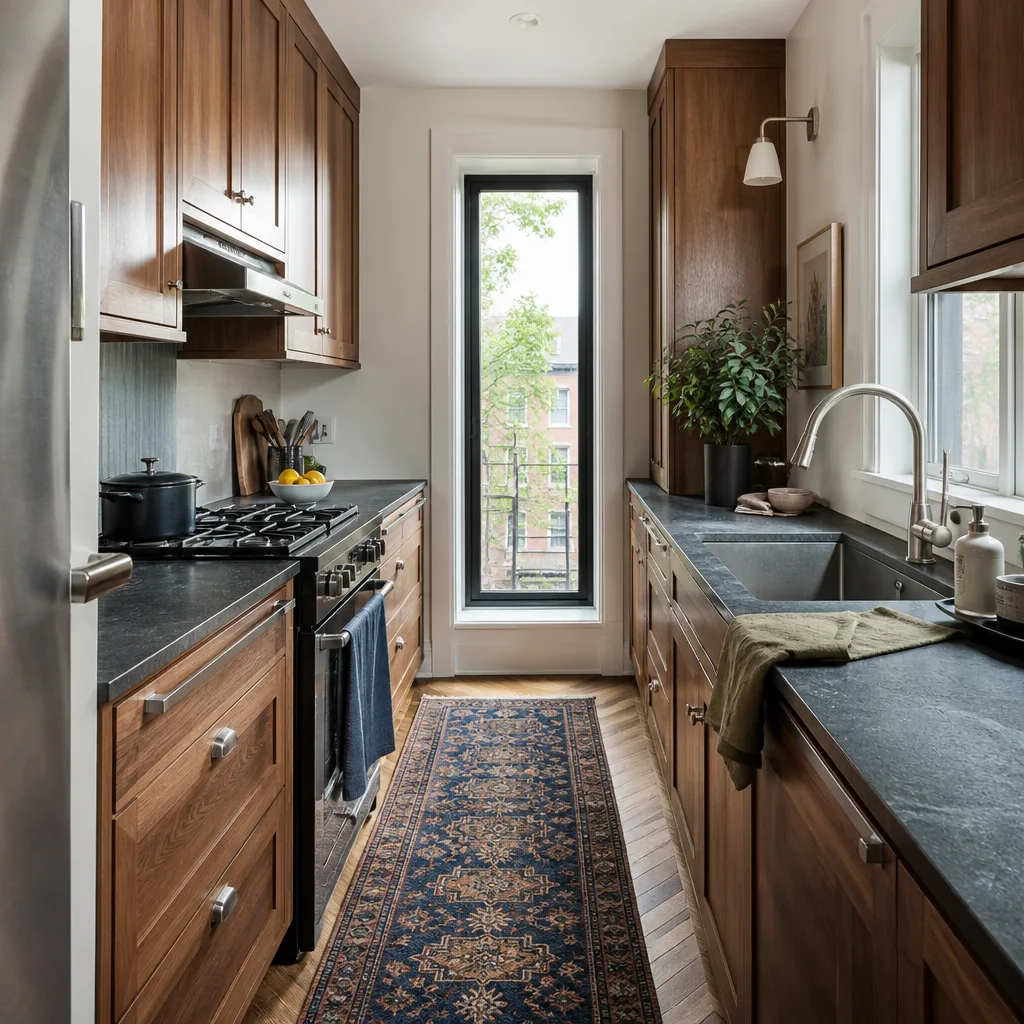
Silestone fence installation covers the quartz waterfall panels, backsplash returns, and decorative edge pieces used to finish kitchen islands, bathroom vanities, and bar tops. The fence is the vertical quartz surface that drops from the countertop edge to the floor on exposed sides. It’s also called a waterfall panel or return panel in the trade. Silestone’s standard slab thickness for fence applications is 2cm or 3cm, with 3cm holding up better on high-traffic islands because there’s more material to absorb impact at the bottom edge where the panel meets the floor.
The compatibility catch in Los Angeles: if the original countertop was fabricated before 2019, the fence may have been cut from a discontinued Silestone series with a color lot that’s no longer in production. That means a matching replacement fence sometimes requires pulling a new slab from a current series and re-cutting both the countertop and the fence for a consistent color match. When the fence is damaged but the top surface is fine, a fabricator can sometimes match the color closely enough with a current series. We’ll tell you plainly which situation you’re in after we look at the job. OEM Silestone slabs come with the manufacturer’s warranty and documented composition; aftermarket quartz may not match the resin or pigment density, which shows up over time as surface dulling or color drift.
Styles & brands we work with
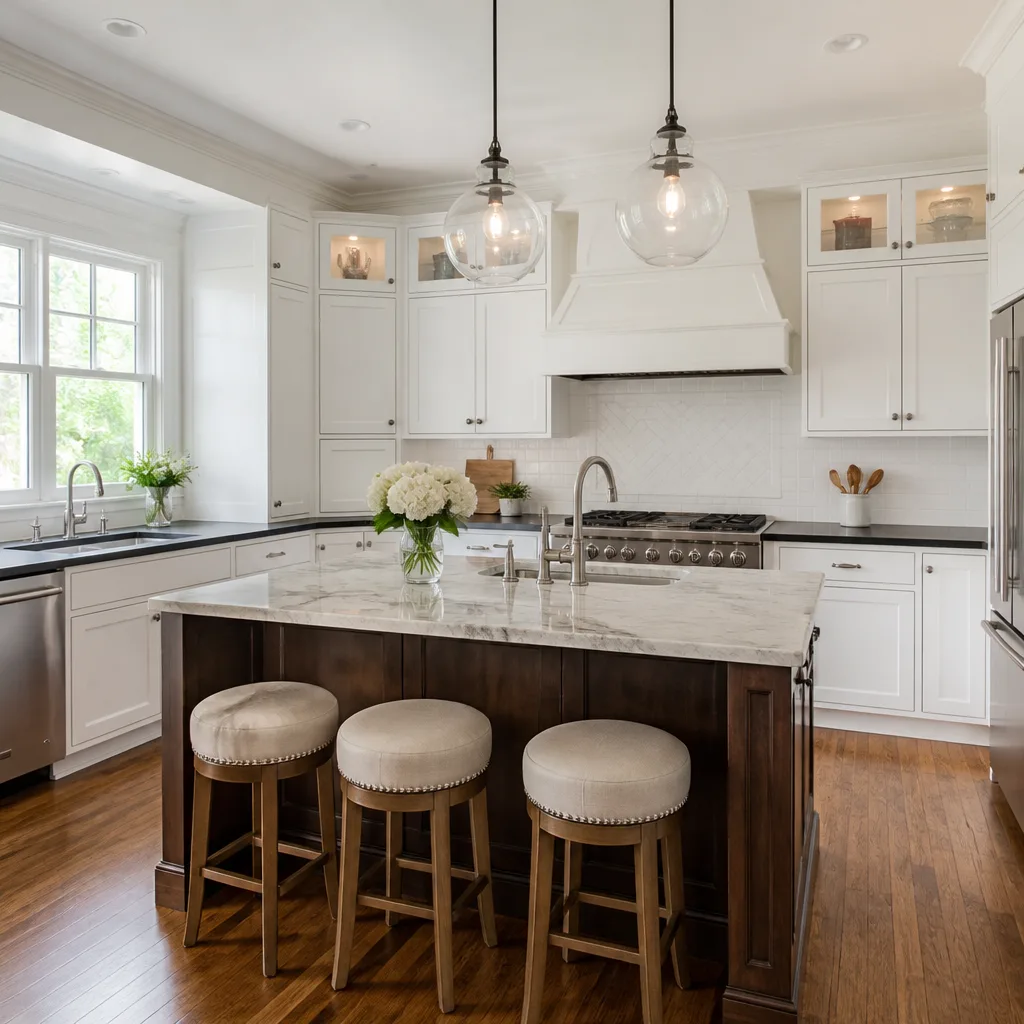
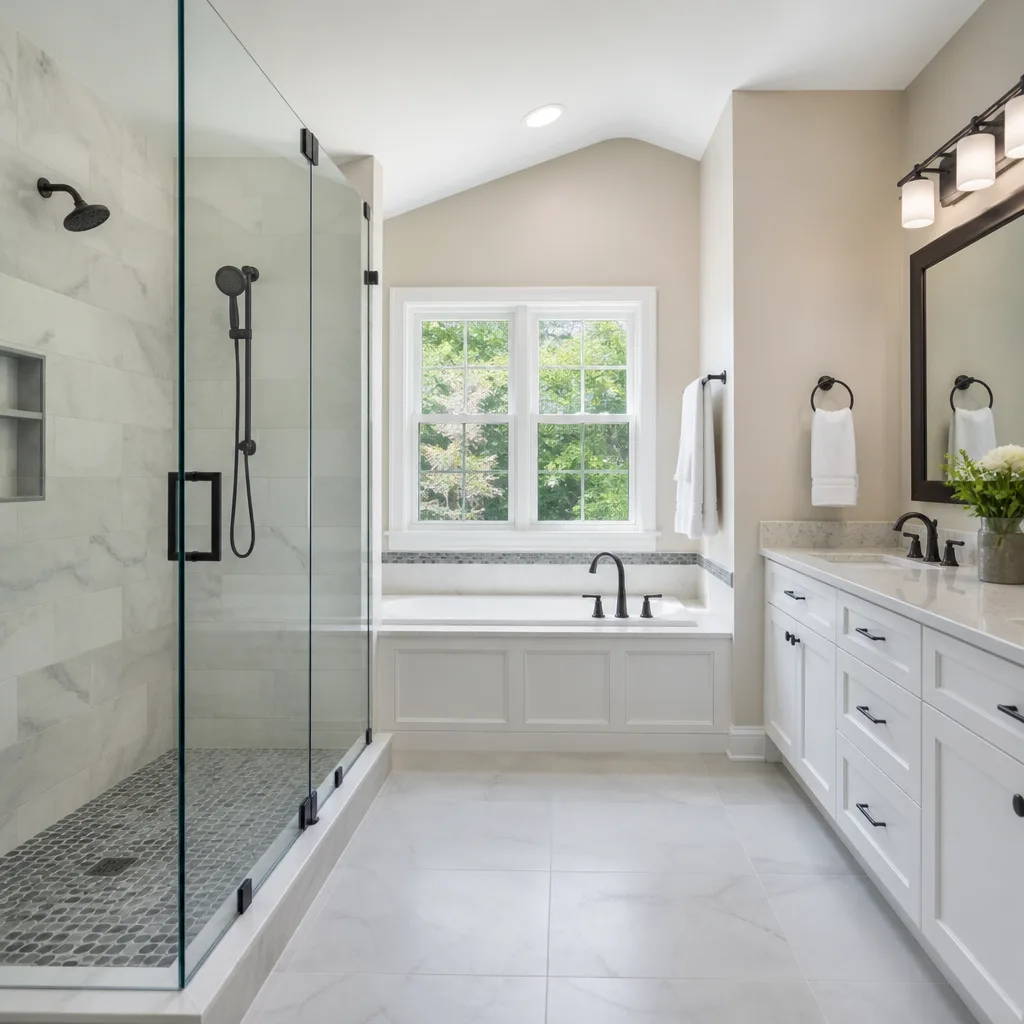
Signs Your Silestone Fence Installation Is Failing
- Cracking at the floor transition. The bottom edge of the fence is where slab deflection and footing movement show up first. In Los Angeles, older homes with wood-framed floors expand and contract with seasonal moisture changes, and a fence that’s bonded tight to a moving floor will crack at the fixed point. The fix is usually re-cutting the panel with a proper expansion gap or reinforcing the substrate beneath the floor line.
- Separation from the countertop seam. When the adhesive bond between the horizontal countertop and the vertical fence begins to fail, you’ll see a hairline gap open along the miter joint. Water intrusion into that joint is the next step, and from there you’re into substrate swelling and a joint that gets worse every month.
- Water staining or discoloration at the base. Los Angeles kitchens and bathrooms see enough humidity from daily use that an unsealed or poorly sealed fence edge will absorb moisture. Silestone is low-porosity compared to natural stone, but the cut edges are more absorbent than the polished face. Darkening at the bottom edge means the panel is wicking moisture through an unsealed cut line.
- Visible adhesive squeeze-out that’s turned yellow or brittle. Some fabricators use off-the-shelf construction adhesive instead of a quartz-rated epoxy or silicone system. Over Los Angeles heat cycles, cheap adhesive embrittles. If you see a yellowed band along the seam, the bond is already compromised.
- The panel rocks or moves when pressed. A properly set Silestone fence is dead solid. If you can flex it by hand at the top edge, the panel was under-shimmed or the substrate behind it wasn’t leveled. That movement will eventually crack the slab. The panel needs to come off, the substrate corrected, and the panel re-set.
See the difference
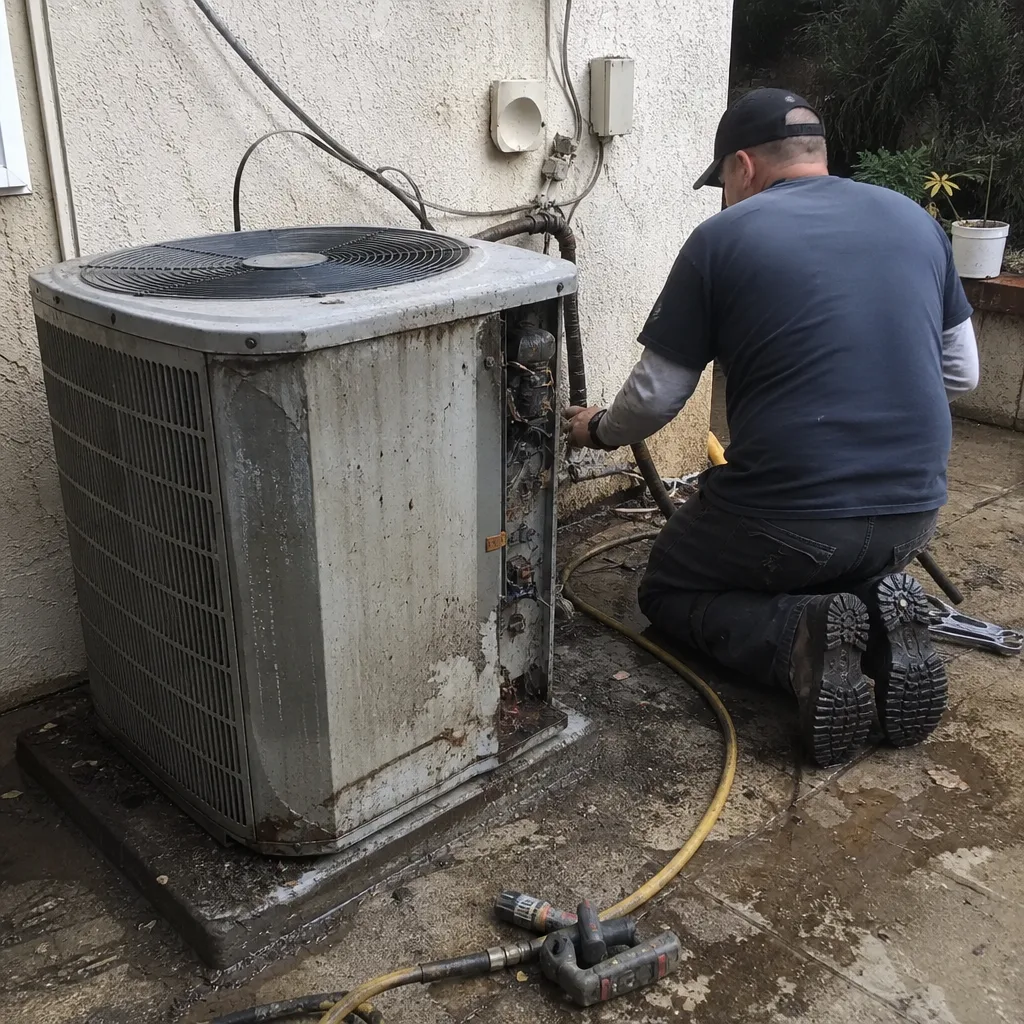 Before
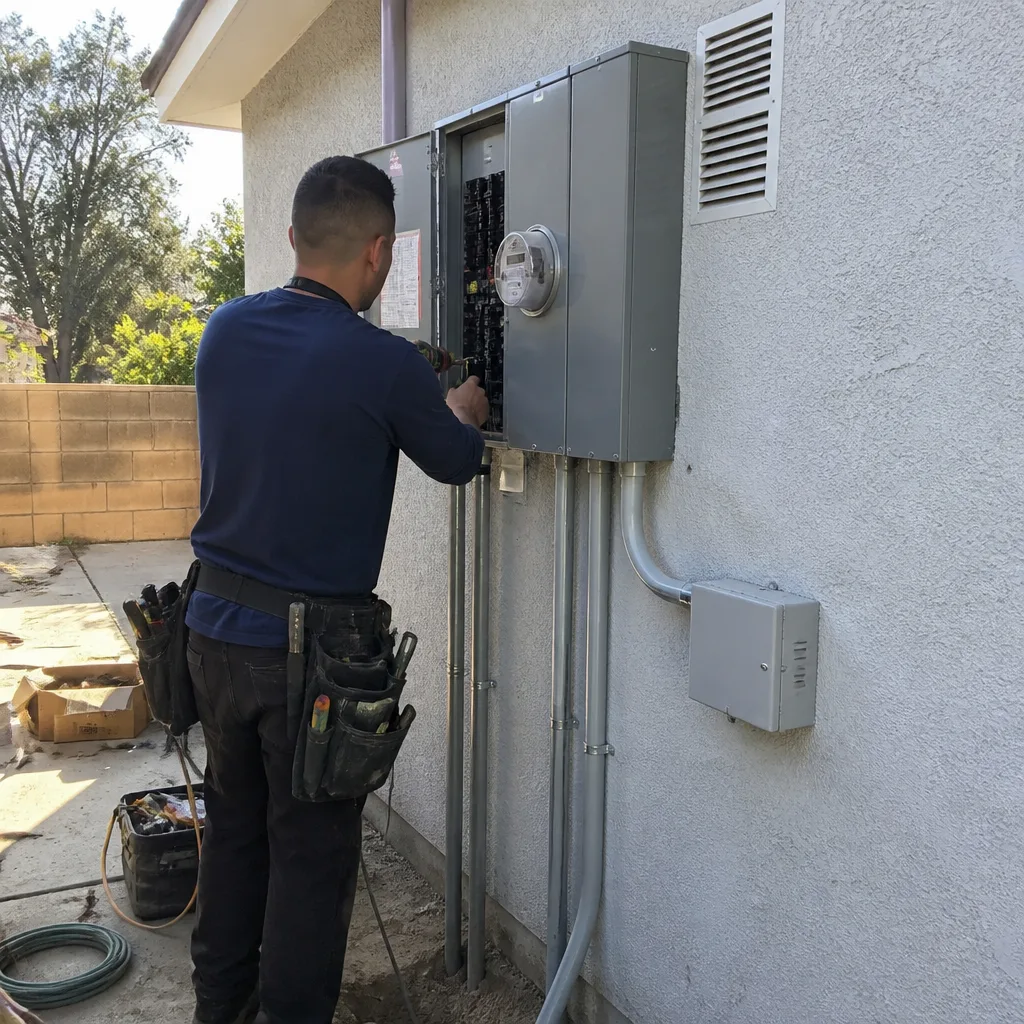 After
After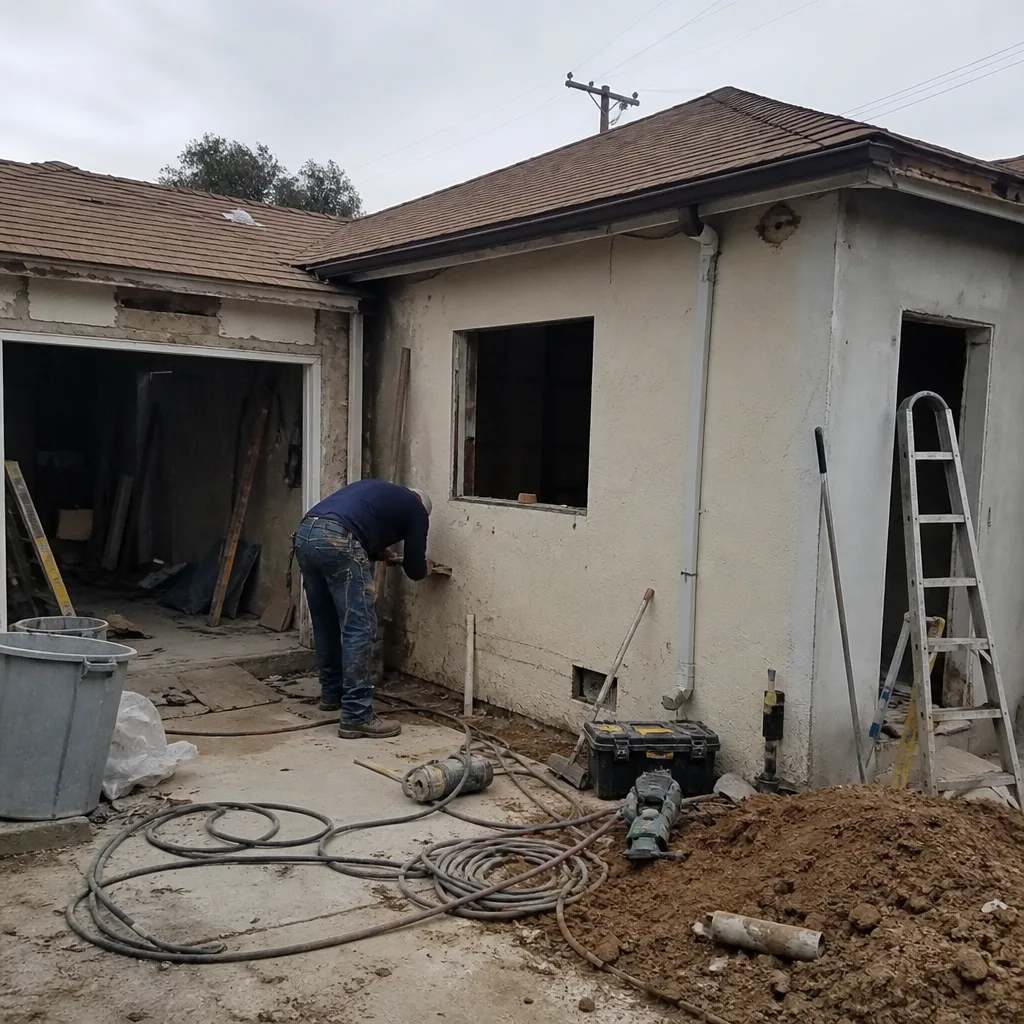 Before
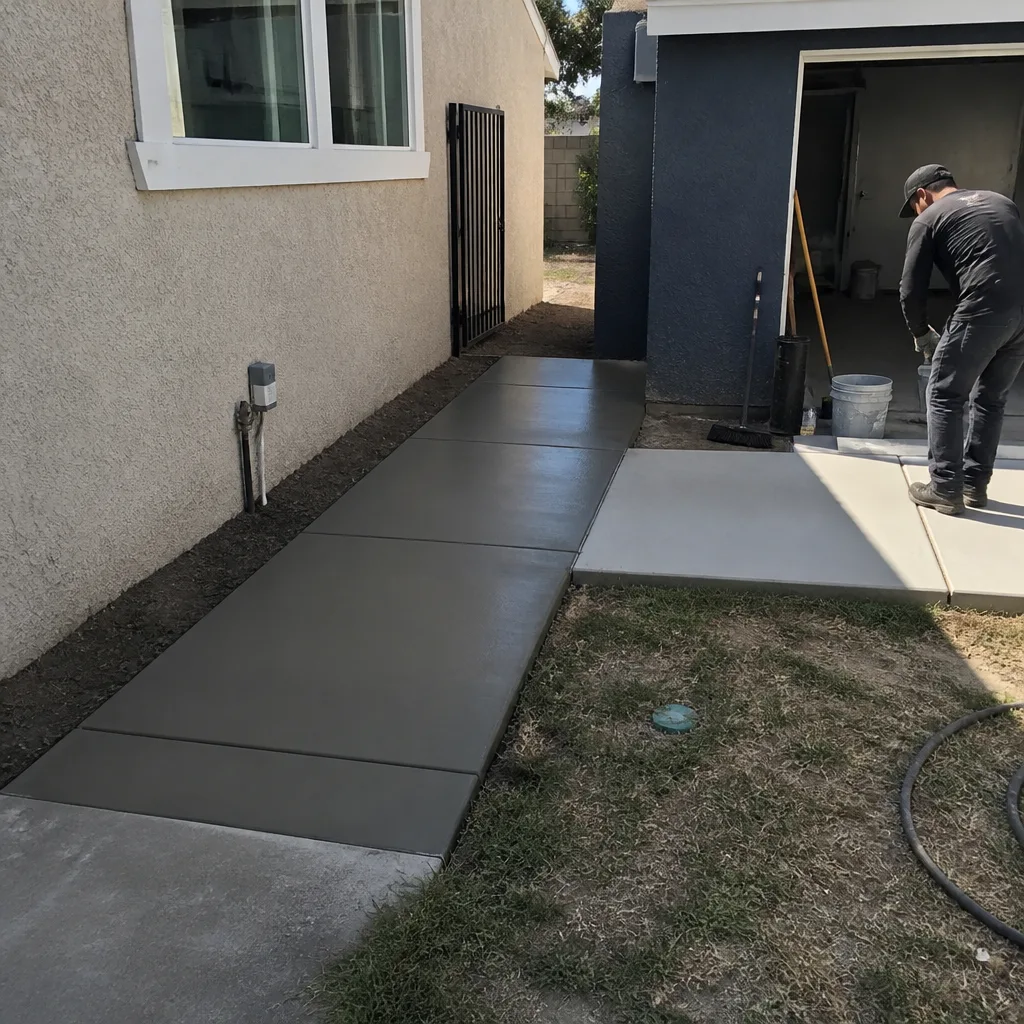 After
After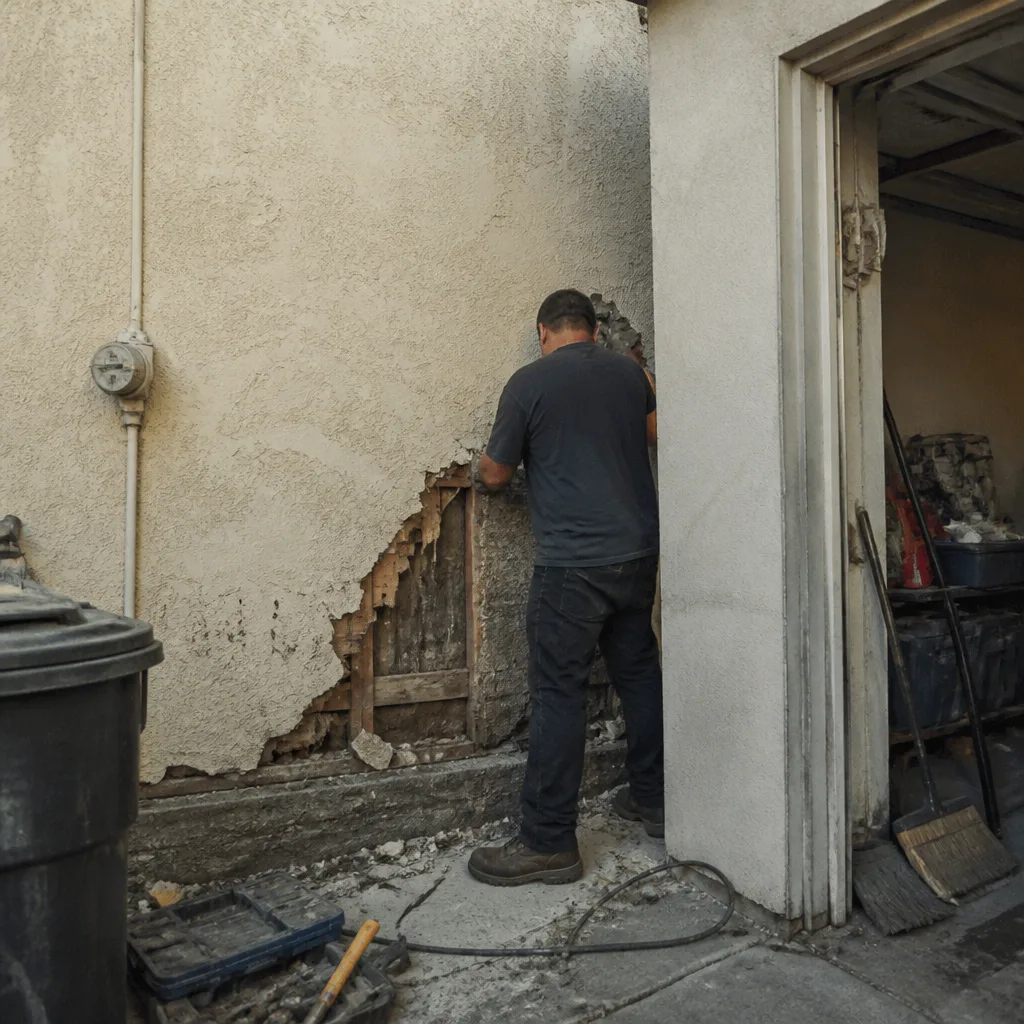 Before
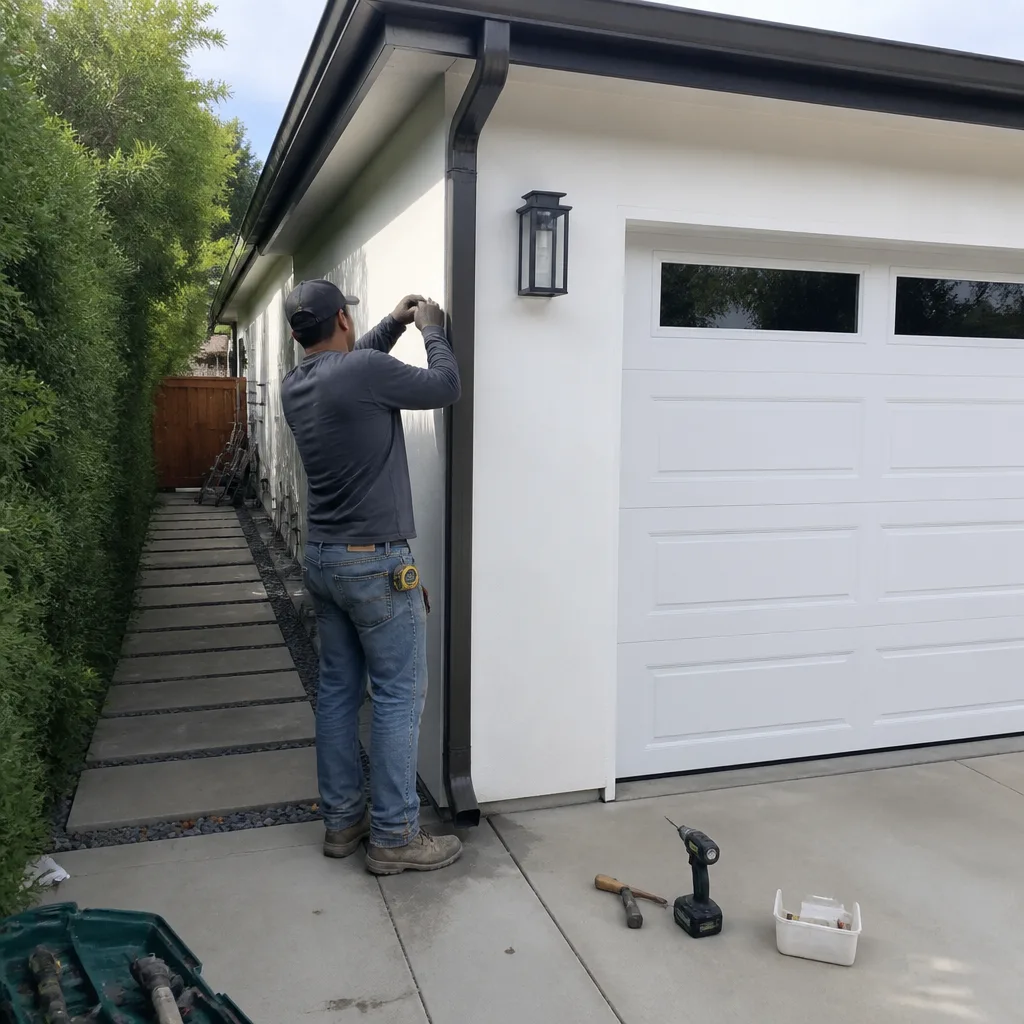 After
AfterReplacement Cost & What’s Included
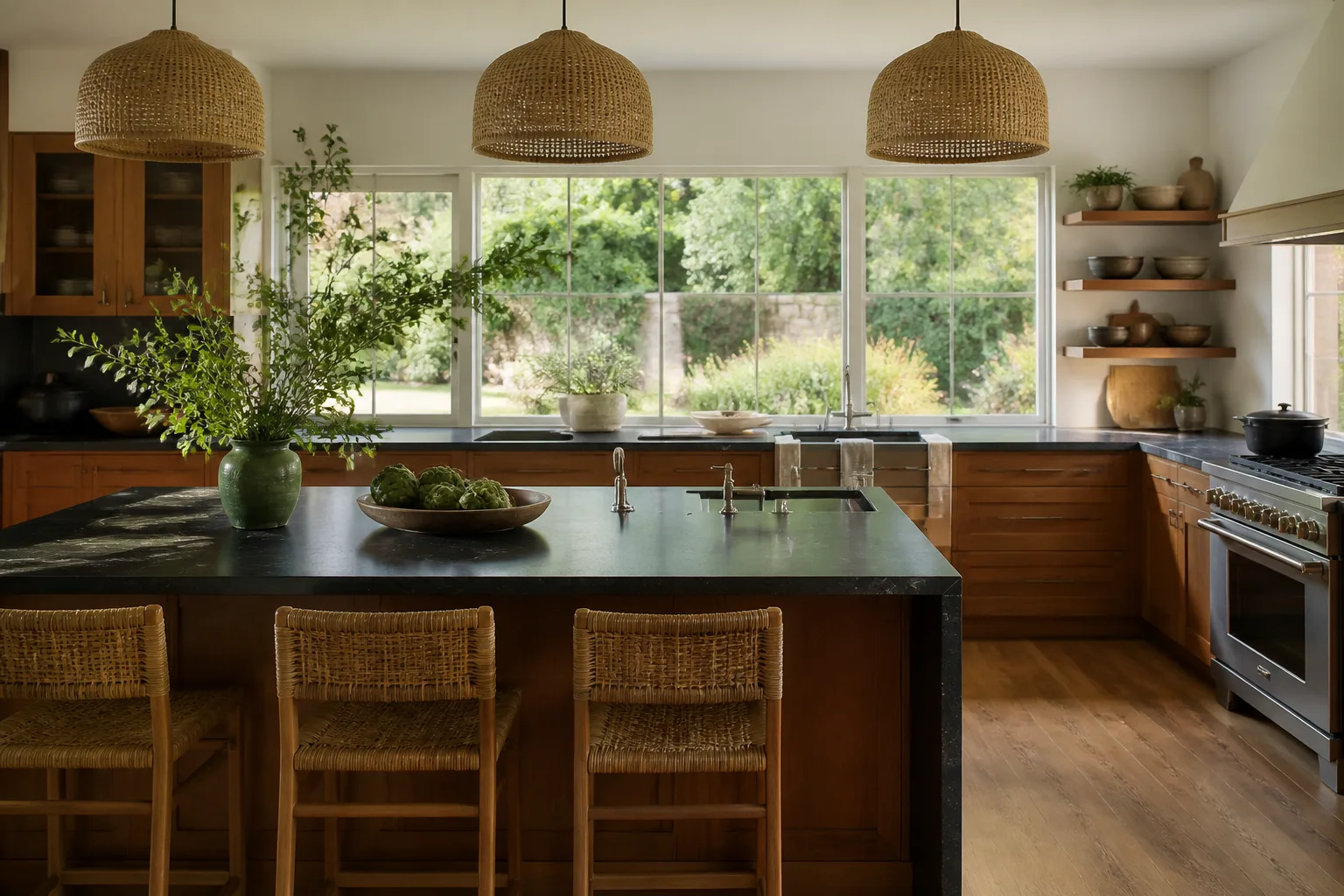
Silestone fence replacement in Los Angeles runs $4,130 to $10,620 installed for a typical kitchen island or vanity application. The range is driven by three things: slab size (a full-height island fence can need a full slab), the complexity of the cut (mitered corners, appliance reveals, outlet cutouts), and whether the substrate behind the panel needs correction before the new fence goes in. Here’s the breakdown:
- Material: Silestone slab portion, typically $1,800 to $4,700 depending on series and thickness.
- Fabrication: Cutting, edge profiling, polishing, and seam prep, $950 to $2,400.
- Substrate and prep: Leveling, shimming, or replacing the backing surface, $470 to $1,500 when needed.
- Installation and finishing: Adhesive, setting, seam finishing, cleanup, $910 to $2,020.
Every Bradford Remodeling job in Los Angeles gets a written price before work starts. That number doesn’t move at the door. And every completed Silestone fence installation carries our 365-Day Done Right Promise: if the work fails inside a year, we come back and correct it at no charge. No re-quoting, no arguing about scope.
DIY or Call Us?
What you can safely check: whether the panel is visibly cracked or separated, whether the bottom edge shows water staining, and whether the floor around the base is level. Knowing what you’re looking at helps you understand the estimate. What you shouldn’t attempt: removing or re-setting a quartz fence panel yourself. A 3cm Silestone panel on an island can weigh 150 to 300 pounds. Drop it, and you’re not just replacing the fence, you’re repairing floor tile or worse. The adhesive systems used for quartz-to-quartz and quartz-to-substrate bonds are specific to the material and the substrate condition; the wrong product fails inside months. This is not a caulk-and-clamp fix. If the fence is loose, cracked, or water-stained, call us at (903) 568-7222. We’ll look at the job, tell you what’s actually wrong, and put the number in writing. Straight number, real scope, no surprises at the punch list.
FAQs
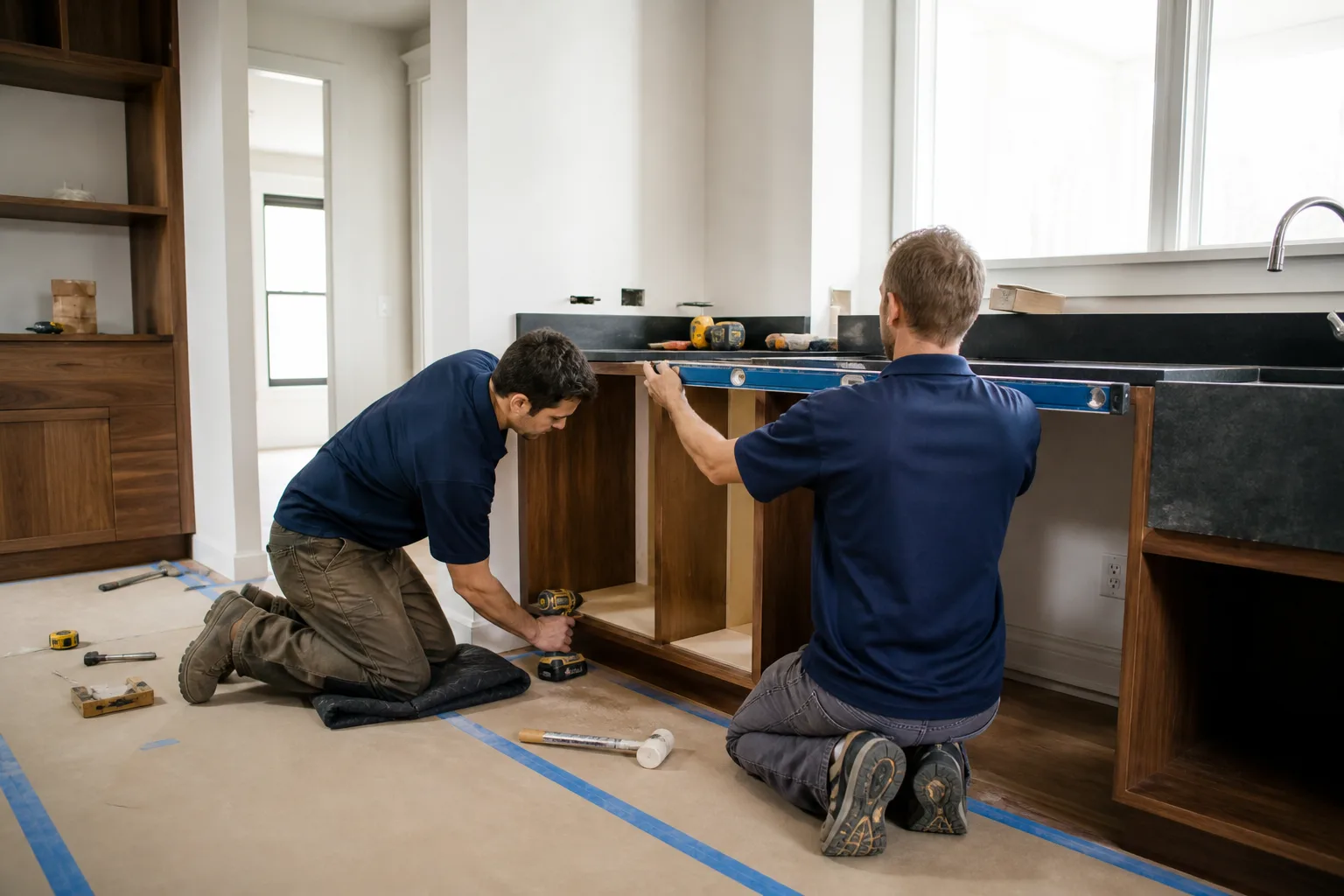
A properly installed Silestone fence on a stable substrate should last 15 to 25 years in Los Angeles conditions. The things that shorten that lifespan are floor movement beneath the panel, moisture intrusion at unsealed edges, and poor initial fabrication. If the original install used the wrong adhesive or skipped substrate leveling, failure can happen inside five years. Call (903) 568-7222 for an inspection and an exact replacement quote.
Minor edge chips can often be repaired with a color-matched quartz epoxy fill, and hairline surface cracks can sometimes be stabilized with penetrating adhesive. But a crack that runs through the panel or a failed bond joint usually means replacement, because the repair will remain visible at certain light angles and won’t restore the original strength. We’ll tell you honestly which side of that line your panel falls on after we inspect it.
Once the slab is in hand, most fence replacements are done in one day for the removal, substrate correction, and initial set, with seam finishing and final polish done on a second short visit. If your existing Silestone series is discontinued and a new slab has to be color-matched and cut, add fabricator lead time, typically one to three weeks in Los Angeles.
We stock the common installation materials: quartz-rated epoxy, silicone, shims, and color-match kits for current Silestone series. We don’t stock full Silestone slabs on the truck, because slab selection is specific to your existing color and series. We also work with KraftMaid, Cambria, and Kohler products, so if the fence damage is part of a larger kitchen or bath issue, it’s handled in one scope. Call (903) 568-7222 and we’ll pull up your model information and tell you what’s available.
Written by Curtis Lane, Owner, Bradford Remodeling at Bradford Remodeling, serving Los Angeles and nearby areas.