Free written scope consultation - allowances, timeline, and change-order rules on paper before a single trade is scheduled
Delta Roofing: The Los Angeles Owner’s Guide
We stock and install Delta-compatible roofing parts across Los Angeles, with typical installed pricing running $470 to $2,125 for repairs and $9,440 to $23,600 for full replacement. Most Delta roof failures we see start small: a lifted edge flashing, a cracked vent collar, a seam that’s starting to separate after five or six Los Angeles summers. Homeowners usually find the problem in October, right before the rains, or in January after the first heavy downpour. By then, the damaged section has been letting water work its way under the roof surface for months, and that’s when a $600 repair becomes a $3,000 deck repair.
One thing to know up front: Bradford Remodeling is an independent service provider. We’re not affiliated with Delta, and we don’t pretend to be. We work with Delta-compatible roofing materials because they’re spec’d well for Southern California’s climate, and because Curtis Lane has spent enough time on Los Angeles rooftops to know which parts hold and which ones fail first.
Which Delta Models This Applies To
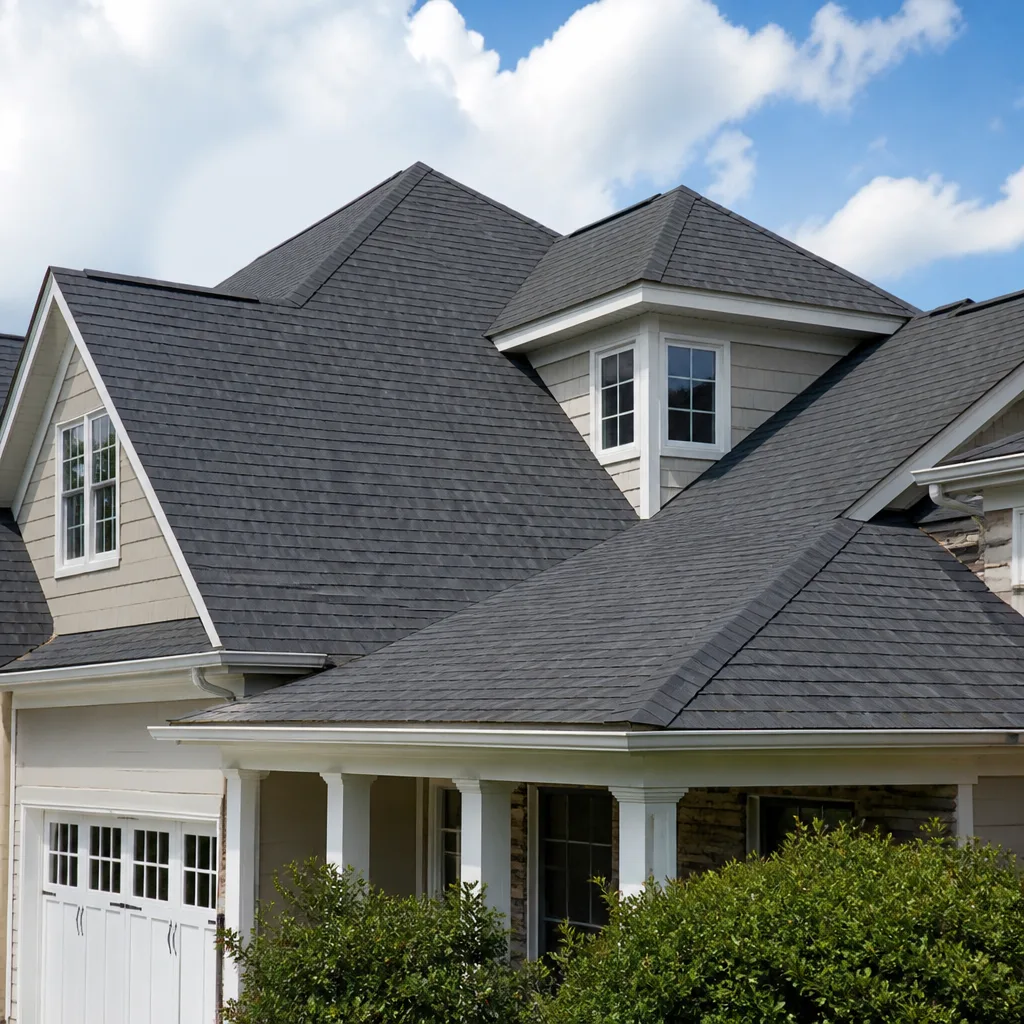
Delta’s roofing line isn’t a single product family. It spans asphalt shingles, synthetic underlayment, and a smaller line of metal roofing panels, each with their own spec sheet and compatibility quirks. The most common Delta roofing materials we service in Los Angeles are their asphalt shingle lines, which run in standard three-tab and architectural profiles, and their synthetic underlayment, which gets paired under tile roofs in neighborhoods from Sherman Oaks to Eagle Rock.
Here’s the compatibility gotcha most owners miss: Delta’s architectural shingles from their 2018-and-later production runs use a wider 5-7/8-inch exposure, which means mixing them with older-stock Delta shingles from a 2016 roof will show visible seam offsets. If you’re patching a section rather than doing a full replacement, the new shingles need to match the exposure of what’s already up there, not just the color. The fastest way to identify what you have is to check the nailing line and the exposure measurement on an undamaged shingle, or pull a product code from the back of a torn shingle.
On the OEM-versus-aftermarket question for Delta specifically: Delta’s own branded shingles are manufactured to their current production tolerances, and when you buy OEM, you’re paying for that direct match. But for wear items like ridge caps, starter strips, and pipe collars, quality aftermarket equivalents from CertainTeed or GAF install identically and often carry longer material warranties than the Delta-branded part. We’ll quote both and tell you which one makes sense for the remaining life of the roof. That’s not upselling in disguise; it’s not putting a $1,200 OEM repair on a roof that’s four years from tear-off anyway.
As a framing note, Bradford Remodeling also stocks parts for KraftMaid, Cambria, and Silestone systems, so if your Delta roof work turns up fascia or soffit damage that ties into the house differently than expected, we’re not improvising with unfamiliar materials.
Styles & brands we work with
Signs Your Delta Roofing Is Failing
- Granule loss in the gutter or at downspout exits. You’ll see a fine black grit collecting in the gutter channels. That’s the shingle surface breaking down faster than normal, usually from sustained UV exposure on a south-facing plane or defective asphalt batch. Once granule loss accelerates, water intrusion follows within one to two rainy seasons.
- Lifted or curled shingle edges. On Los Angeles roofs, this is almost always heat-related. The shingle’s adhesive strip loses its bond and the wind gets under the edge. Look for it on the west-facing slopes first; if it’s widespread, a patch job will fail the same way within a year, and you need to think about replacement.
- Water staining on ceiling drywall below a roof plane. By the time you see this, water has already moved through the shingle layer, underlayment, and decking. The top surface is compromised, but the leak’s path is what we have to map in the attic, not guess at from the roof.
- Cracked or missing pipe collars and vent flashing. These rubber collars don’t last as long as the shingles around them, especially in Los Angeles where the sun roasts them year-round. Once a collar splits, every rain follows the pipe directly into the attic. This is a $400 to $800 repair when caught, and the part we stock on the truck for same-visit replacement.
- Sagging ridge line or visible deck deflection. This is less a shingle problem and more a structural tell. If you see a dip in the roofline, the decking or a rafter has begun to fail. The Delta surface material is not the primary fix, and it’s a slow repair with the framing corrected before any covering is worked.
See the difference
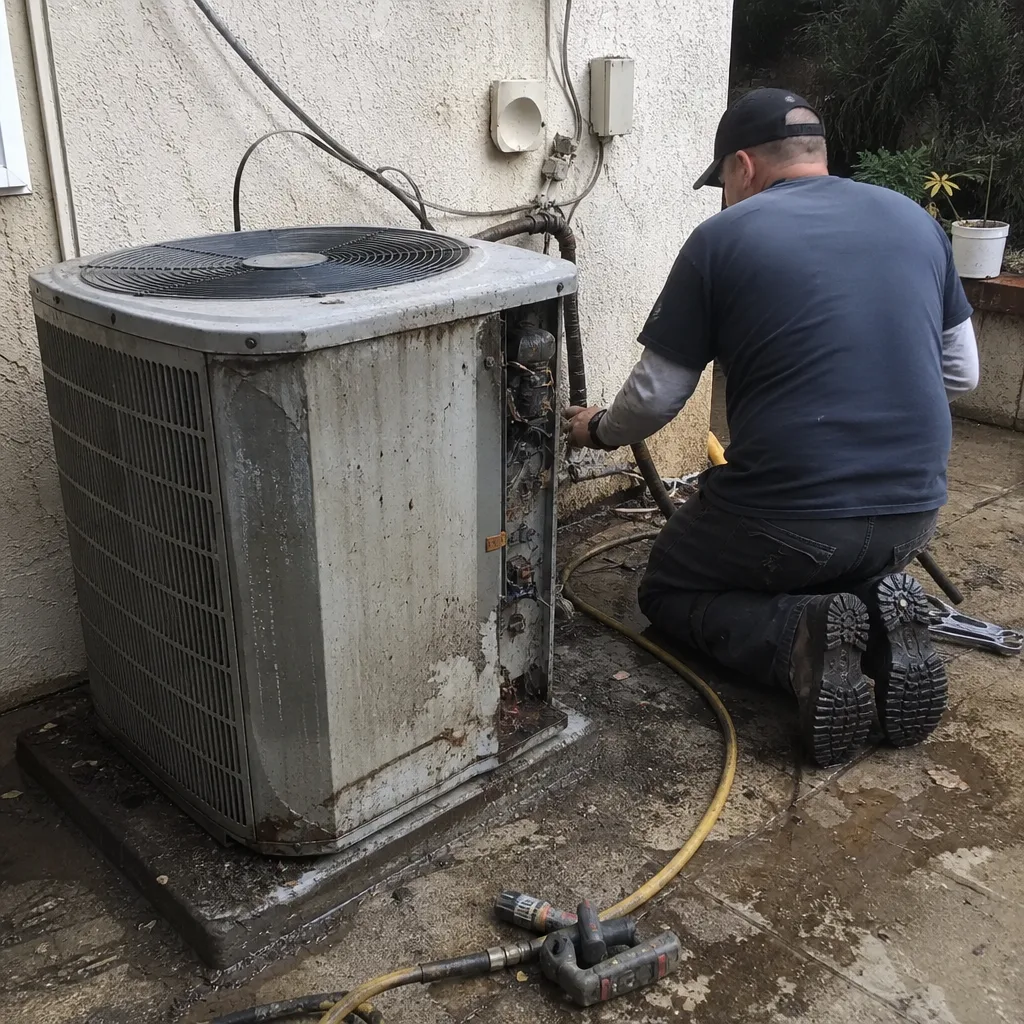 Before
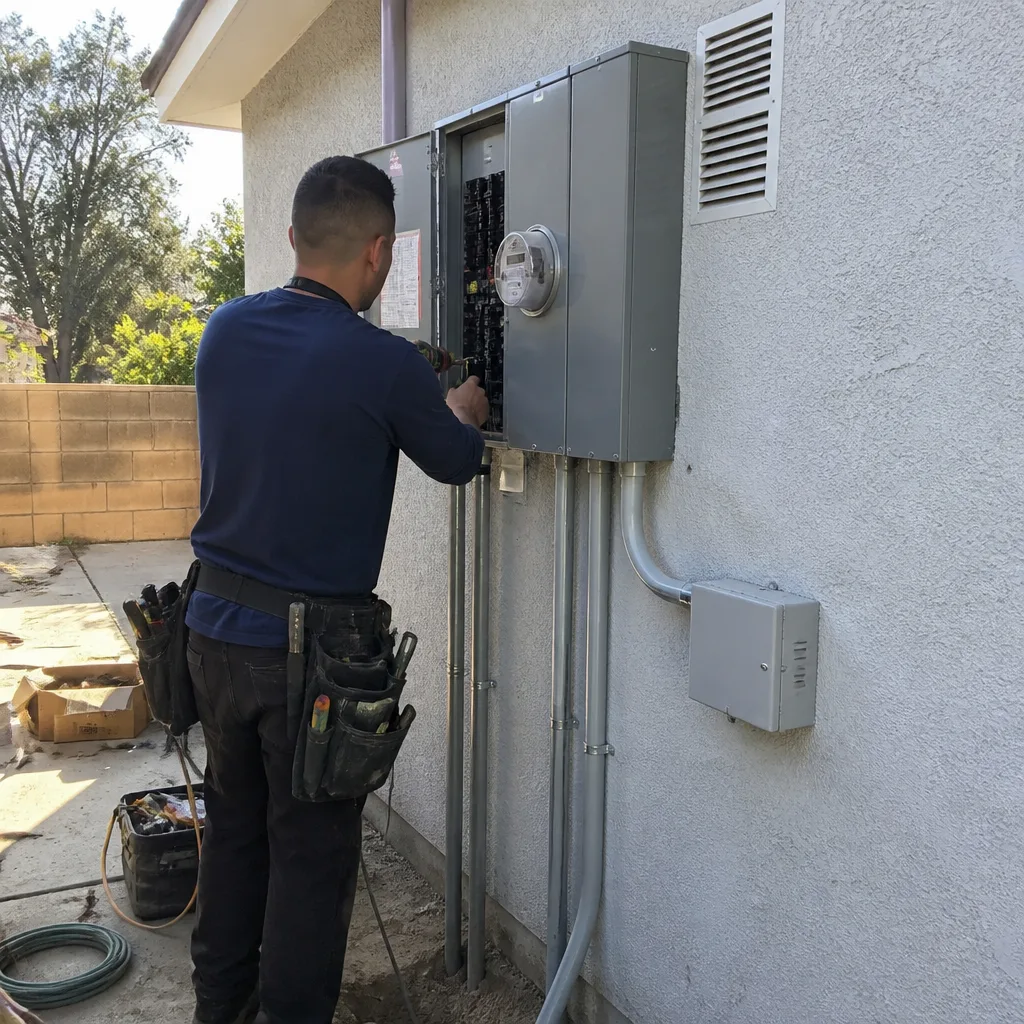 After
After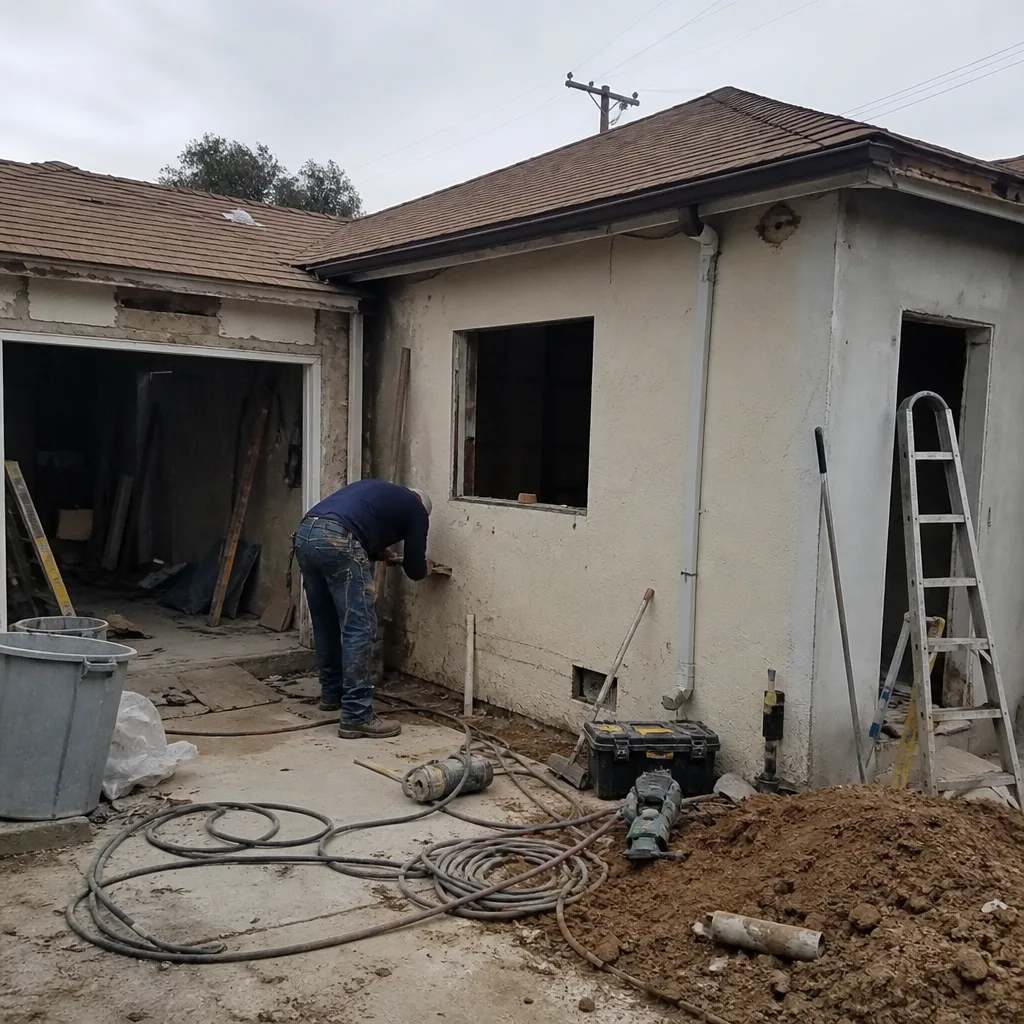 Before
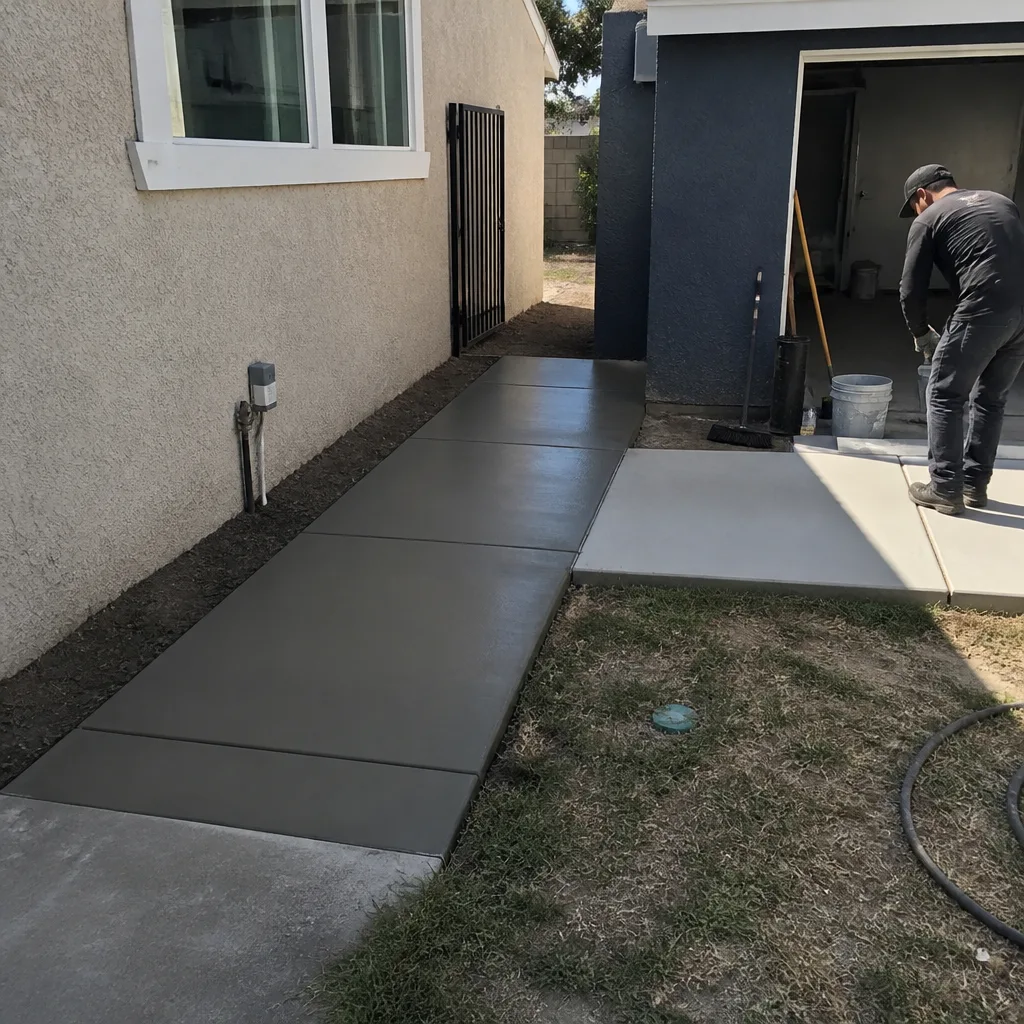 After
After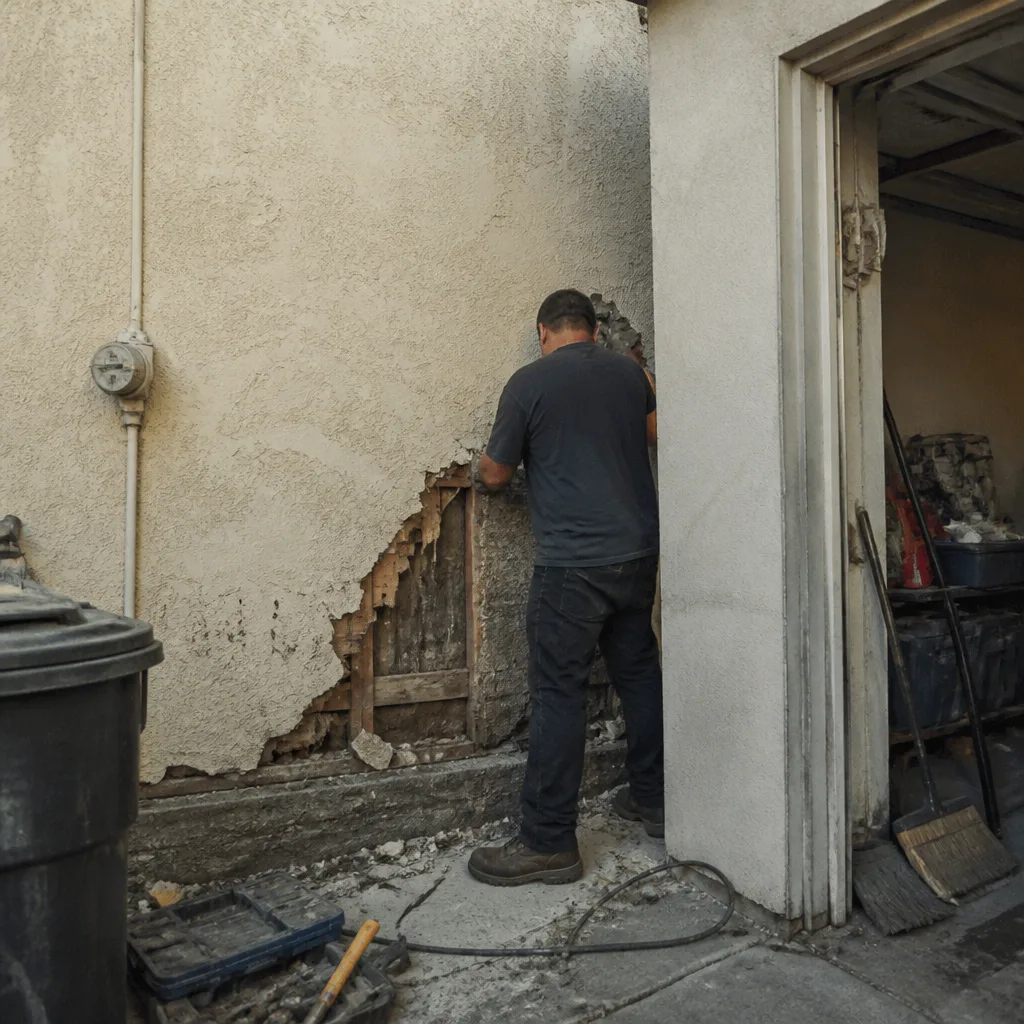 Before
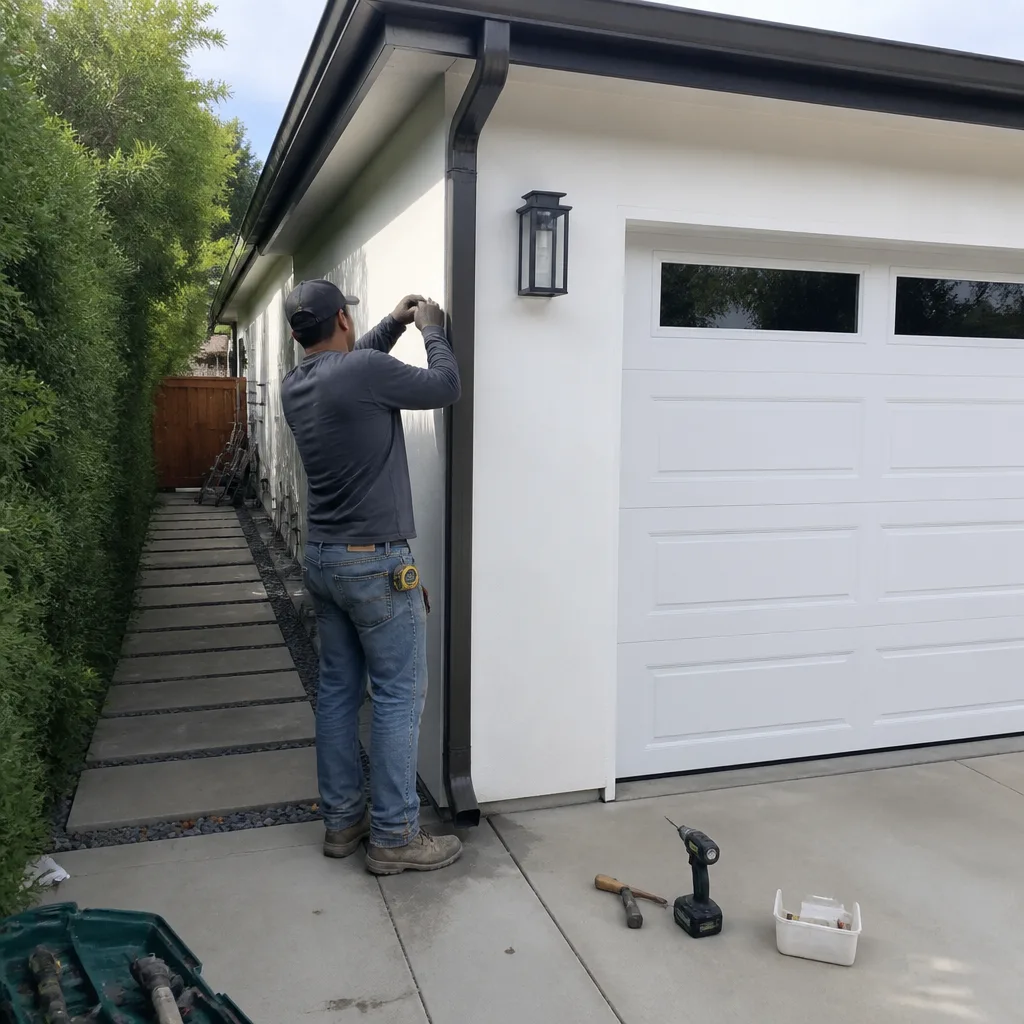 After
AfterReplacement Cost & What’s Included
In Los Angeles, Delta-compatible roof repair runs $470 to $2,125 installed. Small targeted fixes like one pipe collar, a short section of exposed flashing, or six to eight shingles replaced are on the low end. Cost climbs with the size of the compromised area, the roof’s pitch, whether the decking under the damaged area is compromised, and how much tear-off is required to reach the nail line properly.
| Repair Type | Typical Installed Range |
|---|---|
| Single pipe collar or small flashing repair | $470 – $825 |
| Shingle section replacement (up to 100 sq ft) | $825 – $1,650 |
| Valley or ridge repair with underlayment work | $1,180 – $2,125 |
| Full Delta-compatible roof replacement | $9,440 – $23,600 |
Every estimate from us is a written, line-item price before any work starts. You’ll see the material cost separated from labor, the exact Delta-compatible part or aftermarket equivalent we’re specifying, and the scope of decking we expect to replace based on the inspection, not on what we find halfway through and bill you for at the door. If we do open up the roof and find rot that changes the picture, we stop and we put the new price in writing before we go further. That’s The Garrison Standard, and it’s not a sales tactic; it’s the only way Curtis Lane will run a job.
All Delta roofing work we complete carries the 365-Day Done Right Promise. If the repair or replacement fails inside that full year, we return and correct it at no charge. That’s a written term, not a verbal assurance.
DIY or Call Us?
There’s an honest split here. On the safe side: clear your gutters and note where granule accumulation is heaviest, check for lifted edges from the ground with binoculars, and visually inspect pipe collars from a ladder only if the ladder is secure and someone is holding it. Those are homeowner observations that help us pinpoint the problem before we even get up there.
On the other side: walking a pitched Los Angeles roof, pulling shingles at the nail line, cold-sealing a torn valley with a tube of mastic, or replacing a pipe collar without sealing the base correctly. These are where DIY repairs fail fast, and some of them put you on a ladder with tools in both hands over a 15-foot drop. That’s not worth it. If the part’s damaged enough to replace, the repair belongs with a trained professional who carries the right sealants and knows the difference between a temp patch and a fix that survives the next atmospheric river.
When you call our office at (903) 568-7222, a person answers. We’ll schedule the inspection, give you a written price, and if the repair is in our pocket, we’ll get it done that visit. Straight number, real scope, no surprises at the punch list.
FAQs
Delta architectural shingles in Los Angeles conditions typically last 18 to 25 years, while three-tab versions trend closer to 15 to 18 years. The city’s high UV load, long dry spells that bake the adhesive, and wind-driven rain against the foothills shorten the lifespan compared to milder climates. If your Delta roof is past year 18 and showing granule loss on the west slopes, a repair buys time but a replacement is on the calendar. Call (903) 568-7222 and we’ll give you an honest read on remaining life, not a sales pitch.
Yes, if the damage is localized and the remaining roof has at least five years of serviceable life. A torn shingle section, a cracked pipe collar, or a failing valley flashing can all be repaired without touching the rest of the roof. The line we hold is when the repair area exceeds roughly 25% of the total roof surface or the underlayment is compromised; at that point, patching is money spent twice. We’ll quote both options in writing so you can see the cost difference plainly.
Most single-issue Delta roof repairs are completed in two to four hours once we’re on-site. Larger section replacements with decking work run one to two days depending on the area and weather. You’ll have a written scope and time estimate before we start, and the 365-Day Done Right Promise applies regardless of how long the repair took.
Yes. We keep Delta-compatible pipe collars, ridge caps, starter strips, and common flashing profiles on the truck for same-visit repair in most Los Angeles neighborhoods. If your specific shingle production run requires a color or exposure match we don’t have on hand, we order it and return within a week, and we’ll note that on the estimate so there’s no surprise timing. Call (903) 568-7222 with the product code from a torn shingle if you have it; that speeds the match.
Written by Curtis Lane, Owner, Bradford Remodeling at Bradford Remodeling, serving Los Angeles and nearby areas.