Free written scope consultation - allowances, timeline, and change-order rules on paper before a single trade is scheduled
American Standard Roofing: The Los Angeles Owner’s Guide
If you have an American Standard roof system that’s leaking, lifting, or showing wear at the seams, here’s the straight answer: we stock American Standard-compatible flashing, sealants, edge metal, and underlayment components on our trucks, and most roof repairs in Los Angeles run $470 to $2,125 installed. We match the part to your specific roof system and get it sealed the same visit in most cases, since we carry the common American Standard profiles rather than ordering them in. What usually brings a homeowner to this page is water staining on a ceiling, a visible shingle lift after Santa Ana winds, or crumbling flashing around a vent pipe or chimney. You’re not looking for a whole new roof yet. You’re looking for the specific component that failed, installed correctly, with a written price before we start.
We’re an independent contractor based in Los Angeles, not a factory warranty center for American Standard. That means we’re not bound to a corporate script when we quote your repair. It also means we’ll tell you honestly when a part still has life in it and when it doesn’t.
Which American Standard Models This Applies To
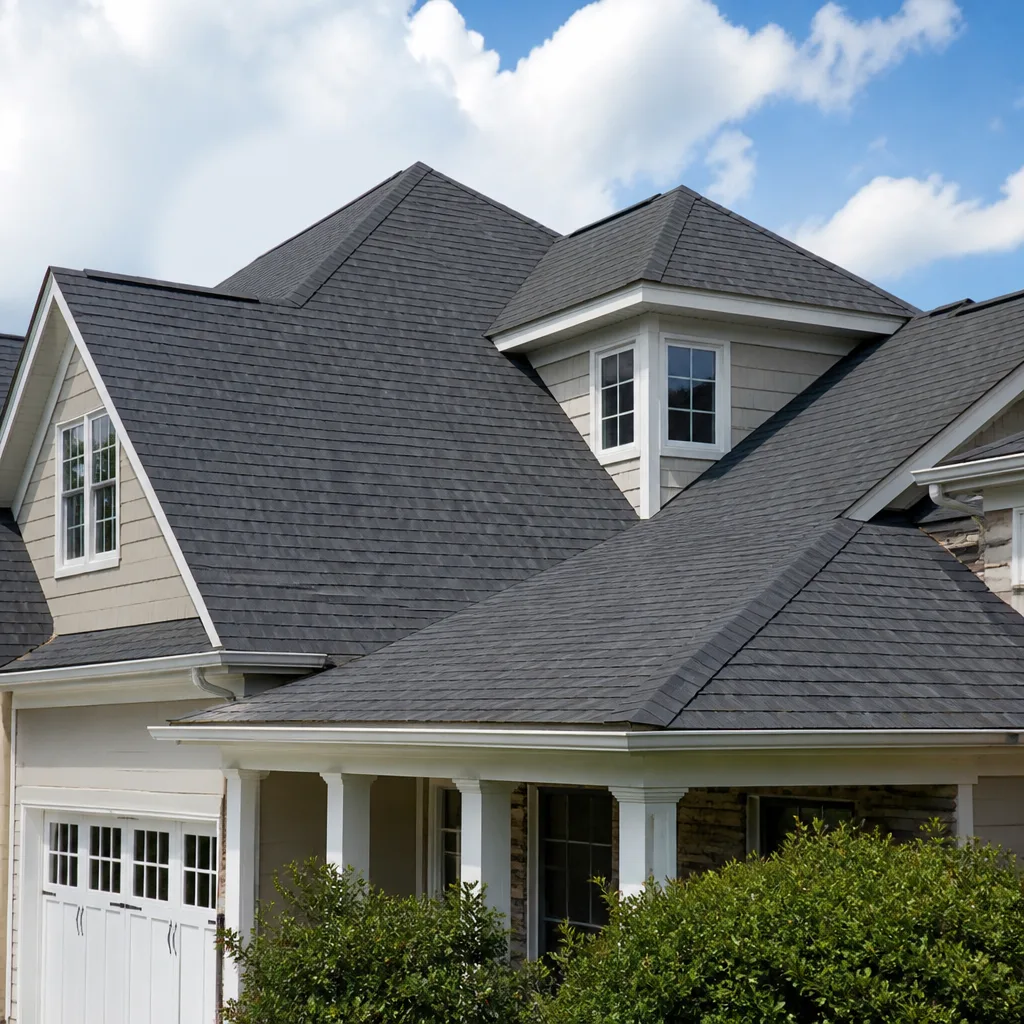
American Standard’s roofing line in the Los Angeles market spans three families: the architectural asphalt shingle systems (the most common we see), standing-seam metal profiles, and their tile-underlayment assemblies. Within those families, the part you need depends on two things: the roof pitch and the penetration type. Most American Standard shingle failures we repair involve either the field shingles, the hip-and-ridge caps, or the flashing collars around pipes, skylights, and chimneys.
Here’s the compatibility gotcha most homeowners don’t know: American Standard ridge caps and field shingles are color-matched by lot number, not just color name. A shingle labeled “Weathered Timber” from a 2018 run will not match a 2023 run of the same name, which matters if you’re patching a small section rather than replacing a full plane. We always check the lot stamp on the underside of an existing shingle before we quote a patch. For metal roof systems, American Standard uses a 1-3/4 inch standing-seam profile with concealed fasteners; the aftermarket clips sold at big-box stores are 1-1/2 inch, and they’ll leave your panels loose the first time a strong east wind comes through. We carry the correct 1-3/4 inch American Standard-compatible clips on the truck.
On the OEM-vs-aftermarket question: American Standard’s OEM flashing components carry a premium, usually 20 to 30 percent over a quality aftermarket equivalent. For hidden components like underlayment, a documented aftermarket brand often performs identically for less. For visible components like ridge caps, the OEM match is worth the money because of the lot-matching issue above. We’ll put both options in your written quote and explain the trade-off in plain language before you choose.
Styles & brands we work with
Signs Your American Standard Roofing Is Failing
- Water staining on ceilings or upper wall corners. This means water is getting past the roof membrane somewhere. In Los Angeles, the culprit is usually a failed pipe boot or dried-out flashing sealant around a vent. Stains often appear weeks after the actual leak starts, because water travels along rafters before it drops.
- Granules collecting in gutters or at downspout bases. Asphalt shingles shed granules as they age, but a sudden pile-up after a rain means the shingle surface is breaking down faster than it should. American Standard architectural shingles in the Los Angeles sun typically start granule-shedding visibly around year 12 to 15, sooner on south-facing slopes.
- Shingles lifting or flapping at the edges. The adhesive strip that seals shingle tabs to the course below fails first at the roof’s windward edges. Santa Ana winds find the loosest shingle and work it like a lever until the nail pulls through. Once one shingle lifts, the course above it is exposed and the failure spreads fast.
- Cracked or curling flashing around chimneys and skylights. Flashing is usually galvanized steel or aluminum, and in Los Angeles the repeated ther mal expansion from daytime heat and cool coastal nights eventually fatigues the metal. A hairline crack in a chimney flashing can leak for months before you see it inside.
- Soft spots or visible sag at the eaves. This is what happens when a leak has been active long enough to rot the substrate, usually the plywood or OSB decking under the shingles. By the time you feel a soft spot, the repair includes decking replacement, not just the roofing component.
See the difference
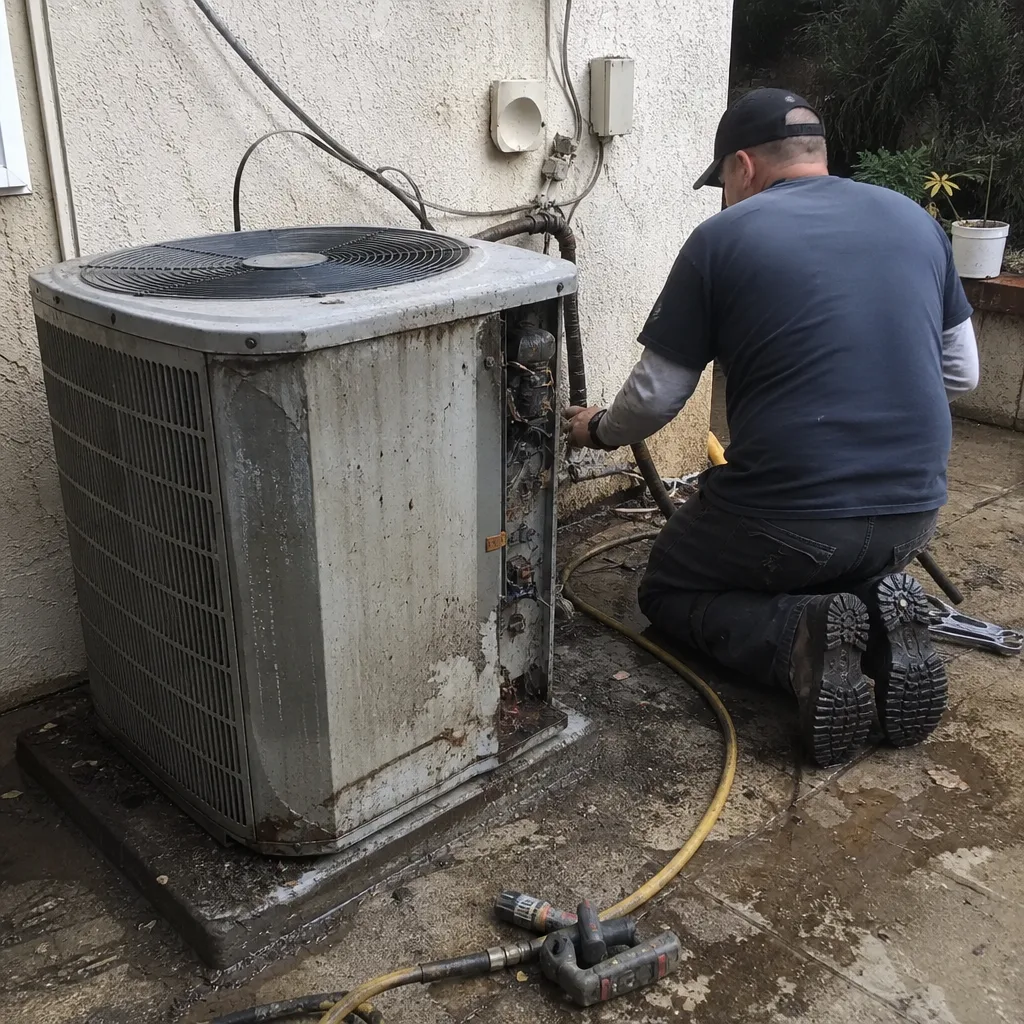 Before
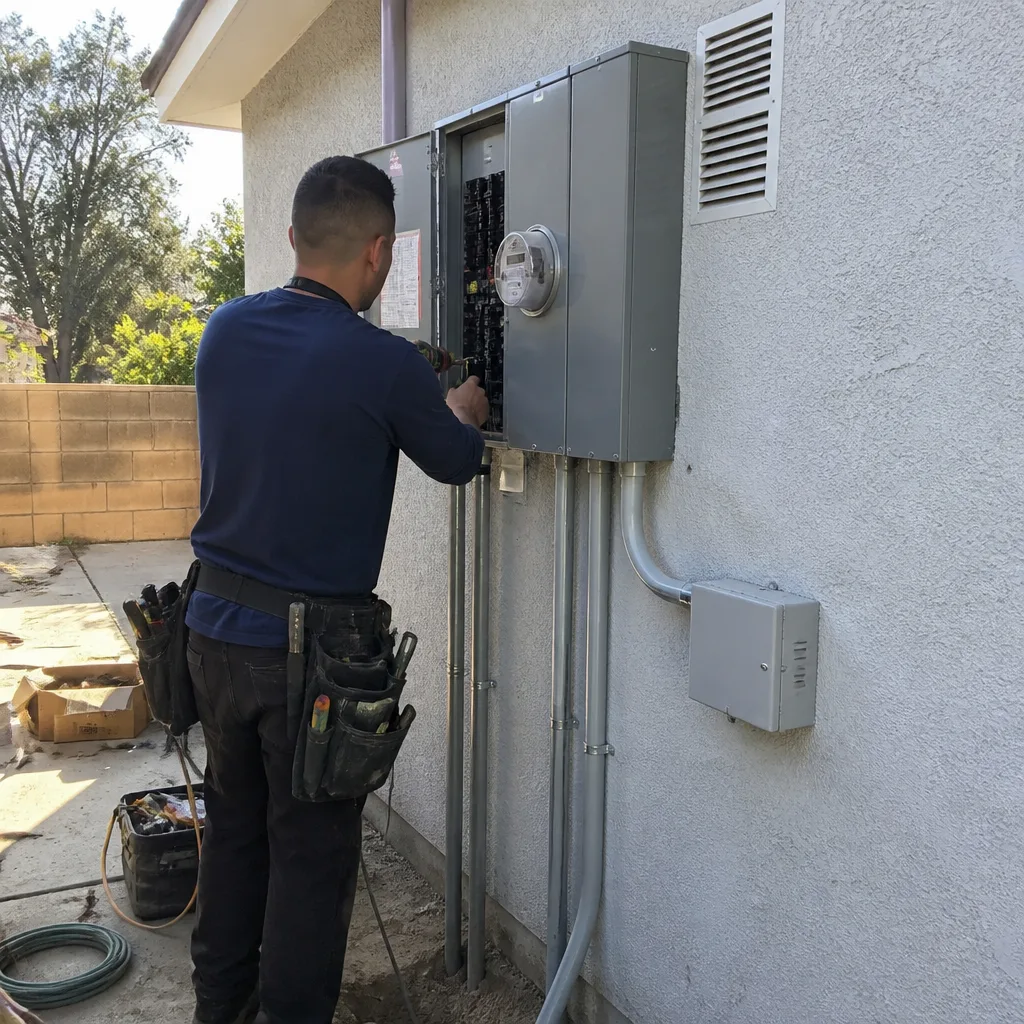 After
After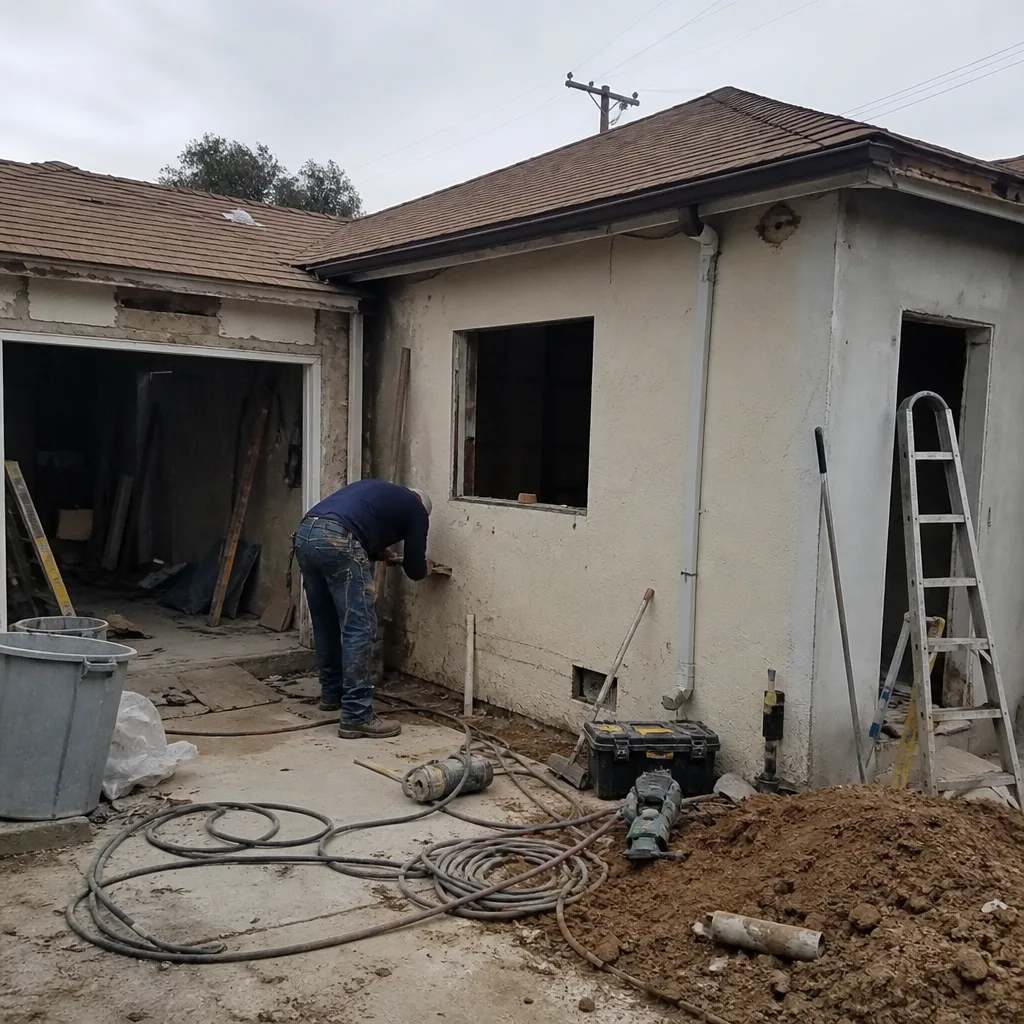 Before
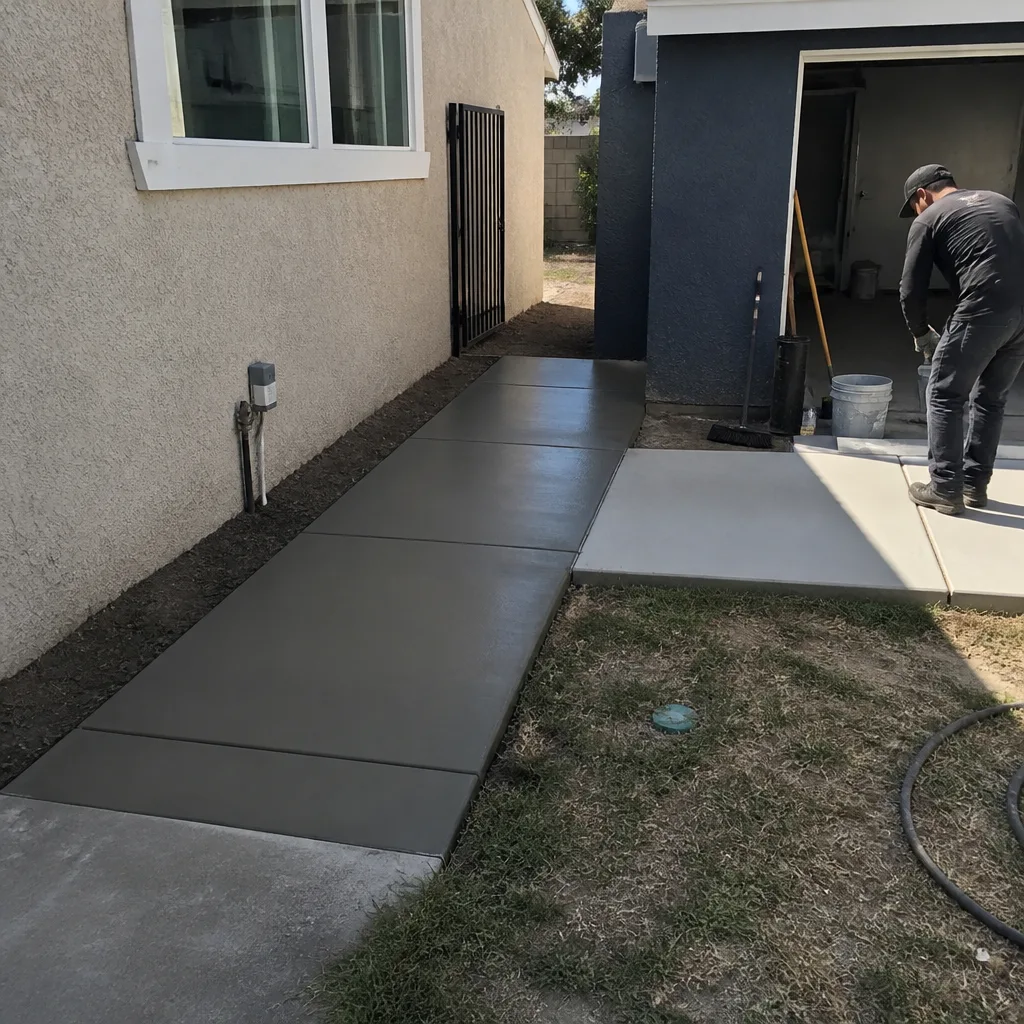 After
After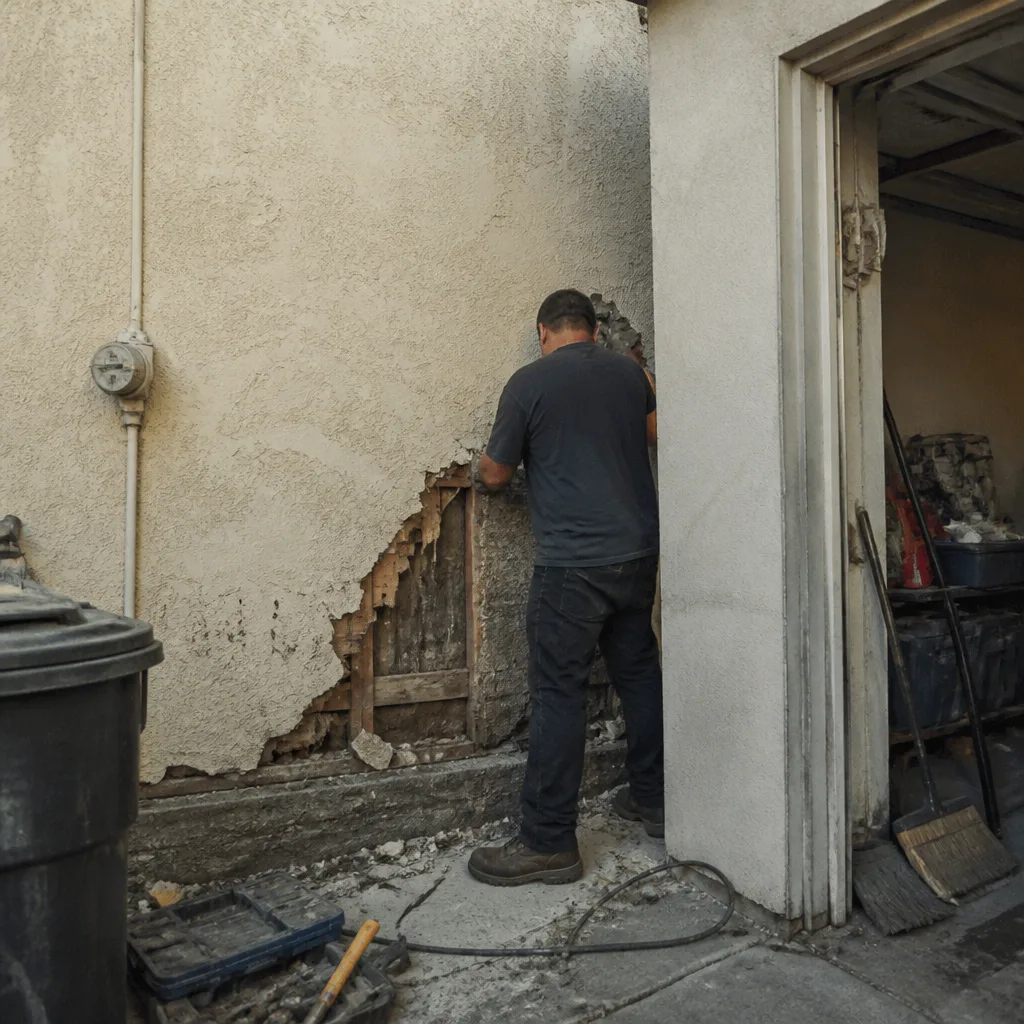 Before
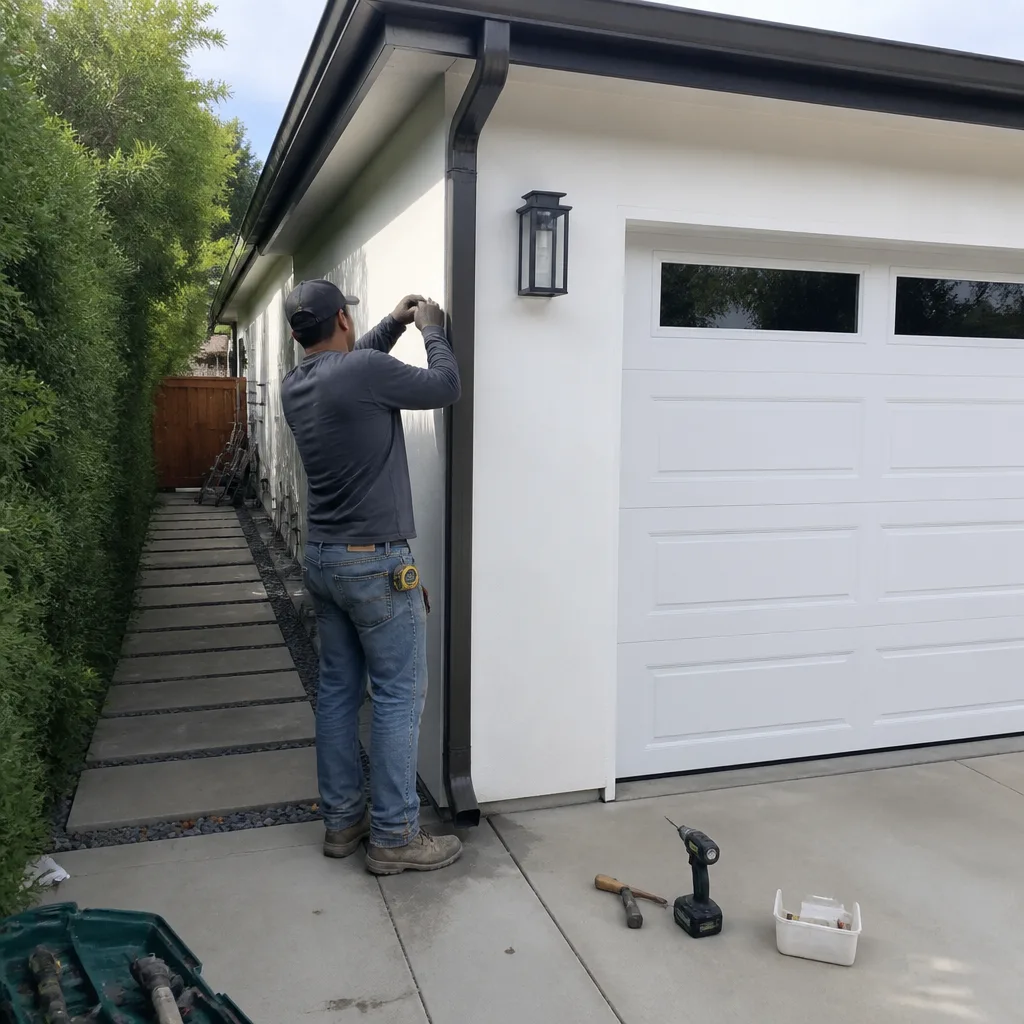 After
AfterReplacement Cost & What’s Included
For American Standard roof systems in Los Angeles, here’s what we quote, installed:
- Full roof replacement: $9,440 to $23,600, depending on square footage, roof pitch, tear-off depth (one layer vs two), and underlayment type.
- Roof repair (flashing, pipe boots, isolated shingle patches): $470 to $2,125, depending on how many penetrations are involved and whether decking repair is needed.
- Tile roof repair (American Standard tile-underlayment systems): $710 to $2,950, reflecting the higher cost of tile removal and reset.
- Metal roof installation (full): $17,700 to $47,200, driven by the standing-seam profile and custom trim fabrication.
Every quote is a written line-item price before any work starts. That means you see the exact cost of materials, labor, disposal, and any substrate repair, and that number does not move unless you change the scope. The work is covered by the 365-Day Done Right Promise: if the repair fails within one year, we come back and correct it at no charge. You get that promise in writing at job close, along with a documented scope and a clean site.
DIY or Call Us?
There are things you can safely check on your roof without calling anyone. You can look at your gutters after a rain and see if granules are piling up. You can inspect your attic for water stains on the underside of the decking. You can even look at ridge caps from the ground with binoculars. What you should not do yourself is climb onto a pitched roof in Los Angeles, especially a tile or metal roof, where one wrong step turns a $500 repair into a hospital bill and a bigger roof problem. If the repair involves removing shingles over living space, handling a nail gun at height, or working around a chimney, call us. Curtis Lane has been doing this work across the Los Angeles basin for two decades, and he’ll tell you the same thing on the phone: a fall from a roof is not worth the money you thought you were saving. Call (903) 568-7222 if you’re not sure what you’re looking at, and we’ll help you figure it out.
FAQs
An American Standard architectural asphalt roof in Los Angeles typically lasts 18 to 25 years on average, but south-facing slopes and roofs with poor attic ventilation can fail closer to 15 years because the sustained heat breaks down the asphalt binder faster. Tile and metal American Standard systems can last 40 to 60 years with proper underlayment replacement at the 20 to 30 year mark. The underlayment is the real wear item on those systems, not the tile or metal itself. Call (903) 568-7222 if you want us to assess where your roof is in its lifespan.
Yes, if the failure is localized. A single pipe boot, one flashing crack, or an isolated wind-damaged shingle course can often be repaired without touching the rest of the roof. The deciding factor is whether the surrounding shingles are still sealed and the substrate below is sound. If the decking is soft or the shingles around the damage are brittle and granule-shedding, a patch will be a temporary fix on a roof that needs replacement. We’ll tell you which situation you’re in, and the quote will show both options if both are possible.
Most flashing, pipe boot, and isolated shingle repairs take half a day to a full day on site, depending on how many penetrations are involved and how hot the roof surface is when we’re working. Full replacements on a typical Los Angeles home run two to five days. We’ll tell you the day count in the written quote, and that schedule holds unless weather pushes it.
We stock the common items on our trucks: pipe boots, flashing collars, sealants matched to American Standard’s membrane chemistry, the 1-3/4 inch standing-seam clips for their metal roofs, and a range of architectural shingle colors in the most common Los Angeles profiles. For exact lot matches on older roofs, we order from our supplier and usually have the material within three to five business days. We’ll tell you on the first call which category your repair falls into. Call (903) 568-7222 for a written quote on your specific roof.
If you need parts or service for other systems in your home, we also stock components for KraftMaid, Cambria, and Silestone products, and we install them under the same written-price and 365-day guarantee.
Written by Curtis Lane, Owner, Bradford Remodeling at Bradford Remodeling, serving Los Angeles and nearby areas.