Free written scope consultation - allowances, timeline, and change-order rules on paper before a single trade is scheduled
GAF Driveway & Pavers: The Los Angeles Owner’s Guide
If your GAF driveway or paver surface is cracking, settling, or pulling away at the edges, here’s the straight answer: Bradford Remodeling stocks GAF-compatible paver and driveway materials for Los Angeles homes, and a full paver driveway installation typically runs $8,260 to $21,240 depending on square footage, substrate condition, and access. We’re an independent contractor, not a GAF dealer, which means we can match the spec without pushing you toward one product line. Most owners discover they have a problem when pavers start rocking underfoot, or when water pools where it didn’t before, and that’s usually the first sign the base beneath the pavers is failing, not the pavers themselves.
Let me explain how that works, because it changes the repair decision. GAF makes a range of hardscape and paving products, and the failure point is almost never the surface material itself. It’s the base layer underneath, the sand or aggregate that locks the pavers together. In Los Angeles, we deal with two things that accelerate that: summer heat that expands pavers and pushes them outward to leave gaps, and winter rain that finds those gaps and washes out the base below. Curtis Lane has been doing this work across the Basin long enough to know that the first crack you see is rarely the root cause. Straight number, real scope, no surprises at the punch list.
Which GAF Models This Applies To
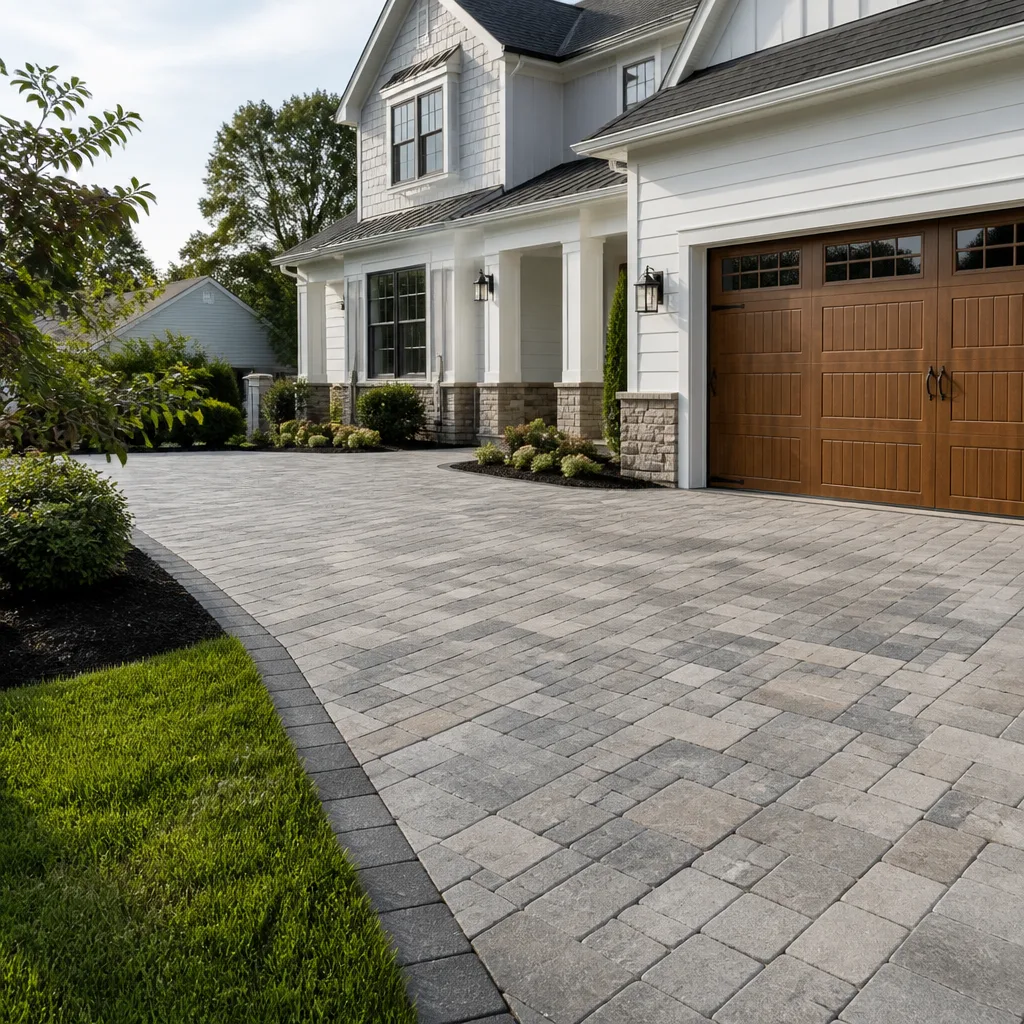
GAF driveway and paver products are not a single product line the way GAF roofing is. The hardscape side of the catalog includes permeable paver systems, standard concrete pavers, and driveway grid systems designed to reinforce stone or aggregate surfaces. What matters more than the model name is the paver thickness and the load rating. GAF’s permeable pavers are typically manufactured in 2-3/8 inch and 3-1/8 inch thicknesses, and that number controls what the paver can carry. A standard residential driveway works fine with the thinner paver if the substrate below is stable. If you have a front-loading driveway with a steep grade, a section of heavier vehicles, or a patch of clay-heavy soil, the thicker paver with a reinforced base is the safer spec.
Here’s the compatibility gotcha we run into in Los Angeles neighborhoods like Silver Lake, Pasadena, and the hills above Studio City: paver brand names and colors get discontinued without notice, and the replacement lot won’t match the original color after two or three years of sun. GAF’s pavers fade at about the same rate as other concrete pavers in our UV index, roughly 1 to 2 shades lighter over five years depending on pigment lot. If a section fails and we’re replacing five missing pavers, we recommend sourcing the replacements through the original installer’s lot records or pulling from a shaded area of the patio to blend in the driveway section. When that’s not possible, an aftermarket match from a Los Angeles stone yard is the next decision, and we’ll tell you honestly whether the match is close enough before you spend a dollar on it.
Styles & brands we work with
Signs Your GAF Driveway & Pavers Is Failing
- Pavers that rock or wobble underfoot. This signals that the bedding sand underneath has migrated out through the joints. It’s the earliest warning sign, and it’s fixable without a full rebuild if you catch it before the base layer starts shifting. Once the base erodes, you’re re-leveling the section, not just re-setting pavers.
- Water pooling in flat-low spots against the garage or foundation. In Los Angeles, our rainy season is short but intense, and a driveway that used to shed water toward the street and now holds it against the house is telling you the original slope has settled. That pooled water finds its way into the subgrade and accelerates the failure.
- Gaps opening between pavers along the driveway edges. The edge restraint that holds the outermost pavers has failed or was never installed properly. Once the edge opens up, the whole field of pavers has room to move, and the rows start separating from the outside in. This is the most common issue we fix on GAF-compatible driveways in the San Fernando Valley and beyond.
- Sunken sections or a visible dip where tires roll. The gravel base was not compacted in lifts, or the soil underneath was poorly compacted at original construction. A dip in the tire track is not a paver problem, it’s a base problem, and filling it with more sand won’t fix it. That section has to be lifted, the base re-compacted, and the pavers re-set.
- Cracks running through multiple pavers in a line. That’s a structural crack telegraphing up from the concrete slab or base below. In Los Angeles, we see this most often on driveways built over expansive clay soil that shrinks in the dry season and swells in the wet season. A line of cracked pavers means the base has cracked beneath them.
Replacement Cost & What’s Included
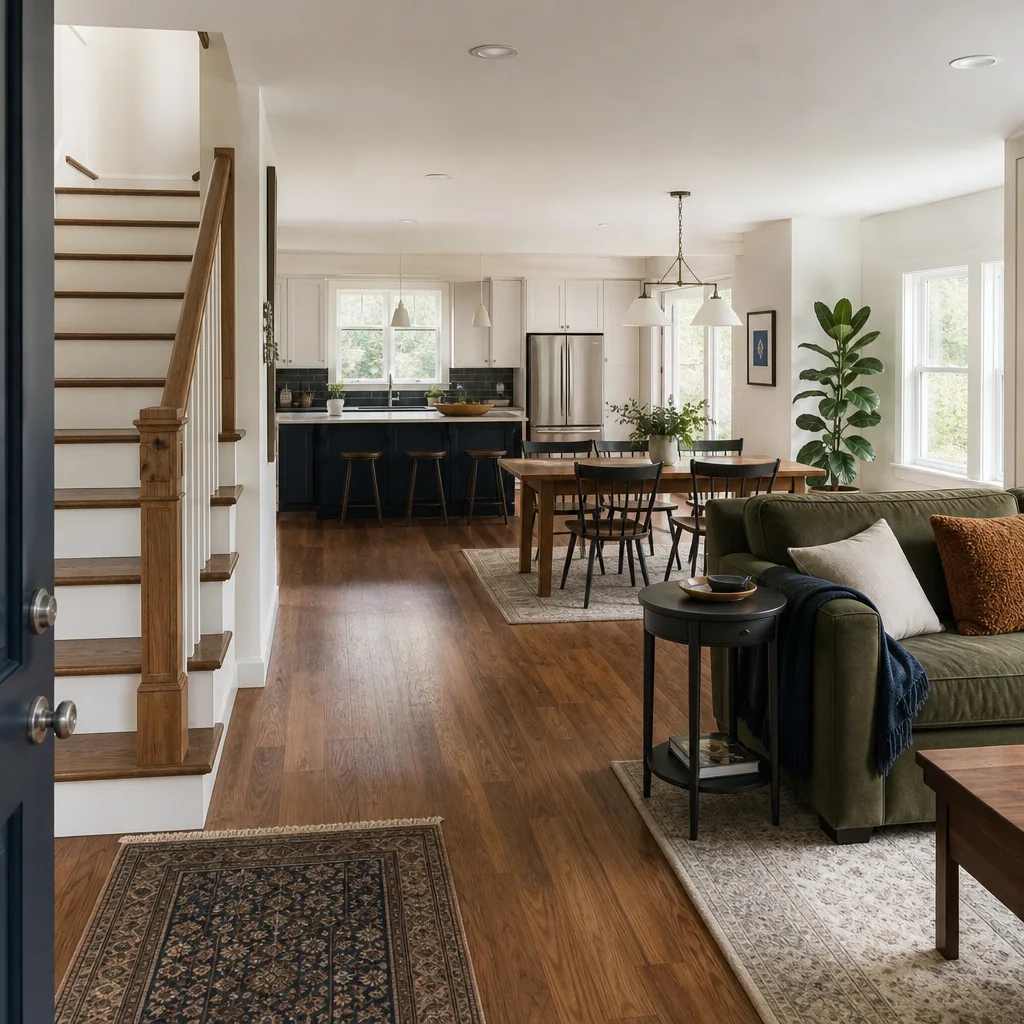
Here’s the price picture for Los Angeles, from our written quotes: a full GAF-compatible paver driveway installation ranges from $8,260 to $21,240. At the low end, that’s a standard two-car driveway with decent base soil, straight layout, and easy truck access, using standard 2-3/8 inch pavers. The high end of that range covers a larger footprint, driveway expansion or refreshed base, thicker pavers, a permeable system that meets city drainage requirements, or any job where the existing base has to be fully excavated and rebuilt before the pavers go down.
What drives the number, in plain terms: how much of the existing base can be salvaged, what soil conditions look like once we open it up, access for a skid steer and material dump, and the paver spec itself. We write the material cost, labor, haul-off, and base work as separate line items, so you see exactly where the money goes. Every Bradford Remodeling driveway job ends the same way: site clean, scope documented, and a written 365-Day Done Right Promise in your hand. If the paver work fails inside that year, we come back and correct it at no charge.
See the difference
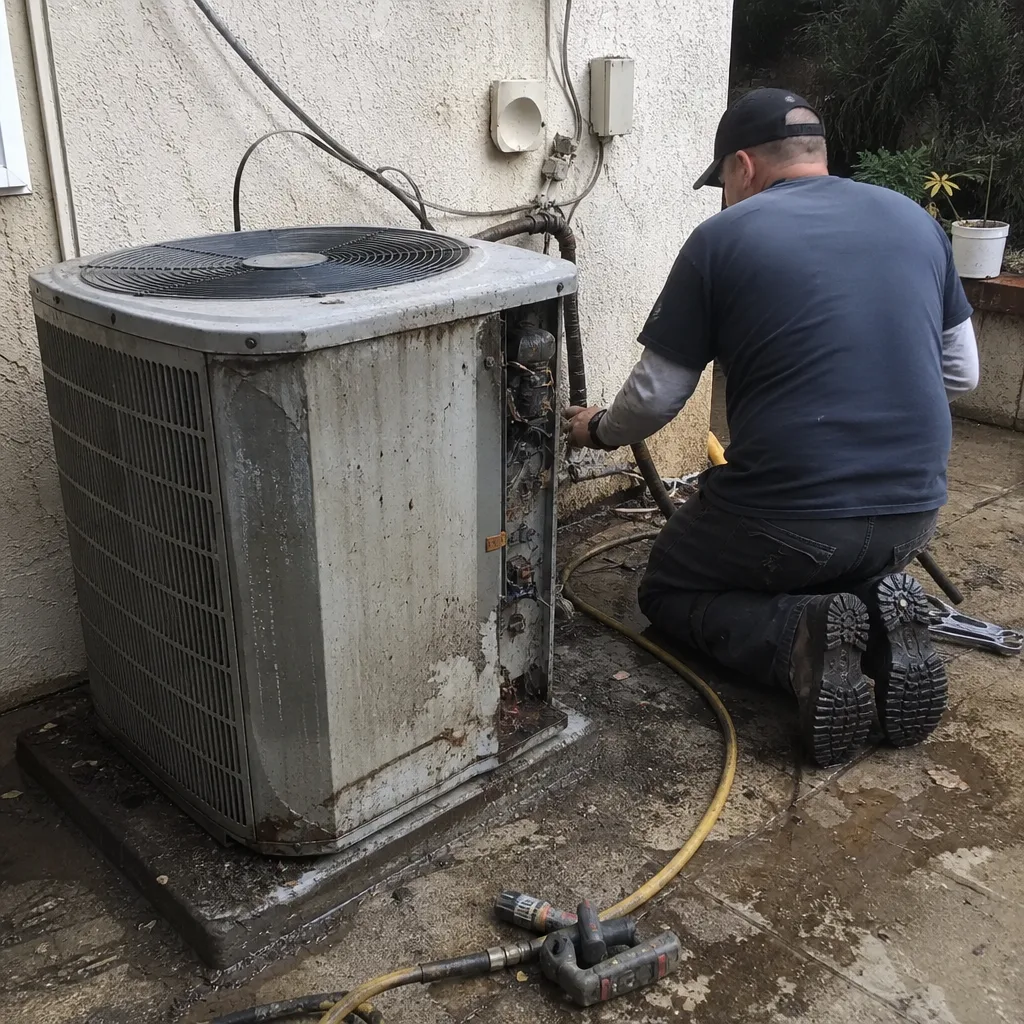 Before
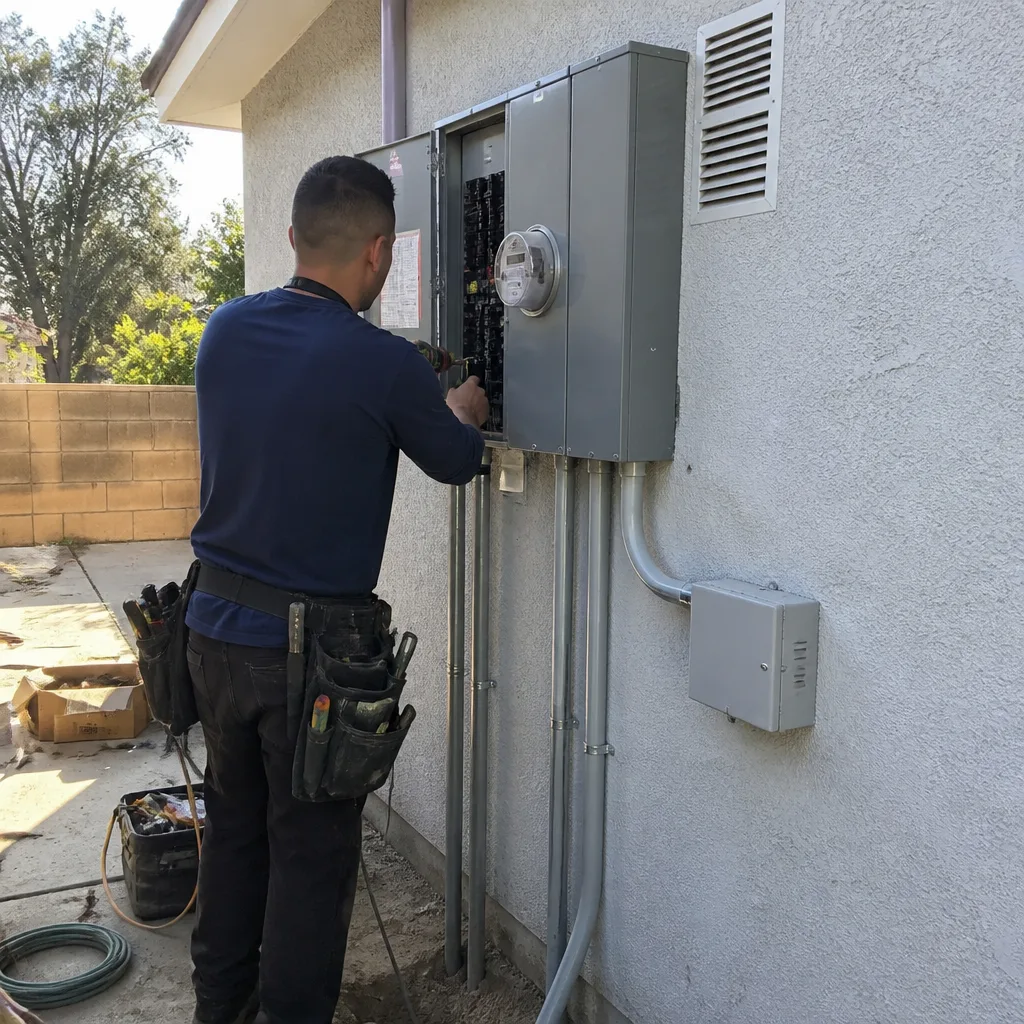 After
After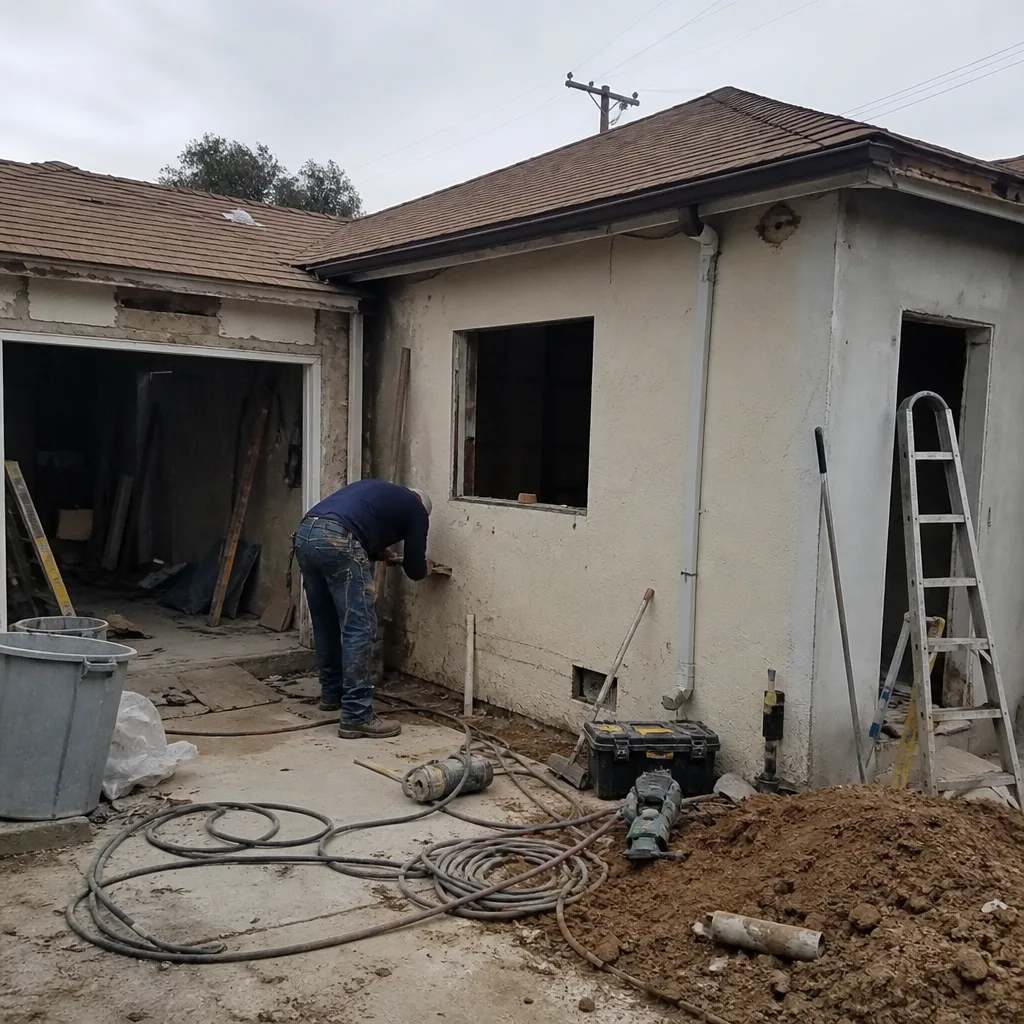 Before
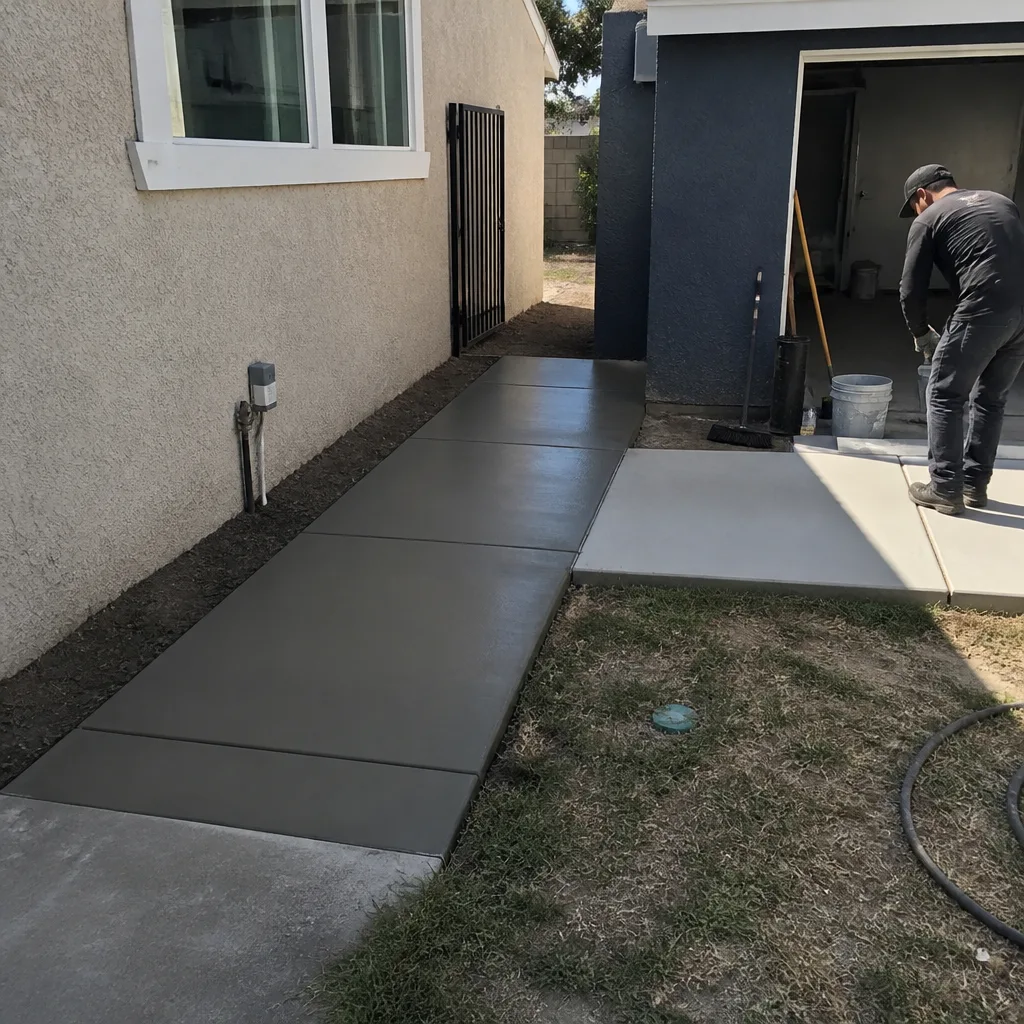 After
After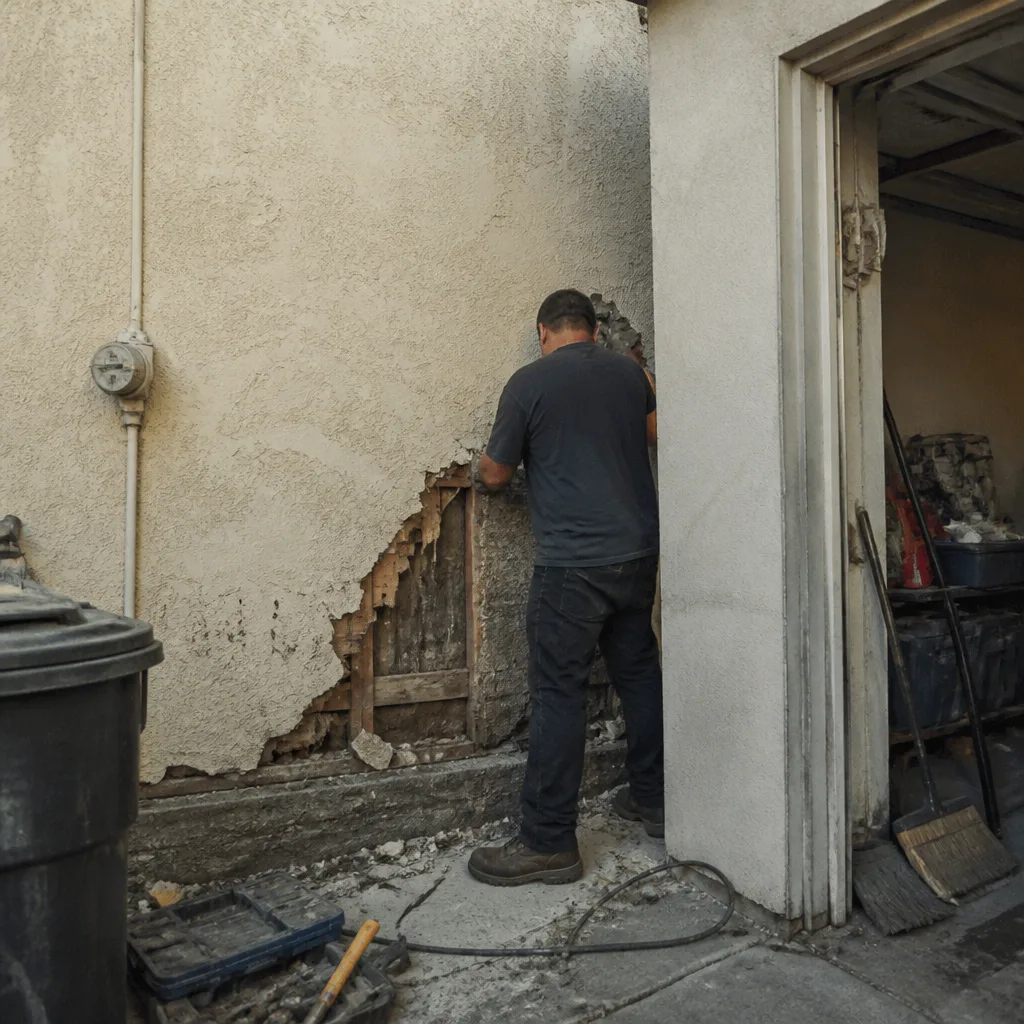 Before
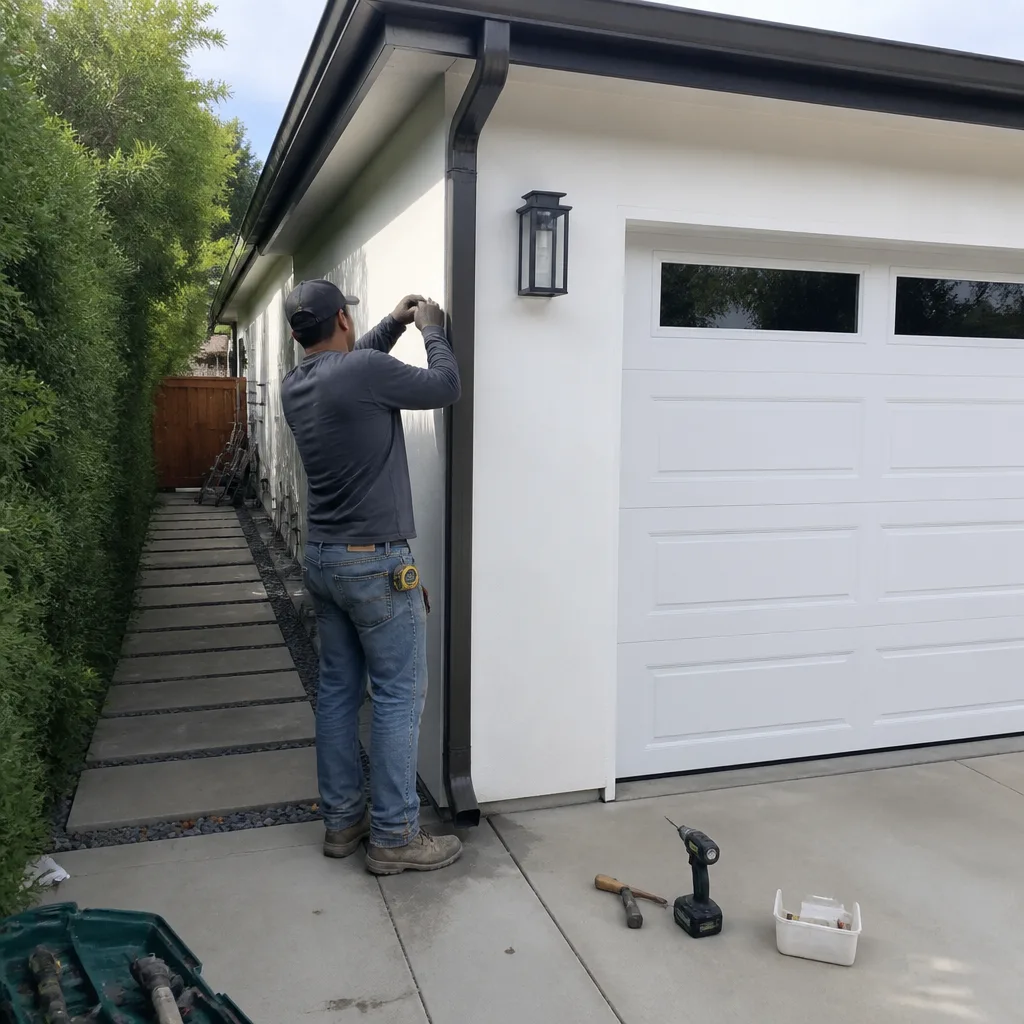 After
AfterDIY or Call Us?
You can safely check a few things yourself before you call. Walk the driveway with a level and a rubber mallet. Tap a rocker paver and see if it drops back into place with a couple of inches of sand underneath it. Look at the outside edges and see if the restraint is intact. Those observations help us quote accurately. What you should not do is start lifting pavers in a failed section to “see what’s under there.” A driveway base that’s failed is not a small re-set project, and after you disturb the edge, the failure keeps spreading. Heavy concrete pavers and compacted base work isn’t dangerously dangerous like electrical or high-tension springs, but a day with a plate compactor without training will leave the patch worse than you found it, and the drainage grade you don’t know you lost will send water into the garage in the first hard rain. If the section is larger than a few pavers, call (903) 568-7222 and let us give you a written number.
FAQs
A properly installed paver driveway in Los Angeles lasts 20 to 30 years with the right base prep and edge restraint. The pavers themselves won’t wear out; what fails is the base or the joint sand, which is why you should re-sand the joints every 3 to 5 years and correct edge gaps the year they appear.
Yes, in most cases we can lift and re-set the failed section, re-compact the base below it, and install new edge restraint without touching the rest of the driveway. The caveat is color matching: sun-faded pavers won’t match new pavers, so part of the repair discussion is whether we salvage the original pavers or blend from elsewhere on the property. Call (903) 568-7222 for an honest read on whether a section repair makes sense for your driveway.
Most residential paver driveway replacements in Los Angeles take 3 to 7 working days from excavation to final compaction and joint sand, assuming the base requires a full rebuild. A large driveway or one with drainage corrections and permeable paver requirements can run 2 to 3 weeks, and we’ll put that timeline in writing before work starts.
We don’t stock full pallets of GAF pavers on the shelf because the model and color you need depends on your existing installation and lot records. What we do stock in our trucks is the repair material most jobs need: bedding sand, joint sand, edge restraint, and paver base. The pavers themselves are ordered per job to match your spec, and we handle the order, delivery, and verification against your original materials.
Contact Bradford Remodeling
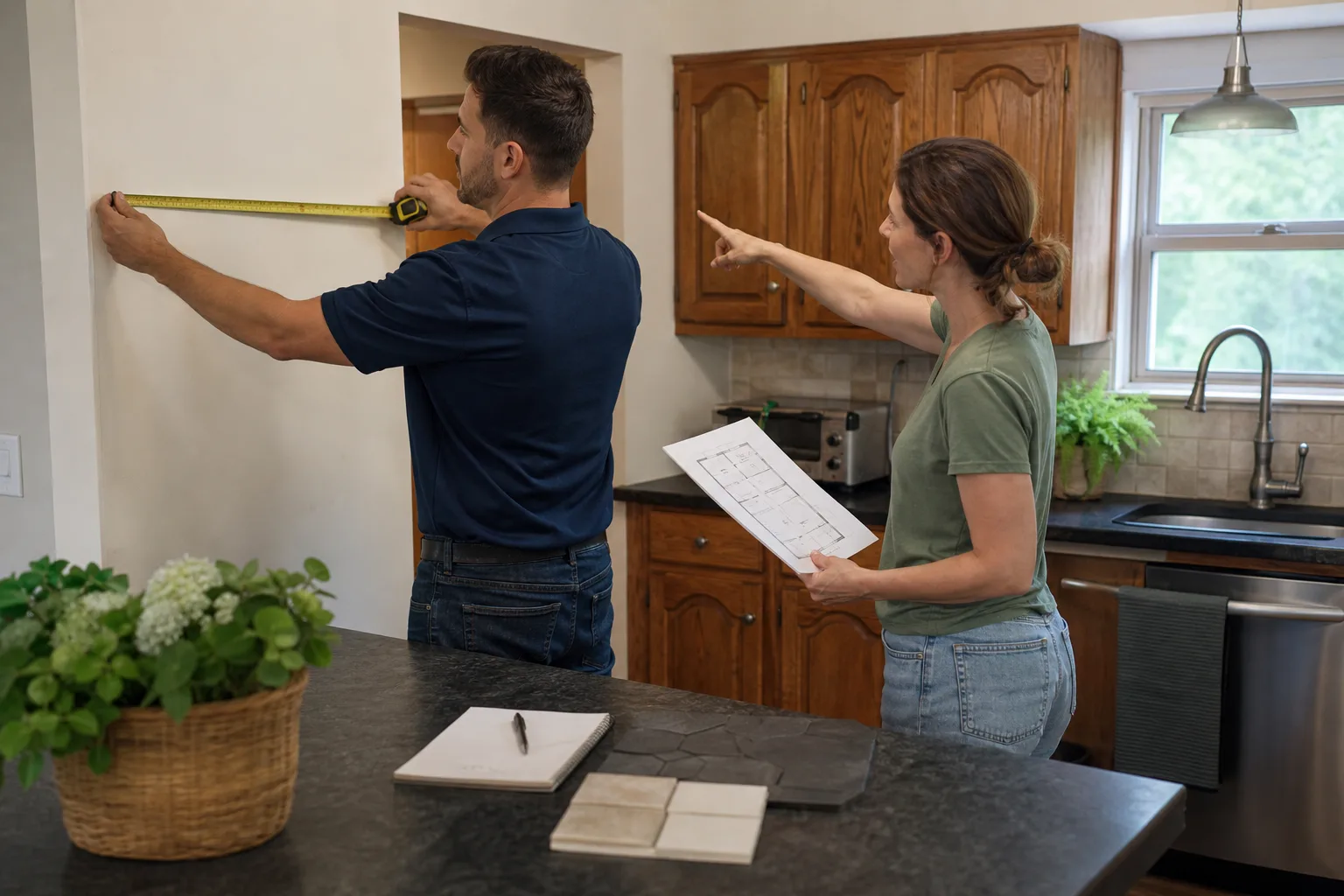
If your GAF driveway or pavers are failing, we’ll tell you what’s wrong, what it costs to fix, and whether you can wait or need to act now. No door-knocker pricing games. Call (903) 568-7222 and we’ll schedule a time to look at the driveway, measure it properly, and hand you a written quote with the full scope and the 365-Day Done Right Promise spelled out.
Written by Curtis Lane, Owner, Bradford Remodeling at Bradford Remodeling, serving Los Angeles and nearby areas.