Free written scope consultation - allowances, timeline, and change-order rules on paper before a single trade is scheduled
Atlas Driveway & Pavers: The Los Angeles Owner’s Guide
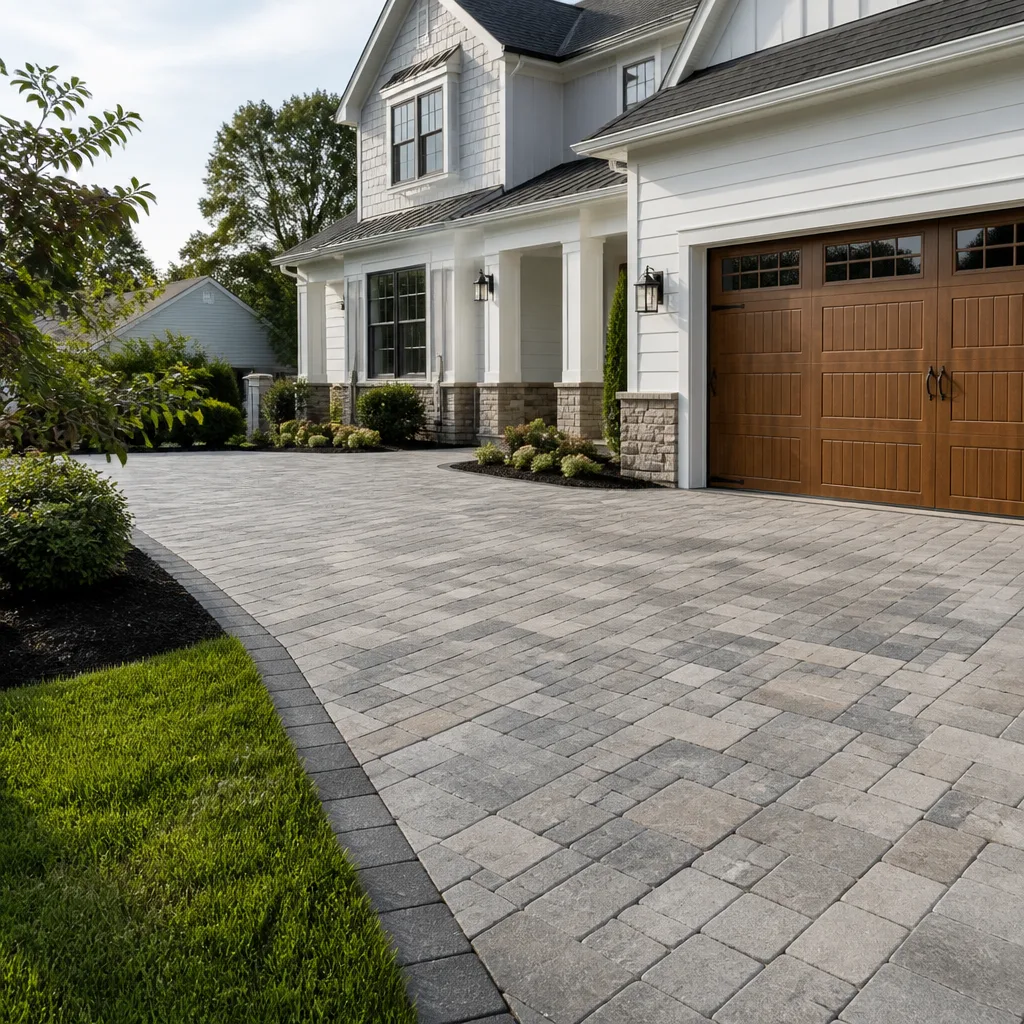
Bradford Remodeling stocks and installs Atlas-compatible driveway and paver materials across Los Angeles, with typical installed pricing between $8,260 and $21,240 for a paver driveway depending on square footage, site prep, and drainage work. Most Atlas paver failures trace back to one of three things: a failed base layer, a shifting edge restraint, or joint sand that’s washed out and let the stones move. We carry Atlas paver patterns and the base materials that match their original install spec, and our crews are on the road in Los Angeles throughout the week.
Here’s the symptom picture we see most: you’ve got a paver that’s sunk a half-inch below its neighbors, or a stretch of driveway that’s started to creep toward the lawn. Maybe weeds are pushing up through the joints, or water pools where it never used to. That’s a base or edge failure, not a surface problem, and it’ll keep spreading until the base is addressed. We pull the affected stones, re-grade the base, reset the pavers, and lock the edges back down. Straight number, real scope, no surprises at the punch list.
Which Atlas Models This Applies To
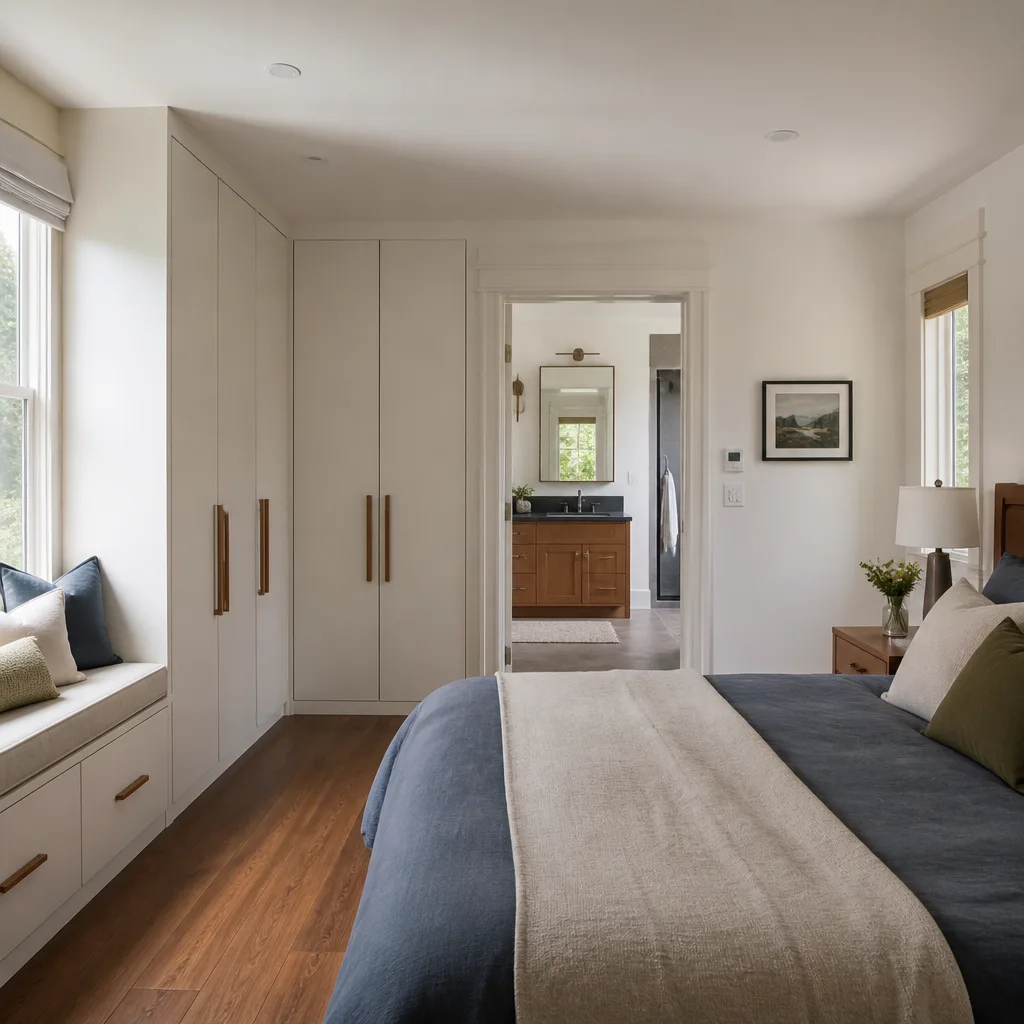
Atlas manufactures pavers in several series lines: the Atlas Cobble, Atlas Highland, Atlas Architectural Slab, and Atlas Permeable. Each series uses different thickness specs. Cobble pavers typically run 60mm thick, Highland pavers run 80mm for residential driveways, and the Architectural Slab line can go up to 100mm for commercial-weight applications. If you’re replacing a cracked or shifted paver, matching the series and thickness matters more than matching the color code. A 60mm paver dropped into an 80mm field will sit low and collect water, and water is what kills a paver driveway over time.
Here’s a compatibility gotcha worth knowing: Atlas color lots vary by year, so a paver bought in 2019 won’t match a paver from the same series bought in 2024. When we do a partial repair, we pull pavers from the existing field for the repair zone and blend new stock into the larger area so the color shift reads as natural variation rather than a patch. We also stock quality aftermarket equivalents from Belgard and Unilock for owners who want to switch a section deliberately, but for a seamless Atlas repair, OEM matching is the better call. Bradford Remodeling is an independent service provider; we’re not affiliated with Atlas, but we’ve worked with their product lines long enough to know what matches and what doesn’t.
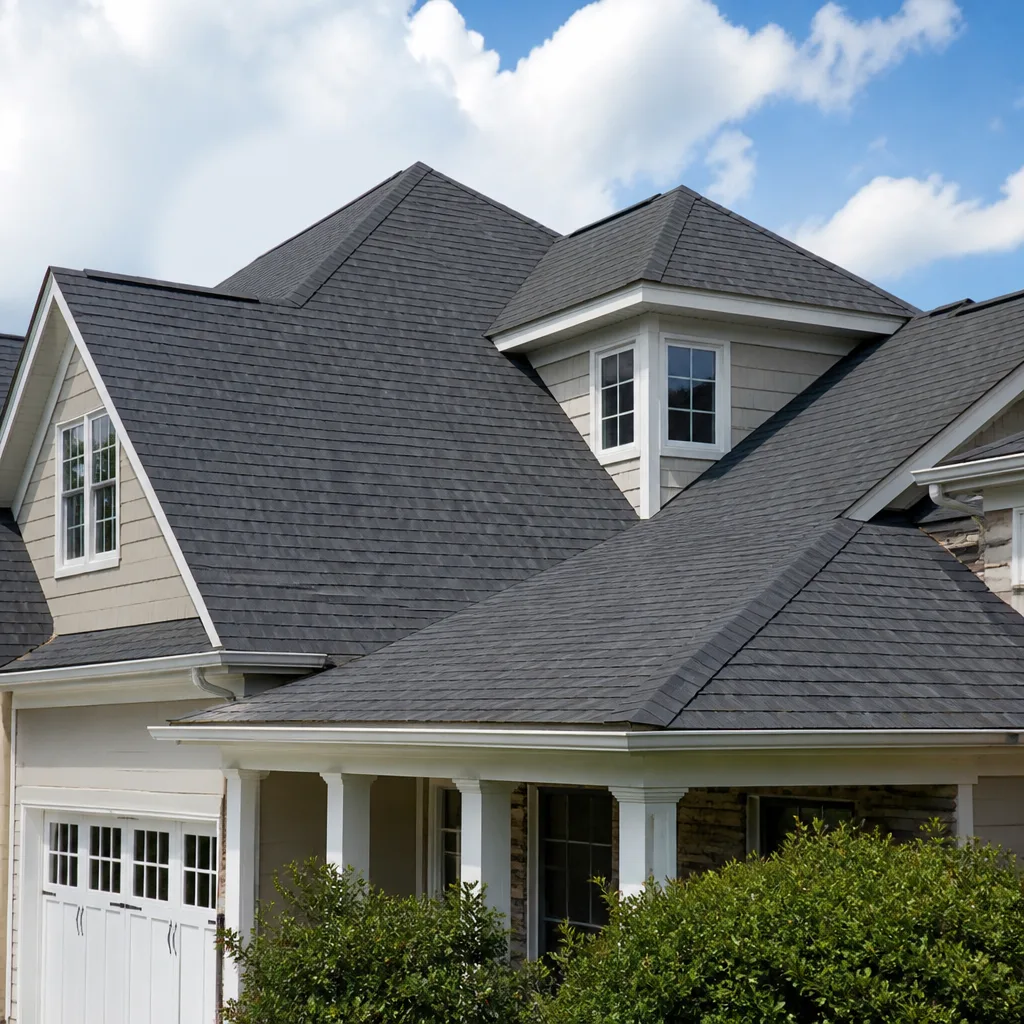
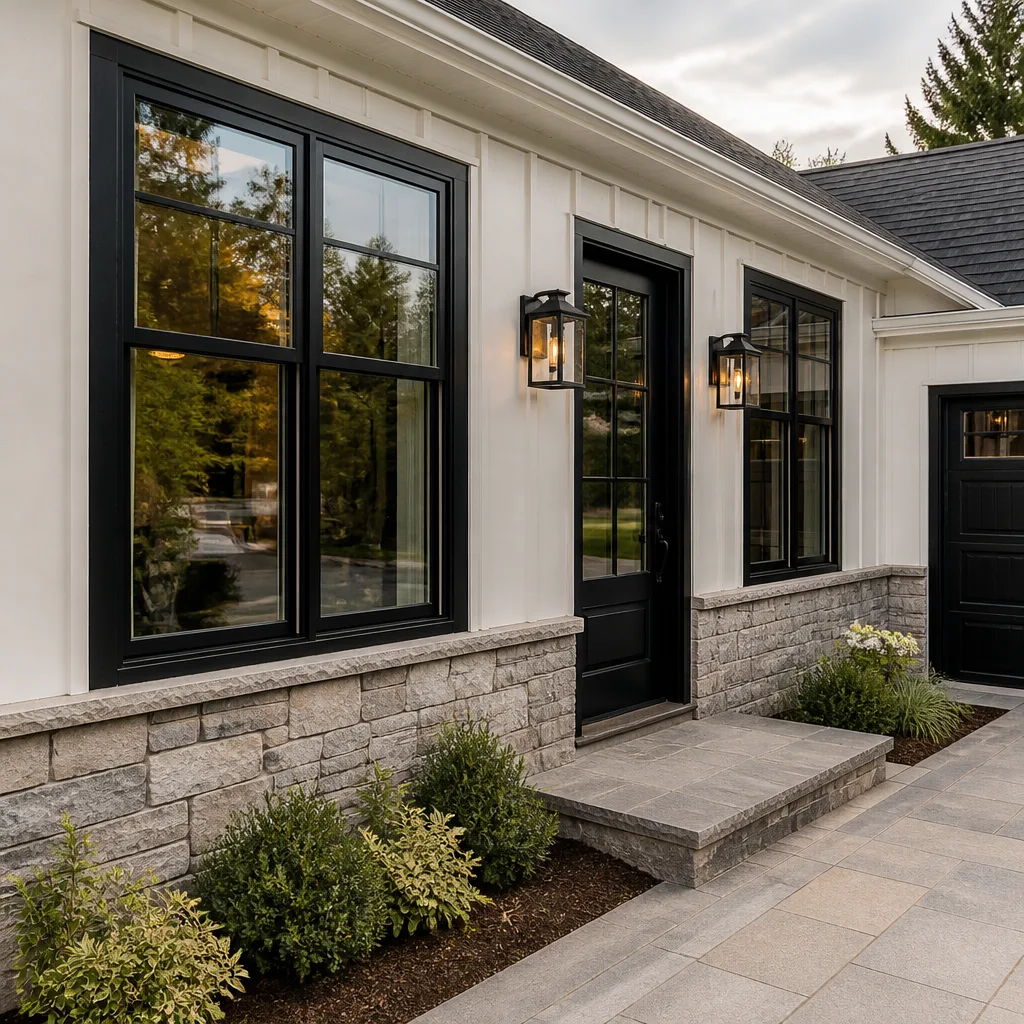
Styles & brands we work with
Signs Your Atlas Driveway & Pavers Is Failing
- Paver that sinks or dips below the surrounding field. This is almost always a base failure underneath. The paver itself is rarely the problem. Water has softened the aggregate base or washed out the sand bedding, and the stone dropped.
- Edge pavers spreading outward into the lawn or planting bed. The edge restraint has failed. Without a solid plastic or concrete edge holding the field together, the pavers walk outward, and the pattern opens up at the seams.
- Weeds pushing through the joints. Joint sand has washed out and been replaced by organic matter. That means water is getting under the pavers every time it rains, and the cycle is accelerating.
- Standing water or puddling on the surface. Atlas driveways are pitched to drain. If water sits, the base has shifted or settled and the pitch is gone. Left alone, that water works into the substrate and makes the settlement worse.
- Pavers cracking along edges or at the corners. This usually means heavy point loads on an under-supported stone, often where a car turns, or a section of base was never compacted properly during the original install.
Curtis Lane has seen every one of these on driveways across Los Angeles, and the pattern is consistent: the stone fails because the system underneath it failed first. Paver repair that only addresses the surface is a temporary fix.
See the difference
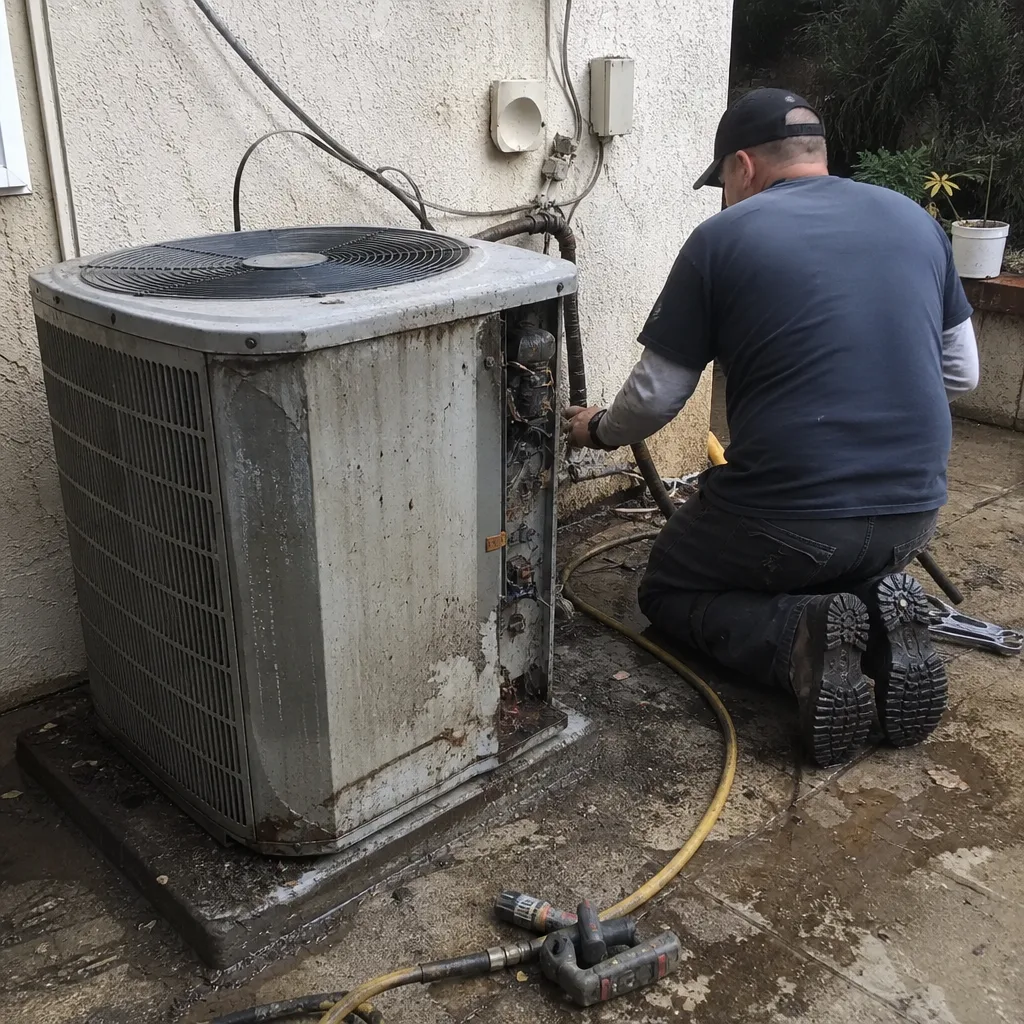 Before
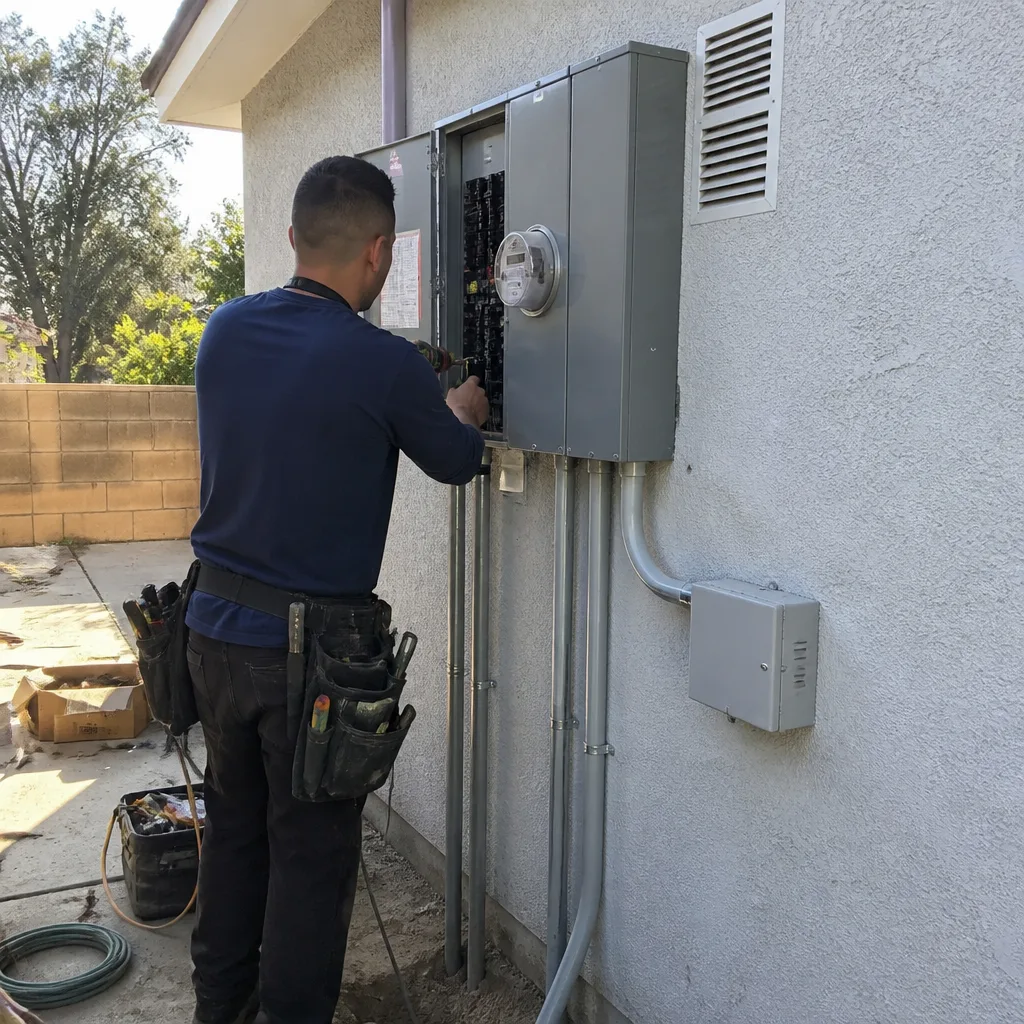 After
After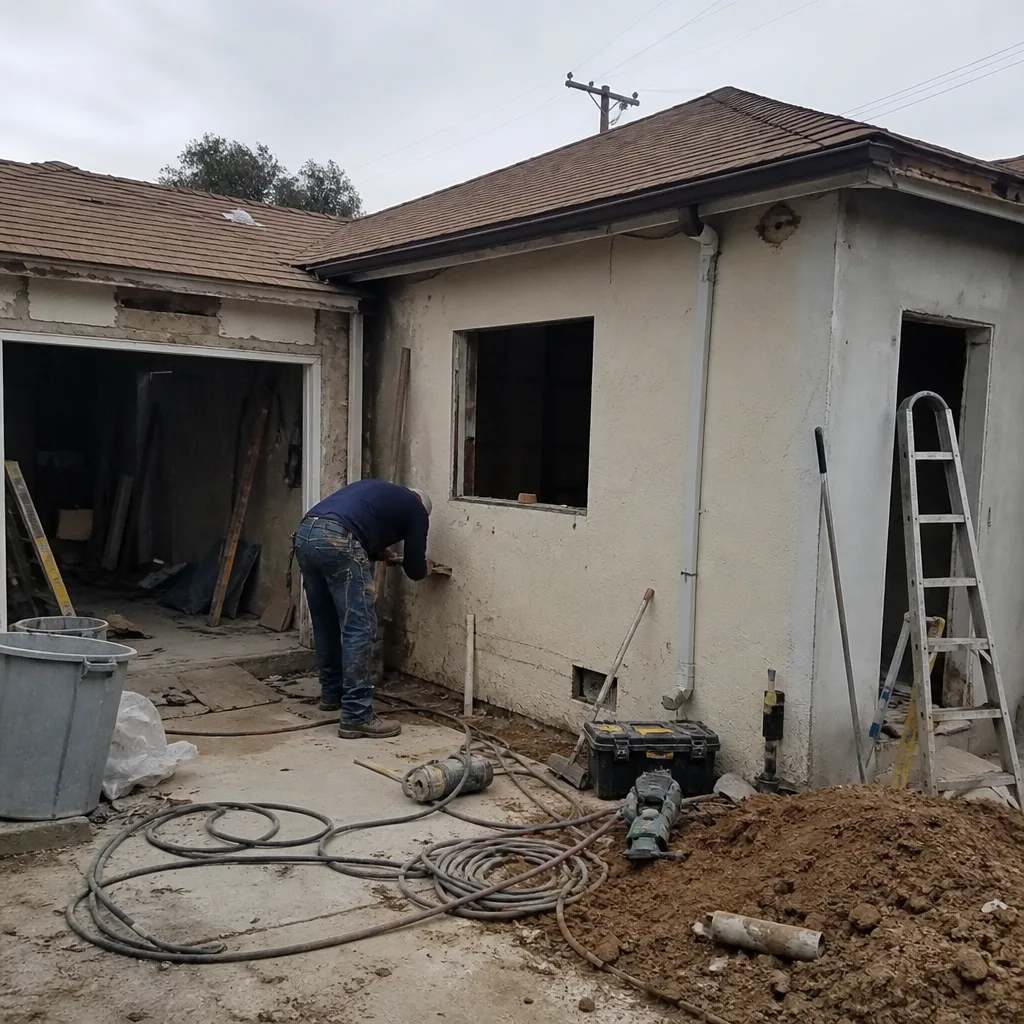 Before
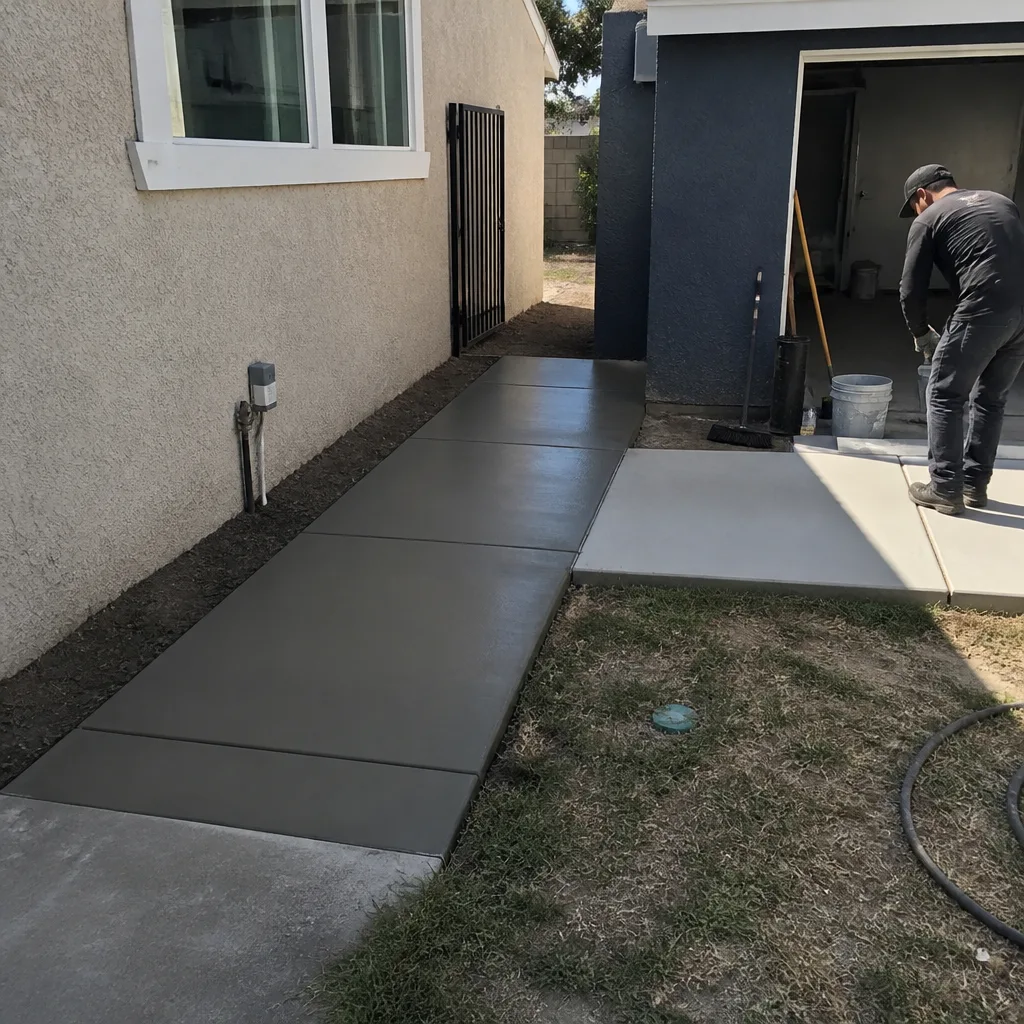 After
After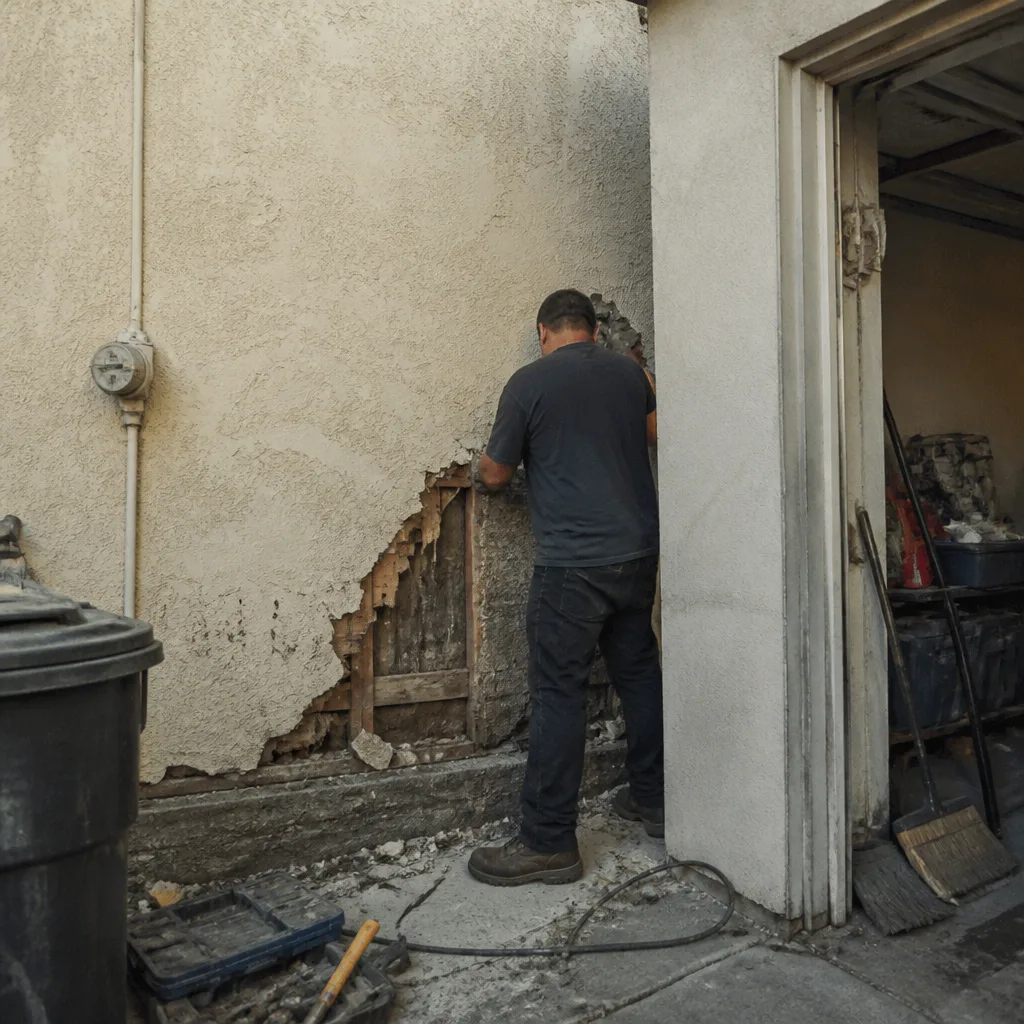 Before
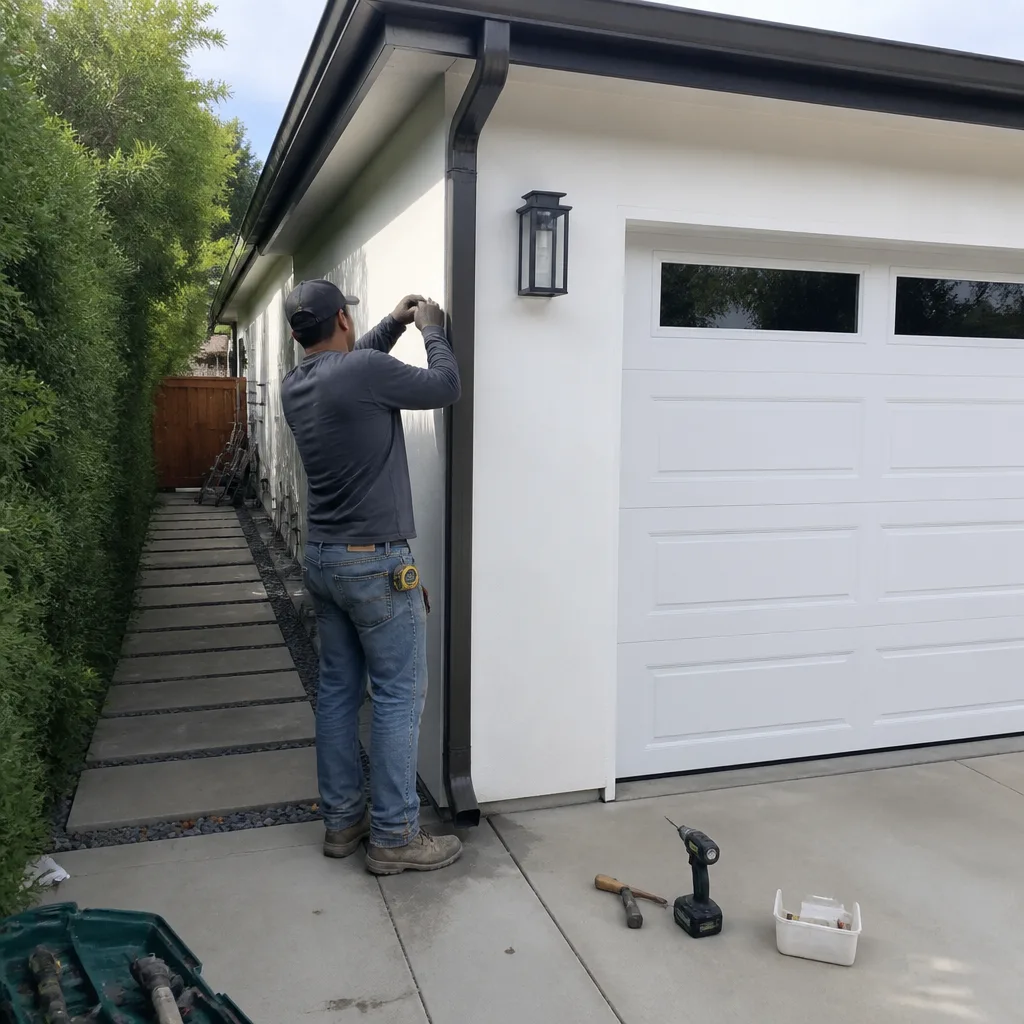 After
AfterReplacement Cost & What’s Included
For Los Angeles, a full paver driveway installation runs $8,260 to $21,240 depending on square footage and how much base work is required. A partial repair, where we pull a section of failed pavers and rebuild the base under that zone, typically falls in the $3,500 to $9,400 range. Driveway replacement that includes removing the old surface and rebuilding the base from scratch lands between $5,900 and $16,520.
Every job includes the written price before work starts, so the number you approve is the number you pay. We document the full scope: square footage, base material depth, paver series and quantity, edge restraint, and joint sand type. Our crews handle demo, haul-away, base prep, installation, and compaction. All completed work is covered by our 365-Day Done Right Promise: if the driveway fails within a year of completion, we return and correct it at no charge. That guarantee is in writing, in your hand, at job close.
DIY or Call Us?
Here’s an honest split. There are things a homeowner in Los Angeles can safely check before calling: walk the field and mark every paver that’s shifted by more than a quarter-inch, check whether edge pavers have moved, and note where water pools after rain. That walk-through list helps us diagnose faster and keeps the estimate accurate. Paving is not a dangerous DIY job in the way that a broken garage spring is, but it’s a job where the work doubles if it’s done wrong the first time.
What goes wrong for DIYers is the base. Most homeowners don’t have a plate compactor, don’t know their soil’s drainage behavior, and don’t realize that Los Angeles clay soil expands and contracts through wet and dry seasons. A paver field set on an uncompacted base will shift within a year, and then you’ve paid for the same job twice. Base work, drainage correction, and edge restraint installation are where the trade knowledge lives. Call (903) 568-7222 for a free estimate and we’ll give you a written price before anything gets started.
FAQs
A properly installed Atlas paver driveway in Los Angeles can last 25 to 40 years on a well-built base. The pavers themselves are fired masonry units and will hold up for decades. What fails first is the base underneath, especially in Los Angeles’s clay-heavy soil that shifts with seasonal moisture. If the base is compacted correctly at install and the edges stay locked, the surface will outlast most other driveway materials.
Individual pavers are not repairable; a cracked stone is replaced. The better question is why it cracked, and that usually points to a base or load issue. We replace the damaged paver and address the settling underneath at the same time, which is the difference between a fix that lasts and one that fails again.
A partial repair on a failed section usually takes one to two days depending on the size of the affected zone and how much base material needs to be excavated and rebuilt. A full driveway reinstallation in Los Angeles typically runs three to five days from demo to final compaction. We give you a written timeline with the written price, so you know exactly what to expect before we start.
We stock the most common Atlas series and colors used in Los Angeles driveways, and we can source specific color lots when a project requires matching. We also carry the base materials, edge restraints, and joint sand that match Atlas’s original install specs. Call (903) 568-7222 and we’ll confirm the series and availability for your specific repair.
Written by Curtis Lane, Owner, Bradford Remodeling at Bradford Remodeling, serving Los Angeles and nearby areas.