Free written scope consultation - allowances, timeline, and change-order rules on paper before a single trade is scheduled
Atlas Home Additions & ADU: The Los Angeles Owner’s Guide
If you own a home in Los Angeles built with an Atlas addition or ADU system, and part of it is failing, you need a crew that knows the framing, the tie-ins, and the City of LA inspection points. A full Atlas home addition in Los Angeles typically runs $53,100 to $153,400 installed, depending on square footage, foundation work, and how far the existing structure has shifted. We stock the common Atlas-compatible connectors, hangers, and load-path hardware on our trucks, and most structural part replacements get priced same day with a written number. You’ll feel it before you see it most times: a door that suddenly drags, a crack that reappears along the same seam, drywall nails popping in a line. That’s the structure talking, and it’s telling you the load path has changed.
Which Atlas Models This Applies To
Atlas built their name on steel connector systems for residential additions and accessory dwelling units. The most common lines we work on across Los Angeles are the Atlas AP series for post-to-beam connections, the LTP line for lateral tie plates, and the HUC line for joist-to-header hangers. If you can read the stamped face on the connector, you’ll see the model number right there, usually with a galvanization code after it. That stamp matters more than the brand. Atlas connectors come in G90 and G185 galvanization grades. In Los Angeles, six miles from the marine layer in places like Mar Vista or Playa del Rey, G90 corrodes sooner than it does in the Valley. We spec G185 near the coast, even on interior connections, because the salt air doesn’t check the building envelope before it starts working. Aftermarket equivalents exist. Simpson makes a direct cross-reference for many Atlas numbers, as does MiTek. If your engineer or plan set names an Atlas part, we’ll match it exactly. If the plan just says “equivalent or better,” we’ll tell you what the difference is before you pay for anything. Bradford Remodeling is an independent contractor. We’re not affiliated with Atlas, and we don’t pretend to be. We just know their hardware because it’s on half the ADU plans we pull in this city.
Styles & brands we work with


Signs Your Atlas Home Additions & ADU Is Failing
- A new crack opens along the same line where two additions meet. The Atlas connector at that junction was either undersized or installed without full bearing. Once the load transfers to the fasteners instead of the wood, the drywall pays for it.
- Interior doors in the added section start to stick at the top corner. The floor system is deflecting. That usually means a joist hanger lost its seat or the rim joist is rotating. It’s not the door. The door is the symptom.
- You hear a creak or pop when the wind hits the ADU from one specific direction. A lateral tie plate has worked loose or was never installed at the right spacing. We see this often in the San Fernando Valley, where Santa Ana winds put sustained side pressure on one wall.
- The outside corner of the addition pulls away from the main house by an eighth of an inch or more. You may not see it until you run a level across the stucco or the siding. That gap means the post-to-beam connection is no longer doing its job.
- You see rust staining below a connector on a covered patio or exterior beam. Salt air near the coast or sprinkler overspray inland accelerates galvanization failure. Once the connector starts to rust, the wood around it begins to rot, and the connection strength drops.
See the difference
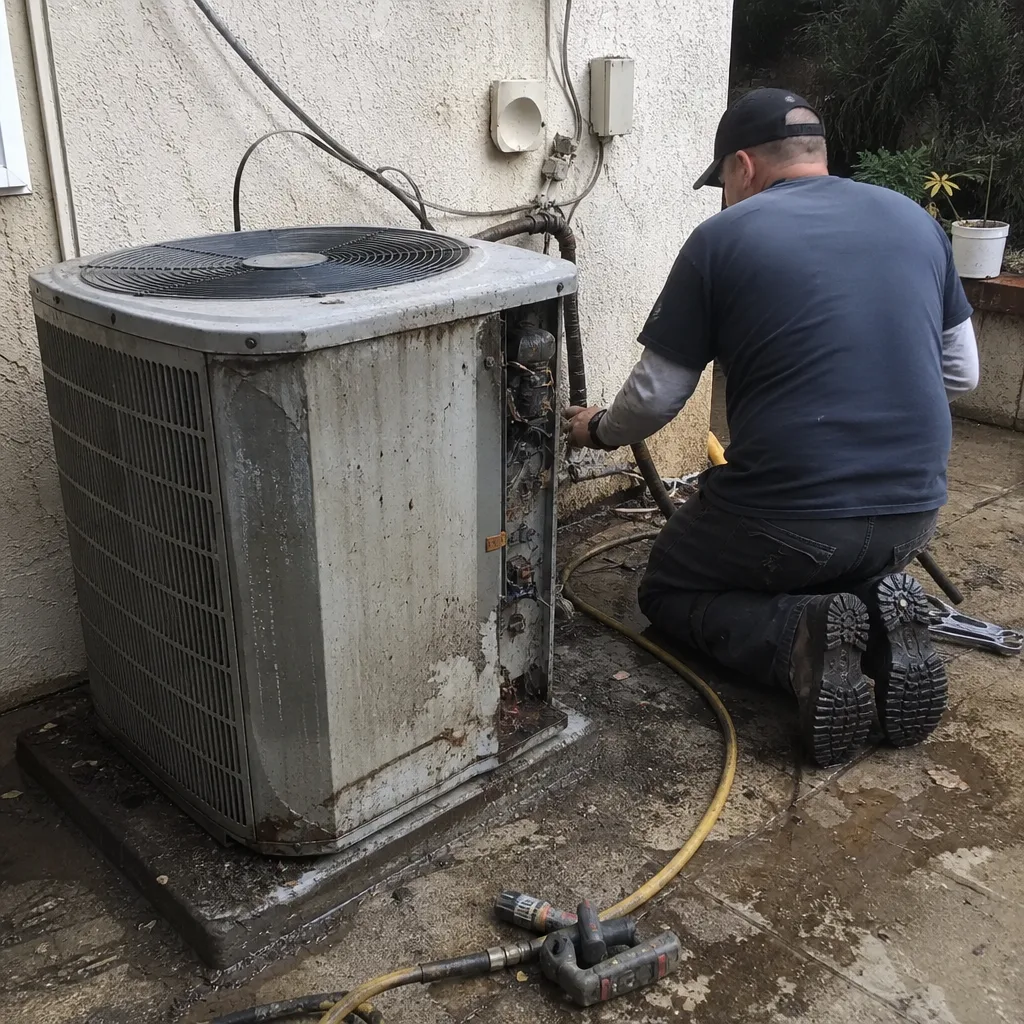 Before
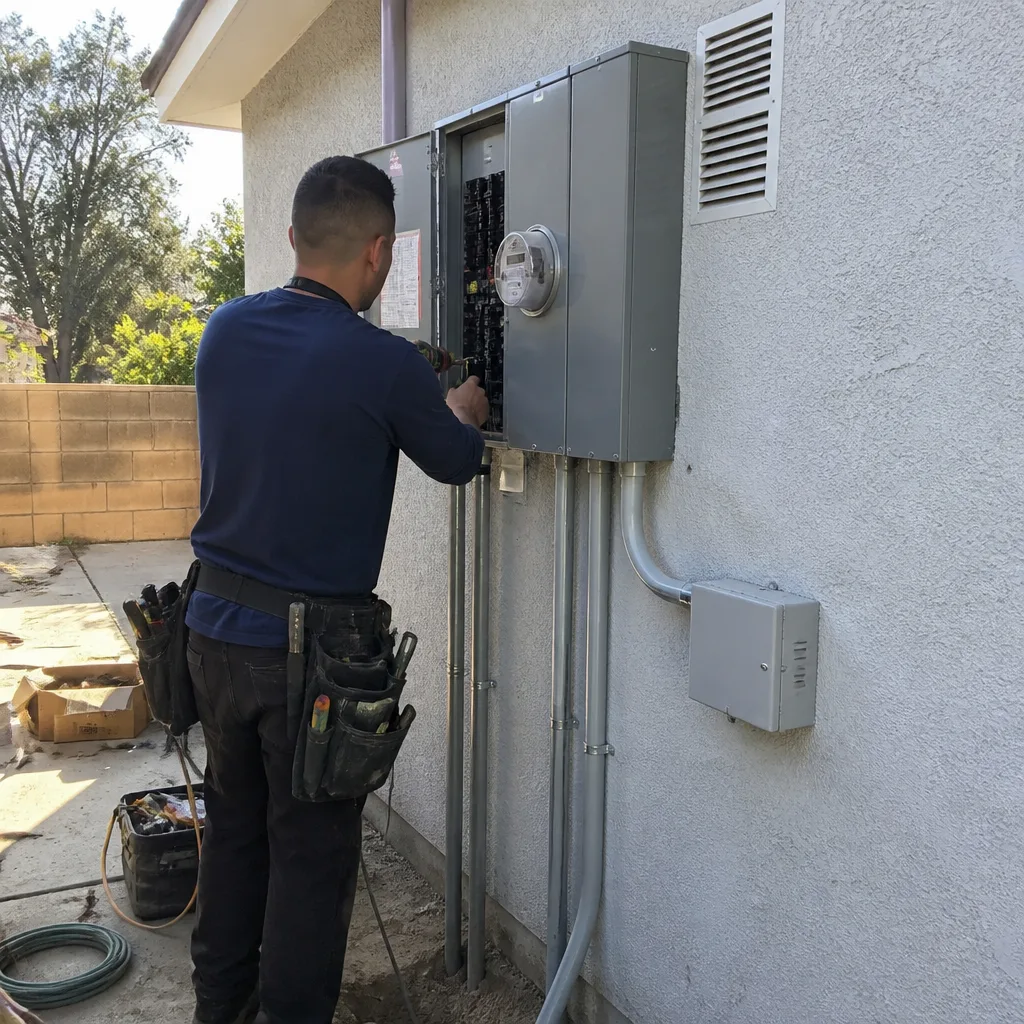 After
After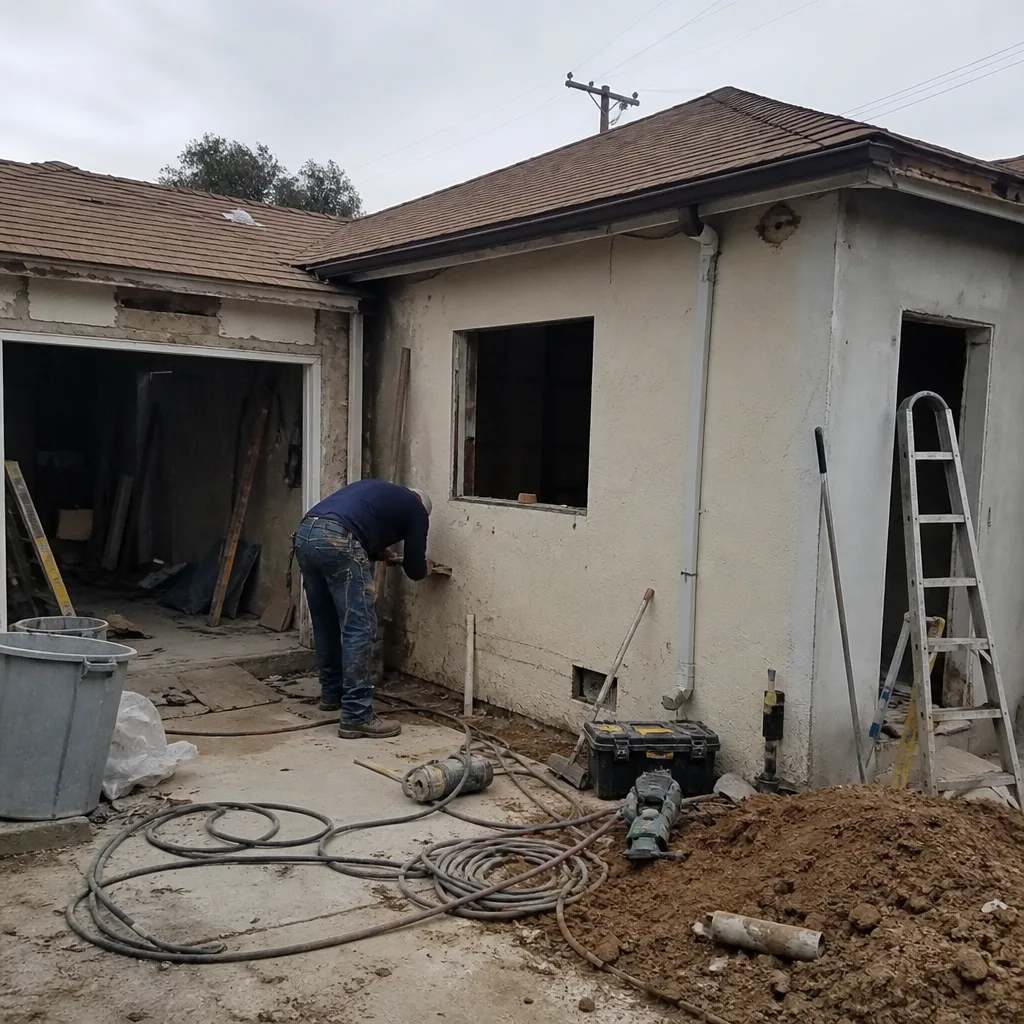 Before
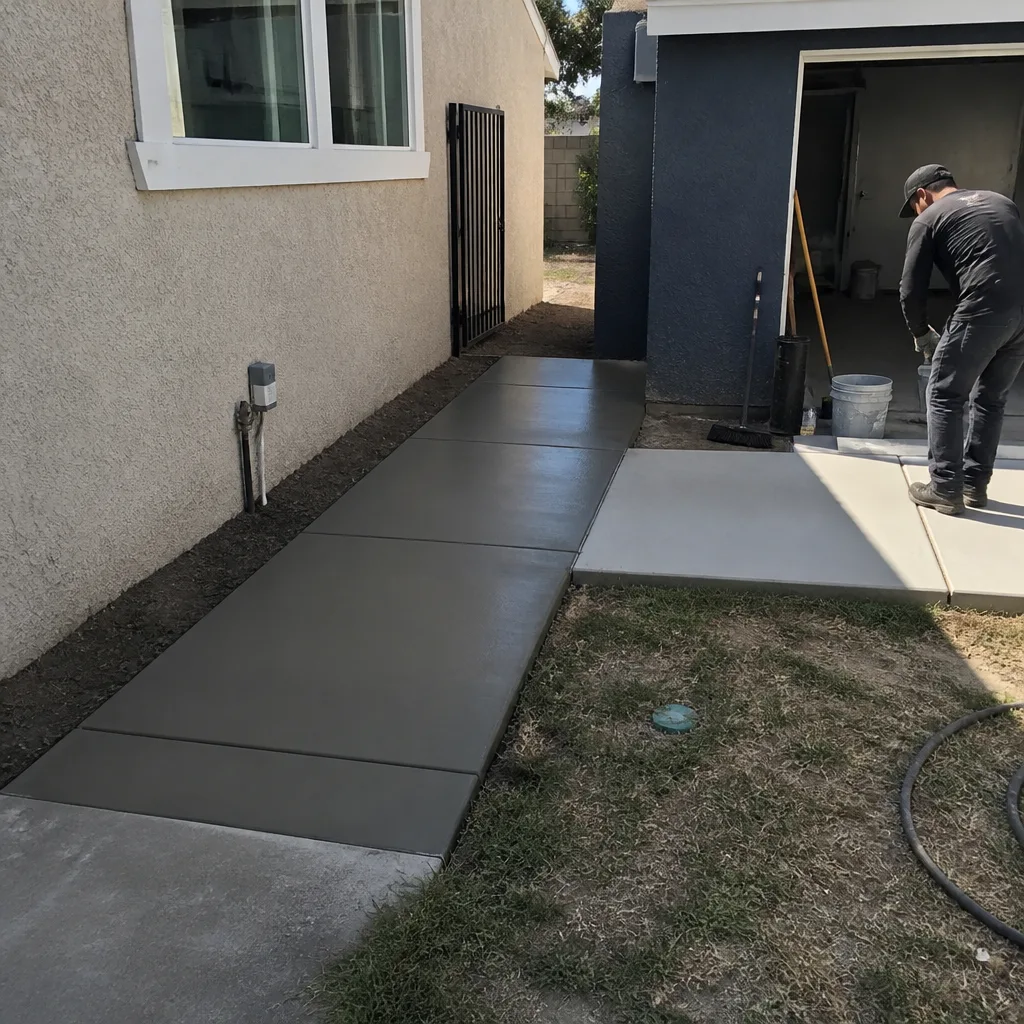 After
After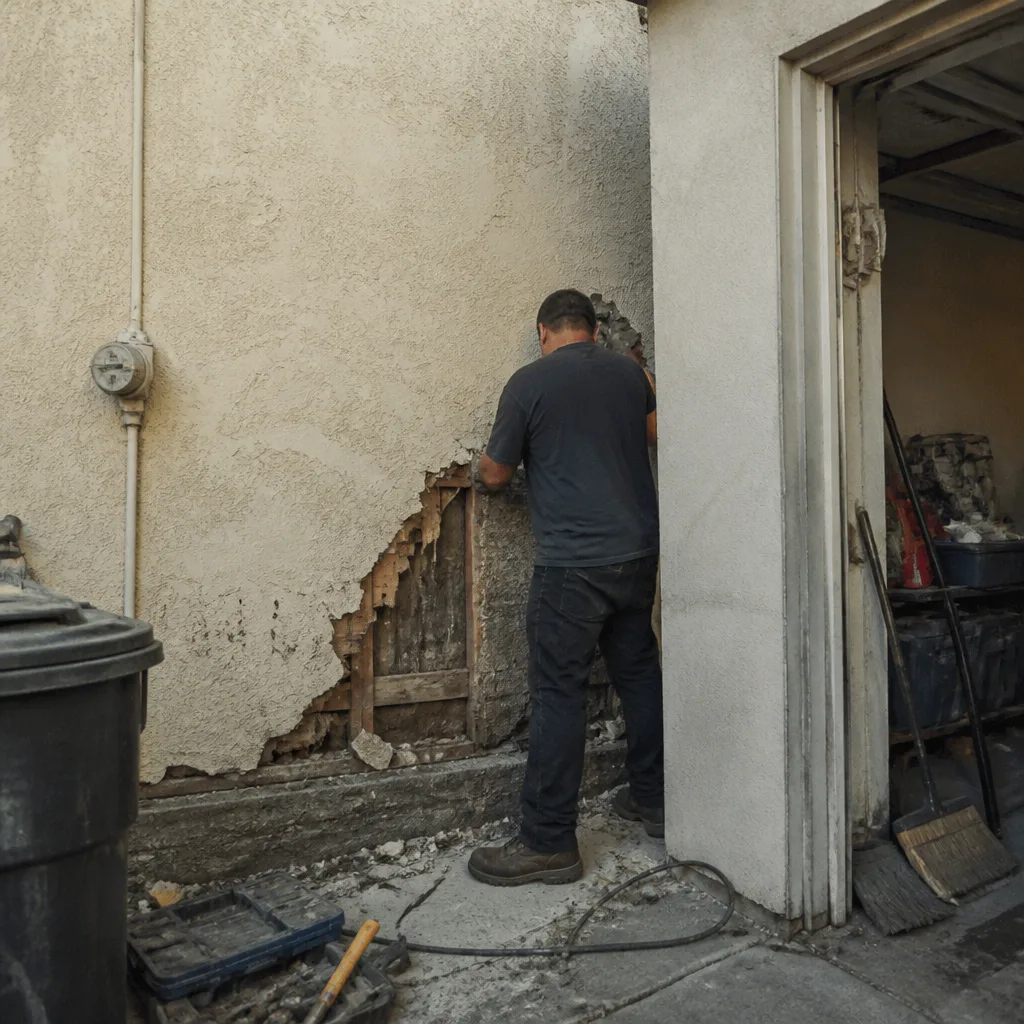 Before
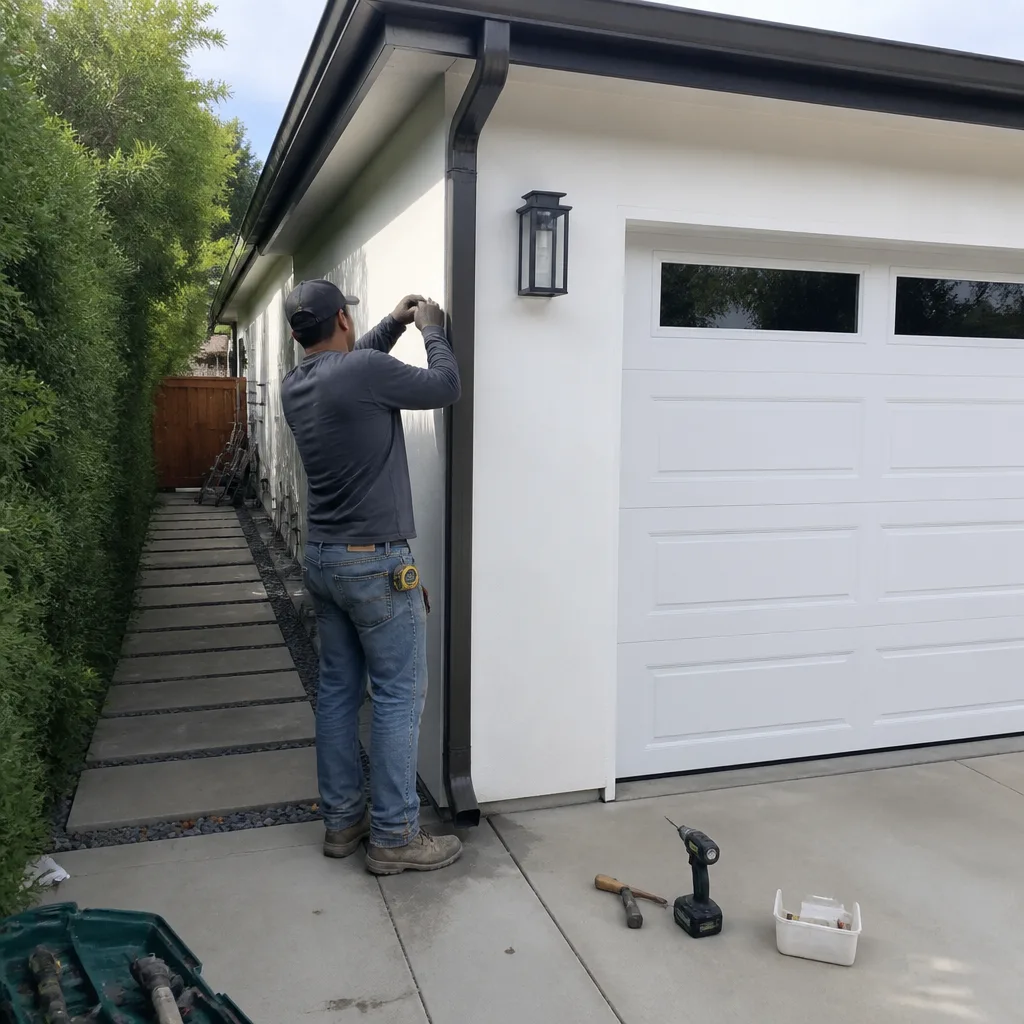 After
AfterReplacement Cost & What’s Included
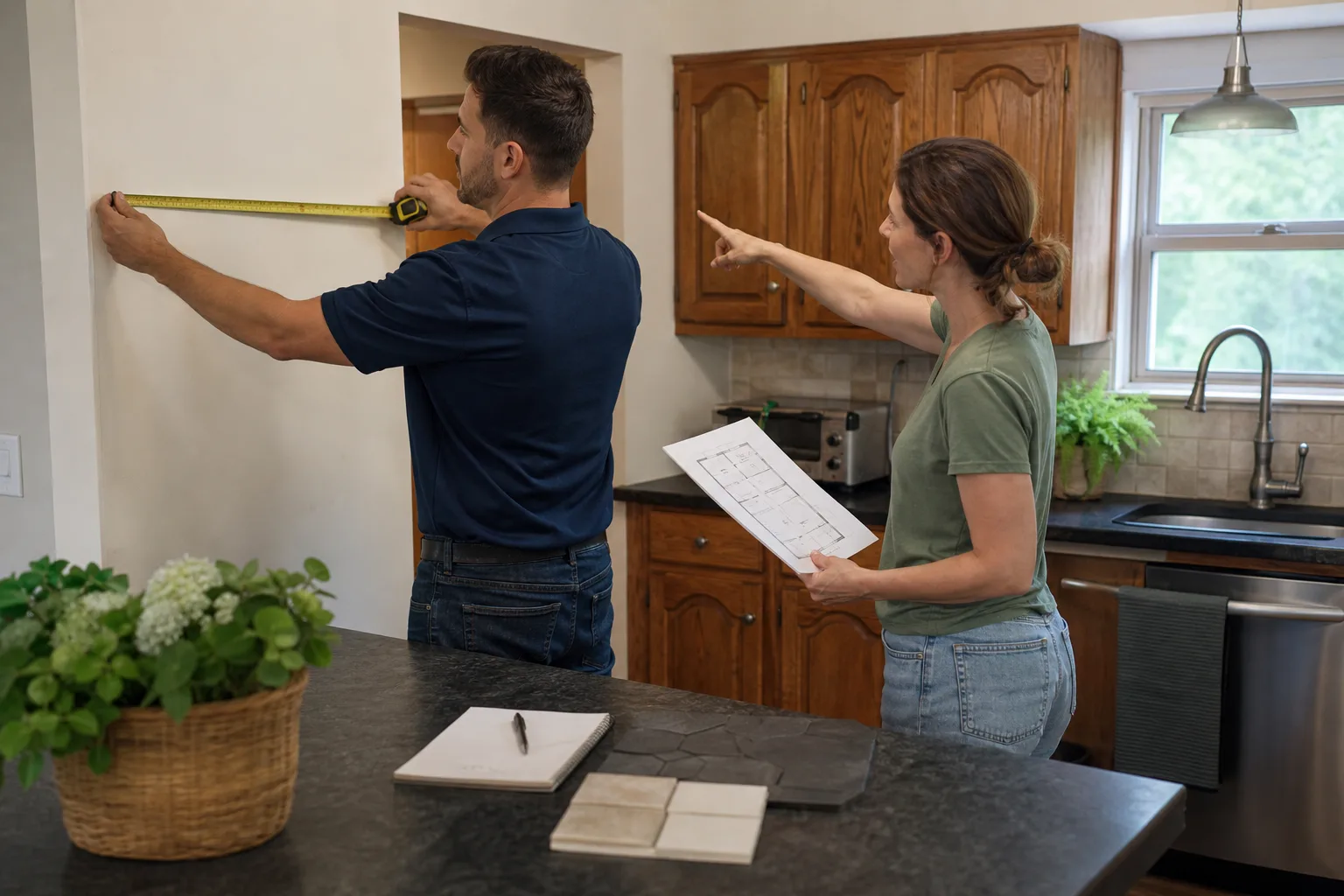
A full home addition using Atlas-compatible hardware in Los Angeles runs $53,100 to $153,400. That’s the honest spread. An attached addition on a flat lot with a simple foundation sits near the bottom. A two-story addition with steel moment frames, shear wall upgrades, and hillside foundation work in Echo Park or Mount Washington lands at the top. We don’t give you a number from a chart. We give you a written line-item price after we measure and check the existing framing. Every number includes the parts, the labor, the fasteners, the shoring if we need it, and the cleanup. No change orders at the door. If the engineer signs off on a different connector mid-project, we eat the difference, not you. Every completed job carries the 365-Day Done Right Promise. If the connection or the work fails inside a year, we come back and make it right at no charge. That’s the Garrison Standard, in writing, before we cut anything.
DIY or Call Us?
There are things you can check without touching a tool. Look at the connector stamps. Look for rust. Look for gaps between the wood and the steel. You can do all of that in ten minutes. What you should not do is loosen a connector and try to re-set it yourself. The load in that joint does not go away because you unscrewed something. A post that’s carrying roof weight will shift the second the last fastener comes out, and you cannot hold that weight back with your hands. Curtis Lane has spent two decades doing foundation-to-finish work across the LA Basin, and he’ll tell you the same thing on the phone before he’ll take your credit card: if the part carries load, call someone who carries the liability. Call (903) 568-7222 and we’ll send someone who can read the structure, price the fix, and put it in writing.
FAQs
Inland, with standard G90 galvanization and no water exposure, an Atlas connector typically lasts 40 to 60 years before rust becomes a structural concern. Within five miles of the coast, or anywhere with sprinkler overspray and poor drainage, that number can drop to 15 or 20 years. Call (903) 568-7222 if you’re seeing rust on load-bearing hardware, and we’ll tell you if it’s cosmetic or structural.
Sometimes, yes. If the connector is intact but the fasteners have corroded or the wood has shrunk, we can often re-fasten with larger structural screws and a reinforced plate. If the steel itself has thinned, cracked, or pulled away from the grain, replacement is the only responsible fix. Call us and we’ll tell you which one you have, with a written price either way.
Most single-connector replacements take one day, including shoring, removal, installation, and inspection of the surrounding framing. A full lateral system retrofit on a larger ADU might take three to five days. We’ll put the schedule in the written scope before we start.
We keep the common Atlas AP, LTP, and HUC connectors on our trucks, along with Simpson and MiTek cross-references. If you need a specialized or engineer-specified connector, we can usually have it in hand within two business days through our local Los Angeles suppliers. We’ll confirm availability with a phone call before we schedule the work.
Written by Curtis Lane, Owner, Bradford Remodeling at Bradford Remodeling, serving Los Angeles and nearby areas.