Free written scope consultation - allowances, timeline, and change-order rules on paper before a single trade is scheduled
Tamko Roofing: The Los Angeles Owner’s Guide
If your Tamko shingles are curling, losing granules, or showing bare spots after a Santa Ana wind season, you need a straight answer on what it costs to fix. We stock Tamko-compatible roofing materials and install them throughout Los Angeles, with full roof replacements running $9,440 to $23,600 depending on square footage, pitch, and tear-off requirements. Most Los Angeles homeowners discover a roofing problem the ugly way: a water stain on the ceiling after the first real rain, or granules piling up at the base of a downspout.
Tamko makes solid asphalt shingles, but no shingle made survives a Los Angeles roof forever. Our sun beats down 260-plus days a year, the marine layer keeps moisture sitting on north-facing slopes, and those fall wind events strip granules off aging shingles faster than most manufacturers’ wear curves anticipate. The result is a roof that looks tired at year 15 when the paperwork said 25. That gap between rated life and real life in this climate is exactly what we deal with every week.
Bradford Remodeling is an independent contractor. We are not affiliated with Tamko, but we install their products and match their part numbers to what’s actually on your roof. Curtis Lane has been on Los Angeles roofs long enough to know that the label under the eave tells you more than the brochure ever will.
Key Takeaways
- Full Tamko roof replacement in Los Angeles: $9,440 to $23,600 installed
- Repair work on failed sections: $470 to $2,125 for most jobs
- We stock common Tamko shingle profiles and underlayment on our trucks
- Written price before any work starts, every time
- 365-Day Done Right Promise on completed work
Which Tamko Models This Applies To
Tamko’s residential line breaks into three families most Los Angeles homes carry: the Heritage series (Heritage, Heritage Premium, Heritage Woodgate), the Elite series (Elite Glass-Seal, Elite 35), and the StormShield or MetalWorks lines on higher-end builds. Each uses a different shingle geometry. A Heritage shingle will not lay flush against an Elite-shingled slope without visible ridging, and mixing them voids the visual warranty and usually the weather warranty too.
Here’s the compatibility gotcha most Los Angeles homeowners hit: Tamko changed the Heritage shingle’s notch pattern in 2016. If your roof went on before that and you patch with a new Heritage bundle, the repair telegraphs itself as a visible square from the street. We keep a reference board of older Tamko patterns in our shop specifically to match pre-2016 profiles. It’s the difference between a repair you never notice and one you see every time you back out of the driveway.
You can identify your shingle by checking the bundle wrapper if you saved one, or by pulling the permit record from your closing documents. If neither exists, we read the shingle itself: fiberglass mat exposure, granule color blend, and the adhesive strip pattern tell us which family you have in about ten minutes on the roof. From there we match OEM where it still exists, or source a quality aftermarket equivalent that matches the profile, granule blend, and wind rating. On Tamko roofs, OEM makes the most sense for Heritage and Elite lines still in production. For discontinued colors like some of the early Heritage Woodgate blends, a matched aftermarket shingle is often the only option that doesn’t require a full re-roof.
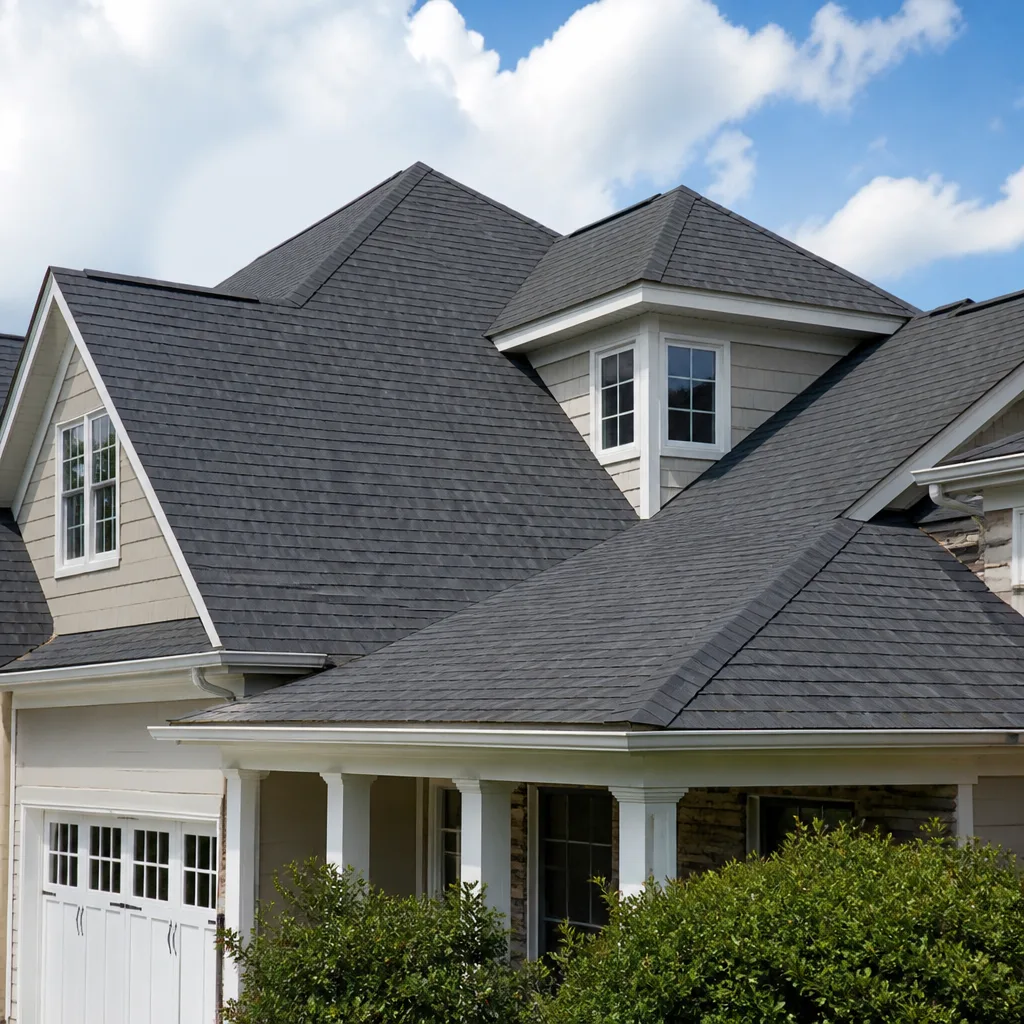
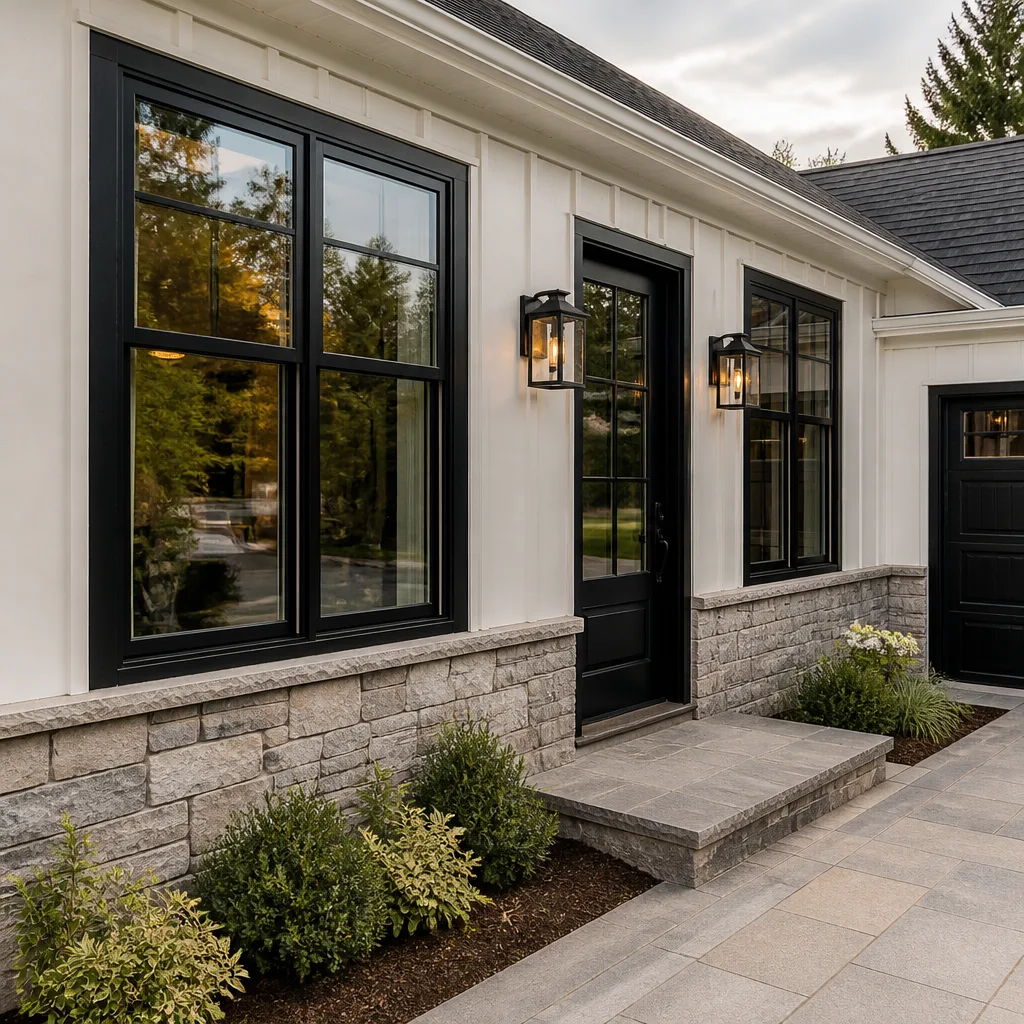
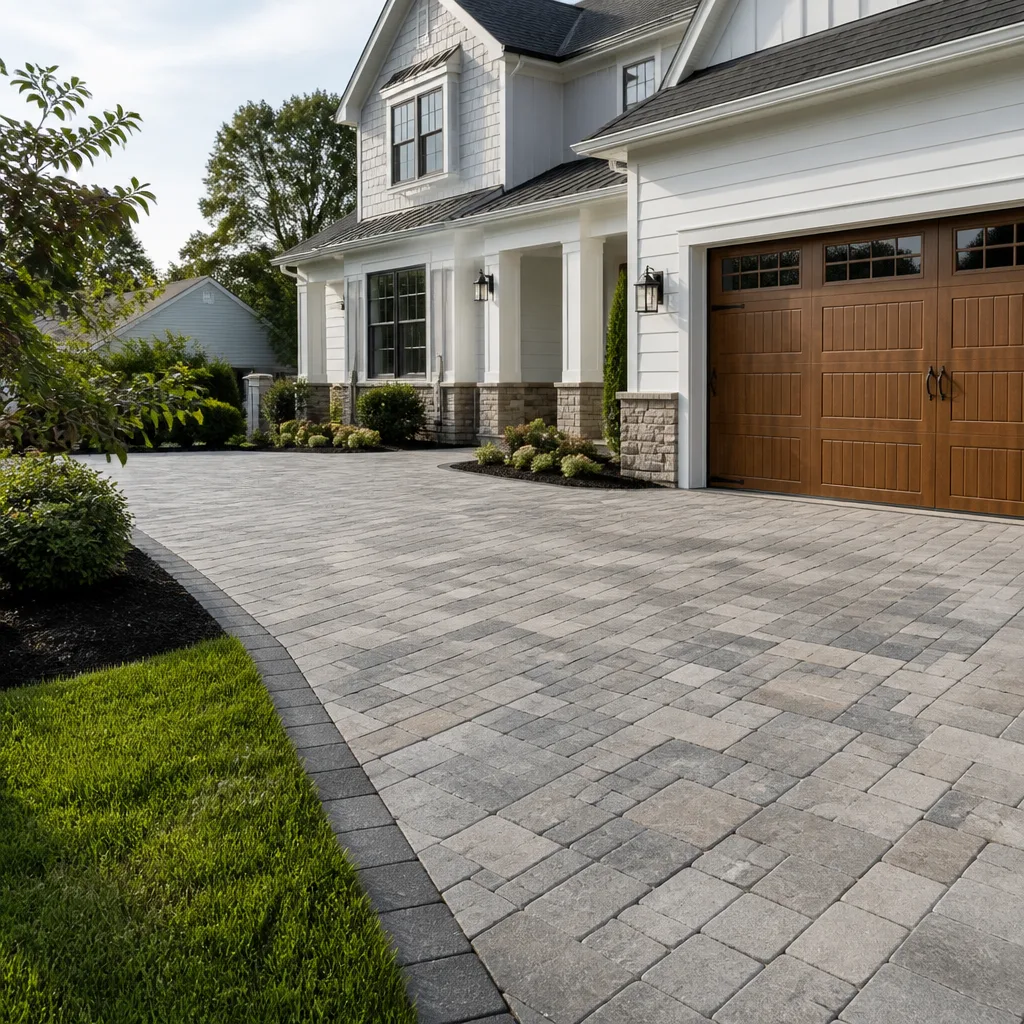
Styles & brands we work with
Signs Your Tamko Roofing Is Failing
- Granules in the gutter and at downspout bases. Tamko shingles shed surface granules as the asphalt binder breaks down under UV exposure. By the time you see a consistent layer in the gutter, your shingles have lost a measurable share of their weather surface, and that slope is running on borrowed time.
- Curling at the shingle corners or cupping across the middle. This is the fiberglass mat reacting to years of heat cycling. Los Angeles attic temps routinely hit 140 degrees in August, and that heat pushes through the roof deck from below while the sun attacks from above. A shingle that no longer lies flat won’t seal, and an unsealed shingle is a wind-lift risk in Santa Ana conditions.
- Bare spots where granules are gone and the black asphalt shows through. This is the failure point for the water shedding layer. Once the asphalt itself starts oxidizing and cracking, water gets to the mat, then to the deck. On a Los Angeles roof with this condition, it’s not a question of if it leaks, but which rain season does it.
- Water staining on ceilings or at wall-to-roof intersections. By the time interior staining shows, water has already passed through the shingle layer, the underlayment, and the deck. The leak you see is never the only point of entry; water travels along rafters and sheathing seams before it drops. We trace it back to the actual breach, which is rarely directly above the stain.
- Missing shingles after a wind event. Tamko shingles carry a wind rating, but that rating assumes the adhesive strip sealed properly at install and stayed sealed through years of heat and dust. In neighborhoods like Porter Ranch or the hills above Glendale where wind funnels through canyons, we routinely see shingles lifted off roofs that had no visible problems the season before. If you see shingles on the ground, the seal has failed across a wider area than just what blew off.
See the difference
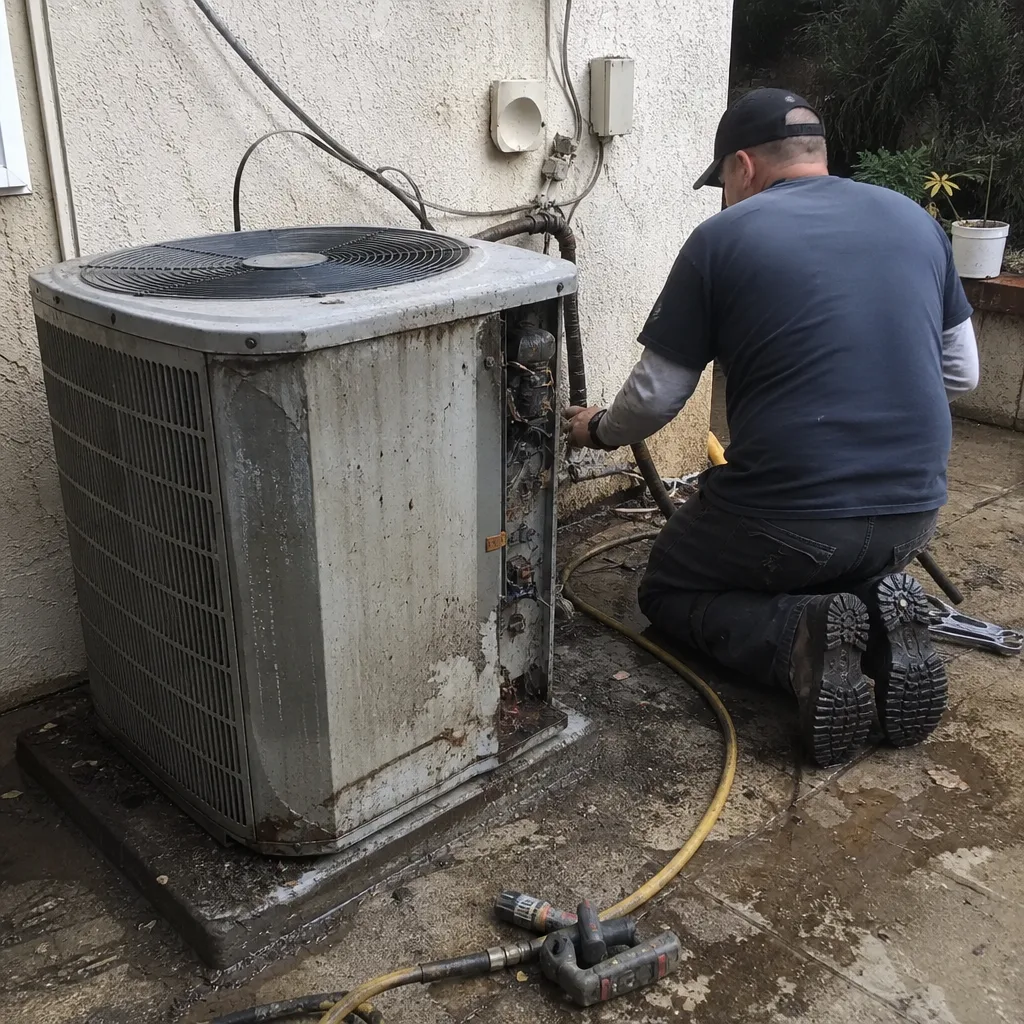 Before
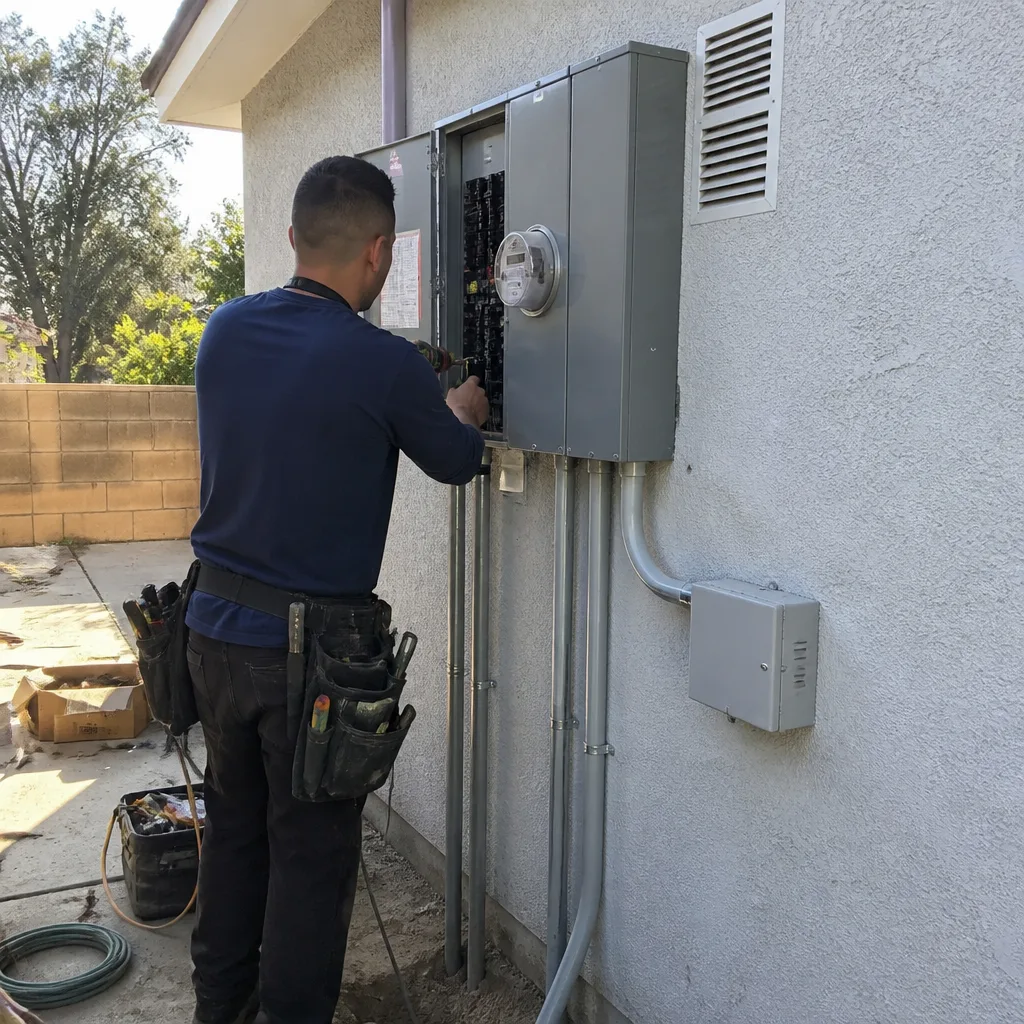 After
After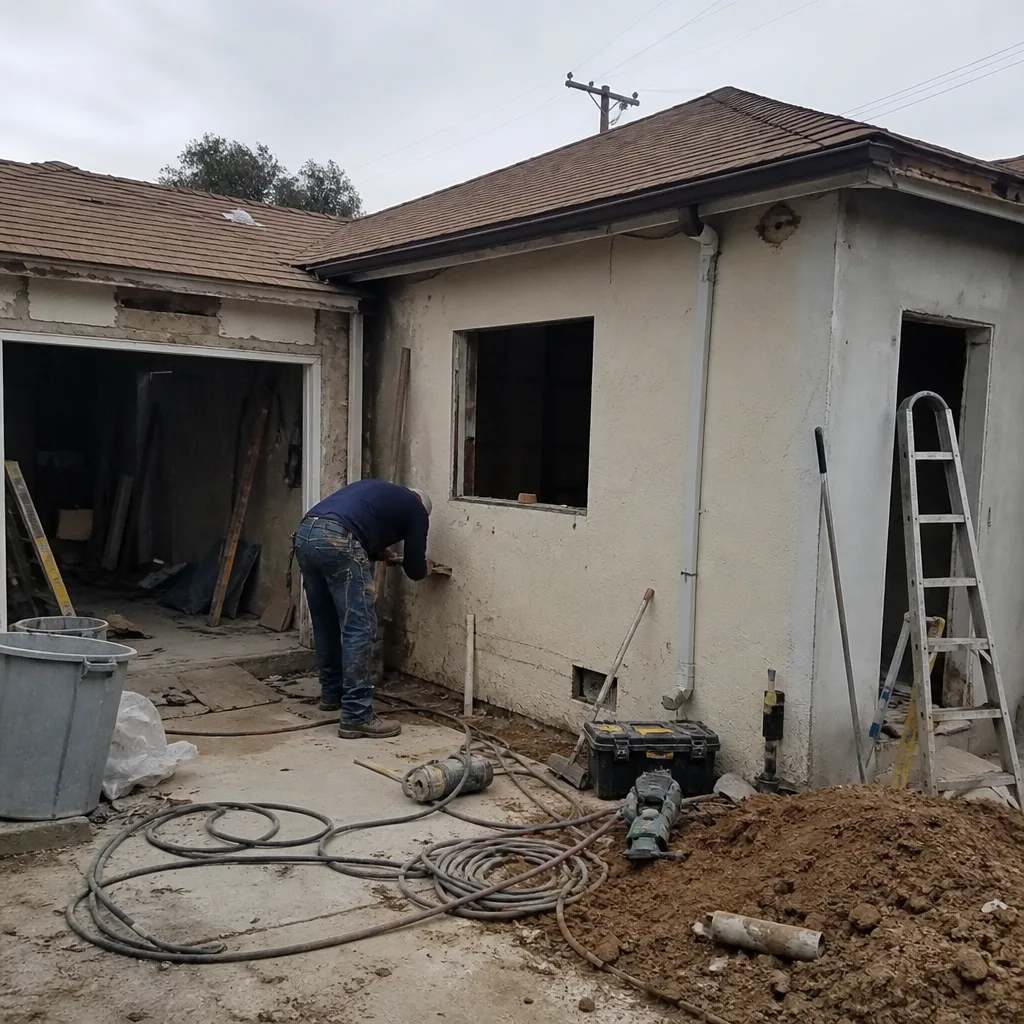 Before
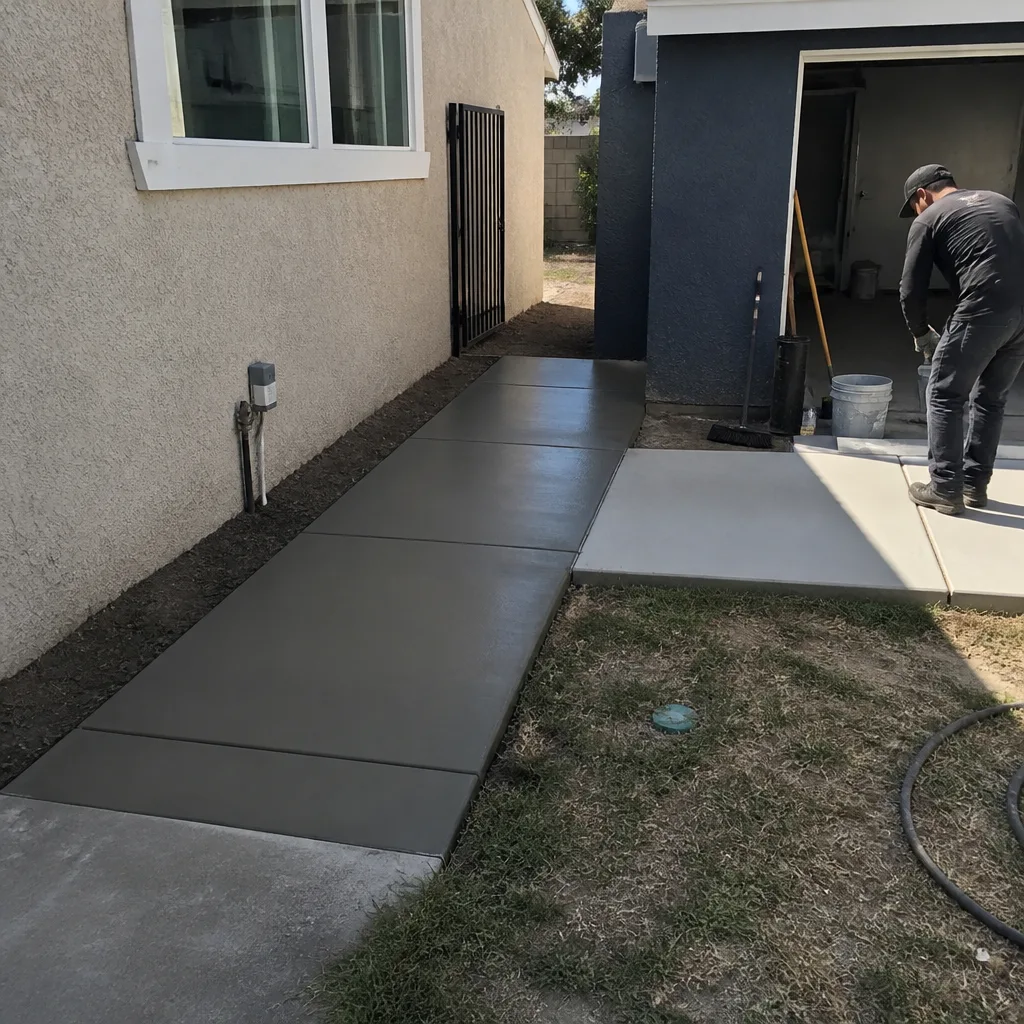 After
After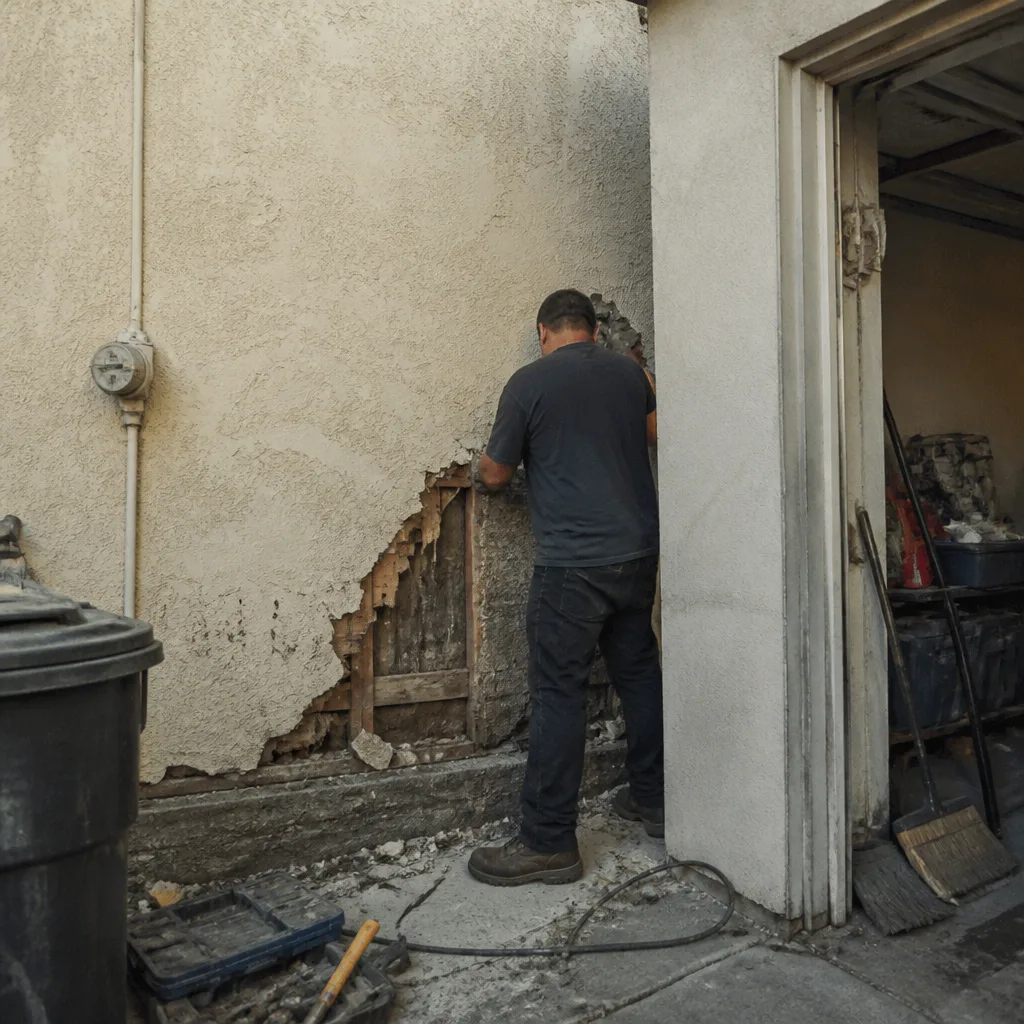 Before
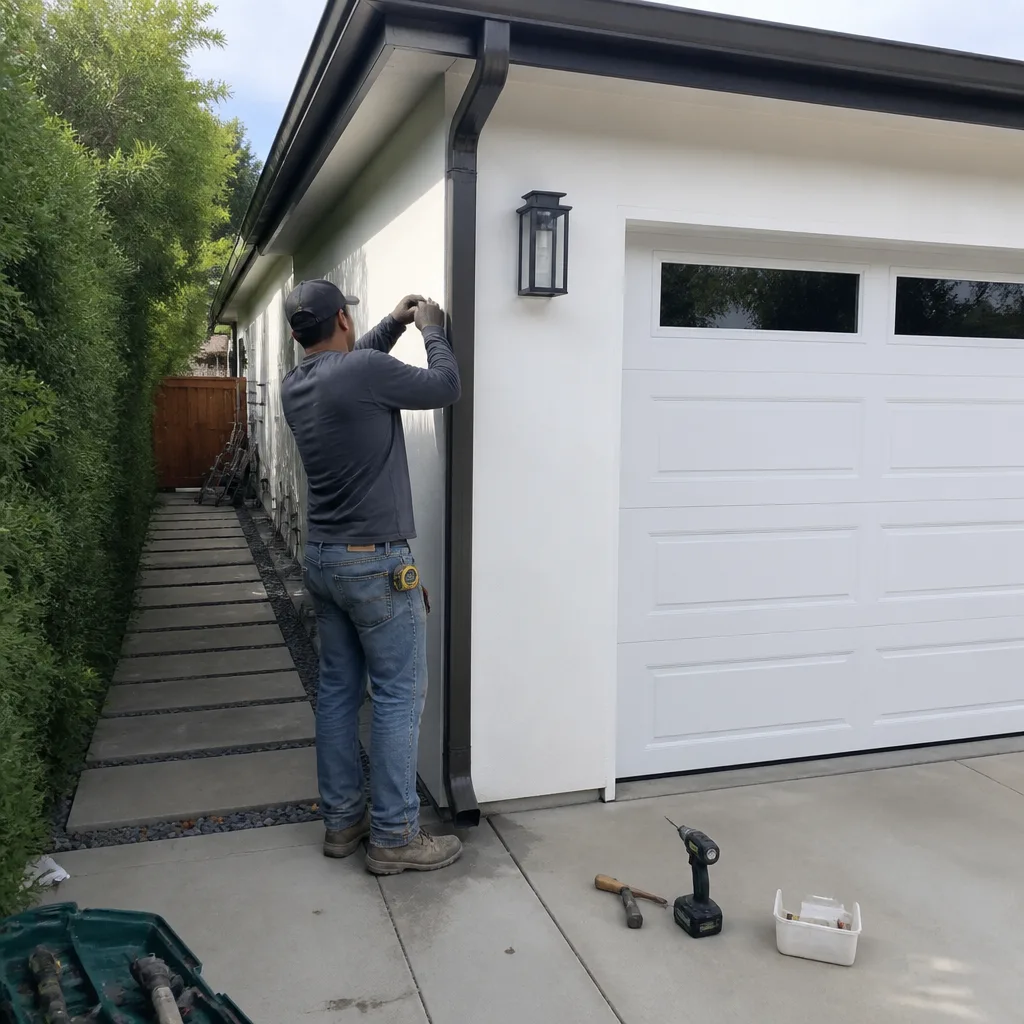 After
AfterReplacement Cost & What’s Included
A full Tamko roof replacement in Los Angeles runs $9,440 to $23,600 installed. The spread comes from roof size (a 1,200-square-foot ranch in the Valley is a different job than a 3,000-square-foot two-story in Silver Lake), pitch or steepness of the slopes, number of existing layers being torn off, and whether the deck needs sheathing repair once we open it up. We give you a written price before any work starts, and that number does not move at the door. No change orders because we found something we should have caught on the estimate.
That price includes tear-off of the existing shingles, disposal, new synthetic underlayment, the Tamko shingles, ridge cap, pipe boots, and all flashing work. If we find rotted decking, that’s priced per sheet and shown to you with a photo before we replace it, not hidden in an invoice line after the fact. The work carries our 365-Day Done Right Promise: if anything fails in the first year, we come back and correct it at no charge.
For partial failures, a repair runs $470 to $2,125 in the Los Angeles market. That covers a damaged section rather than a full replacement. If your roof is past about 60 percent of its expected life, a repair often doesn’t make economic sense, and we’ll tell you that plainly before quoting either path.
We answer the phone around the clock. A live person picks up. Call (903) 568-7222 and we’ll schedule a roof assessment at your Los Angeles property and put the numbers in writing.
DIY or Call Us?
There are safe checks you can do from the ground: look for missing shingles, visible curling at the eaves, and granules collecting in gutters. You can also check the attic on a hot day for daylight coming through the deck, which tells you a lot without setting foot on a ladder. Those observations are useful and we’ll use them on the first call.
What you should not do is climb onto a Los Angeles roof to inspect or patch it yourself. Composition shingle roofs are walkable only up to a point, and a dry Los Angeles roof at 2 p.m. in August will burn through the knees of your jeans and the skin under them. More importantly, a residential roof fall is a life-altering injury, and the risk doesn’t pay out against the few hundred dollars a repair costs. Add in the steep pitches common on hillside homes in Echo Park, Highland Park, and Mount Washington, and the math gets worse. We have the harnesses, the roof jacks, and the crew, and we’ll send a photo report from the roof while you stay on the ground.
Call (903) 568-7222 and we’ll schedule the assessment. Straight number, real scope, no surprises at the punch list.
FAQs
In our experience across Los Angeles roofs, Tamko Heritage and Elite shingles give you 15 to 20 years of real service before the sun and heat cycling force replacement, regardless of the 25- or 30-year warranty on the package. South-facing slopes age fastest. The warranty covers manufacturing defects, not environmental wear, which is why the real-world number falls short. Call (903) 568-7222 and we’ll tell you exactly where your roof sits on that timeline.
Yes, if the failure is localized, meaning one slope, one section, or a handful of damaged shingles. Los Angeles repair work runs $470 to $2,125. If granule loss and curling are widespread, patching becomes a temporary measure and we’ll show you the photos and tell you why a repair won’t hold long enough to justify the spend.
A standard single-story Los Angeles home tear-off and replacement takes two to three working days with our crew. Two-story or steep-pitch homes run three to five. Weather delays are rare here outside of a winter rain week, so we schedule with confidence and give you the dates in writing before the first shingle comes off.
We stock common Tamko Heritage and Elite shingle profiles, ridge cap, and underlayment on our trucks, so most repair calls are completed same visit. Discontinued colors or older pre-2016 patterns may require a supply house order, which we’ll tell you before you spend a dollar. Call (903) 568-7222 and we’ll check our stock against your roof’s specific profile.
Written by Curtis Lane, Owner, Bradford Remodeling at Bradford Remodeling, serving Los Angeles and nearby areas.