Free written scope consultation - allowances, timeline, and change-order rules on paper before a single trade is scheduled
CWS Windows & Doors: The Los Angeles Owner’s Guide
If you have a CWS window or door that’s failed, we stock and install CWS-compatible replacement parts across Los Angeles, with most common hardware and glass swaps running $470 – $2,950 installed depending on the component. The typical call starts the same way: a sash won’t stay up, a lock won’t throw, or a patio door suddenly drags halfway across the track. CWS built a lot of windows and doors into Southern California homes over the years, and when one part goes, the fix is usually fast once the right component is matched.
We’re an independent Los Angeles contractor, not affiliated with CWS directly, but we work with these products regularly enough to know their quirks: which balances fit which series, which rollers the heavier CWS sliders need, and when it makes more sense to replace the whole sash instead of chasing a part that’s no longer made. Curtis Lane, our owner, has spent enough hours pulling CWS sashes out of 1980s and 1990s tract homes to know the difference between a $12 balance and a $400 mistake.
Which CWS Models This Applies To
CWS produced several window and door lines over their run, and part compatibility doesn’t cross series lines the way homeowners expect. The most common units we see in Los Angeles are the horizontal sliders and single-hung windows installed through the 1980s and 1990s, along with CWS sliding patio doors, many in aluminum frames. The first step is always identification: look for the CWS etching or sticker in the corner of the glass, or on the spacer bar between panes. If the label is gone, we measure the sash thickness, the balance channel width, and the roller housing depth to pin the series down.
Here’s the compatibility gotcha most owners don’t know: CWS changed their balance shoe design at least twice during their production years, and the newer shoe will not seat correctly in an older channel. A homeowner ordering a generic “CWS window balance” online often gets the later version, installs it, and the window still won’t hold. We keep both shoe profiles on hand, along with corresponding spiral balances and block-and-tackle assemblies, so the part that goes in is the one that actually fits the extrusion.
On OEM versus aftermarket: for CWS glass, weatherstripping, and lock hardware, quality aftermarket equivalents from established suppliers hold up well in Los Angeles conditions. For balances, rollers, and pivot bars, we prefer to match the original CWS design rather than substitute a universal part that binds or wears prematurely. The sun and salt air here are hard on nylon rollers and vinyl weatherstripping, and a cheap substitute fails again within a couple of years.
Styles & brands we work with
Signs Your CWS Windows & Doors Is Failing
- Sash drops when you let go. The spiral balance or block-and-tackle assembly has lost tension or the shoe has cracked. This gets worse fast in Los Angeles heat, which breaks down the nylon shoe faster than mild climates do.
- Window or door drags or scrapes along the track. The rollers have flat-spotted or the roller housing has corroded. Coastal moisture accelerates this, and forcing the window just gouges the track and doubles the repair cost.
- Lock won’t throw or the keeper is loose. The lock body and keeper have drifted out of alignment, usually from years of the sash being forced into a misaligned frame. Replacing a lock without addressing the alignment means the new one fails the same way.
- Condensation between the glass panes. The sealed unit has failed, which means argon or krypton gas has escaped and the insulating value is gone. This is a glass-pack replacement, not a repair, and Los Angeles temperature swings make the failure obvious within a season or two.
- Air leaks around the frame or the window won’t close square. Weatherstripping has compressed, or the sash has racked slightly from heat expansion. On CWS units with aluminum frames, we also check for corroded weep-hole covers that trap water and accelerate frame rot at the corners.
See the difference
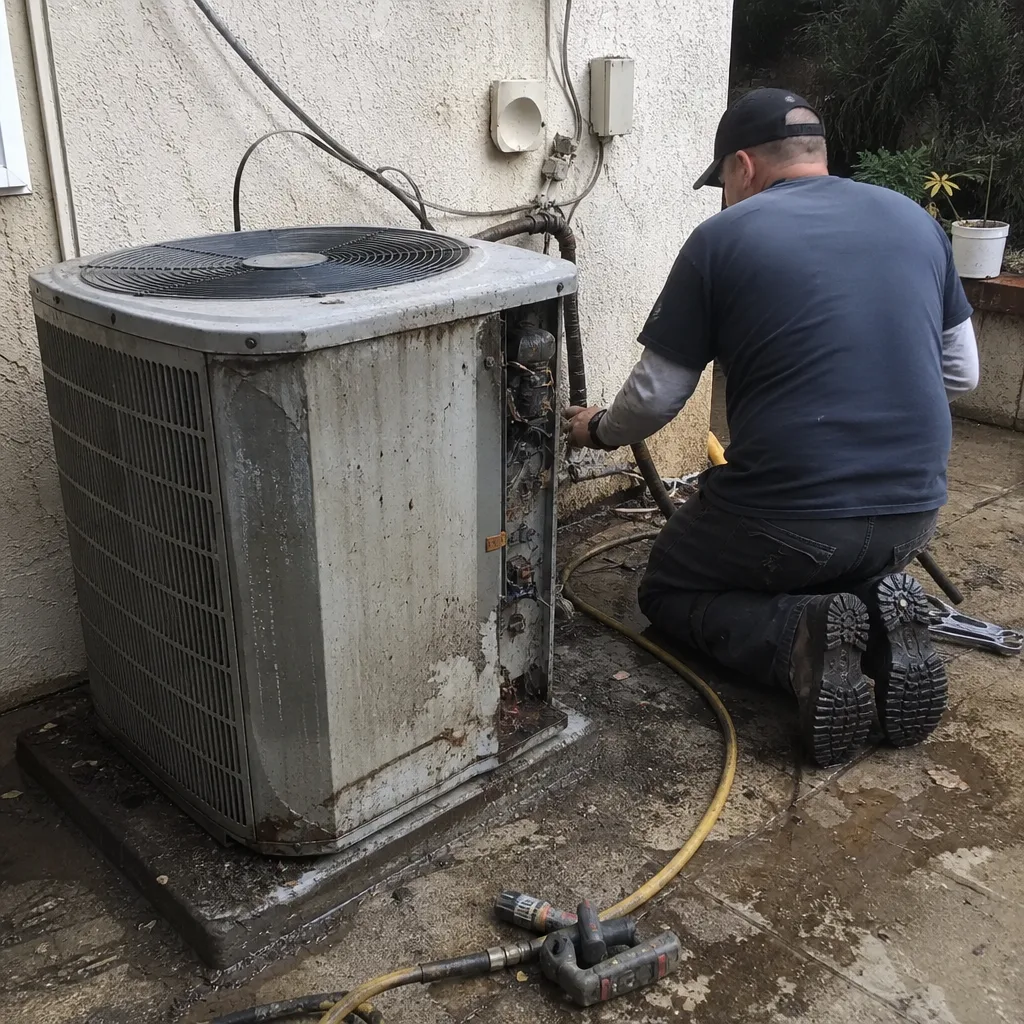 Before
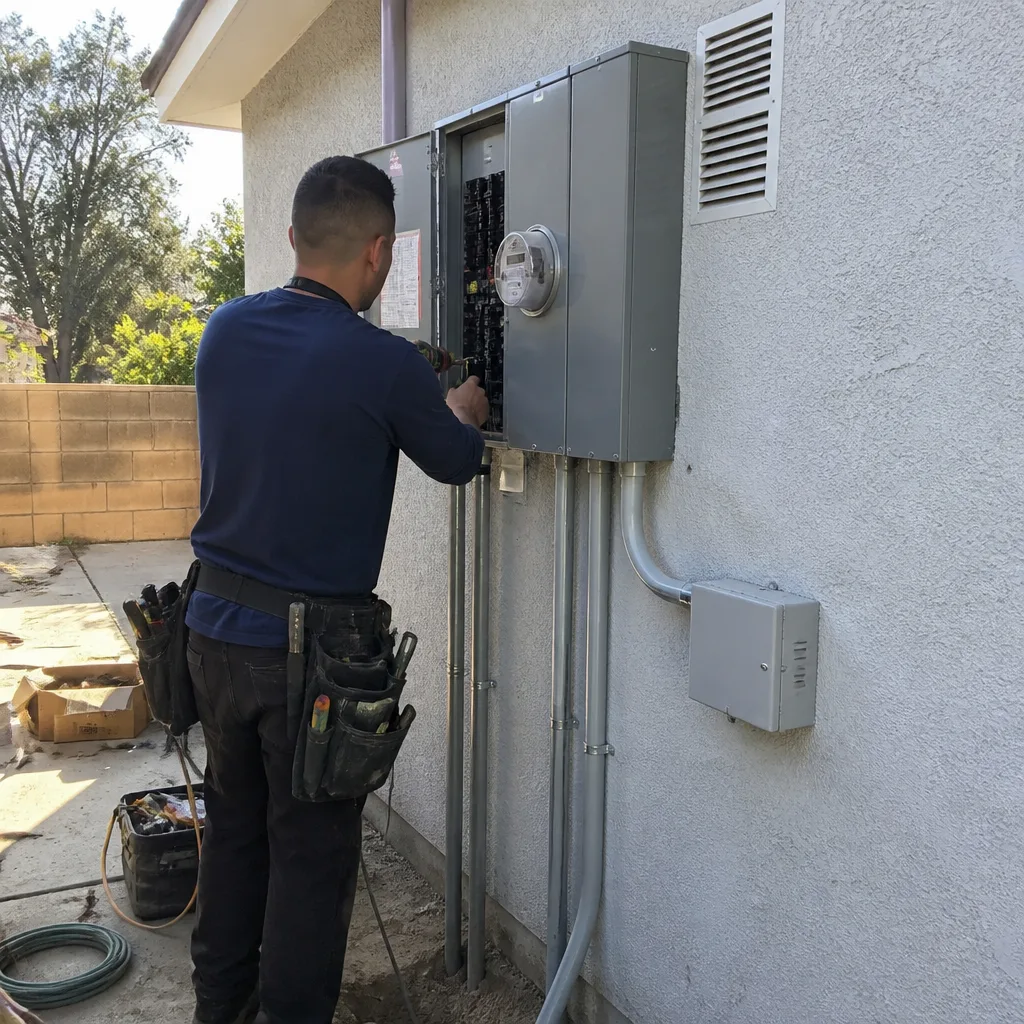 After
After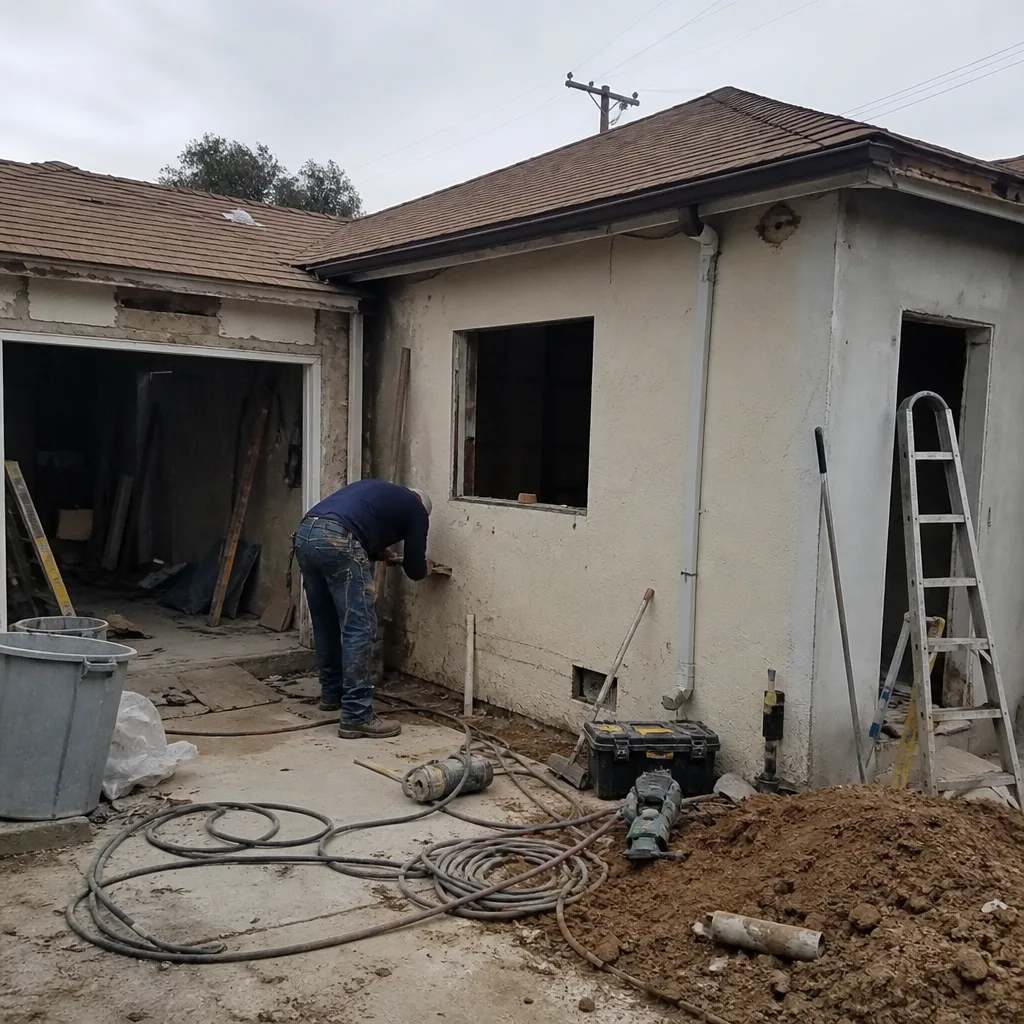 Before
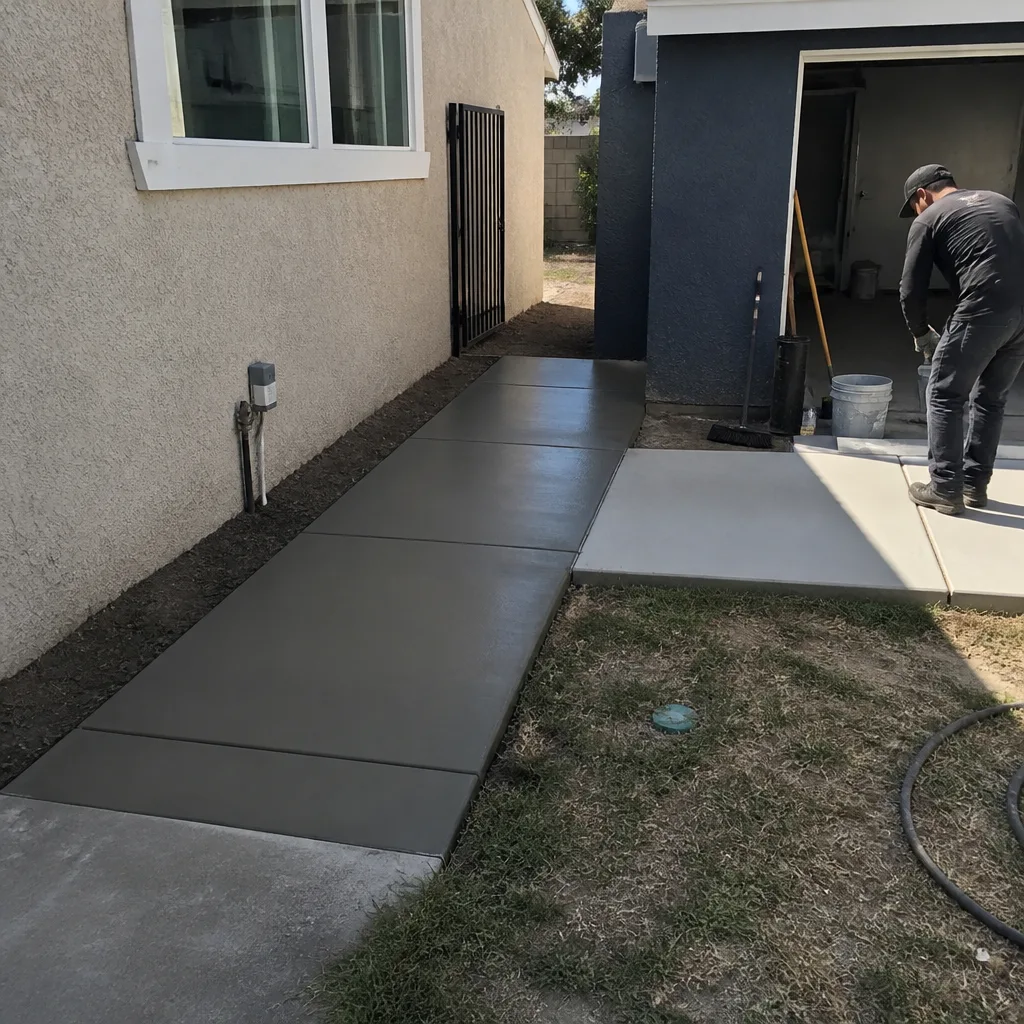 After
After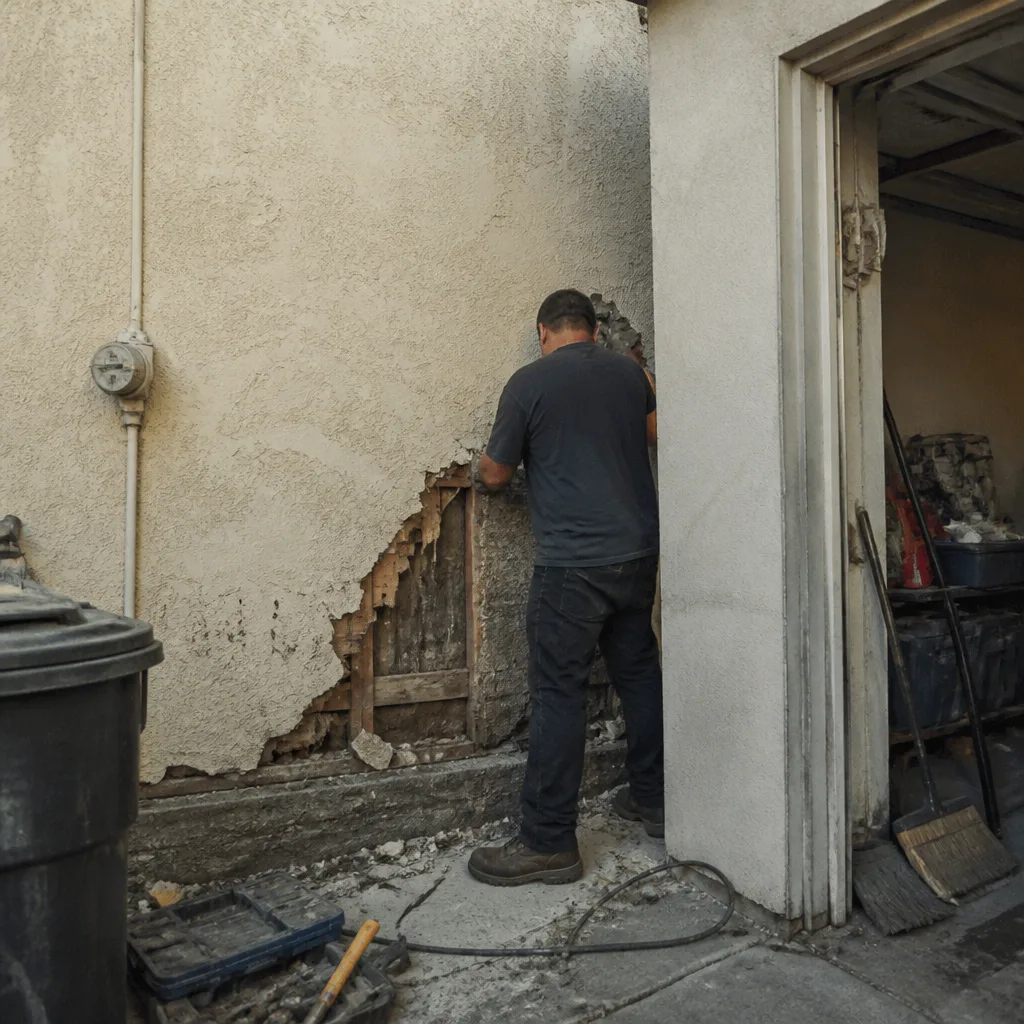 Before
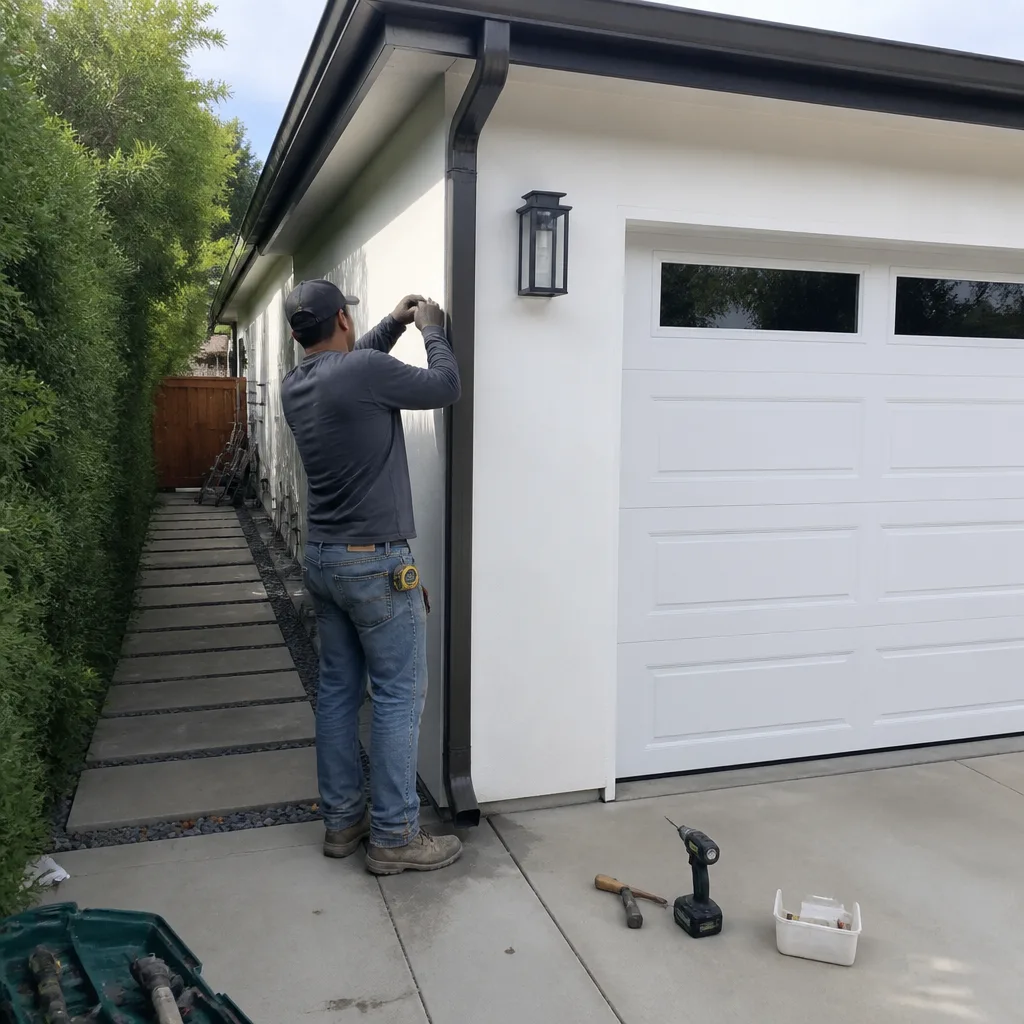 After
AfterReplacement Cost & What’s Included
Here’s what installed CWS parts work actually costs in Los Angeles right now.
| Service | Installed Price Range |
|---|---|
| Window hardware replacement (balances, rollers, locks) | $470 – $1,180 per window |
| Sliding patio door roller and track service | $590 – $1,770 per door |
| Weatherstripping and seal replacement | $295 – $825 per unit |
| Insulated glass pack replacement | $710 – $2,950 per sash |
| Full CWS window replacement (mid-range vinyl or aluminum) | $5,310 – $17,700 per window |
The range comes down to three things: which CWS series you have, whether the frame itself is still square, and how much the original install has shifted. Parts cost is the smaller share; labor and disposal are the rest, and we put both on the written estimate before any work starts. That’s The Garrison Standard: a straight number, a documented scope, and no add-on charges at the punch list. Every replacement we install is covered by our 365-Day Done Right Promise, which means if the new part fails inside a year, we return and correct it at no charge. Straight number, real scope, no surprises at the punch list.
DIY or Call Us?
Some things are safe to check yourself, and some aren’t. You can inspect the track for debris, clean the weatherstripping with mild soap, and note exactly what the window does when it fails so we can diagnose faster on the phone. What you shouldn’t do is pull a CWS sash out of the frame without knowing which balance system is under tension. Block-and-tackle assemblies and spiral balances carry real load, and releasing one incorrectly can send the shoe through the stop or pinch a hand. That’s a call to us, not a weekend project.
If the failure is a seal, a roller, a balance, or a lock that won’t throw, we can usually resolve it same day because we carry the common CWS profiles on the truck. If you’re uncertain what series you have or whether the part is still worth chasing, call (903) 568-7222 and describe what the unit is doing. Curtis or one of our techs will give you a straight read on whether it’s a $300 parts swap or a replacement conversation before we ever set foot on site.
FAQs
Expect 25 to 40 years from the frame and glass depending on exposure, with original hardware failing between 10 and 20 years, faster on coastal or full-sun elevations. Los Angeles heat and UV shorten the life of balances, rollers, and vinyl weatherstripping more than the glass or aluminum frame. Call (903) 568-7222 if a unit isn’t hitting that range, and we’ll tell you why.
Sometimes, yes, but not every component is repairable, and in most cases the repair is replacing the wearing part, not rebuilding it. A flat-spotted roller can’t be re-rounded, and a failed insulated glass pack can’t be re-sealed. The honest answer depends on the part, which is why we diagnose first and quote second. Estimates are free.
Most single-window hardware swaps run an hour or two once the right part is matched, and a sliding patio door roller service is typically done the same day. A custom glass pack replacement adds one to two weeks for fabrication. Call (903) 568-7222 for an exact timeline based on your unit and the part.
We stock the common failure items on the truck: balance assemblies, pivot bars, locks, keepers, rollers, and weatherstripping for the CWS series most often found in Los Angeles. Obsolete parts or one-off sizes get sourced through our supplier network within a few days. Call (903) 568-7222 with your window or door description, and we’ll tell you what’s available before you commit to a service call.
Written by Curtis Lane, Owner, Bradford Remodeling at Bradford Remodeling, serving Los Angeles and nearby areas.