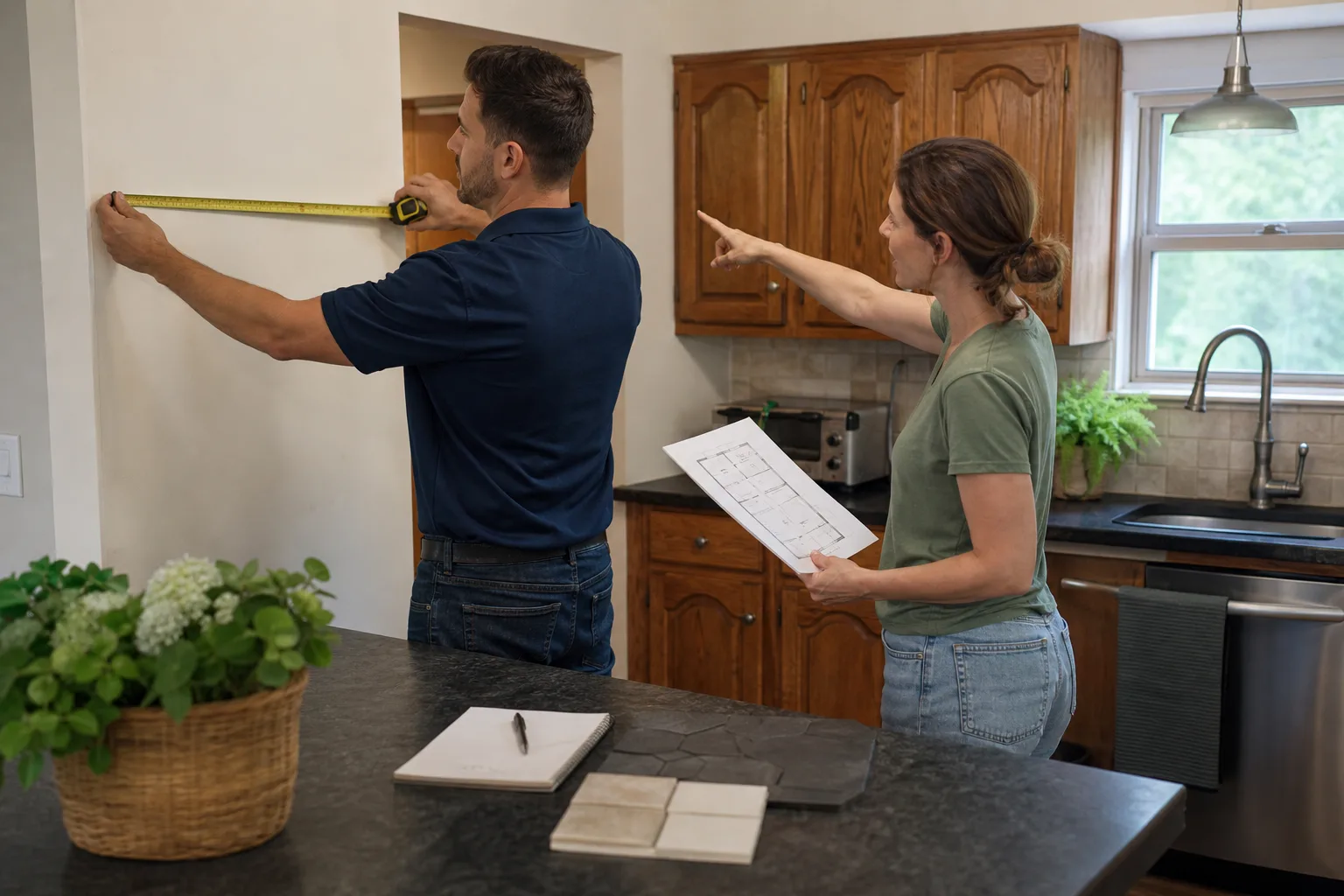
Free written scope consultation - allowances, timeline, and change-order rules on paper before a single trade is scheduled
Unilock Home Additions & ADU: The Los Angeles Owner’s Guide
Bradford Remodeling installs and services Unilock-compatible home additions and ADU projects across Los Angeles, with typical installed project ranges from $53,100 to $153,400 for additions and $106,200 to $259,600 for full ADU construction. We stock Unilock paver and wall units for the hardscape components of these builds, and we match existing Unilock patterns when the job calls for extending a patio, walkway, or retaining wall that ties into the new structure. Most owners call us when they realize their existing Unilock hardscape has shifted, settled, or cracked where it meets the new addition’s foundation line, or when they need the addition itself to match an existing Unilock surface so the whole property reads as one continuous build.
Here’s the reality on the ground in Los Angeles: expansive clay soils move, retaining walls take lateral pressure they weren’t designed for, and paver courses laid years ago settle differently once a new foundation goes in next to them. We see it in neighborhoods from Studio City to West Adams, and the fix usually isn’t a mystery. It’s a scope-of-work problem that needs the right base prep, the right drainage detail, and a crew that doesn’t cut the substrate short to save a day.
Which Unilock Models This Applies To
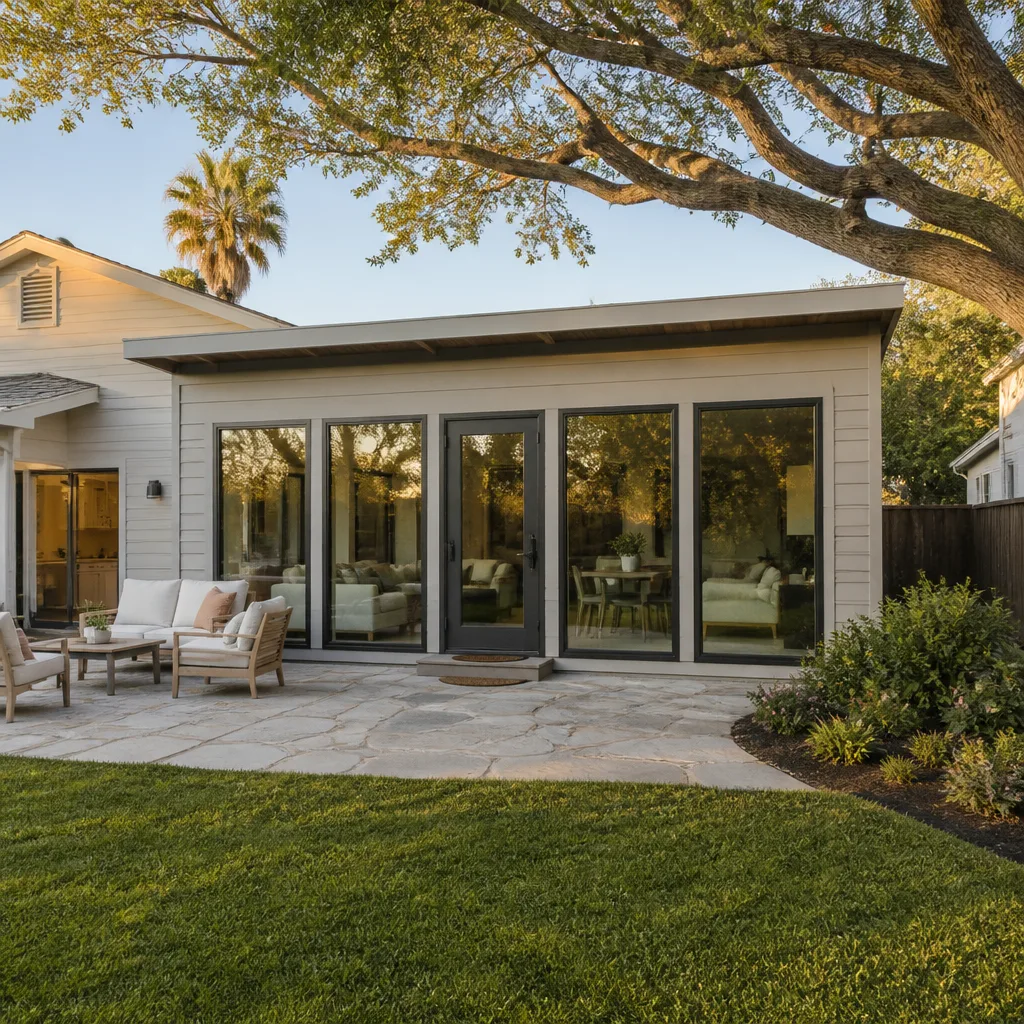
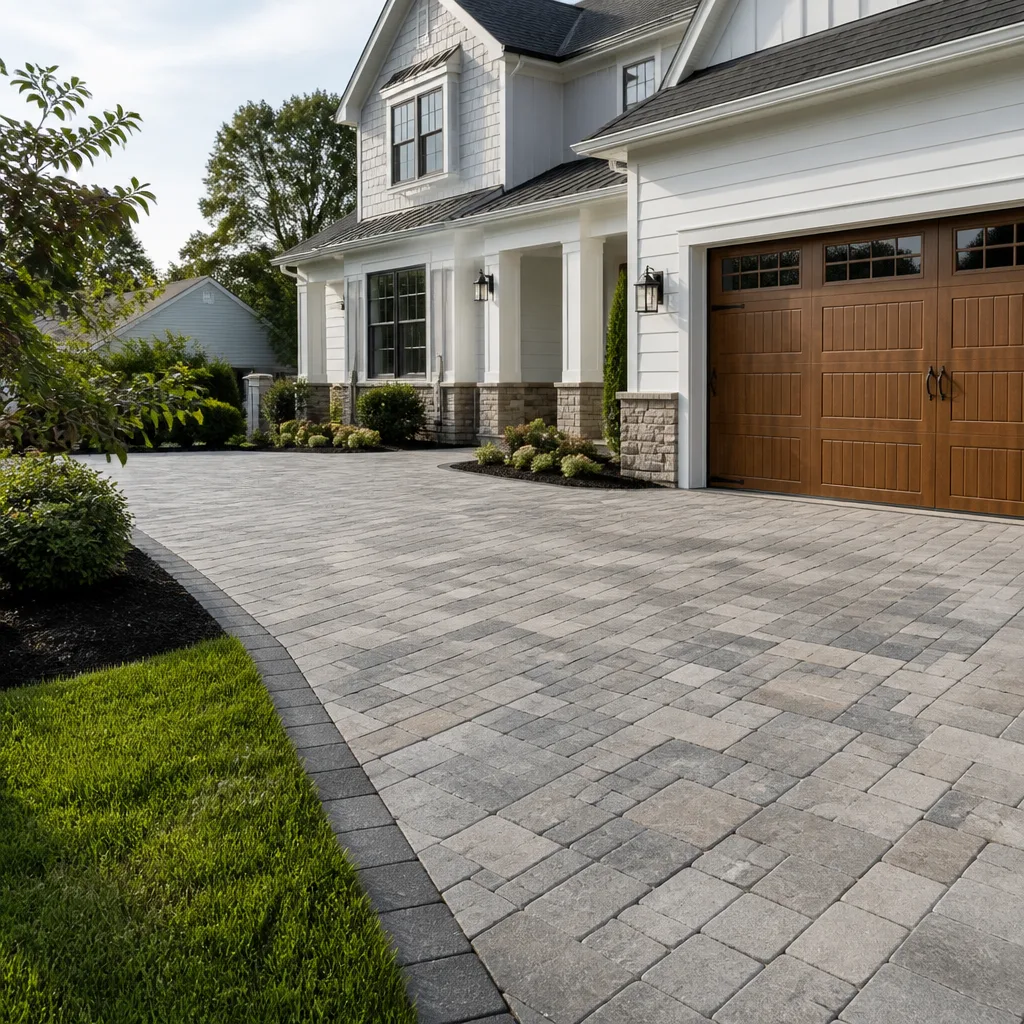
When we talk about Unilock in the context of home additions and ADUs in Los Angeles, we’re working primarily with their paver and wall systems: the Hollandstone and Mattoni paver lines for driveways and patios, Estate Wall, Pisa, and Lineo for retaining walls and seat walls, and U-Cara for certain fascia and finish applications. These are the units that get cut, extended, or re-laid when an addition changes the footprint.
The compatibility gotcha most homeowners hit is this: Unilock changes mold dimensions and edge profiles between production runs, and a paver bought five years ago may not lock against a paver bought today, even if both are labeled “Hollandstone.” The manufacturing date matters. We pull a unit from the existing run, measure the face width and height, and check the chamfer profile before we order anything. That’s the difference between a clean match and a visible seam running through your new patio.
OEM versus aftermarket is worth getting clear on. For Unilock structural walls, we use OEM units. The wall block is the load-bearing system, and we don’t substitute it. For paver accents or small patching, a quality equivalent from Belgard or a similar domestic manufacturer can work, but only when the profile dimensions are verified. If you want the warranty chain intact and the pattern to match exactly, OEM is the call.
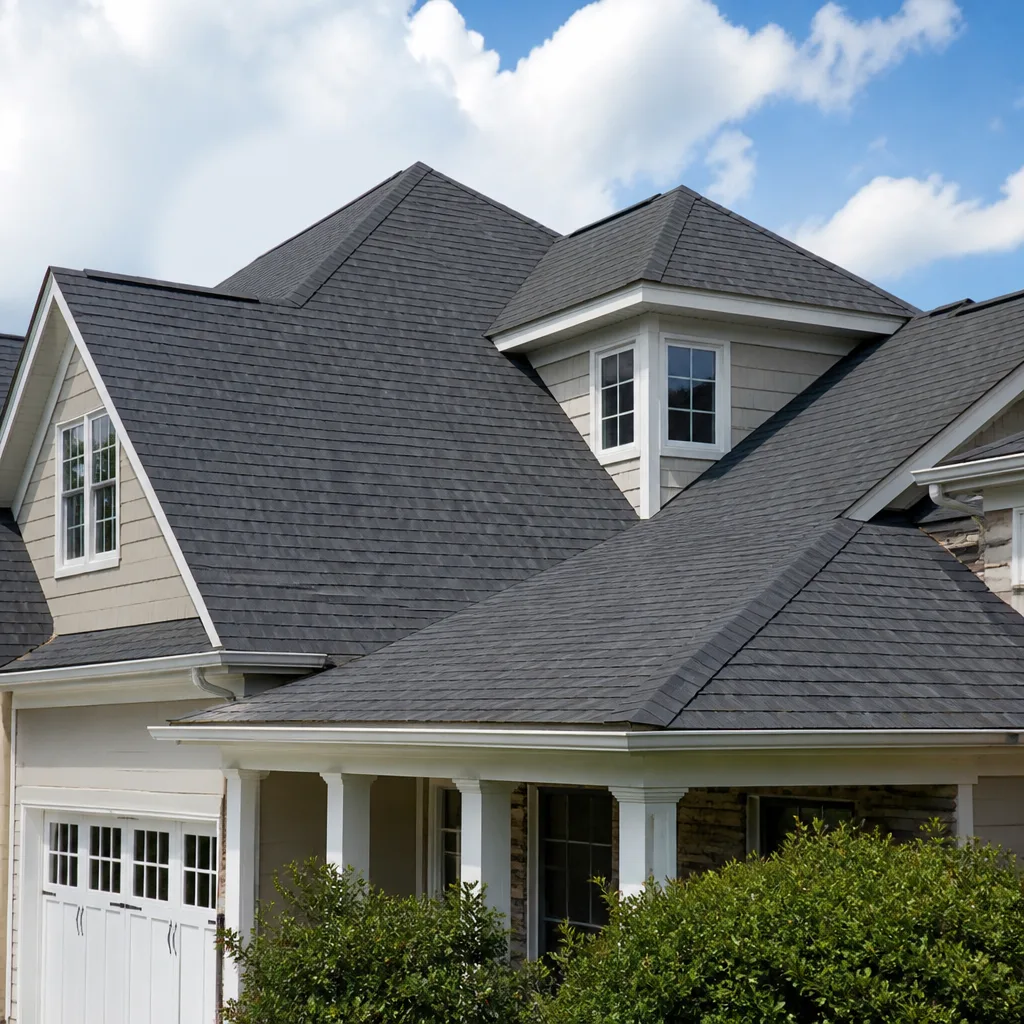
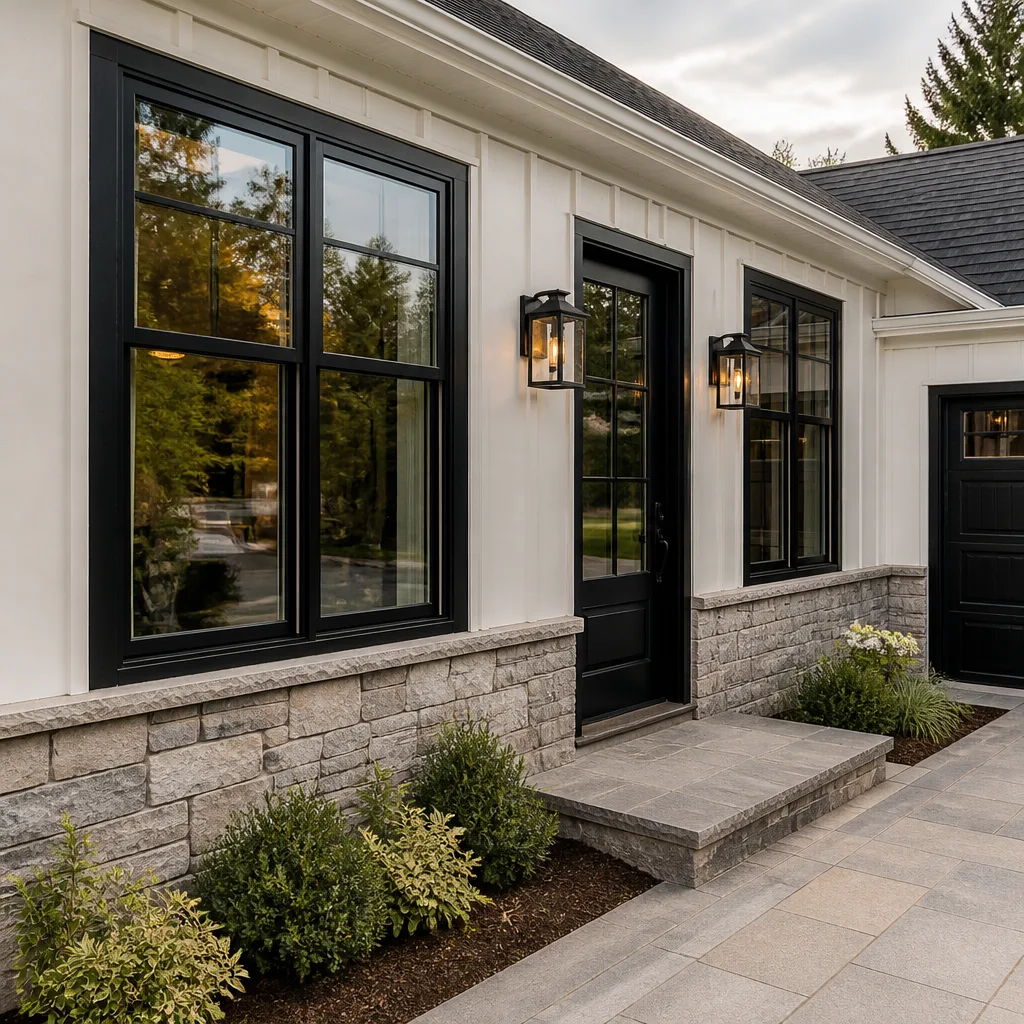
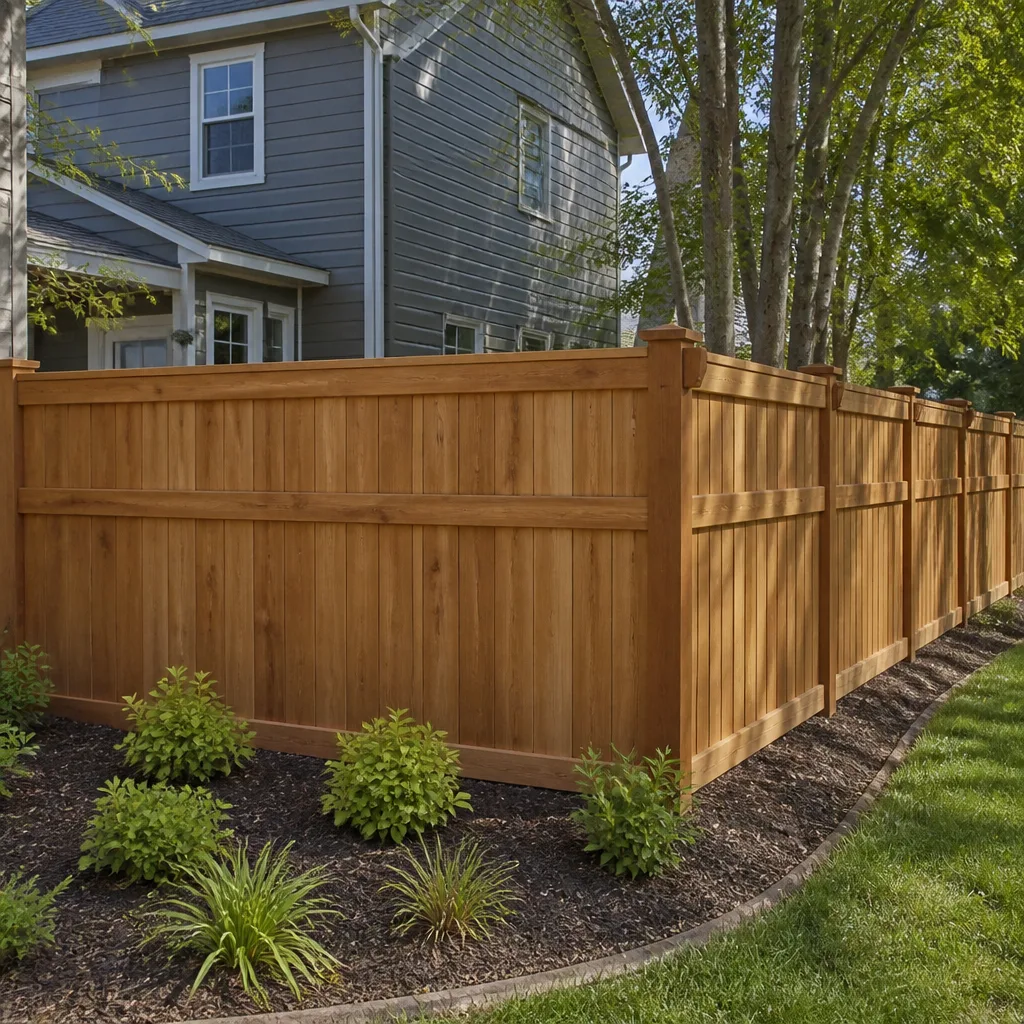
Styles & brands we work with
Signs Your Unilock Home Additions & ADU Is Failing
- Pavers sinking or rocking where the addition meets the existing hardscape. The seam between old construction and new is where settlement concentrates. When the base wasn’t compacted in lifts to the right density, the pavers drop, the seam opens, and water gets under the whole assembly. In Los Angeles, where the wet season hammers that seam for a few months before the dry season lets it bake, this cycles repeat failures fast.
- Retaining wall leaning, bowing, or pushing outward. When the wall was built without a proper drainage column behind it, hydrostatic pressure builds in the wet months and pushes the wall outward. You can spot this by sighting down the face: if the line isn’t plumb, the wall is moving. Left alone, it fails section by section, and the cost balloons from a repair to a full rebuild.
- Paver surface heaving after heavy rain. This usually means the base is too thin or the wrong material for the soil underneath. Los Angeles yards sit on everything from decomposed granite to hardpan clay, and each one needs a different base detail. When a paver field heaves, the base was wrong for that soil, and just relaying the same pavers on the same base won’t fix it.
- Cracks propagating through the paver course parallel to the addition’s foundation. The addition’s footing and the old paver base are two different structures with two different settlement rates. When the paver course cracks along a line that mirrors the new foundation, the base wasn’t tied properly to the new structural edge. That joint needs an engineer’s detail, not just a bag of polymeric sand.
- Polymeric sand failing repeatedly at the joints, with weed growth or ant activity. If the sand between joints keeps washing out or the ants keep tunneling through, the edge restraint has failed or the base is moving underneath. Re-sanding is a band-aid. At some point, the cost of re-applying sand twice a year exceeds the cost of fixing the sub-base once. We tell property owners that straight: you’re paying for the wrong repair.
See the difference
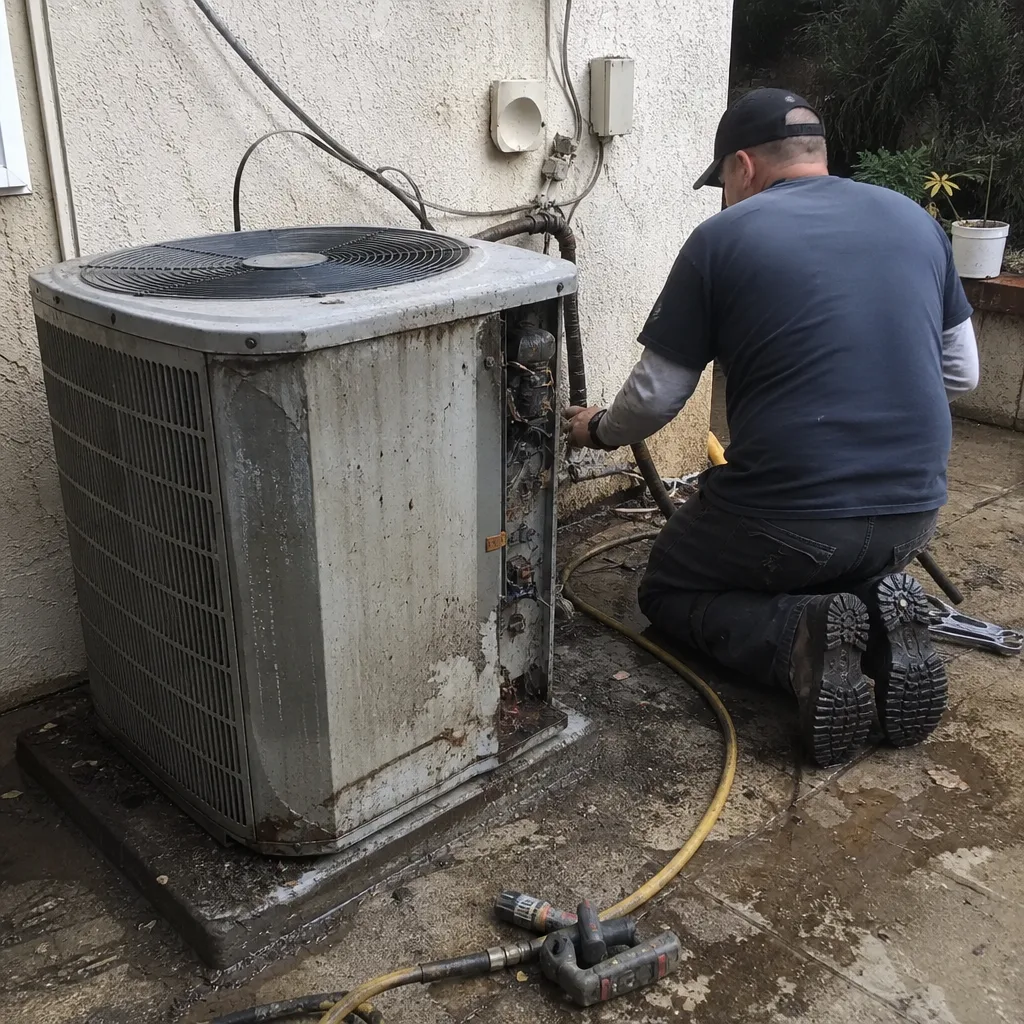 Before
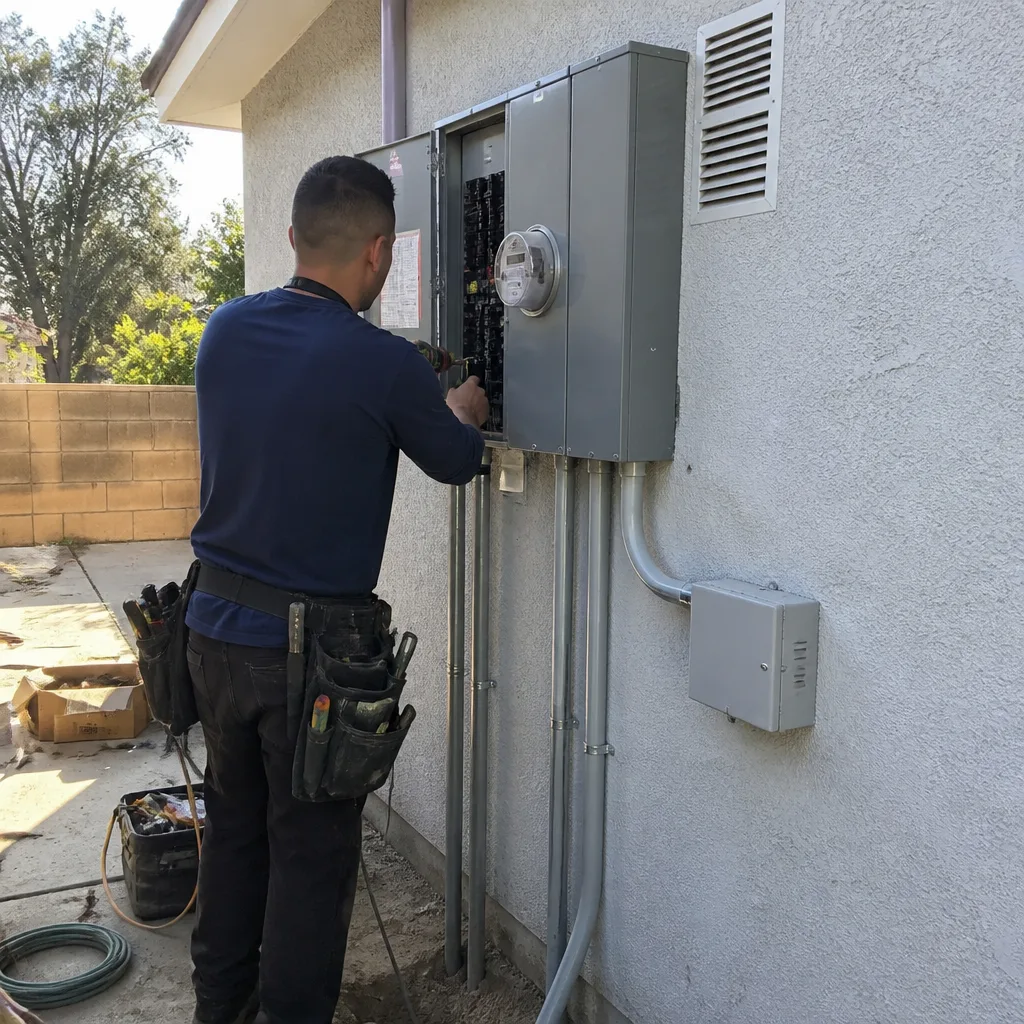 After
After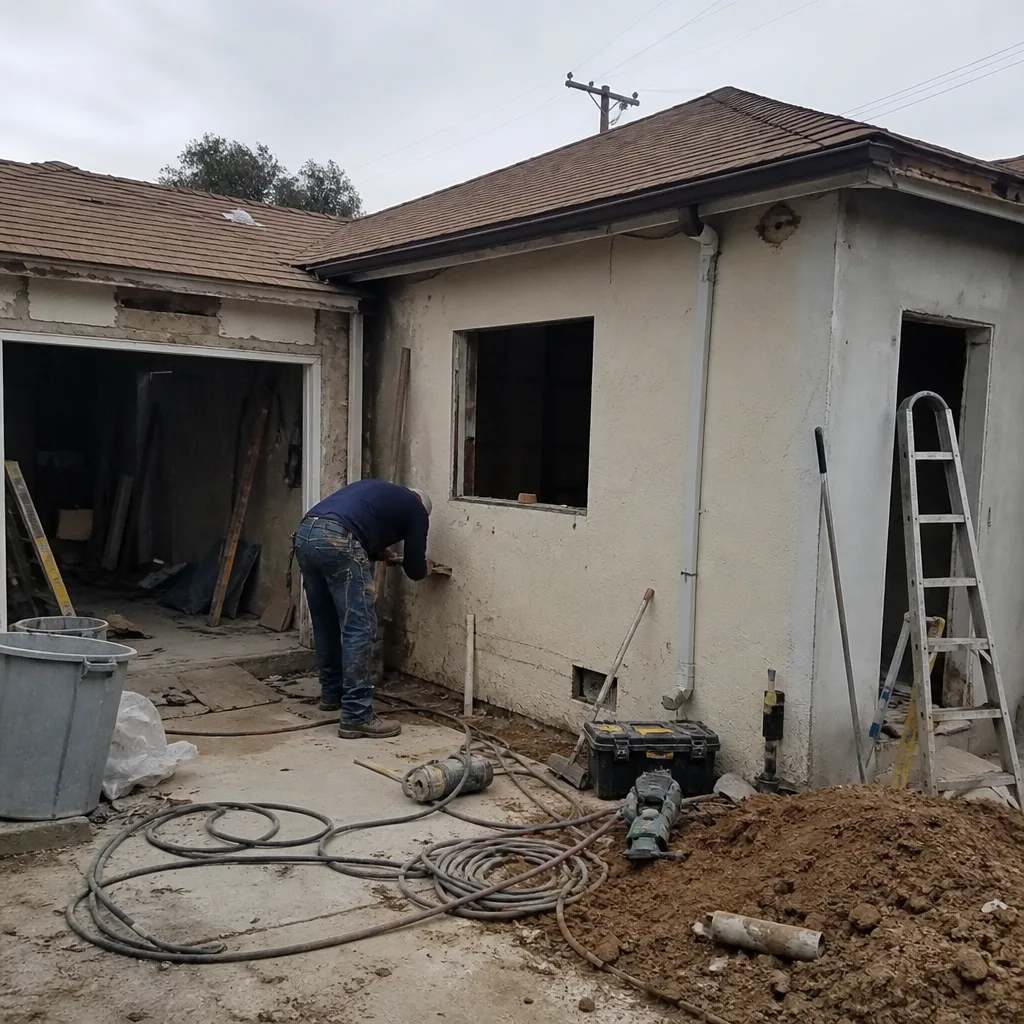 Before
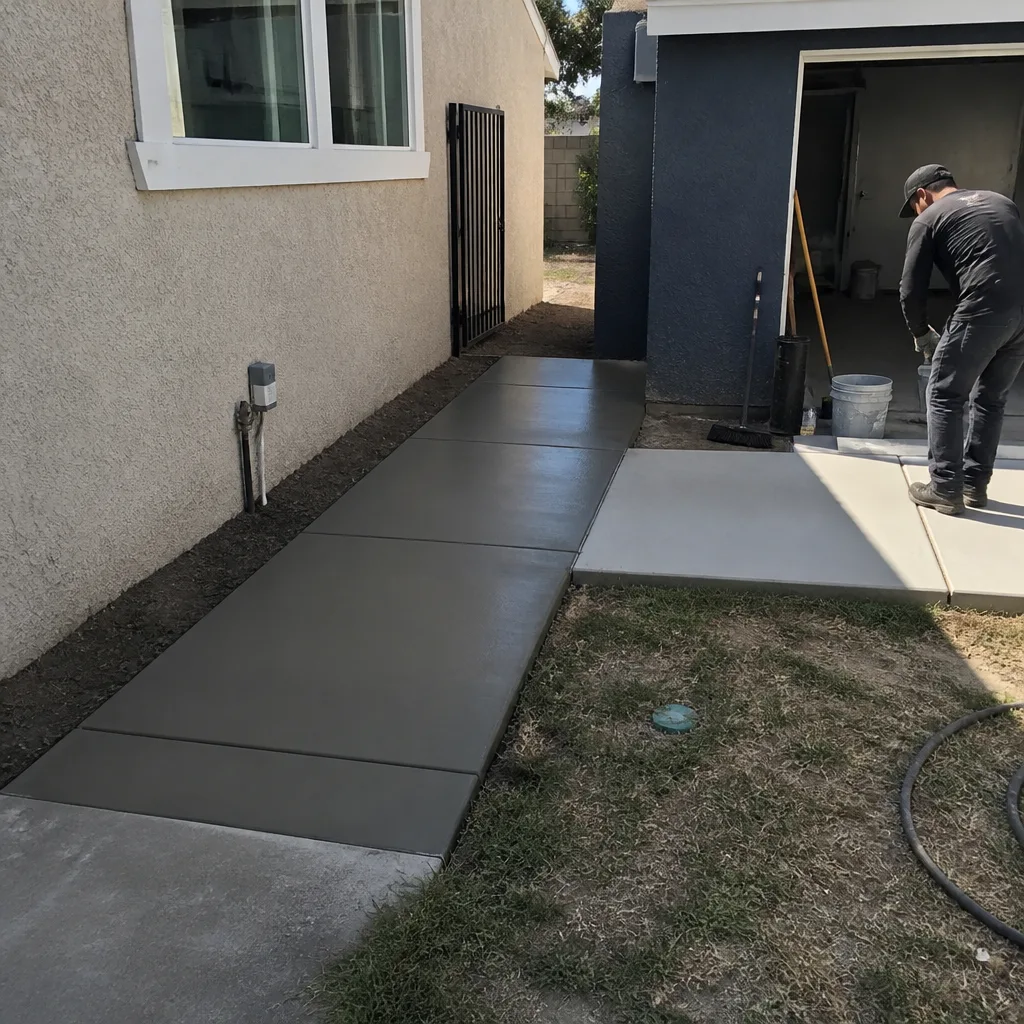 After
After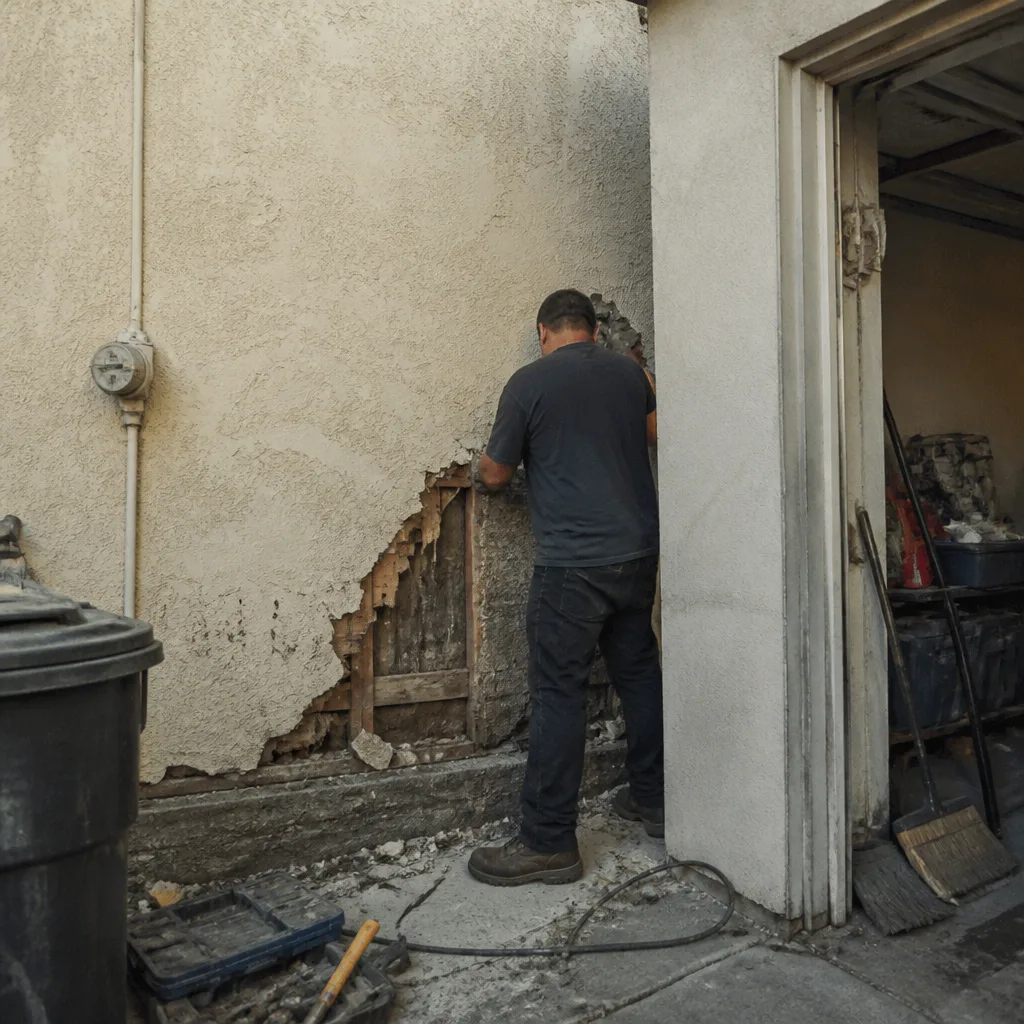 Before
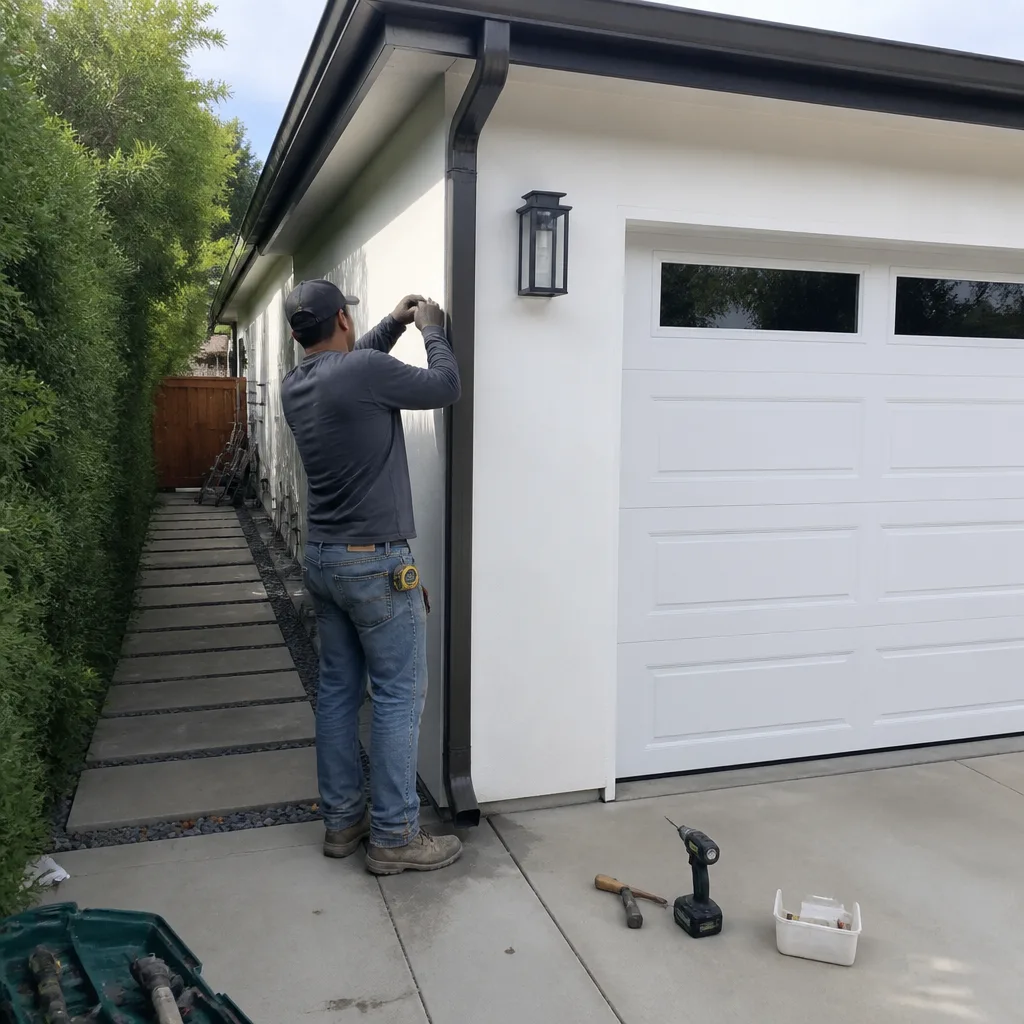 After
AfterReplacement Cost & What’s Included
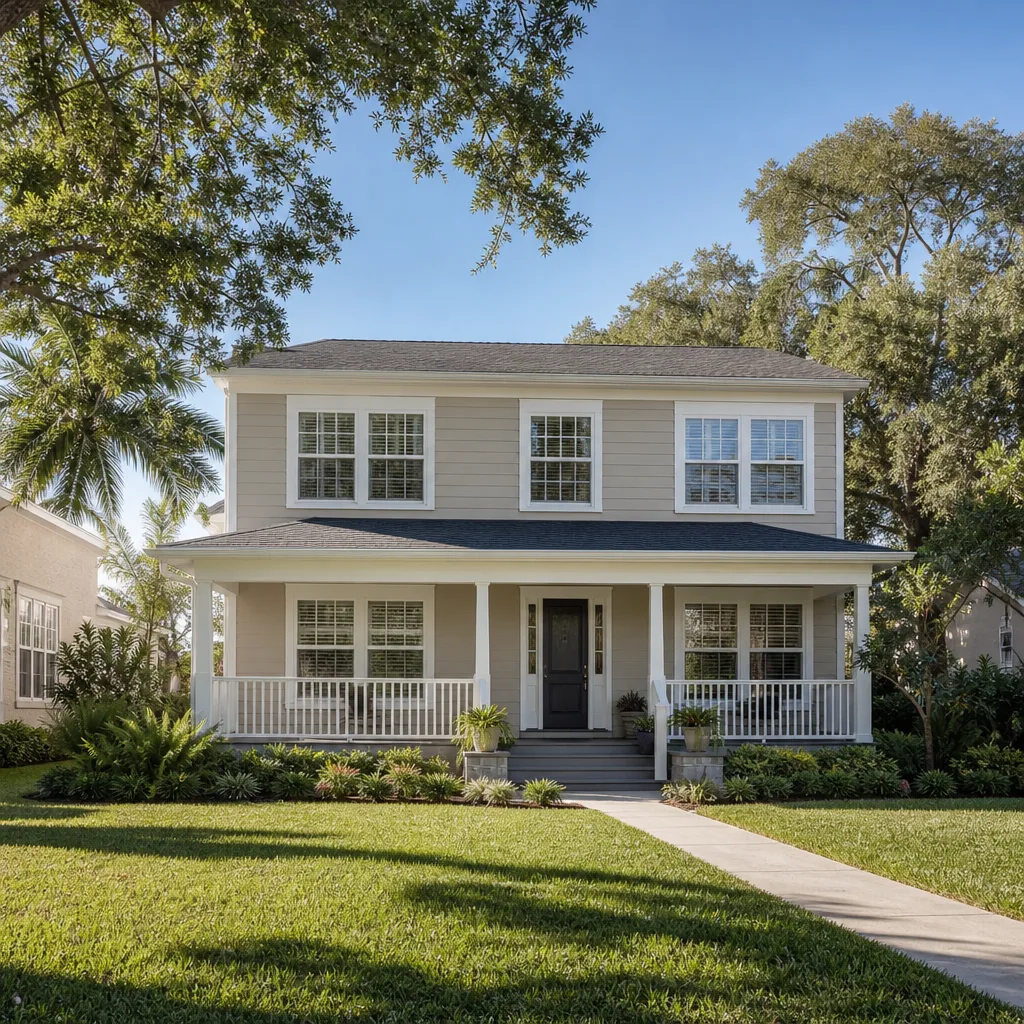
Installed pricing for a home addition in Los Angeles runs $53,100 to $153,400. ADU construction runs $106,200 to $259,600. The hardscape portion, which is where the Unilock work lives, typically falls between $4,130 and $12,980 for a patio or walkway that ties into the addition, depending on square footage and whether we’re extending an existing pattern or starting a new one. Driveway work involving Unilock pavers lands in the $8,260 to $21,240 range.
What drives the spread: soil condition, access, whether export comes into play, and whether the existing base can be salvaged. A paver field installed twenty years ago on a compacted aggregate base might just need a few new units and a re-sand. A paver field laid directly on native soil with no drainage detail needs a full rebuild, and that’s real labor and real material.
Every Bradford bid includes the written price before work starts, a line-item scope, and the 365-Day Done Right Promise in writing. That means if the Unilock work fails inside of a year, you call us and we come back and correct it at no charge. No pro-rating, no service fee, no argument about whose fault it was. That’s The Garrison Standard, and it’s the same standard we’ve held to since 2004.
DIY or Call Us?
You can check a few things safely before anyone comes out: a straightedge across the paver field to see if you’re looking at settlement or just one loose unit, a look at the drainage path during a real rain to see where water ponds against the addition, and a check of the wall face with a level to see if it’s moved. Those are useful observations to share with us when we arrive.
What you shouldn’t do is start pulling pavers out of a retaining wall, digging out a base that’s holding a structural edge, or cutting into a paver course that butts against a foundation. The wall units weigh more than they look like they do, a compromised base can collapse when you excavate under it, and once you cut a paver line that’s under structural load, you’ve changed the load path in ways the original design didn’t account for. If the wall is taller than three feet or shows any outward movement, leave it alone and call us. Curtis Lane has been sequencing this kind of work across the Los Angeles Basin for two decades, and the first rule is the same every time: don’t make it worse before the real fix shows up. Call (903) 568-7222 and we’ll give you a straight number.
FAQs
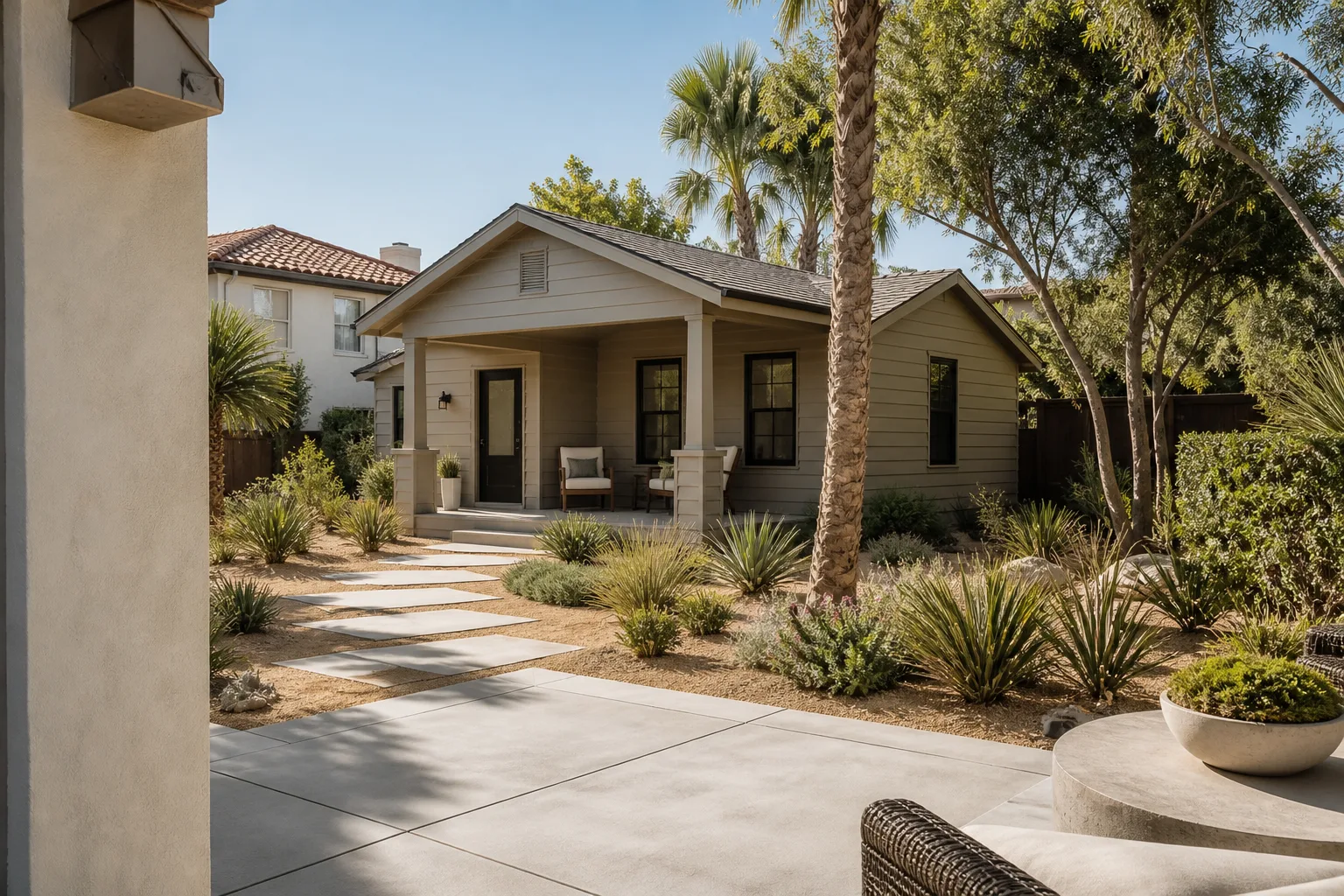
Unilock pavers and wall units installed on a properly prepared base typically last 25 to 40 years before the base needs remediation, even in Los Angeles with its wet-dry cycle and moving clay soils. The pavers themselves rarely wear out; what fails is the base under them. If your installation is failing before 15 years, the original base prep or drainage detail was wrong for your soil type, not the paver.
In most cases, yes, the pavers themselves can be reused. Unilock units are concrete, and they hold up. We pull the affected area, correct the base and drainage detail, and reset the same units when they’re intact. Replacement is usually only required when units are cracked through, heavily spalled, or the profile no longer matches what’s available from the manufacturer. Call (903) 568-7222 and we’ll tell you which one yours is. The estimate is free.
A typical Unilock paver extension or wall repair that’s part of a larger addition runs three to seven working days, depending on the square footage and whether we’re rebuilding the base from scratch. A full paver field tied to a new ADU can run two to three weeks if drainage, grading, and structural wall work are all in scope. We give you the schedule in the written scope before work starts.
We order Unilock units per job so we can match the existing production run’s dimensions and profile, which is the only way to guarantee a clean seam against your current pavers. We do keep common wall caps, edge restraints, and joint sand on the truck for smaller corrections. If you need a match, call (903) 568-7222 and we’ll pull a unit from your existing work and get it sorted.
No. The price we give you in writing is the price you pay, and that’s the only way Bradford Remodeling has ever worked. If hidden conditions surface, we stop, document what we found, and bring you a written change order before anything moves. There’s no door re-pricing and no surprise invoice at the punch list. Straight number, real scope, no surprises at the punch list.
If your Unilock hardscape is failing where it meets a new addition, or you’re planning an addition or ADU in Los Angeles and need the hardscape done right the first time, call Bradford Remodeling at (903) 568-7222 for a free estimate. Curtis Lane and our crew will give you the written price, the real scope, and a full-year guarantee on the work. We also install KraftMaid, Cambria, and Silestone products for the interior side of the build. A live person answers the phone around the clock, every day of the year.
Written by Curtis Lane, Owner, Bradford Remodeling at Bradford Remodeling, serving Los Angeles and nearby areas.