Free written scope consultation - allowances, timeline, and change-order rules on paper before a single trade is scheduled
Cambridge Pavers Fence Installation: The Los Angeles Owner’s Guide
Cambridge Pavers fence installation in Los Angeles typically runs $4,130 to $10,620 installed, depending on linear footage, existing substrate condition, and whether we’re working with Cambridge’s ledger stone, wall block, or a mixed paver-and-block assembly. We keep Cambridge-compatible fence block and cap units on hand and can usually schedule the install within a week of the written estimate. Most owners discover the problem the same way: a cap unit has shifted, a post column has started leaning after rain, or the original installer skipped a gravel base and the whole run is now heaving in Los Angeles clay.
If you’re reading this because a section of Cambridge Paver fence is failing, you already know the frustration: the product is solid, but the install works against it. We fix that. We’re an independent contractor, not affiliated with Cambridge Pavers, which means we quote the work honestly and don’t have to spin a warranty claim to get you a straight answer.
Which Cambridge Pavers Models This Applies To
This page covers the Cambridge Paver systems commonly used for fence and pilaster work across Los Angeles: the Maytrx wall system, the Ledgestone series, and the RoundTable wall block when paired with fence panels or gates. The compatibility gotcha most owners miss is that Cambridge cap units are series-specific. A Maytrx cap will not seat correctly on a Ledgestone block. If you’re replacing caps on an older installation, match the series name from the original invoice, or measure the bed width: Maytrx blocks run 6 inches deep, while Ledgestone bed depth is closer to 8 inches. Get that wrong and the cap overhangs or underbites by half an inch, which looks wrong and channels water behind the assembly.
For replacement parts, OEM Cambridge units are the safe call when you’re matching existing color and texture. Quality aftermarket equivalents exist for base course and standard caps, but Los Angeles sun is hard on pavers. Aftermarket color lots fade differently than Cambridge’s manufactured blends. If the fence section faces west or south, we recommend OEM for anything above the base course. The color shift over five years of direct Los Angeles UV exposure is visible at three feet.
Styles & brands we work with
Signs Your Cambridge Pavers Fence Installation Is Failing
- Leaning pilaster columns. The original installer either skipped a concrete footing or poured one too shallow for Los Angeles soil. Wind loads on a fence gate transfer straight into the column, and without a proper footing the whole pilaster starts walking. This is the most common failure we see in the San Fernando Valley and on hillside lots.
- Cap units sliding or missing entirely. Caps are glued or mortared, not mechanically locked. Once the adhesive bond breaks from thermal cycling, caps go loose. A loose cap is not cosmetic; water enters the top of the wall and starts freeze-thaw and clay-heave damage inside the assembly.
- Horizontal cracking along a bed joint. This usually means the gravel base was too thin or non-existent. Clay soil in Los Angeles expands with winter rain and contracts through dry summer. The block wall flexes, and the mortar or adhesive line cracks where the flex is concentrated.
- Fence panels sagging or pulling from the pilaster. The post anchors were set into block cores without proper epoxy or mechanical ties. Rust on the anchor bolts accelerates it. Once the panel starts leaning, the leverage works against the entire column.
- Efflorescence or white staining on block faces. Water is moving through the wall from behind. No drainage layer, no weep screed, no gravel backfill. The staining is harmless to the block structurally, but it tells you water is trapped where it should not be.
See the difference
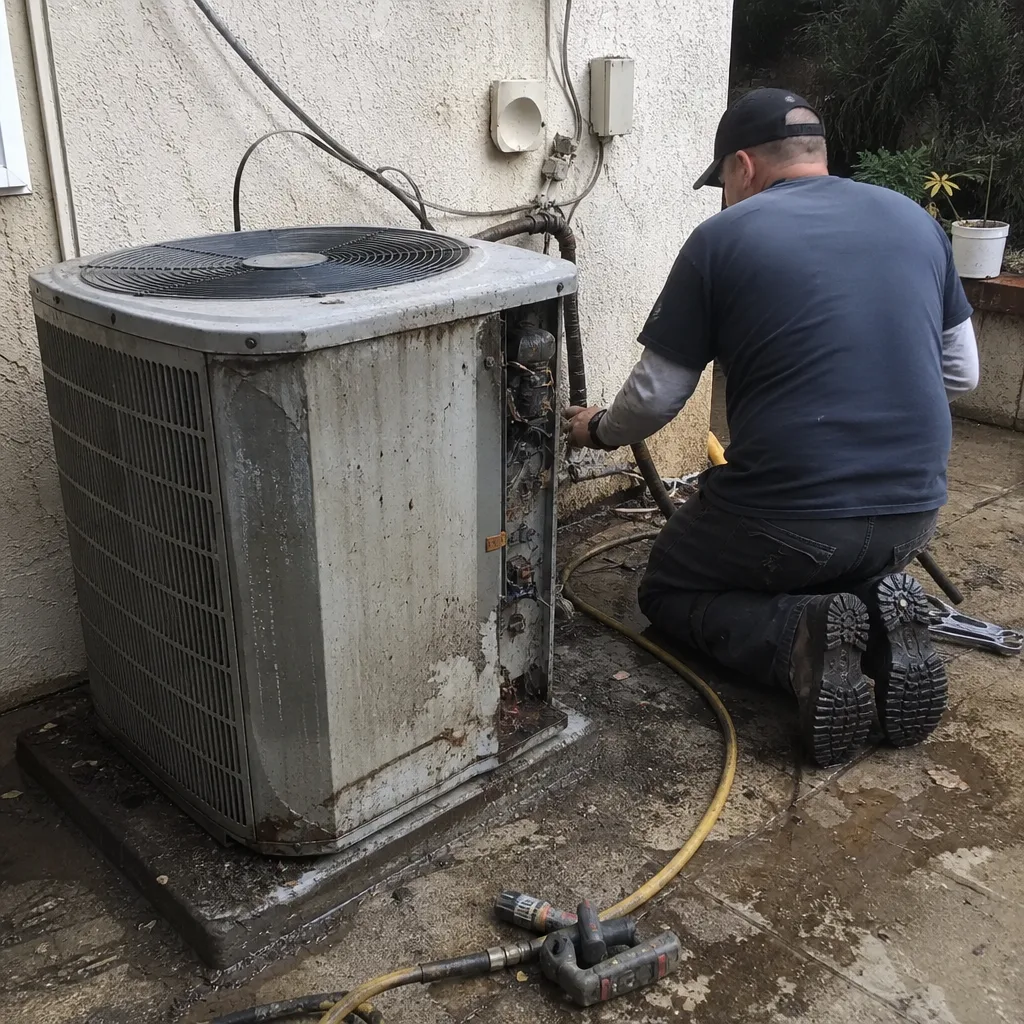 Before
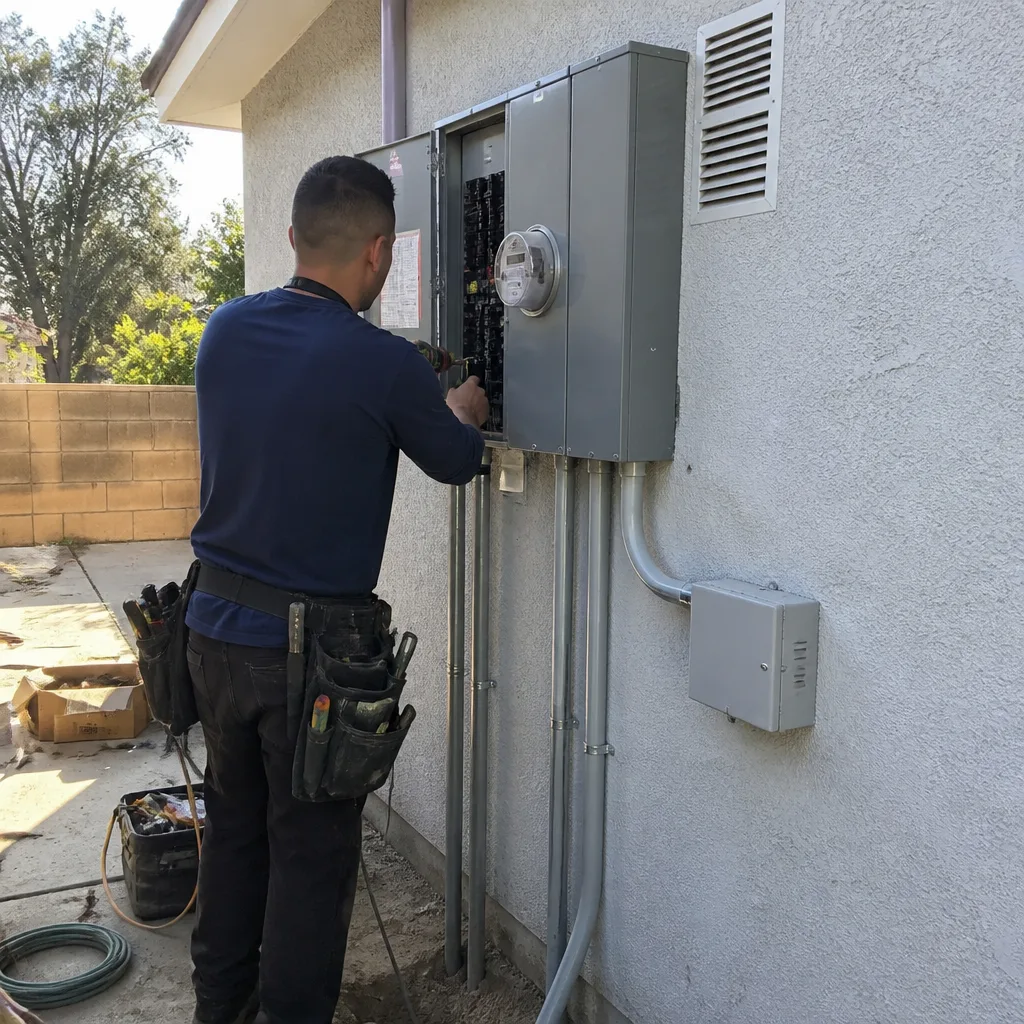 After
After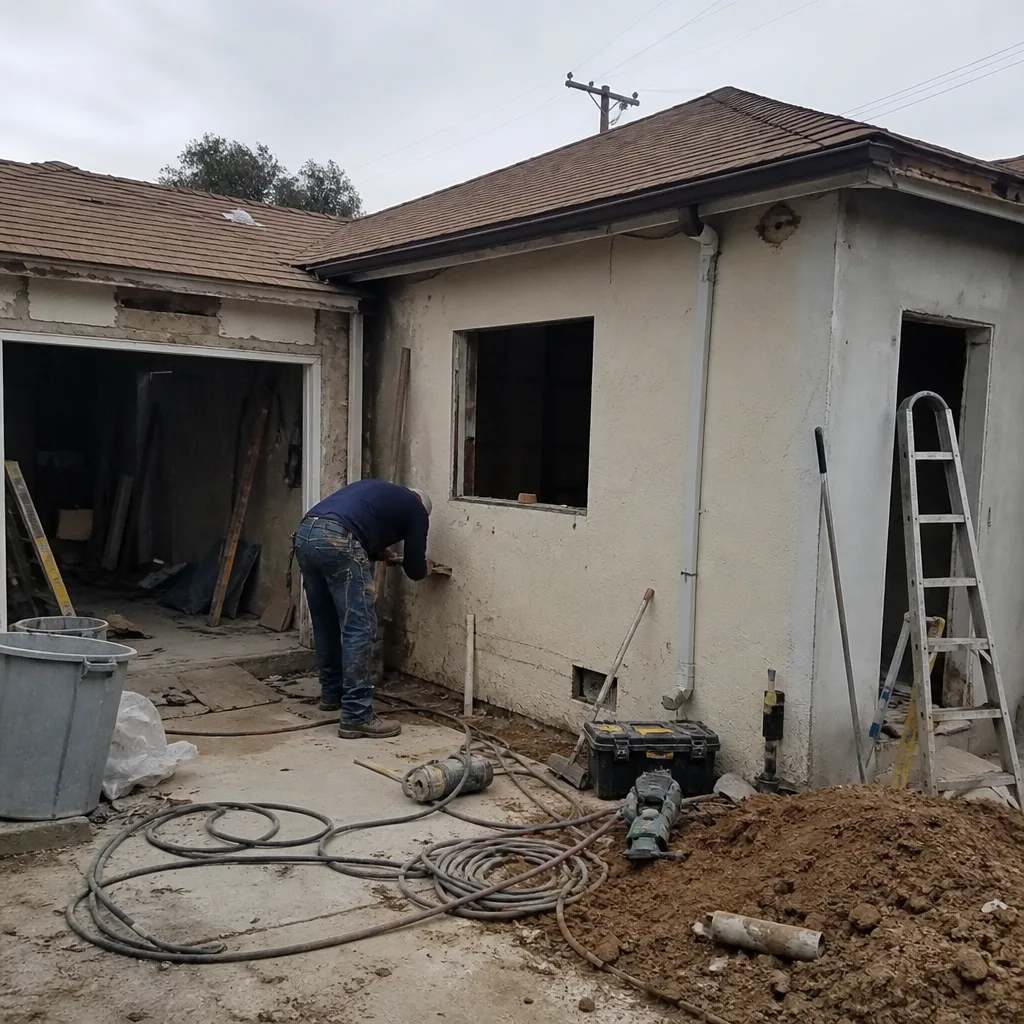 Before
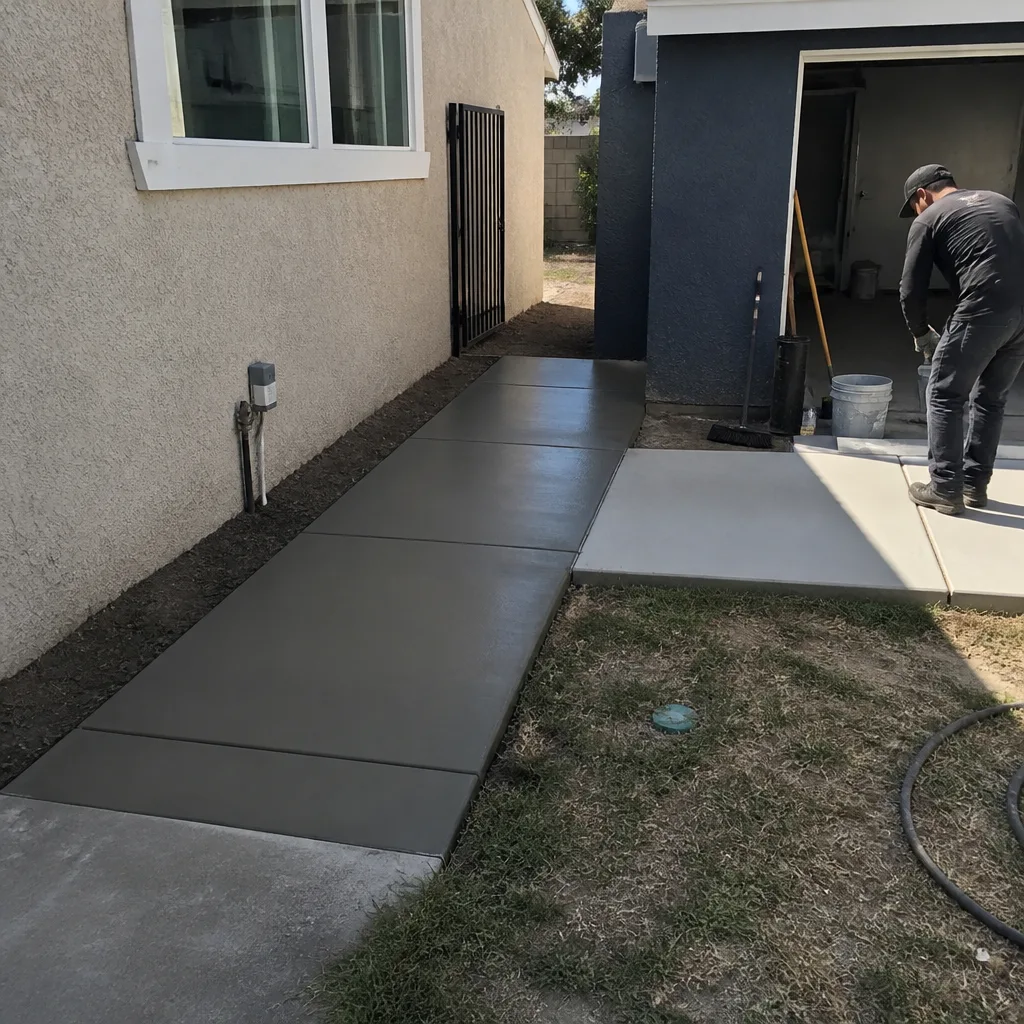 After
After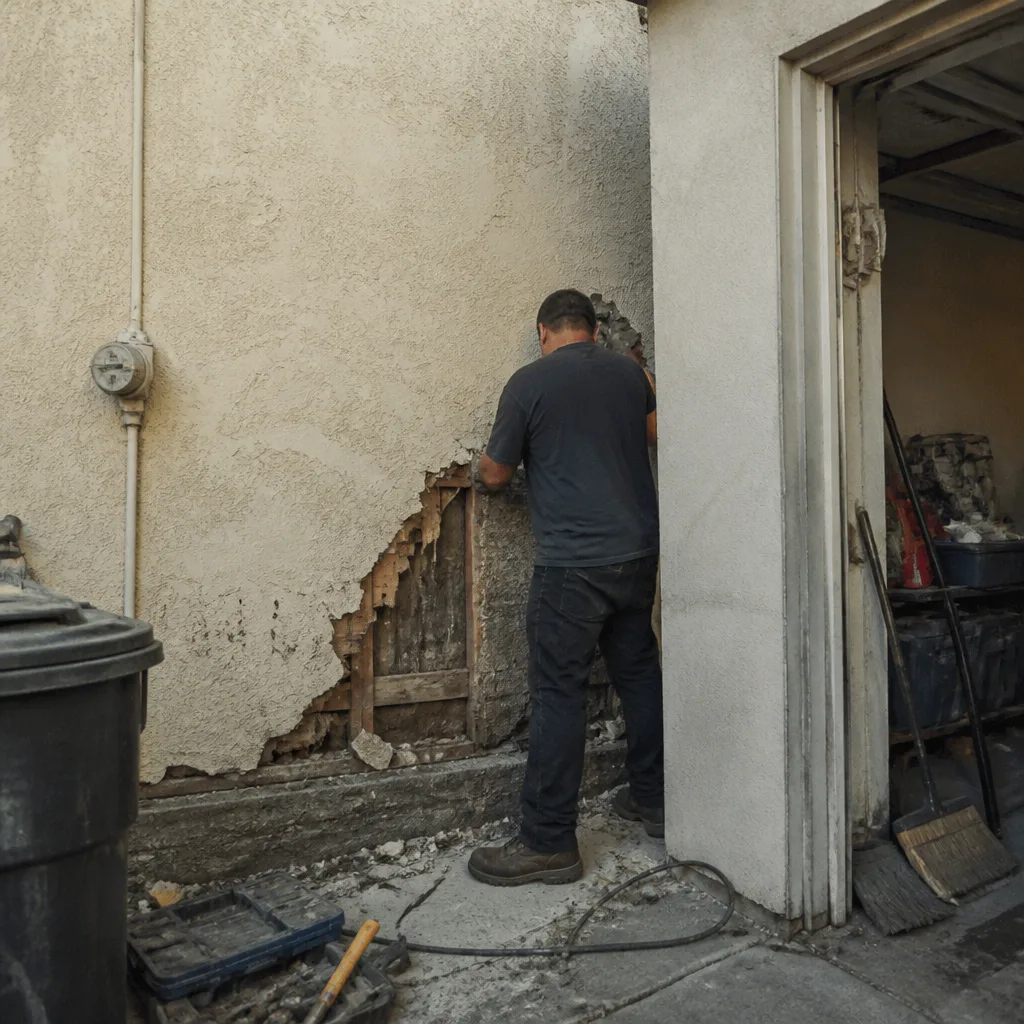 Before
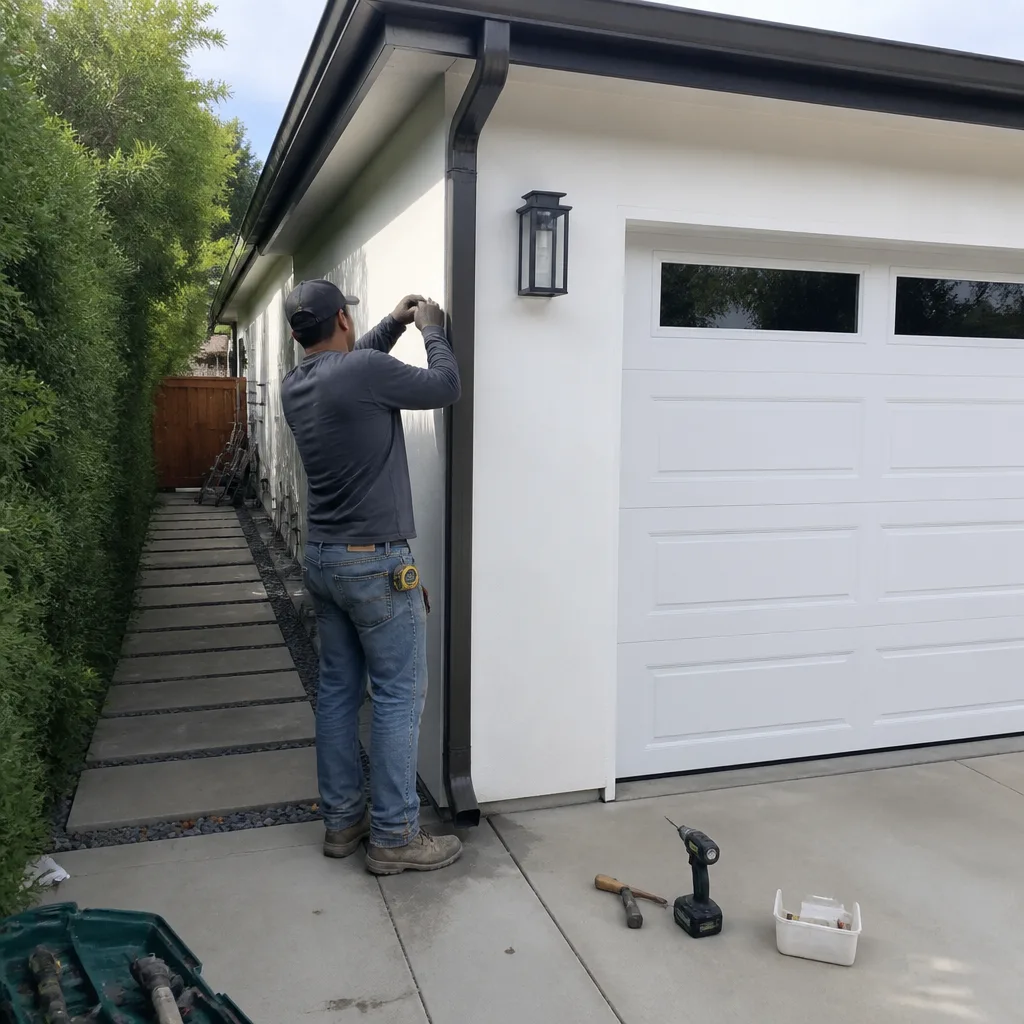 After
AfterReplacement Cost & What’s Included
A Cambridge Pavers fence installation in Los Angeles runs $4,130 to $10,620 for a full tear-out and rebuild of a standard 30 to 60 linear foot run, including pilasters and caps. The range moves on three things: total linear feet, whether the existing footing can be reused, and whether we’re matching OEM Cambridge units or working with what’s salvageable from the current wall. On the low end, a straight cap replacement and re-adhesion over an otherwise sound base course. On the high end, full disassembly, new compacted gravel base, geotextile fabric, rebuilt footings, and all-new Cambridge block and caps.
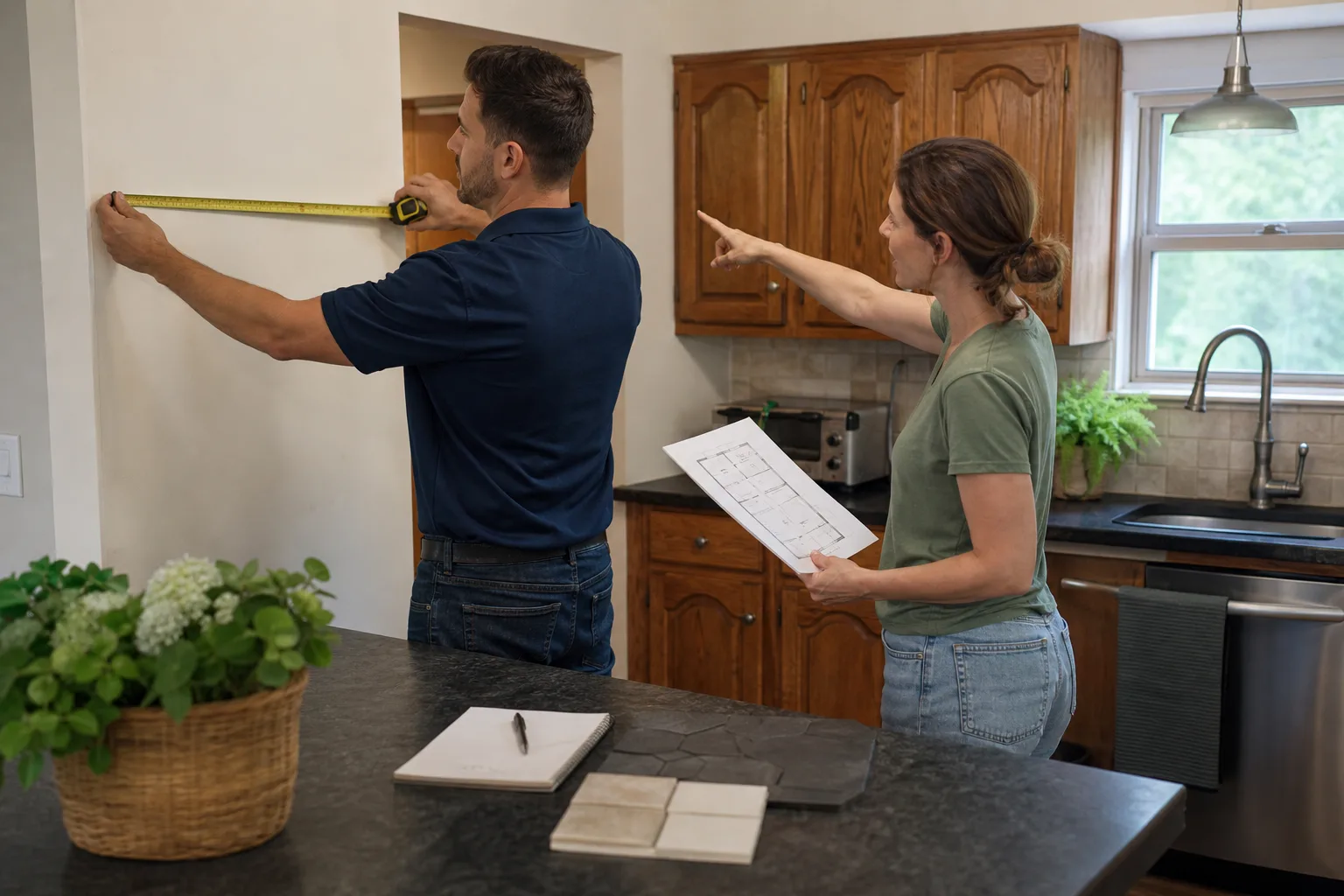
Every estimate is line-item: block, base, fabric, mortar or adhesive, disposal, and labor. You get a written price before we start, and the number on that sheet is the number on the final invoice. No change orders because we missed something on the walkthrough. Every completed fence install carries the 365-Day Done Right Promise. If the wall shifts, cracks, or fails within a year, we come back and correct it at no charge.
DIY or Call Us?
There is no high-tension danger in a Cambridge Paver fence job, so an owner can safely inspect the work. What you can check: whether caps move by hand, whether the wall is plumb, whether water sits against the base after rain. What you should not do: rebuild a leaning pilaster without addressing the footing. If the footing is undersized or cracked, any block you stack on it will fail again inside two winters. That’s the pattern we see across Los Angeles: someone restacks the column, the next rainy season shifts it, and now the project costs more than it would have the first time.
If you want to know whether your fence is a repair or a rebuild, call us at (903) 568-7222. Curtis Lane will come out, put a level on it, and tell you what it actually needs. Straight number, real scope, no surprises at the punch list.
FAQs
A properly installed Cambridge Paver fence with a compacted gravel base and solid footings lasts 25 to 30 years in Los Angeles before block replacement is needed, though caps may need re-adhesion every 8 to 10 years due to UV and thermal cycling. The failure point is almost always the base or footing, not the block itself. If your fence is failing inside 10 years, the install was the problem, not the product. Call (903) 568-7222 and we’ll tell you what the original installer skipped.
Yes, if the wall run is straight and only caps, a pilaster top, or one or two cracked blocks are the issue, a repair makes sense and runs well under the full replacement range. If the wall is leaning, bowing, or cracks run through multiple bed joints, the base has failed and rebuilding the affected section is the only fix that holds. We’ll quote the repair if the repair will last. We’ll tell you to rebuild if it won’t.
A typical Cambridge Paver fence tear-out and rebuild of 30 to 60 linear feet takes 4 to 7 working days in Los Angeles, including footing cure time and cap setting. Weather permitting, the site is cleaned at close, the scope is documented, and you get the written guarantee in hand before we leave.
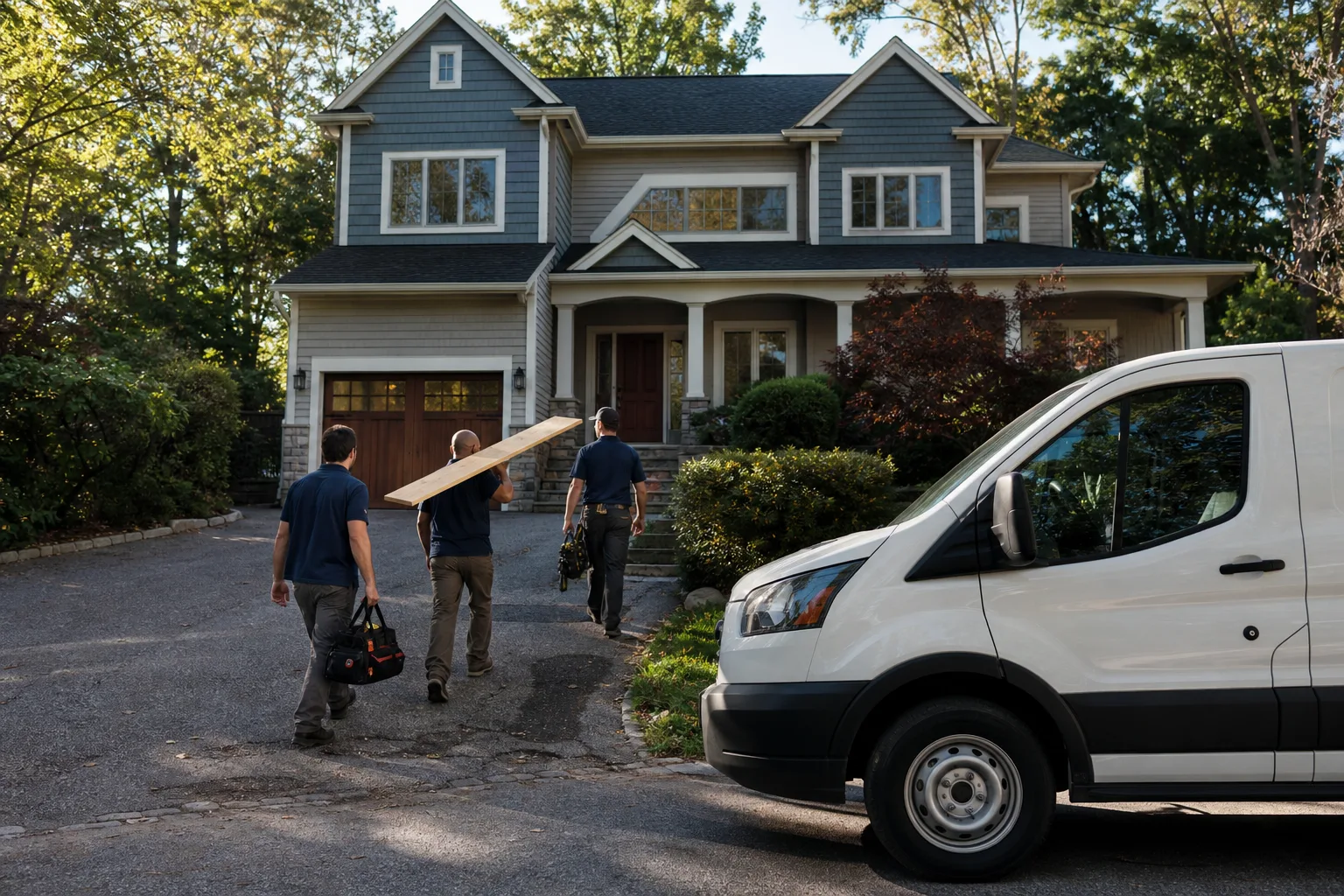
We stock Cambridge-compatible base course block, standard caps, adhesive, and gravel on the truck, and we can order series-specific Maytrx or Ledgestone units for next-week delivery. For most Los Angeles fence repairs, the common parts are on hand when the crew arrives, which keeps the job moving without a supply stop. If we need to order OEM color-matched caps, we’ll tell you at the estimate, not after the old wall is on the ground.
No. The written price we give you before work begins is the price you pay. The only exception is if you ask us to expand the scope, and then you get a new written addendum before that work begins. That’s how Bradford Remodeling and The Garrison Standard operate on every fence install in Los Angeles.
Written by Curtis Lane, Owner, Bradford Remodeling at Bradford Remodeling, serving Los Angeles and nearby areas.