Free written scope consultation - allowances, timeline, and change-order rules on paper before a single trade is scheduled
Cover Fence Installation: The Los Angeles Owner’s Guide
Cover fence installation in Los Angeles typically runs $4,130–$10,620 installed, depending on linear footage, substrate condition, and post anchoring method. We install Cover-compatible fencing components and carry common replacement parts on the truck, so most single-section repairs are done in one visit. Owners usually discover a problem the same way: a gate starts dragging, a post leans after rain, or a section rattles loose in the Santa Ana winds and the screws won’t bite anymore.
If your Cover fence installation is failing, don’t wait until a full section tips into a walkway or takes out a planter bed. We’re an independent Los Angeles contractor, not affiliated with Cover, and we work with both OEM Cover parts and quality aftermarket equivalents that meet the same spec. Curtis Lane runs Bradford Remodeling, and the approach is straight: identify the failed part, quote you a written number, and install it right the first time.
Key Takeaways
- Installed Cover fence work in Los Angeles: $4,130–$10,620 depending on scope
- We stock common Cover-compatible replacement posts, rails, brackets, and gate hardware
- Written price before work starts, every time
- 365-Day Done Right Promise covers every completed install
- Call (903) 568-7222 for a free estimate — a live person answers
How Los Angeles Owners Usually Discover the Problem
Most people don’t lose a whole fence panel at once. They notice a gate that scrapes the pavers, a post cap that popped off in February rain, or a top rail that shudders when the wind kicks up off the 405 corridor. By the time the section actually sags, the post footing has usually been compromised for months. That’s the part that matters: the visible symptom is rarely the root cause.
Which Cover Models This Applies To
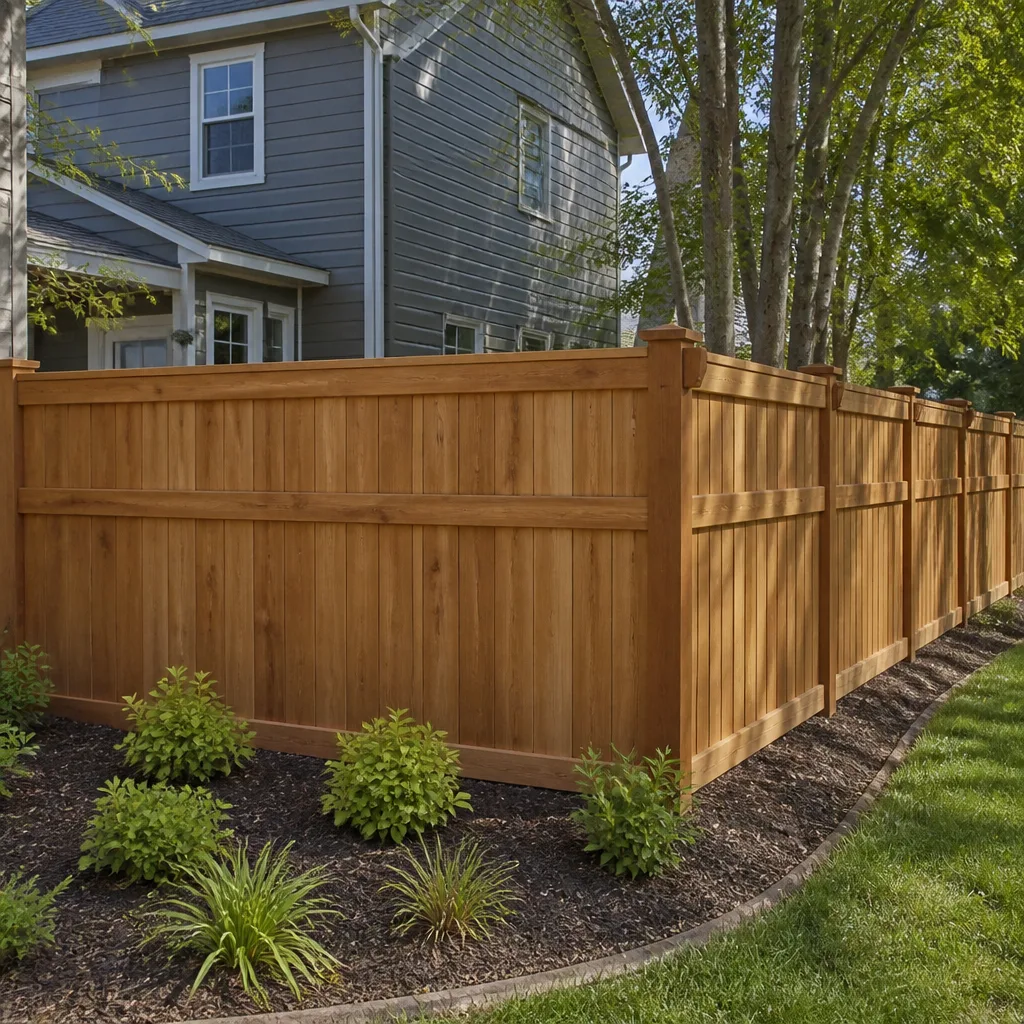
Cover fence installation covers a few distinct product lines, and the part you need depends on which one you have. Cover’s modular panel systems use a slot-and-bracket connection that’s different from standard dimensional lumber or vinyl stock. If your fence has concealed fasteners and a clean-face design, it’s a Cover-style modular system. If it uses standard pickets nailed to rails, you have a traditional fence with a Cover-pattern top cap, which is its own thing.
The compatibility gotcha most Los Angeles owners hit is this: Cover’s fence posts changed internal dimensions across production years. A post bracket from a 2018 kit will not seat correctly in a 2022 post, even though both are sold as “Cover-compatible.” The difference is about 3/16 of an inch in the channel width. We measure everything before we order or pull parts, because guessing on a fence post means a wobbly section that fails again in six months.
For OEM vs. aftermarket: Cover OEM parts cost 20–40% more than a quality aftermarket equivalent from a manufacturer we trust. For visible panels and top caps, we recommend OEM for color consistency. For internal brackets and post inserts that nobody sees, aftermarket is usually fine if the gauge matches. We’ll show you both prices and explain the difference before you commit.
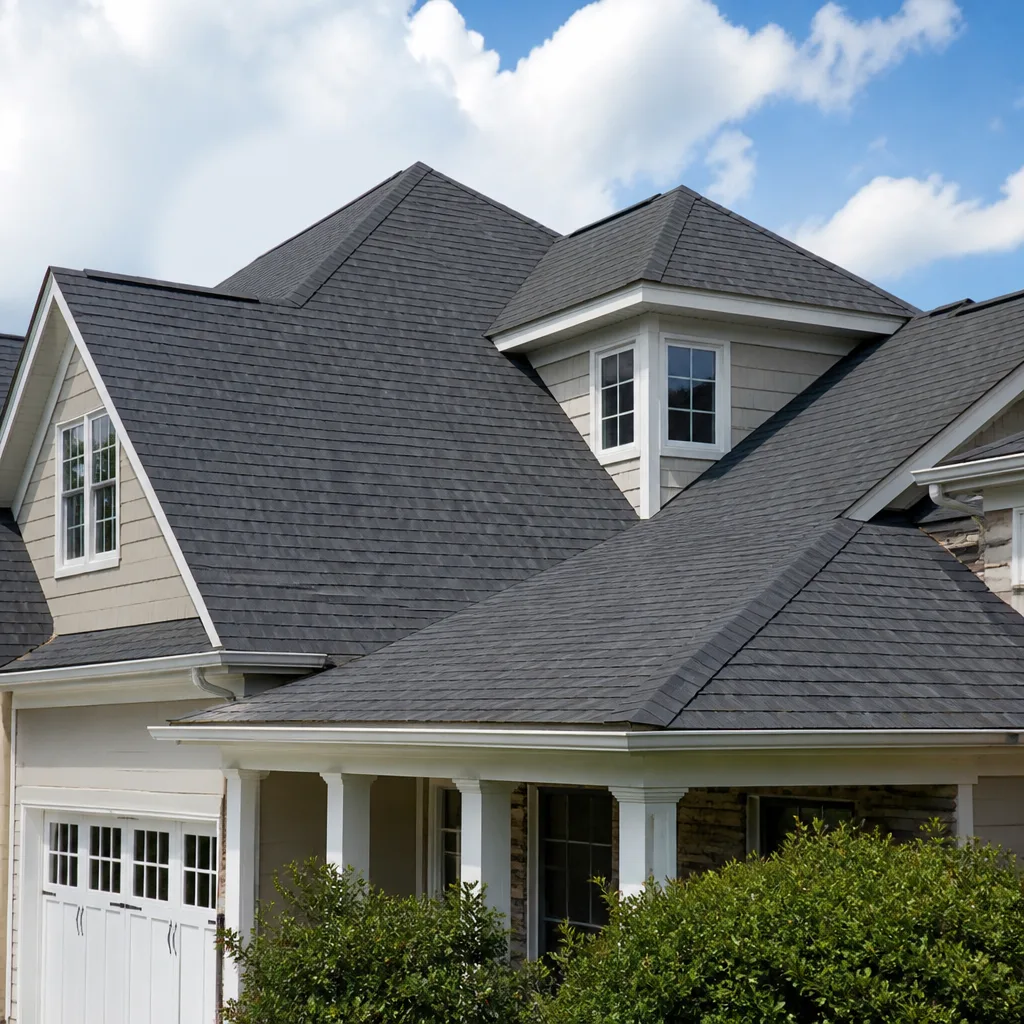
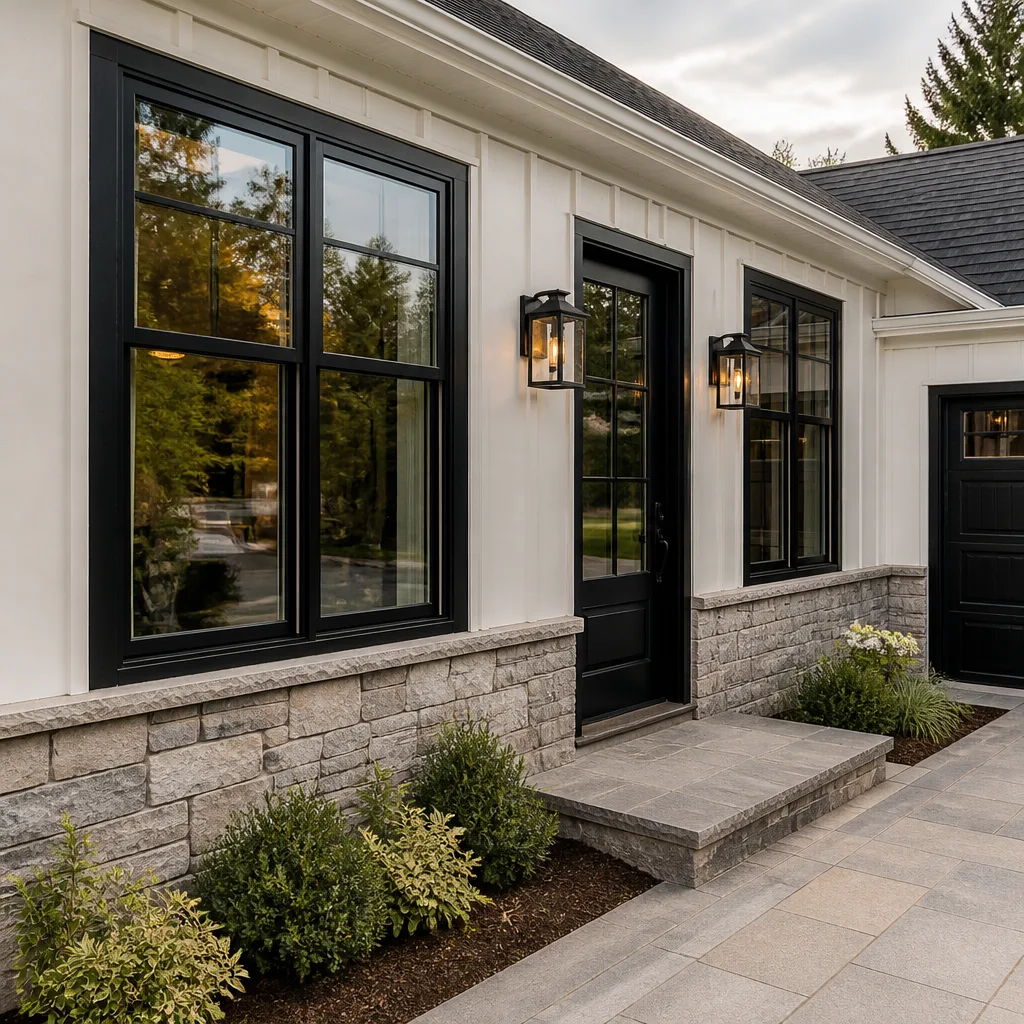
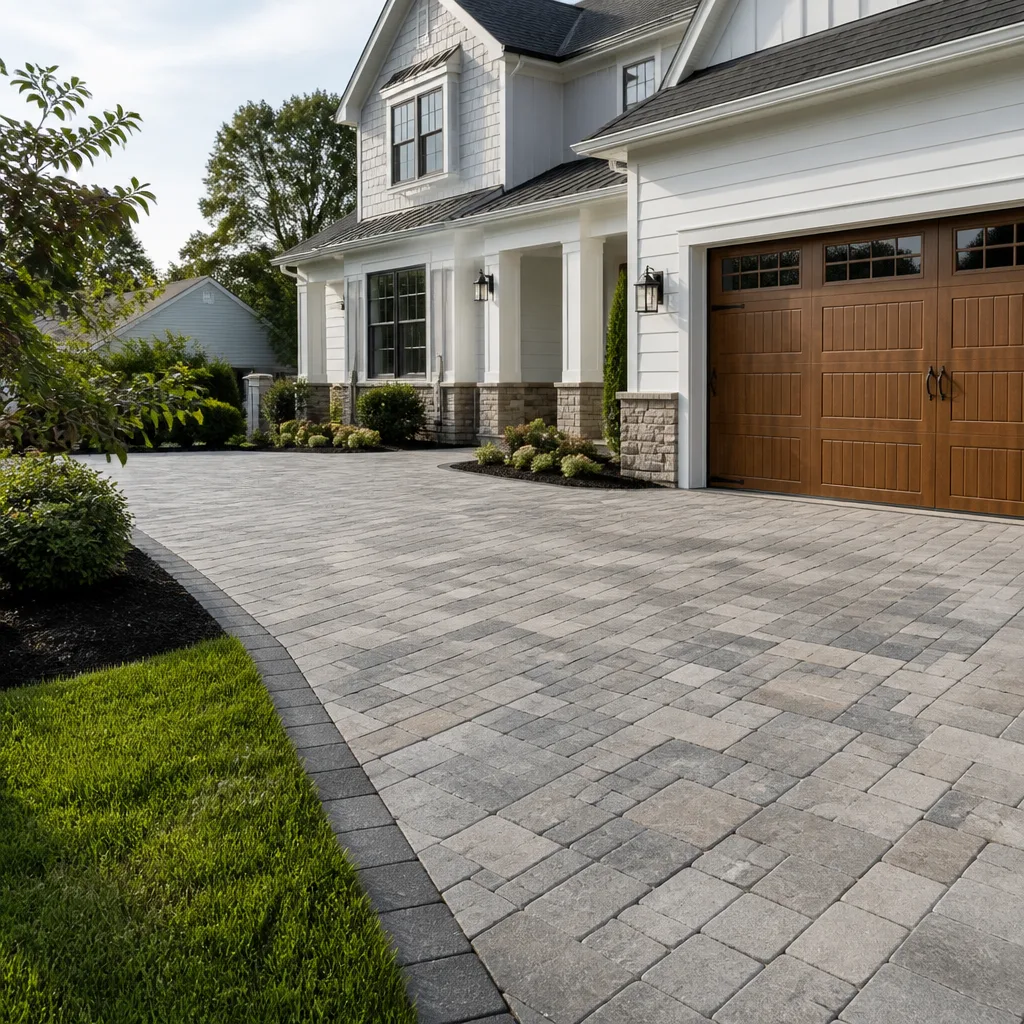
Styles & brands we work with
Signs Your Cover Fence Installation Is Failing
- Gate dragging or sticking on one side. This usually means a hinge post has started to lean, not that the hinges themselves are bad. The post base has lost bearing, often because water pooled at the footing during a heavy Los Angeles rain. Tightening the hinge just masks it.
- Panels rattling or shifting in wind. Cover’s modular brackets can loosen over time, especially on exposures that catch the Santa Anas. The panel hasn’t failed yet, but a loose bracket wears the channel wider every time the wind blows, and then the panel starts cracking at the seam.
- Visible rust staining below post caps or at bracket lines. Los Angeles coastal areas get enough salt air to accelerate rust on zinc-coated hardware. Once the coating fails, the fitting swells and the panel locks in crooked. This is more common within five miles of the ocean than most vendors admit.
- Post leaning more than 3/4 inch out of plumb. A post that’s visibly leaning has already lost its footing. In Los Angeles soil, especially clay-heavy zones like the Valley, freeze-thaw isn’t the issue; it’s water saturation followed by drying cycles that loosen the concrete. The fix is re-bedding the post, not shimming the gate.
- Screws that spin without tightening. When a Cover face panel screw no longer bites, the substrate behind it has stripped. Driving a thicker screw works temporarily, but the right repair is a new mounting block or insert, not a band-aid. We see this most often on stucco-adjacent posts.
See the difference
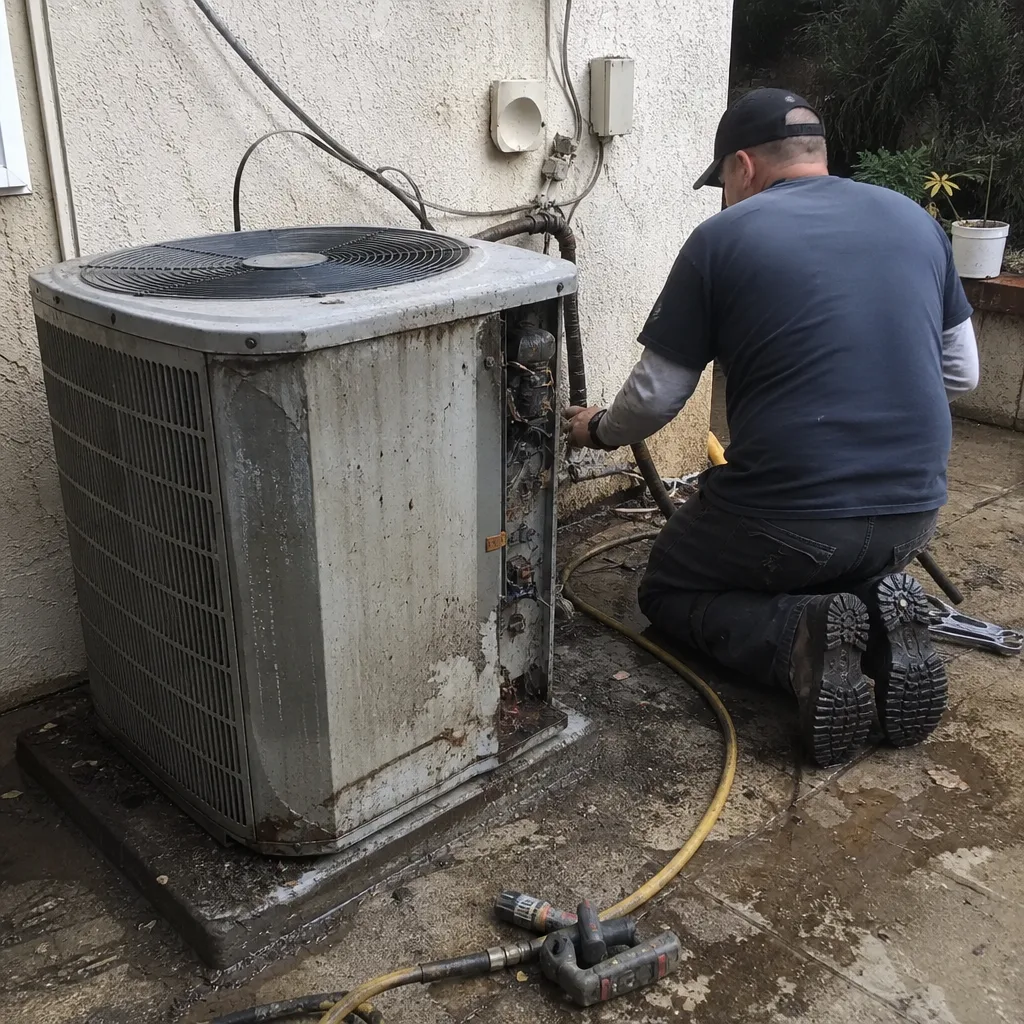 Before
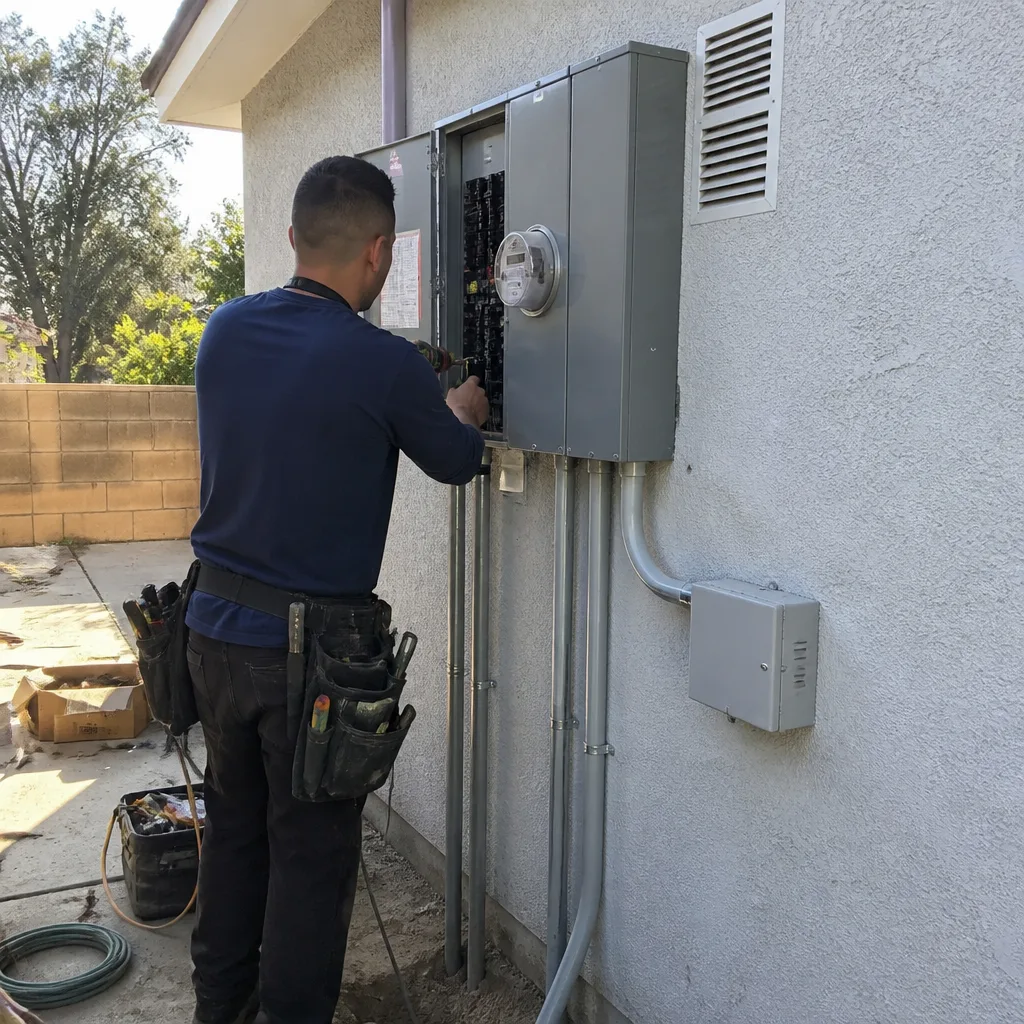 After
After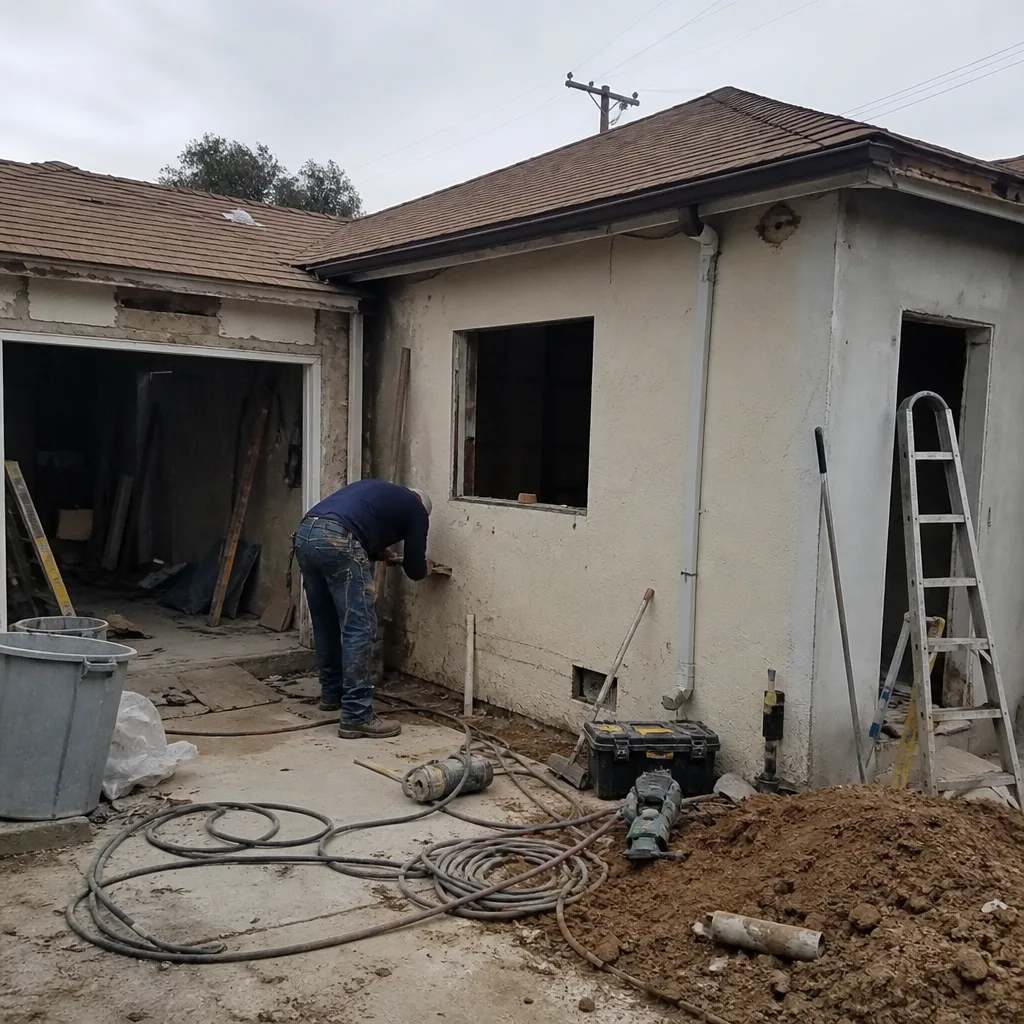 Before
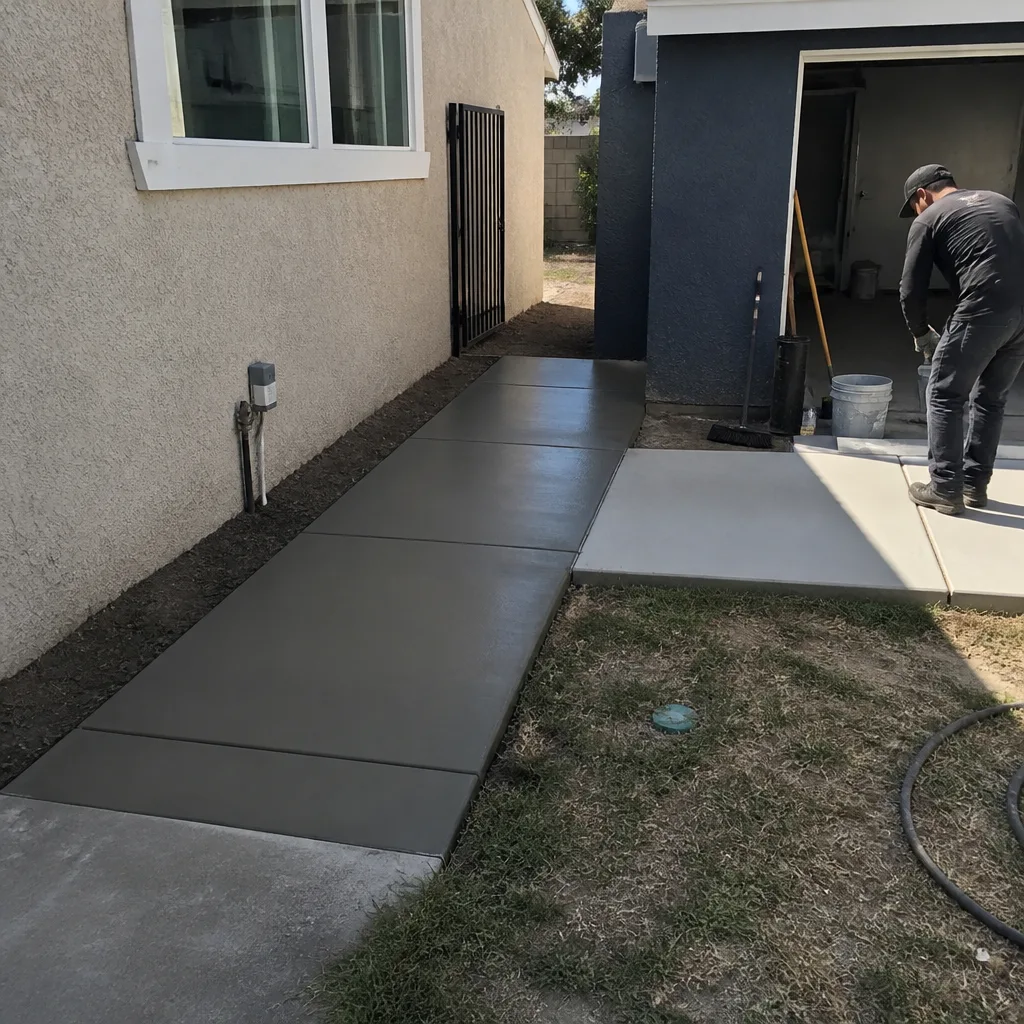 After
After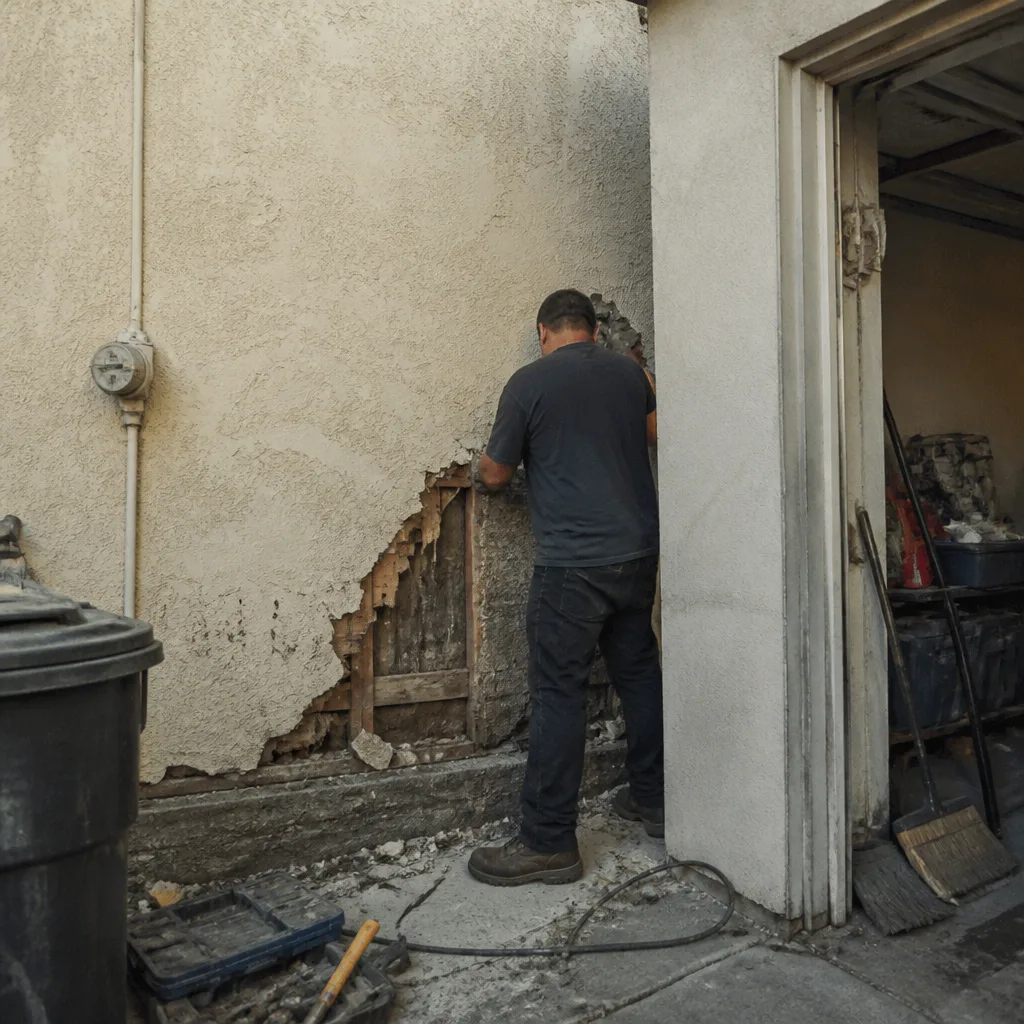 Before
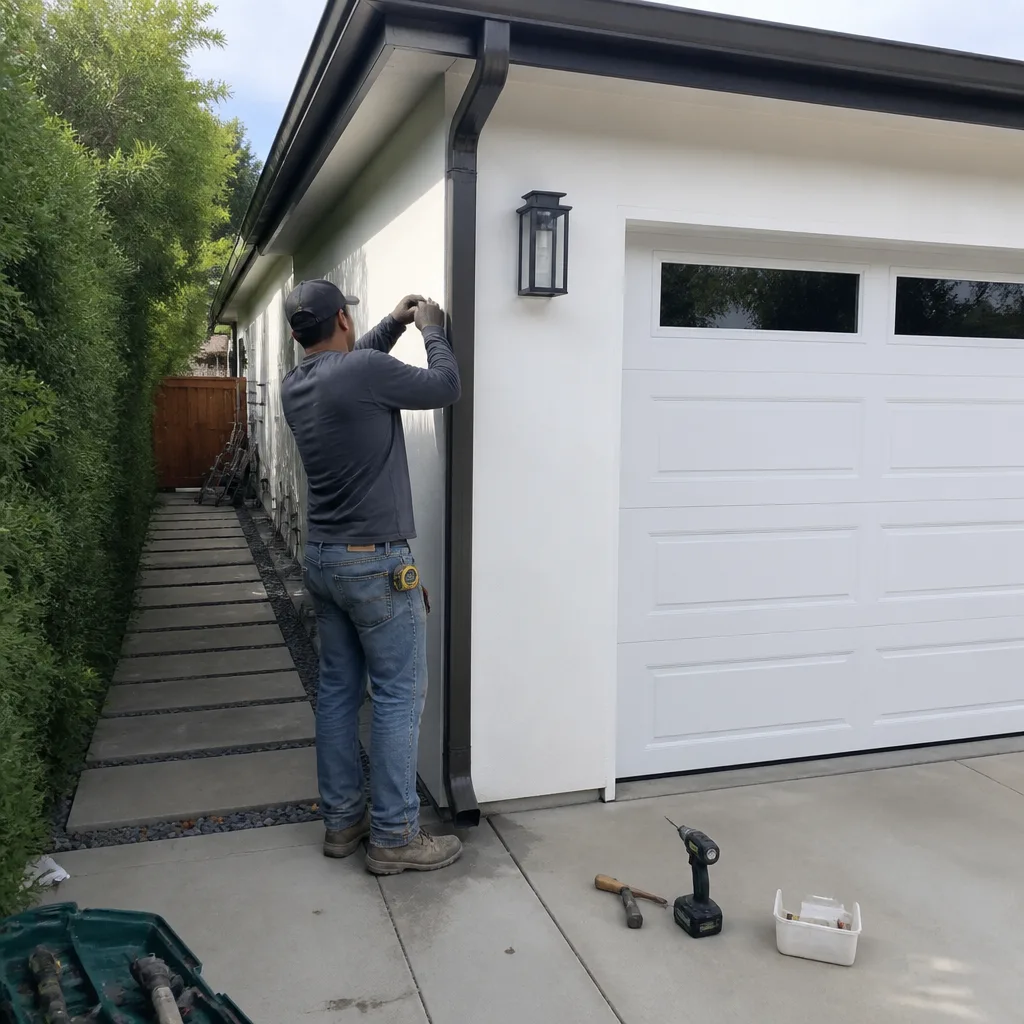 After
AfterReplacement Cost & What’s Included
A full Cover fence installation in Los Angeles runs $4,130–$10,620. Most mid-size residential jobs land between $5,000 and $7,500. The range is driven by linear footage, how many posts need re-bedding versus just re-setting, fence height, and access — a tight side yard in Silver Lake costs more in labor than an open back line in Woodland Hills.
Every quote includes parts, labor, concrete or footing work, hardware, haul-off of the old section, and a written line-item scope so you see exactly where the money goes. We don’t roll up with a number that changes at the door. The price we hand you is the price on the invoice.
What’s covered:
- All Cover-compatible or OEM parts, itemized
- Post removal, re-bedding, and leveling
- Panel alignment and bracket replacement
- Gate reset and hinge servicing as needed
- Site clean-up, including old hardware and concrete debris
- Written 365-Day Done Right Promise on the completed work
If the repair or install fails inside that year, Bradford Remodeling comes back and corrects it at no charge. That’s in writing, before a single post goes in the ground.
DIY or Call Us?
You can safely check a few things yourself: look for loose post caps, note which panels rattle, and test every gate screw with a screwdriver. That’s useful information to have before you call. What you shouldn’t do is start pulling posts or re-pouring footings without accounting for the old concrete plug, the existing grade, and the bracket spacing Cover’s system needs.
A fence post that leans because its footing failed is a structural repair, not a cosmetic one. If the post carries a gate, the weight load makes it worse. We’ve corrected enough DIY re-sets in Los Angeles to know the pattern: the post looks fine for six months, then shifts after the first heavy rain. If you want the straight answer on whether yours is worth saving, call (903) 568-7222. We’ll tell you what we’d do, and the estimate doesn’t cost you anything.
FAQs
A properly installed Cover fence in Los Angeles should last 15–20 years with normal maintenance. Posts bedded correctly in concrete with proper drainage will outlast the panels, which is why most failures we see are post-related, not panel-related. Coastal salt air can shorten hardware life by a few years.
Yes, if the post itself isn’t rotted or cracked, we can re-bed it in new concrete with proper drainage and reset the brackets, which is less expensive than a full replacement. If the post is compromised at the base, replacement is the honest fix. Call (903) 568-7222 and we’ll tell you which one you’re looking at.
Most single-section repairs take one day, including concrete work and clean-up. A full perimeter fence replacement typically runs two to four days depending on footage and access. You’ll have a written schedule before we start, and that schedule holds.
We keep common Cover-compatible brackets, post caps, hinges, and mounting blocks on the truck, and we order OEM panels and top caps as needed from our supplier network, which usually means parts in hand within three to five business days. For hardware failures, we’re often done the same day because the part is already with us.
Written by Curtis Lane, Owner, Bradford Remodeling, serving Los Angeles and nearby areas.