Free written scope consultation - allowances, timeline, and change-order rules on paper before a single trade is scheduled
Dvele Home Additions & ADU: The Los Angeles Owner's Guide
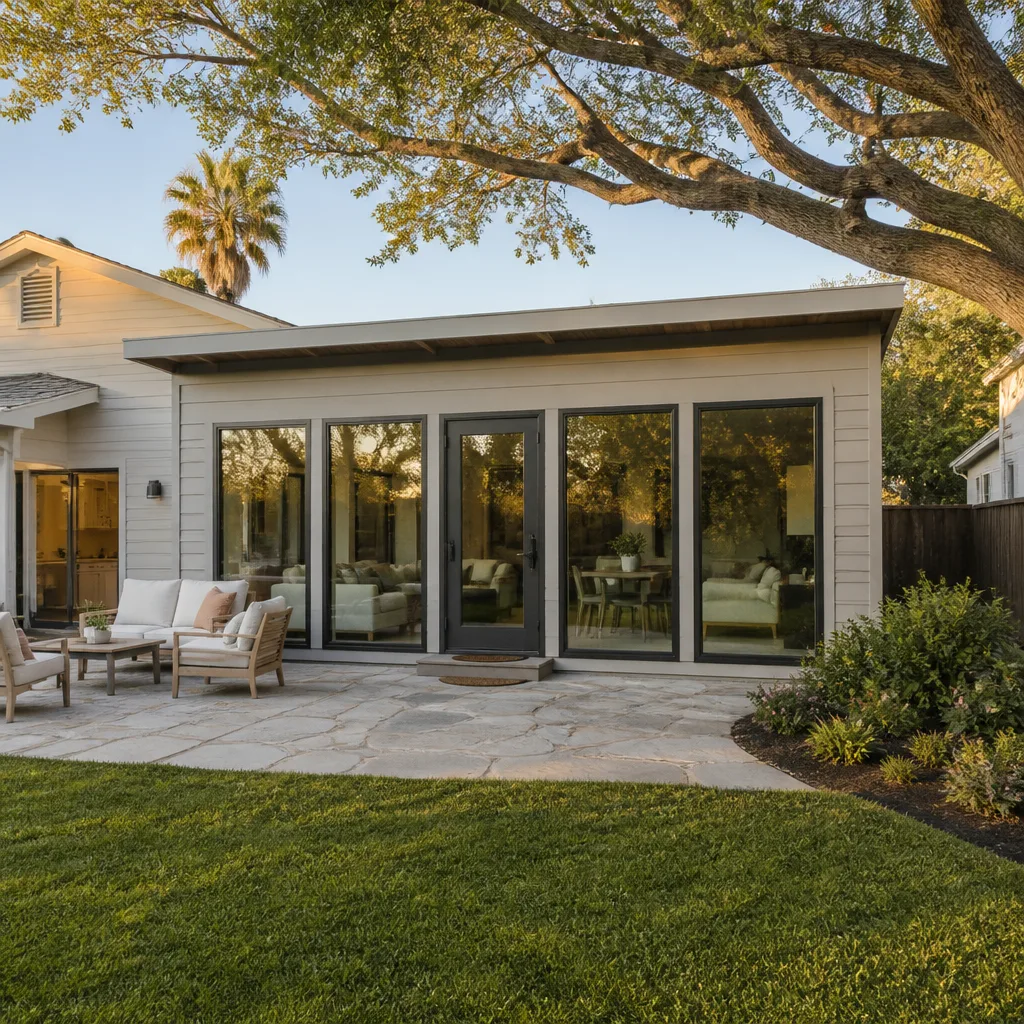
A Dvele home addition or ADU in Los Angeles typically runs $53,100 to $153,400 installed, depending on square footage, site conditions, and whether you’re adding a room or a full detached unit. We stock the framing hardware, sealing systems, and Dvele-specific panel connections this work requires, and we can usually start your site assessment within a few days of your call. Most owners reach out because they’ve noticed water intrusion at a panel seam, a door that no longer closes square, or an addition that was never properly tied into the original structure.
What makes Dvele different matters here. These are panelized, factory-built systems designed for tight tolerances. When a Dvele home addition fails, it’s rarely one obvious broken part. It’s usually a cascade: a seal fails, moisture gets behind a panel, the framing shifts a fraction, and suddenly a door binds or a window leaks. The fix isn’t a generic patch. It’s identifying the exact panel series, matching the connection hardware, and restoring the envelope the way the factory intended.
Bradford Remodeling is an independent contractor. We’re not affiliated with Dvele, but we’ve worked on enough of their builds across Los Angeles to know the systems cold.
Which Dvele Models This Applies To
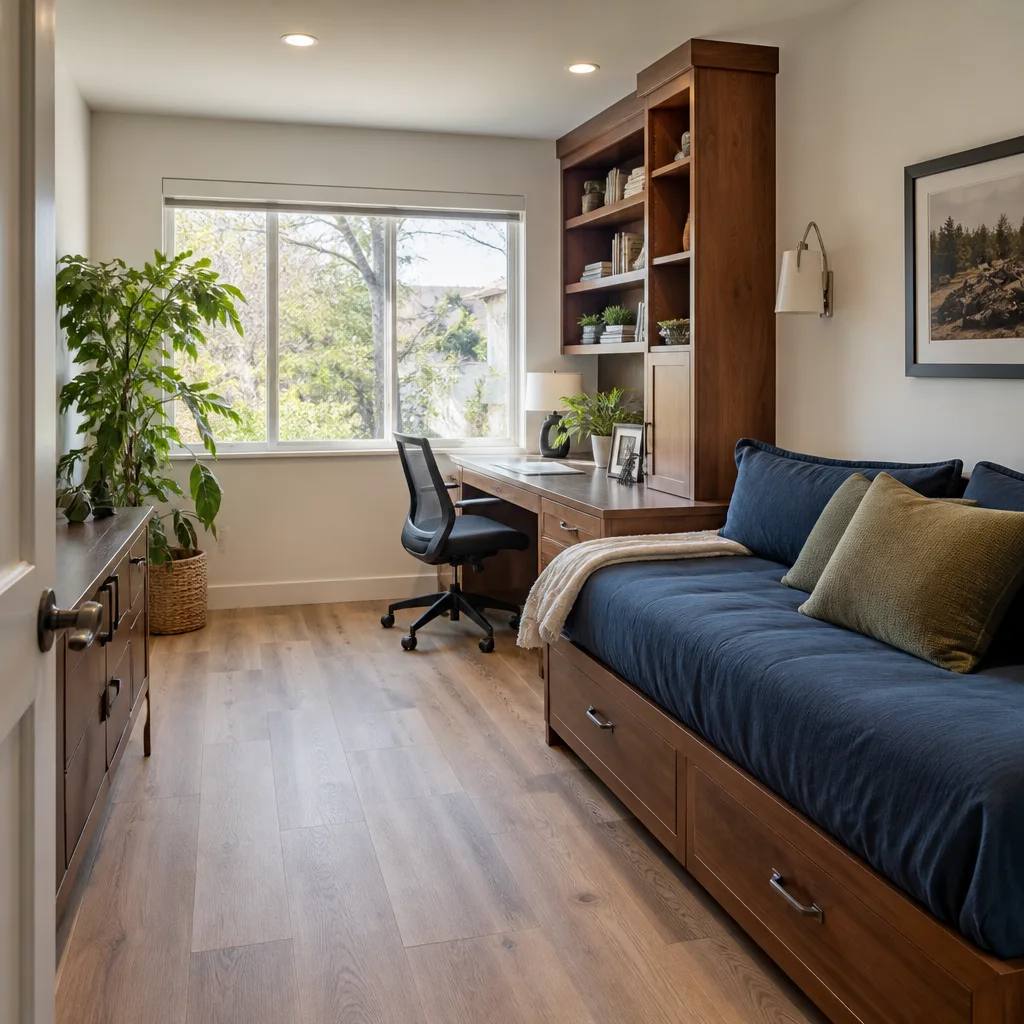
Dvele’s home additions and ADUs are built on their panelized wall and roof system, and the compatibility question comes down to panel generation. Older Dvele builds from the late 2010s used a different sealing profile at the panel joints than what the company ships today. If your addition was completed before roughly 2020, we’ll need to confirm the panel series before ordering any match parts. The panel label is usually stamped inside the electrical closet or on the underside of a roof cassette. If you can’t find it, we will during the site assessment.
The OEM-versus-aftermarket decision for Dvele is straightforward in our book. For structural connections and waterproofing membranes, we only use Dvele-spec materials or exact-profile equivalents. These are not commodity parts. A generic peel-and-stick flashing won’t match the panel joint geometry, and a wrong gasket means the seam leaks again inside a year. For interior finish materials, quality equivalents from our documented brand roster work fine. But the building envelope is not where you save money.
One Los Angeles-specific compatibility note: Dvele panels are engineered for specific seismic load paths. Los Angeles DBS (Department of Building and Safety) requires hold-down hardware and shear connections at panel-to-foundation and panel-to-panel points that exceed what’s typical in other markets. If your original addition was done before Los Angeles tightened its ADU seismic requirements, you may need a hardware upgrade rather than a simple match. We identify this during the assessment, not after we’ve opened the wall.
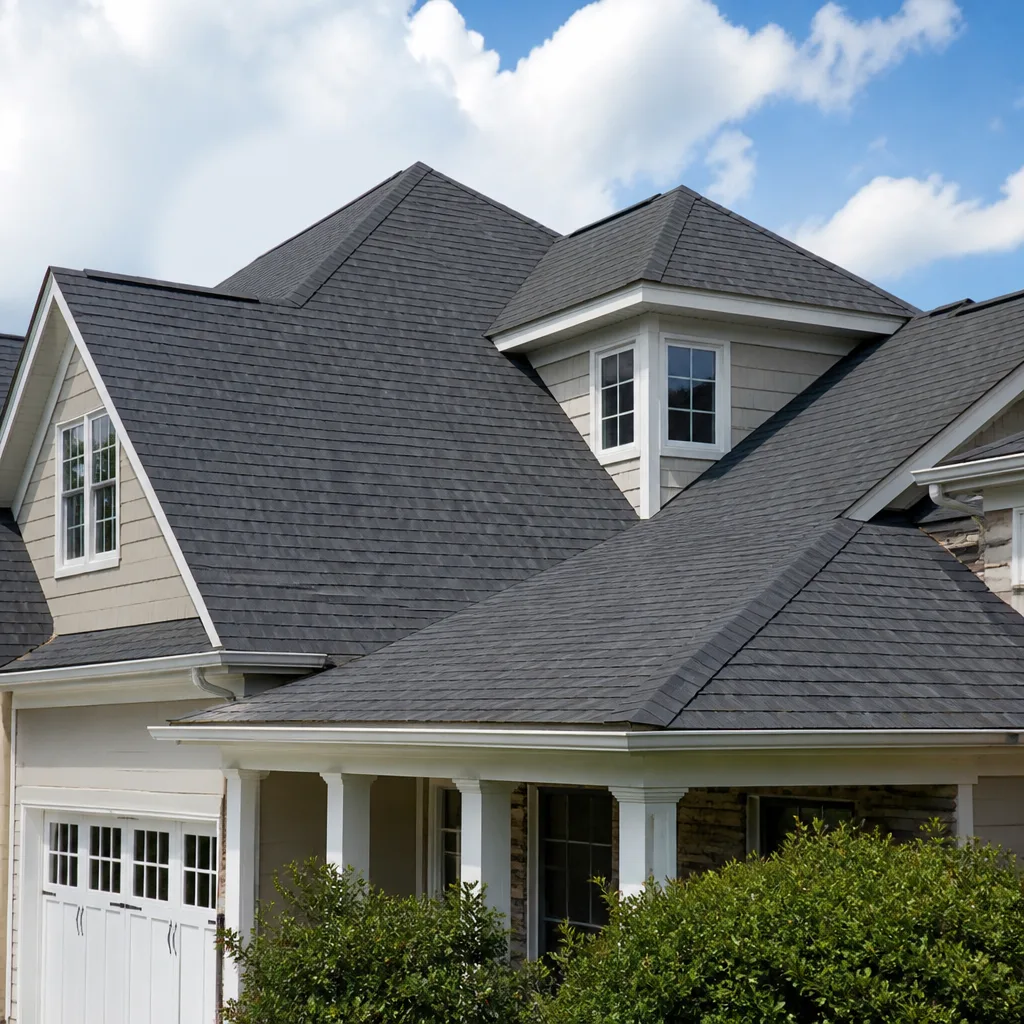
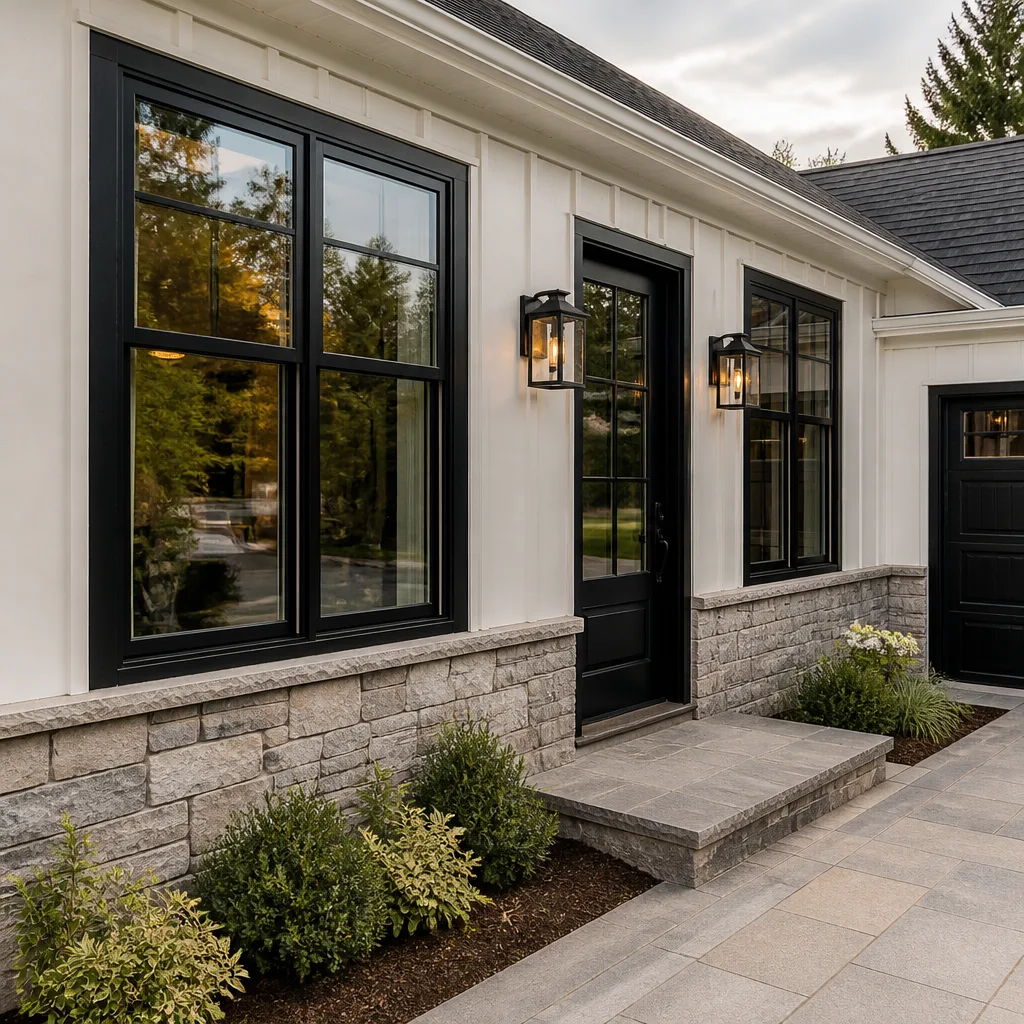
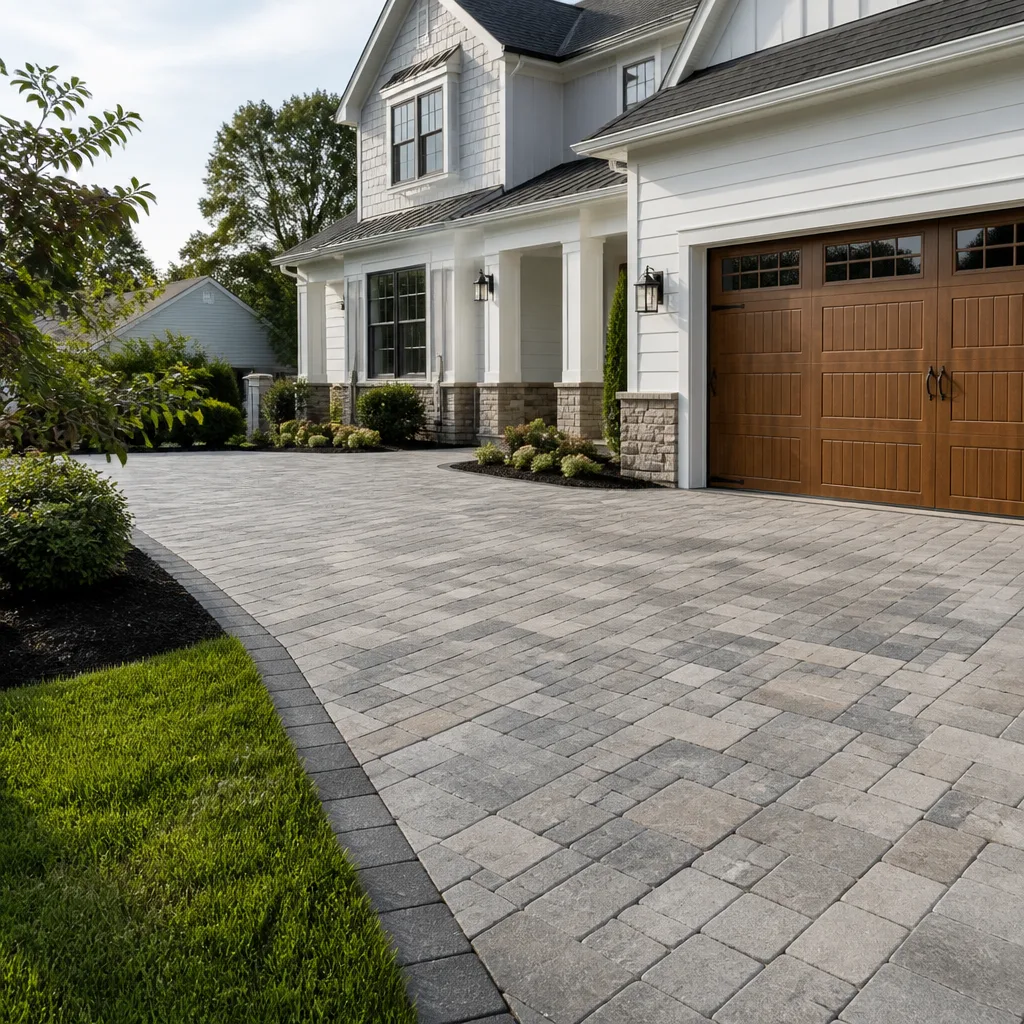
Styles & brands we work with
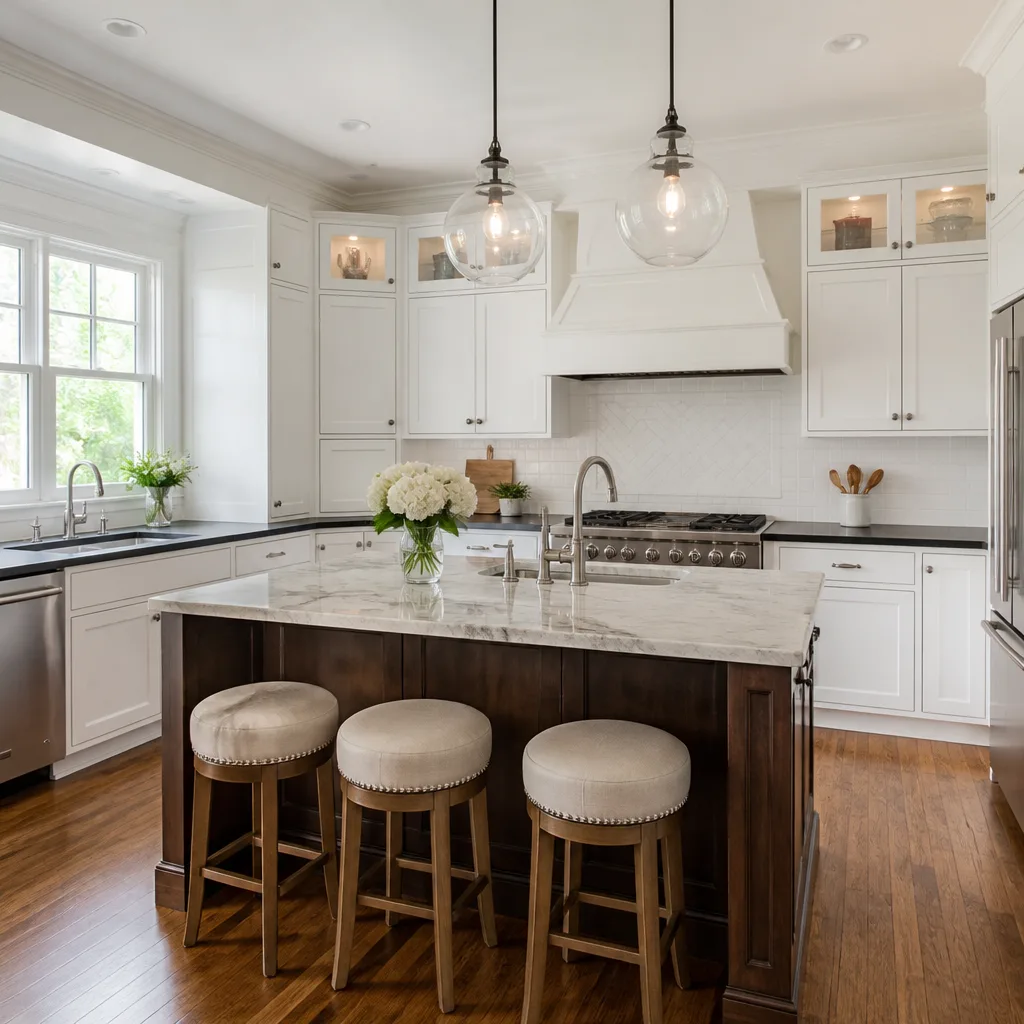
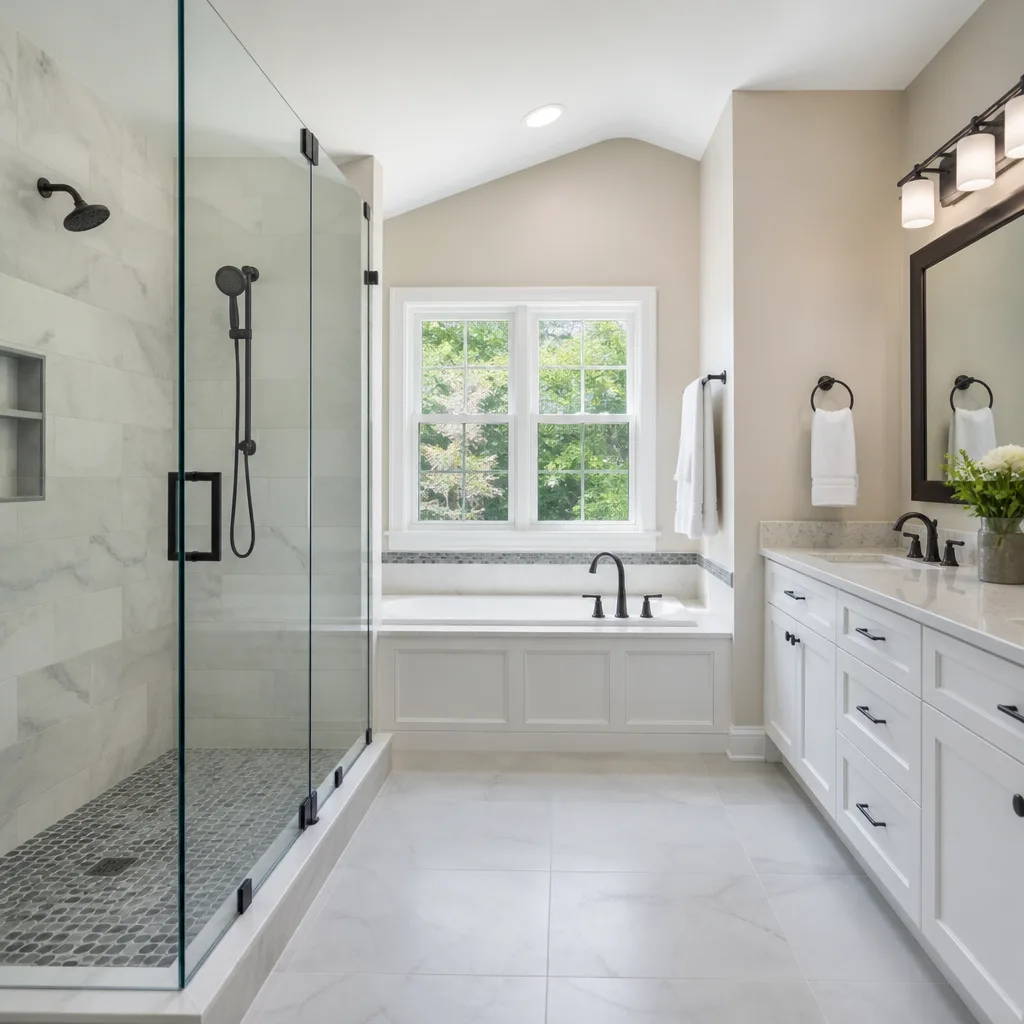
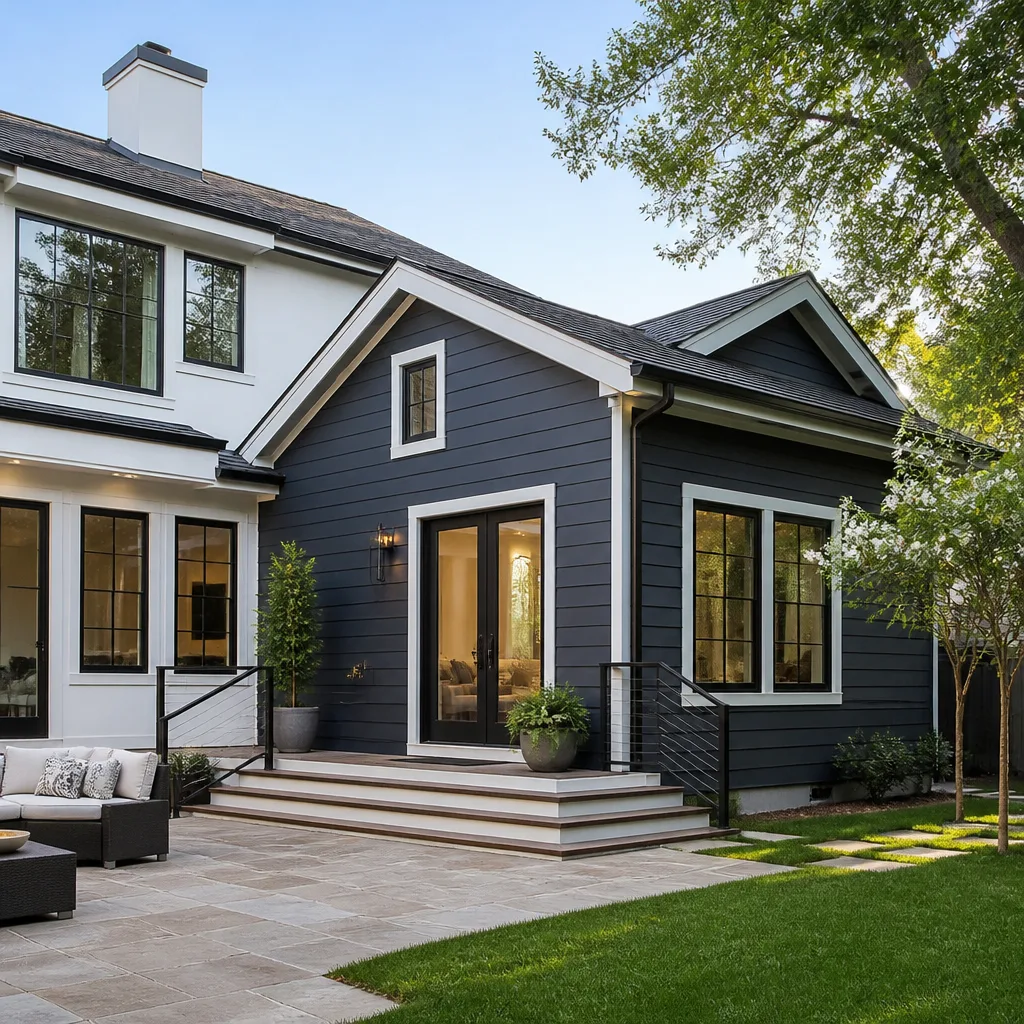
Signs Your Dvele Home Addition & ADU Is Failing
- Water staining at ceiling-to-wall joints. The Dvele panel seam seal has failed or was installed incorrectly. In Los Angeles, we see this most often on west-facing walls that take the brunt of winter rain driven off the Pacific. The stain is the symptom; the open seam behind it is the problem.
- A door or window that binds or won’t latch. This means the panel above the opening has shifted. Panelized systems shouldn’t move after proper installation. Binding tells us a connection point has loosened, or the foundation under that panel line has settled more than the design allowed.
- Condensation or musty smell inside a wall cavity. The vapor barrier detail at an exterior penetration was compromised. In Los Angeles’ coastal humidity zones, that trapped moisture breeds mold quickly. We find it most often around hose bibs, exterior outlets, and dryer vents on Dvele ADUs.
- Cracks in drywall at panel joints. A hairline crack at a seam is one thing. A crack that runs the full joint line and reappears after patching means structural movement, not a bad tape job. On Dvele additions, this often traces back to an undersized hold-down at the foundation connection.
- Visible gasket or seal material squeezing out of exterior panel seams. This is a failed or improperly compressed gasket. Once you can see it from the ground, it’s been failing for a while. The panel joint needs to be opened, cleaned, inspected, and re-sealed with the correct Dvele-profile material.
Replacement Cost & What's Included
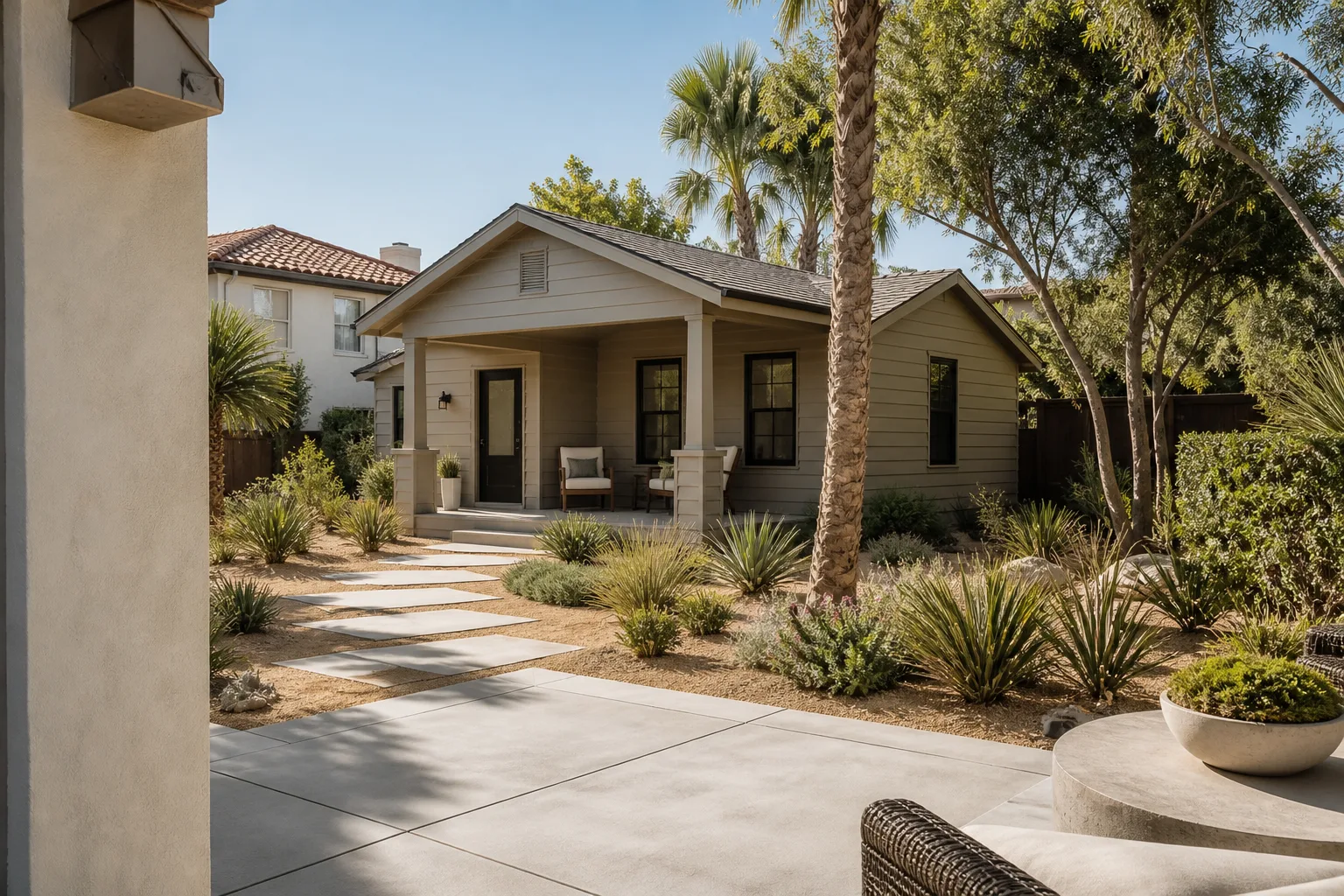
In Los Angeles, a Dvele home addition or ADU project runs $53,100 to $153,400. The spread is wide because the scope varies enormously. At the lower end, you’re looking at a single-room addition with minimal site work. At the upper end, it’s a full detached ADU with kitchen, bath, foundation, utility connections, and the Dvele panel system assembled and sealed to current Los Angeles code.
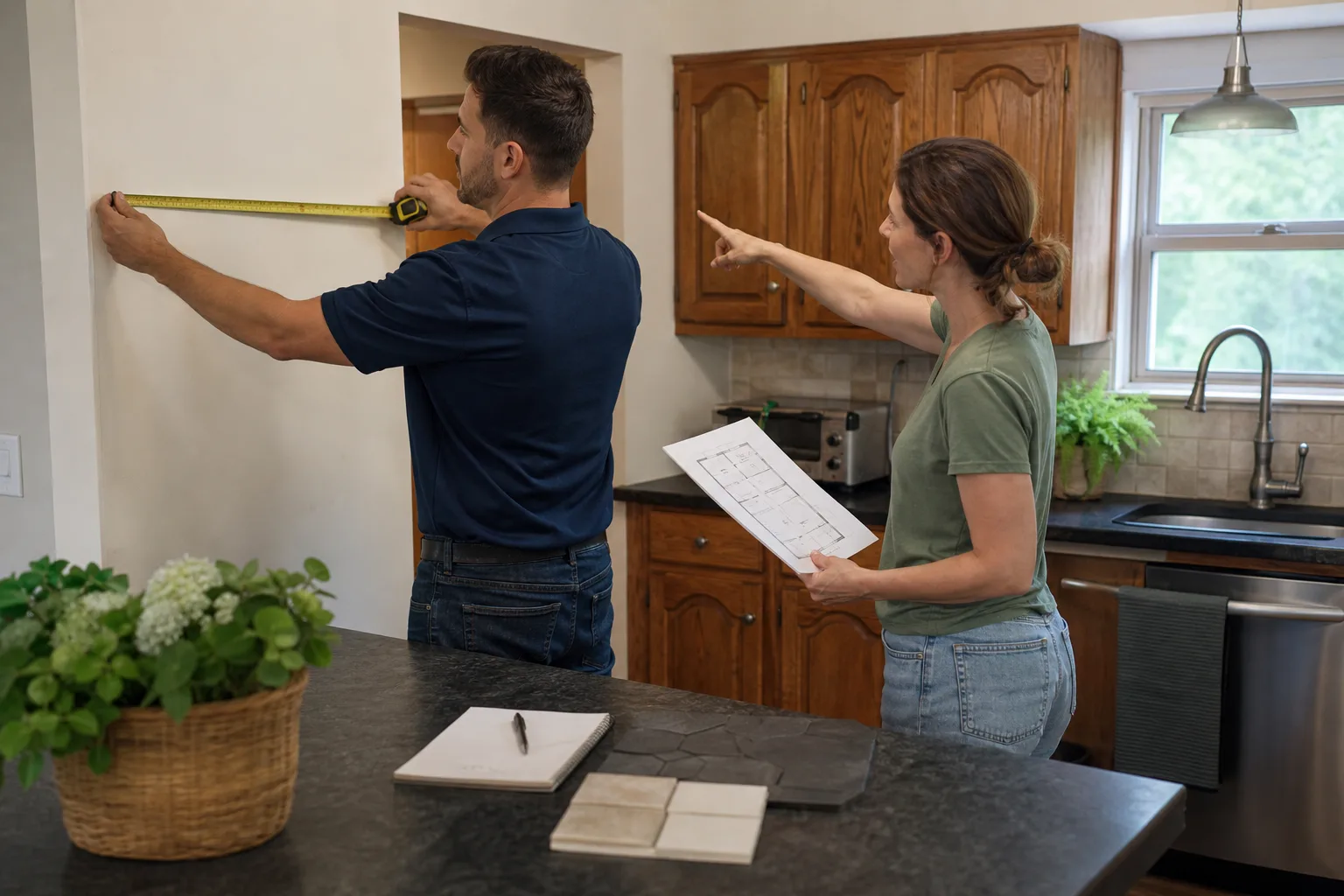
Every Bradford Remodeling bid is a written, flat-rate price before any work starts. You’ll see the line items: panels and connection hardware, waterproofing and sealing materials, framing labor, finish work, permits. No number moves at the door. The 365-Day Done Right Promise covers the completed work in writing. If anything we installed fails within that year, we return and correct it at no charge. That’s the Garrison Standard, and it’s non-negotiable.
Here’s what drives cost in Los Angeles specifically:
- Square footage and panel count. Dvele systems scale by panel, and panels aren’t cheap. A 400-square-foot room and a 1,200-square-foot ADU are different animals.
- Foundation work. Many Los Angeles additions require new footings, seismic hold-downs, or slab work. Soil conditions vary block to block in this city, and that affects excavation and reinforcement costs.
- Seismic upgrades. Los Angeles DBS requirements for ADUs are stricter than state minimums. If the existing connection hardware doesn’t meet current code, upgrading it is part of the job, not an add-on surprise.
- Utility connections. A detached ADU needs water, sewer, gas, and power run from the main structure or street. Trenching through Los Angeles’ mix of clay and decomposed granite adds labor hours.
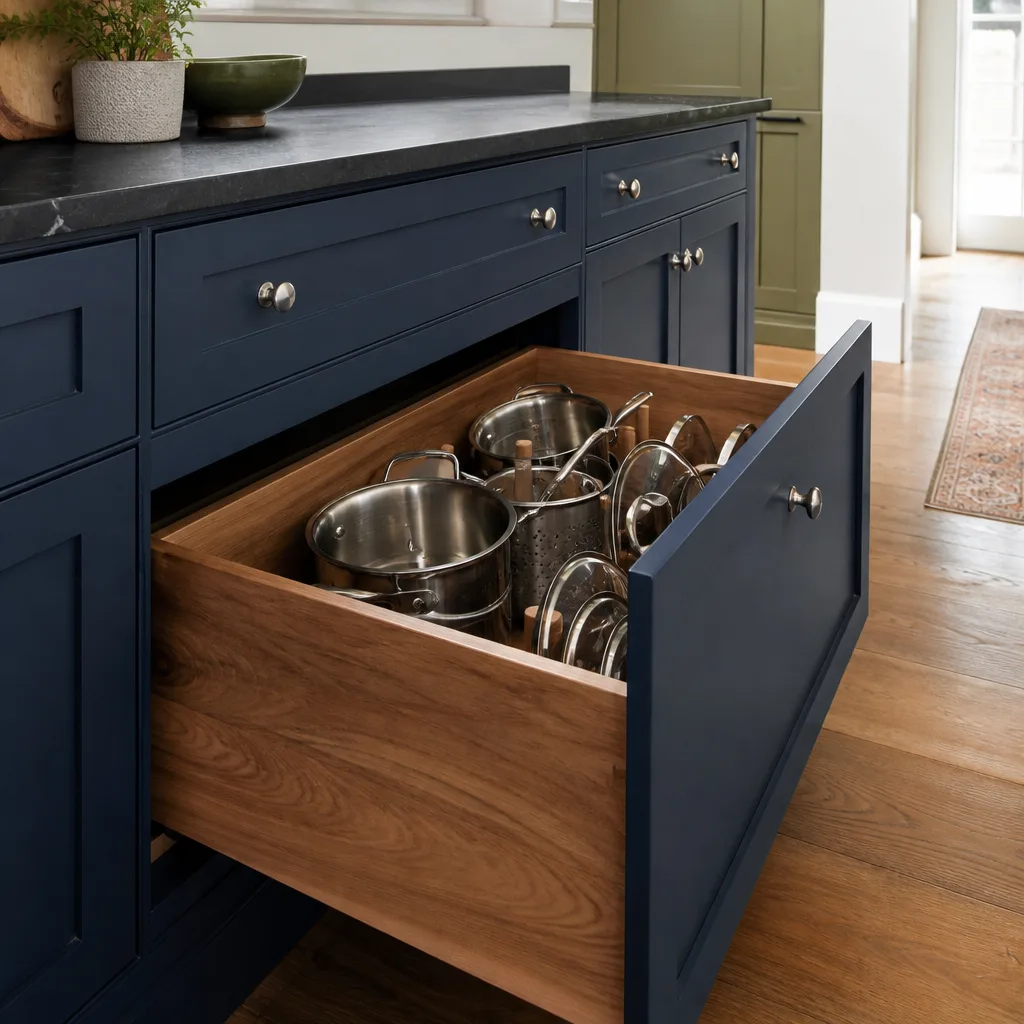
- Finish selections. Our documented brand roster includes KraftMaid, Cambria, and Silestone for interior surfaces. Your choices here move the final number, and you’ll see them as separate lines on the written bid.
See the difference
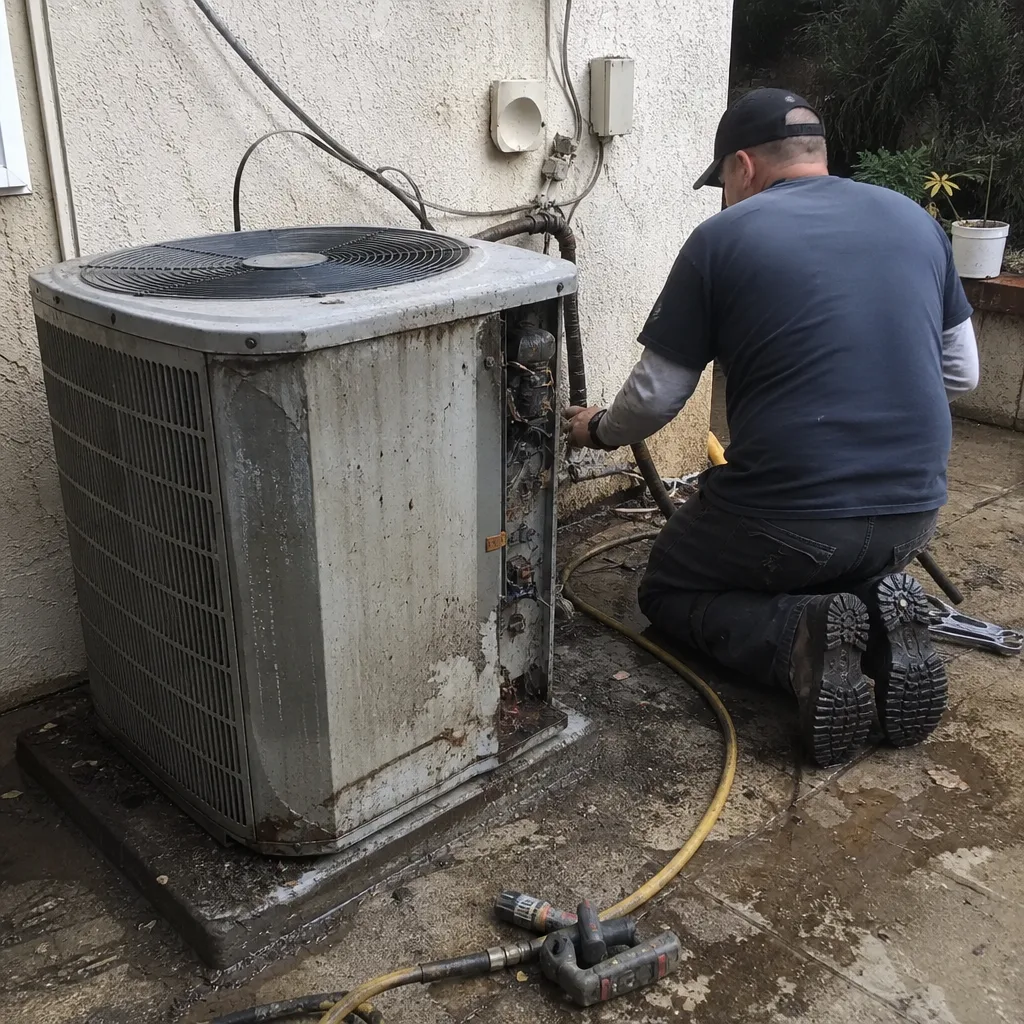 Before
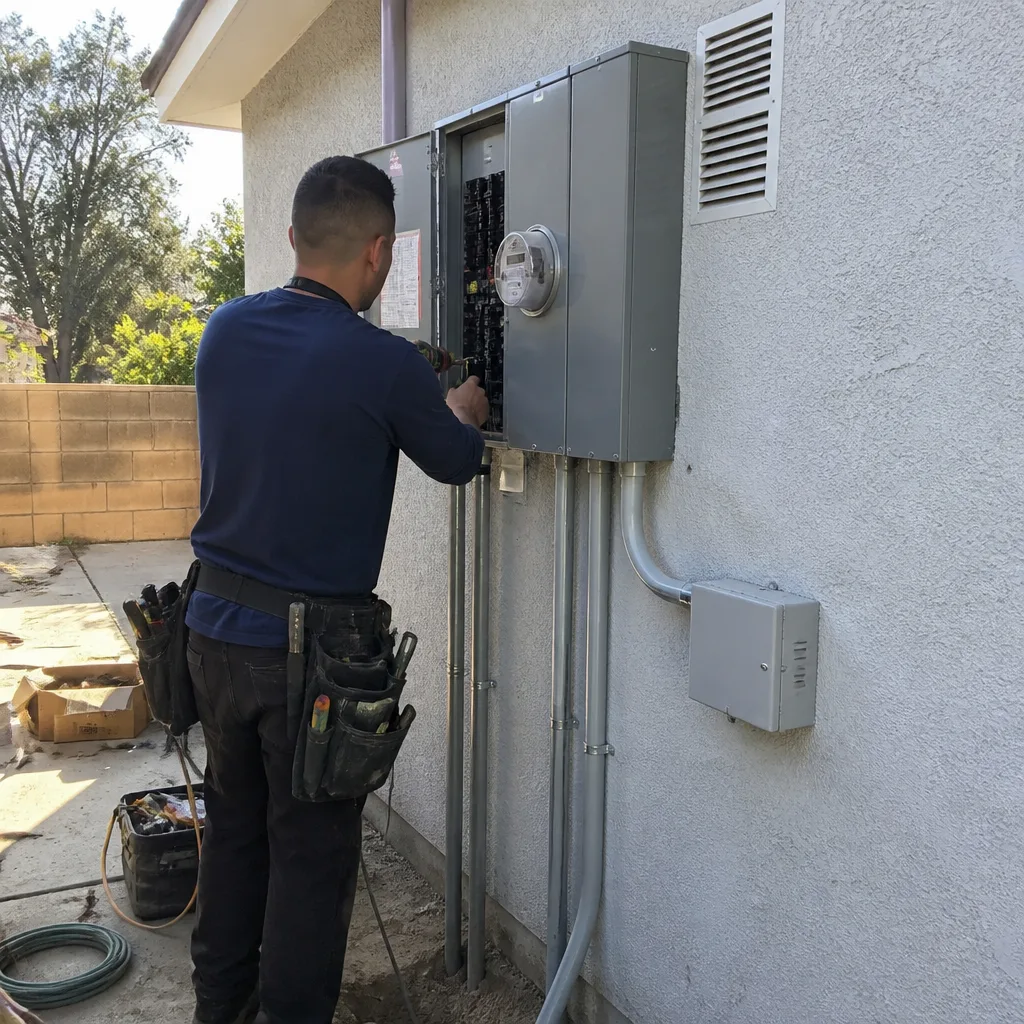 After
After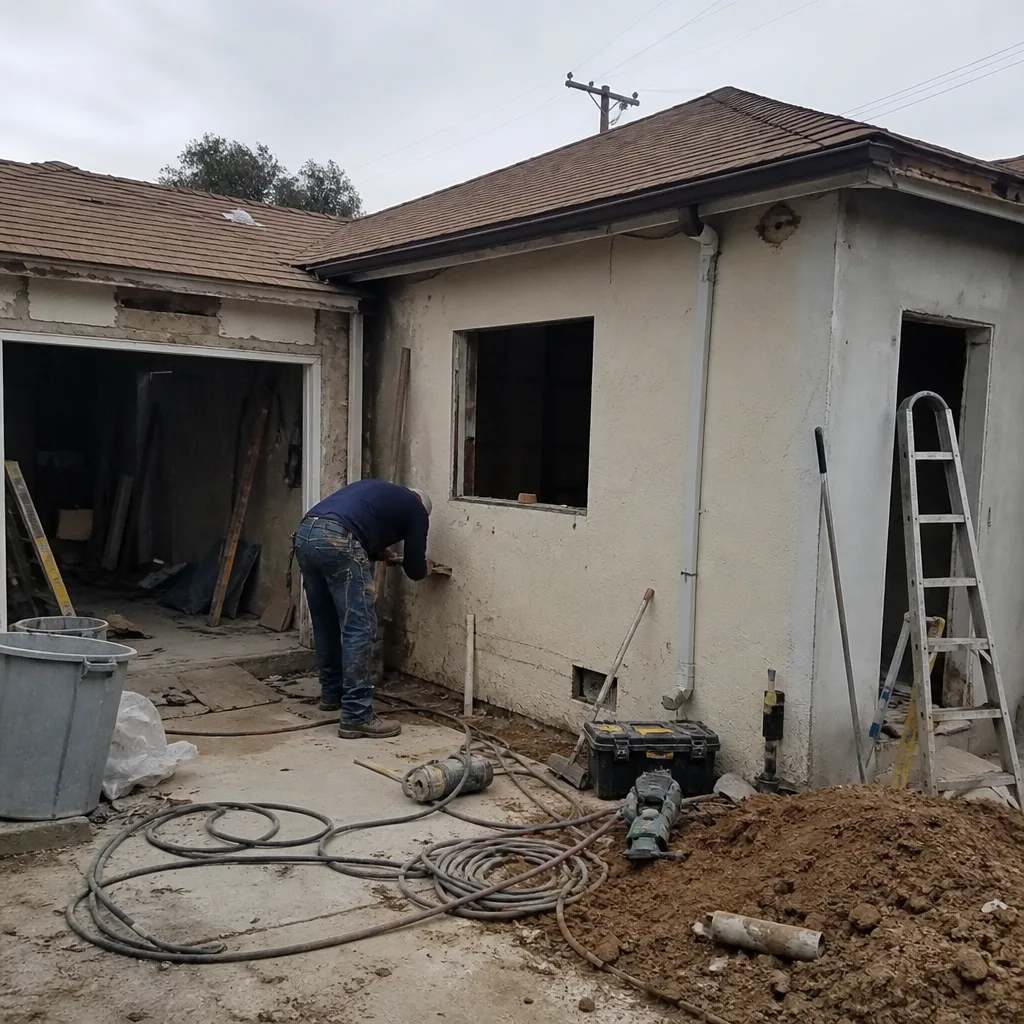 Before
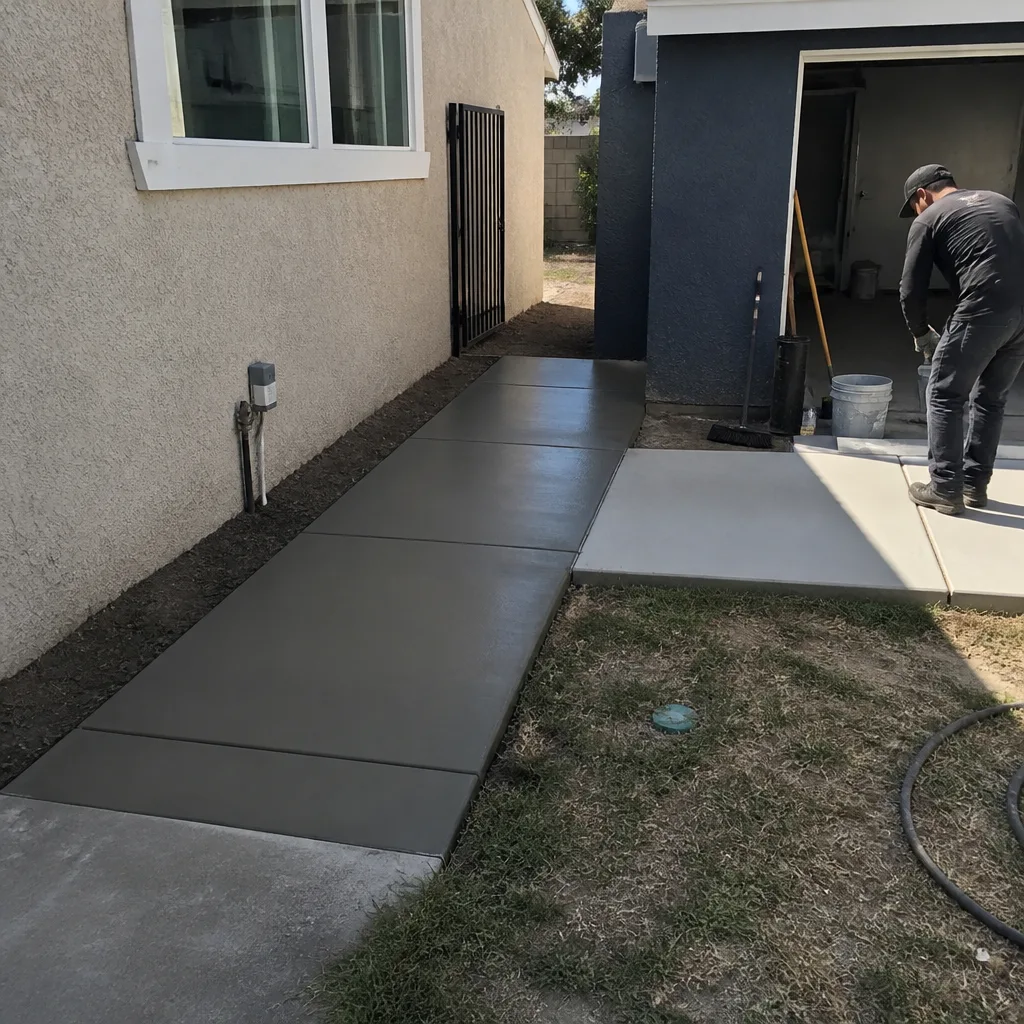 After
After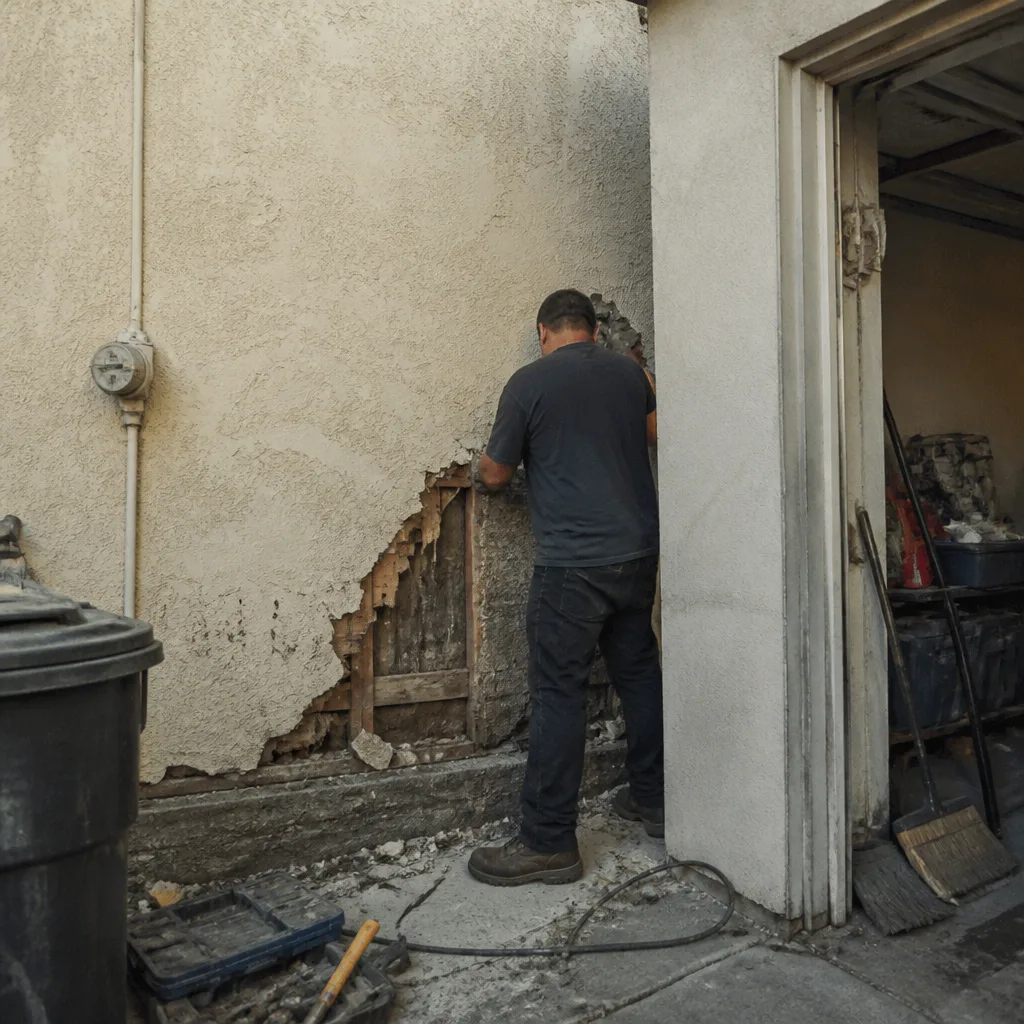 Before
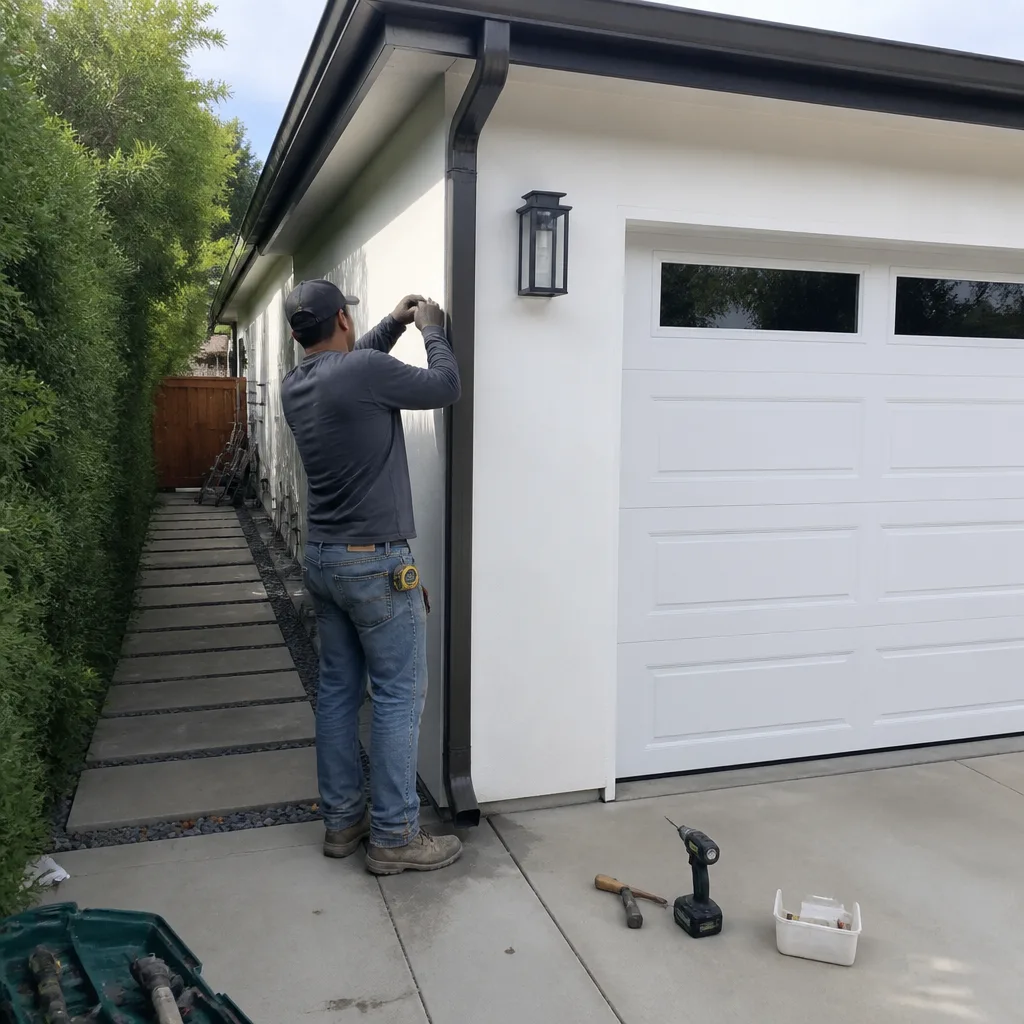 After
AfterDIY or Call Us?
Here’s the honest split. You can safely inspect the exterior of your Dvele addition for visible seal squeeze-out, water staining, or cracking. You can check doors and windows for binding. You can document what you find with photos. That helps us quote accurately before we walk the site.
What you should not do is attempt to open a Dvele panel joint, remove a panel, or replace connection hardware yourself. Panelized systems store tension in their connections. Removing the wrong fastener in the wrong order can cause sudden panel movement, and a falling wall panel is a serious injury risk. The sealing compounds and waterproofing membranes are also spec-specific for Dvele’s joint geometry, and the wrong product means the leak returns. If water is already inside the wall cavity, mold remediation adds cost the longer it waits.
Call (903) 568-7222. We’ll schedule a site assessment, document what we find, and hand you a written scope of work with a real number on it.
FAQs
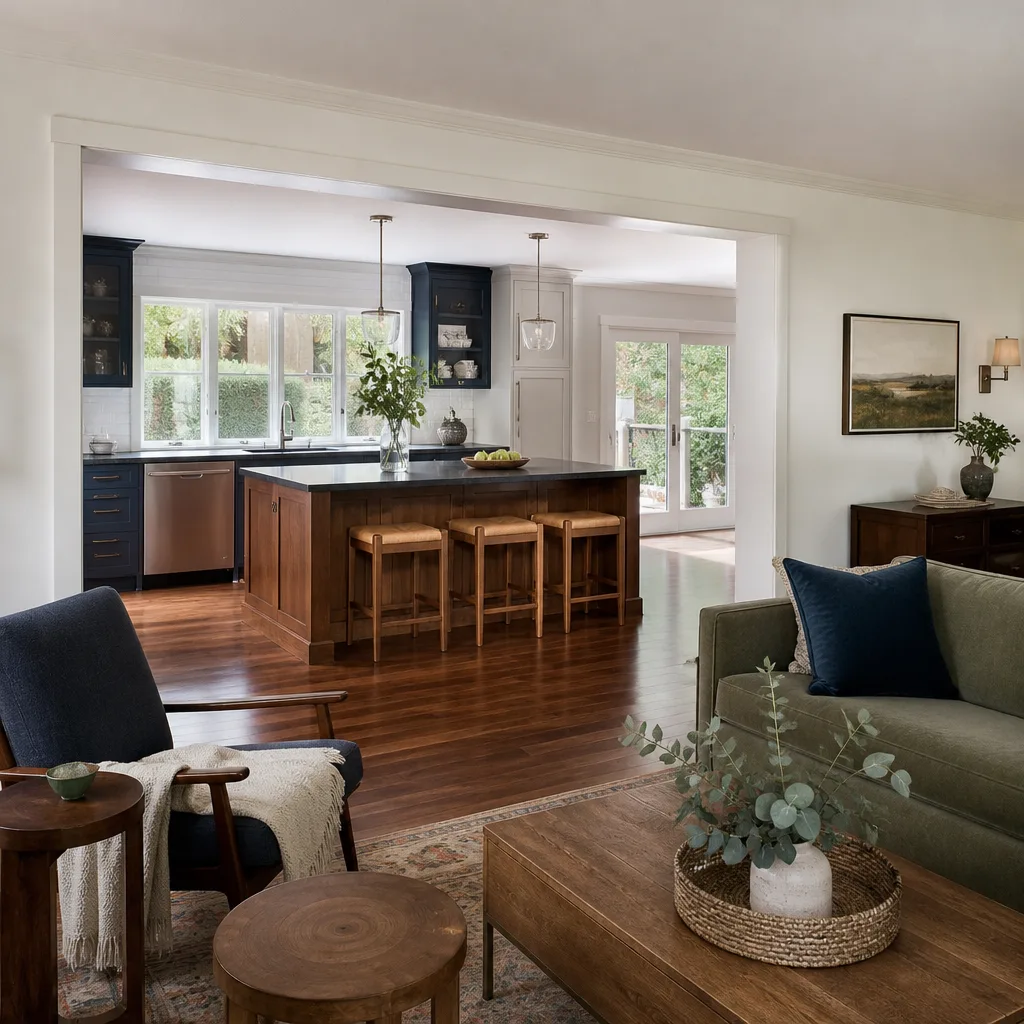
A properly installed Dvele panelized addition should last 50 years or more, with seals and gaskets needing replacement every 15 to 20 years in Los Angeles’ UV and coastal exposure conditions. The panel structure itself is durable; what ages is the waterproofing material at the seams and the connection hardware under seismic loads.
In most cases, we repair rather than replace. A failed seal is opened, cleaned, and re-sealed. A shifted panel is re-fastened and re-aligned. Full panel replacement is rarely necessary unless water damage has destroyed the panel’s structural core, which happens when a leak goes unaddressed for years. Call (903) 568-7222 for an exact assessment.
A single-room addition typically runs 8 to 14 weeks from permit to punch list. A full detached ADU runs 4 to 8 months, depending on Los Angeles DBS permit timing, utility trenching, and weather windows. We give you a written schedule with the bid, and we hold to it.
We stock the common Dvele-spec sealing profiles, gaskets, and connection hardware on our service vehicles, and we order panel-specific components directly for your project once the panel series is confirmed. We don’t substitute generic parts on the building envelope. If we need to order something, you’ll know the lead time in writing before we start.
Get a Straight Number on Your Dvele Project
If your Dvele addition or ADU is showing water stains, binding doors, or cracked joints, don’t wait for the damage to spread into the structure. Curtis Lane and the Bradford Remodeling crew will walk your site, document exactly what’s failing, and hand you a written bid with a flat number and a full year of coverage. Straight number, real scope, no surprises at the punch list.
Call (903) 568-7222 to schedule your free estimate. A live person answers.
Written by Curtis Lane, Owner, Bradford Remodeling at Bradford Remodeling, serving Los Angeles and nearby areas.