Free written scope consultation - allowances, timeline, and change-order rules on paper before a single trade is scheduled
Boxabl Roofing: The Los Angeles Owner’s Guide
Boxabl roof replacement and repair in Los Angeles typically runs $1,180 to $5,310 installed, depending on whether we’re addressing a single failed seam, a punctured panel, or a full roof membrane swap. We stock Boxabl-compatible roofing materials on our trucks and can usually complete most roof repairs in one visit. Most owners discover the problem the hard way: a water stain on the interior ceiling after a heavy rain, a visible gap in a roof seam that catches morning light, or a musty smell that won’t quit near the top of the wall line.
The Boxabl roof is not a conventional shingle system. It’s a factory-built laminated roof cassette, which means the failure points are specific: seam seals, edge flashing, and the lift points used during transport and placement. When those fail, you need a contractor who knows the system, not someone who shows up with a nail gun and a bundle of architectural shingles.
Which Boxabl Models This Applies To
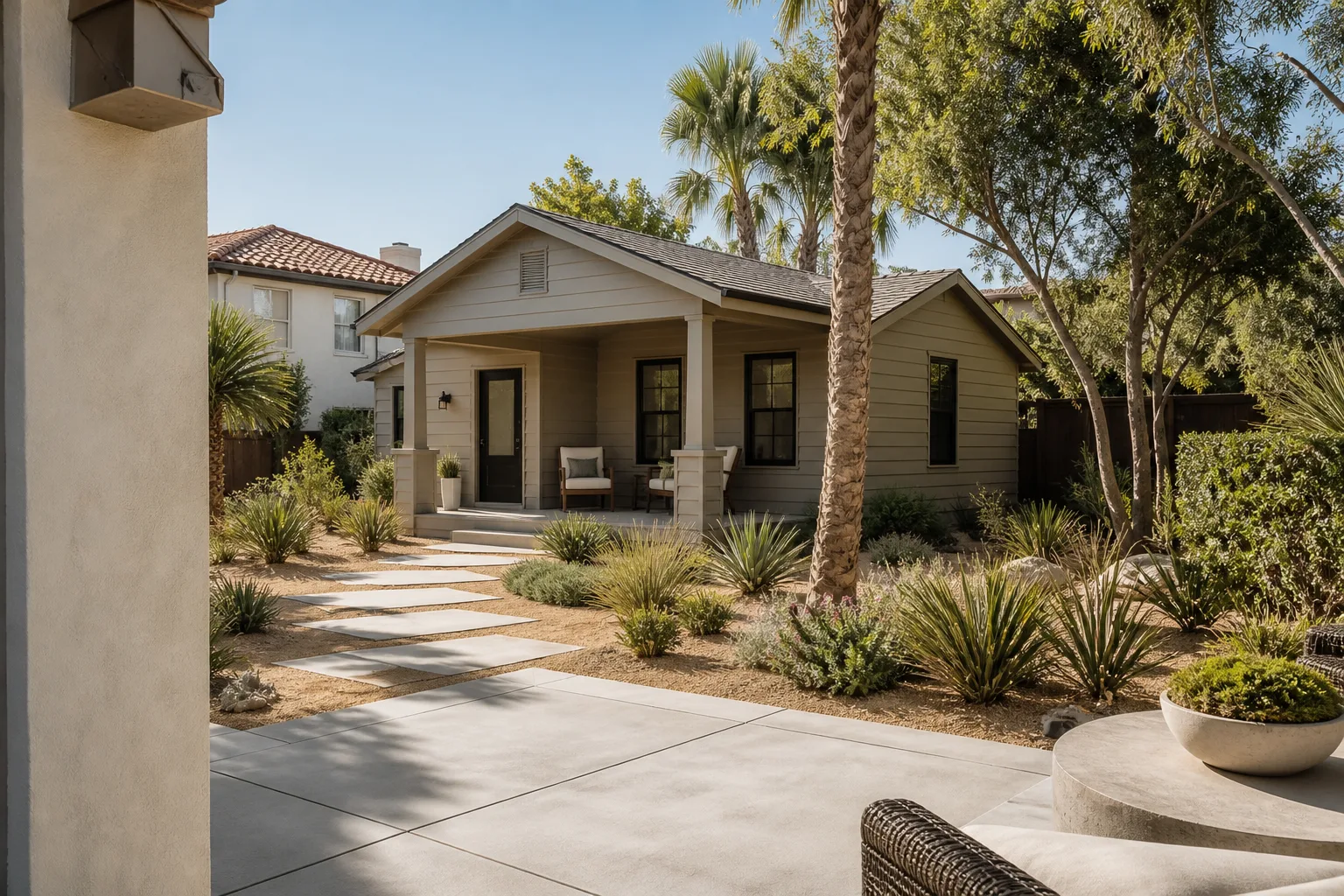
The Boxabl Casita, the primary model most Los Angeles homeowners own, ships as a folded unit with a factory-sealed roof cassette. The roof membrane is a laminated panel assembly, with integrated insulation and a TPO or modified bitumen surface, depending on the production batch. We work on all production versions currently placed in Southern California.
Here’s the compatibility gotcha most owners hit: Boxabl roof cassettes from different production runs are not always dimensionally interchangeable at the seam interface. The corner radii and edge seal profiles changed between early and later production batches. Before we quote a repair, we confirm the unit’s serial number from the plate near the entry door and measure the roof cassette edge profile directly. That keeps us from ordering a seam kit that doesn’t match your unit.
For most Boxabl owners, a quality aftermarket TPO membrane matched to the existing roof surface performs as well as the factory sheet, at roughly 60 percent of the OEM material cost. The labor is the same either way. We’ll give you both numbers and let you decide.
How to Identify Your Boxabl Roof Version
- Check the serial plate: Located near the entry door frame or inside the utility chase. The plate lists the production batch and factory build date.
- Inspect the roof edge detail: Early units use a square-corner laminated edge. Later units have a rounded corner profile with a different seam overlap.
- Look for lift-point caps: The four roof corners have recessed lift anchors covered by caps. If a cap is missing or cracked, water intrusion often starts there.
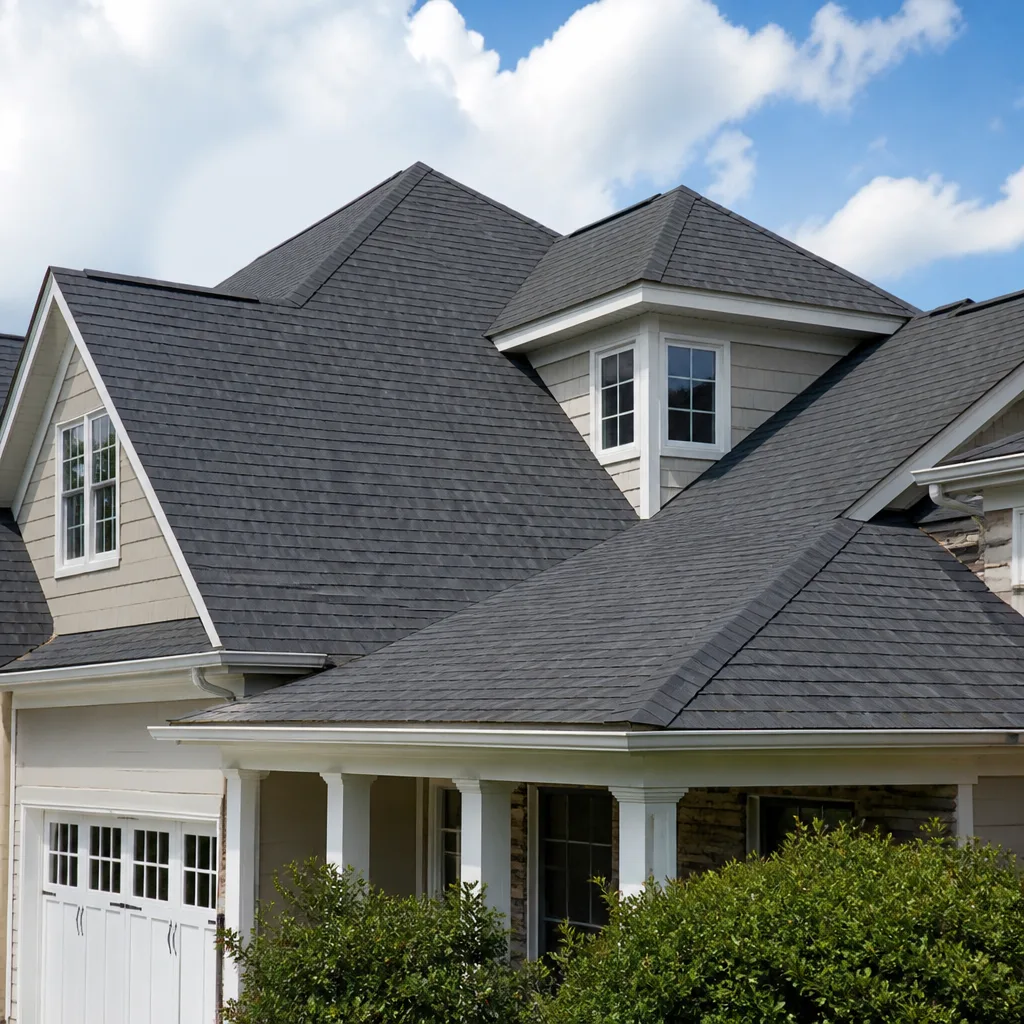
Styles & brands we work with
Signs Your Boxabl Roofing Is Failing
- Water staining on the interior ceiling or upper wall corners. Boxabl roof leaks don’t always show directly under the failure point. Water travels along the cassette channels and surfaces at the wall-to-ceiling intersection, often six to eight feet from the actual breach.
- A visible seam opening or puckered edge seal. Los Angeles heat cycles – days over 90°F followed by nights in the 50s – stress the roof membrane joints. A seam that’s lifted or puckered means the adhesive or seam tape has begun to release.
- White or chalky residue running off the roof surface. This is oxidation from a TPO membrane. It means the surface layer is aging faster than designed, typically from UV exposure without the factory’s recommended protective coating.
- Soft spots when you press on the roof from inside or above. Delamination between the roof insulation layer and the structural cassette is the cause. In a Boxabl, this often means water has entered at an edge and wicked inward.
- Musty odor in the interior that gets worse after rain. Mold starts in the roof cassette insulation before you ever see a water stain. If you smell it, the leak has been active for weeks.
None of these are cosmetic issues. A seam that has opened to the elements will continue to take on water with every rain, and Los Angeles winter storms hit harder than most people expect.
Replacement Cost & What’s Included
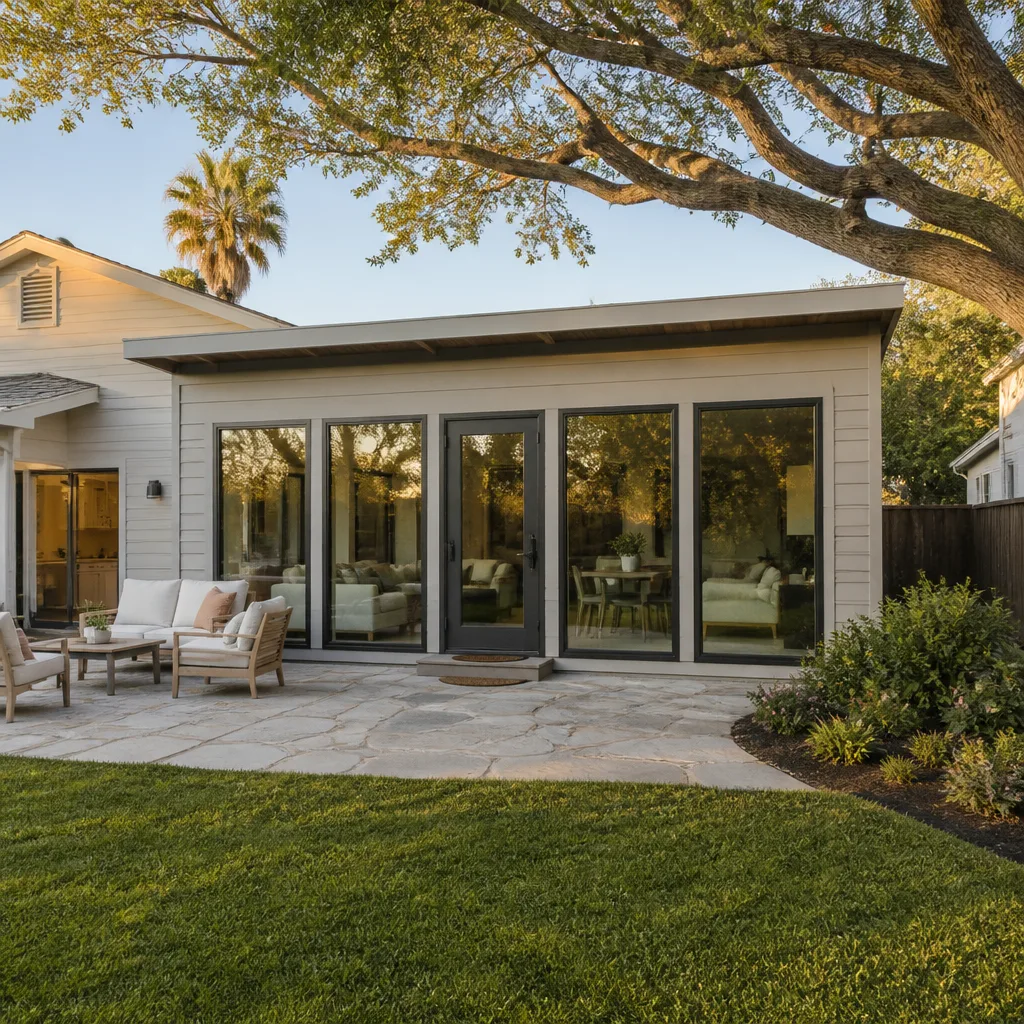
Boxabl roof work in Los Angeles breaks down like this:
- Single seam reseal: $1,180 to $2,950
- Lift-point cap replacement and flashing repair: $710 to $1,890
- Partial membrane patch (up to 40 square feet): $1,890 to $3,540
- Full roof membrane overlay: $4,130 to $5,310
Every quote includes the materials, labor, and a written scope of work before we touch the roof. That written price does not move at the door. We don’t add change orders after the fact unless you ask us to expand the scope. The workmanship is covered by our 365-Day Done Right Promise: if the repair fails within a full year, we return and correct it at no charge. Straight number, real scope, no surprises at the punch list.
See the difference
 Before
 After
After Before
 After
After Before
 After
AfterDIY or Call Us?
What a Boxabl owner can safely do is inspect. Walk the perimeter, look for lifted seams, cracked caps, or water staining from inside. Take photos. That gives us a head start. What we don’t recommend is opening a roof seam or attempting to reseal it with off-the-shelf caulk. Roof work on a Boxabl means working at height on a laminated cassette, and the edge detail is not forgiving. A fall from a roof is a life-changing injury, and a botched seam repair that traps water inside the cassette turns a $1,200 repair into a $5,000 membrane replacement.
If you’ve found a suspicious seam or a ceiling stain, call us at (903) 568-7222. Curtis Lane or one of our technicians will talk you through what you’re seeing, and we’ll schedule an inspection on your schedule, not ours.
FAQs
A Boxabl roof membrane typically lasts 15 to 25 years in Los Angeles, but the seam seals and lift-point caps are the weak points and often need service at the 8- to 12-year mark. UV exposure and the city’s temperature swings accelerate seal degradation more than rain alone. If you want an honest read on your roof’s remaining life, call (903) 568-7222 for an inspection.
Yes, most Boxabl roof failures we see in Los Angeles are seam seals, lift-point caps, or isolated punctures, all of which we repair without replacing the full roof cassette. Full membrane replacement is only necessary when water has delaminated the insulation layer across a wide area. We’ll tell you which one you need based on what the inspection shows.
Most single-seam reseals and cap replacements are completed in one visit, typically four to six hours including surface prep and seal cure time. A full membrane overlay takes a full day or two depending on the unit’s roofline and the weather window. We give you a written schedule before work starts, and we hit it.
We stock the seam tapes, TPO membrane rolls, lift-point caps, and edge flashing profiles that match both early and later Boxabl production batches. If your unit needs a factory-specific component we don’t carry, our material supplier in the Basin gets it to us within two to three business days. You’ll know which path applies before we open the roof.
No. Bradford Remodeling is an independent Los Angeles contractor, not affiliated with Boxabl. We work on Boxabl roof systems because our crews understand factory-built housing, but we don’t represent the manufacturer and a warranty claim through Boxabl is between you and Boxabl. What we do bring is our own workmanship guarantee: the 365-Day Done Right Promise, written and signed before we leave the job.
Call for a Free Boxabl Roof Estimate in Los Angeles
If your Boxabl roof is leaking, showing a failing seam, or just aging past its prime, don’t wait for the next storm. Call Bradford Remodeling at (903) 568-7222 and ask for a Boxabl roof inspection. We’ll give you a written price, a clear scope, and the straight answer on whether you need a repair or a replacement. A live person answers, day or night.
Written by Curtis Lane, Owner at Bradford Remodeling, serving Los Angeles and nearby areas. Curtis trained in construction technology at Los Angeles Trade-Technical College and has spent two decades working on everything from foundation repair to finish carpentry across the Basin.