Free written scope consultation - allowances, timeline, and change-order rules on paper before a single trade is scheduled
Plant Prefab Roofing: The Los Angeles Owner’s Guide
Plant Prefab roofing repairs in Los Angeles typically run $470 to $2,125 for targeted fixes, while full roof replacement on a Plant Prefab module runs $9,440 to $23,600 depending on square footage and membrane type. We stock Plant Prefab-compatible roofing materials on our trucks and can usually diagnose the failure within one site visit. Most owners discover the problem the way you just did: a water stain on the ceiling, a lifted seam near a parapet, or a small puddle that shows up on the flat deck after a rare LA rain.
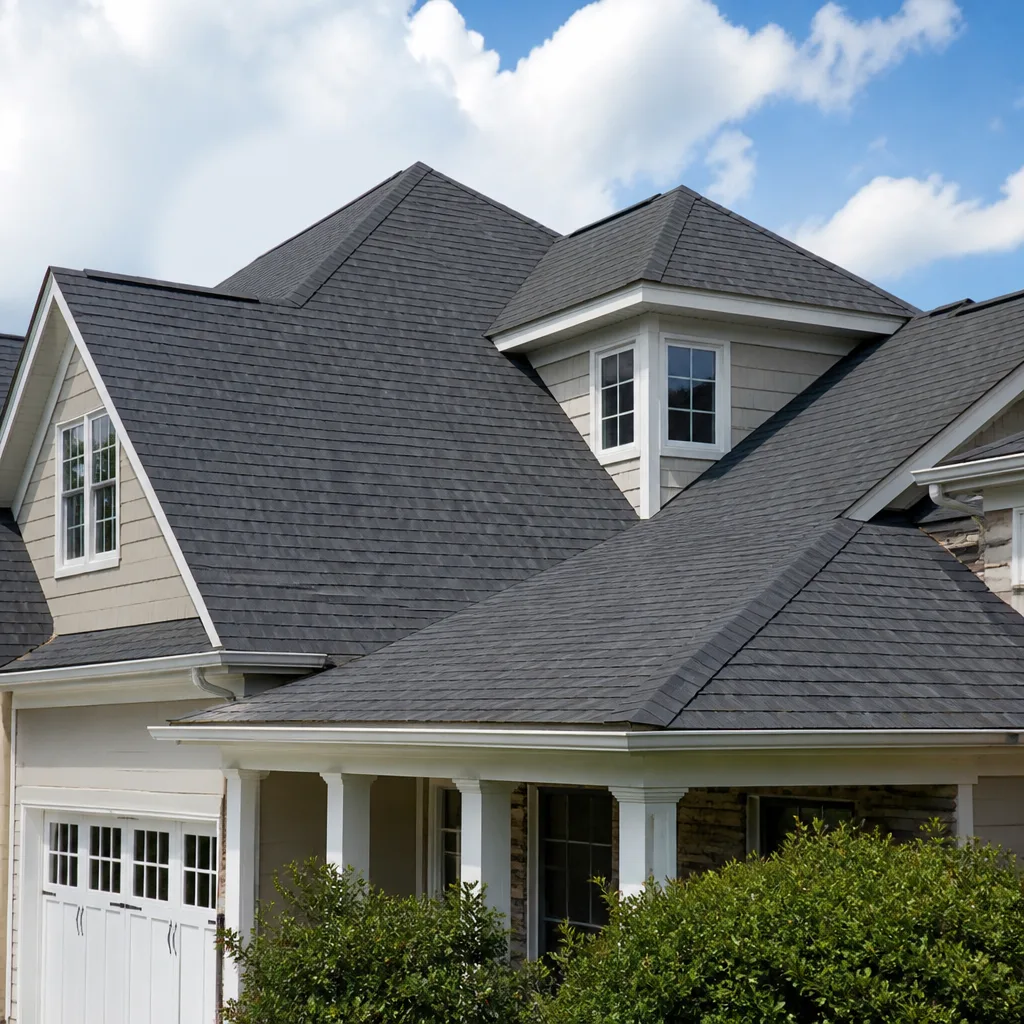
Plant Prefab homes ship with factory-installed roofing systems, usually TPO or modified bitumen membranes over a plywood or OSB substrate. The modules are built in a controlled environment, which is good for consistency but means the roof assembly is thinner than a traditional stick-built roof. That matters in Los Angeles, where UV exposure and thermal cycling are relentless. Curtis Lane and our crews have worked on enough Plant Prefab structures across the Basin to know exactly where these roofs fail first: at the seams, at the penetrations, and at the transitions where one module meets another.
Which Plant Prefab Models This Applies To
Plant Prefab’s current lineup includes the LivingHome series and the YB-series accessory dwelling units, and the roofing approach varies. LivingHome models use a low-slope membrane roof with parapet walls on most configurations. YB units often ship with a single-ply membrane over a sloped deck. The compatibility gotcha is fastener spacing: Plant Prefab roof decks are engineered to specific uplift ratings, and using the wrong screw pattern or oversized fasteners can void the manufacturer’s structural documentation. We match the membrane to the existing system rather than mixing brands, and we verify the substrate thickness before writing the scope.
For OEM versus aftermarket: Plant Prefab uses commercial-grade TPO and EPDM membranes from major manufacturers. The OEM membrane is fine, but the aftermarket equivalent from GAF or Carlisle is often identical in spec and easier to source quickly in Los Angeles. The real decision is seam strategy. If the existing membrane is older than 8 to 10 years, a patch may not bond cleanly to the weathered surface, and we’ll tell you that before you spend money on a repair that won’t hold.
To identify your roof type, look for a spec sheet in your Plant Prefab homeowner packet or a label under the roof access panel. If you don’t have it, measure the membrane thickness with a caliper: 45-mil and 60-mil TPO are the most common on LivingHome models.
Styles & brands we work with

Signs Your Plant Prefab Roofing Is Failing
- Water staining at ceiling corners or around recessed lights. This almost always points to a seam failure at a parapet or a penetration, not a full membrane failure. Water travels laterally before it drips, so the stain is often ten feet from the actual breach.
- Lifted or wrinkled membrane edges at parapet walls. LA heat causes TPO to expand and contract daily. Over time, the adhesive at the parapet termination loses grip, and wind gets under the membrane edge. This is the single most common Plant Prefab roof issue we see in Los Angeles.
- Bubbling or blistering on the flat deck. Trapped moisture under the membrane vaporizes during heat waves and creates blisters. A blister that pops becomes an open entry point for water. We cut these out, dry the substrate, and heat-weld a new patch rather than caulking over them.
- Loose or corroded flashing at skylights, vents, or module transitions. Plant Prefab homes have more transitions than a conventional build because of the modular joints. Those joints move slightly as the home settles, and rigid flashing doesn’t flex with them. We use flexible boot flashing at these points.
- Granules or membrane dust in gutters and downspouts. Modified bitumen sheds granules as it ages, especially after 12-plus years of Southern California sun. If you see dark grit, the membrane is past its serviceable life and patching becomes a losing game.
See the difference
 Before
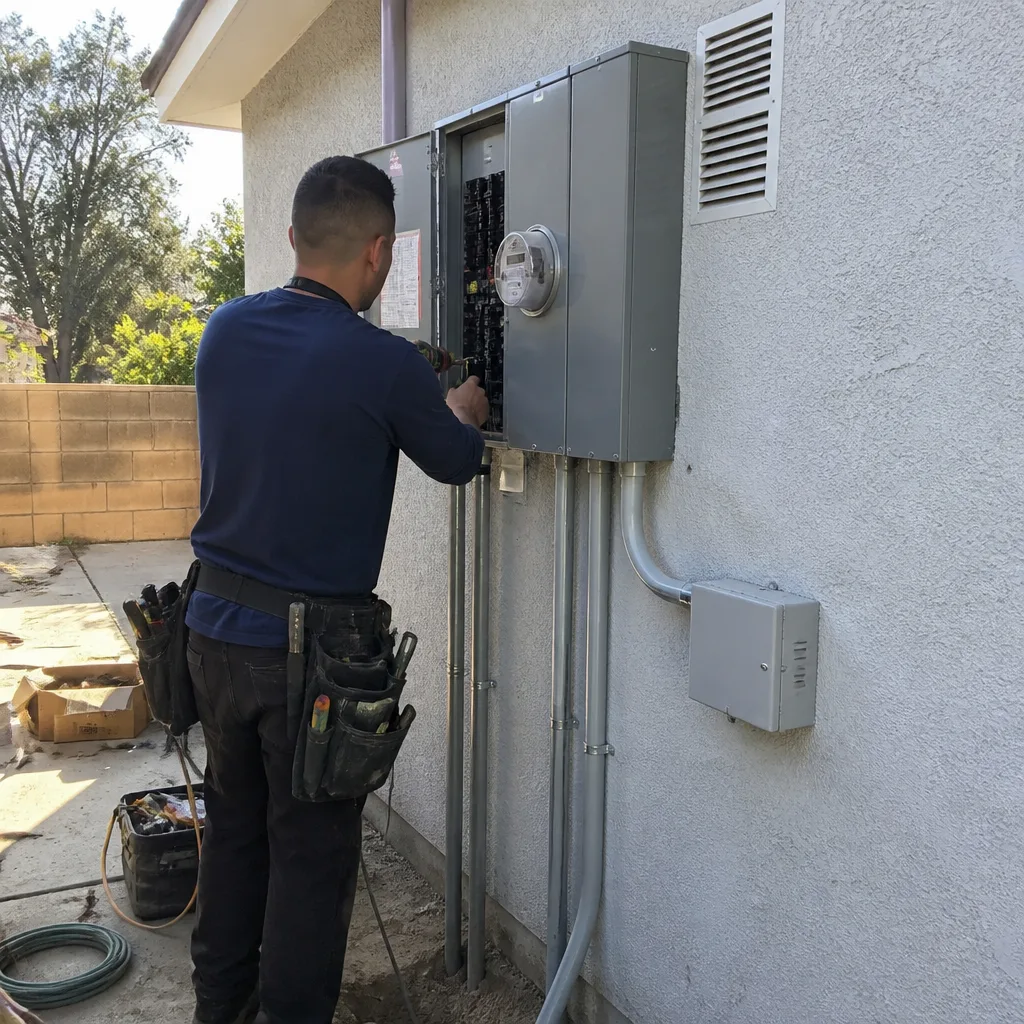 After
After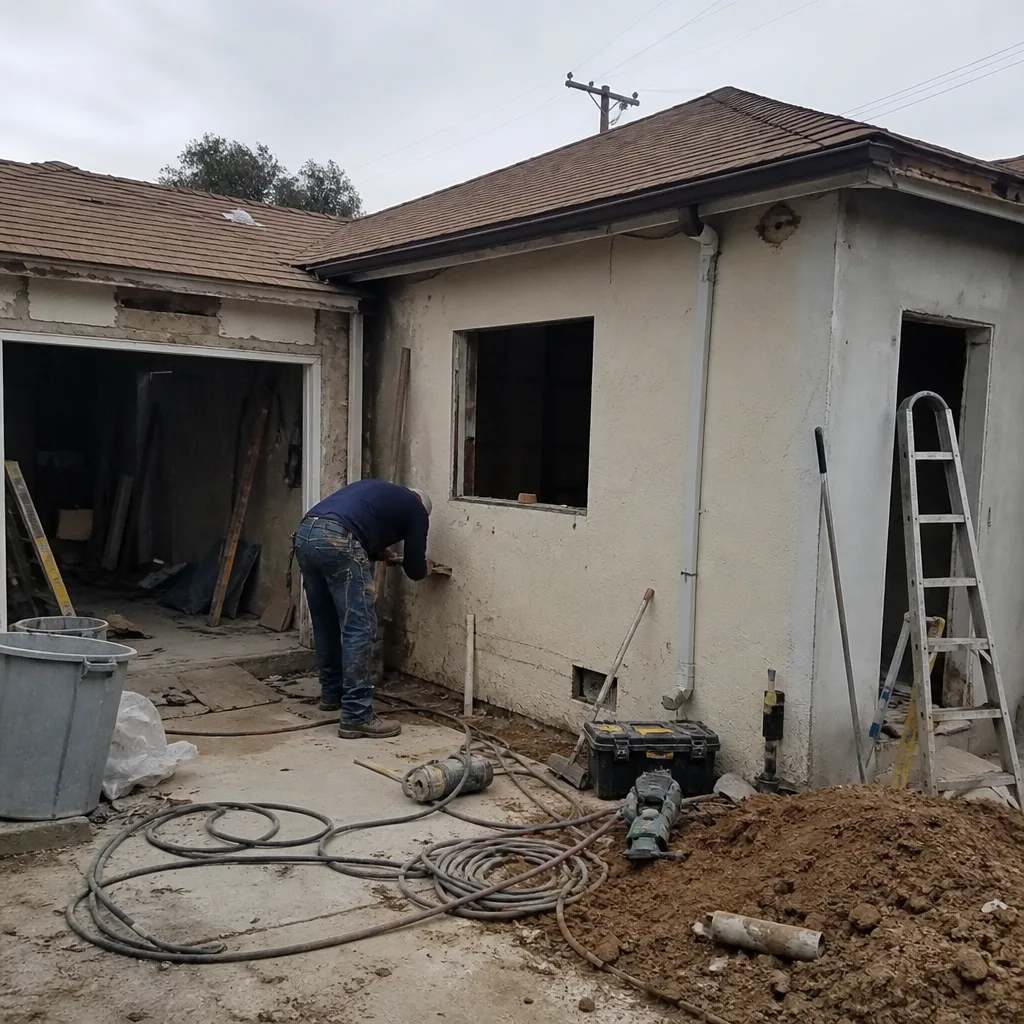 Before
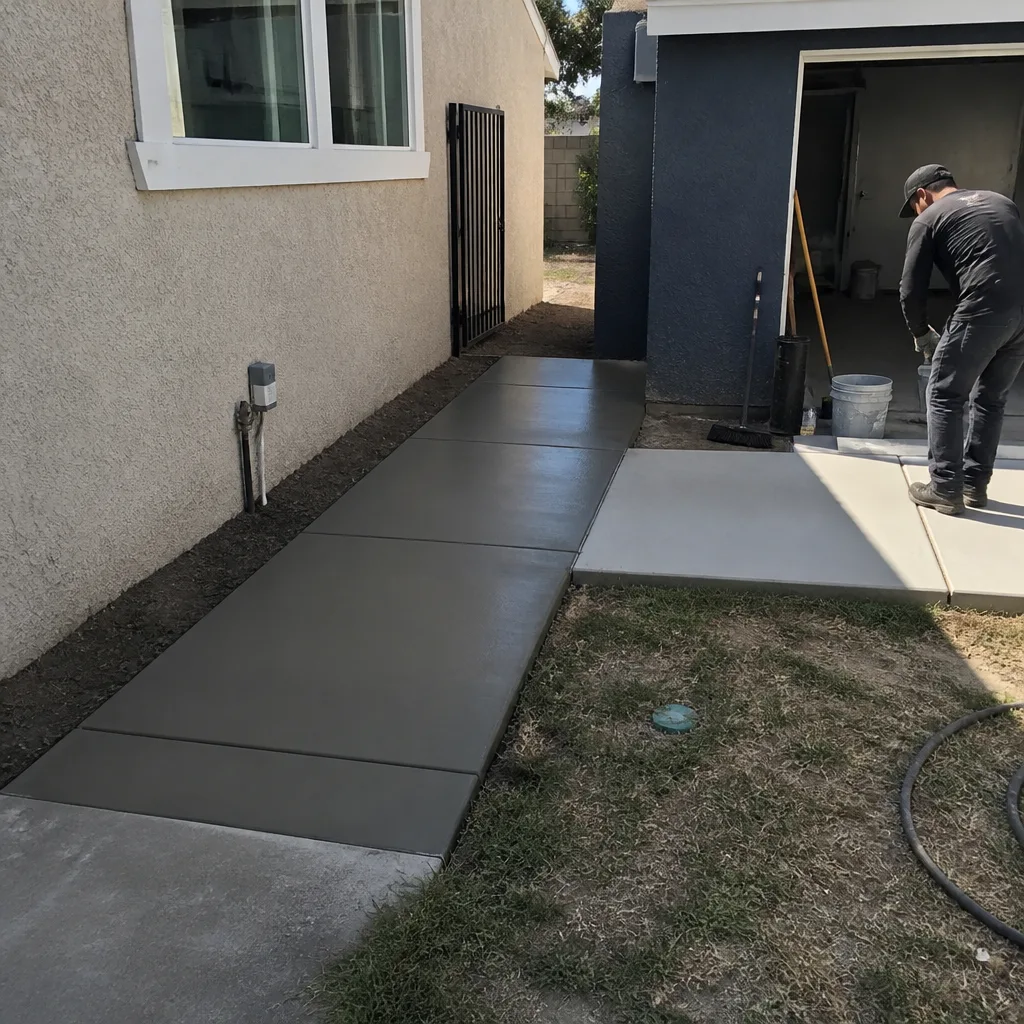 After
After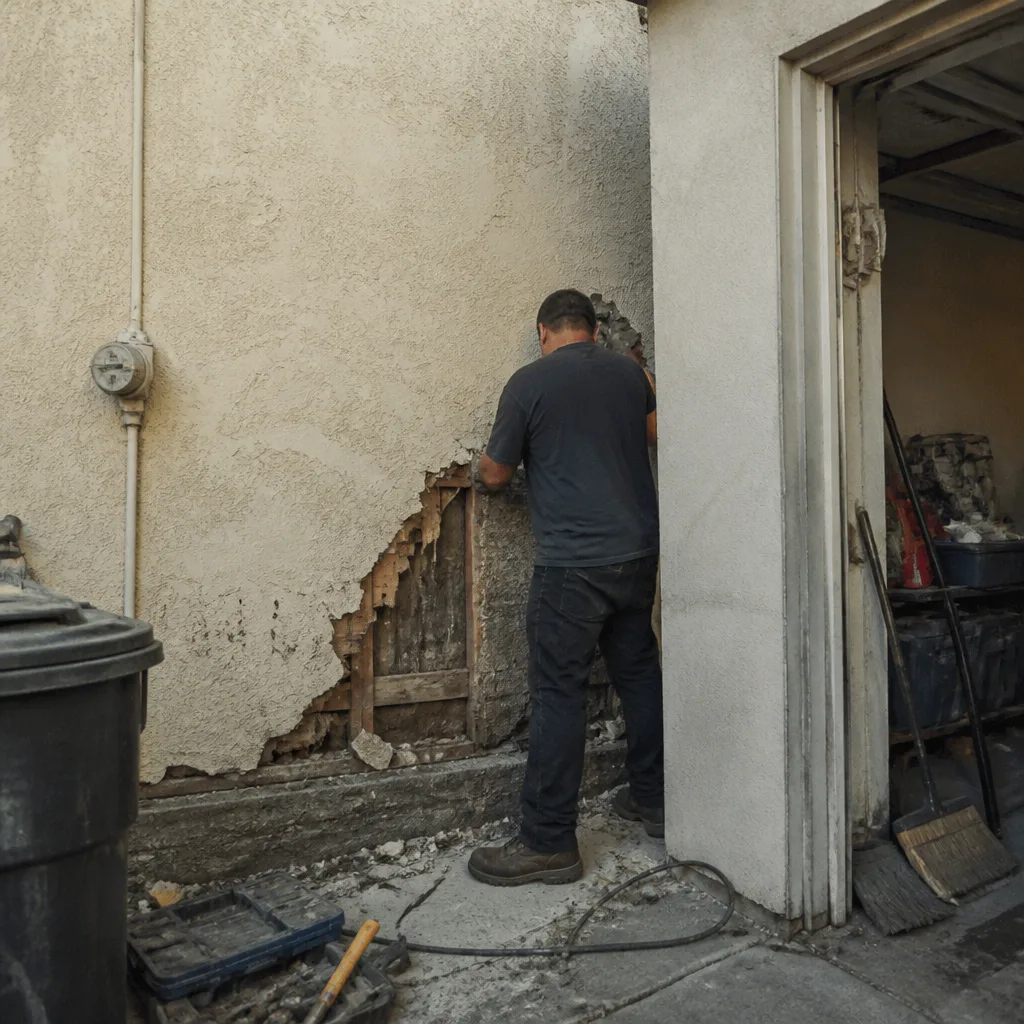 Before
 After
AfterReplacement Cost & What’s Included
Here’s what you should expect to pay in Los Angeles for Plant Prefab roofing work. These are flat-rate ranges we quote before work starts, and the number doesn’t move once we hand it to you.
- Seam repair or small membrane patch: $470 – $825
- Parapet reseal with new termination bar: $590 – $1,180
- Flashing replacement at one penetration: $470 – $1,180
- Isolated deck repair with membrane replacement: $1,180 – $2,125
- Full roof replacement on a Plant Prefab module: $9,440 – $23,600
Every quote includes the parts, the labor, the haul-away, and a written scope that lists each membrane section, each penetration, and the fastener pattern we’ll use. We pull permits when Los Angeles County Building and Safety requires them, and the permit cost is itemized on the same page. Our 365-Day Done Right Promise covers the workmanship and the materials we supply. If a seam opens or a patch fails within that year, we come back and fix it at no charge. That’s in writing, signed, before the job starts.
DIY or Call Us?
You can safely check a few things yourself: look for lifted membrane edges at the parapet, clear debris from scuppers and downspouts, and photograph any new water stains from both sides so you have a record. What you should not do is get on the roof with a caulk gun. Flat roofs in Los Angeles are deceptive. A membrane that looks walkable may be heat-softened or hiding a soft spot in the deck, and a fall from even a low parapet is a serious injury. Roof work on any structure above one story should be left to a crew with fall protection and the right heat-welding equipment. If you’re in Los Angeles or nearby and you’ve spotted one of the signs above, call (903) 568-7222 and we’ll schedule a site visit. The diagnostic is part of the free estimate.
FAQs
How long does Plant Prefab roofing last in Los Angeles? A Plant Prefab membrane roof in Los Angeles typically lasts 15 to 20 years with proper maintenance, though parapet terminations and flashings often need attention around year 10 because of thermal cycling and UV exposure. Call (903) 568-7222 for a roof assessment and we’ll tell you where your roof sits in that timeline.
Can you repair a section instead of replacing the whole roof? Yes, if the membrane is under 10 years old and the deck underneath is sound, a targeted patch or seam repair usually works. If the membrane is older or the deck has rot, we’ll show you the damage and recommend replacement rather than selling you a patch that fails next winter.
How long does a Plant Prefab roof repair take? Most seam repairs and single-penetration flashing swaps are done in one day. A full module roof replacement usually takes two to four days depending on deck condition and weather. Call (903) 568-7222 and we’ll give you a written timeline with the estimate.
Do you stock Plant Prefab roofing materials? We stock standard 45-mil and 60-mil TPO in white and tan, termination bars, and common flashing boots on our trucks, so most Los Angeles repairs get done same-visit. We’re an independent service provider, not affiliated with Plant Prefab, and we source membrane and accessories from documented brands like GAF. Call (903) 568-7222 for availability and a free estimate.
Straight number, real scope, no surprises at the punch list.
Written by Curtis Lane, Owner, Bradford Remodeling at Bradford Remodeling, serving Los Angeles and nearby areas.