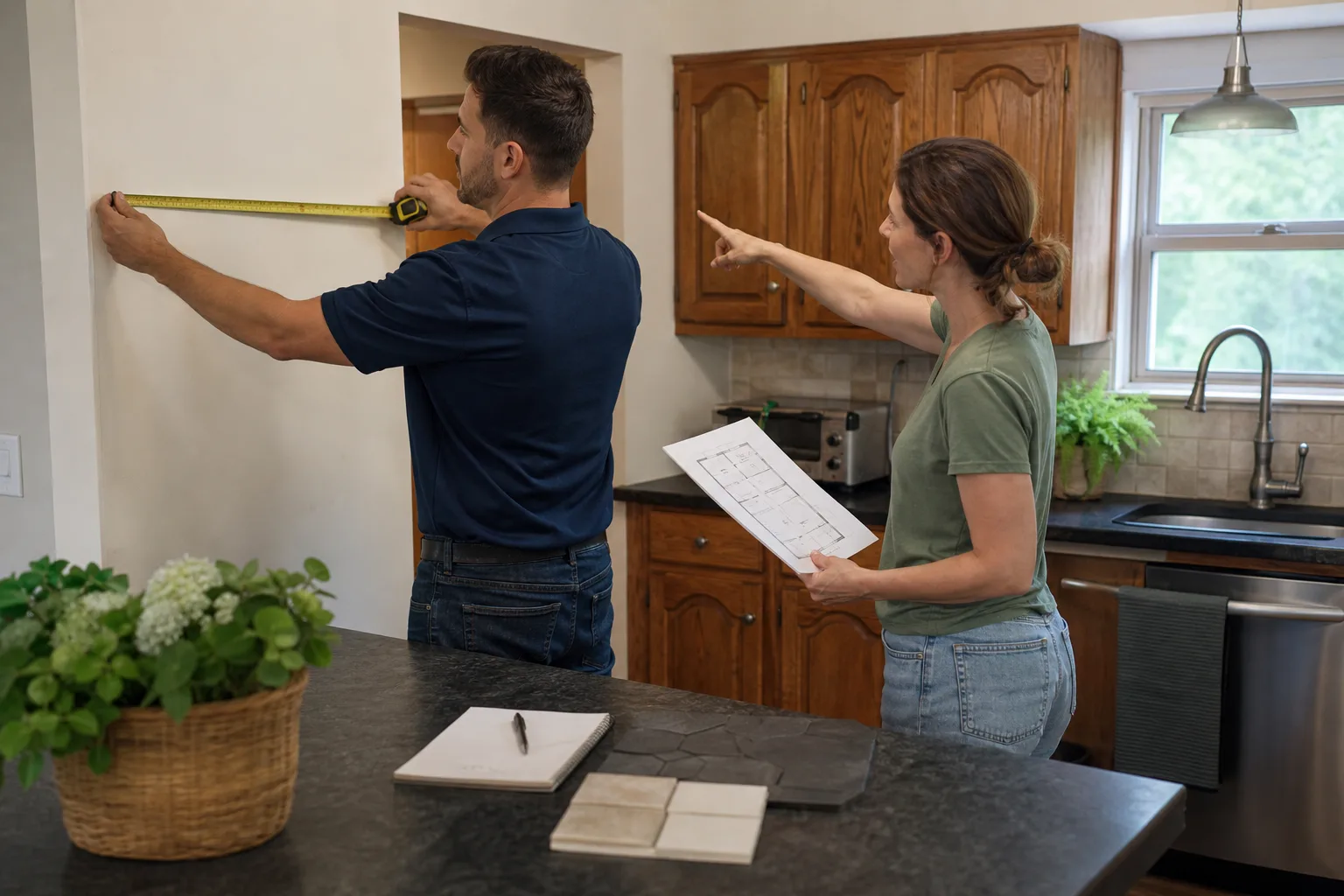
Free written scope consultation - allowances, timeline, and change-order rules on paper before a single trade is scheduled
Plant Prefab Windows & Doors: The Los Angeles Owner’s Guide
We stock and install replacement windows and doors sized to Plant Prefab’s standard wall and rough-opening dimensions in Los Angeles, with installed window work typically running $5,310 – $17,700 depending on glazing, material, and how much framing correction the opening needs. Most owners find out they have a problem the hard way: a window that won’t latch after a hot Santa Ana stretch, glass fogging between panes, or a door that drags against the jamb for the first three months after installation. The opening sizes on Plant Prefab units were built for manufactured-panel tolerances, which means the rough openings are tighter than site-framed construction and less forgiving when a part is even slightly out of spec.
We are an independent contractor and not affiliated with Plant Prefab. That matters because it lets us source the right part rather than defend the original spec. Curtis Lane has pulled enough warped Plant Prefab door slabs out of Los Angeles hillside homes to know the difference between a bad install and a bad part.
Which Plant Prefab Models This Applies To
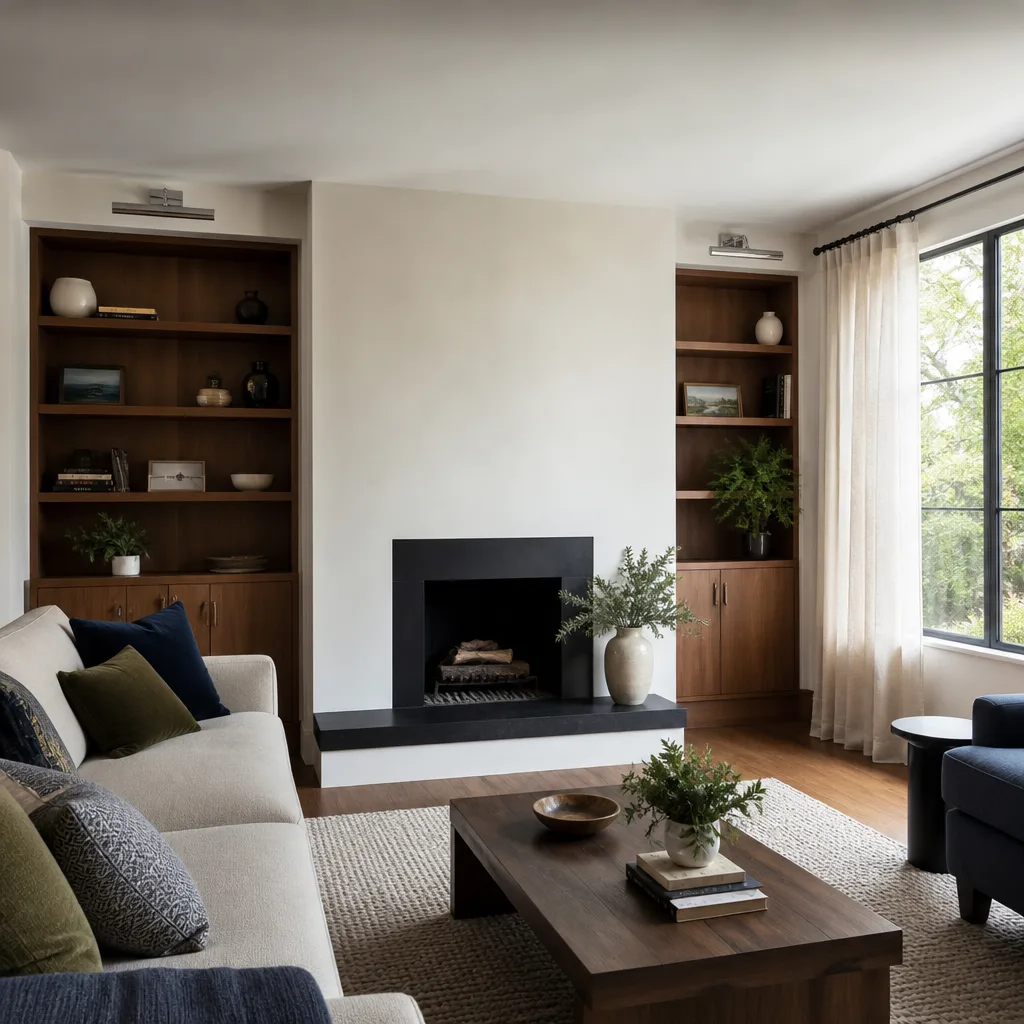
Plant Prefab’s panelized and modular lines used standardized rough openings across their LivingHomes and Plant series builds. In Los Angeles, we mostly see two situations: owners of early-generation LivingHomes units with aging wood-framed windows, and owners of Plant series units with aluminum-clad or fiberglass units that were specified for a coastal moisture profile but are now sitting in a hot, dry inland climate. The first check is always the sticker. Exact manufacturer labels are usually on the frame’s interior edge or the top rail of the sash. That tag gives you the model number, the U-factor, and the rough-opening callout. If the tag is gone, we measure the rough opening itself, not the existing frame.
The compatibility gotcha with Plant Prefab is that some unit openings were set for nail-fin installation on wall panels that shipped with the exterior cladding already attached. That means a standard flanged replacement window may not sit correctly without pulling the surrounding cladding back and re-flashing. We plan for that re-flash rather than discover it mid-job and hand you a change order. For aftermarket equivalents, we only specify units that carry a structural load rating equal to or above the original Plant Prefab spec, because some of those prefab corner windows are doing real shear work.
Styles & brands we work with
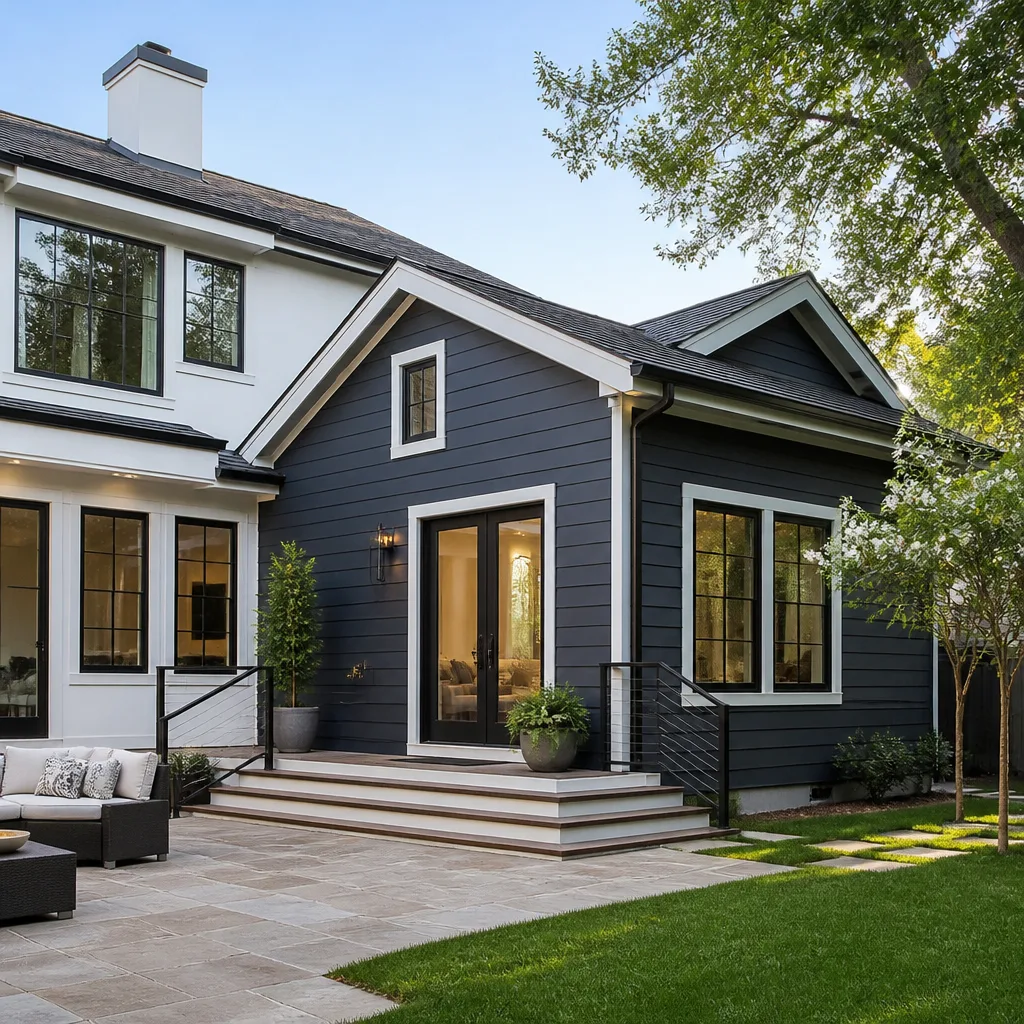
Signs Your Plant Prefab Windows & Doors Is Failing
- Fogging or moisture between the panes. The insulating glass unit has lost its seal. Once the desiccant inside the spacer strip is saturated, the fog will not clear on its own, and the window’s thermal performance is gone.
- Sticking, dragging, or refusing to latch. On prefab walls, this is usually a settling issue or a door slab that has warped in Los Angeles heat. If the reveal around the door is uneven by more than a quarter inch, the frame itself is the problem, not the hardware.
- Visible daylight or draft at the sill or jamb. The weatherstripping or the sealant behind the flange has failed. In Los Angeles, dry rot can start behind a failed exterior seal long before you see it indoors.
- Soft wood or flaking finish on the exterior frame. Sun exposure on the south and west elevations breaks down factory finishes faster than most owners expect. Once the substrate is exposed, the frame needs repair or replacement, not just a paint touch-up.
- Condensation on the interior glass every morning. This is sometimes just cooking moisture, but when it appears on only one window, the unit has lost its seal and the inert gas fill is gone.
See the difference
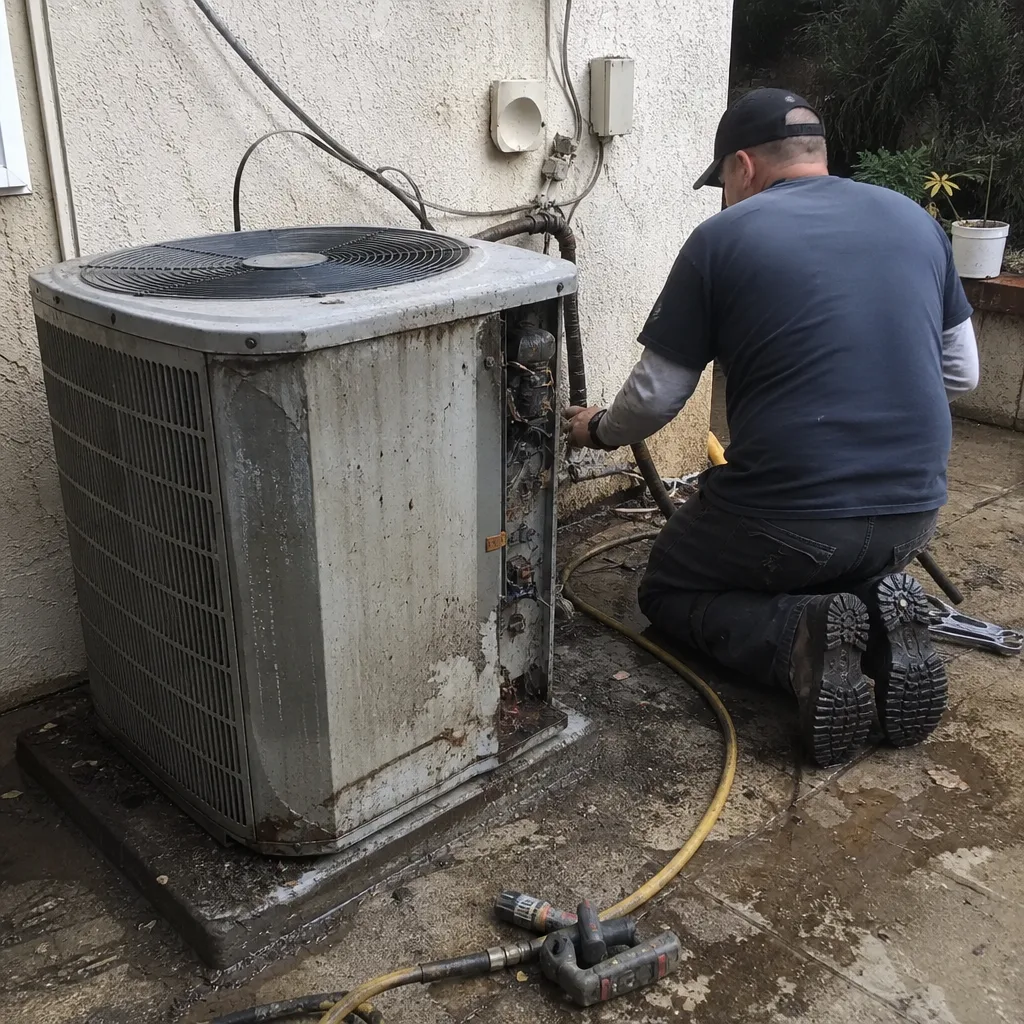 Before
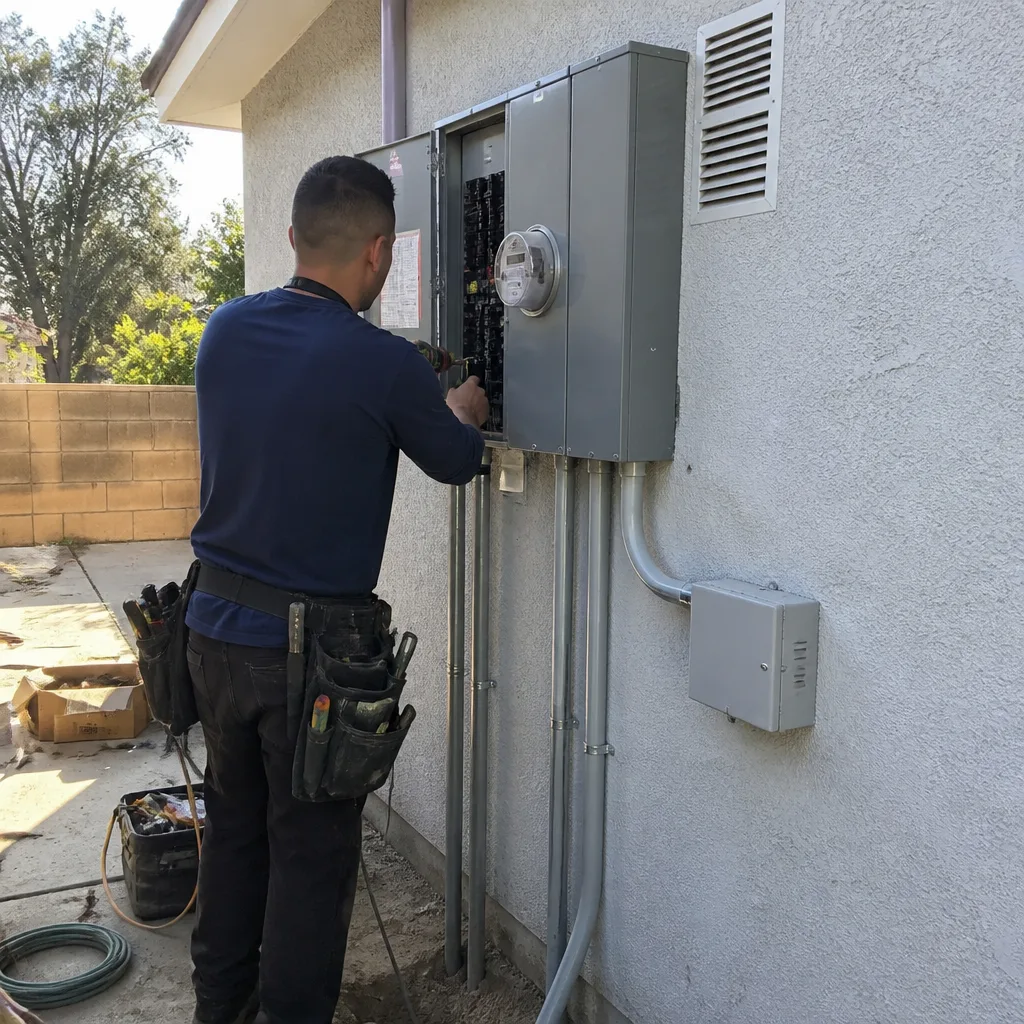 After
After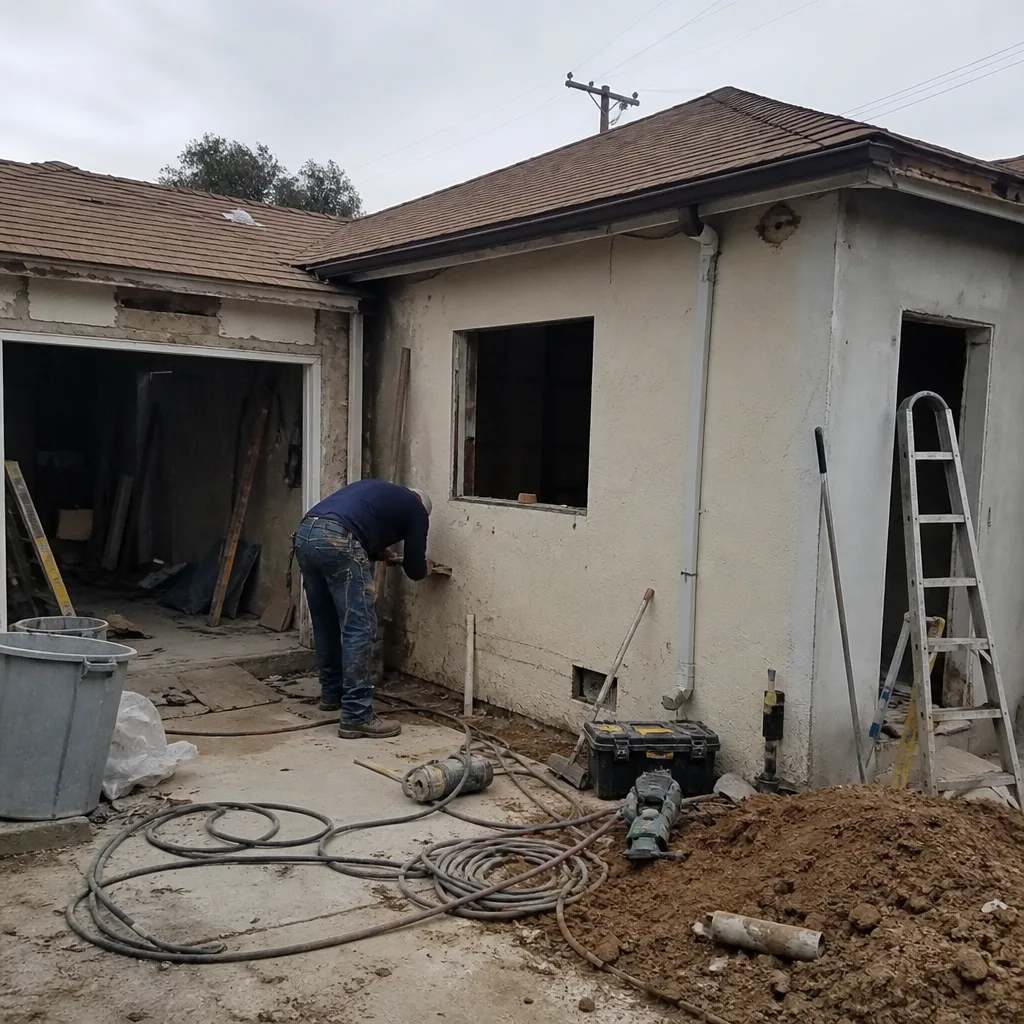 Before
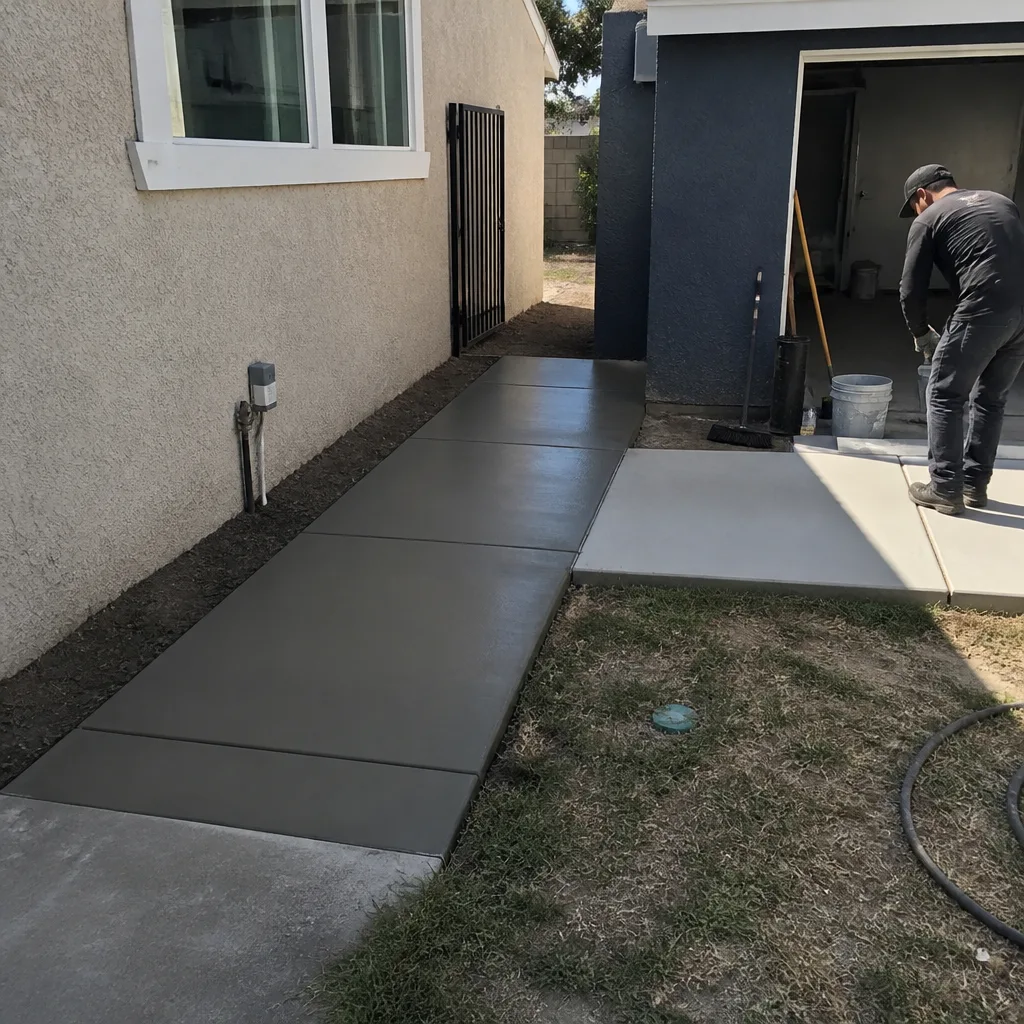 After
After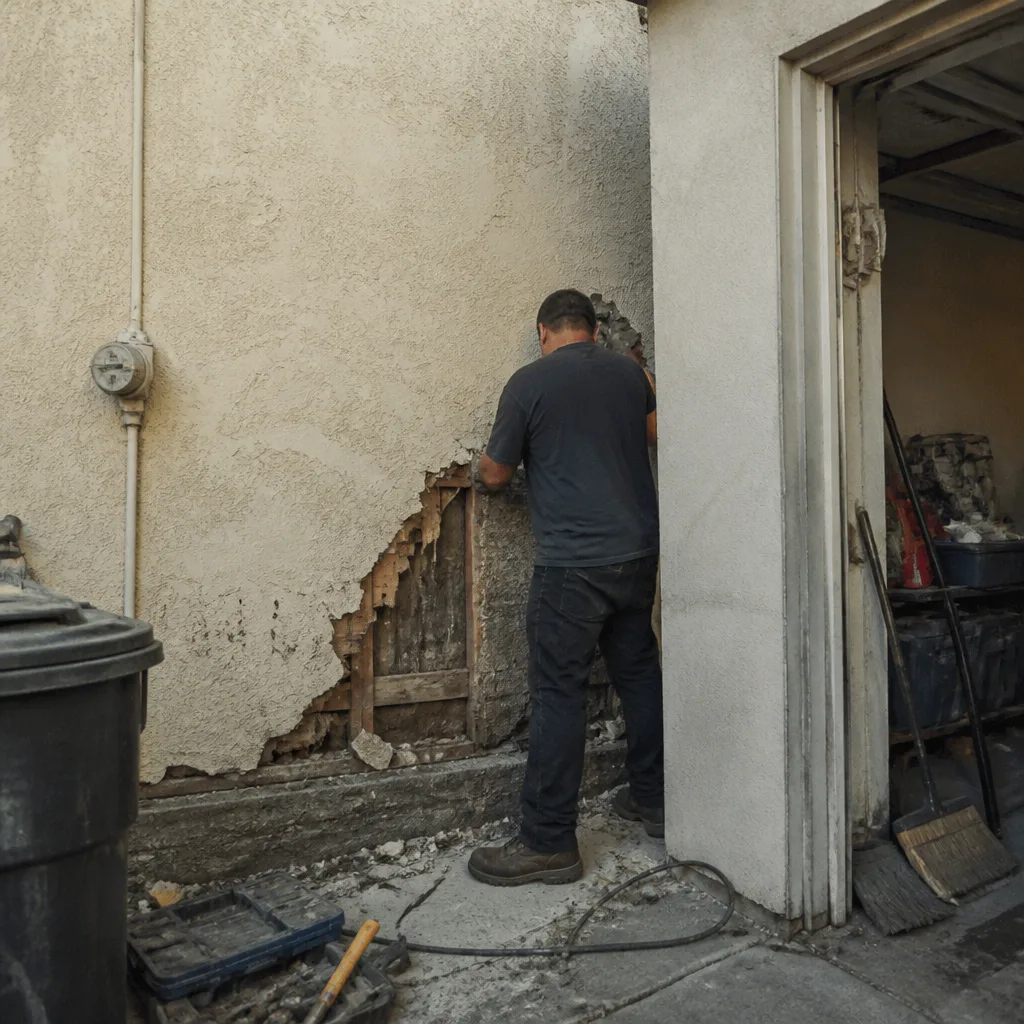 Before
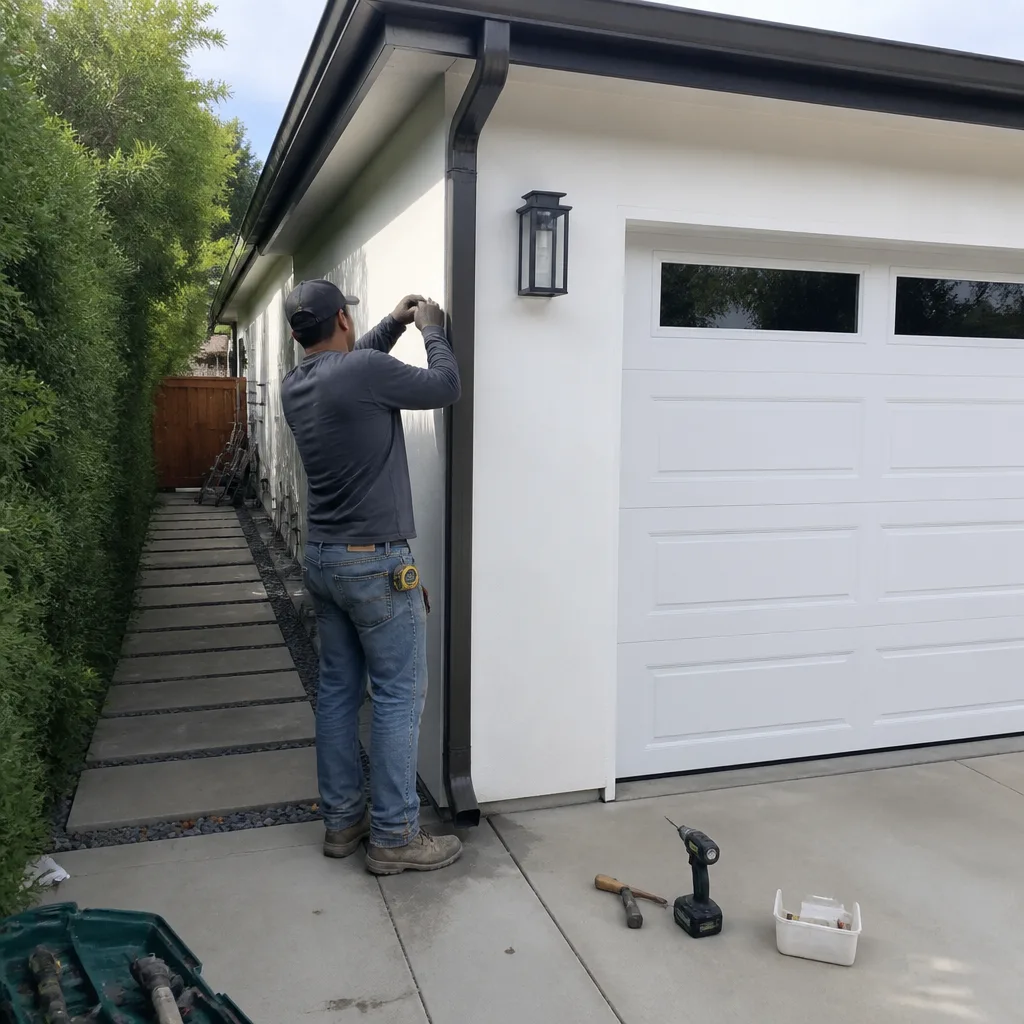 After
AfterReplacement Cost & What’s Included
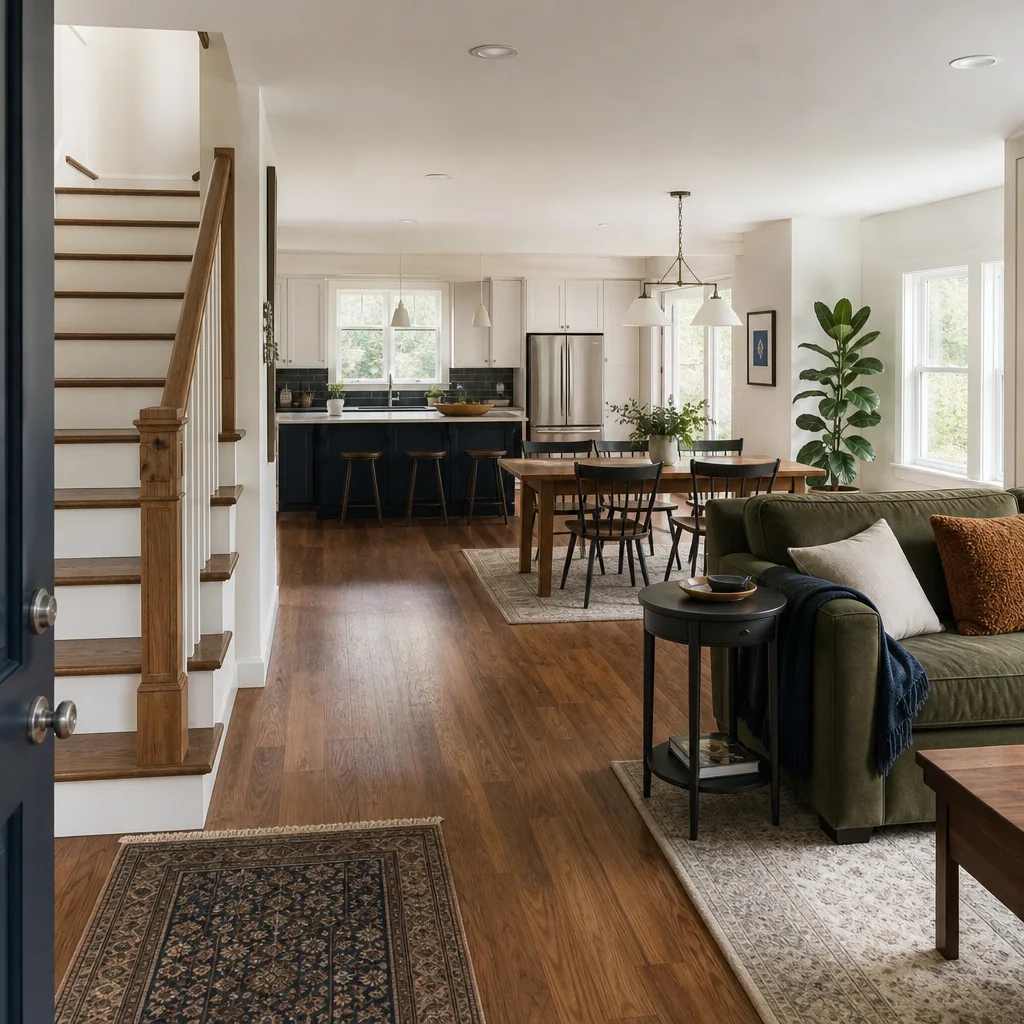
For Plant Prefab-compatible work in Los Angeles, window replacement runs $5,310 – $17,700 installed, with the material itself usually accounting for 45 to 60 percent of the total. The rest is labor, flashing, re-flashing where the prefab wall panel requires it, and disposal of the old unit. A single door slab or a pre-hung door typically falls in the lower end of that range; a bank of corner windows or a lift-and-slide door system lands at the top.
Every replacement we quote includes removal of the old unit, correction of any substrate damage we find behind the flange, new flashing and sealant to Los Angeles exposure, shimming and leveling to the existing rough opening, interior trim work, and a written line-item price before we start. The 365-Day Done Right Promise covers the full installation for a year. If a window we set starts leaking or a door we hung goes out of square in that window, we come back and correct it at no charge.
DIY or Call Us?
A homeowner can safely do a few things on their own: check for cracked glazing or failed seals, lubricate latches, tighten hinge screws, and inspect exterior caulk lines for separation. What we don’t recommend is pulling a prefab window yourself. Plant Prefab units are set with flashed flanges integrated into the wall panel’s weather barrier. Getting that re-flash wrong is how the wall rots from the inside out, and by the time you see the damage inside your Los Angeles home, you’re into drywall, insulation, and possibly framing repair rather than just a window swap.
If the opening is over a certain size, the glass itself becomes a two-person lift and a pinch hazard. Call us at (903) 568-7222 and we will tell you over the phone whether it’s a latch adjustment or a full unit replacement. Straight number, real scope, no surprises at the punch list.
FAQs
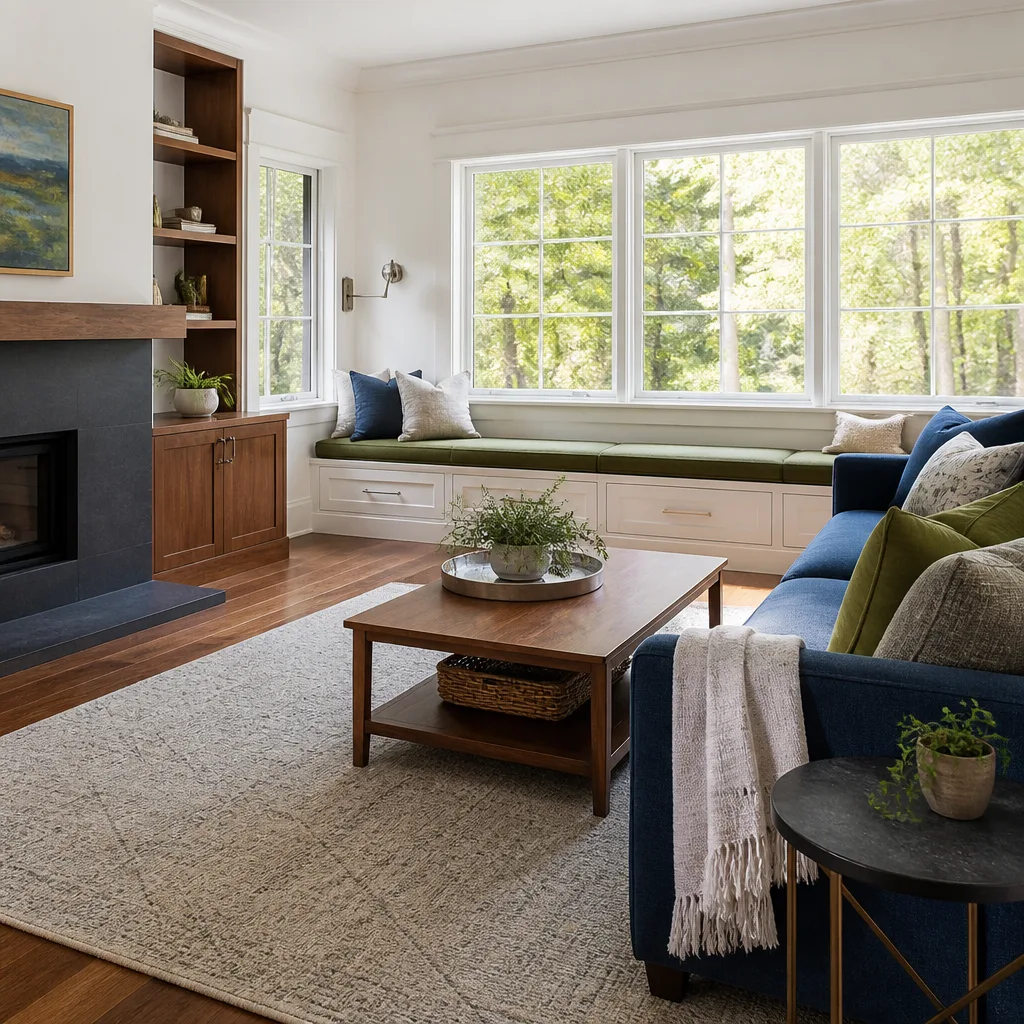
A quality window unit in Los Angeles generally lasts 20 to 30 years, but the seals on insulating glass units can fail in half that time when the window gets direct afternoon sun on a west-facing prefab wall. We still service other brands we stock parts for, including KraftMaid, Cambria, and Silestone for cabinetry and surface work, so we have a realistic picture of how quickly factory finishes break down in this climate.
Latch hardware, weatherstripping, and hinge adjustments can usually be repaired on site. A failed insulating glass unit can sometimes be replaced without changing the whole frame, but if the frame substrate is soft or the rough opening was set wrong from the start, replacement is the less expensive path. Call (903) 568-7222 for an exact diagnosis and a written quote either way.
Most single-unit replacements are a one-day job. A door that requires frame correction or a window that requires re-flashing the surrounding panel may take two days. We set the schedule in the written scope before work starts, so you know which day you’ll be home and which day the job closes out.
We keep common latch sets, weatherstripping, adjustable hinges, and shim packs on hand. Full window and door units are ordered to the exact rough-opening measurement, which usually means a few business days from order to install in Los Angeles. We don’t stock generic units and force them into your openings.
Written by Curtis Lane, Owner, Bradford Remodeling at Bradford Remodeling, serving Los Angeles and nearby areas.