Free written scope consultation - allowances, timeline, and change-order rules on paper before a single trade is scheduled
Tuff Shed Driveway & Pavers: The Los Angeles Owner’s Guide
If your Tuff Shed sits on a cracked, sinking, or washed-out driveway or paver base, we stock and install Tuff Shed-compatible driveway and paver materials in Los Angeles, with most paver driveway installations running $8,260 – $21,240 depending on square footage, base prep, and access. Most owners discover the problem the same way: the shed doors start dragging, water pools against the foundation, or the pavers in front of the ramp settle into a low spot. Here’s the thing most people don’t realize until they’re standing in it: the driveway or paver pad under your Tuff Shed is a structural component, not a cosmetic one. When it fails, the shed’s framing takes the punishment.
We’re an independent service provider. We’re not affiliated with Tuff Shed, but we work on their product lines every week across Los Angeles, and we know exactly which base specs their install crews expect and which shortcuts cause trouble three or four years down the road.
Which Tuff Shed Models This Applies To
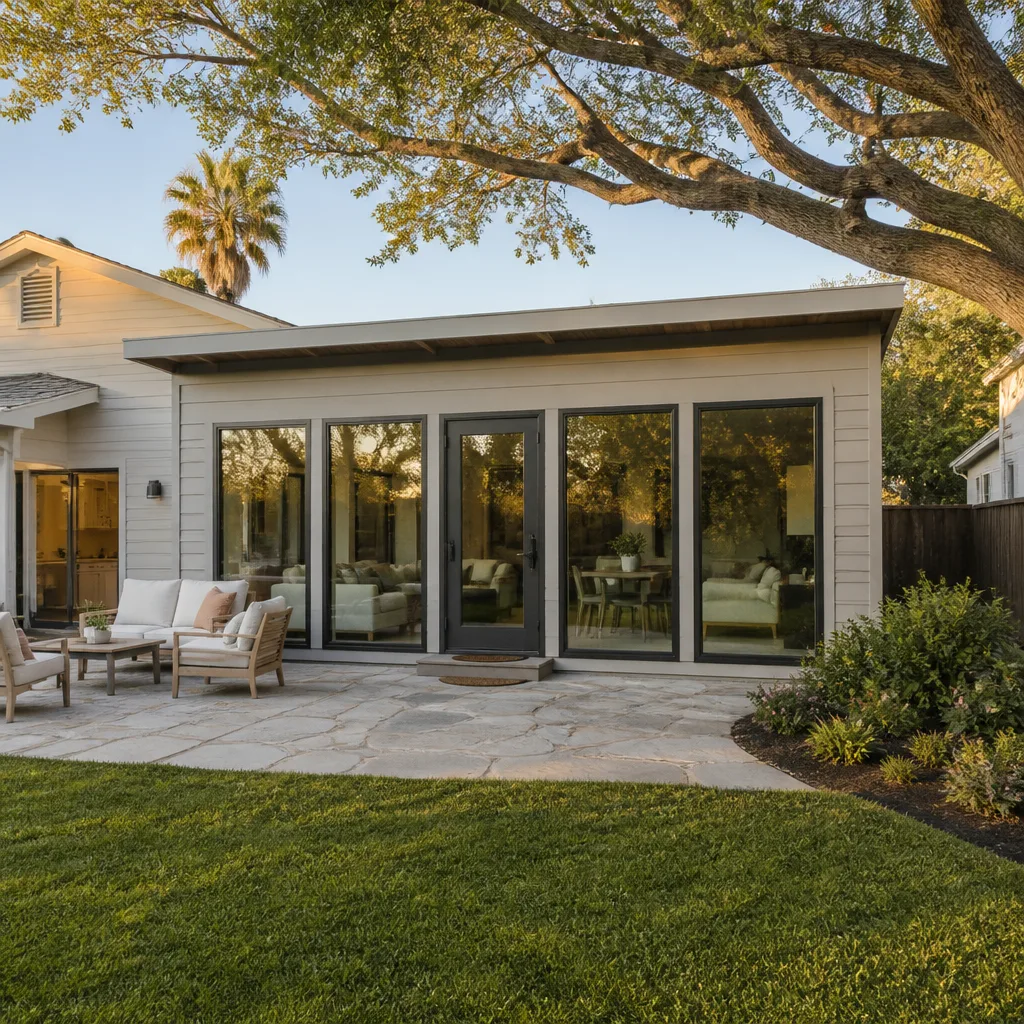
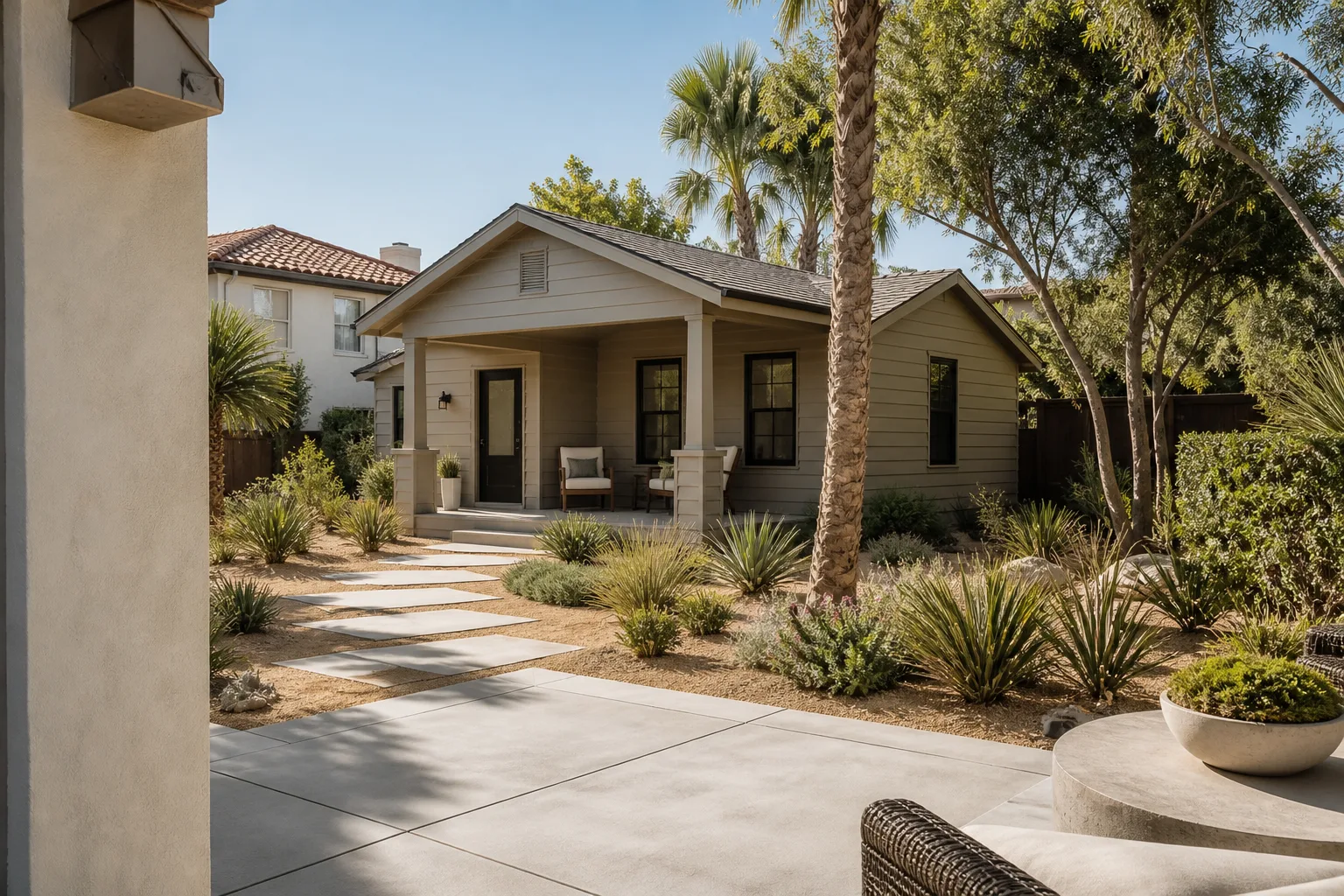
Tuff Shed builds on two basic foundation approaches, and the driveway or paver work ties directly to both. The Premier Series and Pro Series sheds, which are the installed-on-site models most common in Los Angeles backyards, sit on a leveled gravel pad or concrete slab with a floor system bolted on top. The Ranch and Utility series, which arrive pre-built or as kits, often get set on pavers or a compacted base without a full slab. The part that fails is almost never the shed itself. It’s what’s under and around it.
When we quote a driveway or paver job for a Tuff Shed, we ask the same three questions first: What series is the shed? Is there a ramp kit, and does it bear on the driveway or on its own ledge? What’s under the existing surface, because in Los Angeles it’s usually a few inches of sand over expansive clay, which moves. Here’s the compatibility gotcha: if your Tuff Shed has a ramp, the ramp’s bottom plate should land on a solid edge, not a floating paver. Whenever we see pavers that drop half an inch at the ramp line, the fix is pulling that section and re-compacting it with a proper edge restraint, not adding more sand. If you don’t have the original spec sheet, measure the shed’s footprint and check for a stamped plate inside the door frame. That plate gives us the model and the as-built dimensions, and it settles most questions before we quote.
On materials: Tuff Shed doesn’t manufacture driveway pavers. Their “recommended” base calls for a 4-inch compacted gravel pad, and that’s the standard we match or exceed. For pavers, we install Belgard and Unilock products in Los Angeles because they hold up to the heat and the occasional winter rain cycle without the surface pitting you see in cheaper concrete pavers after five or six summers. OEM “Tuff Shed” branded gravel and base kits exist through their direct sales channel, but for driveway work in front of the shed, a quality aftermarket paver and a properly engineered base is the better long-term play. That’s not upselling. It’s what survives a Los Angeles August and a February downpour without moving.
Styles & brands we work with
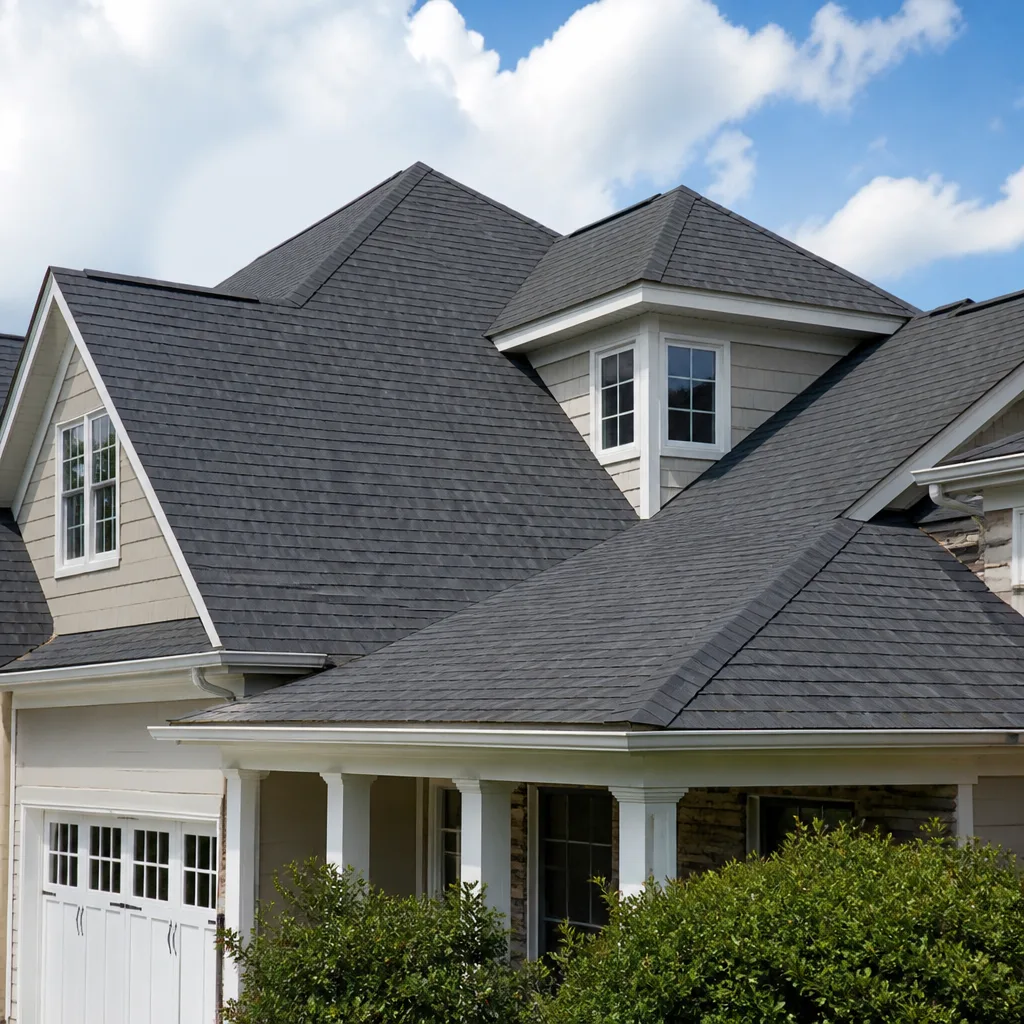
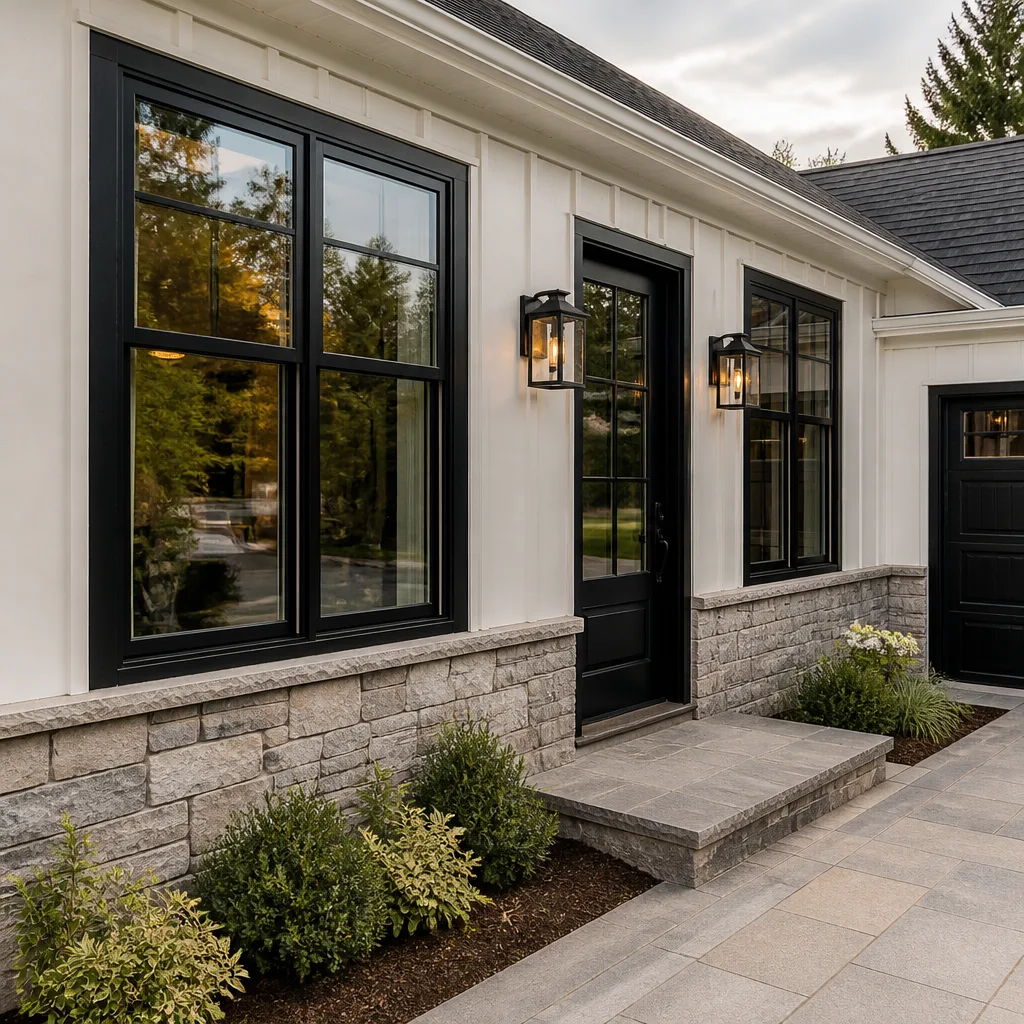
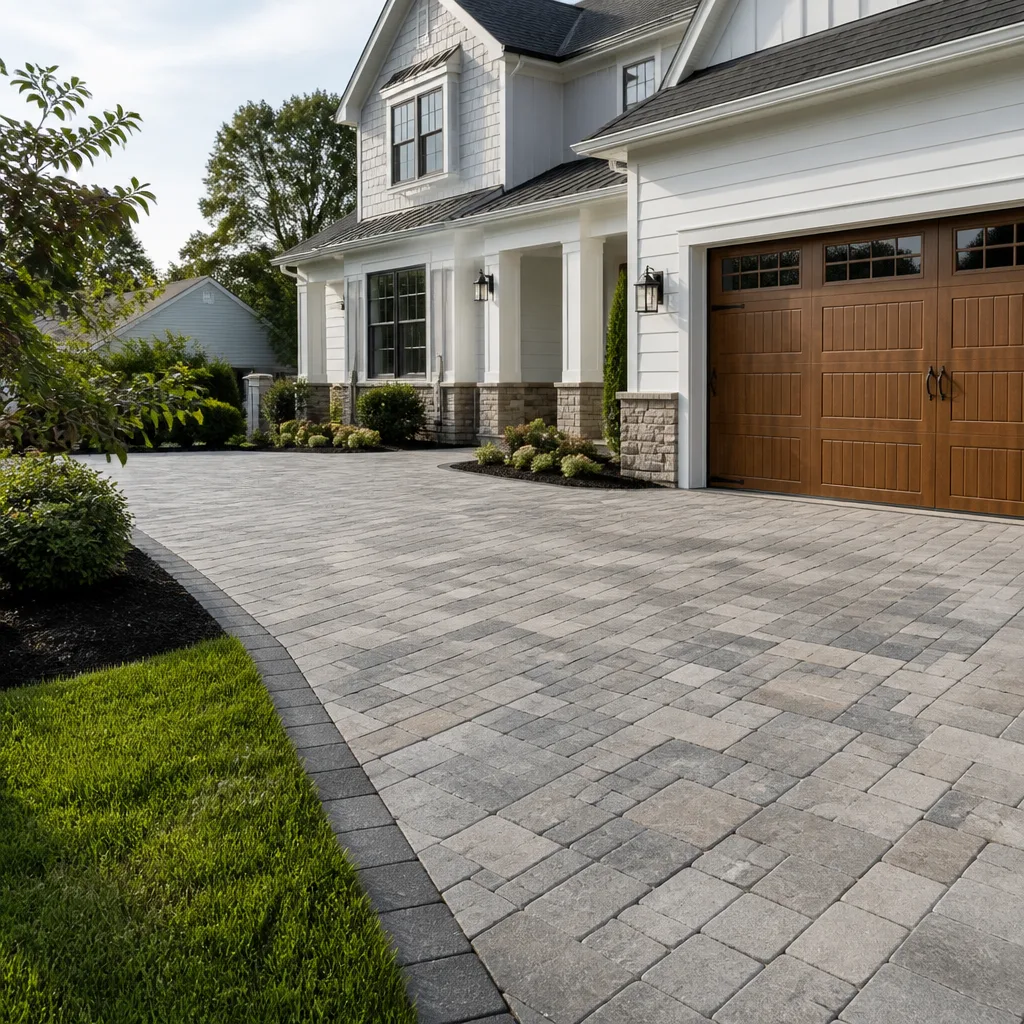
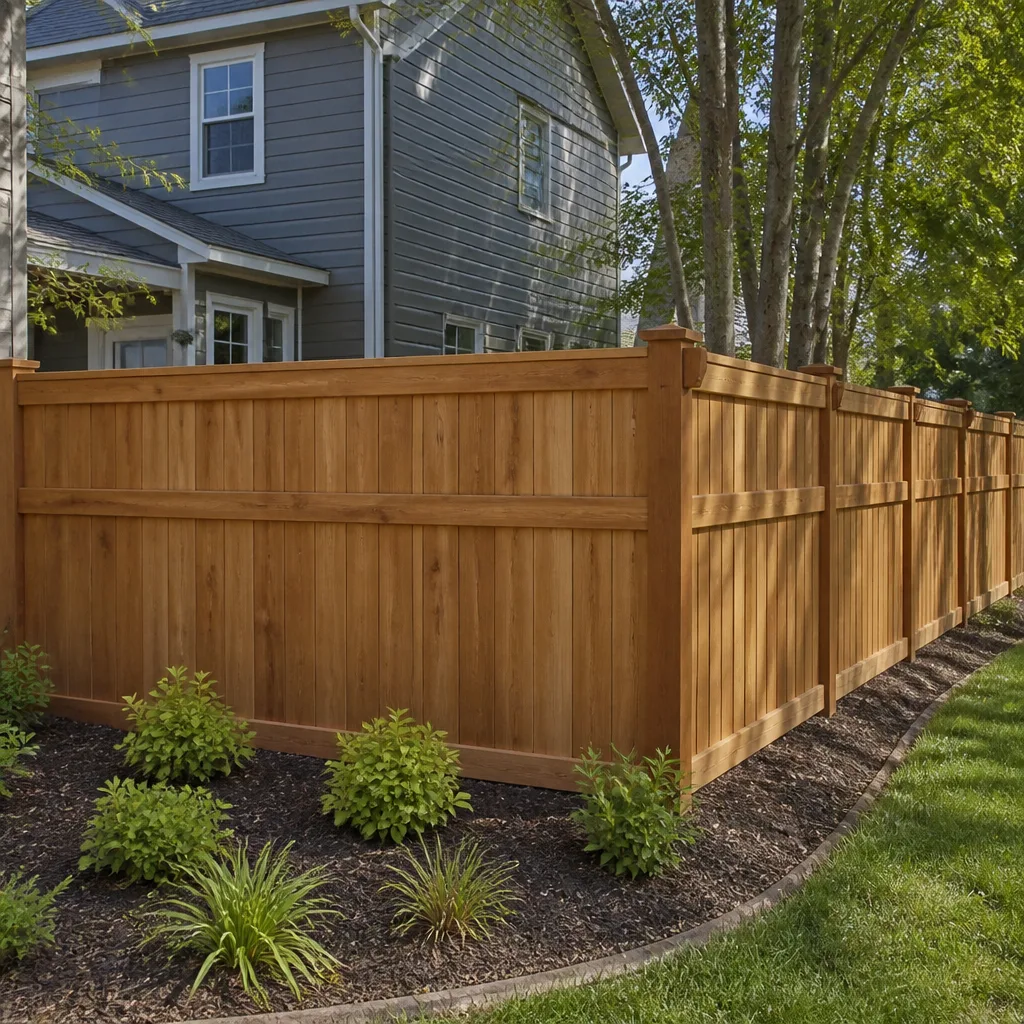
Signs Your Tuff Shed Driveway & Pavers Is Failing
- Pavers sink or tilt at the shed ramp line. The base wasn’t compacted in lifts, or water has washed the fines out. The ramp loses its bearing edge, and over time the shed door binds.
- Water pools against the shed foundation after rain. The driveway or paver pad has lost its slope, so runoff sits against the floor frame. In Los Angeles, that standing water against the sill plate is how you get rot and termite activity inside two or three winters.
- The ramp scrapes the driveway when you pull the door open. A sign the pavers in front of the shed have lifted, typically from clay expansion under the base. This one gets worse every wet season.
- Cracks spider outward from a corner of the shed’s footprint. That corner is carrying more weight than it should, which usually means the base settled unevenly. The concrete or paver cracks, then the shed floor follows.
- Sand or gravel washes out from under the paver edges after every rain. The edge restraint failed or was never installed. Once the fines wash out, the pavers lose interlock and start moving independently.
Any one of these is a repair we’d rather do now than after the shed itself starts moving, because once the shed floor flexes, the wall studs and the door framing start working against each other, and that’s a much bigger invoice.
See the difference
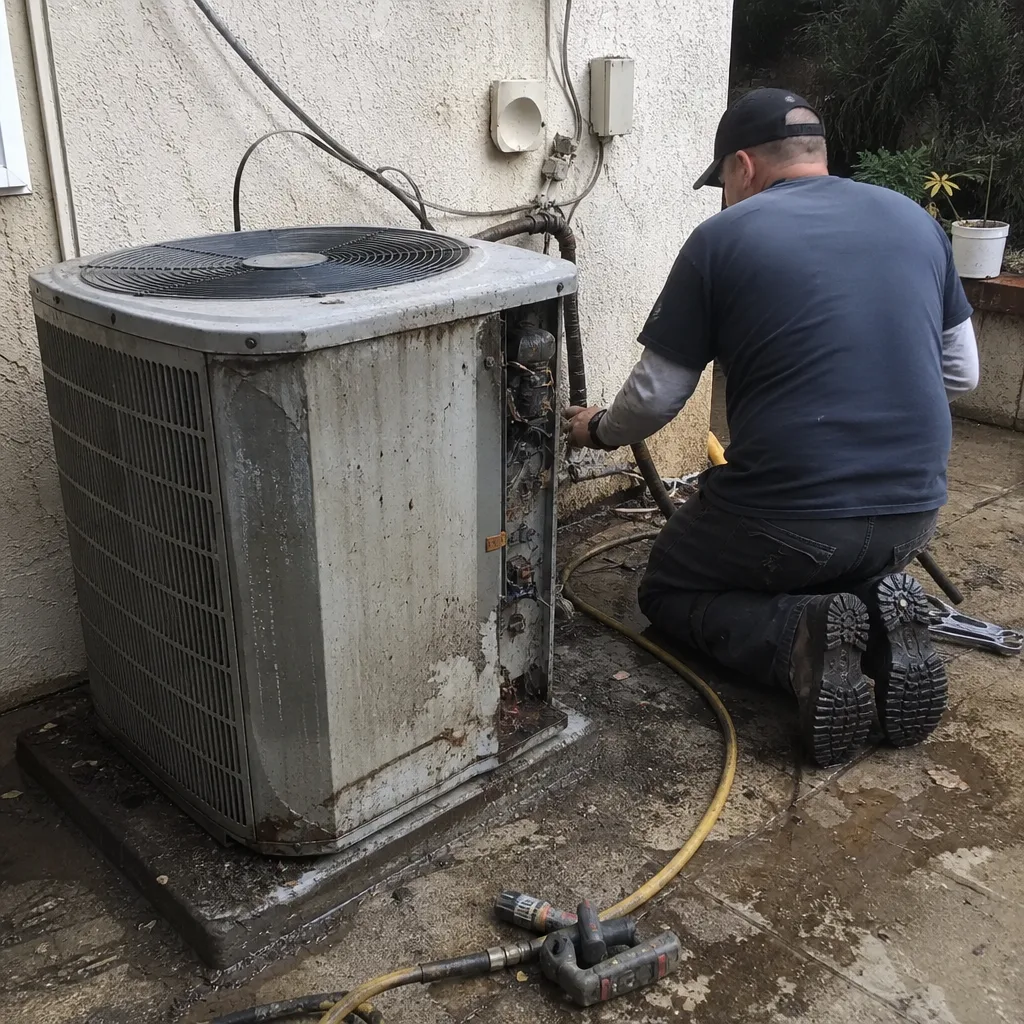 Before
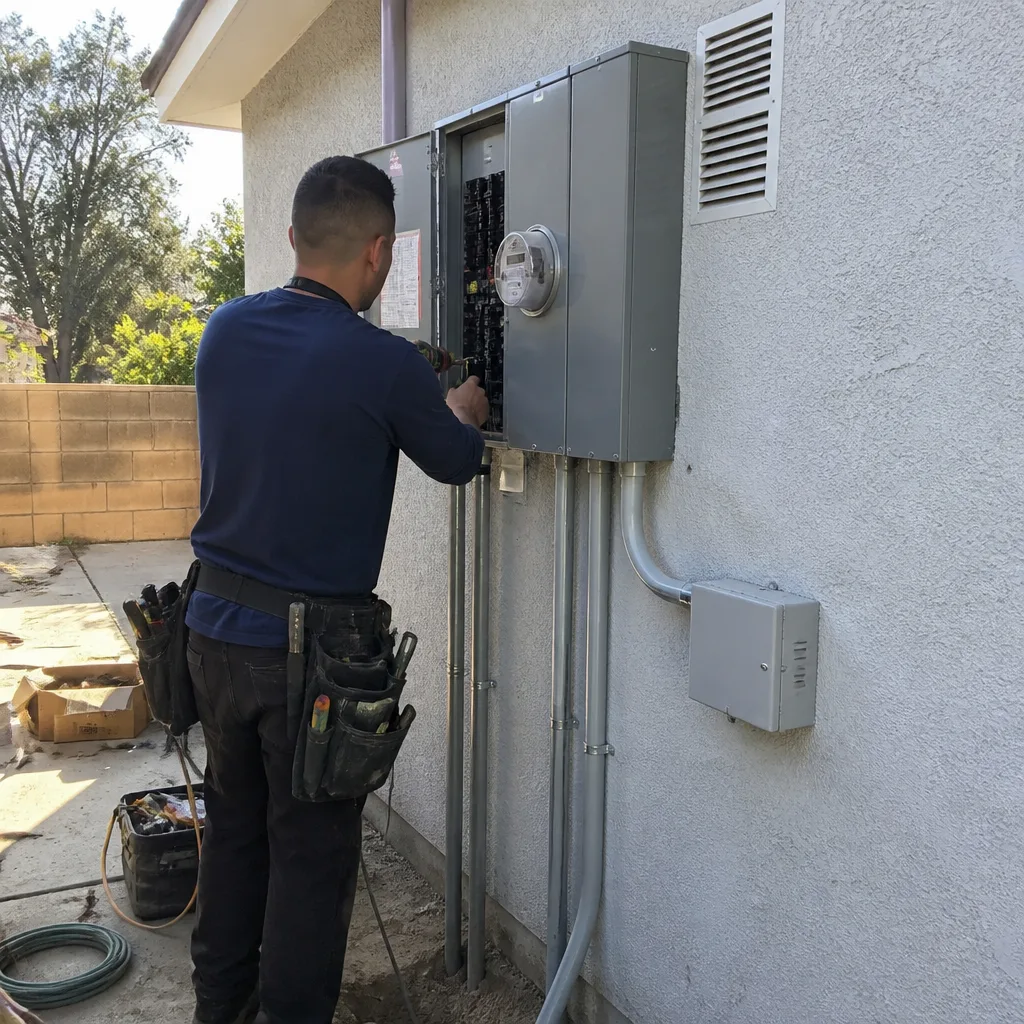 After
After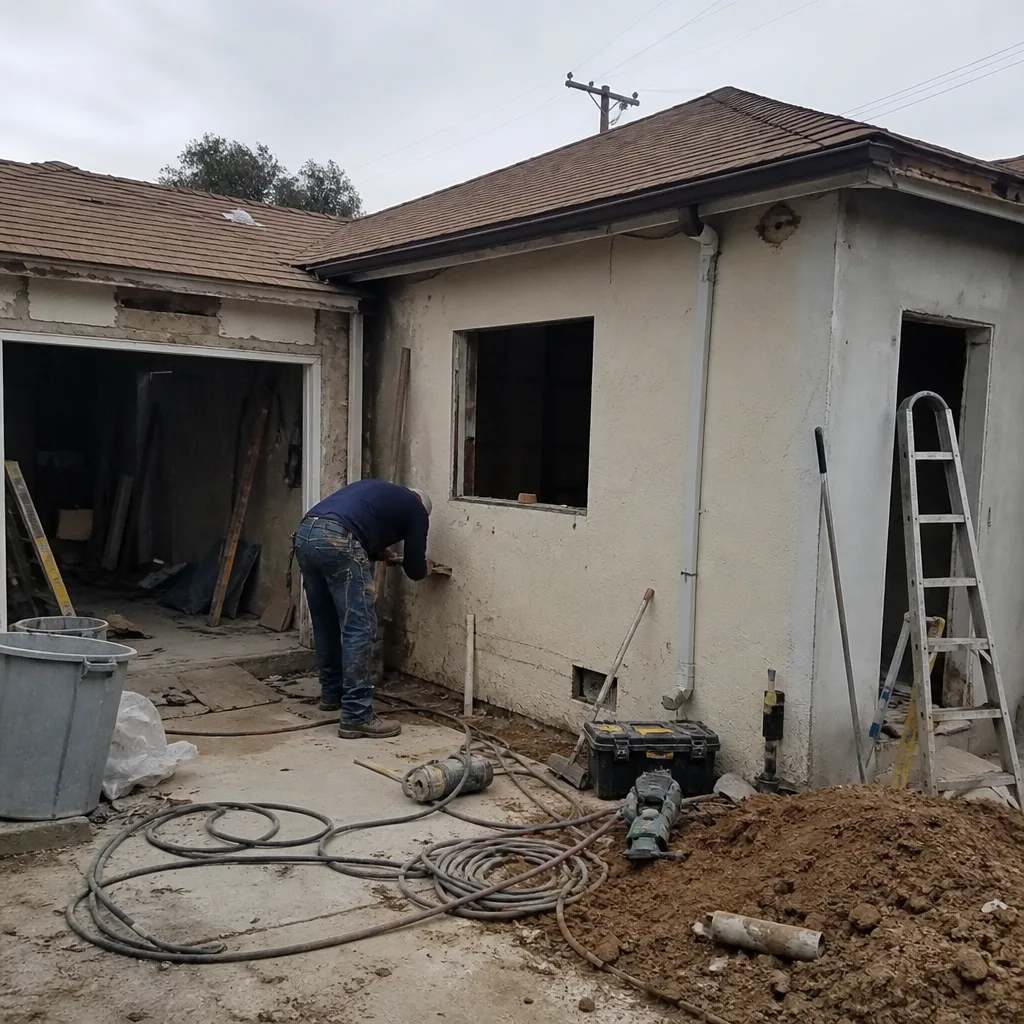 Before
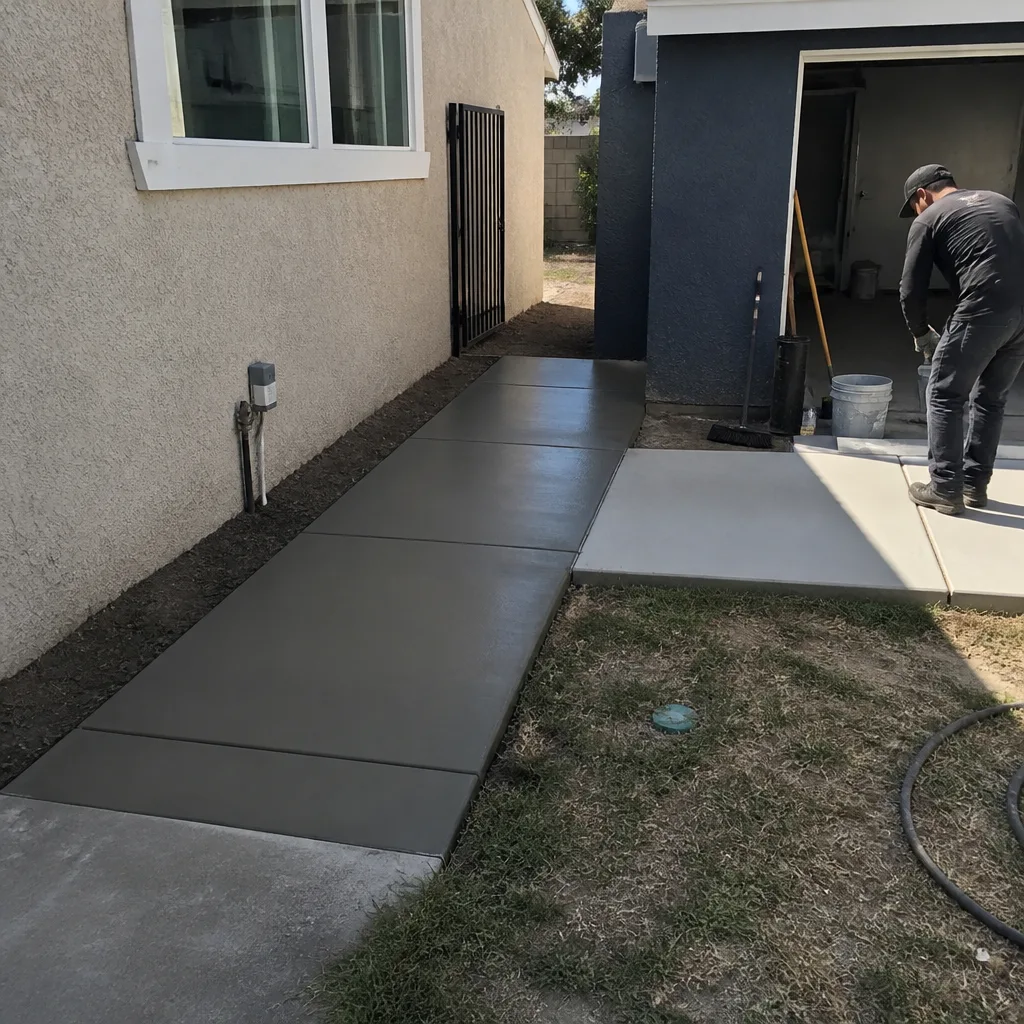 After
After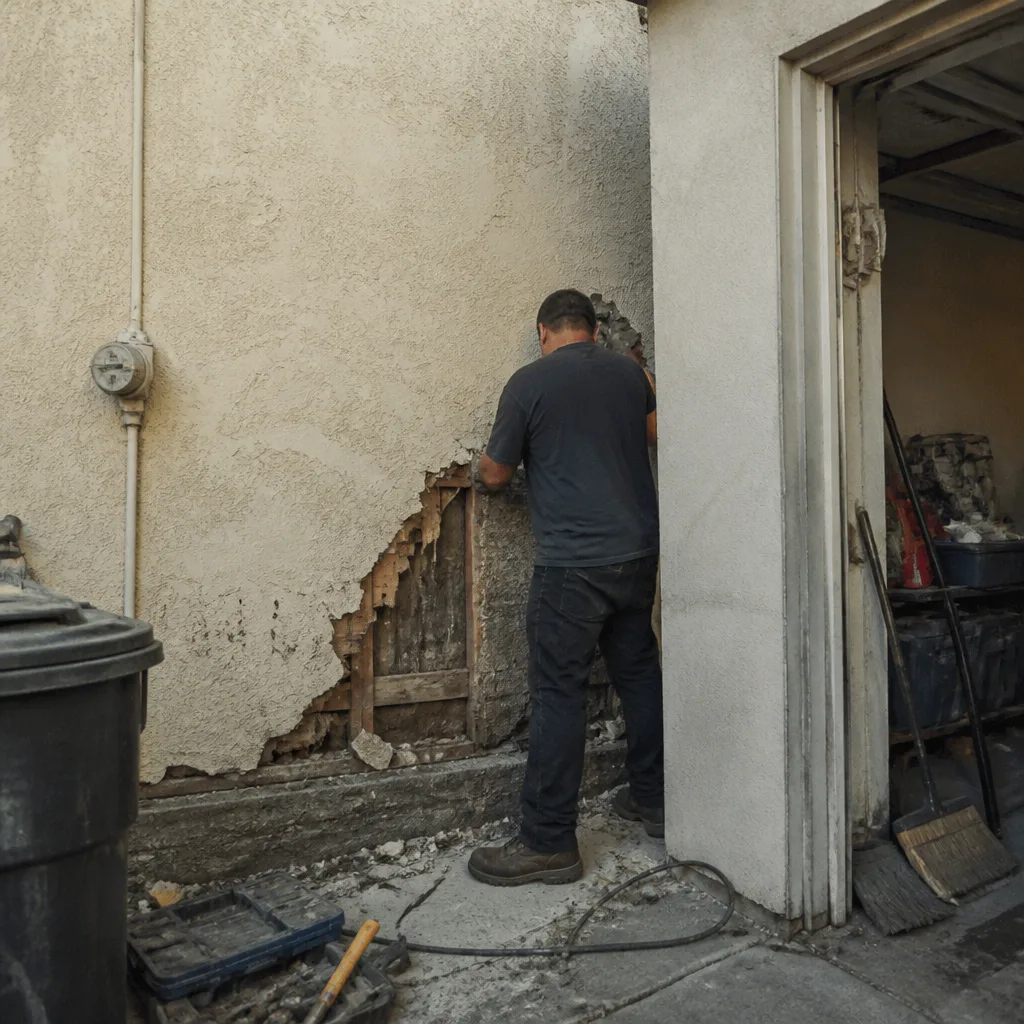 Before
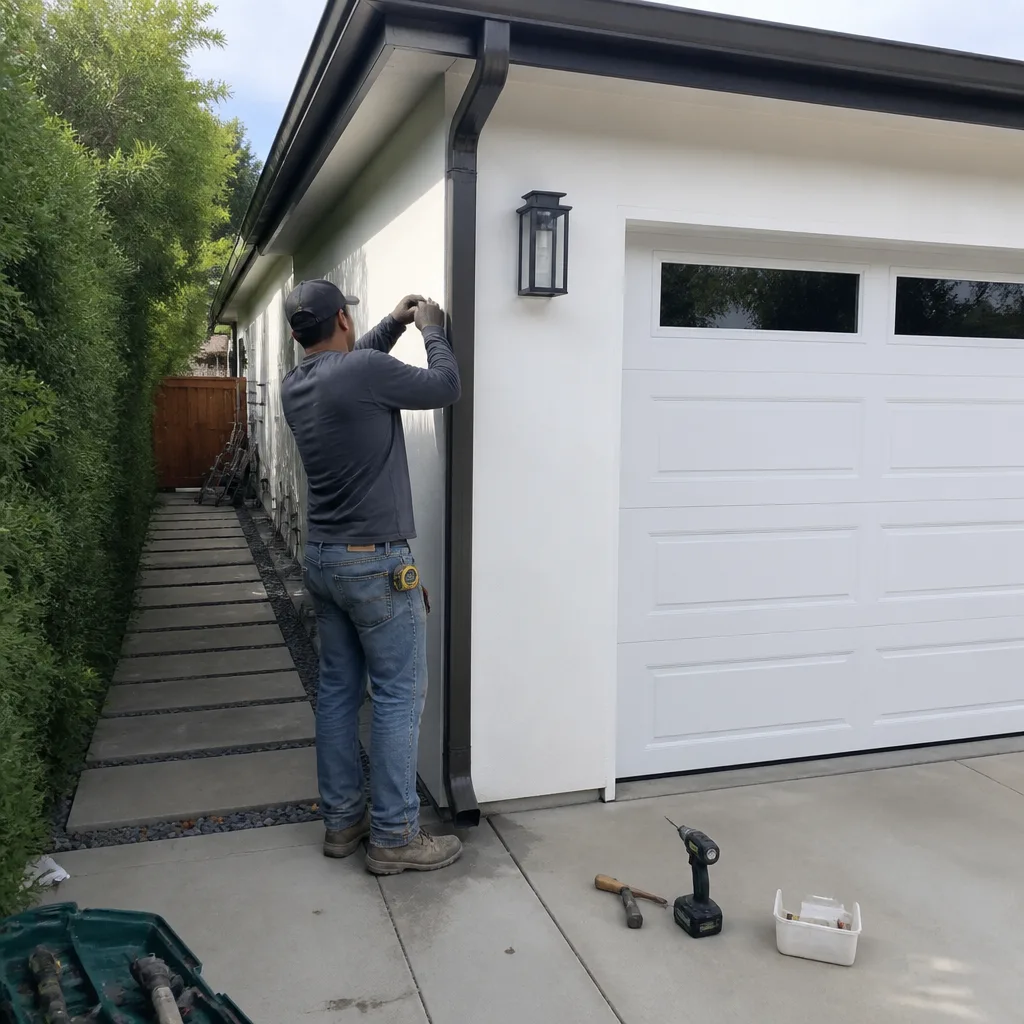 After
AfterReplacement Cost & What’s Included
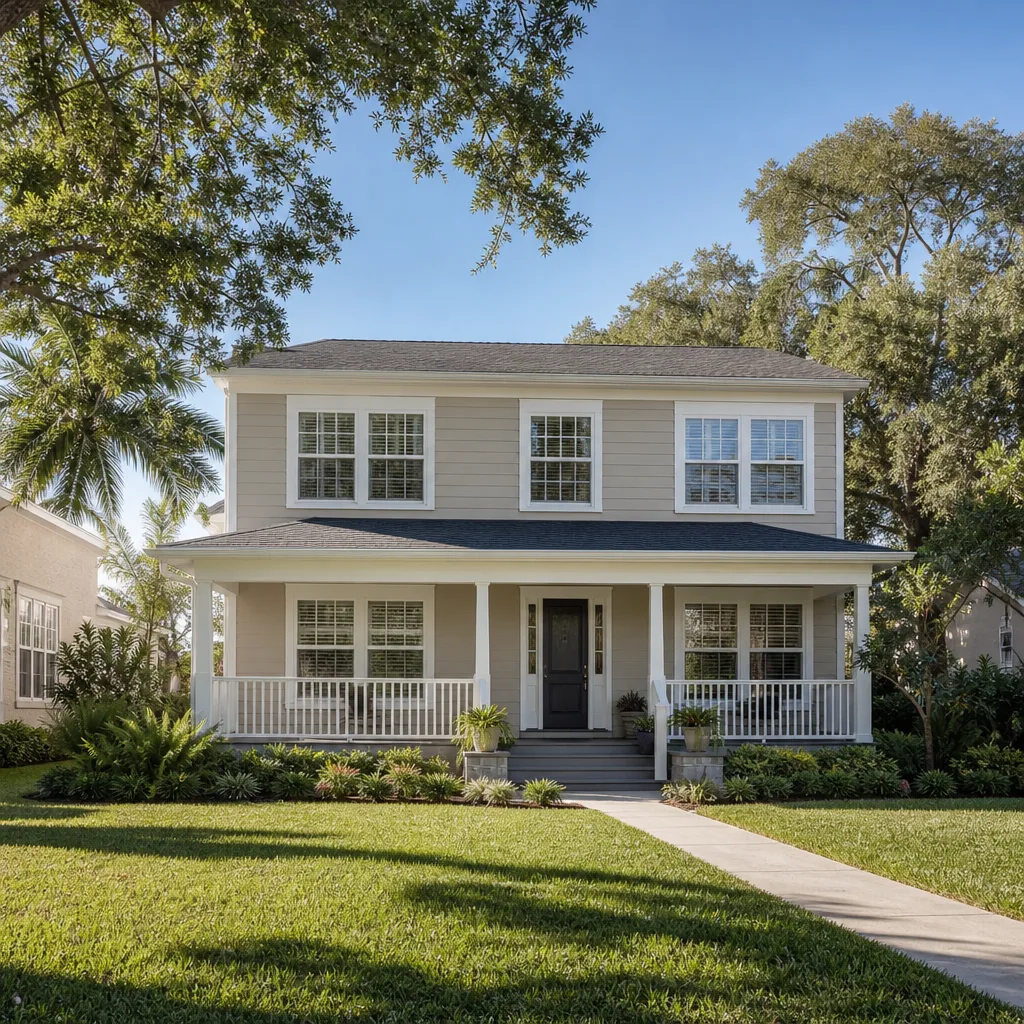
For a Tuff Shed driveway or paver pad in Los Angeles, the installed range is $8,260 – $21,240 for a paver driveway, and $5,310 – $14,160 if you go with a concrete driveway instead. A smaller paver patio or pad just in front of the shed typically lands between $4,130 – $12,980. What drives the spread: square footage, access for equipment, whether we’re removing and hauling the old surface, and how much base correction the soil needs. Los Angeles sits on a lot of expansive clay, especially in the Valley and up toward the foothills, and clay moves. If the existing base is under-compacted or full of organic material, we’re digging deeper and rebuilding it properly, and that work is in the written quote, not a surprise line item at the end.
Every quote includes the price in writing before work starts. What’s covered: demolition and haul-off of the old surface, base excavation and compaction, geotextile fabric where the soil calls for it, the paver or concrete install, edge restraint, and final grading so water runs away from the shed. The work carries the 365-Day Done Right Promise in writing. If the driveway or paver pad fails inside that year, Bradford Remodeling comes back and corrects it at no charge. Straight number, real scope, no surprises at the punch list.
DIY or Call Us?
What you can safely check yourself: look for pavers that have shifted more than a quarter inch, check whether water pools against the shed after rain, and run a level across the ramp line. Those observations help us quote faster. What you should not do is pull up a failing paver section and start re-leveling it. The part that fails is almost always the base, not the pavers themselves, and adding sand or shifting pavers around without re-compacting the base just buys you six months and makes the real repair more involved. There’s also the practical reality: for a full Tuff Shed driveway replacement, you’re moving tons of material and using a plate compactor. That’s equipment and work we do every week in Los Angeles, and it’s exactly the kind of thing that looks straightforward on a Saturday and ends with a sore back and a pad that still drains wrong on Sunday.
If it’s an inspection, a repair, or a full replacement, call (903) 568-7222 and we’ll put a number in writing. The estimate is free, and nobody shows up without you knowing exactly who’s coming.
FAQs
A properly built paver driveway with a compacted base should last 25 to 30 years in Los Angeles before the pavers themselves need attention, though surface wear depends on traffic and sun exposure. The base, if built right, should not need rework inside that window. Call (903) 568-7222 and we’ll tell you honestly whether your existing pad is a candidate for repair or a rebuild.
Yes, if the failure is localized and the base in the surrounding sections is still sound, we can pull the affected area, re-compact, and re-set the pavers. If the base failure runs under multiple sections, a partial repair turns into a patch job that moves the problem around. We’ll tell you which one you have after we see it.
Most Tuff Shed driveway and paver replacements in Los Angeles take 3 to 5 working days from demolition through final compaction, depending on size and access. Weather in Los Angeles rarely pushes the schedule, but we don’t pour or compact in standing water, so a January rain window can add a day.
We stock and source Belgard and Unilock pavers directly, along with the base rock, sand, and geotextile fabric we use on Tuff Shed-adjacent work. We also specify materials for KraftMaid, Cambria, and Silestone projects when the scope ties into a larger remodel, so the materials on your quote are the materials that show up on the truck.
Written by Curtis Lane, Owner, Bradford Remodeling at Bradford Remodeling, serving Los Angeles and nearby areas.