Free written scope consultation - allowances, timeline, and change-order rules on paper before a single trade is scheduled
James Hardie Driveway & Pavers: The Los Angeles Owner’s Guide
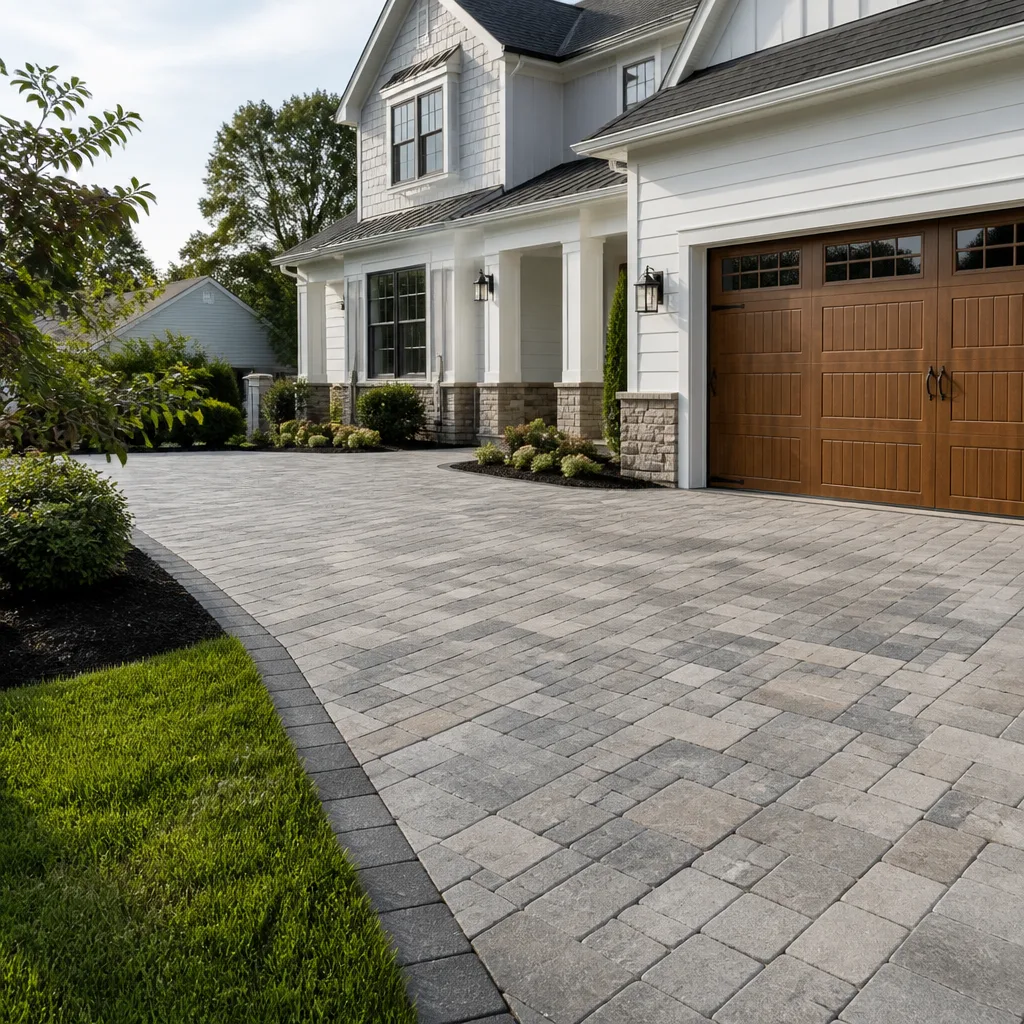
If you’re searching for James Hardie driveway and paver work in Los Angeles, you’ve likely discovered something most homeowners don’t: James Hardie doesn’t manufacture driveway pavers. What we handle at Bradford Remodeling is the intersection where James Hardie siding, trim, and exterior board meet hardscape transitions, driveway edges, and paver layouts. Installed paver driveway work in Los Angeles typically runs $8,260 to $21,240, depending on square footage, substrate condition, and drainage requirements. Most owners call us when they notice the seam between their Hardie siding and driveway surface failing, or when pavers have shifted against a Hardie-clad foundation wall.
This is not a parts-counter situation. Nobody ships a “James Hardie driveway paver” from a warehouse. What you need is a contractor who understands how Hardie products interact with ground-level hardscape, and who can address the failure point without guesswork. Curtis Lane has been working with James Hardie exterior systems across the Los Angeles Basin for the better part of two decades, and the transitions between siding and hardscape are where many jobs go wrong long before the siding itself fails.
Which James Hardie Models This Applies To
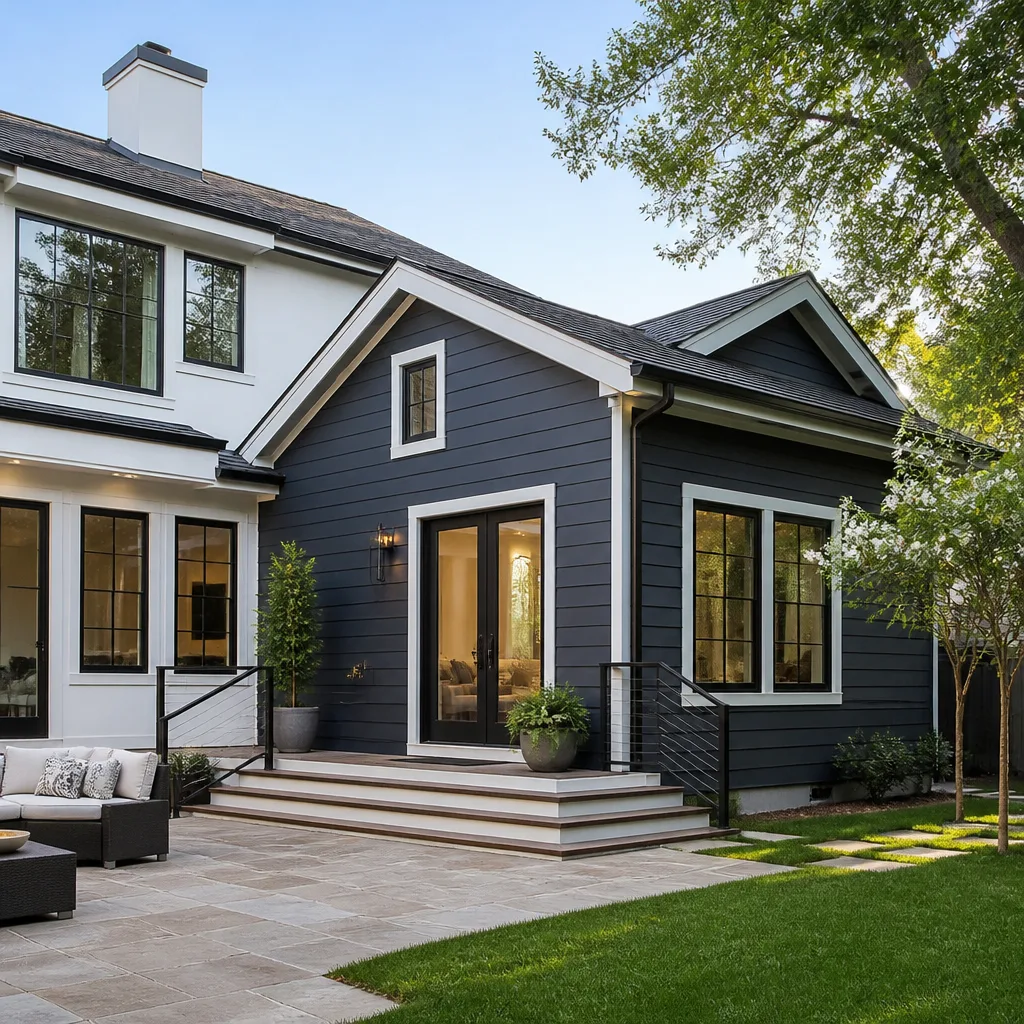
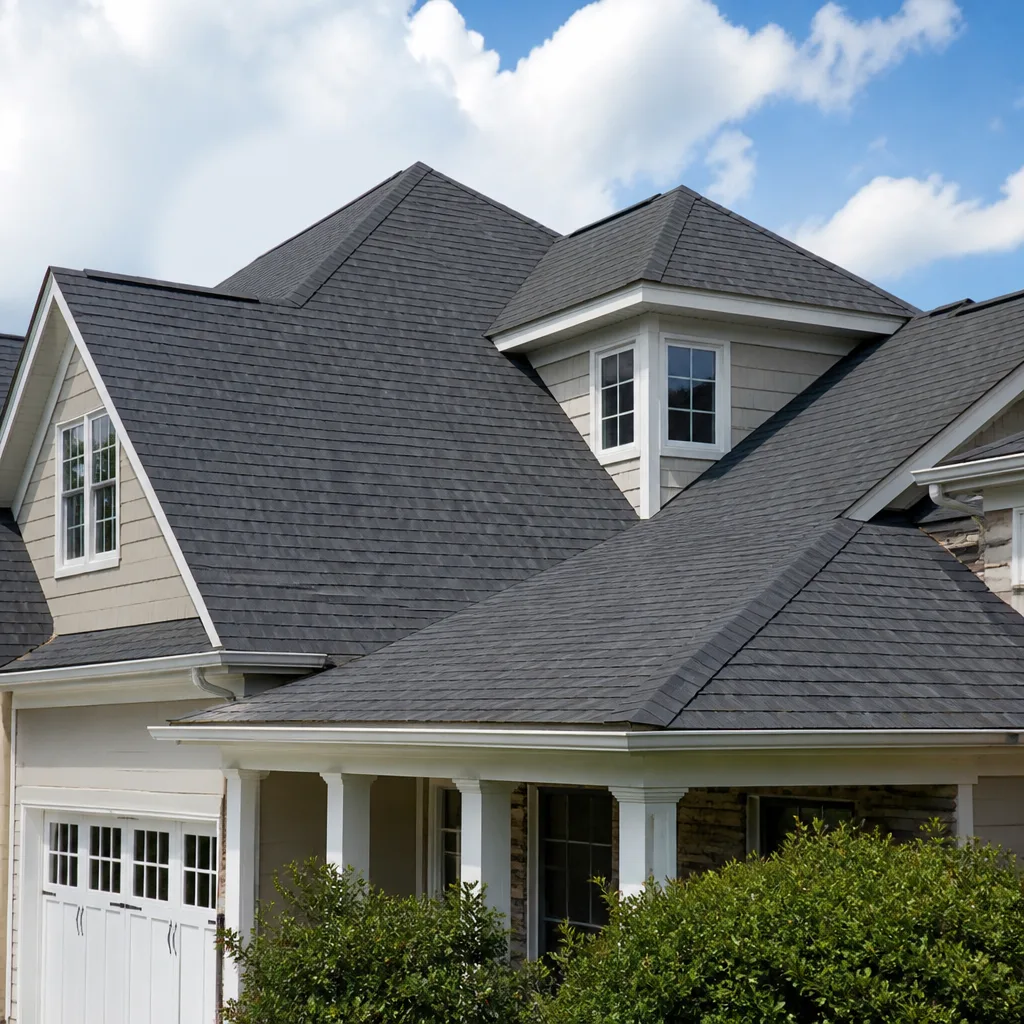
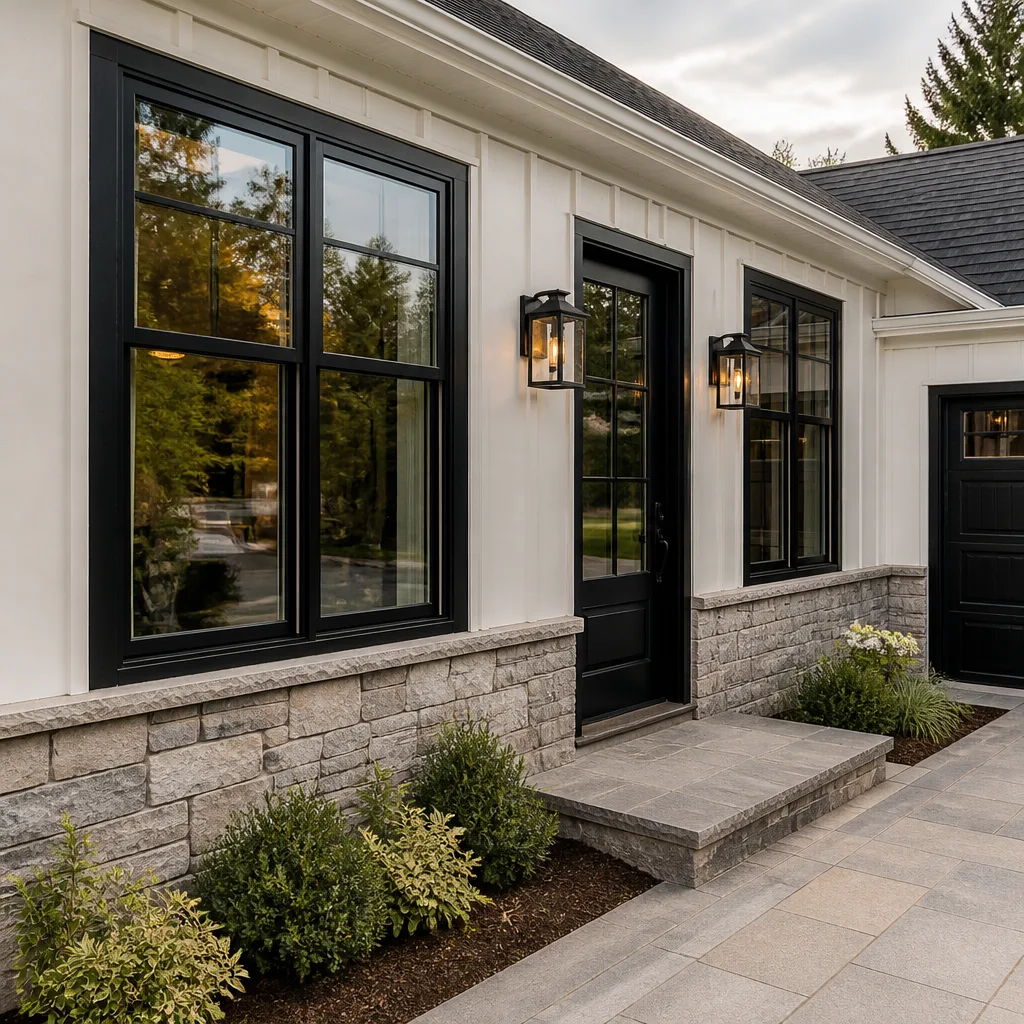
If your home carries James Hardie exterior product, the models that matter at driveway and paver level are HardiePlank lap siding, HardiePanel vertical siding, and HardieTrim boards, typically in 4×8, 4×9, or 4×10 sheet sizes for panel applications. The key measurement you’ll want before calling us: the distance from the bottom edge of your lowest siding course or trim board to the finished grade of your driveway or paver surface. In Los Angeles, code and Hardie installation guidance call for a minimum clearance between siding and ground contact, usually 2 to 6 inches depending on substrate and drainage conditions.
Here’s the compatibility gotcha most people miss: James Hardie siding is not rated for ground contact or continuous moisture wicking. When pavers or driveway material are installed too high against HardiePlank or HardiePanel, water from sprinkler overspray, rain runoff, and morning dew gets drawn up behind the board. In Los Angeles’s wet winters, that moisture cycle causes swelling, paint failure, and eventually board delamination at the base edge. If your HardieTrim bottom edge sits flush or below the top of an adjacent paver, you’ve got a transition failure waiting to happen. We check this on every exterior assessment we do, and we document it in the written scope before any repair or replacement begins.
Styles & brands we work with
Signs Your James Hardie Driveway & Pavers Is Failing
- Base-edge staining or swelling on Hardie board above the paver line. This means water is wicking upward from the hardscape. The fix is lowering the paver or driveway edge, not just sanding and repainting the board. Repaint over a moisture problem, and you’ll be back in the same spot inside twelve months.
- Shifted or sunken pavers along the driveway edge. Los Angeles clay soil expands and contracts dramatically with seasonal moisture. Without a proper compacted base and edge restraint, pavers migrate. When they migrate toward a Hardie-clad wall, they become a moisture bridge.
- Cracks in the concrete or paver joints within three feet of Hardie siding. This often means the original hardscape was poured or set against the wall with insufficient expansion gap. Heat expansion in Los Angeles summers pushes the surface into the siding line.
- Caulking separation where driveway meets Hardie trim. Sealants at that transition point fail faster than most homeowners expect. Sun exposure, tire weight, and thermal movement break the bond. Once separation happens, water finds its way down and behind the base board.
- Wood or fiber cement rot at the bottom course. If you see the bottom Hardie board softening or peeling, you’re past the prevention stage. The board needs replacement, and the hardscape transition that caused it needs correction in the same visit.
See the difference
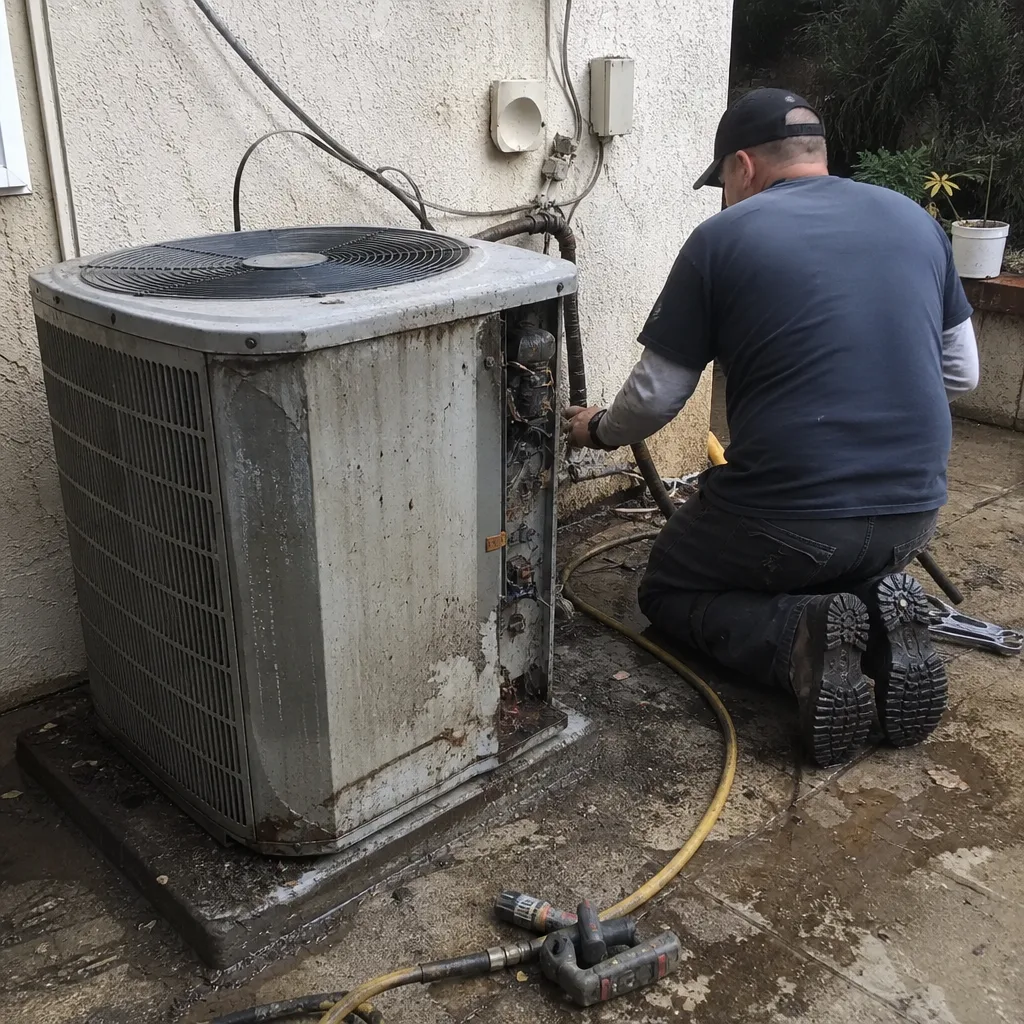 Before
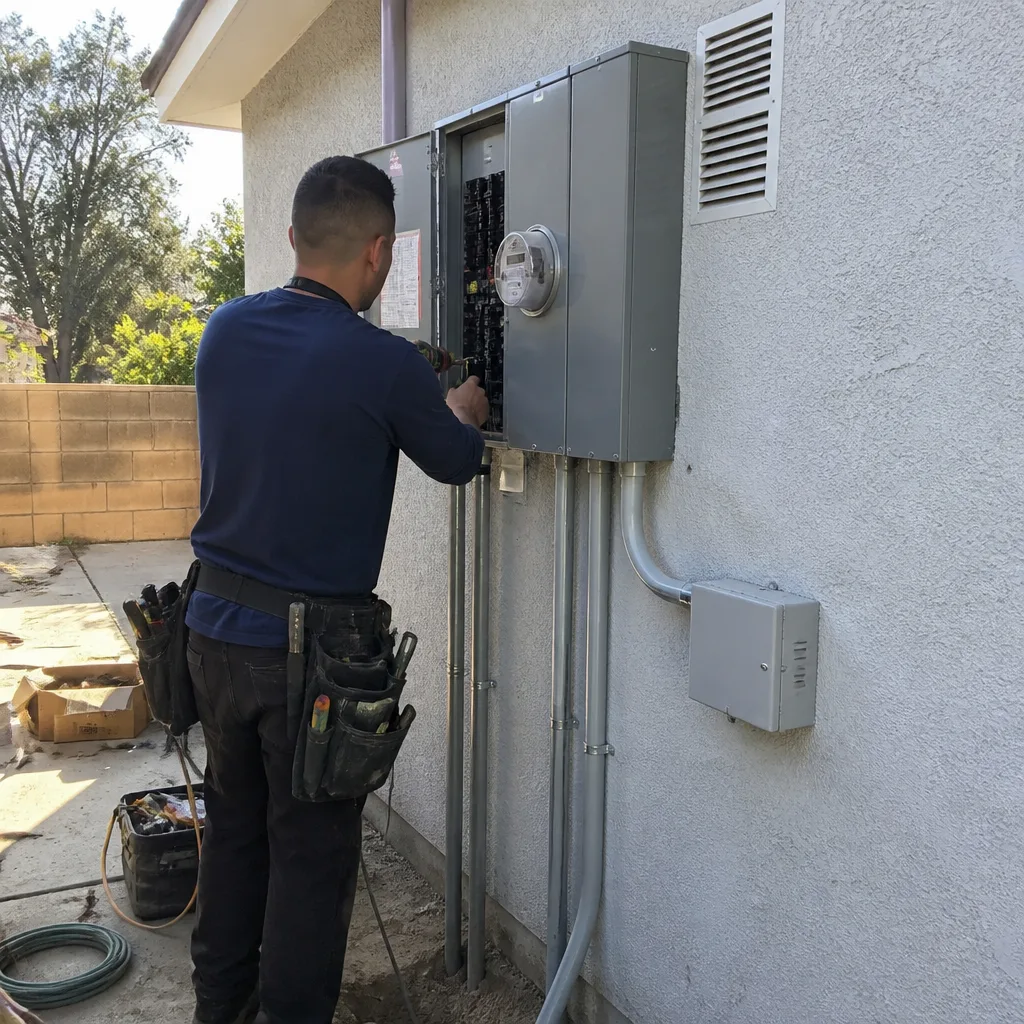 After
After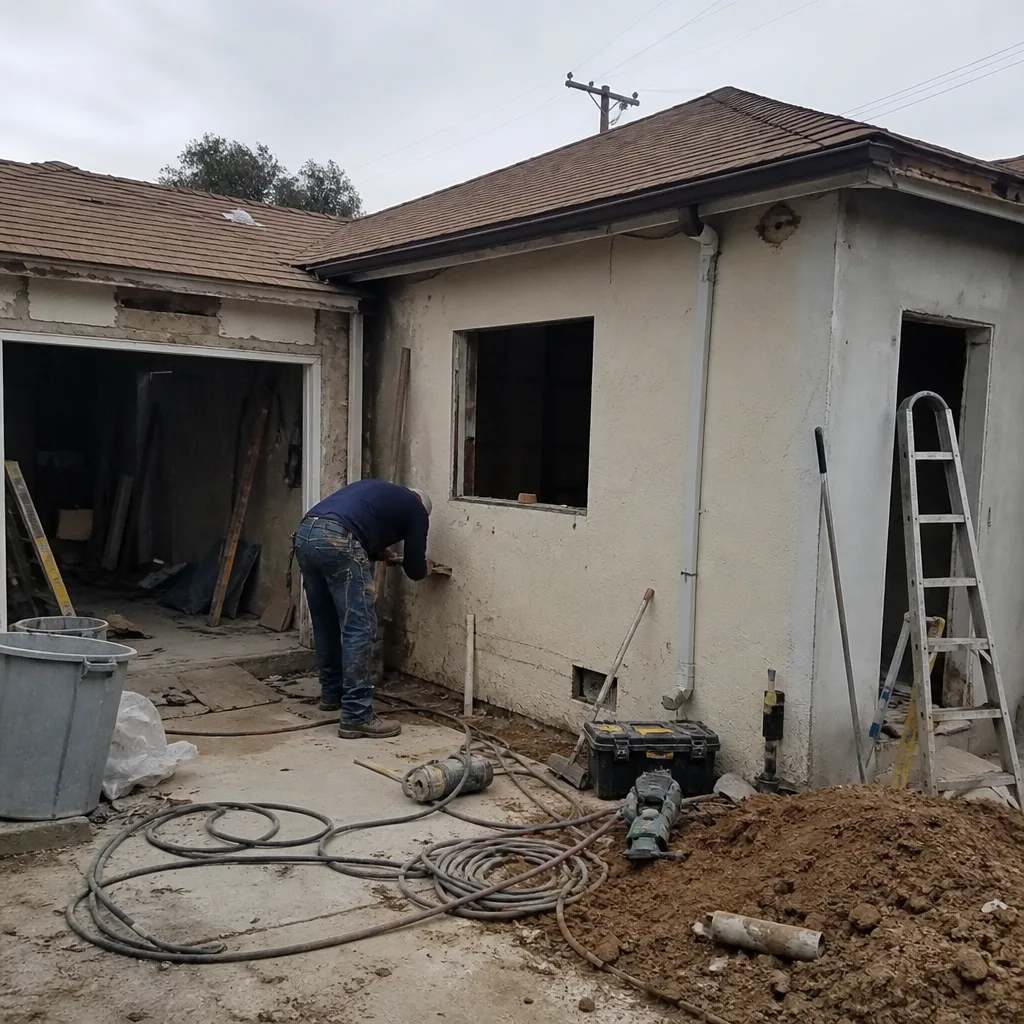 Before
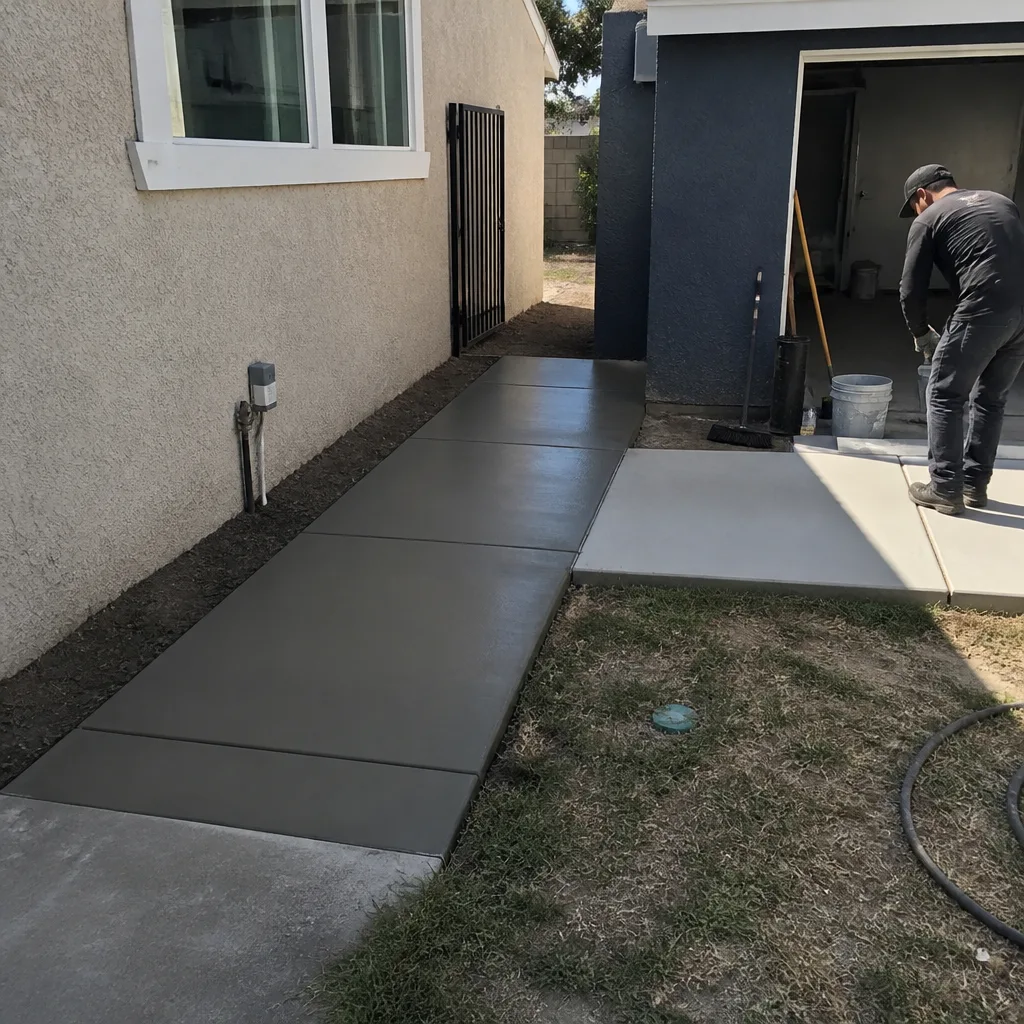 After
After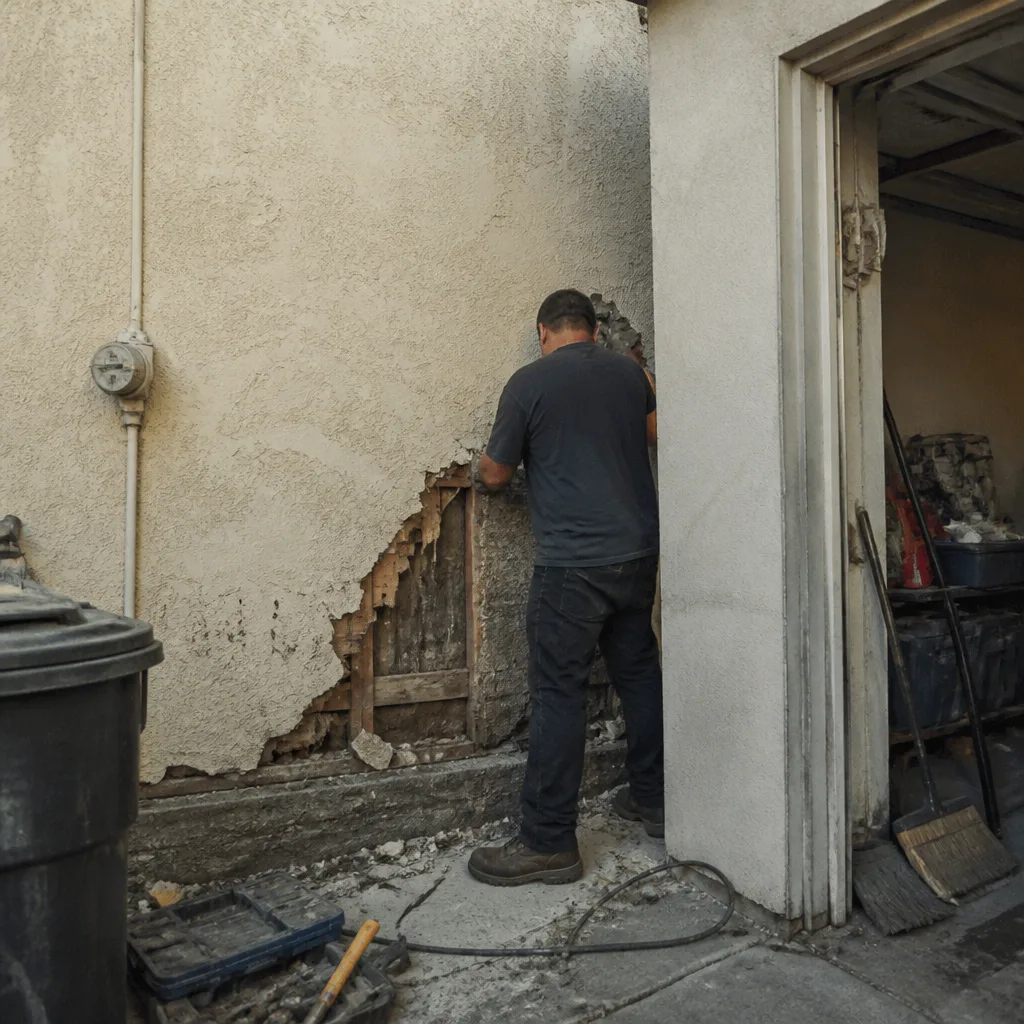 Before
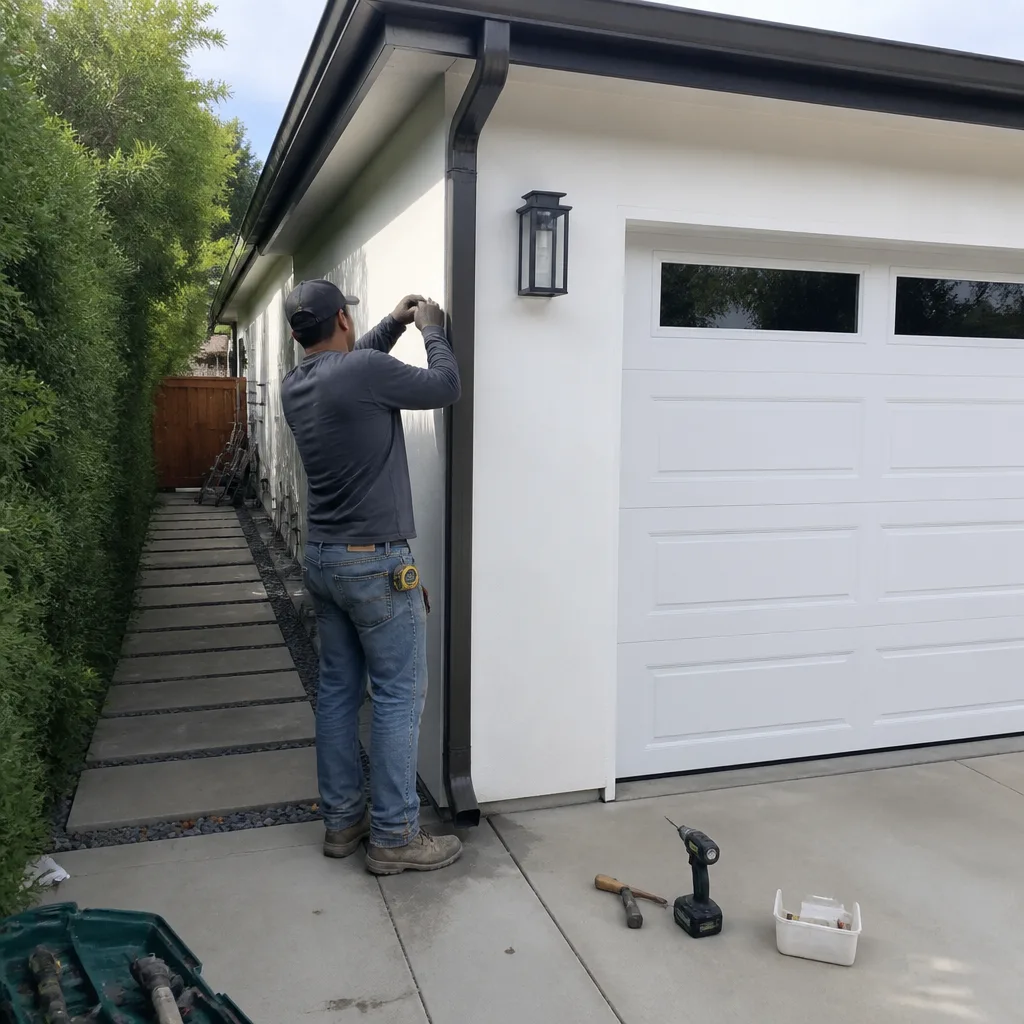 After
AfterReplacement Cost & What’s Included
Paver driveway installation in Los Angeles runs $8,260 to $21,240 at Bradford Remodeling. That’s a written, line-item price before any work starts, covering demolition of the failed surface, base preparation, drainage correction where the site calls for it, paver installation, edge restraint, and joint sand. If you’re replacing an existing driveway rather than starting fresh, the range sits at $5,900 to $16,520. Driveway sealing, which we recommend before Los Angeles’s rainy season to slow water penetration into the hardscape edge near your Hardie siding, runs $295 to $825 depending on square footage.
The biggest cost drivers are access for equipment, the depth of base work needed, and whether we’re correcting a drainage problem at the same time. If your Hardie transition is the reason for the hardscape work, part of the quoted scope will include flashing or clearance correction at the wall line. We use Belgard and Unilock paver lines on hardscape work, documented in the contract, so you know exactly what’s going in. Every completed job carries the 365-Day Done Right Promise: if the work fails within one year, Bradford Remodeling returns and corrects it at no charge.
Here’s what a square deal looks like on this kind of project:
- Written price for full paver driveway install in Los Angeles: $8,260 – $21,240
- Written price for driveway replacement (tear-out and reinstall): $5,900 – $16,520
- Written price for driveway sealing: $295 – $825
- Hardie board bottom-course replacement where moisture damage is present: quoted as a separate line item after we assess board condition
Bradford Remodeling is an independent contractor. We’re not affiliated with James Hardie Corporation. What we do bring is direct experience with Hardie product installation and failure patterns, and a written guarantee on the work we perform around it.
DIY or Call Us?
There are things you can check yourself before spending money. Walk the line where your Hardie siding meets the driveway or paver surface. Look for contact points. Look for moisture staining above that line. Look for pavers sitting tight against the board with no gap. If you find any of those, what you have is a construction-sequence problem, not a handyman patch job. Digging out a paver edge or cutting back driveway material too close to your footing without proper compaction can shift load onto the foundation wall or leave the Hardie board sitting in a water trap.
This is not high-tension spring work or live electrical, so the danger level is lower than some parts pages we publish. But it’s still structural work. A bad drainage correction in Los Angeles clay soil becomes a bigger job in the next rainy season. If you’re comfortable watching and not wrenching, call us at (903) 568-7222 and we’ll send a background-checked, uniformed tech to put eyes on the transition point. The estimate is free. The report is in writing.
FAQs
With a proper compacted base and intact edge restraint, a paver driveway in Los Angeles should hold up for 25 to 40 years, though individual pavers may need resetting after major soil movement. The failure point that shortens life the fastest is moisture migration into the adjacent Hardie siding, which is a transition detail more than a paver quality issue. Call (903) 568-7222 and we’ll assess what’s happening at the wall line.
If the board is only stained from moisture that has since been corrected, you can prime and repaint. If the board is swelling, softening, or separating at the edge, replacement is the only honest fix, and it should happen alongside the hardscape correction that caused it. We’ll tell you which one you have before any work is scheduled.
Most Los Angeles paver driveway replacements run three to five working days, from demo through base compaction to final joint sand. If we’re also replacing Hardie board and correcting the transition detail, add a day to the schedule and see it reflected in the written scope. You’ll know the timeline before we start.
We keep HardiePlank, HardiePanel, and HardieTrim stock in standard Los Angeles sizes on our trucks for exterior transitions. For less common profiles or colors, we order directly through our supplier network, which also includes KraftMaid, Cambria, and Silestone when the repair spreads into interior work. If we need to order, we’ll put the lead time in writing for you.
Written by Curtis Lane, Owner, Bradford Remodeling at Bradford Remodeling, serving Los Angeles and nearby areas.