


Wellborn General Contractor in Los Angeles: A Homeowner’s Guide
Wellborn cabinets are a semi-custom line built to tolerances of an eighth of an inch or less. That means the framing behind them, the soffit above them, and the wall they hang on all have to be within that same window. Most homeowners don’t find out their general contractor was working looser than that until the doors don’t close flush and the crown molding shows a gap you can slide a quarter into. This guide explains what Wellborn actually requires from a GC, what questions to ask before you sign, and how to read the two estimates side by side. If you’d rather skip the homework and just get a straight answer on your project, call (903) 568-7222.
Key Takeaways
- Wellborn is semi-custom, not stock. Cabinet widths, heights, and depths are modified at the factory, but installation tolerances stay tight: an eighth of an inch or less on walls and floors.
- The general contractor who advertises Wellborn by name matters less than the one who can read a spec sheet and frame to it.
- Two documents matter on a Wellborn job: the cabinet dealer’s quote and the GC’s labor scope. Most homeowners only read the first.
- Finish-out sequence is non-negotiable: cabinets set, then countertop template, then backsplash last. If your GC wants to template before cabinet install, find another GC.
- In Los Angeles, remodeling a kitchen with Wellborn cabinets typically runs $45,000 to $90,000 all-in, depending on cabinet count, countertop selection, and whether walls move.
What “Semi-Custom” Actually Means for Installation
When a cabinet line is called semi-custom, it means the boxes are built after you order them, not pulled from warehouse stock. You can shift a cabinet width by three inches, add a rollout tray to a blind corner, or spec a pantry cabinet at 96 inches instead of 84. That flexibility is the appeal. But it also means the cabinet arrives with tighter tolerances than a stock box from a big-box store, and the wall it hangs on has to match.
In Los Angeles, we see this play out in older homes all the time. A 1950s ranch in the Valley or a 1920s bungalow in Eagle Rock will have walls that have drifted out of plumb over seventy years of settling. A stock cabinet with a half-inch filler strip can hide that. A Wellborn cabinet, built to the exact opening you ordered, cannot. The framing and drywall work has to come first, and it has to be done by someone who knows the cabinet spec sheet, not someone who assumes every upper cabinet is 12 inches deep and every base is 24. Wellborn’s standard depths are close to that, but the real issue is flatness and plumb. A wall that bows a quarter inch over eight feet will telegraph straight through a run of Wellborn uppers. You’ll see it in the reveal lines between doors.
What this means for your GC search: you need a general contractor with finish carpentry experience, not just cabinet assembly. Hanging boxes level is the easy part. Fixing the wall first, shimming to spec, and scribing filler panels so they look intentional is the trade. Ask any Los Angeles GC bidding your Wellborn job how they check for plumb before cabinet day. If the answer is “we just use a level,” keep looking. A 6-foot level is not the same as a laser or a plumb bob over an 8-foot wall.
Before any Wellborn cabinet comes off the pallet, the walls are checked with a laser, and any corrective framing is documented in the written scope. Nobody discovers a bowed wall on installation day because that’s the day the homeowner is already paying for.
Scope Questions Every Homeowner Should Ask a GC Before a Wellborn Project
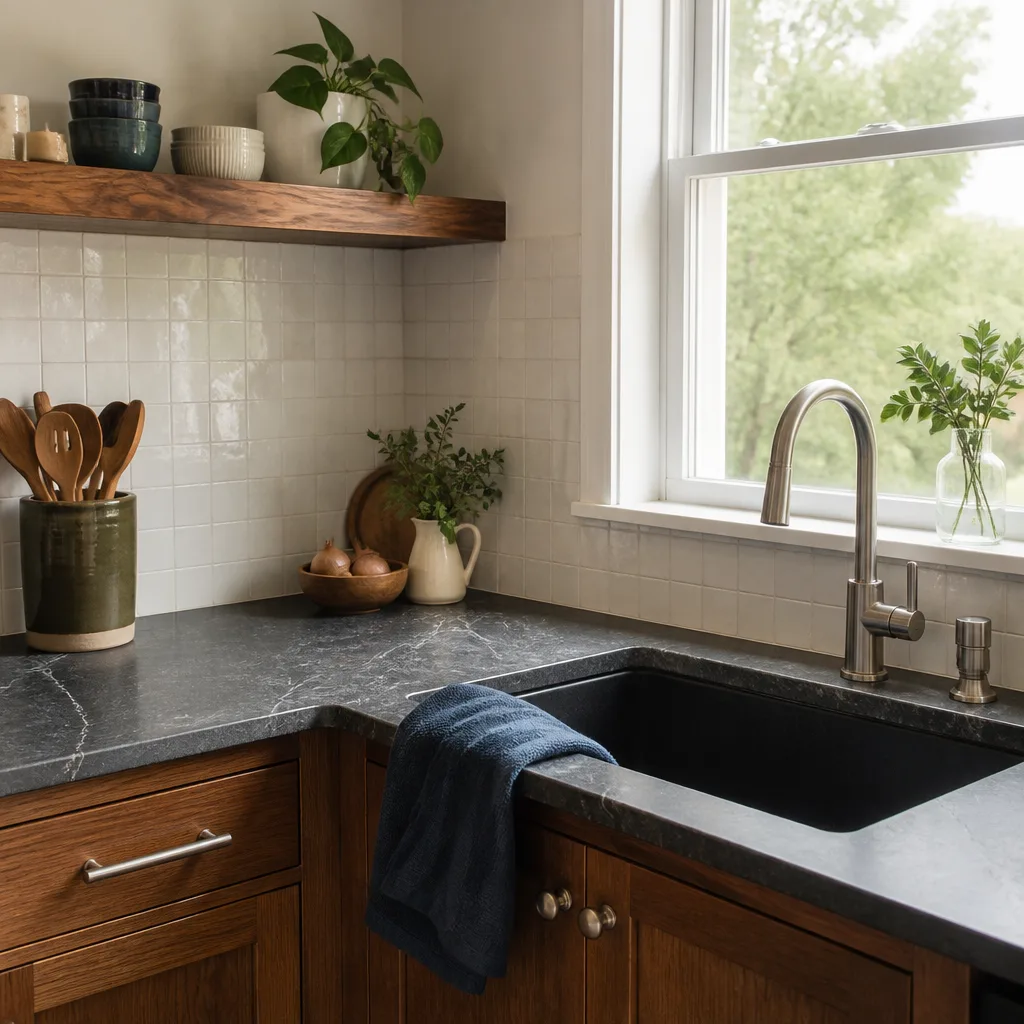
There are three scopes on a Wellborn cabinet job, and only one of them is the cabinet itself. The cabinet dealer handles ordering, lead time, and delivery. The general contractor handles wall prep, installation, and finish-out. The homeowner handles the unwelcome surprise of finding out nobody owns the gap between the two. Before you sign anything, ask these questions and write down the answers.
- Who owns wall prep? Some GCs in Los Angeles assume the cabinet installer will shim, scribe, and fudge whatever the framing left behind. That assumption is where gaps come from. Your GC should say, in writing, that they will deliver walls plumb and flat to the cabinet spec before installation.
- Who manages lead time coordination? Wellborn cabinets are built in Alabama and typically ship in 6 to 10 weeks, depending on the line and finish. Your GC needs to sequence demo, rough-in, drywall, and inspection around that window. Ask how they handle a cabinet delivery that lands early or late. The answer tells you whether they’ve done this before.
- Who owns the punch list? After cabinets are set, doors and drawer fronts need alignment. Hardware needs adjustment. A soft-close hinge that snaps too hard is a punch item. Your GC should tell you they own every item until the job closes, not that the cabinet installer will “swing back by.”
Bradford Remodeling’s written scope on every Wellborn project in Los Angeles spells out all three. Wall prep, delivery coordination, installation, hardware alignment, and a punch list walk-through are line items, not assumptions. The Done Right Promise backs it: if any of that work fails within a full year, Bradford returns and corrects it at no charge. That guarantee is in writing before the first tool comes out.
How to Read a Wellborn Quote Next to a GC Estimate
The cabinet quote from a Wellborn dealer will list cabinet boxes, door styles, finishes, hinges, drawer glides, crown molding, and the delivery fee. What it won’t list is labor to remove your old kitchen, repair the walls, run a new circuit for under-cabinet lighting, build a soffit if you’re removing a bulkhead, or install the cabinet run level and true. That’s the GC’s estimate, and it’s the document most homeowners skim.
When you compare the two side by side, look for these specific gaps in the GC’s labor scope:
- Delivery and receiving. Somewhere in Los Angeles, a Wellborn truck will show up with 40 cabinets and nobody to carry them inside. Your GC estimate should include receiving, inspecting for freight damage, and storing the cabinets safely until install day. If that line item is missing, you’ll be the one renting a storage pod.
- Installation, not “hanging.” Installation means scribing end panels, setting to laser, shimming to spec, aligning doors and drawer fronts, and mounting hardware. Hanging means putting boxes on a wall. The language in the estimate tells you which one you’re paying for.
- Hardware alignment. Soft-close hinges and drawer glides need adjustment, sometimes multiple times over a few weeks as the cabinets settle. Confirm the GC’s estimate covers a follow-up adjustment visit within the first month or two. Bradford’s written scope includes this. If the estimate says “hardware by others,” ask who the others are.
In our experience with Los Angeles kitchens, the cabinets themselves are usually 35 to 45 percent of the total project cost. Labor, wall prep, electrical, plumbing, countertops, and finish-out make up the rest. When a GC estimate comes back at $12,000 to install a $20,000 Wellborn order, that’s not cheap labor. That’s a scope that skips something. Ask what exactly is included, and ask for it in writing. Bradford Remodeling’s no-hassle upfront pricing means you get a written price before work starts, with no numbers that move at the door.
The Finish-Out Sequence That Separates a Real GC From a Box Hanger
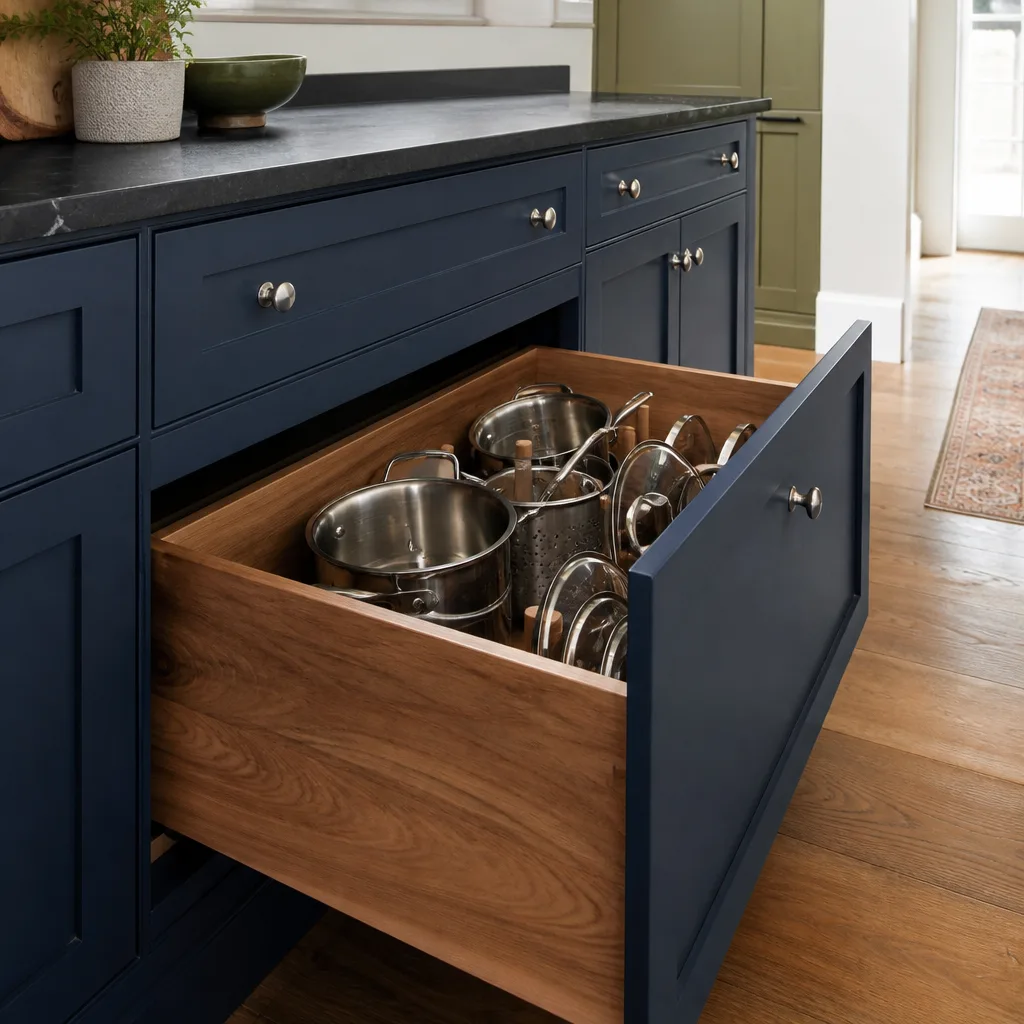
Here’s the sequence a disciplined general contractor follows on a Wellborn kitchen in Los Angeles, and it’s non-negotiable. Cabinets delivered and inspected, walls prepped to spec, cabinets set and leveled, then countertop template taken from the installed cabinets. Not before. Then countertops fabricated and installed, then backsplash last. If a GC tells you they’ll template the countertops before the cabinets are set, that’s a red flag. You cannot template to a cabinet run that isn’t locked in place.
The backsplash goes last because tile needs the countertop in place to set the reveal. If you run tile first and the countertop lands a sixteenth of an inch high, you’ll see it in the first course. Los Angeles tile setters see this mistake all the time on projects where the homeowner hired a GC who subcontracted everything out with no sequence control.
Ask your GC to walk you through their finish-out sequence before you sign. The right answer includes these milestones in this order: demo, rough-in, drywall, paint, cabinet set, countertop template, countertop install, backsplash, final electrical and plumbing, punch list. The wrong answer is “we’ll figure it out as we go.” Bradford Remodeling documents the sequence in every written scope.
What Bradford’s Written Scope Covers on a Wellborn Project, and What It Does Not
This is the part where we’re direct about what you’re paying for and what you’re not. Bradford Remodeling’s written scope on a Wellborn cabinet project in Los Angeles covers: demolition of the existing kitchen, wall prep to the cabinet spec, any electrical and plumbing rough-in required for the new layout, receiving and inspection of the Wellborn delivery, installation of the cabinets, countertop coordination, backsplash installation, and a final punch list that includes hardware alignment. The Done Right Promise covers all of that work for a full year. If it fails inside that window, Bradford comes back and corrects it at no charge.
What the written scope does not cover is worth saying plainly. We do not cover the Wellborn manufacturer warranty. That’s between you and Wellborn. We don’t cover appliance installation unless it’s specified in the scope. We don’t cover damage caused by a slab leak, foundation movement, or any issue unrelated to the work performed. That’s the discipline of putting it all in writing: you know exactly what the guarantee covers because it’s on the page, not implied.
That’s The Garrison Standard at work. Bradford Remodeling has been part of the Garrison Partners family, and every location, including ours in Los Angeles, is independent but held to the same standard: written price before work starts, background-checked uniformed technicians on every job, a live person answering the phone 24/7, and a documented roster of premium materials. On a Wellborn kitchen, that means KraftMaid and Wellborn cabinetry, Cambria or Caesarstone surfaces, Kohler or Moen fixtures, and a job site you’d let your kids walk through. The phone number is (903) 568-7222. A real person picks up.
When to Call a Pro
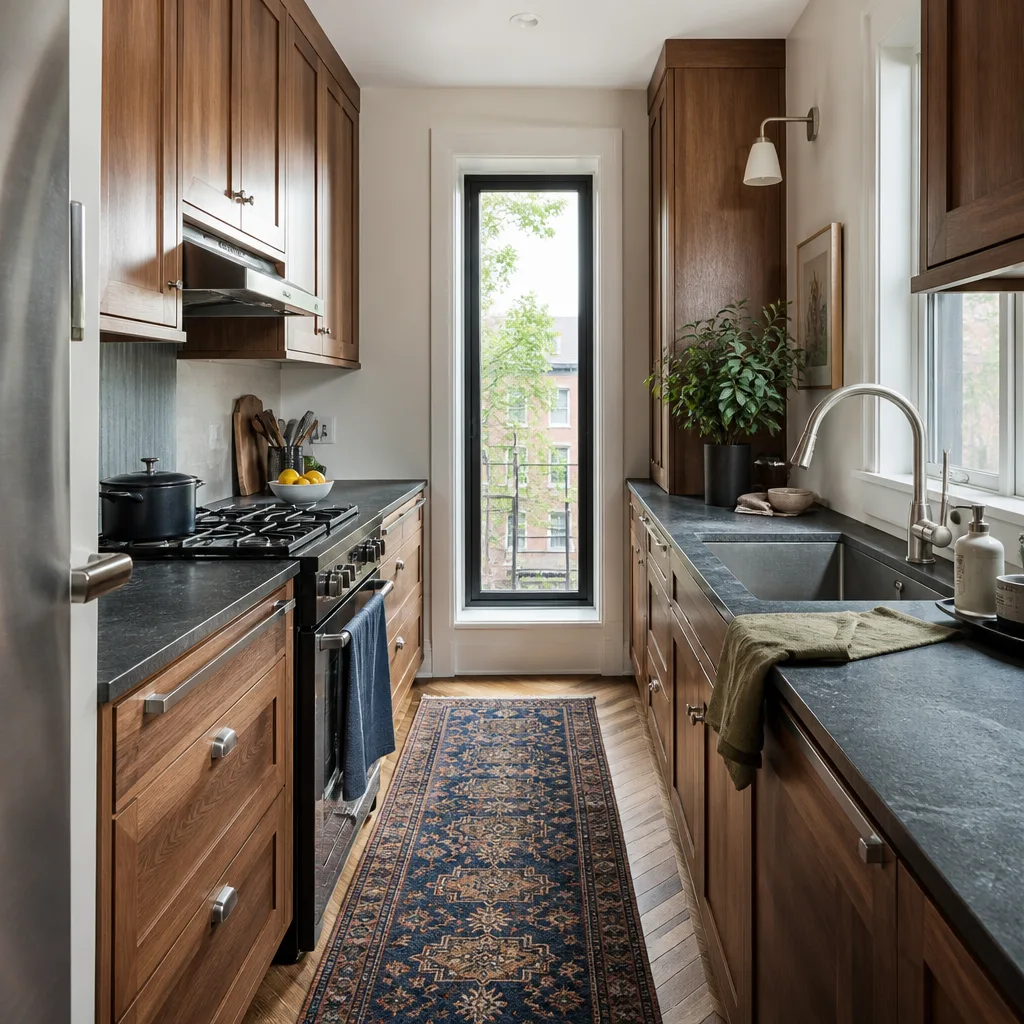
If you’re reading cabinet spec sheets and trying to figure out whether your walls are an eighth of an inch out of plumb, the project has already moved past DIY territory. Wellborn cabinets are a significant investment, and the cost of fixing a bad install in Los Angeles runs higher than the cost of doing it right the first time. We pulled an old kitchen out of a house in Silver Lake last month where the previous “contractor” had set the uppers with drywall screws, skipped wall prep entirely, and left a half-inch gap between the crown and the ceiling. The homeowner had lived with it for two years because nobody told them it wasn’t supposed to look like that.
If you’re planning a Wellborn kitchen and you want a GC who reads the spec sheet, frames to it, and puts the whole scope in writing, Bradford Remodeling offers free estimates. We’ll walk the job, check the walls, talk sequence, and give you a written price. No pressure, no “sign today” line. Just the number and the scope.
Related services in Los Angeles: General Contractor in Los Angeles, Kitchen Remodeling in Los Angeles, and Home Remodeling in Los Angeles. See also the Bradford Remodeling home page for the full picture of how we run jobs.
The Bottom Line
Wellborn cabinets are worth the money if the general contractor installing them understands what semi-custom construction requires: walls plumb to an eighth of an inch, a finish-out sequence locked before demo starts, and a written scope that covers wall prep, delivery, installation, and punch list. Most homeowners find out too late that their GC was working looser than the cabinet spec. You now know what to ask before you sign, and you know how to read both estimates side by side.
If you’re in Los Angeles and need help with a Wellborn project, Bradford Remodeling offers free estimates. Call (903) 568-7222 and a live person will answer. No voicemail, no callback queue, no runaround. Just a straight answer on your project.
Frequently Asked Questions
In Los Angeles, a Wellborn cabinet kitchen remodel typically runs $45,000 to $90,000 all-in. The cabinet order itself is usually 35 to 45 percent of that, with the rest going to labor, wall prep, electrical and plumbing, countertops, and finish-out. The price range depends on cabinet count, door style, and whether walls or plumbing move. Call (903) 568-7222 for an exact quote on your project. Estimates are free.
Wellborn cabinets typically ship 6 to 10 weeks after the order is finalized, depending on the cabinet line, finish, and factory schedule. Your general contractor should build this lead time into the project sequence so the kitchen isn’t gutted while you wait on cabinets. A GC who doesn’t coordinate delivery around demo and rough-in is setting you up for weeks without a kitchen.
Not if the GC put the price in writing before work began. Bradford Remodeling provides a written price before any work starts, every time, and that number does not move at the door. If the scope doesn’t change, the price doesn’t change. Hidden conditions, like framing rot behind a wall, get documented and priced before any additional work proceeds. Call (903) 568-7222 to get your project priced, and you’ll see exactly what’s covered before you commit.
Yes. Every completed project carries the Done Right Promise. If the cabinet installation, wall prep, or any work covered by the written scope fails within one year, Bradford Remodeling returns and corrects it at no charge. The Wellborn manufacturer warranty is separate and covers the cabinets themselves. Both are in writing, and both are clear about what they cover.
Written by the team at Bradford Remodeling.
Need Construction Help?
Call Bradford Remodeling - licensed & insured, here with fast after-hours help in Los Angeles.
(903) 568-7222