
5 Mistakes to Avoid With Kitchen Remodeling
The five costliest kitchen remodeling mistakes in Los Angeles aren’t design errors. They’re contract and sequencing errors that homeowners make before a single cabinet is touched. Get the paperwork and the trade order right, and you eliminate most of the surprise invoices that follow. If you’d rather not sort through this yourself, call (903) 568-7222 and we’ll walk you through it.
Most kitchen overruns aren’t caused by expensive taste. They’re caused by signing a contract that leaves three trades undefined and lets the GC sequence the job however is convenient for them, not for you. Here’s what we see go wrong, week after week, across Los Angeles kitchens.
Mistake #1: Letting the Contractor Sequence the Trades Without a Written Order
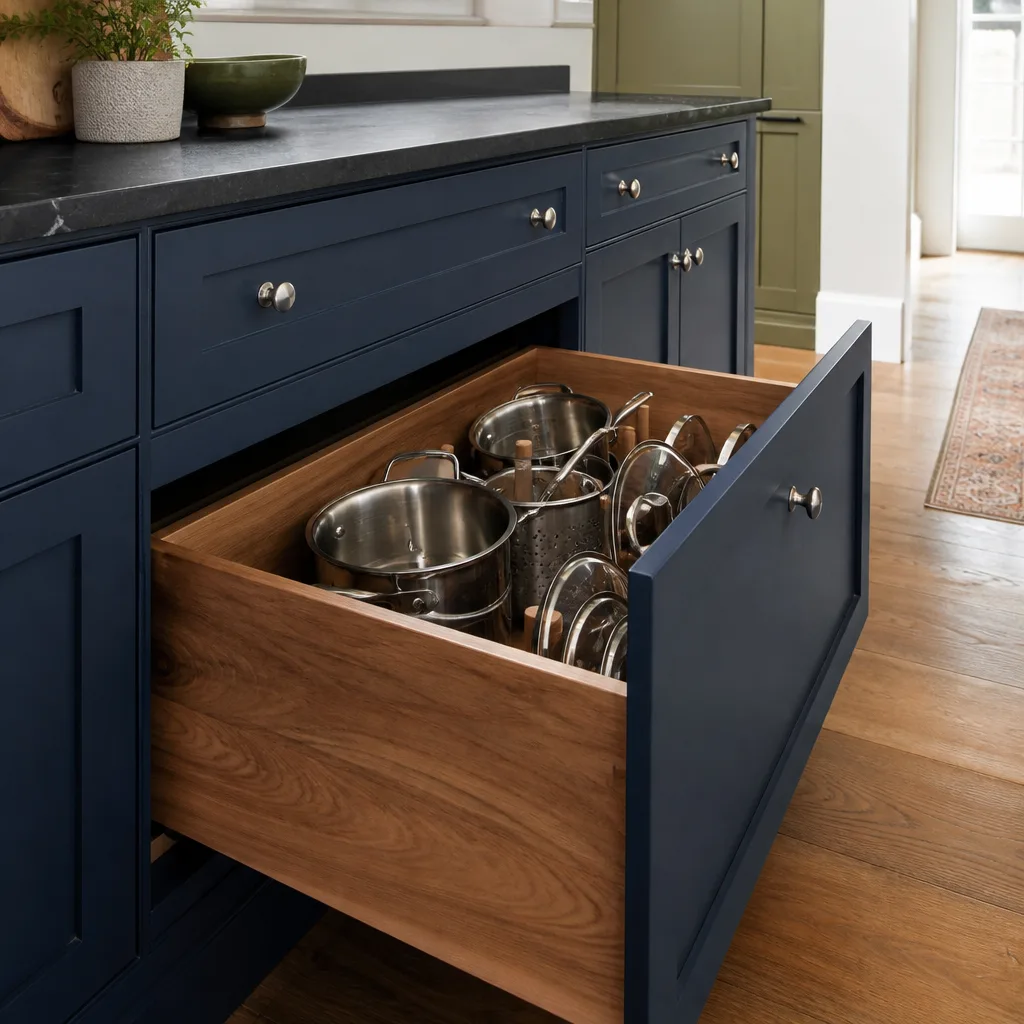
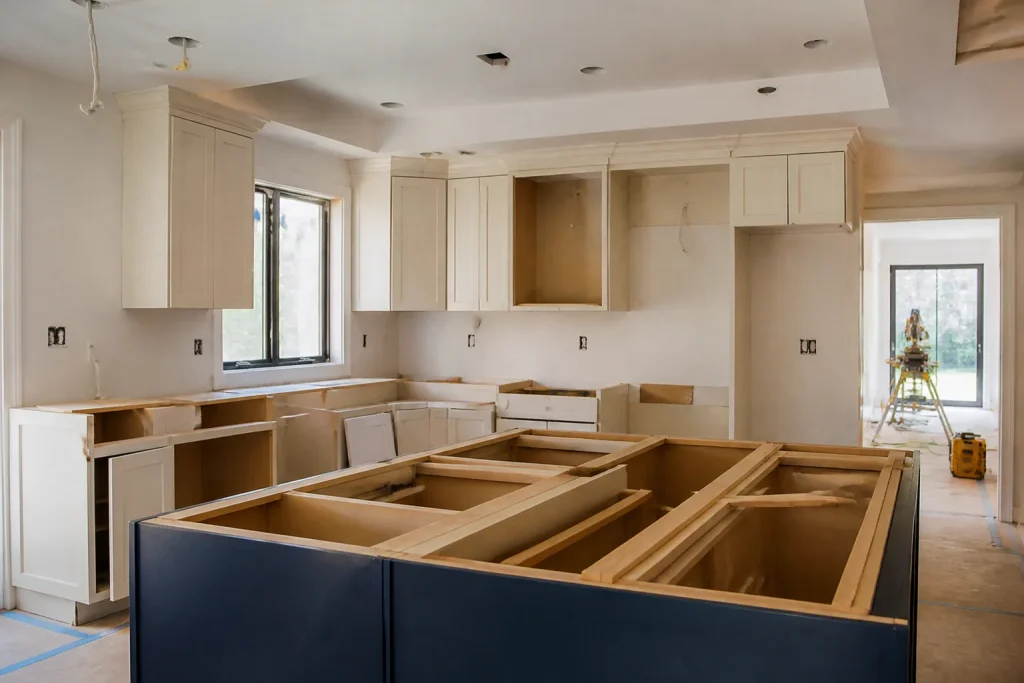
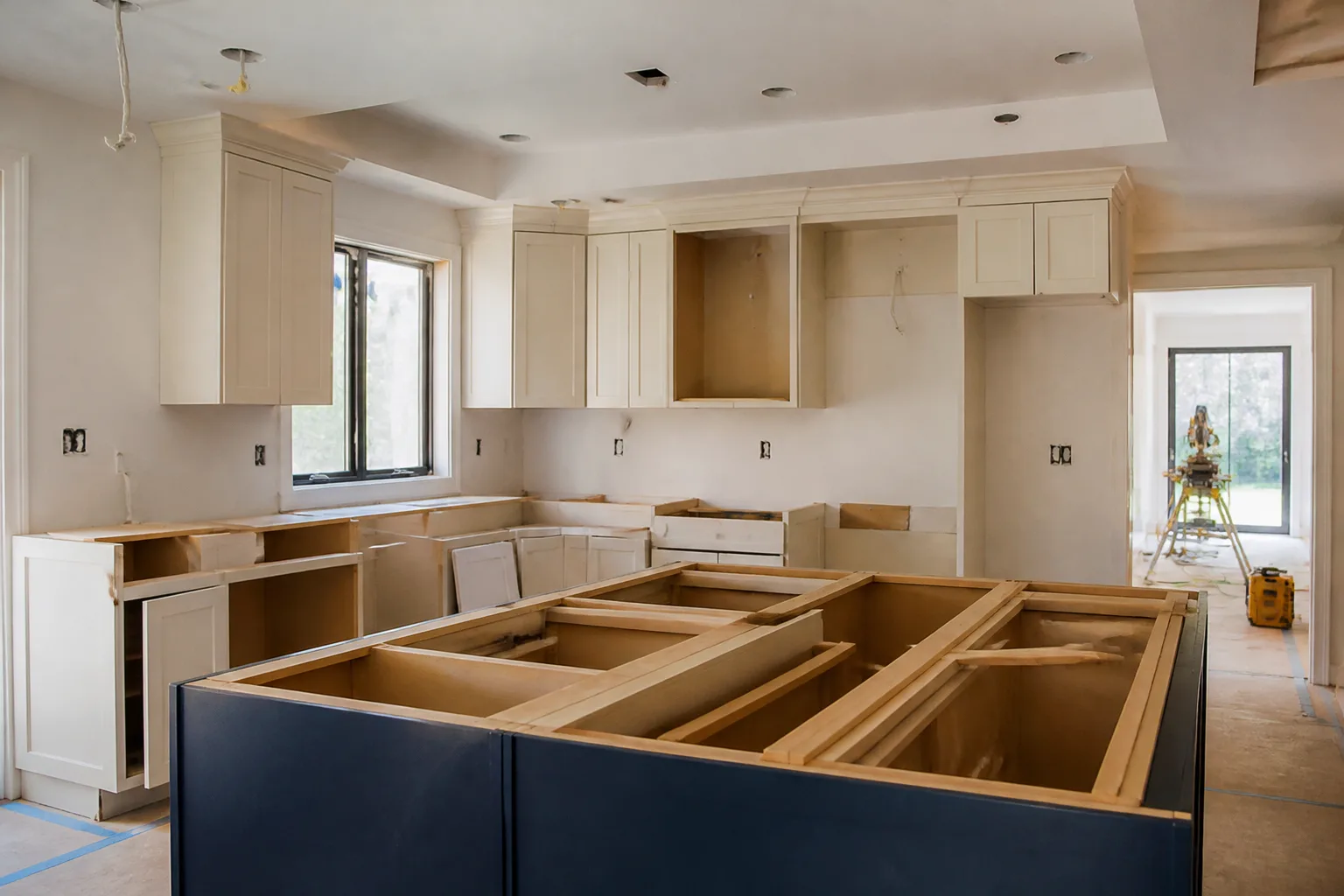
Trade sequencing is the single most overlooked line item in a Los Angeles kitchen remodel contract, and it causes more delays than any material shortage ever will. The order is not arbitrary: rough plumbing goes in before tile and flooring, electrical rough-in happens before cabinet install, and drywall repair has to be finished and sanded before paint touches the walls. When a contractor sequences these however it suits their schedule, the homeowner pays for it in tear-outs and rework.
Here’s what proper sequencing looks like on paper, in order:
- Demolition and debris removal, with the site swept clean at the end of each day
- Rough plumbing and electrical, inspected before anything is covered
- Drywall, substrate, and subfloor repair, ready for finish surfaces
- Cabinet installation, followed by countertop templating and fabrication
- Tile, flooring, and backsplash, then fixture installation and final trim
- Paint, punch list, and a final walkthrough with the scope document in hand
We’ve pulled a half-finished kitchen out of a home in the San Fernando Valley where the tile crew showed up before the plumbing rough-in had been inspected. The homeowner had already paid for the tile work. The contractor’s response was that the schedule “shifted.” That’s not a shift. That’s a contract that never set the order in writing.
Your contract should name each trade, the sequence, and the trigger event that moves the job from one phase to the next. At Bradford Remodeling home, every scope lists the trade order before the first tool comes out. It’s part of The Garrison Standard: no verbal scheduling, no surprises, just a written plan you can hold.
Mistake #2: Skipping the Mechanical Permit on the Range Hood
In Los Angeles, a range hood that vents to the exterior requires a mechanical permit. Full stop. Plenty of homeowners don’t learn this until they’re selling the house and the buyer’s inspector flags unpermitted work on a remodel that was done three years earlier. The re-inspection costs money, and the correction often means opening a finished ceiling to prove the duct was run correctly.
A proper kitchen ventilation job in LA means the duct runs from the hood, through the attic or wall cavity, and exits through the roof or an exterior wall. No recirculating shortcut, no flexible duct stuffed into a stud bay, no exit point that dumps warm air into the soffit. Local inspectors look for rigid duct, proper termination, and the right CFM for the hood you installed. If the contractor says “we don’t need a permit for that,” get it in writing and check with the city yourself.
This is also where material selection matters. We specify range hoods from documented brands with published specs, so the CFM rating, the duct size, and the electrical requirements all line up with what the inspector will look for. Nothing gets guessed at. When you work with a General Contractor in Los Angeles, permit compliance should be part of the written scope, not an add-on you discover later.
Mistake #3: Accepting a “Kitchen Remodel Allowance” Instead of an Itemized Fixture Schedule
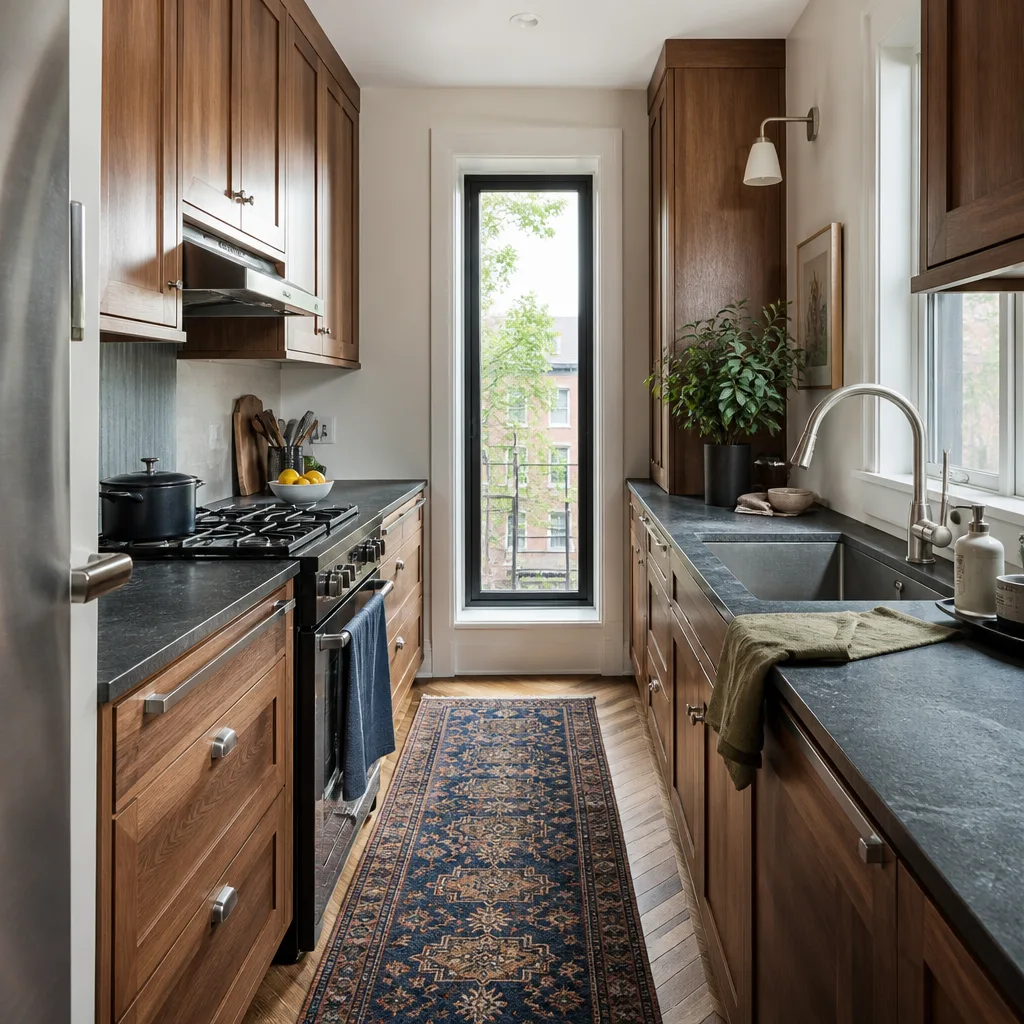
The word “allowance” is a budget trap. In Los Angeles, a kitchen remodel allowance means the contractor put a round number in the contract for fixtures and finishes, and whatever you actually choose gets reconciled later. Later is when the surprises show up. You pick a faucet that’s $200 over the allowance, a sink that’s $150 over, a backsplash tile that’s $8 per square foot more than what was assumed, and suddenly your $12,000 “allowance” line item is a $16,000 invoice.
The fix is an itemized fixture schedule. Before the contract is signed, every fixture, every faucet, every appliance, and every finish surface gets named, priced, and locked. That line item says “Kohler K-72218 faucet, brushed nickel, $329” not “faucet allowance, $400.” When you sign a written price in Los Angeles, the numbers should not move at the door.
Here’s what belongs on a fixture schedule:
- Faucet: brand, model, finish, and exact price
- Sink: brand, material, mount style, and exact price
- Cabinet hardware: brand, style, count, and per-unit price
- Lighting: fixture brand, model, and price per unit
- Countertop: brand, material, edge profile, and price per square foot
- Backsplash: tile brand, size, pattern, and price per square foot
We’ve seen kitchens where the allowance line buried $4,000 in surprise costs. At Bradford Remodeling, every Kitchen Remodeling in Los Angeles project gets a written price before any work starts. That’s non-negotiable. Fixtures get named, not lumped.
Mistake #4: Not Locking Cabinet Lead Times in the Contract
Cabinet lead times stall every downstream trade. In Los Angeles, a custom or semi-custom cabinet order can run eight to fourteen weeks depending on the manufacturer and the finish. If the cabinets are ordered after the job starts, or if the order gets delayed because someone didn’t confirm the door style, every trade behind them sits idle. Counters can’t be templated. Plumbing can’t be trimmed out. Painters can’t finish. You’ve got a torn-apart kitchen and a two-month hole where the cabinets should be.
Here’s the sequence that protects you:
- Cabinet order is placed before demolition begins, with a written delivery date
- Delivery date is written into the construction schedule as a contractual commitment
- If the manufacturer shifts the date, the change order process kicks in and you’re notified in writing
- No other trade is scheduled against a delivery date that hasn’t been confirmed by the supplier
We use KraftMaid and Wellborn cabinetry on many of our Los Angeles projects. These are documented brands with published specifications and manufacturer warranties, so lead times are predictable, and the order can be tracked. If a client picks a cabinet line with a sixteen-week lead, we tell them before they sign. The delivery date goes in the contract, and the rest of the schedule gets built around it, not the other way around.
If you’re in the middle of a Home Remodeling in Los Angeles and your cabinets are already delayed, the written change-order process is your best tool. More on that next.
Mistake #5: Letting Scope Creep Happen Without a Written Change-Order Clause
Scope creep in a kitchen remodel usually starts small. The homeowner says “while you’re in there, can you also…” and the contractor says yes. The “also” piles up: moving an outlet, adding a pot filler, extending the island by a foot, switching to under-cabinet lighting. Individually, these feel minor. Combined, they’re five figures, and the bill arrives at the end without warning.
A written change-order clause stops scope creep before it starts. The rule is simple: any change to the scope, any change to the material list, any change to the schedule, goes on a written change order with a price and a signature. No verbal approvals. No “we talked about it on site” pricing. If it’s not written, it’s not part of the job.
Specific examples of scope creep we’ve seen in LA kitchens:
- Moving a gas line for a range that changed from 30 to 36 inches after the contract was signed
- Adding a second sink to an island, which meant new drain plumbing and an additional vent
- Changing cabinet hardware mid-install after the client saw a different finish at a showroom
- “Straightening” a wall during drywall repair that turned out to be out of level by an inch and a half
None of these are unreasonable requests. What’s unreasonable is finding out what they cost after the work is done. A change order gives you the number before the work happens, in writing, and you can say no. That’s what a disciplined contractor gives you. That’s what The Garrison Standard requires. It’s what “squared away” means at close: clean site, documented scope, and a signed written guarantee in your hand.
Key Takeaways
- Put trade sequencing in writing: rough plumbing and electrical before tile, cabinets, and fixtures.
- Check the mechanical permit requirement for your range hood in Los Angeles before you sign.
- Replace “allowance” line items with an itemized fixture schedule showing exact brand, model, and price.
- Lock cabinet delivery dates into the contract and build the rest of the schedule around them.
- Require a written change-order process for every adjustment to scope, price, or schedule.
Related services in Los Angeles: if the kitchen work is part of a wider remodel, our Home Remodeling in Los Angeles team handles additions, layouts, and full-home work under the same written-price standard.
When to Call a Pro
If you’re reading this and realizing your current kitchen contract has an allowance line, a vague sequence, or no change-order clause, it’s worth a conversation before more work gets done. A remodeler who pushes back on putting things in writing is telling you something. You don’t have to accept “that’s just how we do it.” You’re paying for the job, and the contract should protect you.
We’re straight with people in Los Angeles because we’ve seen the alternative too many times. A written price, a trade order, and a change-order process cost you nothing. They save you from the invoice you didn’t see coming.
The Bottom Line
Kitchen remodeling mistakes in Los Angeles are almost always contract mistakes first and construction mistakes second. Spell out the trade sequence. Pull the permits. Itemize the fixtures. Lock the cabinet lead times. Put every change in writing. That’s the whole game. If you’re in Los Angeles and you want a kitchen remodel with a written price before work starts and a full-year guarantee behind it, call (903) 568-7222 for a free estimate. One call, a real person, no runaround.
Frequently Asked Questions
A mid-range kitchen remodel in Los Angeles typically runs $35,000 to $85,000 depending on cabinet line, countertop material, and the amount of plumbing and electrical work involved. That range assumes a written price, an itemized fixture schedule, and no change orders for decisions made after the contract is signed. For an exact number, call (903) 568-7222 for a free estimate.
Count on eight to fourteen weeks from demolition to final walkthrough in Los Angeles, with cabinet lead time being the biggest variable. Custom and semi-custom cabinets that run ten to fourteen weeks will push the schedule regardless of the contractor. Locking the cabinet order before demolition starts is the single best way to protect the schedule.
Yes, most Los Angeles kitchen remodels require electrical, plumbing, and mechanical permits, especially when you’re moving lines, adding outlets, or installing an exterior-venting range hood. Skipping permits creates resale problems and re-inspection costs. A contractor who says permits aren’t necessary should be questioned in writing.
A kitchen remodeling contract in Los Angeles should include a written price, an itemized fixture schedule with exact brand and model numbers, a defined trade sequence, a written change-order process, and a guarantee that names its terms and duration. At Bradford Remodeling, every project is backed by the Done Right Promise: if the work fails within a year, we come back and correct it at no charge. Call (903) 568-7222 for a written estimate.
Written by the team at Bradford Remodeling.
Need Construction Help?
Call Bradford Remodeling - licensed & insured, here with fast after-hours help in Los Angeles.
(903) 568-7222