
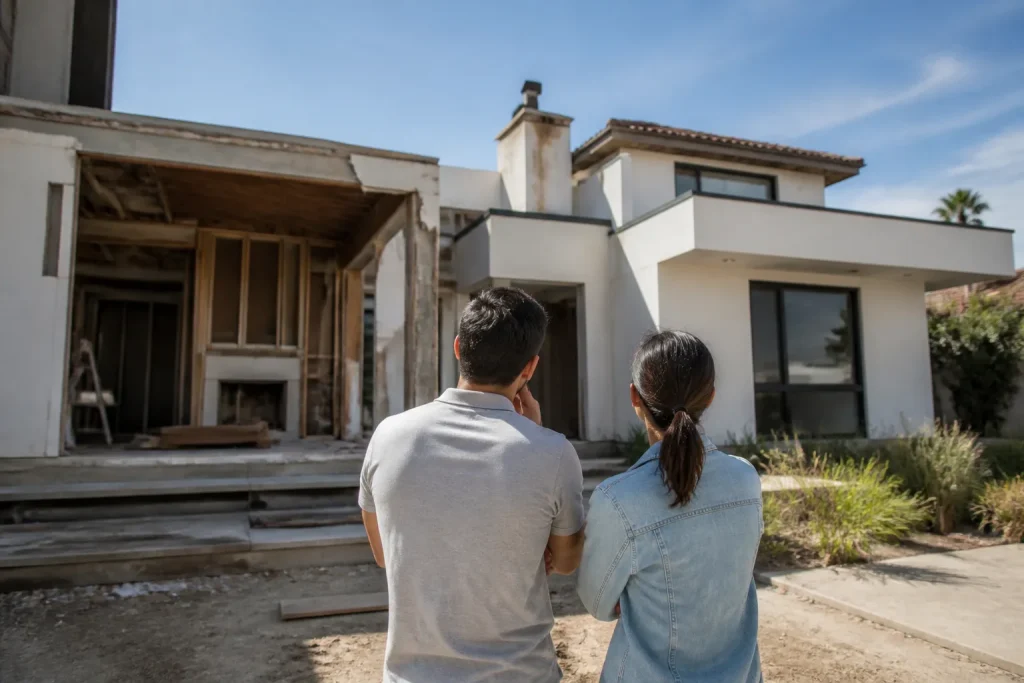
Home Remodeling: Repair or Replace? How Los Angeles Homeowners Decide
Most Los Angeles homeowners think the repair-or-replace question is about the condition of what’s broken. It’s not. It’s about permits. In LA County, a repair typically stays off the books. A replacement, even an in-kind swap, often triggers a permit, an inspection, and a fee structure that can add $400 to $1,500 to the job before a single part is ordered. The smart calculation starts there: what does the permit cost, how long will it take to schedule, and does the repair path let you avoid it entirely. If you’d rather not sort this out alone, call Bradford Remodeling at (903) 568-7222 and we’ll walk you through it.
We’ve been doing home remodeling in Los Angelesand we’ve watched homeowners overspend by thousands because nobody gave them the permit math up front. Here’s the straight version.
What Actually Triggers a Permit in Los Angeles
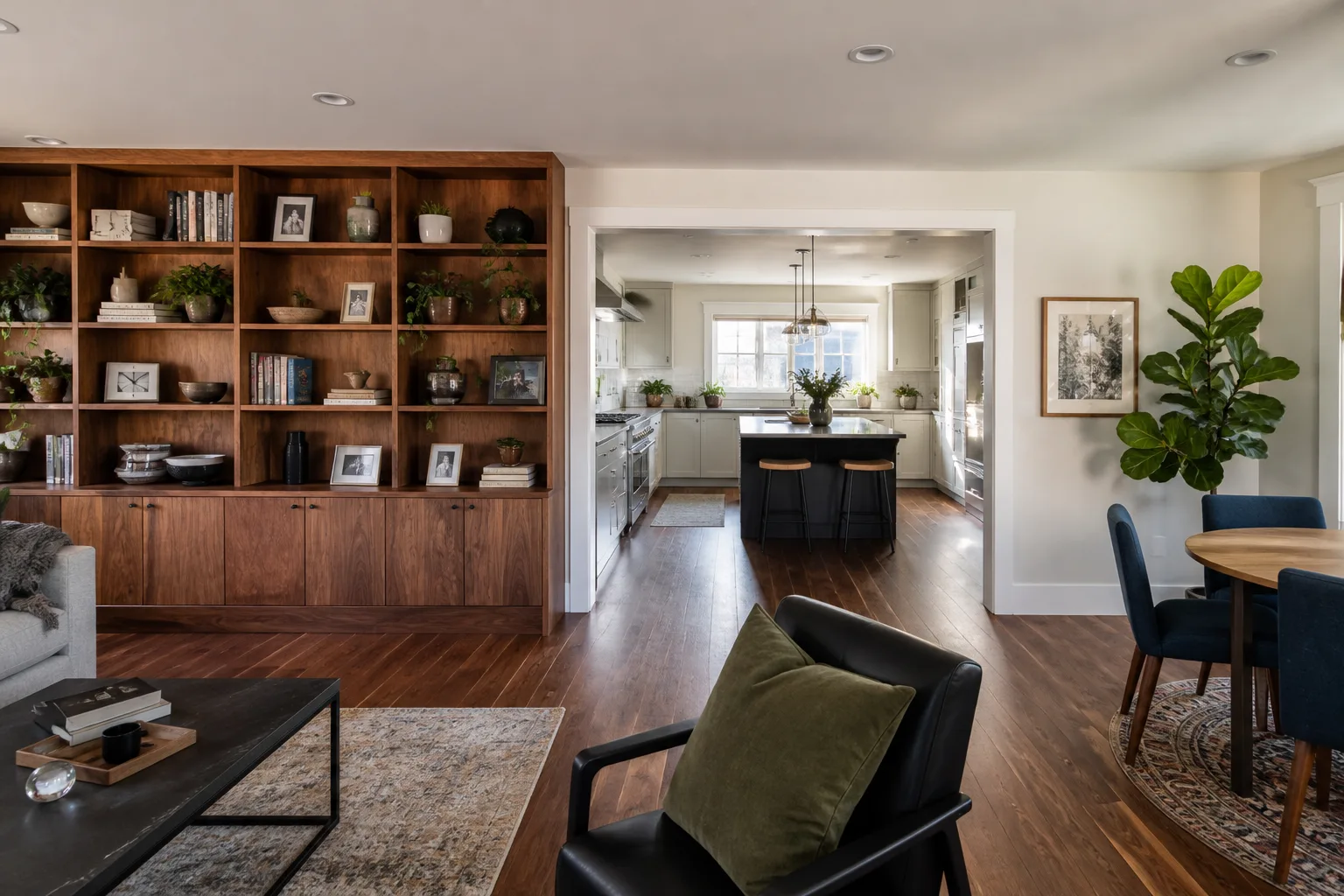
The Los Angeles Department of Building and Safety, which handles permits for the city, and LA County’s own building division treat repair and replacement differently. A repair restores function to the existing assembly. A replacement removes and installs new. That distinction, small as it sounds on paper, decides whether you’re pulling a permit.
Here’s how it breaks down by trade:
- Plumbing. Replacing a water heater in-kind requires a mechanical permit and inspection. Fixing a leaking valve on that same water heater does not. Replacing a faucet? No permit. Replacing the supply lines behind a wall? Now you’re opening a wall, which can trigger a plumbing permit depending on scope.
- Electrical. Changing an outlet or a switch is repair work, no permit. Replacing an electrical panel or upgrading service from 100 to 200 amps requires a permit, an inspection, and LADWP coordination. That’s not a Saturday job.
- Structural. Any work on load-bearing members, footings, or sheer walls requires a permit, full stop. A repair that exposes termite damage in a rim joist can quickly become a structural job in the eyes of an inspector.
- Mechanical. Replacing a furnace or AC unit in kind requires a permit and a HERS test in LA. Repairing a capacitor does not.
The pattern is consistent. Cosmetic repair, surface repair, part-level replacement: no permit. Removing and installing a new fixture, appliance, or assembly: probably a permit. When you’re talking general contractor work in Los Angeles, this is the first thing we check, because it changes both the price and the timeline.
The Real Cost of Delaying Repair
Every year you defer a repair on a wearing system, you’re betting money you don’t know you’re betting. A sagging floor over in the San Fernando Valley might start as a $600 joist repair. Left alone for two years, it becomes a $12,000 structural correction with shoring, permit fees, and an engineer’s stamp. We’ve seen this exact progression, and the homeowner always says the same thing: “I thought it could wait.”
Water is the usual culprit. Los Angeles gets the reputation of a dry city, but our winter rains put real stress on the building envelope. A small leak at a chimney flashing in Sherman Oaks runs $300 to seal if caught early. That same leak, ignored through one rainy season, rots the sheathing, invites termites, and turns into a $9,000 roof-to-wall rebuild. Repair cost rises on a curve, not a straight line. The earlier you catch it, the closer you stay to the bottom of that curve.
When we estimate a repair at Bradford Remodeling, we always give two numbers: the cost to fix it now, and the projected cost to fix it if it fails further. The second number is the one homeowners should compare against the replacement quote. If the gap is narrow, replace. If the gap is wide, repair buys you time. Sometimes time is all you need.
When Cosmetics On an Old System Trigger Code Upgrades

This is the one almost nobody tells Los Angeles homeowners. You want to refinish an older bathroom, maybe swap a vanity and fixtures. But the moment your contractor opens that wall and touches the plumbing, electrical, or anything behind the tile, the project may fall under current LA building code. And the current code is not the code your 1963 house was built to.
Here’s what that can mean in practice:
- Older galvanized drain lines might need replacement to meet current standards once exposed.
- Ungrounded wiring, common in post-war LA homes, may require GFCI or AFCI protection added at the panel.
- Shower valves installed after a certain year must meet anti-scald requirements.
- Ventilation requirements apply to bathrooms that previously relied on a window.
The fix is to ask your contractor, before the demo starts, what code items they expect to trigger. A real contractor gives you that list in writing. Brad
Permit Fees and Timelines in Los Angeles: The Numbers You Should Know
Permit fees in Los Angeles vary by trade and project value, but homeowners should budget realistically. A typical small plumbing or mechanical permit can run from $100 to $500 depending on the valuation. Building permits for structural work scale with project cost, often landing in the $500 to $2,000 range for a mid-size remodel. Expedited options exist, but they add cost.
Timeline matters more than fees for most people. A straightforward mechanical permit in Los Angeles can be pulled and inspected within one to two weeks. Structural permits, especially anything needing plan review, can take four to eight weeks. If you’re repairing, none of that applies. Your $400 repair can be done this week, but a $2,000 replacement with a permit may sit idle for a month waiting on an inspector. That opportunity cost is part of the calculation.
The Resale Math: What Appraisers Actually Discount
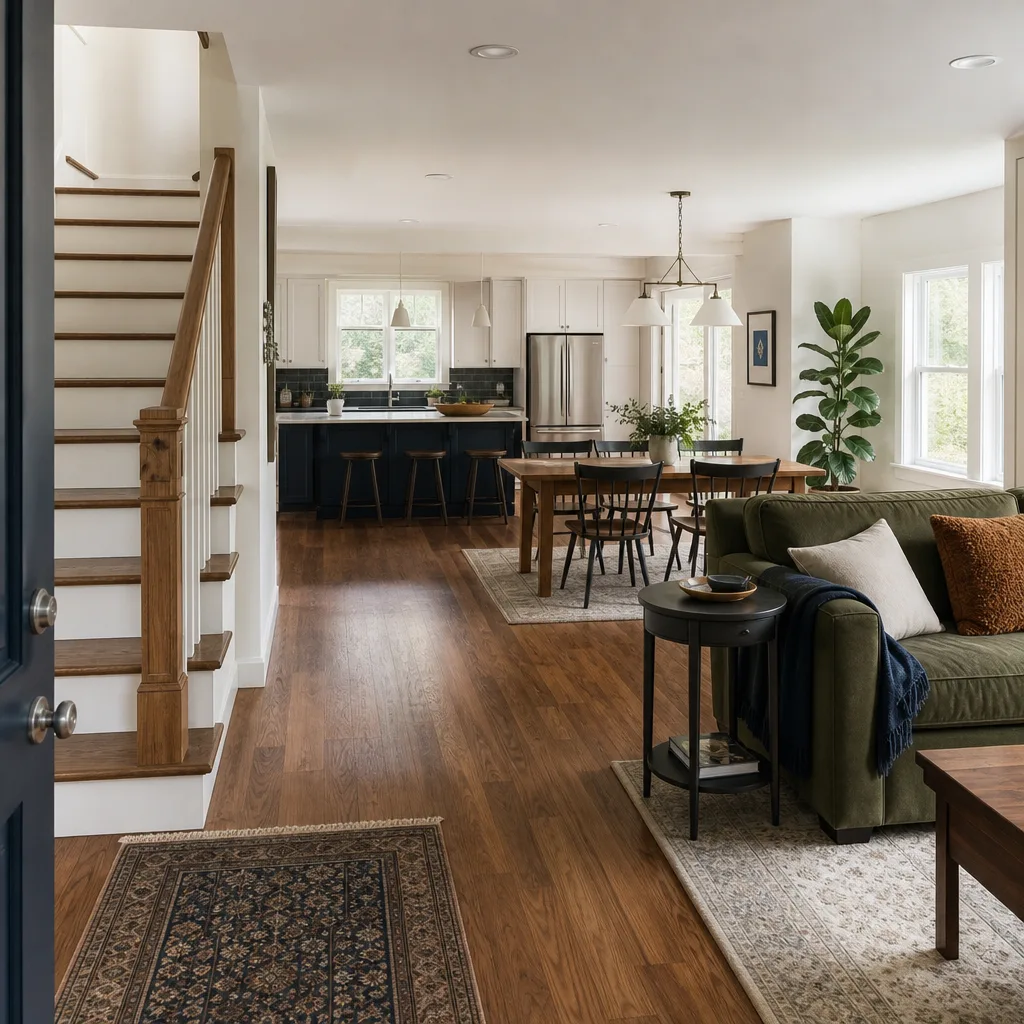
Appraisers don’t care whether you repaired or replaced. They care about what a buyer sees at the walkthrough, and what the disclosure form says. A repaired item that’s old but functional reads as deferred maintenance. A replacement reads as updated.
Here’s what we tell Los Angeles homeowners when they’re three to five years from selling:
- Roof. A 15-year-old roof with two recent leaks, repaired, will still get flagged by most buyers’ inspectors. Replacing it with a GAF or CertainTeed system gives you a paper trail, a warranty, and a line on the disclosure form that says “new roof, 2026.” That adds defensible value.
- Water heater. A repaired nine-year-old water heater is a liability on a disclosure. A new one with a permit and inspection is a selling point. The numbers support replacement near end-of-life.
- Electric panel. A repaired Federal Pacific or Zinsco panel, both common in older LA houses, is a red flag that many inspectors will call out regardless of condition. Replacement is not optional math on this one. It’s a safety issue that will surface at sale.
- Kitchen surfaces. Refinishing cabinets in a 30-year-old kitchen sometimes makes sense. But if the boxes are failing, well-maintained replacements from KraftMaid or Wellborn actually move the appraisal needle because they read as renovated.
The takeaway: repairs protect current function. Replacements protect future value. If you know your timeline, you can choose the right lever.
How to Get Both Numbers in Writing
Most contractors give you one number and call it a day. That’s not a comparison. It’s a choice made for you without your input. Here’s what a real repair-versus-replace comparison looks like on paper:
- Repair scope: exact work performed, parts and materials listed by name, labor hours, and any access or removal required.
- Repair price: fixed line-item total plus a statement that no change order authority exists without your signed approval.
- Replacement scope: fixtures or appliances by brand and model where possible, plus demolition, disposal, and hauling.
- Replacement price: fixed line-item total including permit fees, inspection coordination, and any required code upgrades.
- Timeline for each. It’s not enough to know what it costs. You need to know what it costs in time, because for most Los Angeles homeowners time in a construction zone is real money.
Under The Garrison Standard at Bradford Remodeling, this comes as standard on every bid. Homeowners always leave with a written price before work begins, and every completed project gets the Done Right Promise in writing. If the work fails within a year, we’re back to correct it at no charge. That’s not a marketing line. That’s the guarantee term, written on the contract, signed before the job starts.
When to Call a Pro
If the repair touches gas lines, the main electrical panel, load-bearing structure, or roof penetrations more than a shingle or two, stop and call someone licensed. These are the jobs where a well-meaning Saturday turns into a five-figure fix. In Los Angeles, unpermitted structural or electrical work can also turn up at sale and kill a transaction. The money you saved doing it yourself becomes the money you spend getting it done twice.
Bradford Remodeling works with background-checked, uniformed technicians on every job. You know who’s walking through your door before they arrive. The phone gets answered by a live person 24/7, not a menu tree. If you’re in Los Angeles and want both the repair number and the replace number in writing, call (903) 568-7222 free estimate.
Related services in Los Angeles: Bradford Remodeling home services include kitchen remodeling in Los Angeles and whole-home work. On exterior projects we specify materials by name: Cambridge Pavers, Oldcastle, Quikrete, and Sakrete for hardscape and concrete work, so what gets installed matches what’s on the quote.
The Bottom Line
The repair-or-replace decision in Los Angeles comes down to four questions: What does the work trigger under current LA building code? What does the permit cost in money and time? Where does this system sit on its service life curve? And what does the disclosure form look like when you sell? Answer those four, and you don’t need to guess. You can calculate.
Most projects fall cleanly on one side or the other once you run the numbers. Replacements make sense at end-of-life or when code exposure is inevitable either way. Repairs make sense for mid-life systems where a few hundred dollars buys several more years. The calculation is not guesswork. It’s just arithmetic with a permit schedule attached.
If you’re in Los Angeles and want both numbers on the table, Bradford Remodeling offers free estimates. Call (903) 568-7222 and we’ll put the repair cost and the replace cost in writing, side by side, so you’re comparing the same scope on both lines.
Frequently Asked Questions
Yes. An in-kind water heater replacement in the city of Los Angeles requires a mechanical permit and a final inspection. A repair to the existing unit, such as a valve or thermocouple replacement, does not. Permit fees typically run $100 to $400 depending on the valuation, and inspection scheduling adds days, not weeks. Call (903) 568-7222 for an exact number on your situation.
You ask the contractor before demolition starts. Any time walls are opened and plumbing or electrical is exposed, current LA building code may apply to what’s behind them, not just what you’re touching. A contractor working under a written-scope standard should give you a list of known code items before work begins. If they won’t, get another contractor.
Anything at the end of its service life where failure is expensive: roofs past 20 years with multiple leaks, water heaters past 10 years, electrical panels with known safety recalls, and HVAC compressors past 15 years. These are the systems where a “repair” is really a down payment on the replacement you’ll eventually buy anyway.
Most homeowners should budget $500 to $2,000 for permit fees on a mid-size remodel, plus whatever timeline delay the plan review and inspection cycle adds. Small mechanical permits run on the lower end. Structural work runs higher. The real cost is often the wait, not the fee. That’s why the repair path is sometimes smarter even when the repair itself isn’t the cheaper number on paper.
Written by the team at Bradford Remodeling.
Need Construction Help?
Call Bradford Remodeling - licensed & insured, here with fast after-hours help in Los Angeles.
(903) 568-7222