
Free written scope consultation - allowances, timeline, and change-order rules on paper before a single trade is scheduled
American Standard Bathroom Remodeling: The Los Angeles Owner’s Guide
American Standard bathroom remodeling in Los Angeles typically runs $10,620 to $33,040 installed, depending on whether you’re replacing a single failing component or gutting the room to the studs. We stock American Standard-compatible valves, trim kits, and rough-in components on our trucks and can usually get the part matched and installed the same week. Most Los Angeles homeowners discover they need this page when the shower valve starts dripping, the cartridge seizes, or the tub drain assembly finally gives up after a decade of hard water.
We’re an independent remodeling contractor, not affiliated with American Standard. What that means for you: we’re free to tell you when a $40 seal kit fixes the problem and when the valve body itself is shot and the wall has to come open. That’s the kind of straight answer Curtis Lane built this company around.
Which American Standard Models This Applies To
American Standard has used three distinct valve platform families across their bathroom lines, and matching the right trim to the wrong rough-in is the most common $200 mistake we fix. Here’s the ground truth:
- Pressure-balancing valves (R120/R125 series): The workhorse behind most mid-range American Standard tub and shower fixtures from the last 15 years. The cartridge number is stamped on the brass body behind the trim plate. If you see “A(954) 441-0070A” on your paperwork, you’re on this platform.
- Thermostatic valves (R522/R523 series): Found on higher-end American Standard shower systems and the Studio line. These mix water at a set temperature rather than just balancing pressure, which matters in older Los Angeles homes with galvanized supply lines that pressure-spike.
- Single-handle lavatory faucets (Cadet, Colony, Portsmouth, Serin): These use ceramic disc cartridges that rarely fail from use. What kills them in LA is mineral buildup from our hard water, which eats the rubber seats and O-rings around the disc.
The model number on American Standard bathroom fixtures is usually stamped on the underside of the spout, the back of the trim plate, or on a sticker inside the tank for toilets. The rough-in valve buried in your wall doesn’t change when you swap the visible trim, so if you’re refreshing the look rather than fixing a leak, you can often keep the existing valve and just replace trim, assuming it’s the same platform. Aftermarket cartridges exist for the R120 series and cost about half what the OEM part runs. For thermostatic valves, we stock OEM. The tolerance differences matter when you’re setting the temperature stop.
Styles & brands we work with


Signs Your American Standard Bathroom Remodeling Is Failing
- Drip from the tub spout or showerhead that gets worse over weeks. The pressure-balancing cartridge seats are worn or mineral-crusted, letting water bleed past the seal. You’re not imagining it: the drip rate climbs as the seat cuts deepen.
- The handle gets progressively harder to turn or won’t return to center. On American Standard pressure-balancing valves, the balancing spool inside the cartridge is seizing from hard-water scale. Los Angeles tap water averages 10 to 12 grains per gallon, which is firmly in the “hard” range and hard on rubber internals.
- Sudden temperature spikes when someone flushes a toilet or starts the washing machine. That’s the pressure-balancing spool sticking, and it’s the classic sign the cartridge has failed. It should compensate instantly. When it doesn’t, the part is done.
- Water behind the wall or dark staining at the baseboard behind the shower. This isn’t always the valve. It can be a failed tub drain gasket or a cracked shower arm thread inside the wall. Either way, the faster you open the wall, the less you pay.
- Low flow from the showerhead with the valve fully open. Sediment and scale from LA’s aging distribution system clogs the inlet ports on the cartridge or the integral stops on the rough-in valve. A new trim kit won’t fix it. The cartridge has to come out and the stops flushed with the water off.
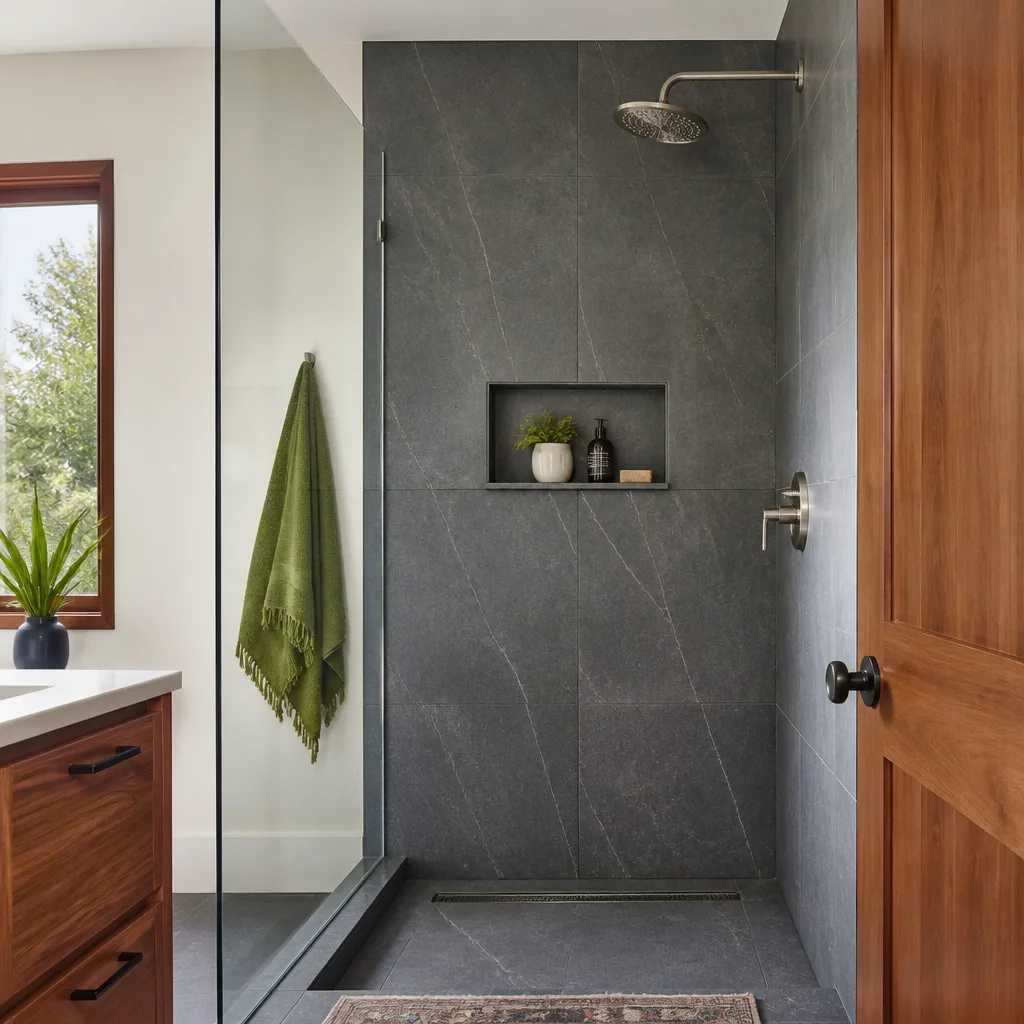
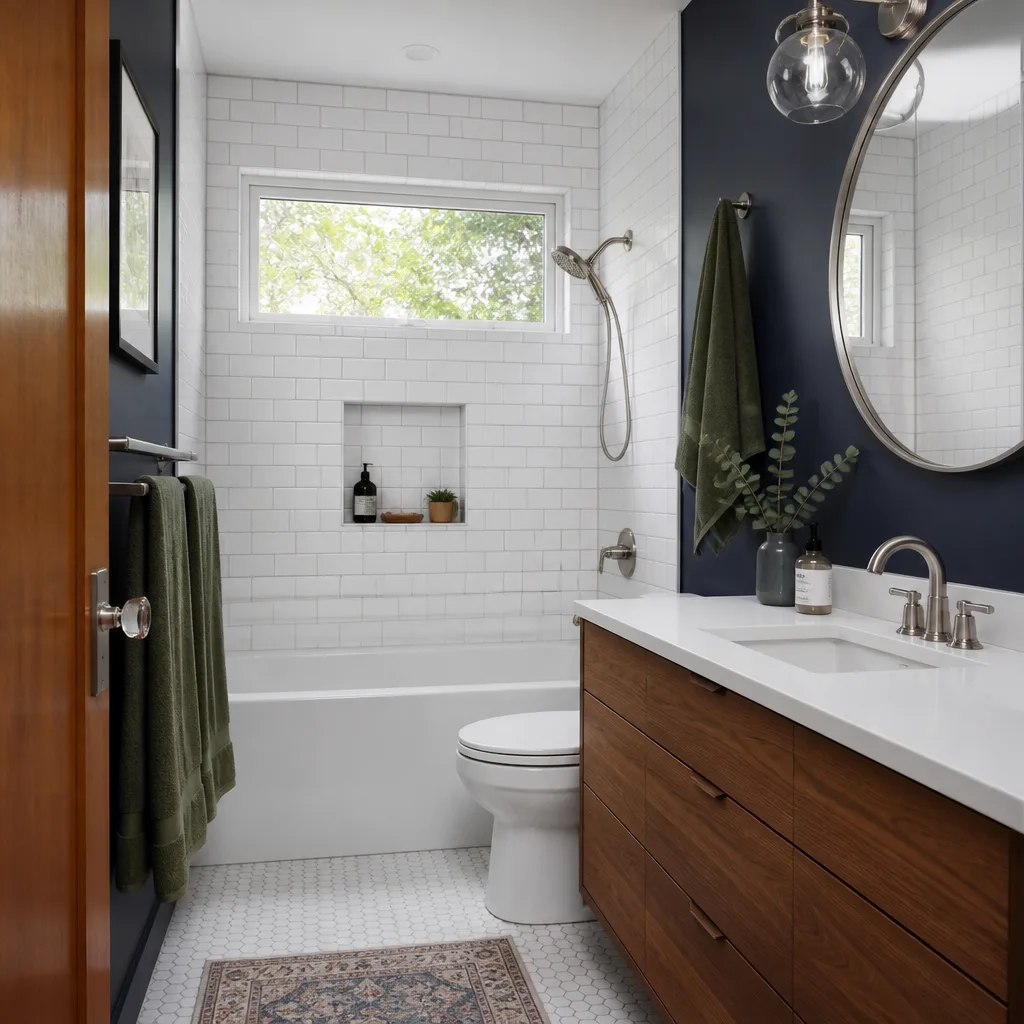
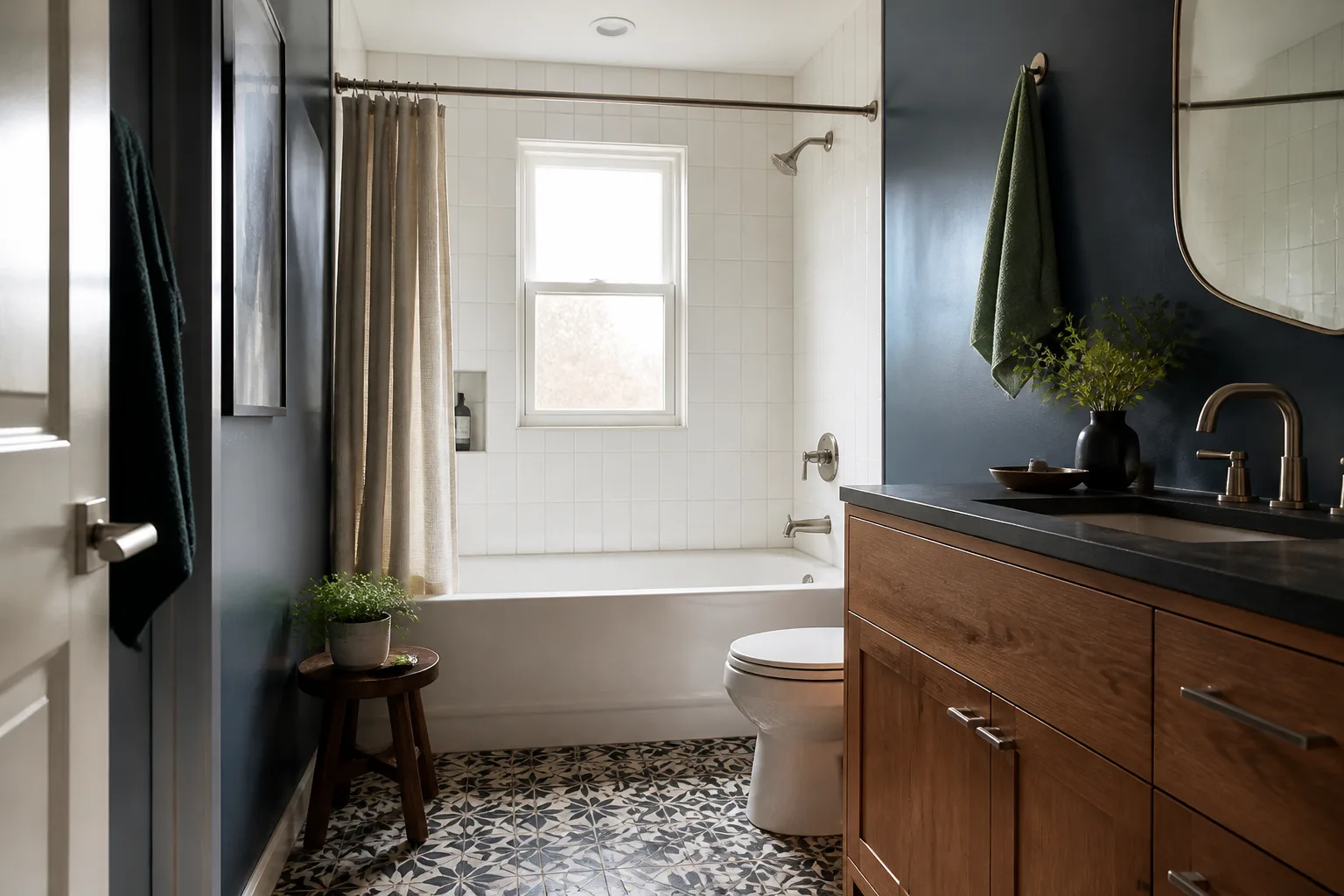
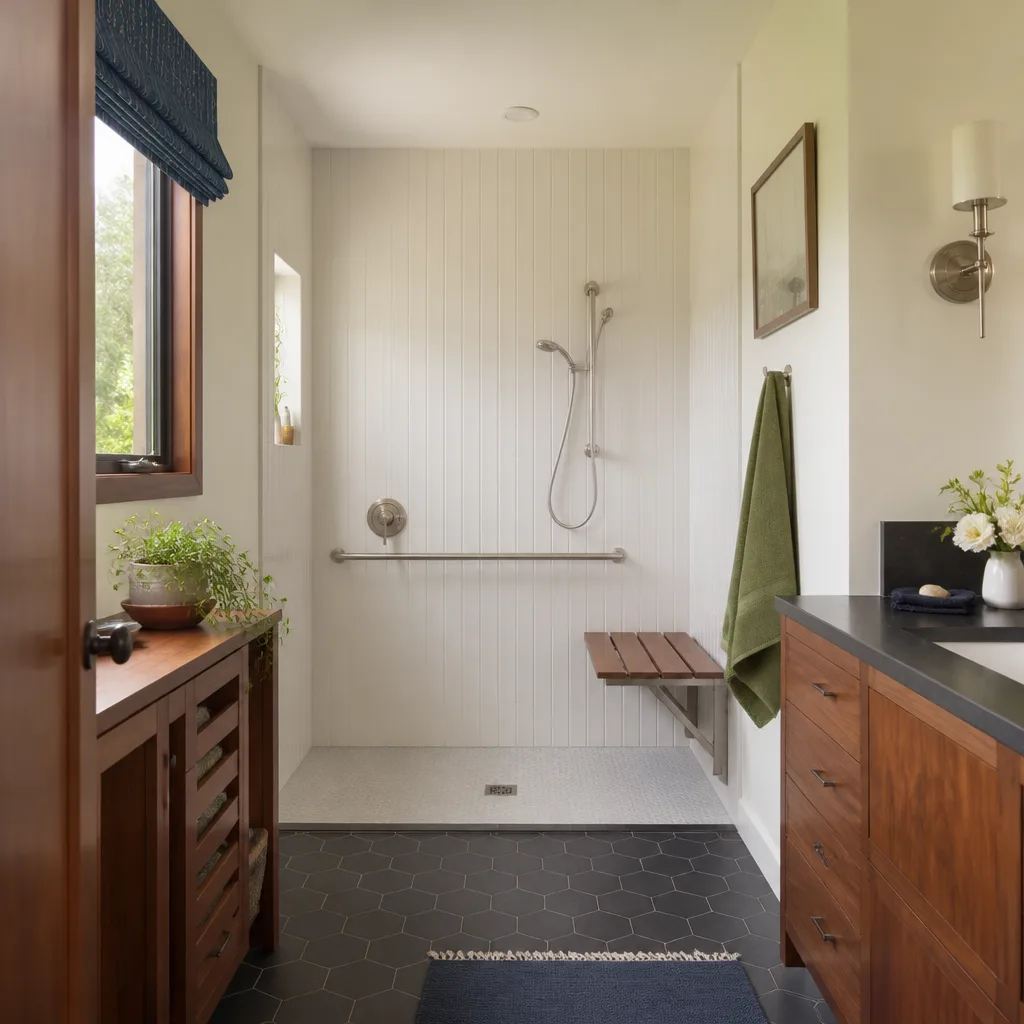
See the difference
 Before
 After
After Before
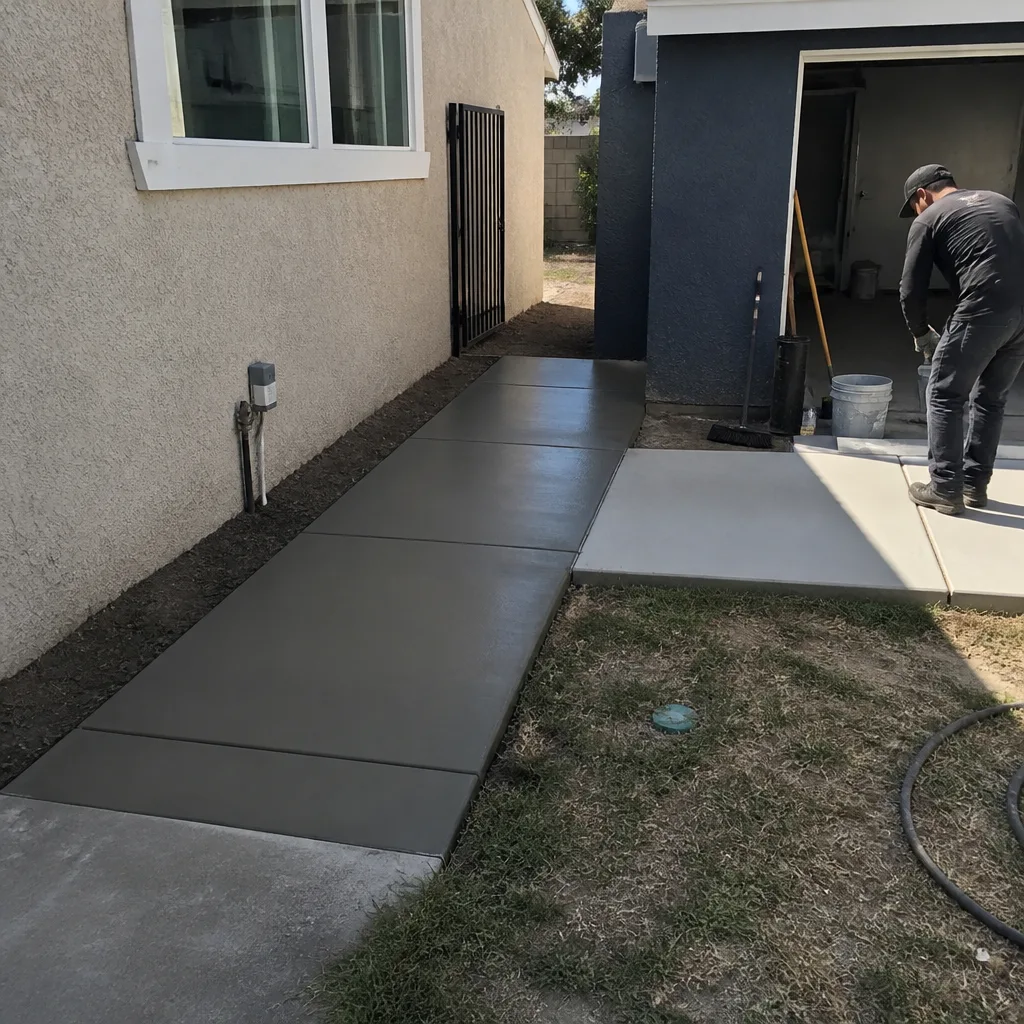 After
After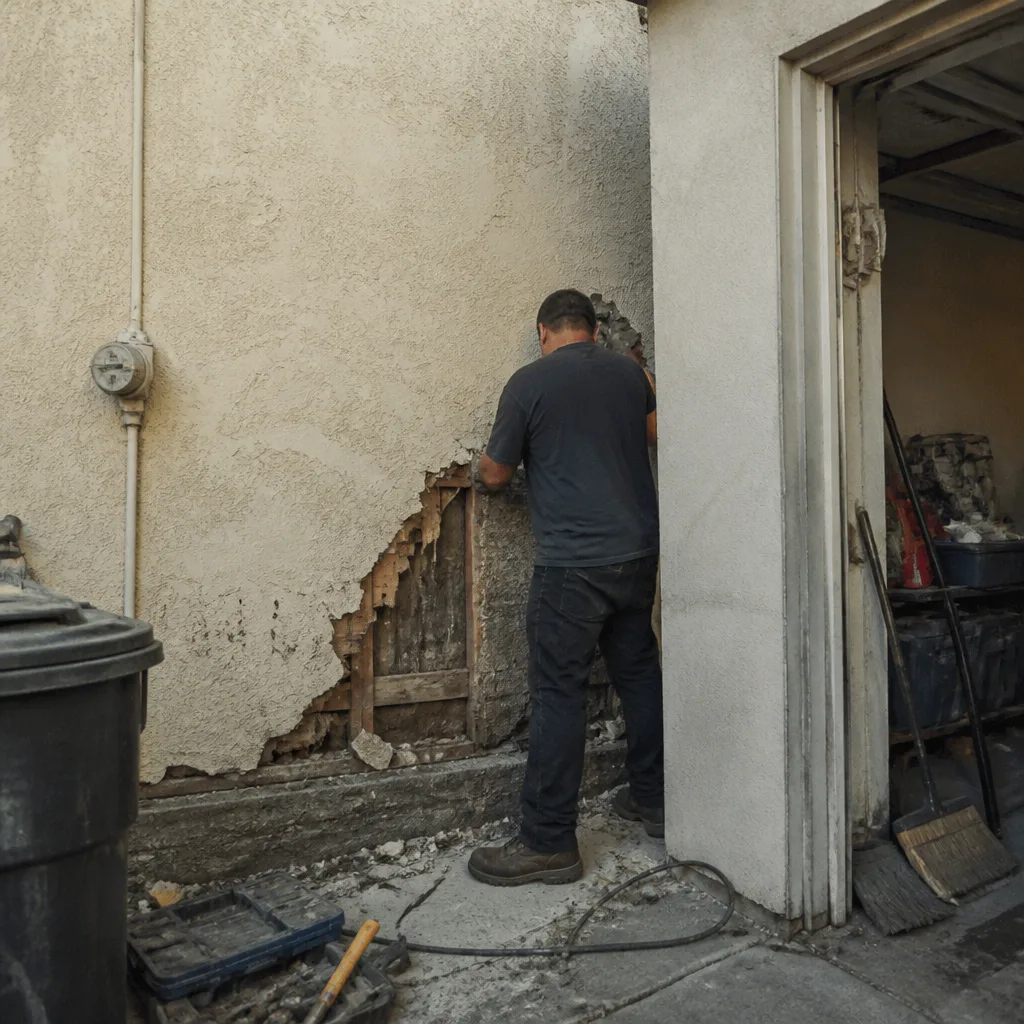 Before
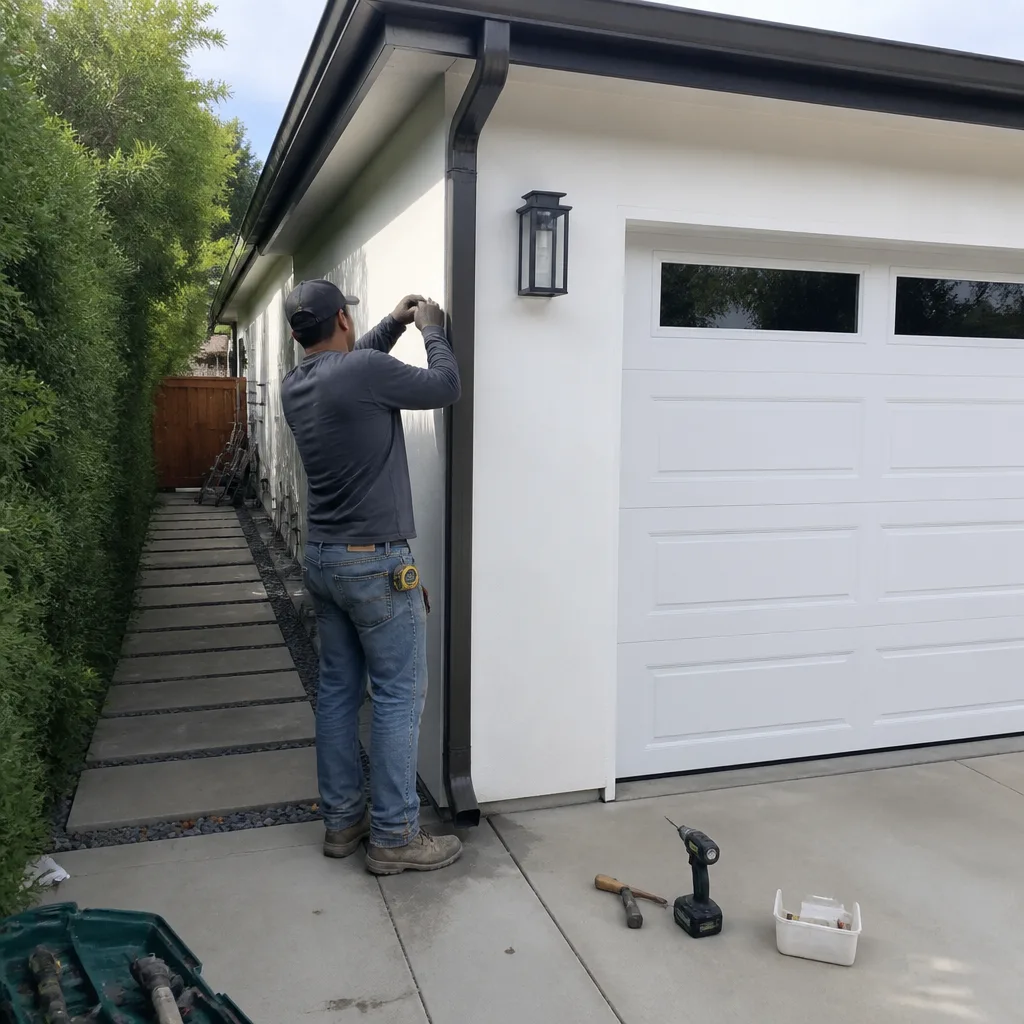 After
AfterReplacement Cost & What’s Included
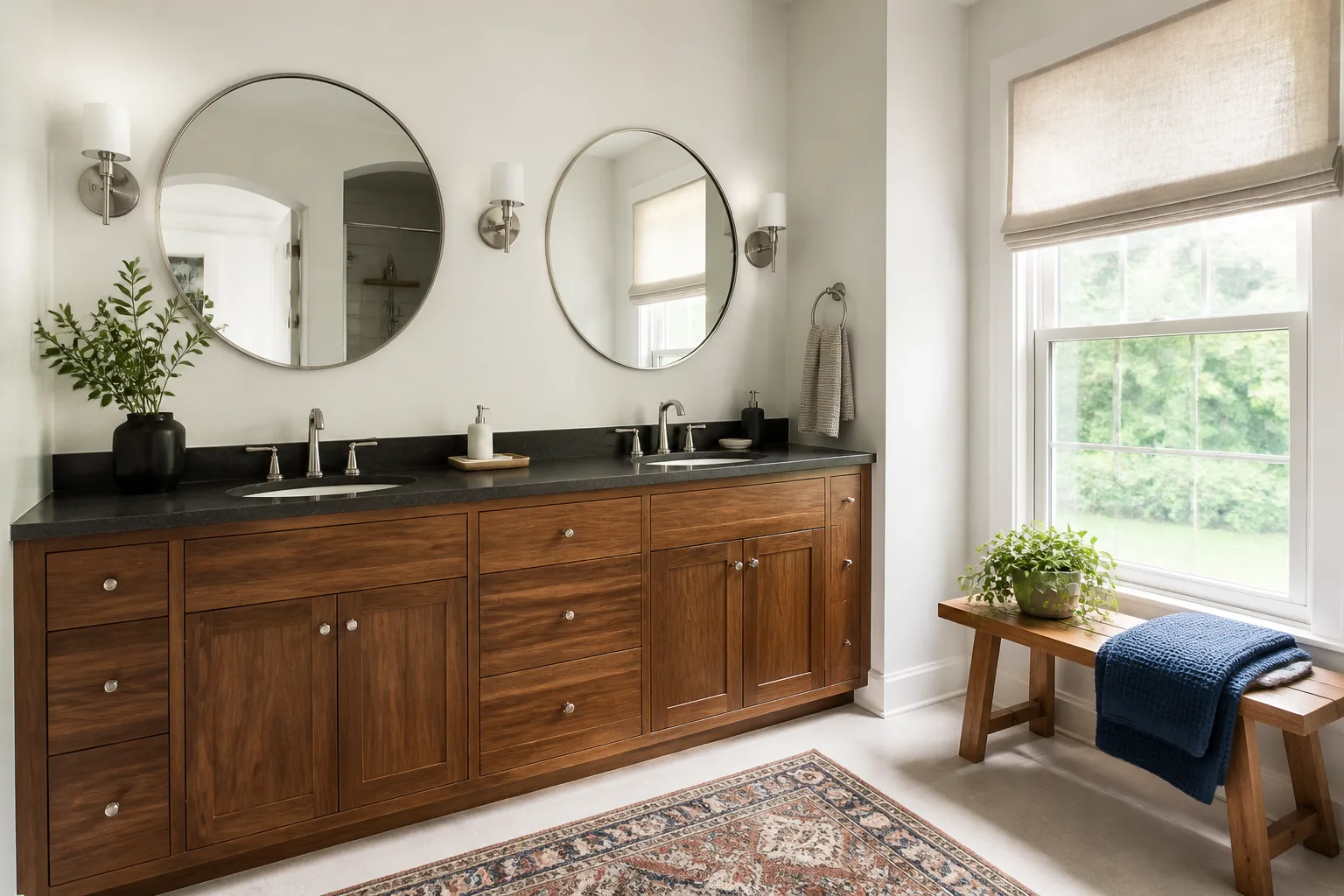
Here’s a real price sheet for American Standard bathroom remodeling work in Los Angeles, and the numbers don’t move at the door:
| Scope | Installed Range | What’s Included |
|---|---|---|
| Cartridge replacement (single valve) | $470 – $825 | OEM or spec’d cartridge, labor, cleanup, written 365-day guarantee |
| Tub-to-shower conversion | $4,130 – $11,800 | Demo, new valve rough-in, waterproofing, tile, fixtures, trim |
| Shower replacement | $3,540 – $10,030 | Existing footprint, new valve, pan, surround, glass to match |
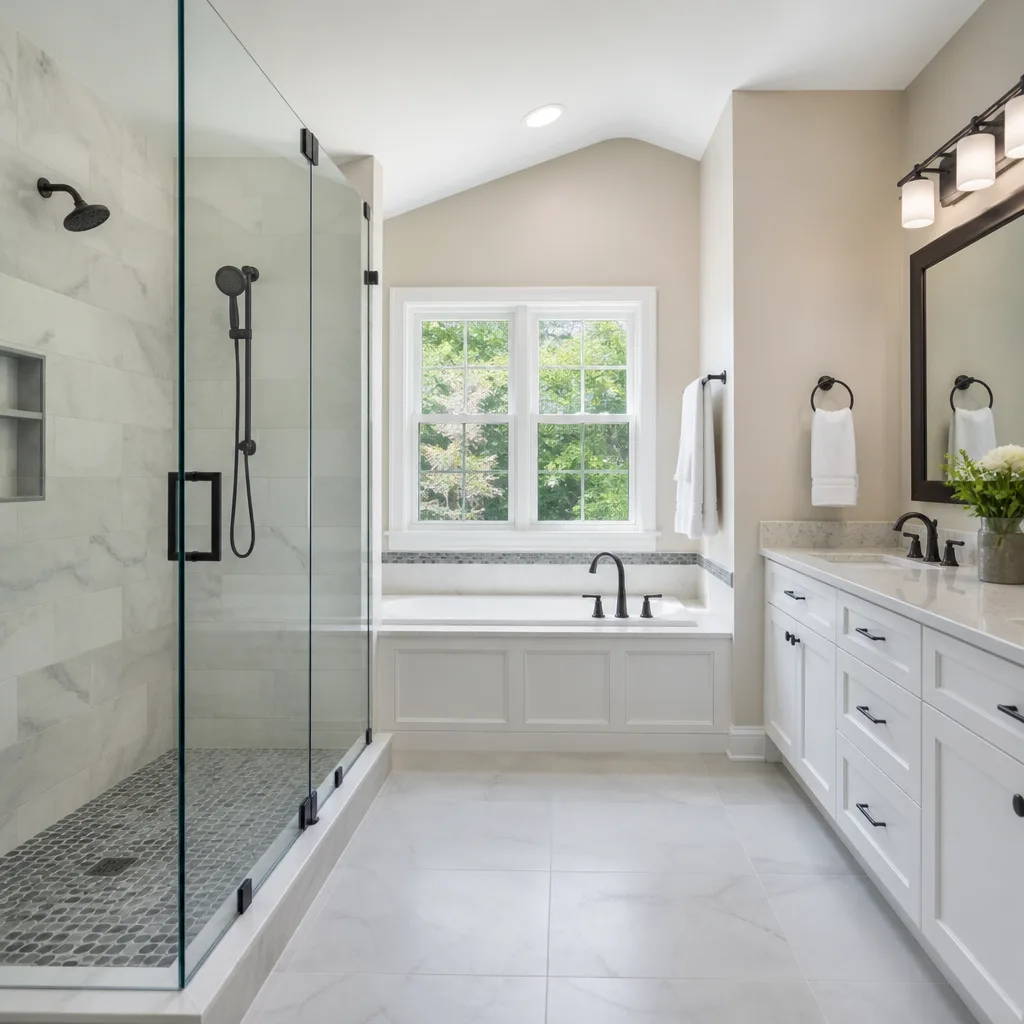
| Full bathroom remodel | $10,620 – $33,040 | Gut to finish, all rough-ins, waterproofing, tile, cabinetry, fixtures, lighting |
The spread comes down to whether we’re working inside an existing footprint or moving walls, what tile grade you pick, and whether the subfloor and framing are still sound once the old pan comes out. In a 1920s Spanish Revival in West Adams, the subfloor work is real. In a 2005 build in Porter Ranch, it usually isn’t. Every job gets a written line-item price before any work starts, and every completed job carries the 365-Day Done Right Promise. If the work fails inside a year due to our installation, we return and correct it at no charge.
DIY or Call Us?
Replacing a ceramic disc cartridge on a lavatory faucet is a 15-minute job with an Allen wrench and an adjustable crescent, and most homeowners can do it without flooding the bathroom. Replacing a pressure-balancing cartridge in a shower valve is also doable if the integral stops on the rough-in valve still hold. But here’s the honest line: opening a shower wall to access a failed rough-in valve or a leaking riser pipe is not a Sunday project. You’re cutting tile, opening the substrate, sweating or crimping pipe, and rebuilding the waterproofing system so it doesn’t rot the framing inside five years. Done wrong, you don’t have a leak, you have a mold problem behind new tile. If the job goes past the cartridge, call us. If you’re not sure, call (903) 568-7222 and describe exactly what you’re seeing. Curtis will tell you straight whether it’s a parts-bin fix or a wall-out repair.
FAQs
Expect 8 to 12 years from an American Standard pressure-balancing cartridge in Los Angeles, and 15 to 20 years from the brass rough-in valve itself. Hard water shortens the cartridge lifespan and scale buildup is the primary failure driver. The fixture body and valve usually outlast two or three cartridges, so if the trim is still in good shape, replacing the cartridge is almost always the right first move. Call (903) 568-7222 and we’ll tell you before we touch it whether the cartridge is enough.
No. A pressure-balancing cartridge is a non-serviceable part, and once the internal spool or seats are scored from scale, cleaning it buys you weeks, not years. We install a new OEM or specified equivalent rather than trying to rebuild a part that costs under $80 and lives inside your wall. The repair is the replacement.
A cartridge or trim swap is done in one visit, usually under two hours. A tub-to-shower conversion runs 3 to 5 working days. A full bathroom remodel typically takes 2 to 4 weeks depending on scope, tile selection, and whether we’re pulling permits. Every job gets a written schedule before we start, and the schedule is one of the deliverables The Garrison Standard holds us to.
We stock American Standard pressure-balancing cartridges for the R120/R125 platform, ceramic disc cartridges for common lavatory models, and a range of trim and rough-in components. If your fixture needs something we don’t have on board, our parts supplier in the LA basin has next-day availability on most American Standard OEM parts. You’re not waiting a week because you chose the “wrong” remodeler.
Written by Curtis Lane, Owner, Bradford Remodeling at Bradford Remodeling, serving Los Angeles and nearby areas.