Free written scope consultation - allowances, timeline, and change-order rules on paper before a single trade is scheduled
American Standard Home Additions & ADU: The Los Angeles Owner’s Guide
American Standard home additions and ADU construction in Los Angeles typically run $53,100 to $153,400 for a full permitted addition, while a detached ADU starts at $106,200 and can reach $259,600 depending on site conditions, foundation work, and finish level. We stock and install American Standard-compatible fixtures, framing hardware, and plumbing rough-in components used across these projects, and we can usually have a crew on site within days, not weeks. Most Los Angeles homeowners discover a problem mid-project: a re-framed wall doesn’t square up, a roofline tie-in leaks at the first winter rain, or a permitted ADU’s rough-in fails inspection because the wrong fixture spec was roughed in. Curtis Lane has seen every version of this in his years working across the Basin, and the fix always starts with matching the right part to the right plan.
Bradford Remodeling is an independent contractor, not affiliated with American Standard. We install their fixtures and rough-in components because the specs are consistent and the manufacturer documentation is solid, but we work the same way with Kohler, Moen, and any other documented brand a homeowner specifies.
Which American Standard Models This Applies To
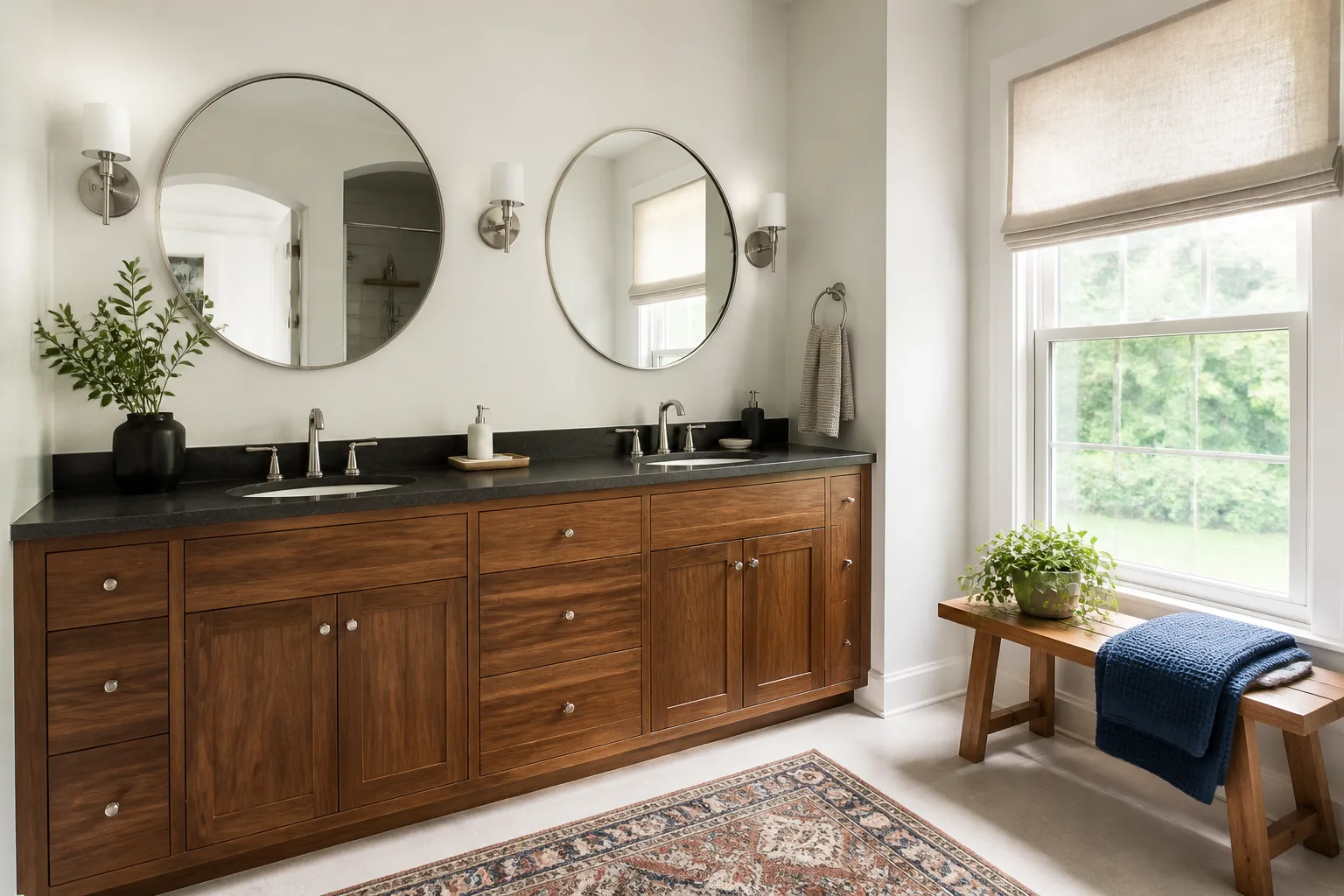
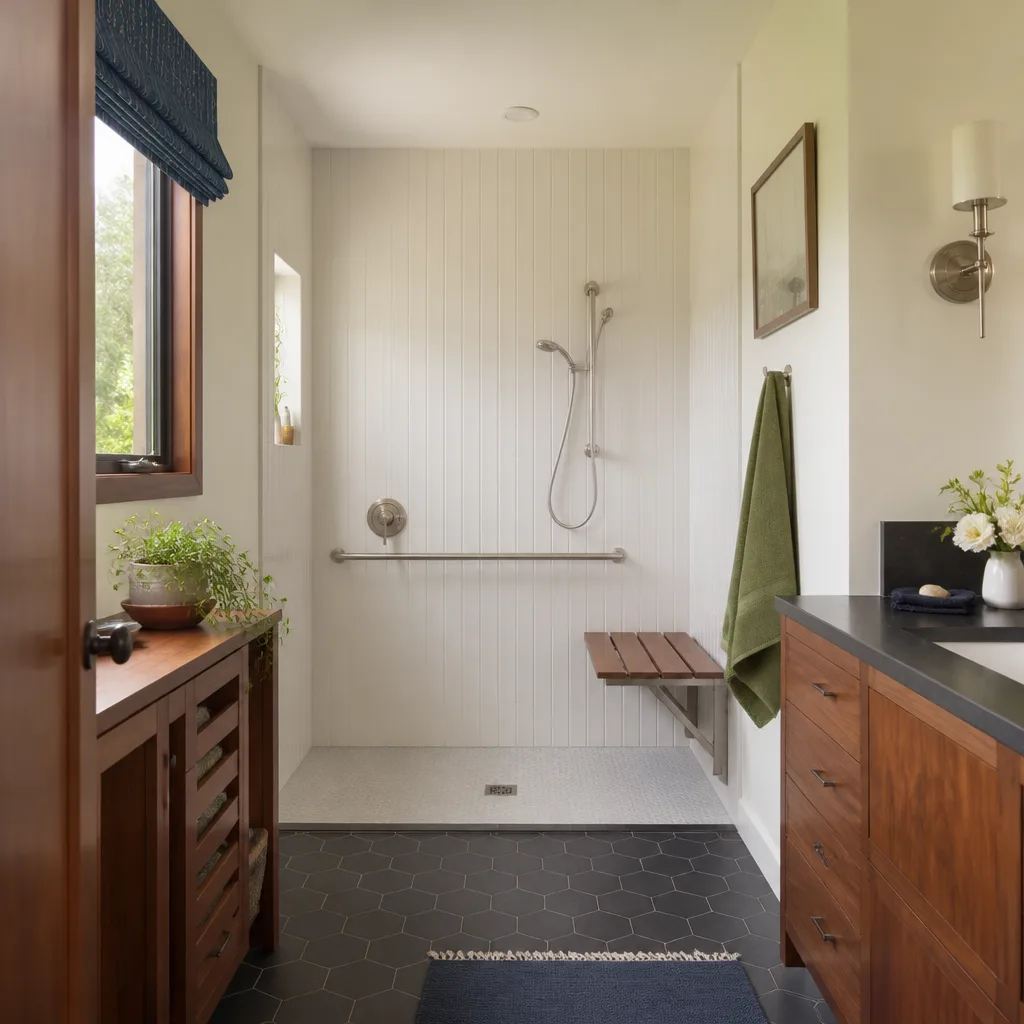
American Standard doesn’t make “home addition” kits, so the parts question is really about which American Standard fixtures and rough-in components are going into your addition or ADU. On the plumbing side, that means the Champion 4 and VorMax toilet lines, the Colony and Reliant tub and shower lines, and the Portsmouth and Boulevard bathroom sink series. On the rough-in side, it’s American Standard’s in-wall carriers, valve bodies, and drain assemblies. The compatibility gotcha most owners miss: American Standard valve bodies are not universal. A Colony shower trim will not swap onto an older Aqua Ceramix rough-in valve without a retrofit plate, and some Los Angeles inspectors will flag that on a final. Before you buy trim, read the model number off the valve body itself, not the trim plate. The number is usually cast into the brass or stamped on a sticker behind the escutcheon.
If you’re mid-remodel and the original valve is buried in a closed wall, we can identify it from the trim model and the year of the original build. Aftermarket replacements exist for most American Standard parts, and for drain assemblies and flappers they’re fine. For pressure-balance valve bodies and in-wall carriers, we recommend genuine American Standard parts because the dimensional tolerances are tighter. A loose-fitting aftermarket carrier can leave a toilet rocking on a finished tile floor, and that’s a callback nobody wants.
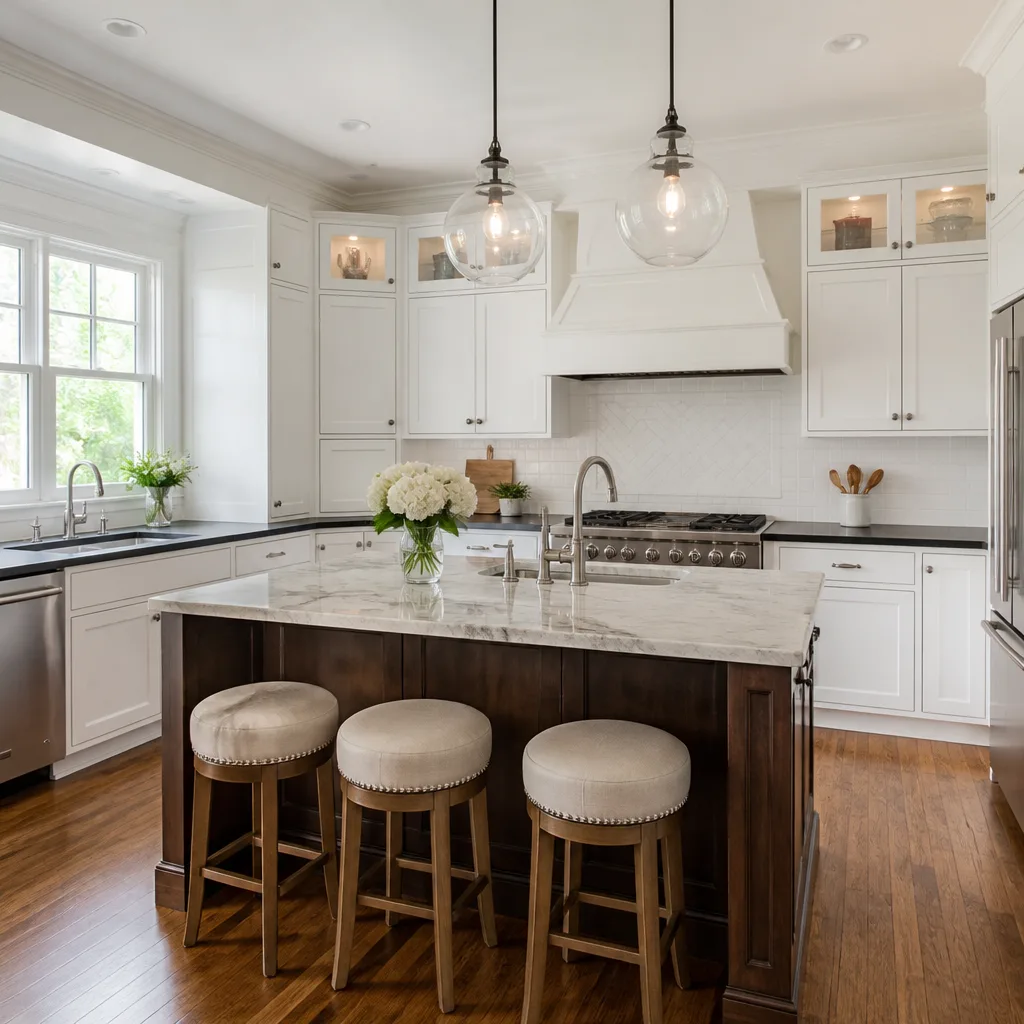
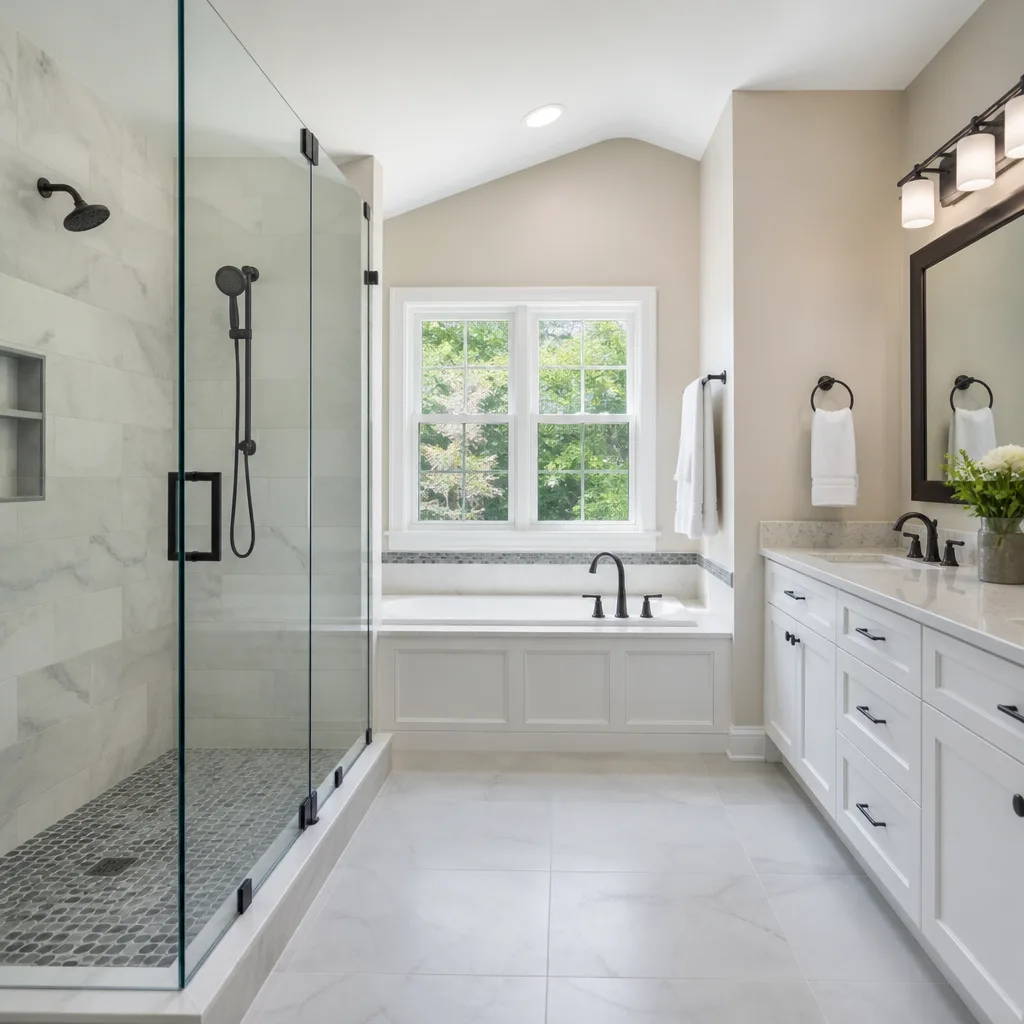
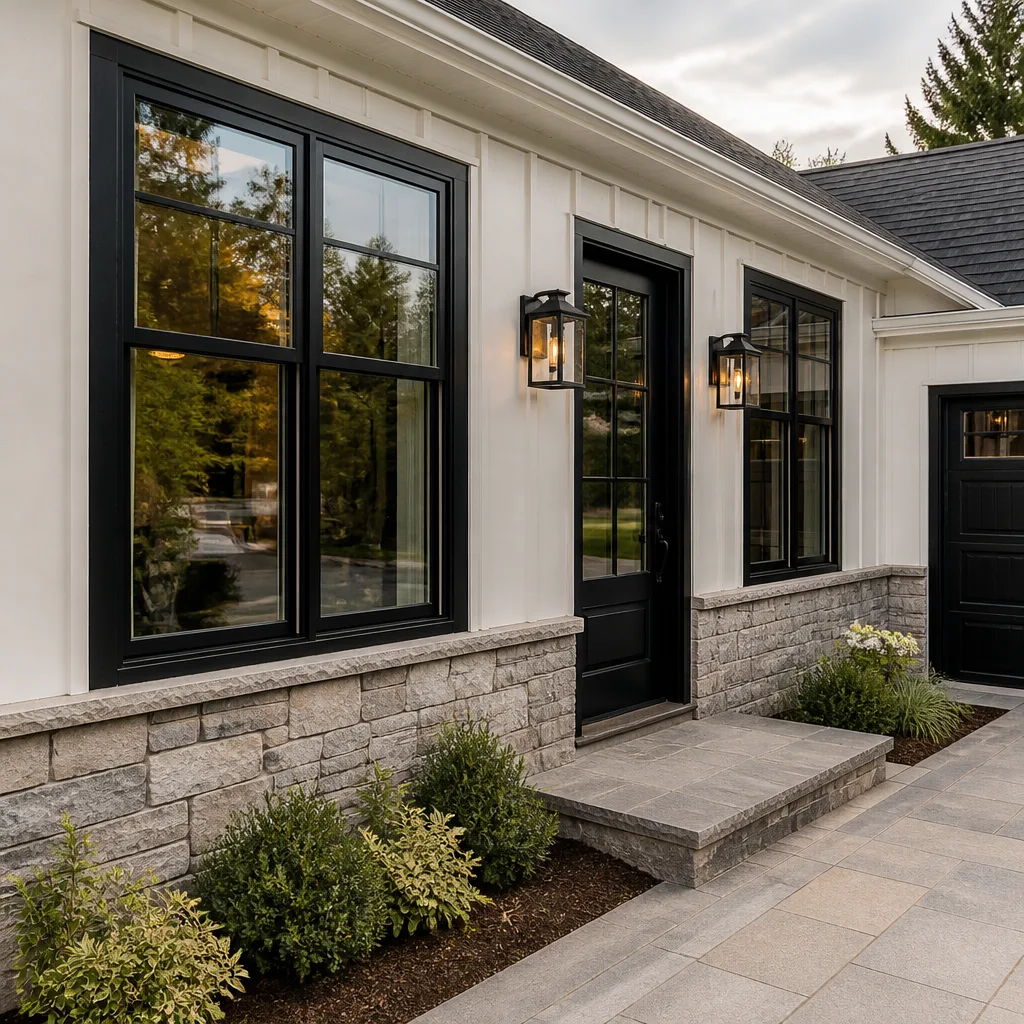
Styles & brands we work with


Signs Your American Standard Home Additions & ADU Is Failing
- Water pressure drops when a second fixture runs. This usually points to an undersized supply line or a partially closed valve body, not the fixture itself. In Los Angeles, where many homes still have galvanized supply lines, the corrosion closes the inside diameter before the American Standard fixture ever fails.
- Toilet rocks or leaks at the floor. On new additions, this is almost always a flange set too high or a wax ring that didn’t compress. The American Standard rough-in spec is 12 inches from finished wall to flange center, and if the drywall floats that out to 12-3/4, even a genuine American Standard toilet will sit crooked.
- Shower valve chatters or the temperature surges. That’s the pressure-balance cartridge failing, and it’s the most common American Standard-specific part we replace in Los Angeles additions. Hard water in much of the Basin shortens cartridge life, and a faucet that worked fine in the old bathroom can fail inside five years in the new one.
- Drains gurgle after a heavy rain. On a new ADU, this means the sewer lateral wasn’t sized for the added fixture load, or the vent wasn’t tied in correctly. The fixture drain is rarely the culprit; the plumbing design is.
- Grout cracks along the tub or shower base. The subfloor flexes. American Standard’s Americast tubs are lighter than cast iron and stiffer than fiberglass, but they still need a dead-flat, fully-supported subfloor. In older Los Angeles homes, floor joists on 24-inch centers will flex under an Americast tub, and the grout line is the first place it shows.
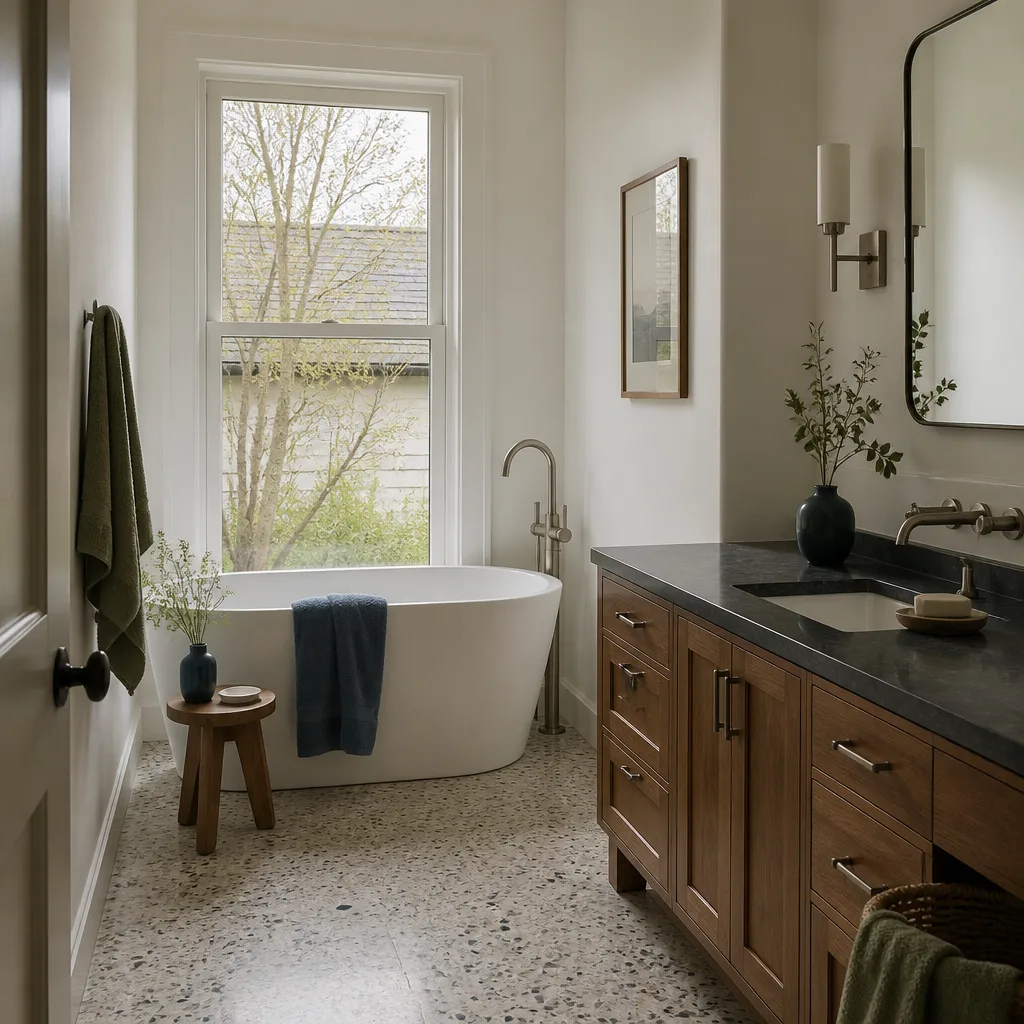
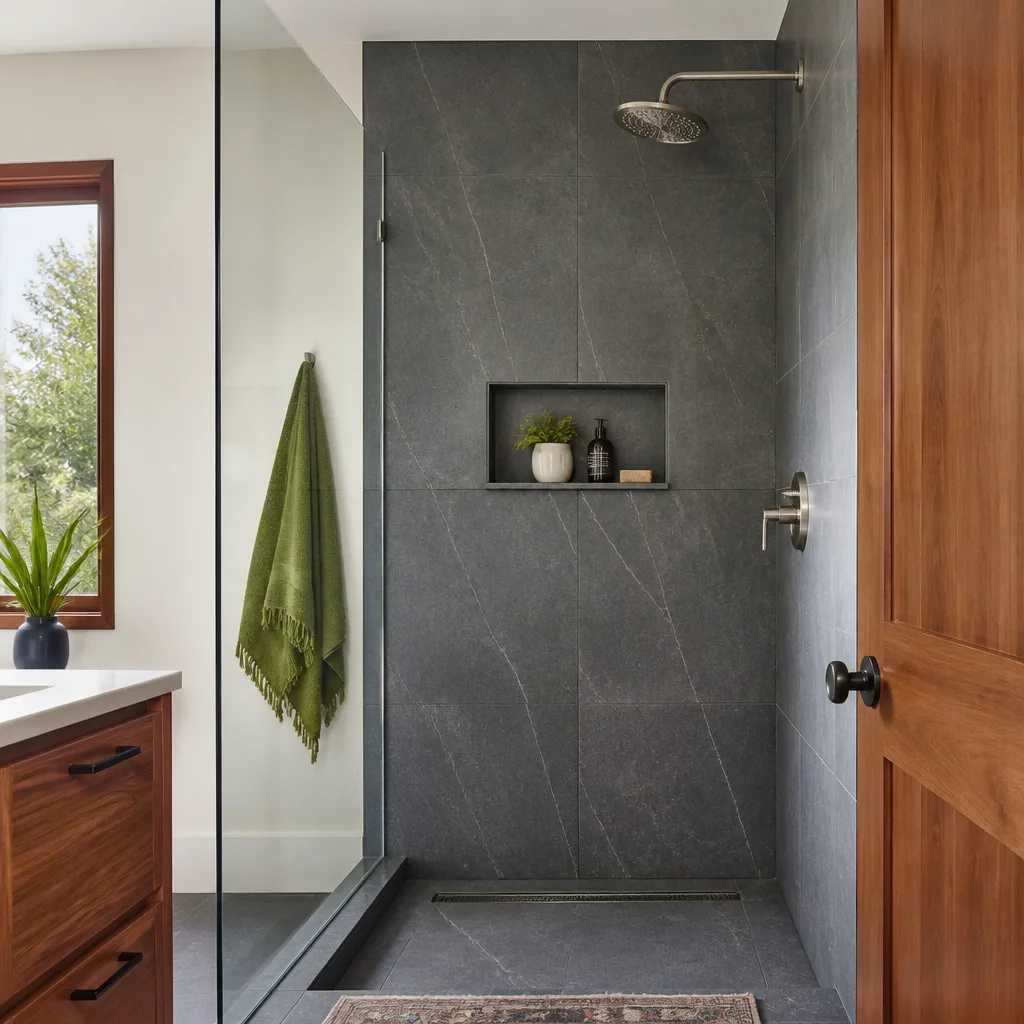
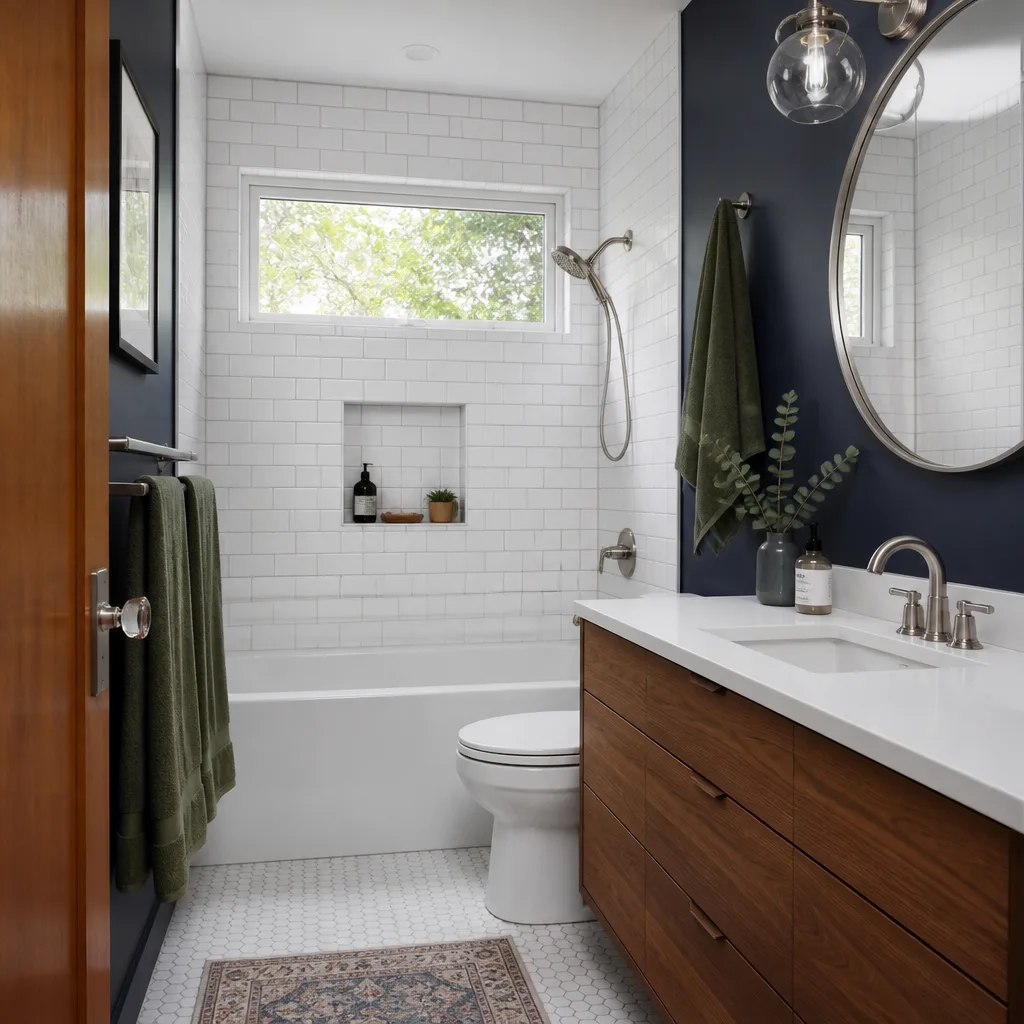
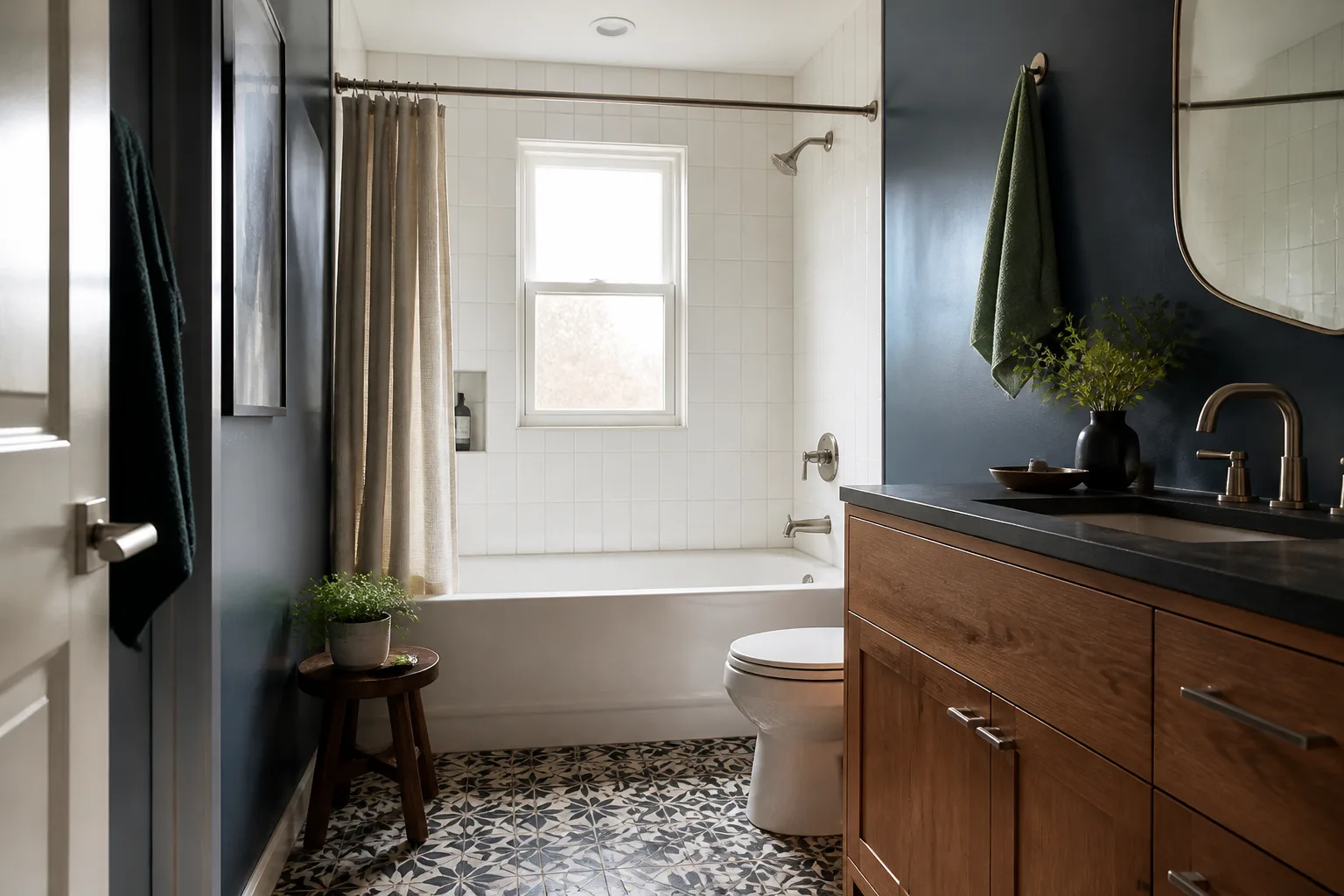
See the difference
 Before
 After
After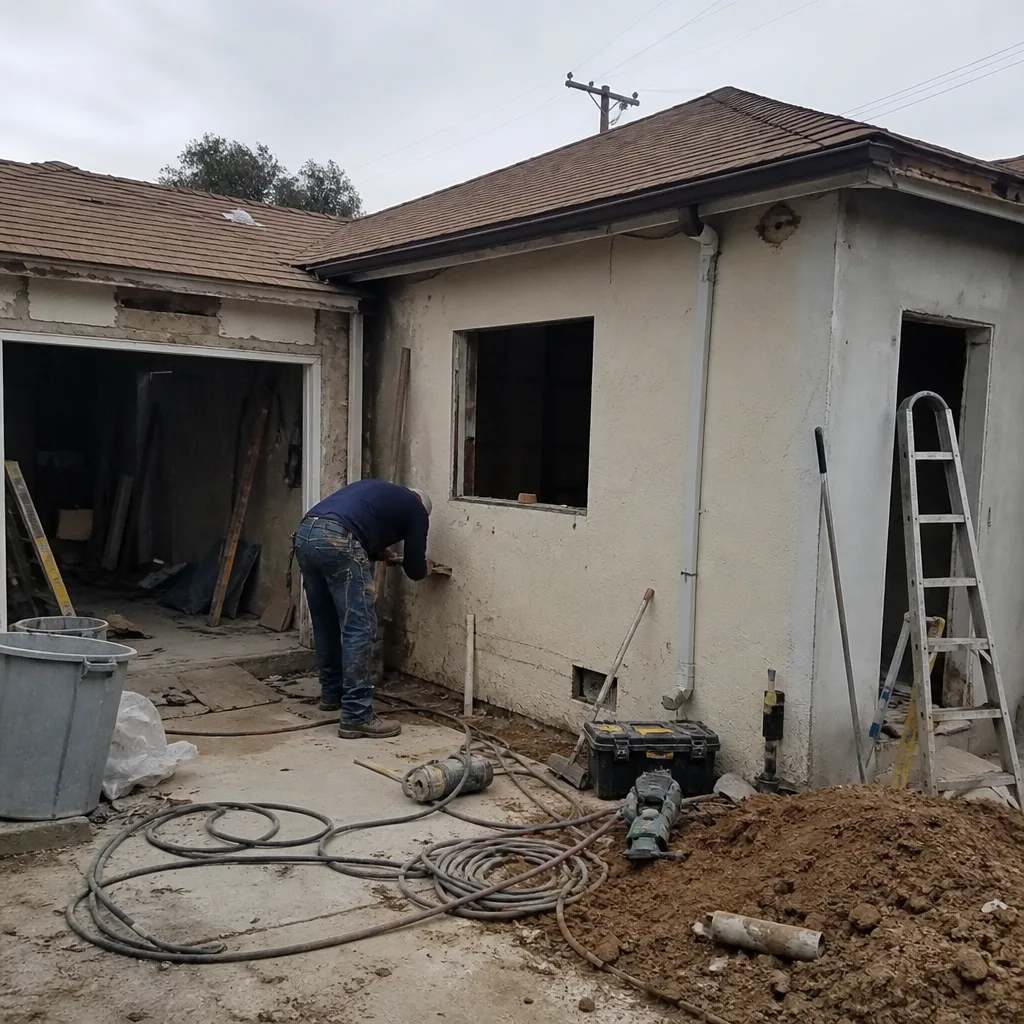 Before
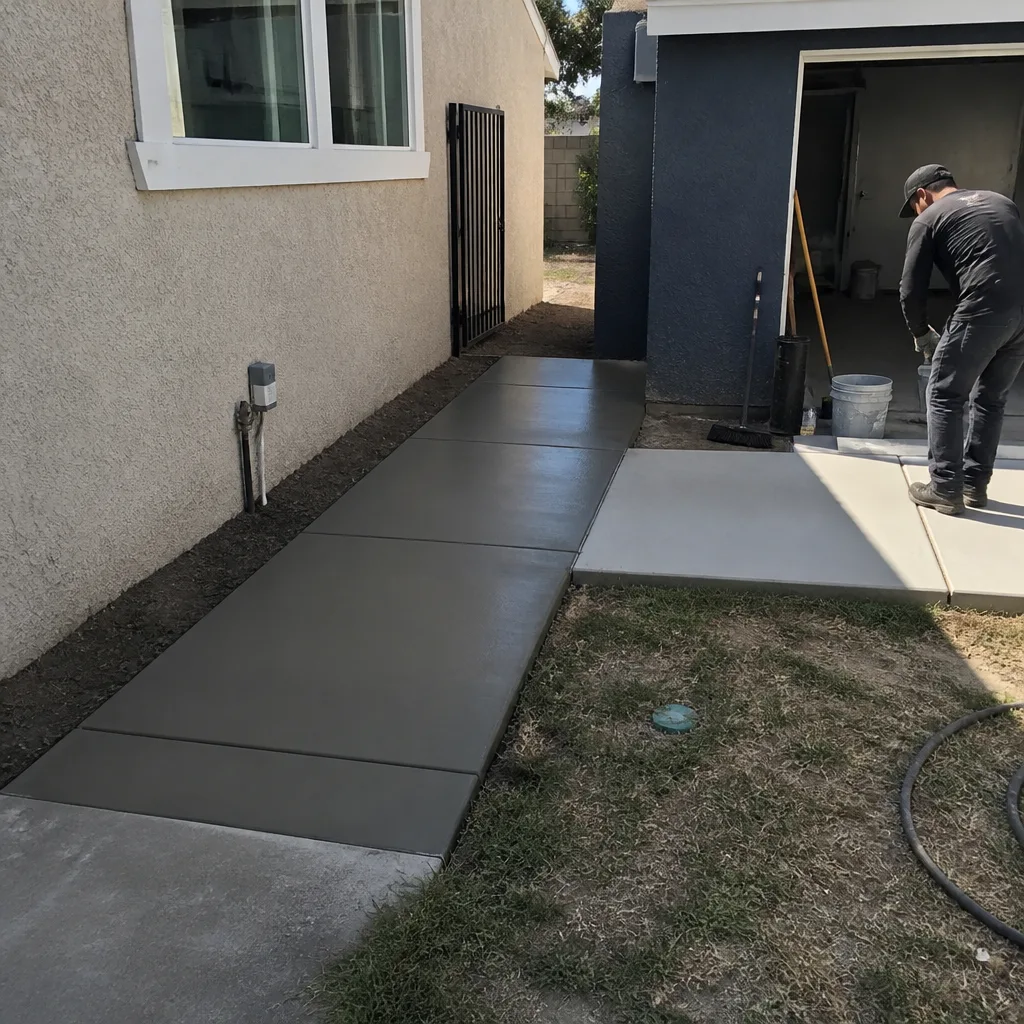 After
After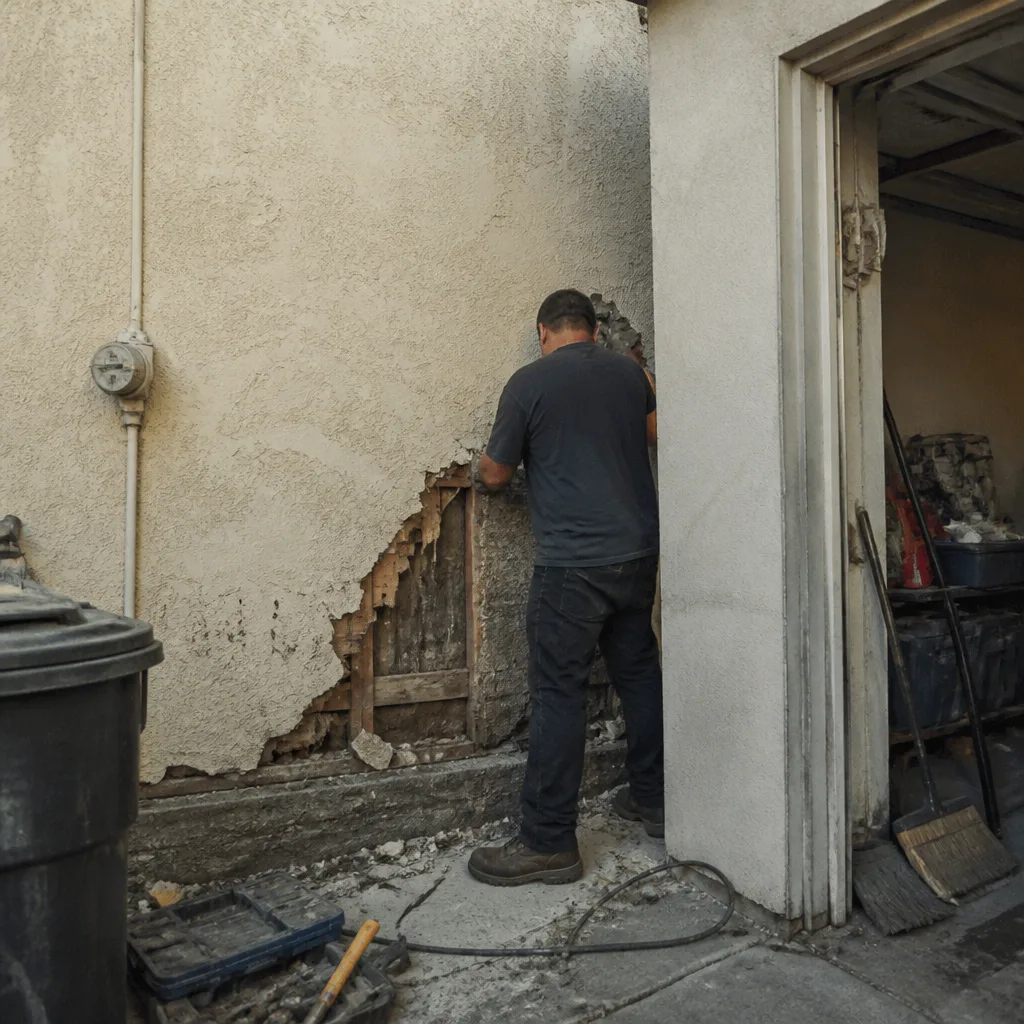 Before
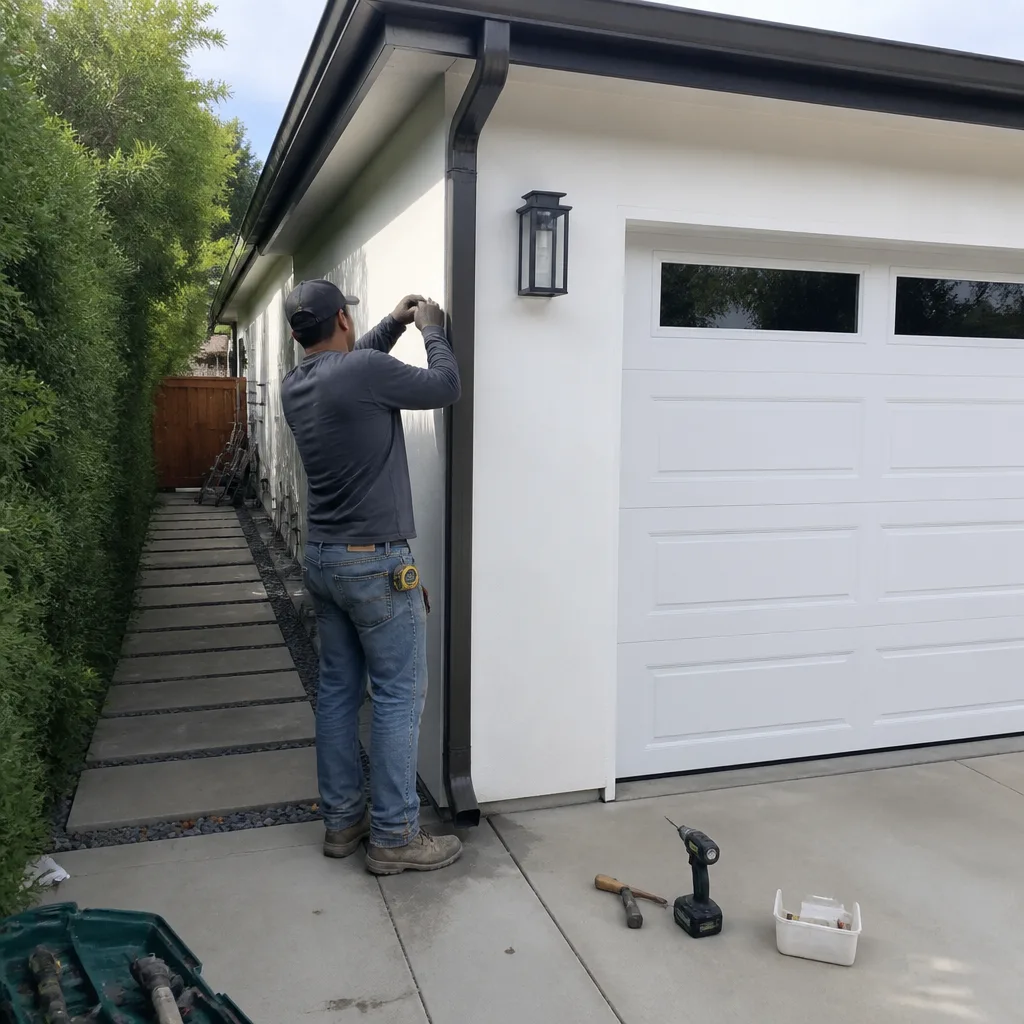 After
AfterReplacement Cost & What’s Included
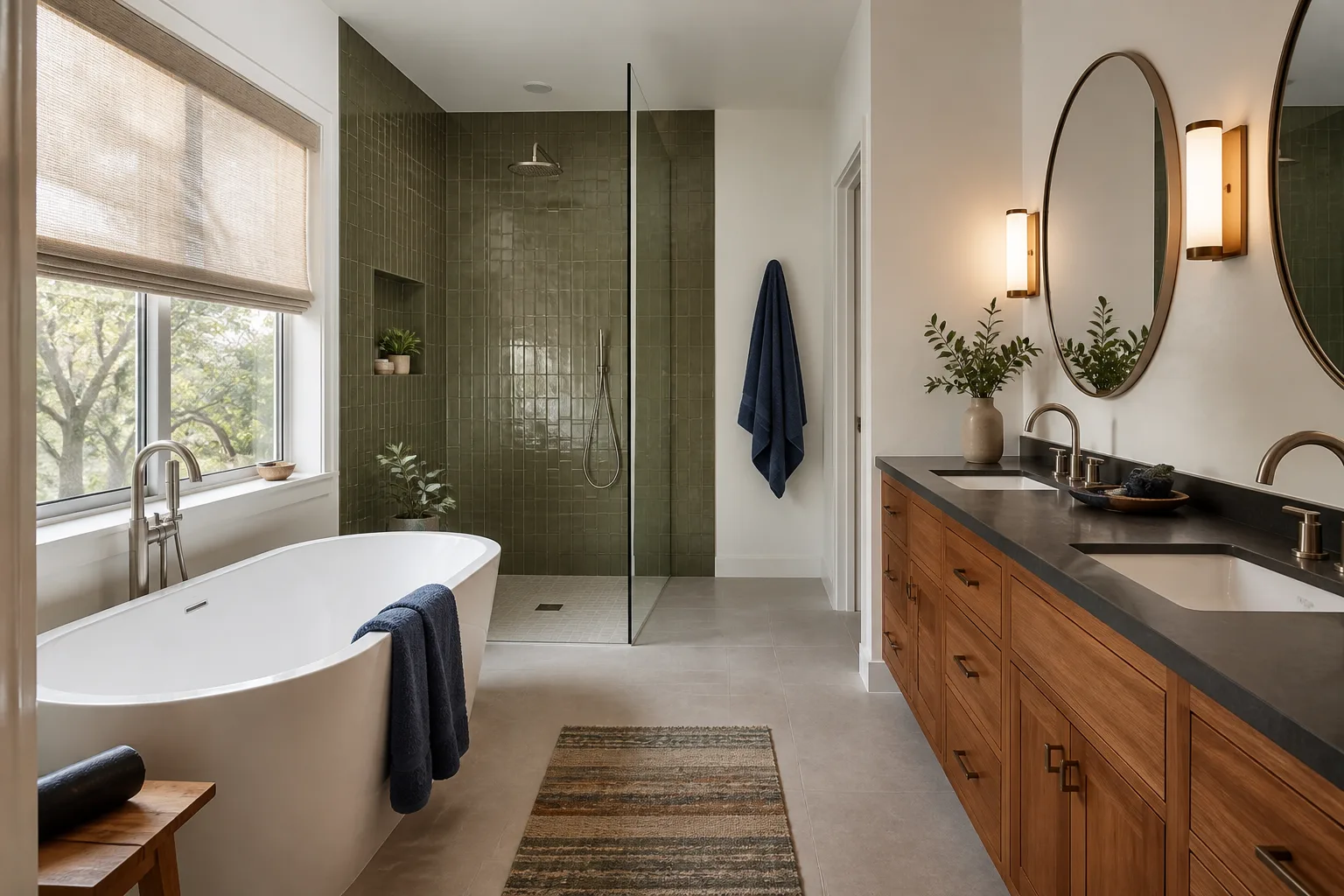
For Los Angeles, here’s what we quote, written, before any work starts:
- Full home addition: $53,100 to $153,400
- ADU construction (detached): $106,200 to $259,600
- Garage conversion to ADU: $35,400 to $94,400
- Bathroom rough-in replacement (valve, drain, supply lines): $590 to $2,950 depending on access
- Toilet replacement, including American Standard fixture, flange, and ring: $590 to $1,770
What moves the number: site access, foundation condition, whether the existing panel has capacity for a new subpanel, and how much of the old rough-in is salvageable. The parts themselves are the small end of the invoice. The labor to get them set square, level, and sealed is where the cost lives. Every quote includes the parts, the labor, the permit fees we pay on your behalf, and the written 365-Day Done Right Promise. If something fails inside that year, we come back and correct it at no charge. No change orders, no “we didn’t know the wall was framed wrong.” The wall is the job.
DIY or Call Us?
You can safely check a few things yourself: read the model number off a visible valve body, shut the water off at the fixture stop, and test whether a toilet rocks with hand pressure. That’s information you can bring to us on the phone. What you shouldn’t do is open a wall, move a drain line, or swap an in-wall carrier on your own. A shower valve behind a closed wall means sweating copper pipes and rebuilding a waterproof substrate. A toilet flange set wrong means pulling the bowl, chipping the floor, and resetting drain pitch. I’ve fixed enough DIY rough-ins in Los Angeles to know that the parts were never the problem; the sequence was. If you’re not sure, call us. A phone call is free, and we’ll tell you straight whether it’s a hand-tool job or a permit job.
Straight number, real scope, no surprises at the punch list. Call (903) 568-7222 and we’ll walk you through it.
FAQs
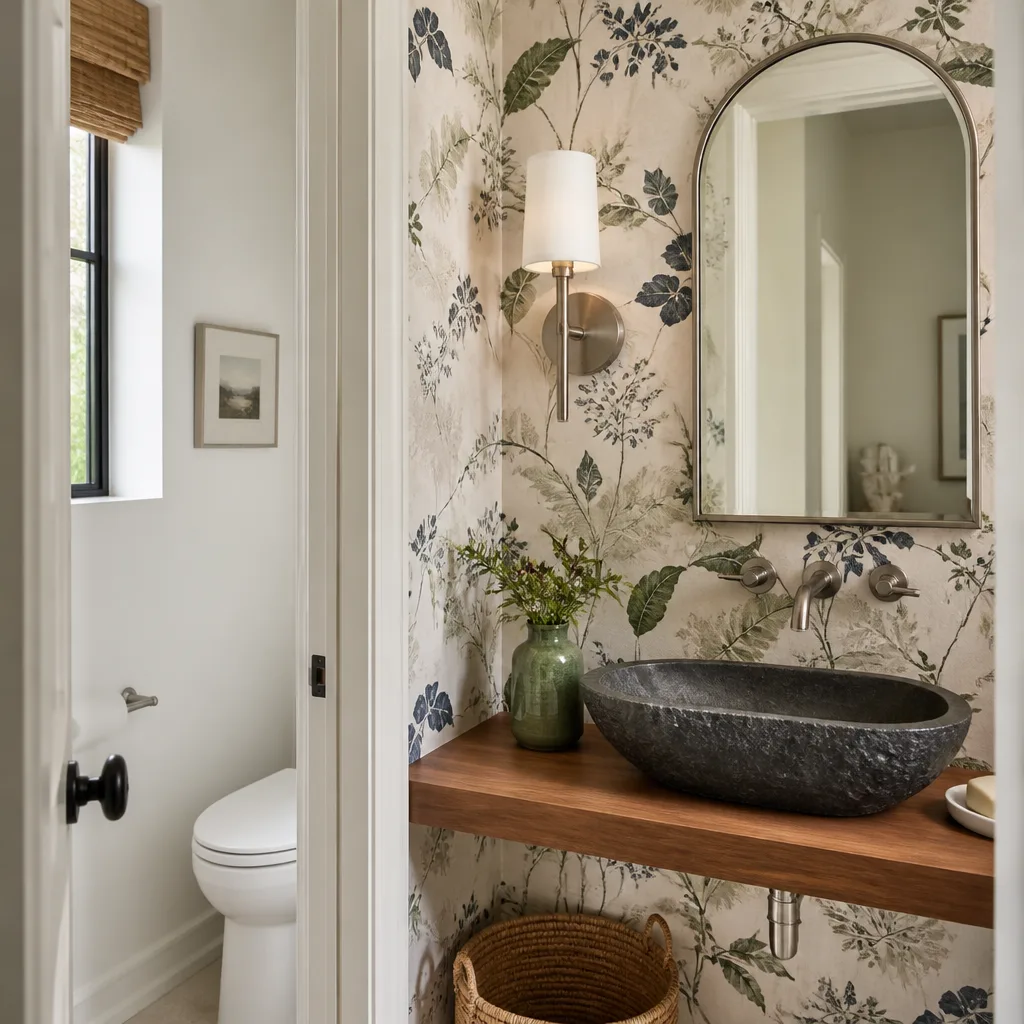
Valve cartridges and flush assemblies typically last 8 to 12 years before hard water degradation makes replacement sensible; the porcelain fixtures themselves, if set on a solid subfloor and drained properly, can last 25 years or more. The fixture usually outlives the rough-in around it. Call (903) 568-7222 if you want us to look at what you have.
Sometimes the valve cartridge or the flush assembly can be swapped without replacing the in-wall carrier or the drain assembly, and that’s a repair, not a replacement. If the carrier is cracked or the drain line has lost pitch, patching it will fail again; we’ll tell you which kind of job you have before we quote. Our estimates are free.
A single bathroom rough-in replacement, including opening and patching the wall, runs three to five days. A full home addition or ADU from foundation to finished fixtures runs four to nine months in Los Angeles, depending on permitting and site conditions. We give you a written schedule with the written price.
We stock common cartridges, flush valves, wax rings, and flange repair components on our trucks, and we can order any American Standard-specific part for delivery within a few business days. We’ll confirm exact availability when you call (903) 568-7222.
We also regularly work with parts from KraftMaid, Cambria, and Silestone on the finishes side, so the same crew can take your addition from rough framing to final walkthrough.
Written by Curtis Lane, Owner, Bradford Remodeling at Bradford Remodeling, serving Los Angeles and nearby areas.