Free written scope consultation - allowances, timeline, and change-order rules on paper before a single trade is scheduled
American Standard Kitchen Remodeling: The Los Angeles Owner’s Guide
Bradford Remodeling installs American Standard-compatible kitchen remodeling throughout Los Angeles, with full kitchen remodels typically running $16,520 – $53,100 depending on cabinet configuration, countertop material, and the condition of your existing plumbing rough-in. We carry OEM American Standard faucets, sinks, and accessory hardware on the truck, and we can usually match a failed fixture or worn cabinet hardware same-visit. What usually brings Los Angeles homeowners to us is a kitchen that was done a decade or two ago: the American Standard sink has hairline cracks around the drain, the faucet cartridge is chattering, or the cabinet boxes have swelled from years of coastal humidity working against builder-grade materials. You’re not asking for a magazine spread. You’re asking for a kitchen that works again, without a second mortgage.
Here’s the thing most contractors won’t say plainly: an American Standard-labeled kitchen component is rarely the failure point. The problem sits underneath it. Soffits that were never properly sealed, substrate that was never checked for moisture, cabinet boxes set on a floor that’s out of level by three-eighths of an inch. Fix the visible part without fixing what’s behind it, and you’ll be back in the same spot in two years. That’s why our scopes start with the framing and substrate, not with the shiny parts. Curtis Lane grew up in the Crenshaw district and spent weekends watching his grandfather patch stucco and re-frame a back bedroom that never quite stayed square, which is probably why he’s been obsessed with getting the framing right ever since. The faucet matters. The framing matters more.
Key Takeaways
- Installed price range: $16,520 – $53,100 for a full American Standard-compatible kitchen remodel in Los Angeles. Smaller scopes like cabinet swaps or fixture replacement run lower.
- We stock it: OEM American Standard cartridges, gaskets, sink strainers, and common accessory hardware on the truck. No three-week wait for a $12 part.
- Written price before work starts: You’ll have a line-item scope with part numbers and labor broken out. No numbers that move at the door.
- 365-Day Done Right Promise: If the work fails inside a year, we come back and correct it at no charge. In writing, on the scope you sign.
Styles & brands we work with
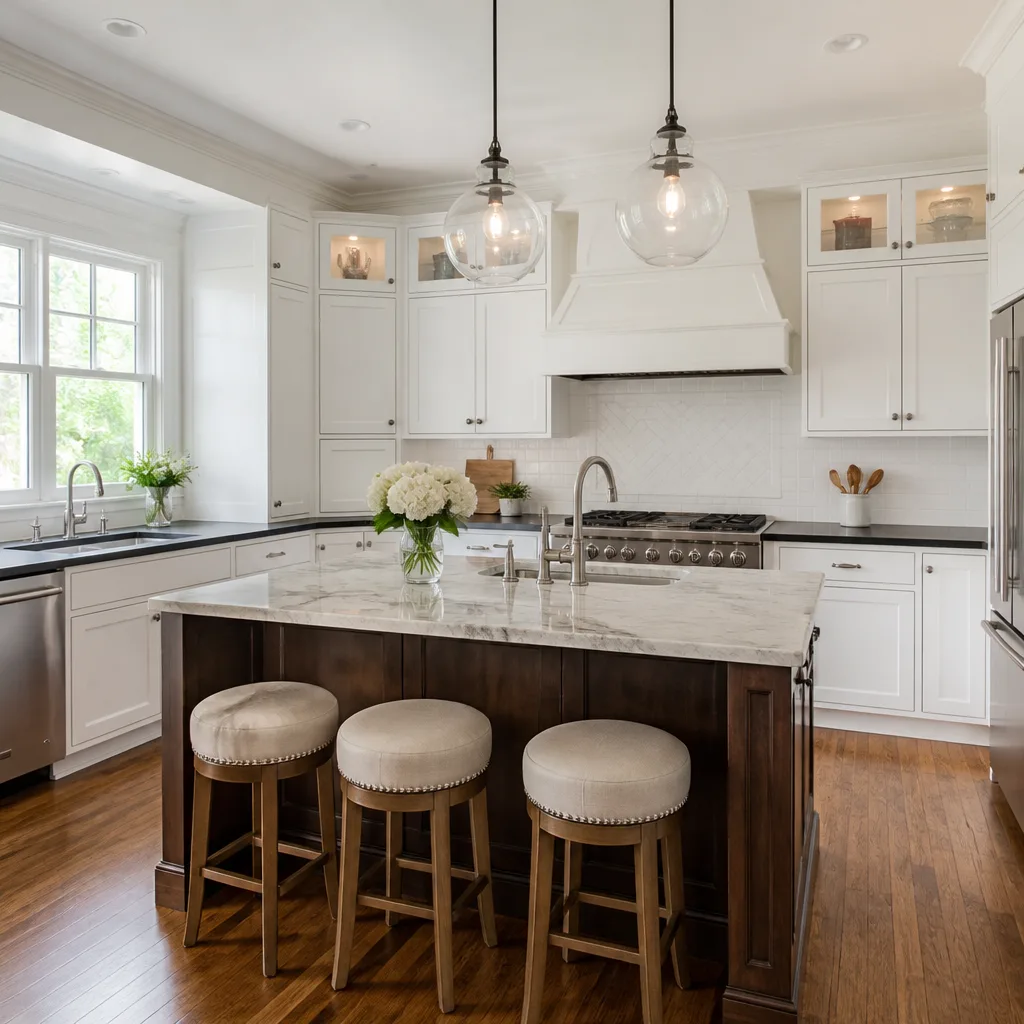
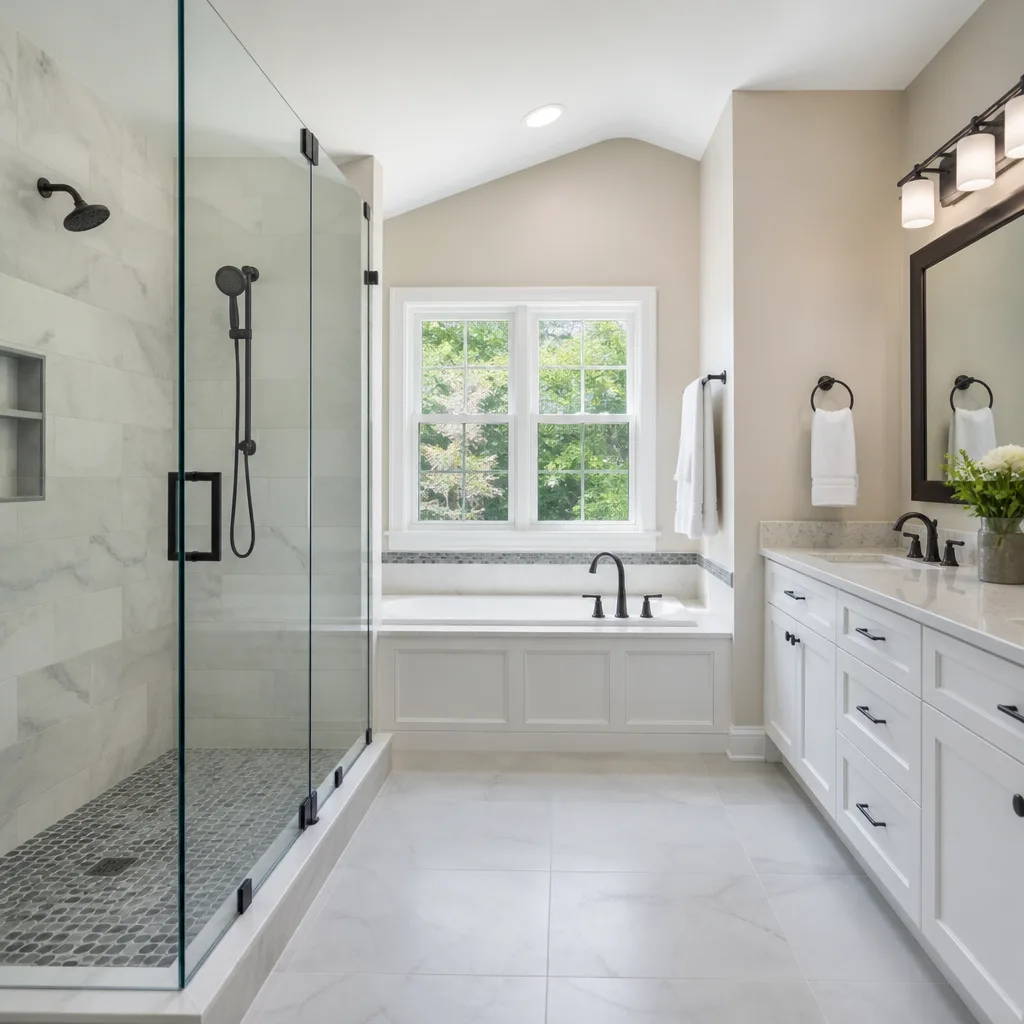

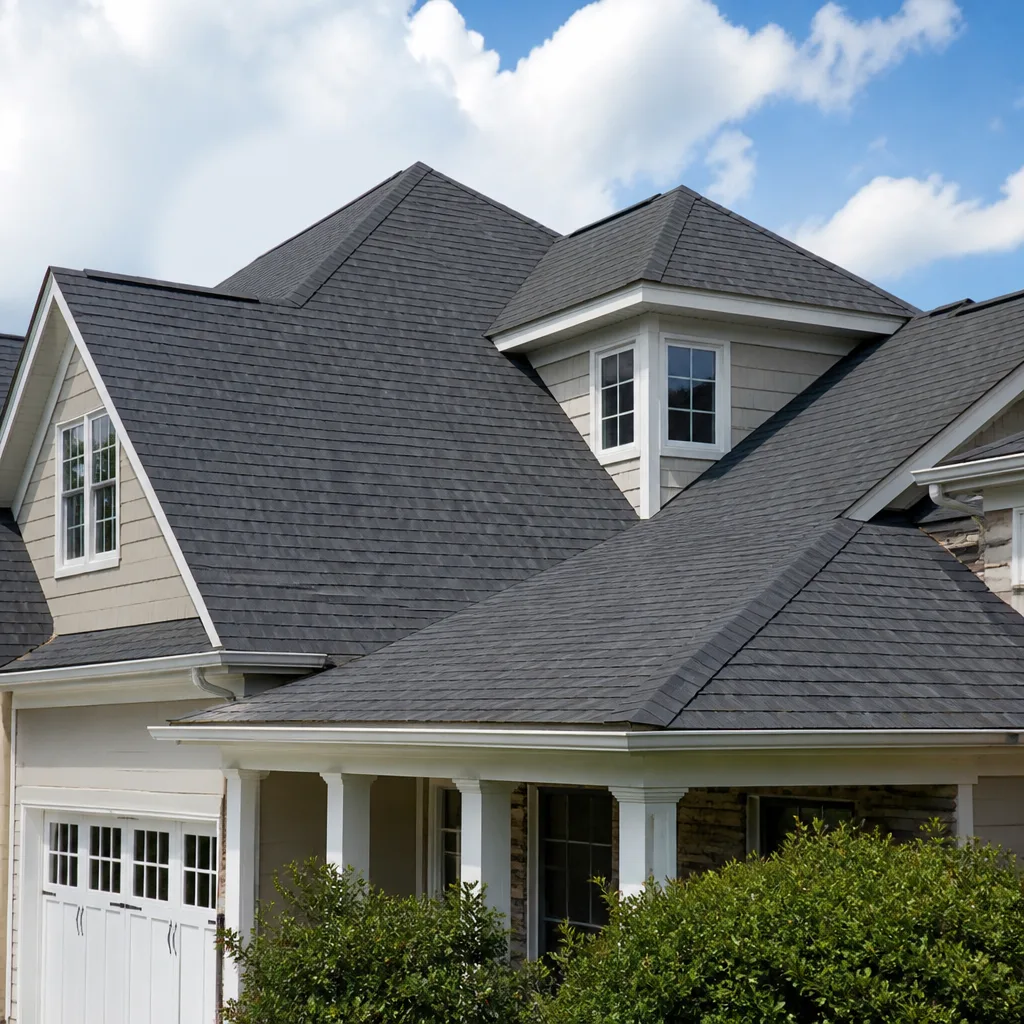
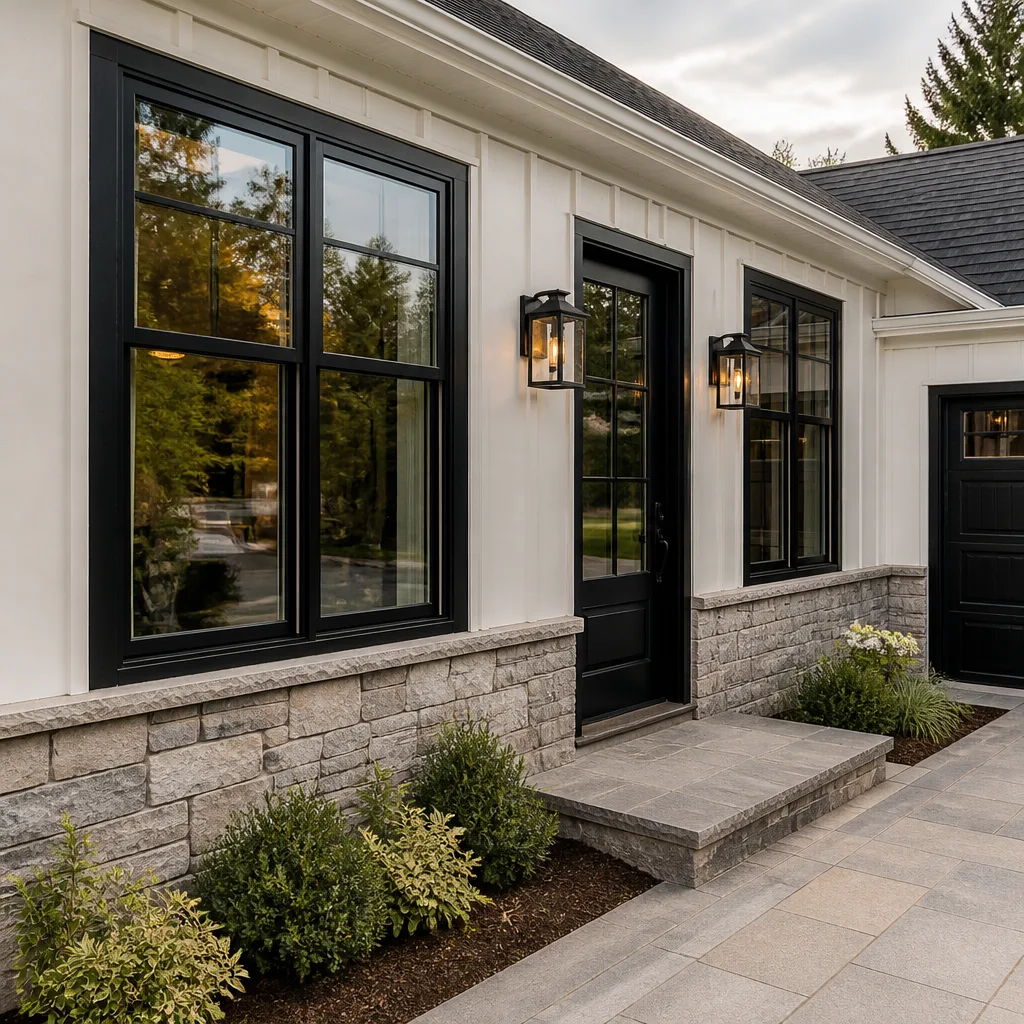
Which American Standard Models This Applies To
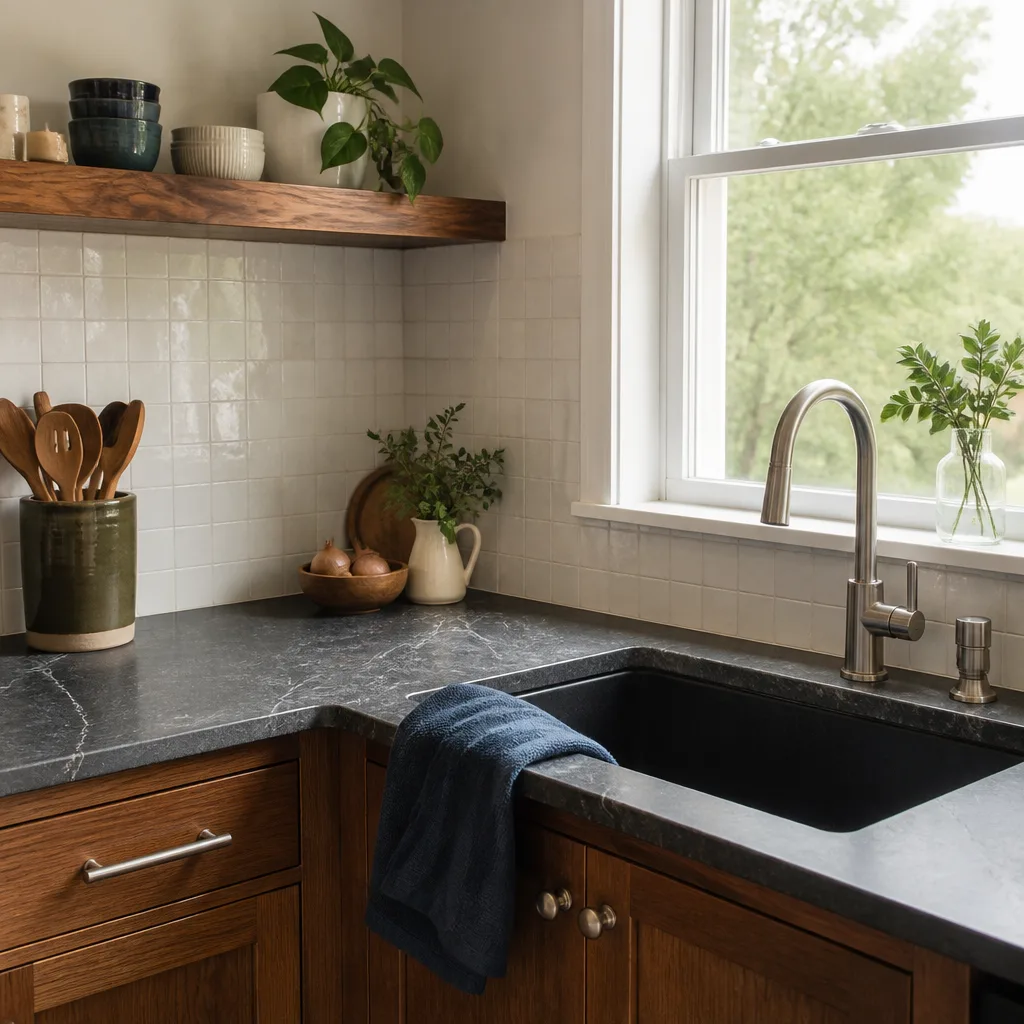
American Standard doesn’t manufacture complete kitchen systems, so there’s no single model number that covers a whole kitchen. What you’re dealing with is a mix of American Standard fixtures (faucets, sinks, garbage disposals under the Cadet and Colony lines, some discontinued models) and the cabinetry, counters, and backsplash that surround them. The compatibility question always comes down to measurements and connection types. The most common Los Angeles setups we see are the American Standard Colony pull-down faucet with a 3-hole deck mount, and the American Standard single-basin stainless steel sink in the 25-inch by 22-inch range. But we’ve matched discontinued two-handle wall-mount faucets in older bungalows from Highland Park to Sherman Oaks, where the rough-in was set at 8 inches on center and nobody makes a direct replacement without modifying the plumbing.
Here’s a compatibility gotcha that catches owners off guard: American Standard changed their cartridge design for the Colony line around 2016. The older cartridge seats differently in the valve body, and a new cartridge will not seal if the valve body shows any pitting at the seating surface. We’ve seen Los Angeles homeowners order a replacement cartridge, swap it in, and the faucet still drips at the base. The fix is usually a new rough-in valve, not another cartridge. On sinks, measure the drain opening before you order anything. American Standard standardizes on a 3.5-inch drain for kitchen sinks, but some of their older enameled cast iron models from the late 90s used a 4-inch, and the strainer basket isn’t interchangeable. Two checkable specifics right there.
As for OEM versus aftermarket: for cartridges, gaskets, and internal seals, we specify OEM American Standard every time. The aftermarket equivalents for the Colony and Cadet lines have looser tolerance on the rubber compound, and we’ve pulled too many of them out after eight months with swelling at the O-ring. For cabinet hardware, hinges, and glides, we’re fine with quality aftermarket from Blum or Salice, because American Standard doesn’t manufacture those anyway. Bradford Remodeling is an independent service provider, not affiliated with American Standard, but we install their parts daily and keep the common failure components on the truck.
Signs Your American Standard Kitchen Remodeling Is Failing
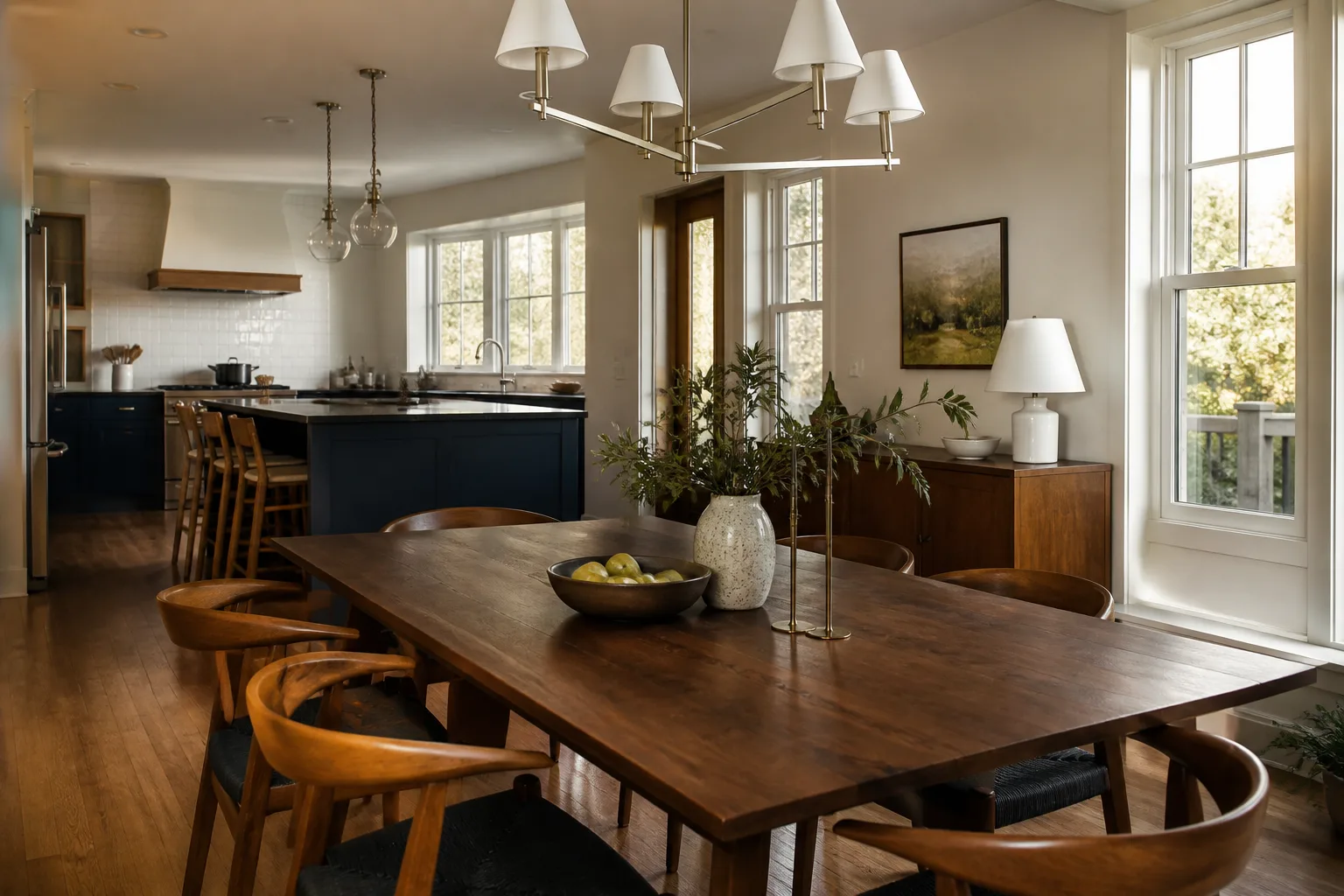
Most Los Angeles homeowners don’t call because the kitchen stopped working. They call because it started misbehaving in small ways, and small ways turn into expensive ways if they’re ignored.
- Faucet drips at the base, not the spout. This points to a failed O-ring at the body, not the cartridge. In American Standard Colony and Cadet faucets, that O-ring sits under the escutcheon and degrades from hard water mineral buildup. Los Angeles DWP water runs moderately hard, and that accelerates the wear.
- Drawer fronts out of alignment with no visible damage. The cabinet box has started to rack. That’s a mounting or leveling problem underneath, almost never the drawer itself. In homes near the coast, humidity swings swell the substrate and loosen the screws holding the glides.
- Sink finish showing hairline stress marks around the drain opening. That’s the beginning of a fatigue crack in stainless steel, usually from years of heavy pots and a strainer that was overtightened. It won’t seal forever, and when it fails, it leaks into the cabinet box below.
- Cabinet doors that swing closed on their own. The box is out of level. Could be sagging floor joists, could be original installation. Either way, you’re chasing the symptom if you only adjust the hinge.
- Grout or caulk pulling away at the backsplash-to-counter seam. The counter has shifted or settled. In Los Angeles, minor seismic movement and seasonal humidity cycling both contribute. If you recaulk without checking what moved, the gap comes back.
None of these is a cosmetic-only problem. Each one tells you something about what’s underneath. That’s the part the invoice should explain.
See the difference
 Before
 After
After Before
 After
After Before
 After
AfterReplacement Cost & What’s Included
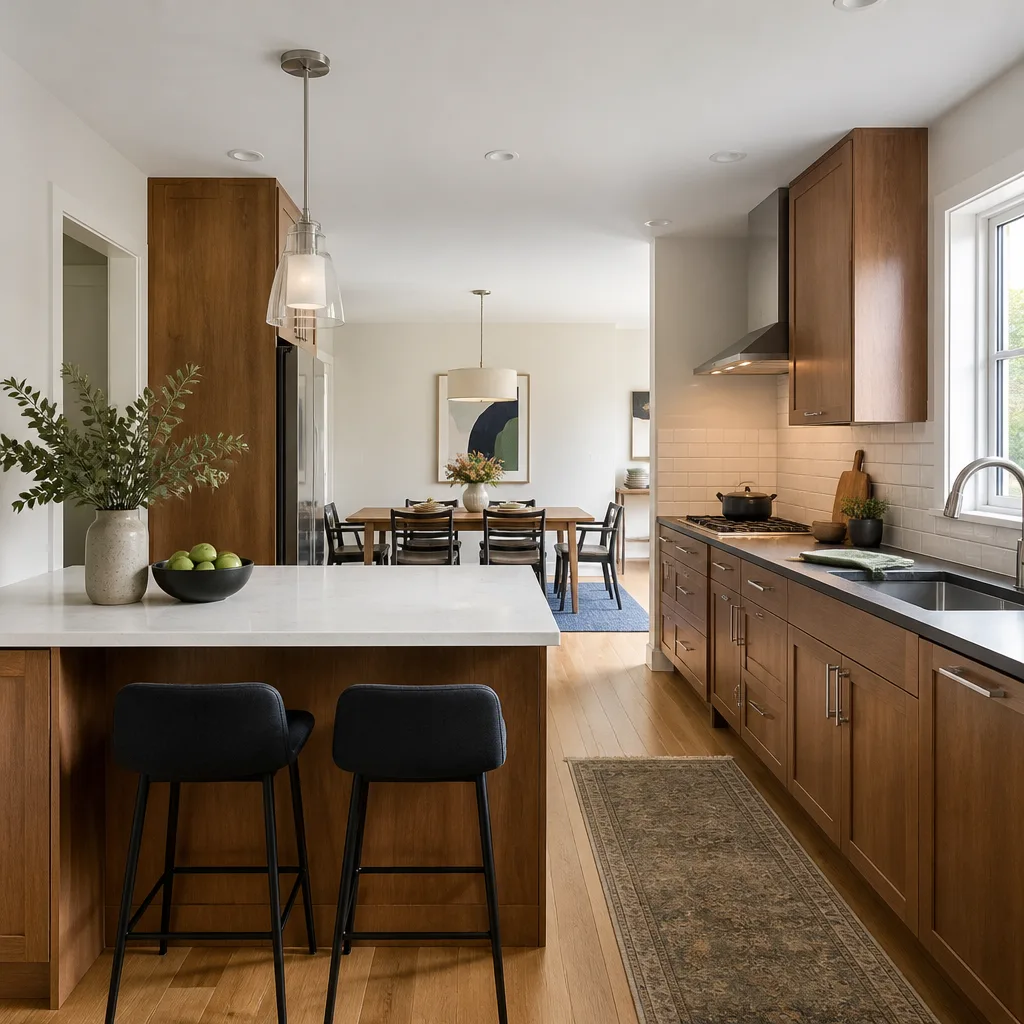
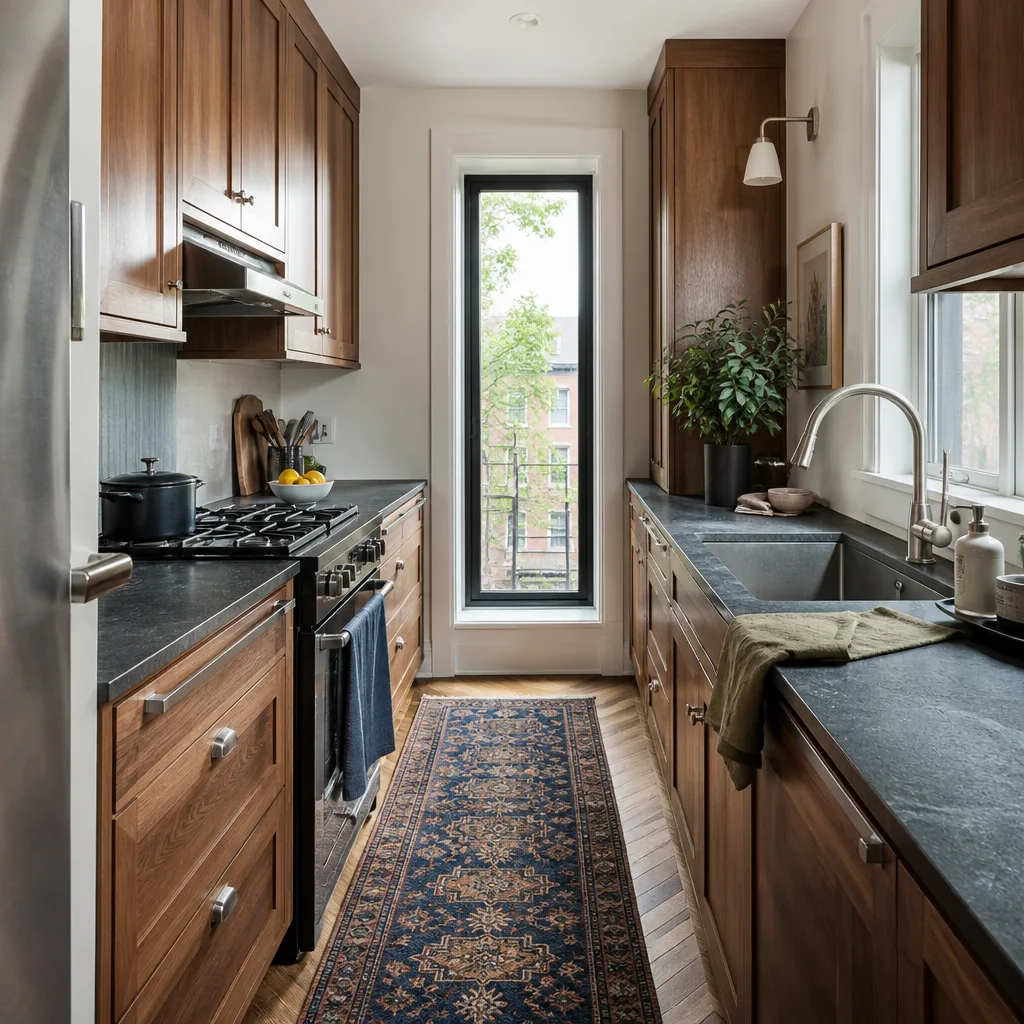
For a full American Standard kitchen remodeling in Los Angeles, we price between $16,520 and $53,100. That is an installed price: all labor, all materials, permits where required, and job-site cleanup. What drives the range is simple. Cabinet layout and box construction is the biggest lever. A ten-foot galley with stock KraftMaid boxes and slab doors will sit at the low end. A full custom build-out with Wellborn cabinetry, Cambria or Silestone counters, an island, and a Kohler or Moen fixture upgrade will reach toward the top. The middle of that range covers most Los Angeles homes we walk: standard L-shaped kitchens, American Standard fixtures retained or replaced with the same rough-in locations, quartz countertops, tile backsplash.
- Full kitchen remodel: $16,520 – $53,100
- Small kitchen remodel (under 80 sq ft): $10,620 – $23,600
- Cabinet installation only: $4,720 – $15,340
- Countertop installation only: $2,360 – $7,670
- Backsplash installation only: $945 – $2,950
- Kitchen island installation (new or replacement): $3,540 – $11,800
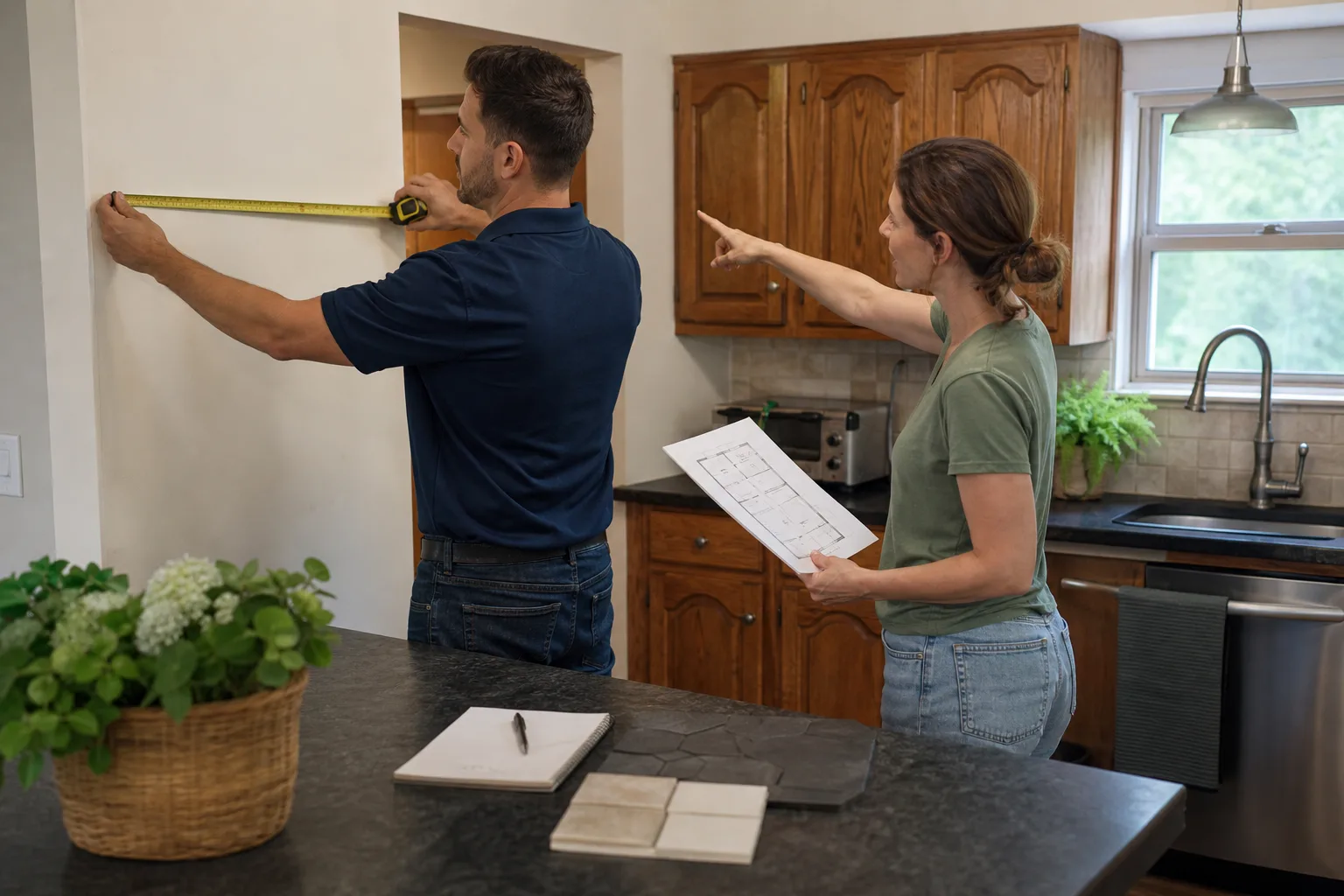
Every figure comes with a written line-item quote before work starts, and that number is the number. If we open a wall and find rotted substrate or a plumbing rough-in that won’t pass inspection, we show you what we found and you approve the change in writing before we proceed. You’ll never get a surprise invoice at the end. And the work is covered by the 365-Day Done Right Promise: one full year, in writing, free return visit if anything fails. That’s The Garrison Standard, and every project closes with the signed guarantee in your hand alongside the documented scope.
DIY or Call Us?
There’s a narrow set of things a Los Angeles homeowner can safely check without making the problem worse. You can inspect under the sink for active water, check if the faucet base has visible corrosion, and look at whether the cabinet boxes are sitting flush on the floor or shimmed. You can read the label under the sink bowl or on the faucet body to confirm which American Standard model you have. That’s honest information gathering, and it helps us quote faster. What you should not do is disassemble an American Standard faucet with hard-water mineral buildup without the right puller tool. The valve body ears snap, and a $40 cartridge job becomes a $400 faucet replacement. You should also not attempt to re-level cabinet boxes by loosening the wall anchors while the countertop is still on. Full granite or quartz tops weigh hundreds of pounds, and if the box shifts, the top can crack or tip. That’s a safety issue, not a pride issue.
If you’re not sure, call us first. A live person answers at (903) 568-7222, 24/7, not a voicemail. We’ll walk through what you’re seeing and tell you straight whether it’s worth a service call. Curtis Lane has spent the better part of two decades doing foundation work to finish carpentry across the Basin, and he’ll give you the same answer he’d give his own daughter, who, by the way, now corrects his elevation drawings over dinner. Straight number, real scope, no surprises at the punch list.
FAQs
In Los Angeles, expect 8 to 15 years from an American Standard faucet before the cartridge or seals give out, and 15 to 25 from a stainless sink. Hard water shortens faucet life; coastal humidity shortens cabinet life. We’ve replaced Colony cartridges in as little as five years in neighborhoods with aggressive DWP hard water. Call (903) 568-7222 for an exact assessment, and estimates are free.
Yes, in about 80 percent of cases the cartridge and O-rings are the problem and we can rebuild the valve in one visit. The exception is pitting at the valve body seat, common after years of mineral etching, which requires replacing the rough-in valve. We’ll tell you which one you have before we order anything.
For the full remodel range we quoted, plan on 3 to 6 weeks from demo to final walkthrough, depending on cabinet lead time and whether permits require inspections in your Los Angeles jurisdiction. A fixture swap or cabinet replacement only usually runs 1 to 3 days. Call (903) 568-7222 for a schedule estimate once we see the scope.
We stock OEM American Standard cartridges, gaskets, strainers, and common accessory hardware on the truck, so most fixture-level repairs happen the same visit. Full cabinetry, countertops, and specialty fixtures are ordered to spec with documented lead times from KraftMaid, Wellborn, Cambria, and the rest of our approved brand roster. We also keep parts for KraftMaid, Cambria, and Silestone installations on hand where they intersect with American Standard fixtures.
If your American Standard kitchen in Los Angeles is showing any of the signs above, or if you just want a straight number on what a remodel should cost, call Bradford Remodeling at (903) 568-7222. We’ll schedule a free estimate, put the scope in writing, and answer the phone when you call.
Written by Curtis Lane, Owner, Bradford Remodeling at Bradford Remodeling, serving Los Angeles and nearby areas.