Free written scope consultation - allowances, timeline, and change-order rules on paper before a single trade is scheduled
Caesarstone Driveway & Pavers: The Los Angeles Owner’s Guide
Caesarstone driveway and paver work in Los Angeles runs $8,260 to $21,240 installed for a typical single-car-width driveway, depending on square footage, the Caesarstone paver profile you choose, and what the substrate under it looks like. We stock Caesarstone-compatible paver systems on the truck and can usually have a full teardown and re-lay done inside three to four working days, weather permitting. Most Los Angeles homeowners don’t call us because the pavers themselves failed – they call because the base underneath gave out, the pavers started heaving at the seams, or a patio edge they thought was decorative turned out to be doing structural work.
What you’re dealing with usually isn’t a Caesarstone defect. It’s what Los Angeles soil and water do to any paver system over time: clay expansion, poor drainage at the edges, tree roots from old ficus lines, or a base that was never compacted to spec in the first place. We’re an independent service provider, not a Caesarstone affiliate, so when we diagnose your driveway we’ll tell you what’s actually failing – the stone, the joint sand, or the base – and price accordingly.
Which Caesarstone Models This Applies To
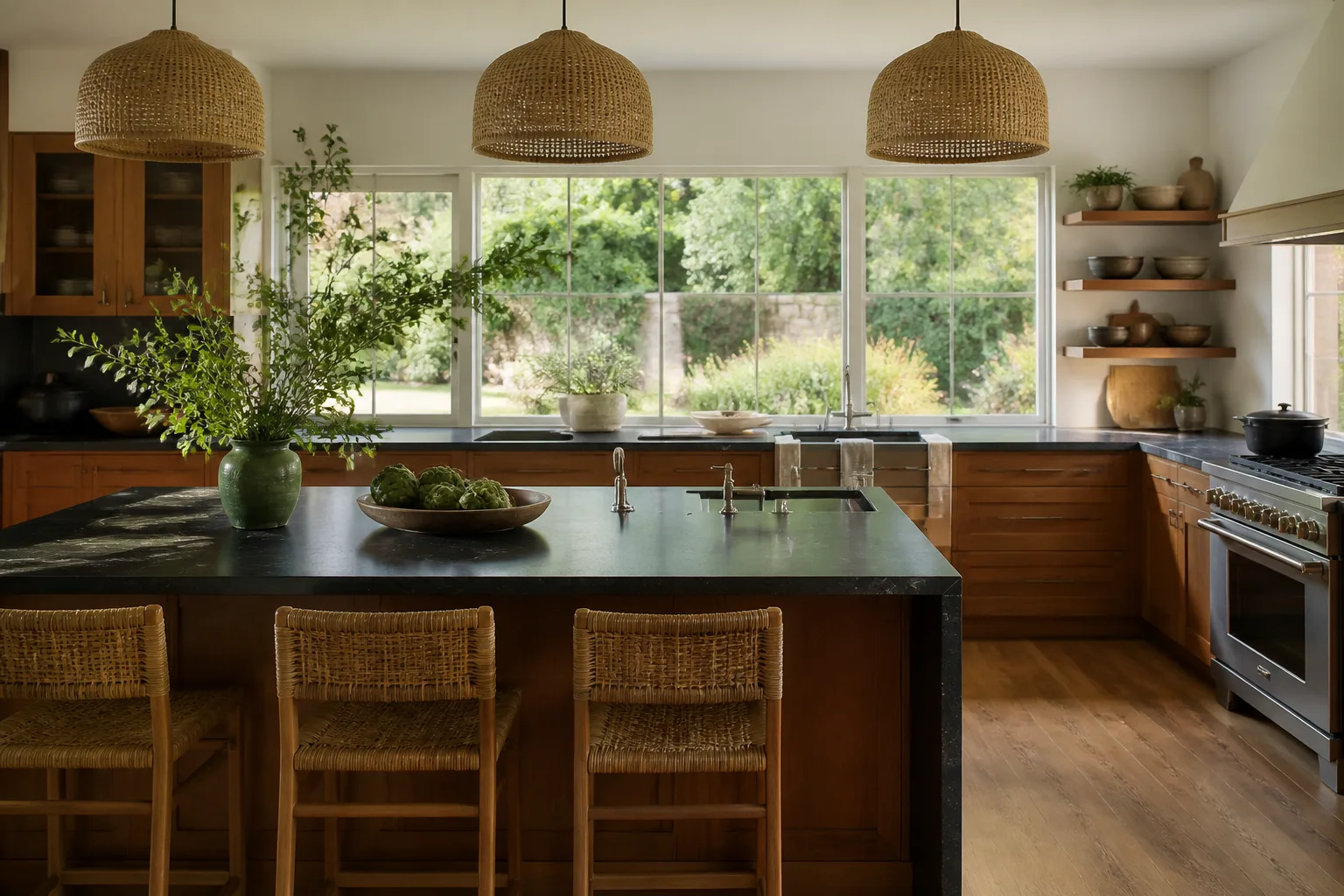
Caesarstone’s hardscaping line isn’t one product – it’s a family of paver profiles in different thicknesses and face textures. The two series you’ll see most in Los Angeles driveways are the Travertine-look pavers (16″ x 24″ and 24″ x 24″ modular sizes, 30mm thick) and the Porcelain-look pavers (12″ x 24″ and 24″ x 48″, available in 20mm and 30mm for vehicular-rated use). The 20mm porcelain is rated for foot traffic and light patios only – if someone sold you 20mm on a driveway, that’s a spec failure before it’s a material failure. You need 30mm for anything carrying passenger vehicles.
Here’s the compatibility gotcha most homeowners hit: Caesarstone pavers are not interchangeable with Belgard or Unilock profiles, even if the face dimensions match on paper. The joint widths, the chamfer angle on the edges, and the paver-to-paver tolerance stack are all different. If you patch a Caesarstone driveway with a different manufacturer’s paver, you’ll see the mismatch at the joints within a season – different thermal expansion, different edge profiles, and a line that never quite sits flush. For the replacement decision, we’ll always quote the OEM Caesarstone profile first. If it’s been discontinued, we’ll quote a documented aftermarket equivalent that matches the existing joint pattern, and we’ll tell you exactly where it differs in writing before any work starts.
Identifying your paver is straightforward: flip a clean paver over and look for the Caesarstone mold stamp on the back, usually a four-digit series code near the edge. If the stamp is gone or the pavers were installed upside down (it happens more than you’d think), measure the exact face dimensions and thickness with a caliper, and we can match it from our spec book at the office.
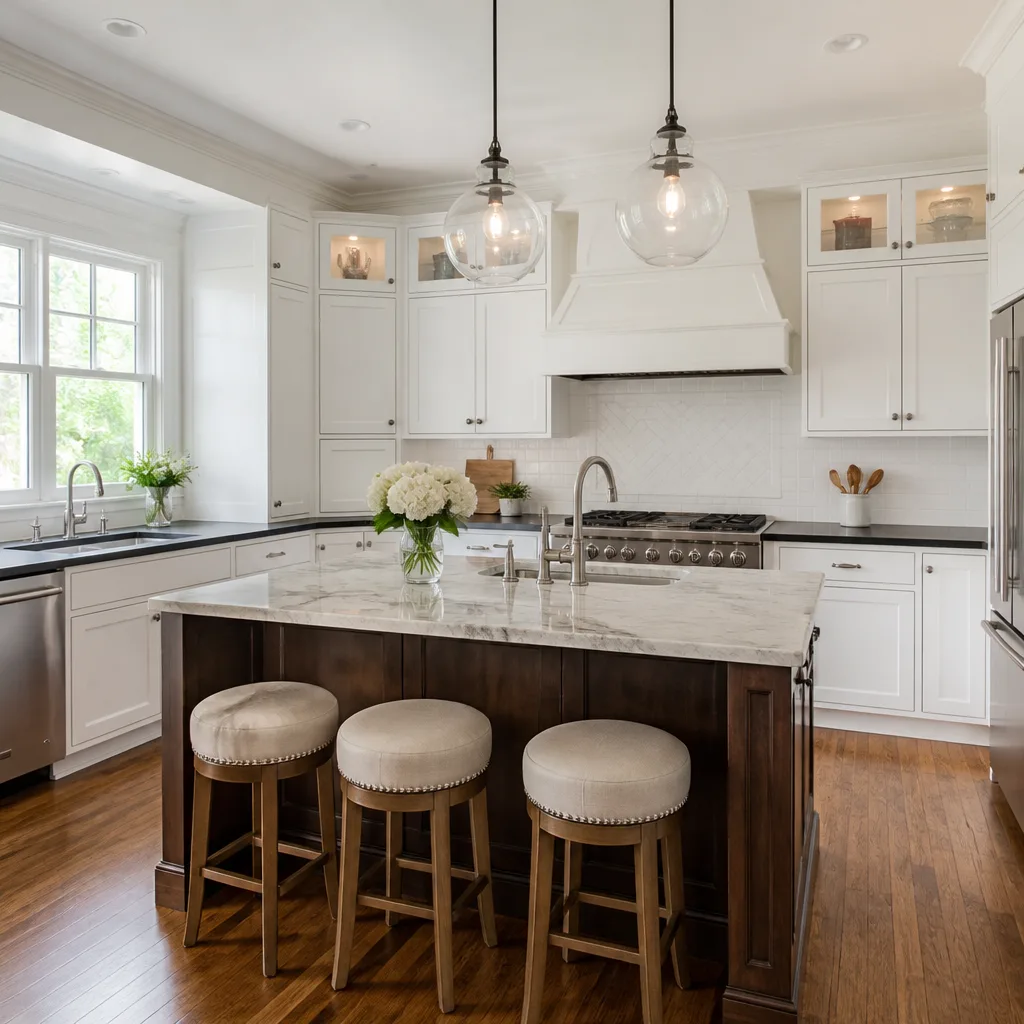
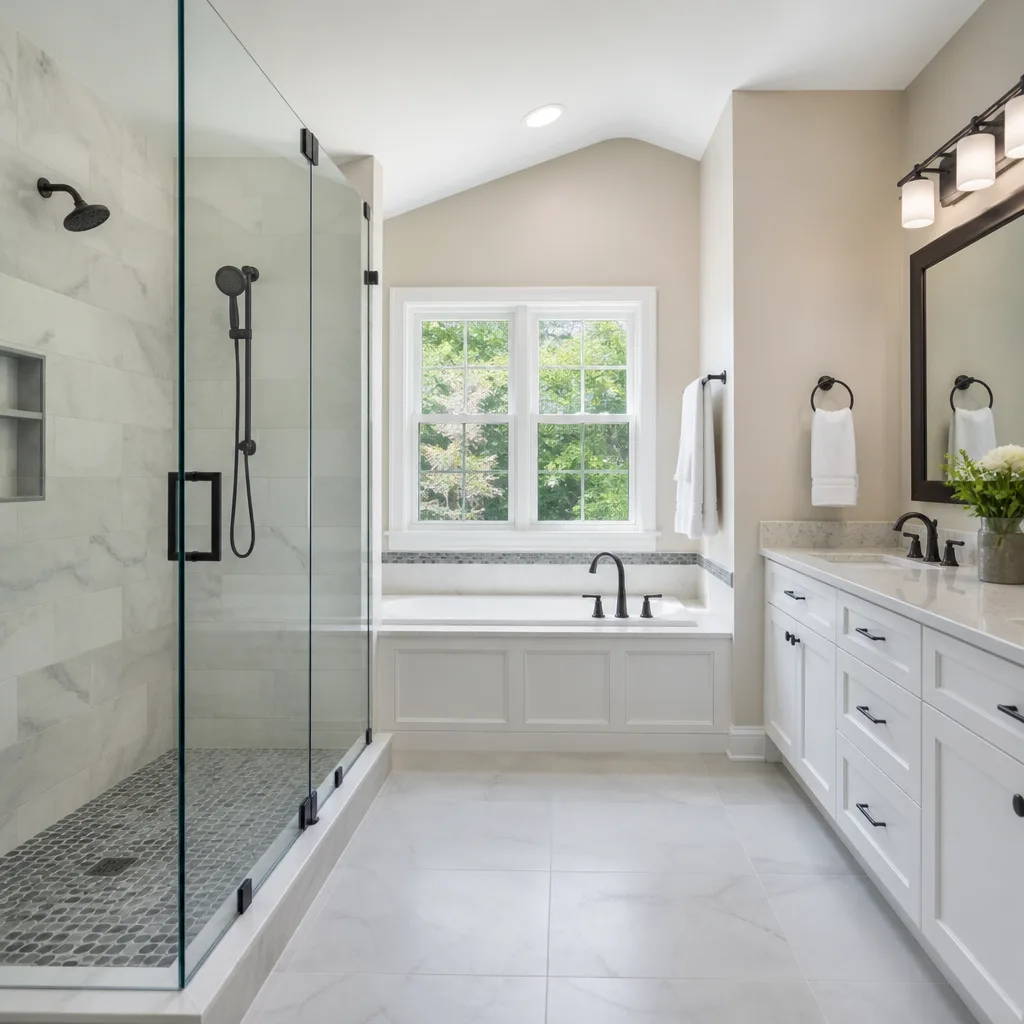
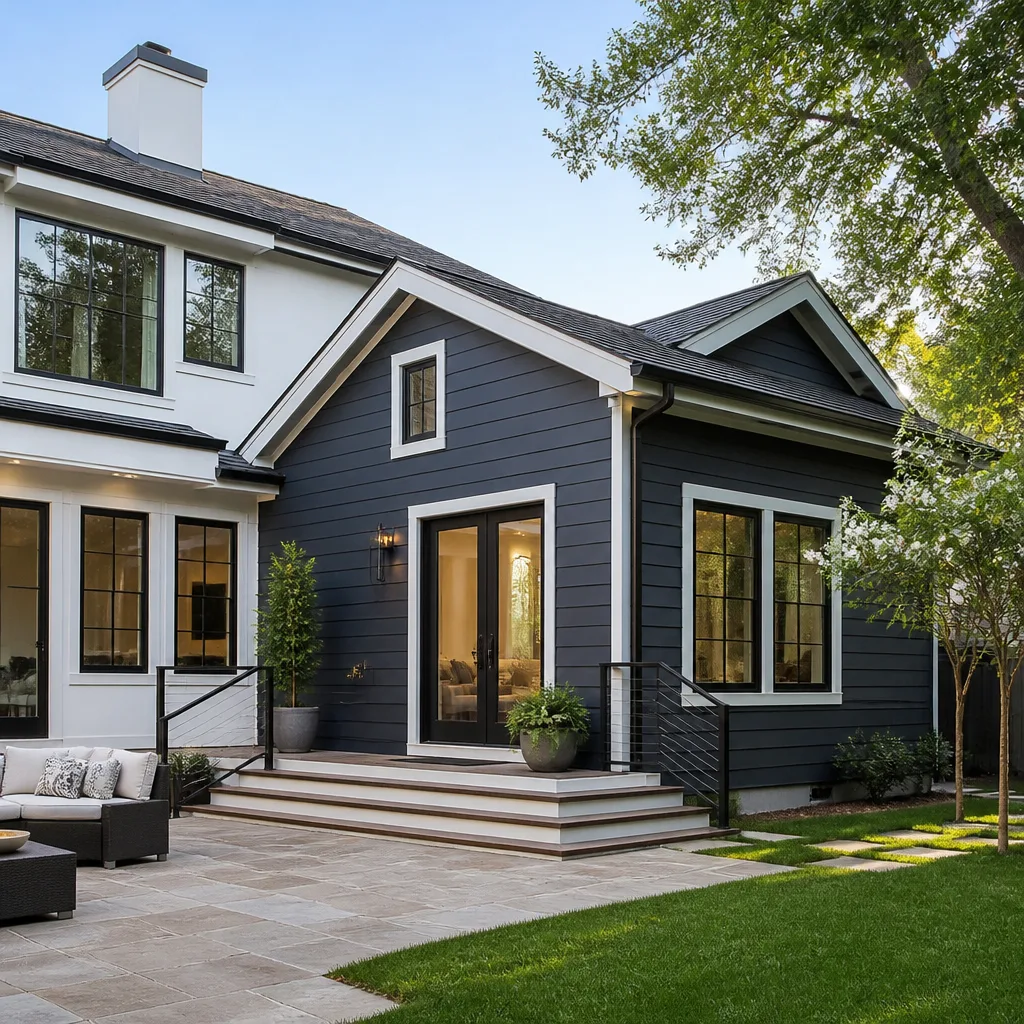
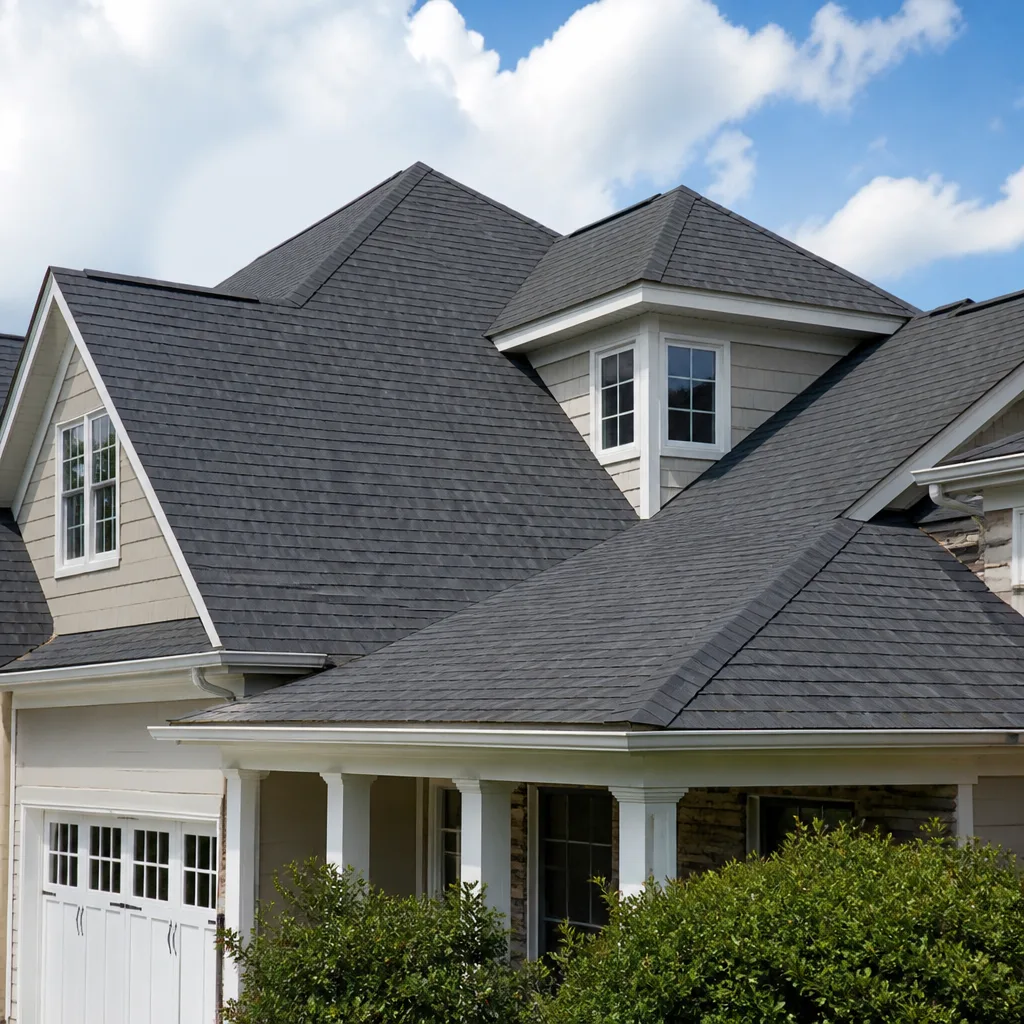
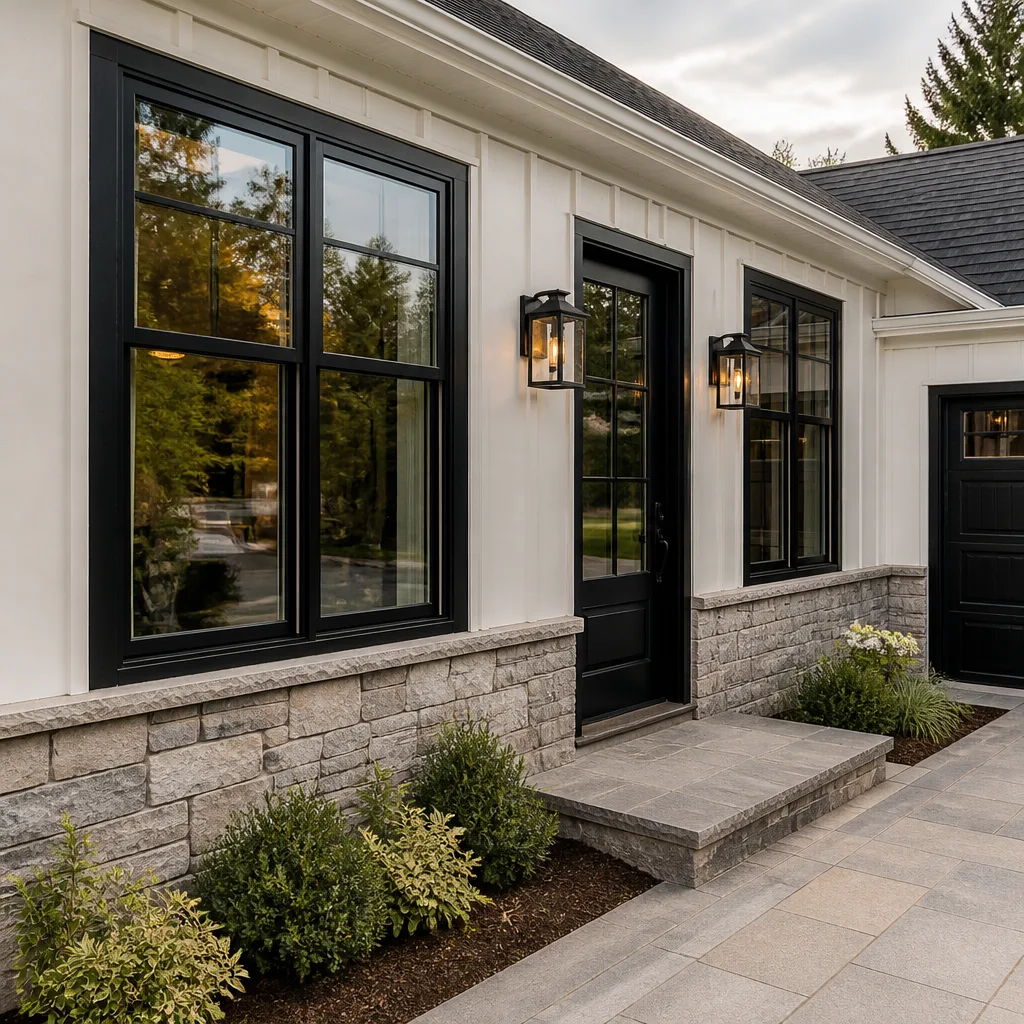
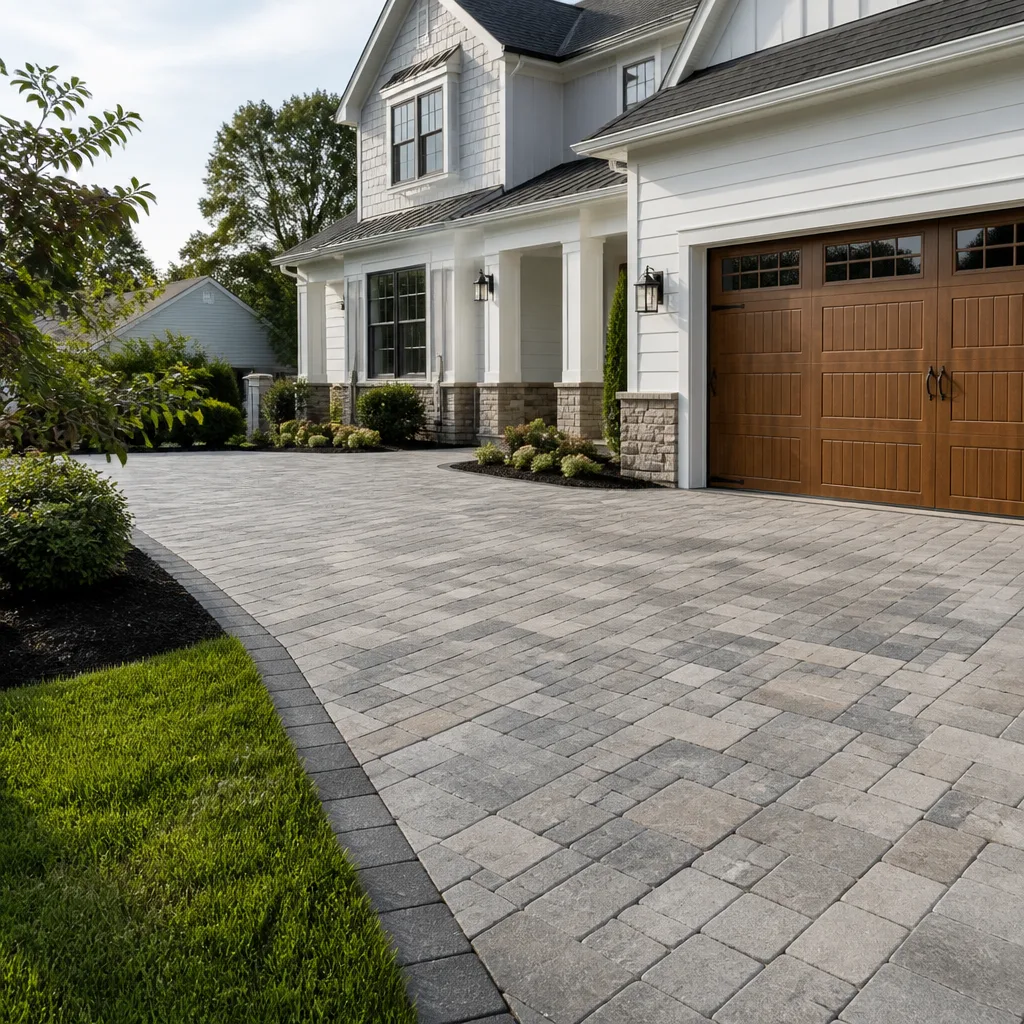
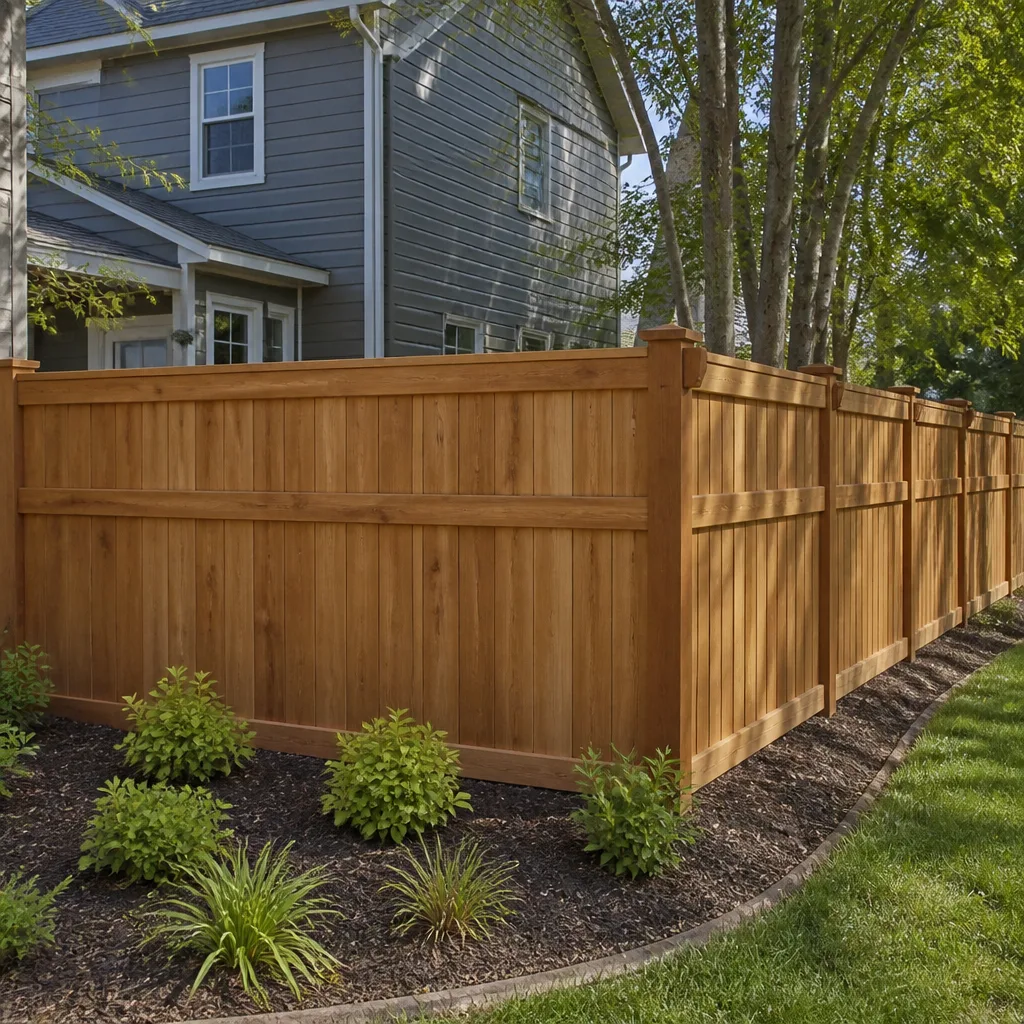
Styles & brands we work with
Signs Your Caesarstone Driveway & Pavers Is Failing
- Pavers rocking or “clicking” when you walk across them. The joint sand has washed out or the bedding layer underneath has settled. It’s not a loose paver – it’s a base that’s losing support. In Los Angeles, the freeze-thaw cycle is less of a culprit than irrigation runoff and clay soil shifting through wet-dry cycles.
- Hairline cracks running across multiple pavers in a straight line. That line usually traces the edge of the original concrete slab underneath that the paver installer laid over instead of removing. It’s a base failure expressed through the stone, and it will keep telegraphing until the substrate is addressed.
- Edge pavers breaking off at the driveway apron or along a walkway border. The paver is doing the job of a retaining edge, which means the edge restraint was never installed or has rusted out. This is the most common failure we see in Los Angeles hillside homes where the driveway pitch puts real lateral load on the borders.
- Weeds or ant colonies erupting through the joints in one concentrated area. That’s organic matter getting a foothold, which means the joint sand is gone and the bedding layer is losing integrity. Ants are a bigger problem in Los Angeles than most people expect – they’ll excavate under pavers fast once they find a sand seam.
- Standing water pooling in a low spot that didn’t used to pool. The driveway has settled unevenly, usually because a section of base was undercut by drainage from a downspout or a leaking irrigation line. Water should sheet off, not sit.
Each of these points to the same underlying truth: the Caesarstone surface is only as good as what’s under it. We diagnose the base before we quote any surface repair, because if we don’t, you’ll be calling us again in eighteen months for the same patch.
See the difference
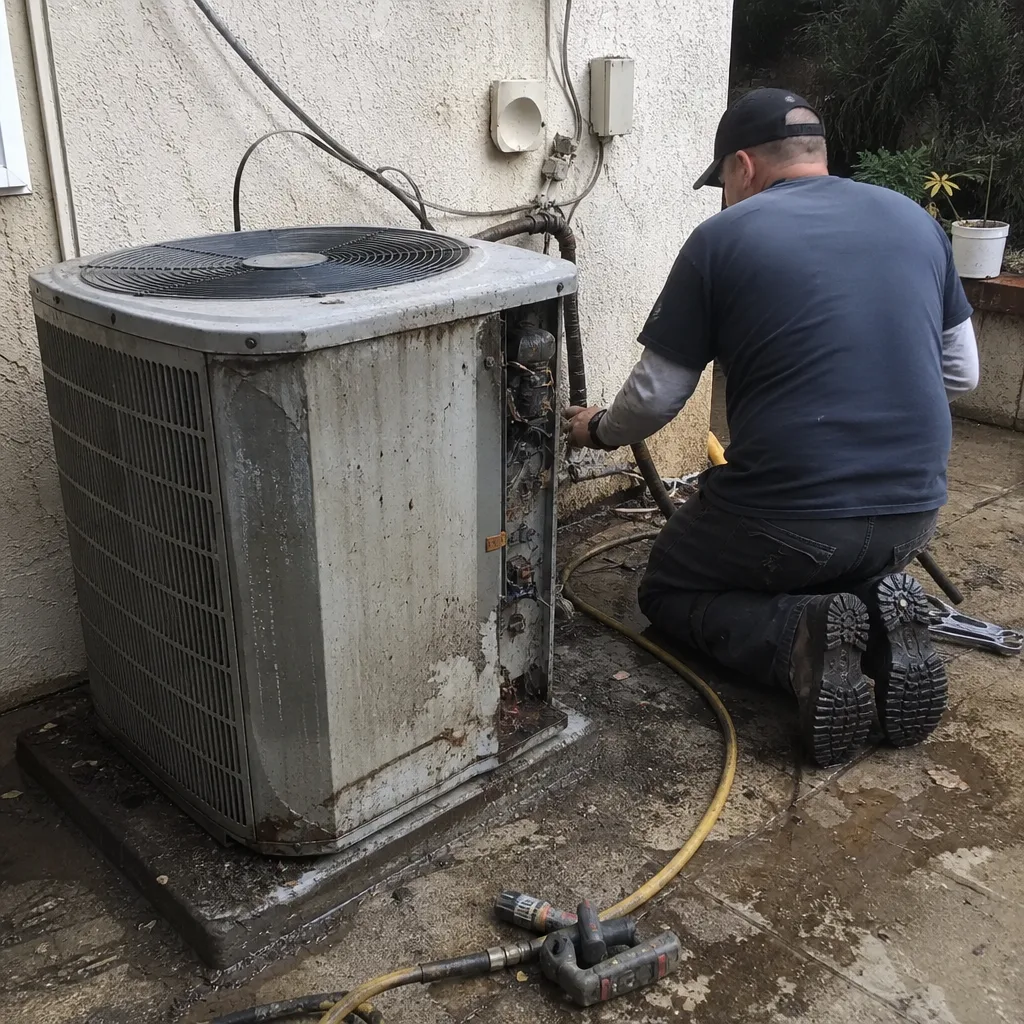 Before
 After
After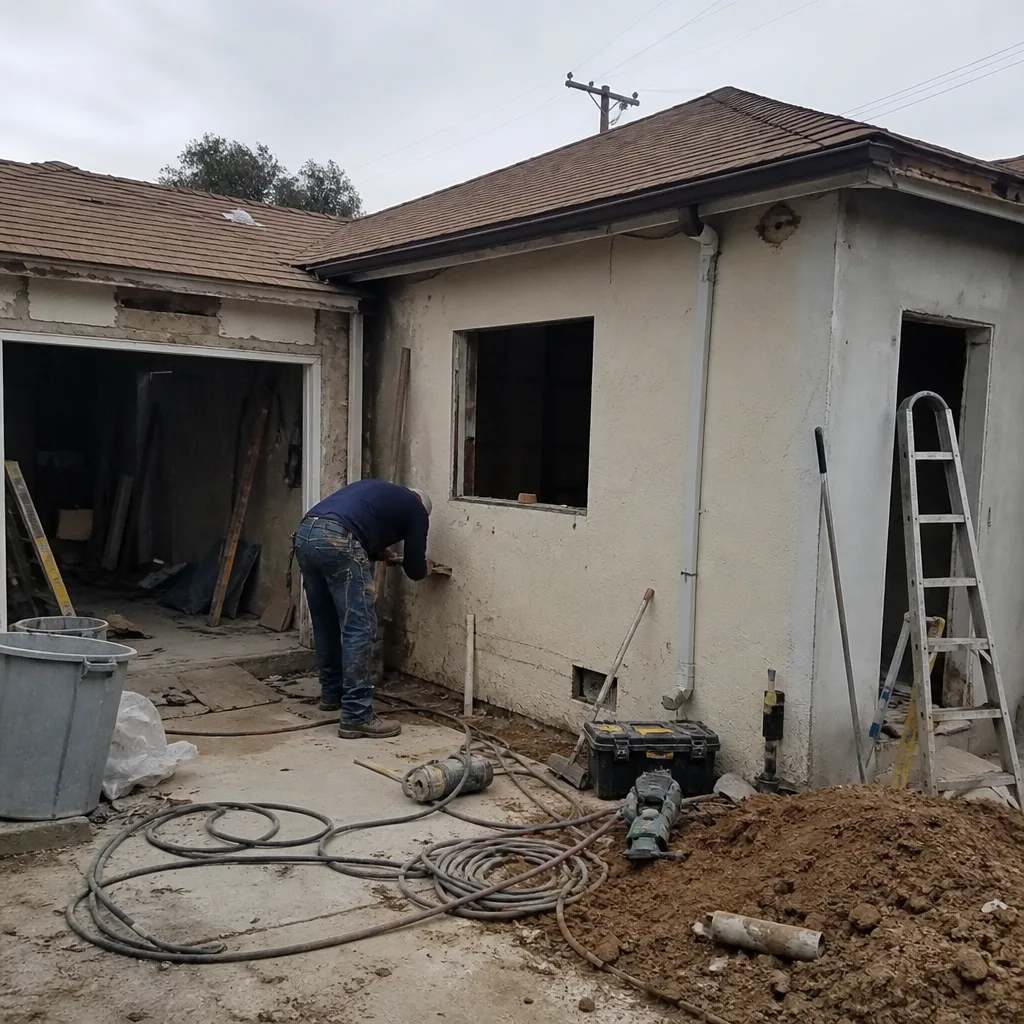 Before
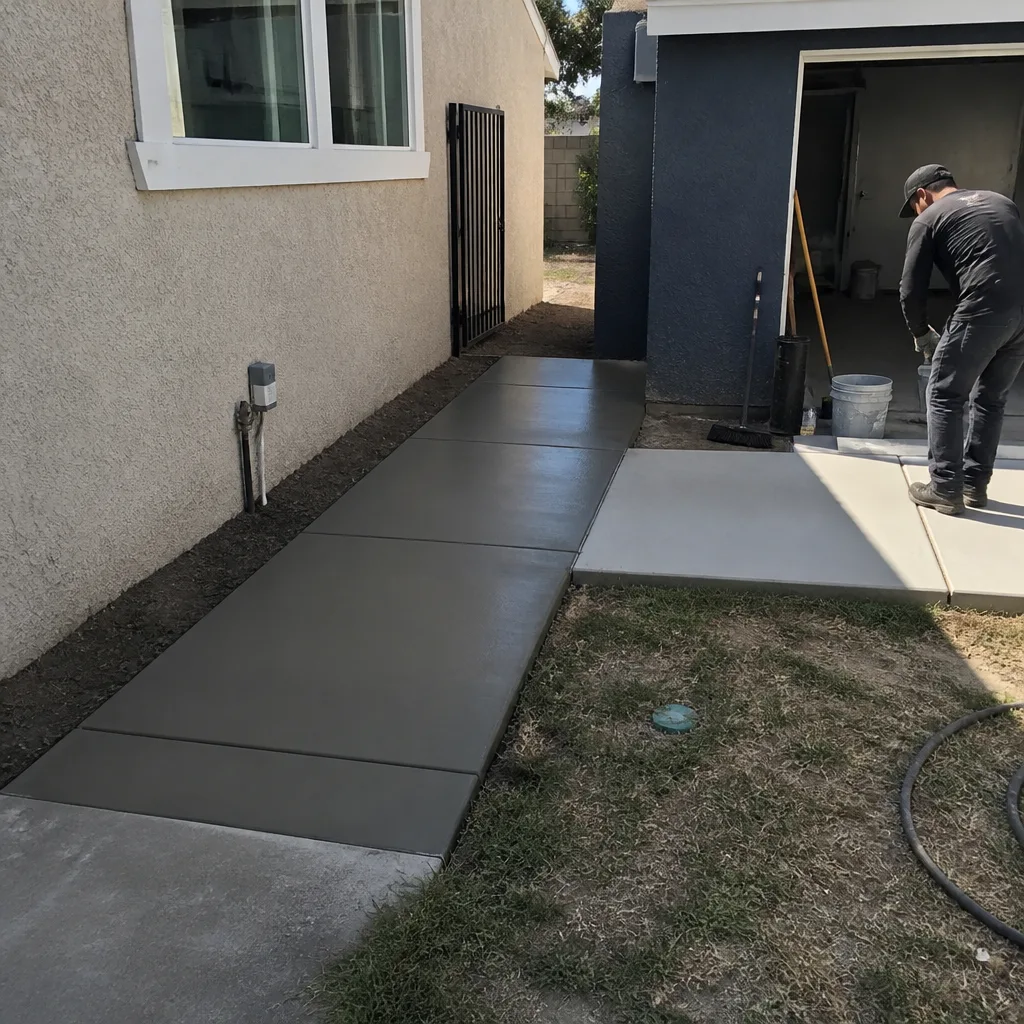 After
After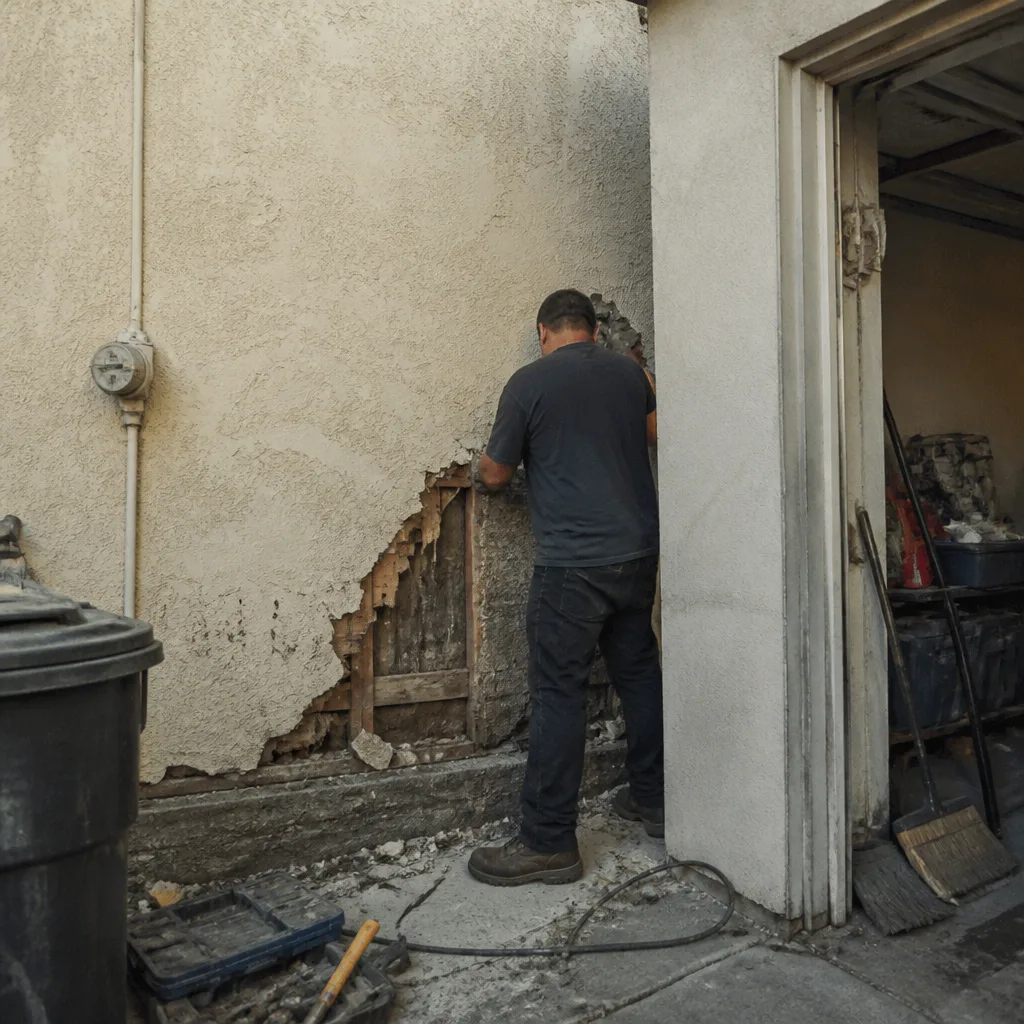 Before
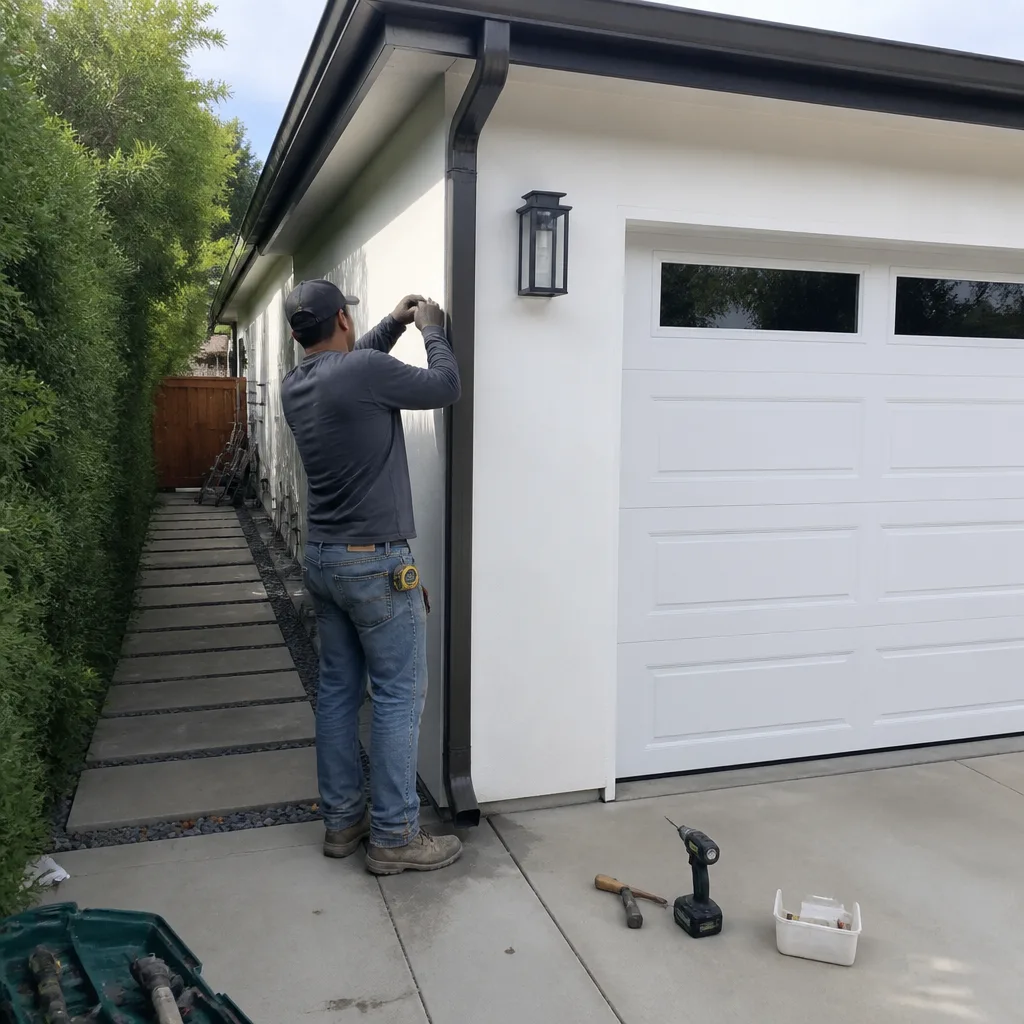 After
AfterReplacement Cost & What’s Included
For Los Angeles, here’s the installed breakdown on Caesarstone driveway and paver work:
- Full Caesarstone paver driveway replacement (400-600 sq ft): $8,260 – $21,240
- Paver driveway overlay on sound concrete (same range): $8,260 – $16,520
- Sectional paver repair (edge failures, low spots, heaving): $2,360 – $5,900, depending on the square footage and whether the base has to be re-compacted
- Joint sand restoration and re-leveling (no paver replacement): $295 – $825, for smaller areas where the pavers themselves are still sound
What moves the number is base work. If we’re pulling the old pavers and finding that the sub-base has to be excavated and re-compacted to 95% proctor density – which is the spec we write into every driveway bid – that’s the difference between a ten-thousand-dollar job and a twenty-thousand-dollar one. Every quote includes the teardown, base correction, geotextile fabric, new bedding sand, the Caesarstone pavers themselves, polymeric joint sand, and compaction. You’ll get a written line-item price before we start, and it won’t move at the door. Every completed job carries the 365-Day Done Right Promise: if the work fails within a year, we come back and correct it at no charge. Curtis Lane has been clear on this from day one – straight number, real scope, no surprises at the punch list.
DIY or Call Us?
There’s a line between what you can safely check and what you shouldn’t touch. You can safely check whether the joints are losing sand, whether water is pooling, and whether an edge paver has broken loose. That’s observation, and it’s useful when you call us – it tells us where to look first. What you shouldn’t DIY is lifting and re-laying Caesarstone pavers, especially 24″ x 24″ slabs that weigh over fifty pounds each. Getting the bedding layer right without the right plate compactor, level, and base correction is how driveways fail six months after a weekend repair. The same goes for polymeric joint sand – it has a working time and moisture spec that most homeowners don’t own the equipment to hit.
If the base is still sound and you’re dealing with a few loose pavers, we’ll tell you that on the phone and price the small fix accordingly. We’d rather give you an honest answer than sell you a teardown you don’t need. Call (903) 568-7222 and describe what you’re seeing – a live person answers, and we’ll tell you whether it’s a maintenance call or a rebuild.
FAQs
A properly installed Caesarstone paver driveway with a compacted base should last 25 to 30 years in Los Angeles before the pavers themselves show meaningful wear. The pavers generally outlast the base – most driveways we replace in the area fail at 12 to 18 years because the sub-base settled, not because the Caesarstone surface gave out. Call (903) 568-7222 if you want us to evaluate whether your base is still doing its job.
Yes, if the failure is isolated – a compromised edge, a low spot, a section where the base washout is limited to a few square feet. We’ll excavate, re-compact, re-bed, and re-lay the same pavers when they’re still structurally sound. If the base failure has spread under more than about a third of the driveway, patching becomes a false economy and we’ll tell you so in writing. Estimates are free.
Most full driveway replacements take us three to four working days, weather and city permit timing factored in. Day one is teardown and base excavation, day two is compaction and bedding prep, and day three to four is paver lay, cutting, joint sand, and final compaction. We’ll give you that schedule in writing before the job starts.
We keep the most common Caesarstone Travertine-look and Porcelain-look profiles in stock at our Los Angeles yard – the 16×24, 24×24, and 12×24 modular sizes in the colors that move most in this market. Discontinued colors and less common 24×48 vehicular-rated slabs are ordered per job with a lead time of one to two weeks. We’ll confirm stock when you call, and we’ll never write a bid on product we can’t source.
Written by Curtis Lane, Owner, Bradford Remodeling at Bradford Remodeling, serving Los Angeles and nearby areas.