Free written scope consultation - allowances, timeline, and change-order rules on paper before a single trade is scheduled
Cambria Home Additions & ADU: The Los Angeles Owner’s Guide
Cambria quartz surfaces used in home additions and ADU construction in Los Angeles typically run $53,100 to $153,400 for a complete project, with the Cambria countertop and surface component representing roughly $2,360 to $7,670 of that total depending on square footage and edge profile. We stock Cambria-compatible fabrication materials, adhesives, and seam kits on our trucks, so when a surface delaminates, chips, or separates at the seam, we can usually address it same week. Most owners discover a problem at the seam line or along the sink cutout, where daily water exposure eventually tests the bond.
Bradford Remodeling is an independent contractor, not affiliated with Cambria. That means we repair and replace Cambria surfaces on our own terms: written pricing, documented scope, and a full-year guarantee. Curtis Lane has been finishing quartz in Los Angeles kitchens and ADUs long enough to know that most “failed” Cambria isn’t failed quartz. It’s failed prep work underneath. More on that below.
Key Takeaways:
- Full home addition or ADU with Cambria surfaces: $53,100 – $153,400 installed in Los Angeles.
- Cambria-specific surface repair or isolated replacement: $2,360 – $7,670.
- Most failures trace to substrate movement, not the Cambria slab itself.
- Written price before we start. No numbers that move at the door.
- 365-Day Done Right Promise covers every repair and installation we complete.
Which Cambria Models This Applies To
Cambria runs its quartz in three thicknesses: 1 cm, 2 cm, and 3 cm. For Los Angeles ADU countertops and bathroom vanities, 3 cm is the standard we install most often because it spans wider cabinet overhangs without additional support. The 2 cm stock shows up in vertical applications like backsplash panels and shower surrounds, where weight matters less and transition trims are simpler. The 1 cm is rare in full-slab work; we see it mainly as pre-laminated edge profiles on older cabinet sets.
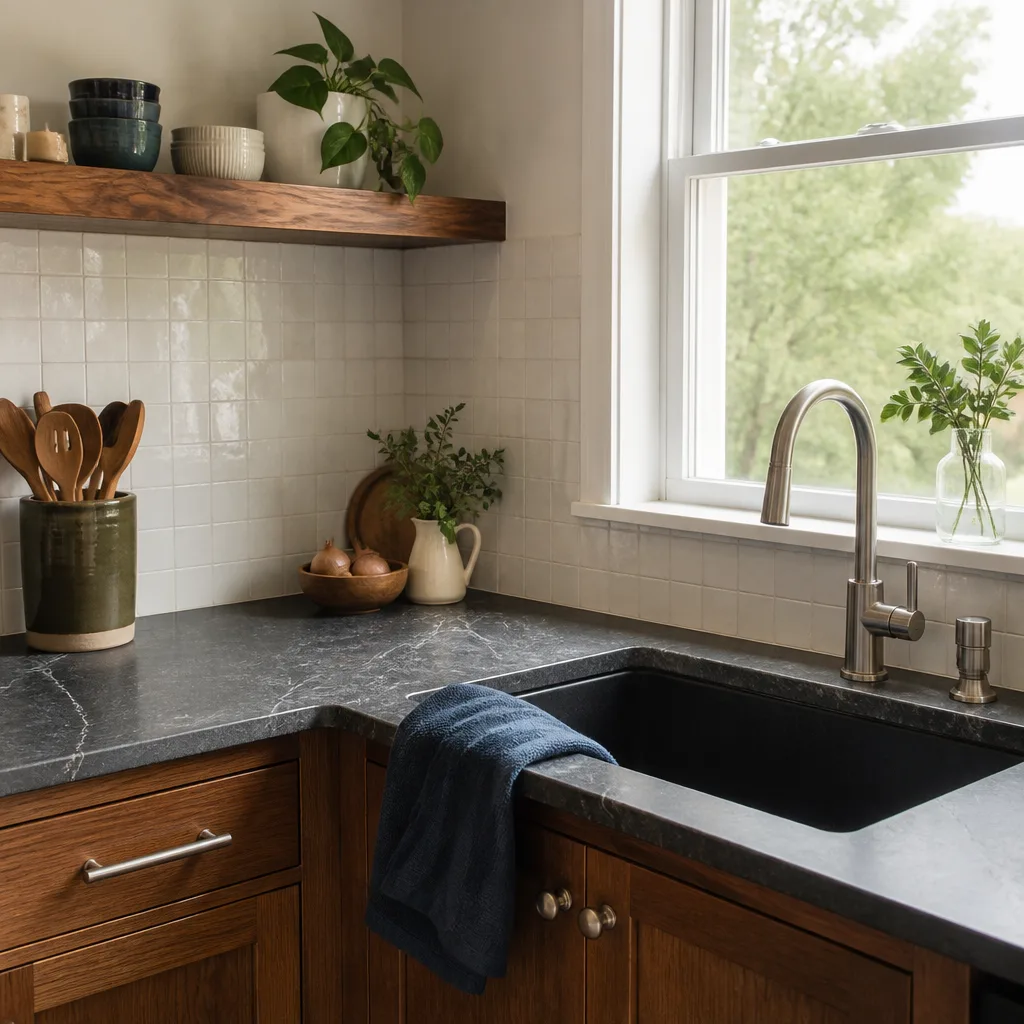
Compatibility matters at the sink cutout. Cambria’s matte finishes, like the Matte and Satin lines, show water spotting faster than the polished Viking and High Gloss finishes, which is a pain point in hard-water neighborhoods like the west San Fernando Valley. If your slab has a matte finish and you’re seeing ghost rings around the faucet base, that’s mineral deposition, not a material defect. We can often machine-polish those out without replacing the top. For genuine chips or separated seams, we’d need the Cambria color code, which is etched on the underside of the slab near the fabrication sticker. If that sticker’s gone, we match by color chip from the current Cambria catalog.
On OEM versus aftermarket: Cambria doesn’t sell repair kits to the public. Any “Cambria seam repair kit” you find online is aftermarket. Some are decent, most are repackaged polyester adhesive with a markup. We use commercial-grade polyester and epoxy adhesives tinted in-house to match the exact slab. For edge profile repair where the original routed shape is gone, we template the existing profile on site and hand-form the repair to match.
Styles & brands we work with
Signs Your Cambria Home Additions & ADU Is Failing
- Seam separation you can catch with a fingernail. This means the adhesive bond has broken. In Los Angeles, temperature swings between the coast and the Valley aren’t usually the culprit. The real cause is typically cabinet settlement or a substrate that was never flat when the slab went down.
- Hairline crack running from the sink cutout toward the front edge. That’s a stress crack. It happens when the cabinet below the sink base flexes, often because a dishwasher or disposal was installed without proper blocking. The crack is the symptom. The cabinet is the disease.
- Rounding or dulling along the front edge. Cambria is hard quartz, but daily contact with belt buckles, pots, and cleaning chemicals wears the polish down over time. If the top is 2 cm, we see this sooner because there’s less material to repolish.
- Chalky white residue that won’t wipe clean. In Los Angeles hard water, this is usually calcium and magnesium scale bonded to the surface. If a razor blade scuffs it rather than lifts it, the quartz’s resin binder has micro-etched and the surface needs repolishing, not just cleaning.
- Loose or lifted edge trim at the backsplash. Many ADU installs use a 4-inch backsplash strip of matching Cambria. If that strip separates from the wall or the counter, the silicone or adhesive failed, usually because the drywall behind it was painted and the adhesive never bonded to raw material.
See the difference
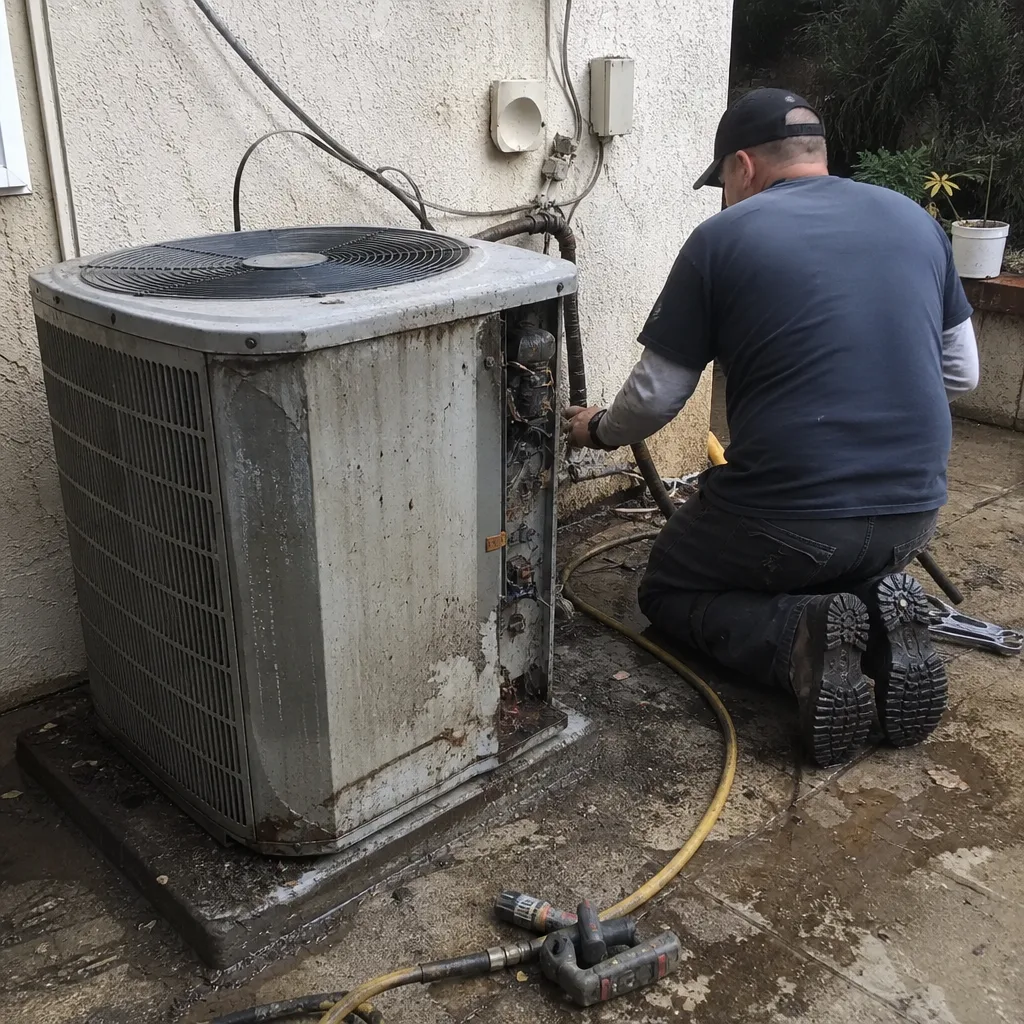 Before
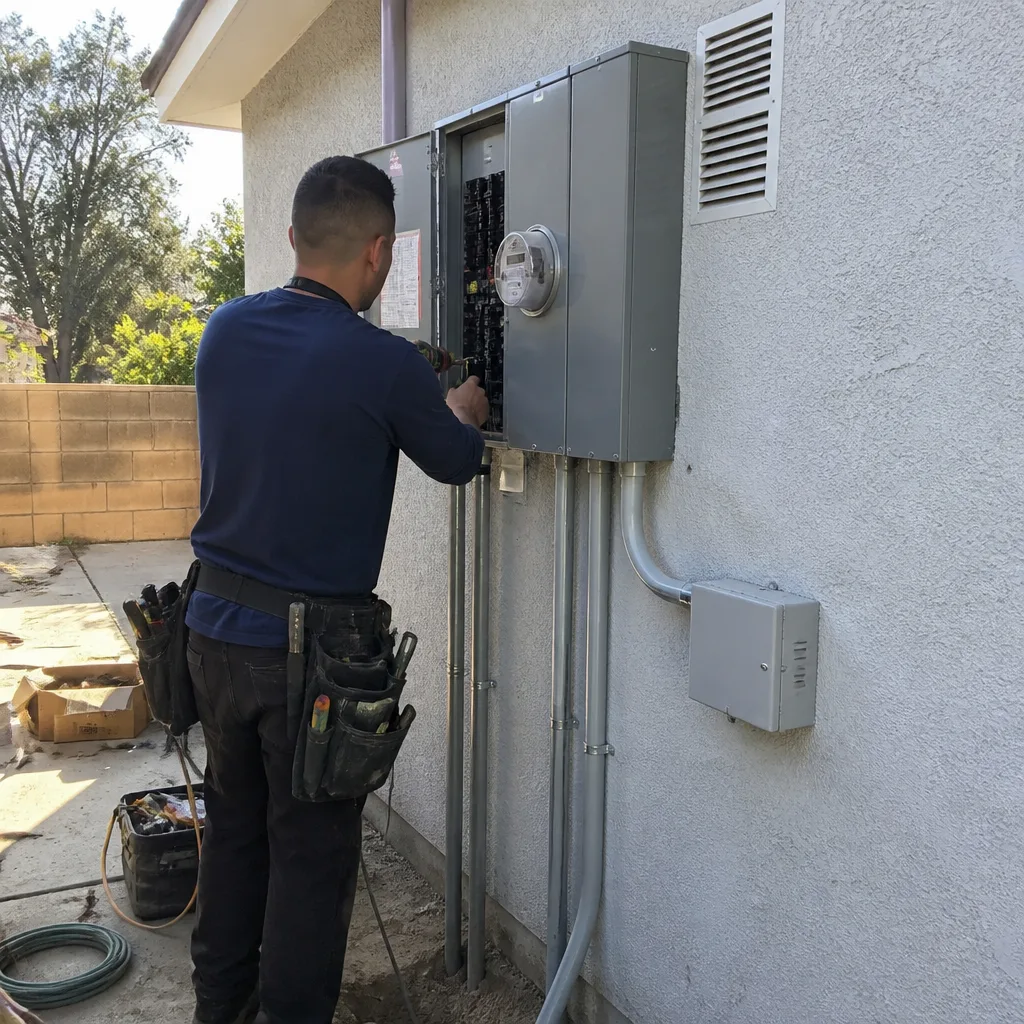 After
After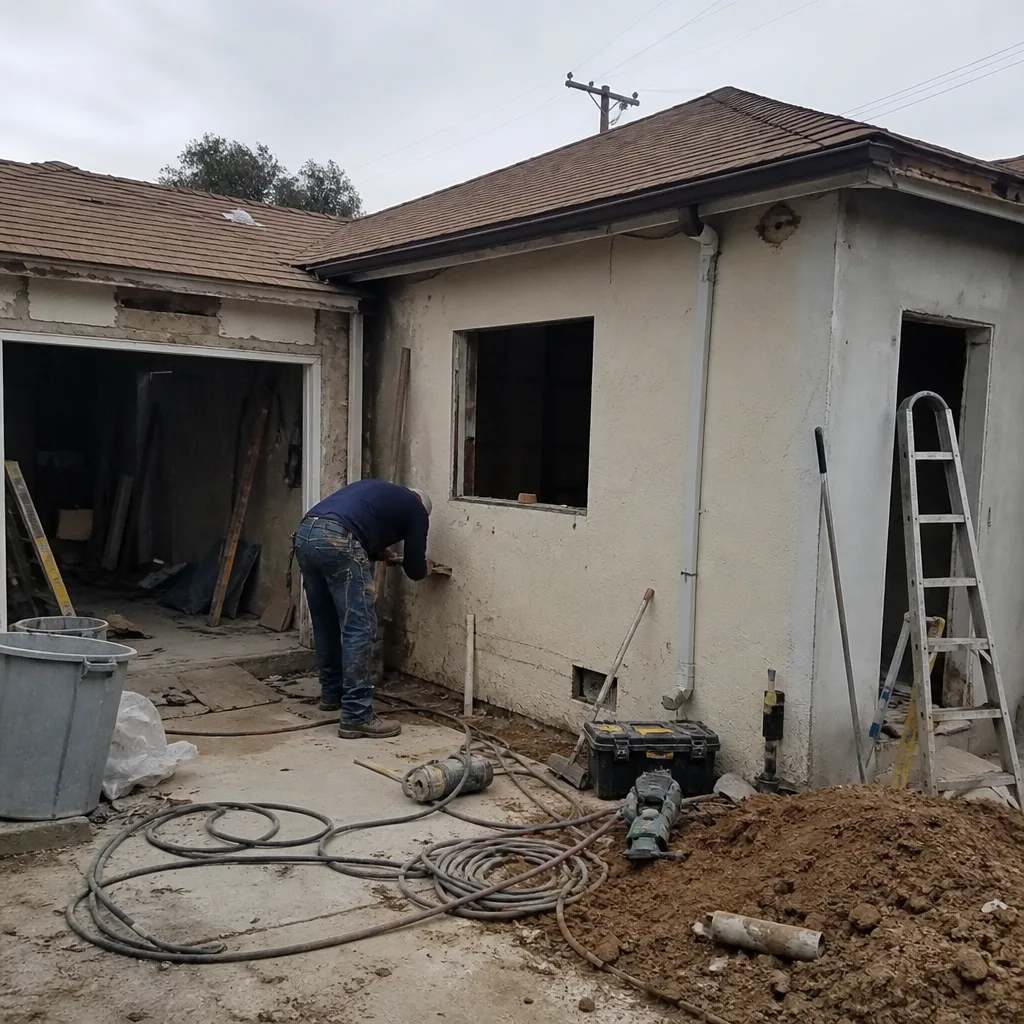 Before
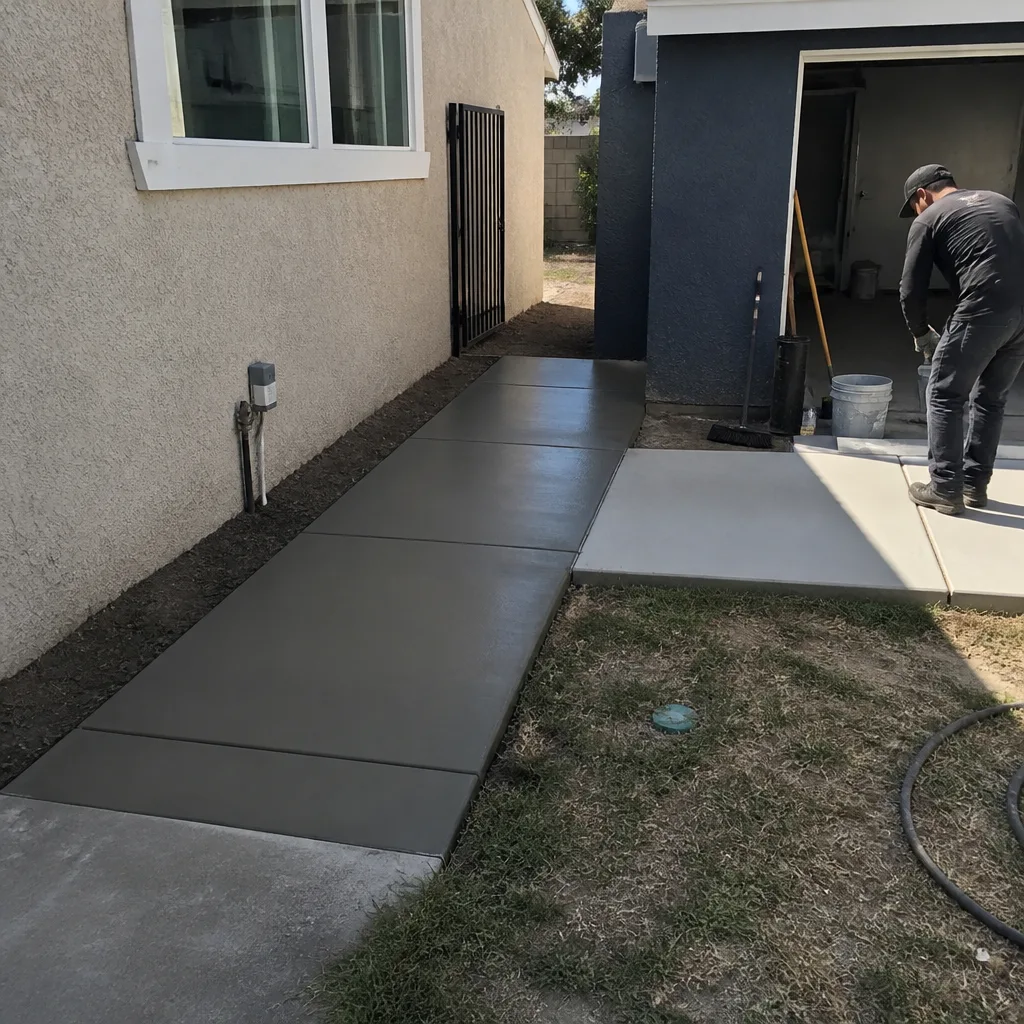 After
After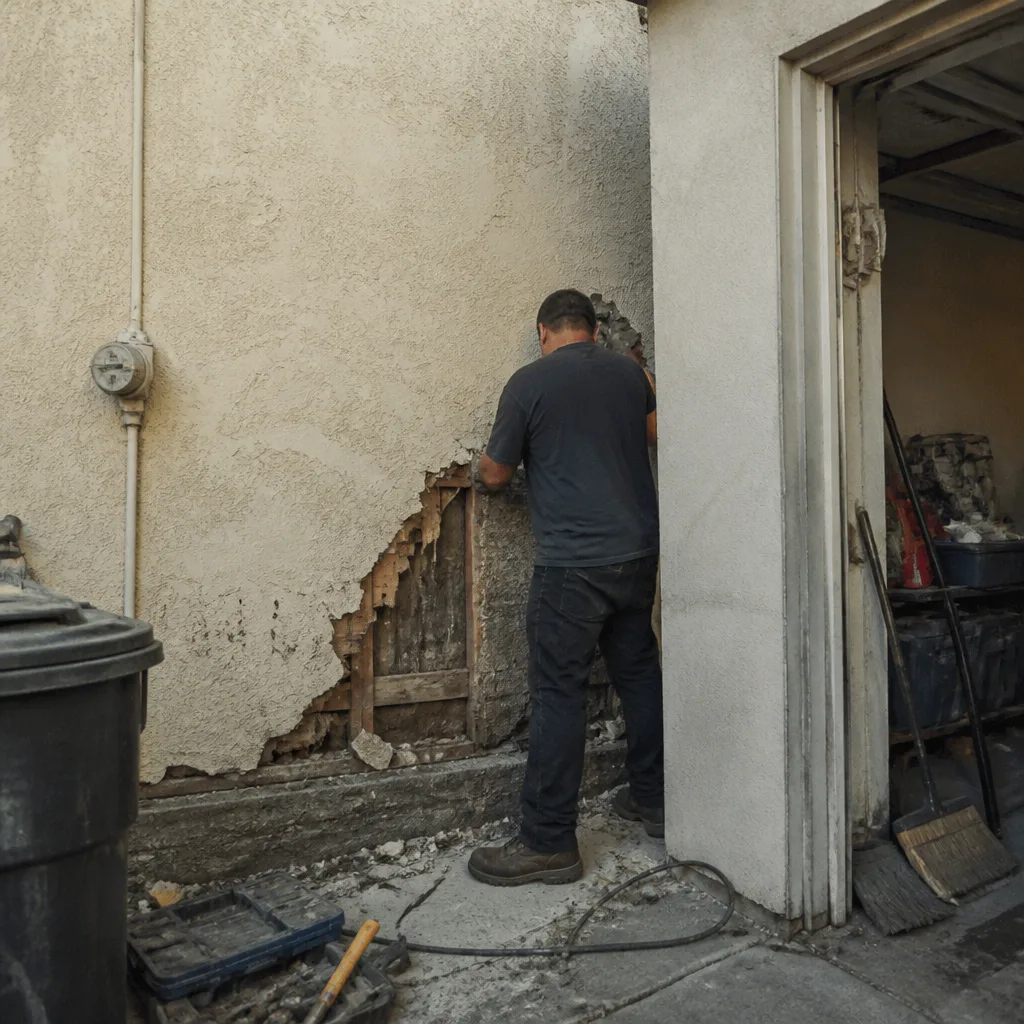 Before
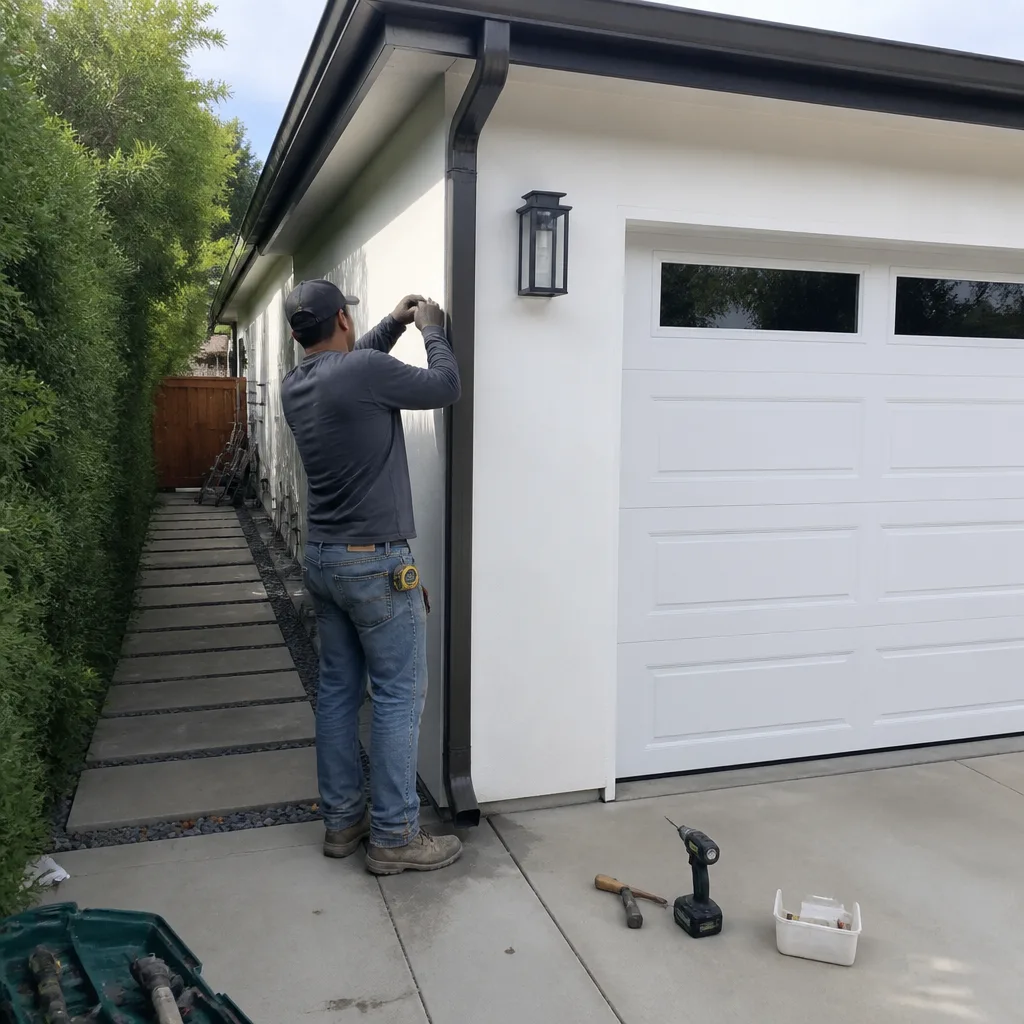 After
AfterReplacement Cost & What’s Included
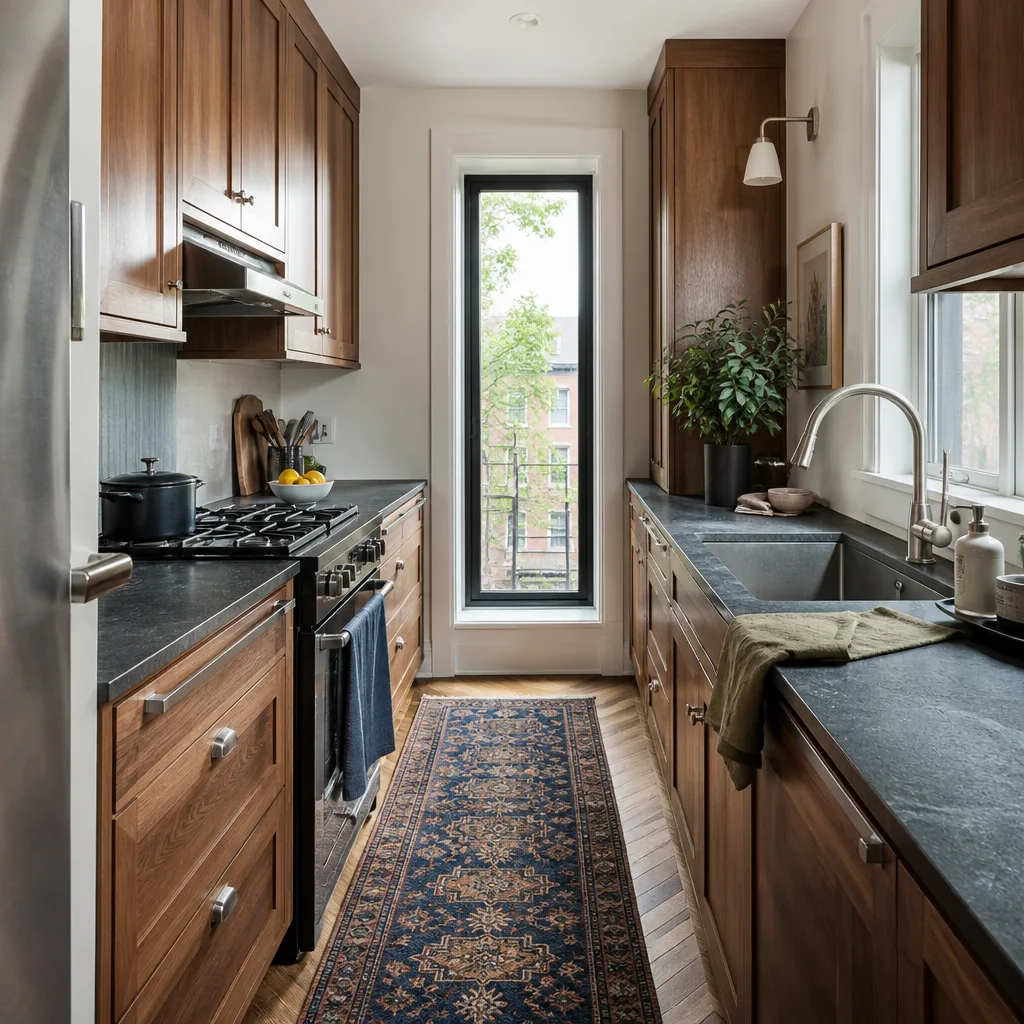
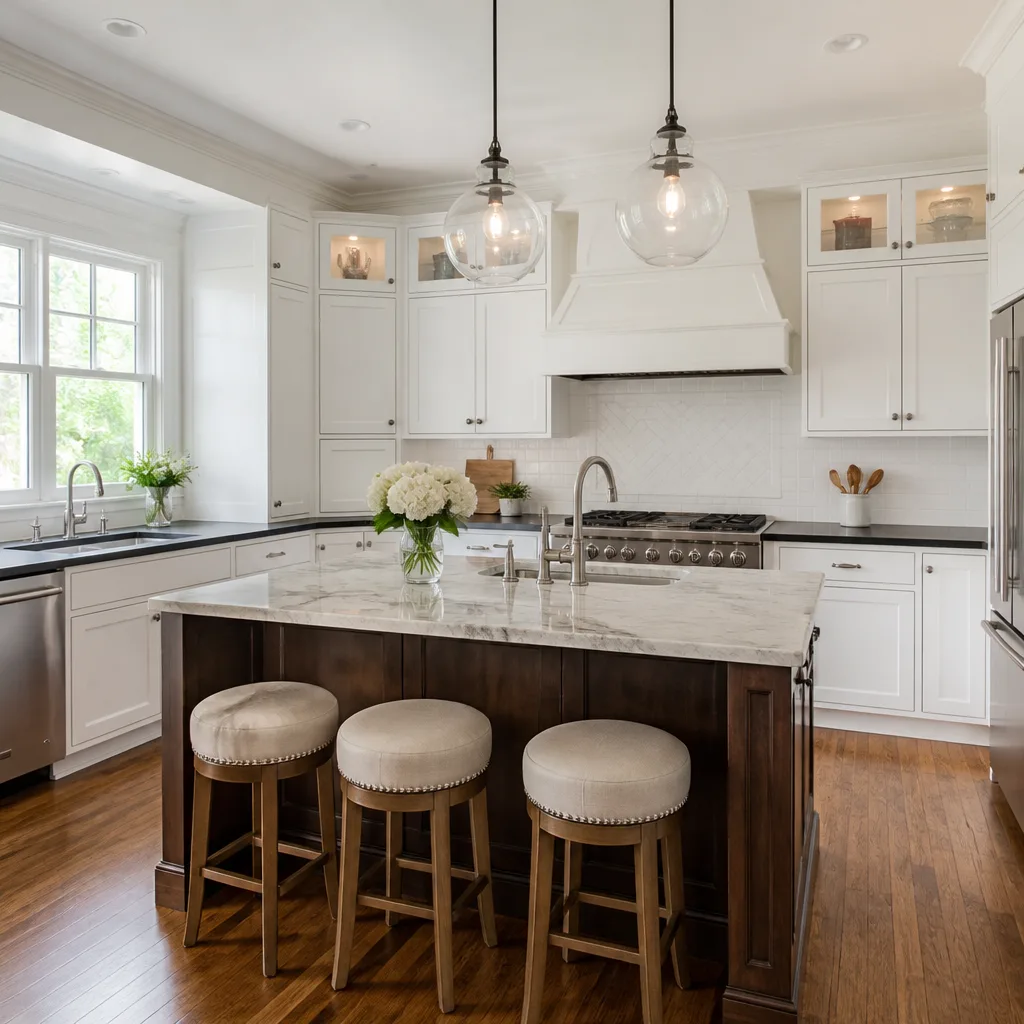
For an isolated Cambria repair in Los Angeles, you’re looking at $2,360 to $7,670 depending on whether we’re re-seaming, repolishing, patching a chip, or fabricating a new slab section. A full kitchen countertop replacement inside a home addition or ADU pulls from the same range, with the higher end covering complex edge profiles, large islands, and sink cutout work.
What drives the price upward:
- Slab size and seam count. A 10-foot island with a single seam is simpler than an L-shaped run with two seams and a mitered waterfall edge.
- Cabinet condition. If the substrate has failed, we write the cabinet reinforcement into the scope, not just the top.
- Access. Second-story ADUs or tight Los Angeles lots with narrow side yards add handling time.
- Finish restoration. Full repolish of a matte slab costs more than a targeted edge touch-up.
Every quote includes parts, fabrication, labor, haul-away of the old top, and disposal. The written price you get before we start is the price you pay. That’s The Garrison Standard, and it’s non-negotiable. All work carries the 365-Day Done Right Promise: if the repair or replacement fails inside a year, we return and correct it at no charge.
DIY or Call Us?
Cambria slabs weigh roughly 18 to 20 pounds per square foot for 3 cm stock. A standard 6-foot section is well over 300 pounds. That’s not a two-person carry, and a dropped slab doesn’t just crack itself. It takes out cabinet faces, appliances, and sometimes feet. We don’t recommend any homeowner attempt slab removal or installation without proper lifting equipment and experience.
What you can safely do: document the damage with photos and measurements, note the color code if you can access it, and clear the area of dishes and small appliances. Don’t try to glue a seam yourself with off-the-shelf adhesive. Most household epoxies yellow within months, and once that happens, the seam has to be ground out and redone properly. Call us at (903) 568-7222 with your photos. We’ll tell you over the phone whether it’s a repair or a replacement, and what the range looks like before we ever schedule the truck.
FAQs
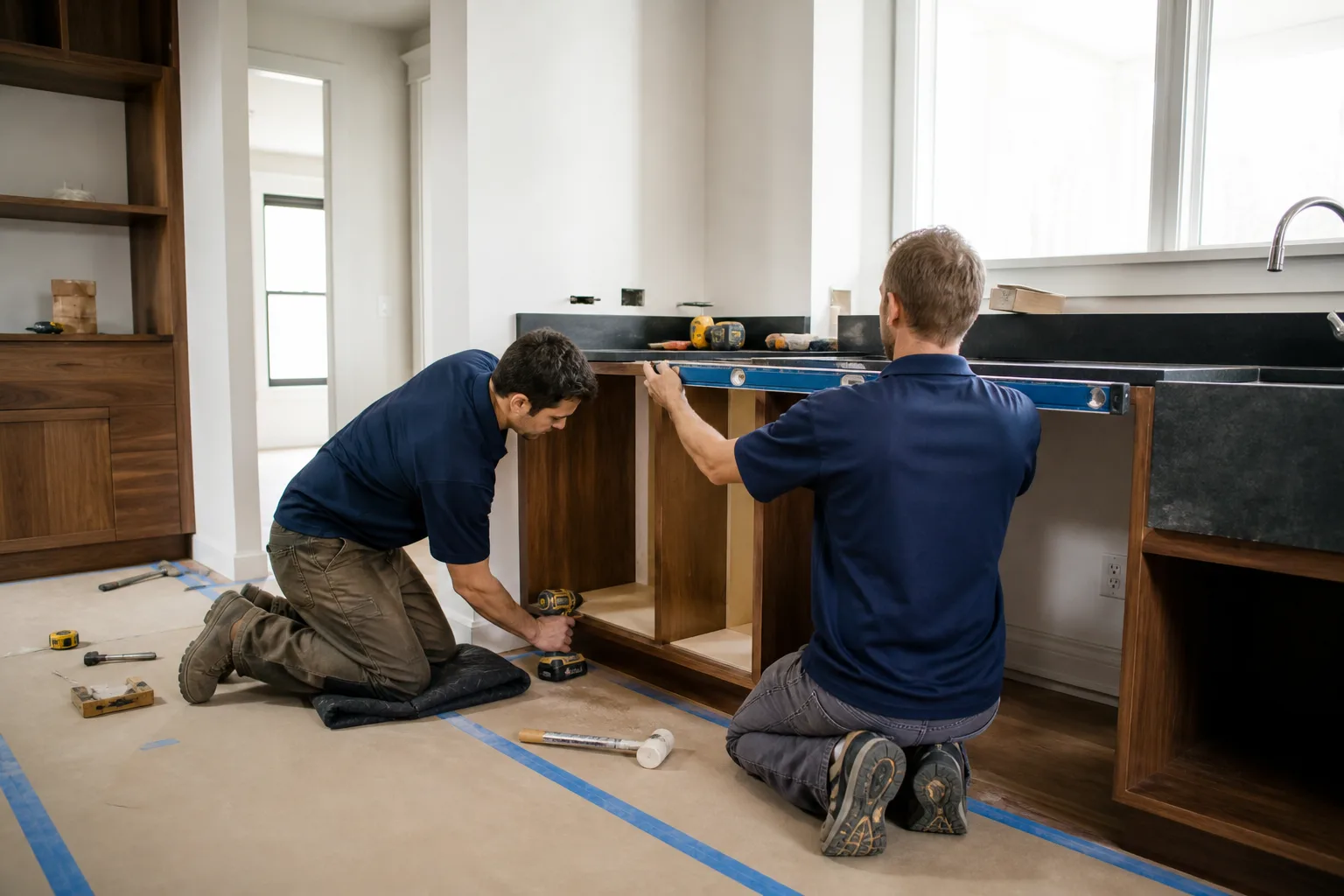
Cambria quartz itself doesn’t have a lifespan in the way a roof or water heater does. The resin binder and quartz aggregate are not going to break down from UV or normal use. In Los Angeles conditions, the surface should last decades. What fails first is the work around it. Substrate movement, seam adhesive, and edge polish wear. With proper cabinet preparation and a flat substrate, a Cambria top in an ADU should last as long as the building.
It depends on the crack location. A stress crack from the sink cutout can often be stabilized and filled when the underlying cabinet flex issue is corrected first. If the crack runs through the slab’s structural width or has caused visible separation at the surface level, replacement is usually the honest answer. We’ll tell you straight either way. Call (903) 568-7222 and send photos so we can give you a realistic range before scheduling.
A re-seam or chip repair is generally a single visit of four to six hours, including cure time. A full slab replacement in a kitchen takes longer, usually two to three days from template to fabrication to install. For ADU vanities and small bathroom tops, we can often template and install within the same week. We will give you a written schedule with the quote, and we hold to it.
We stock fabrication adhesives, tinting compounds, polishing compounds, and edge profile templates for Cambria-compatible work on our trucks. For full slab replacements, we order from Cambria’s current color catalog through our supplier, and color matching is done from the same catalog your original slab came from. If your color has been discontinued, we’ll close-match from current stock and show you the match before we cut. Call (903) 568-7222 for availability and lead time.
Written by Curtis Lane, Owner, Bradford Remodeling at Bradford Remodeling, serving Los Angeles and nearby areas.