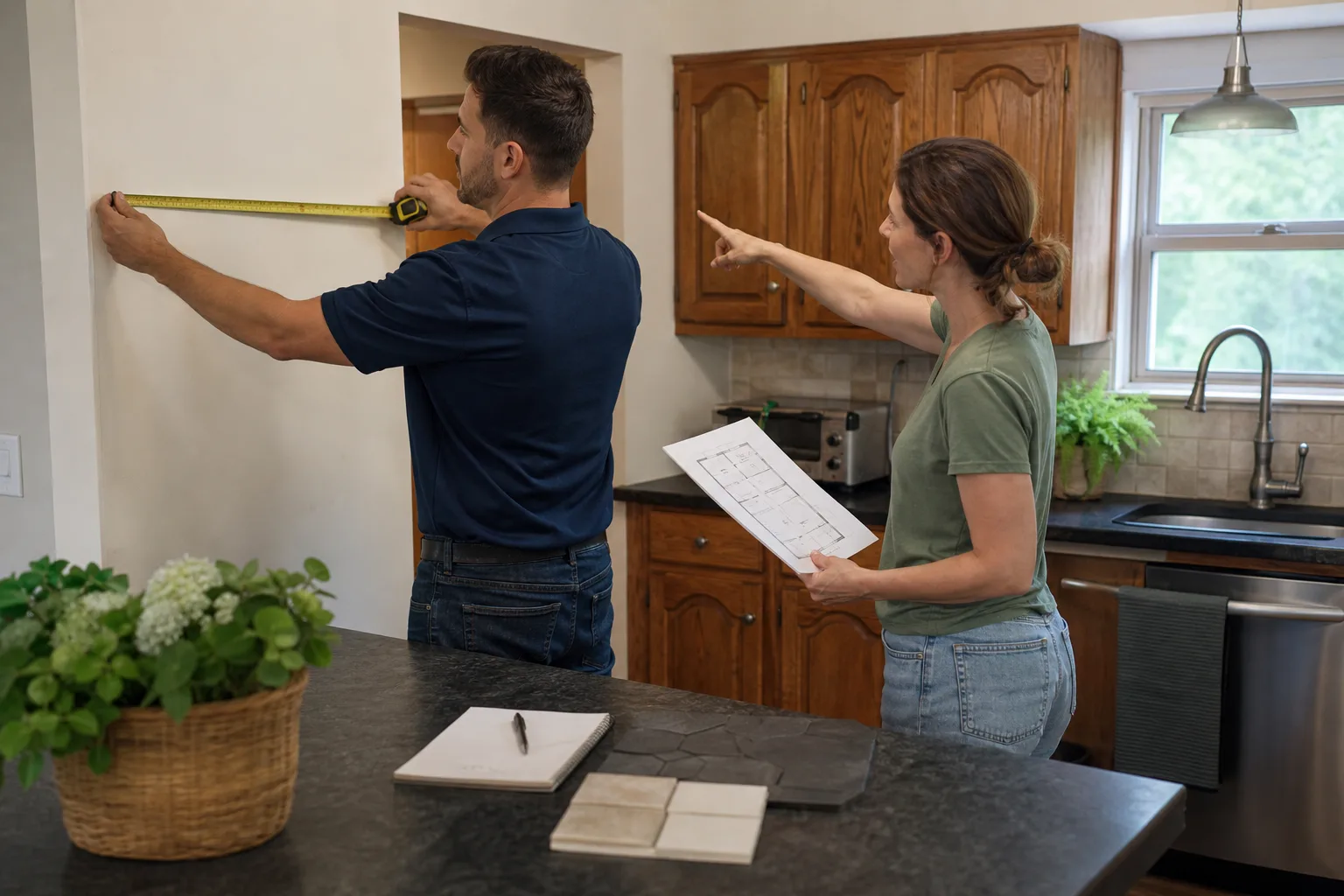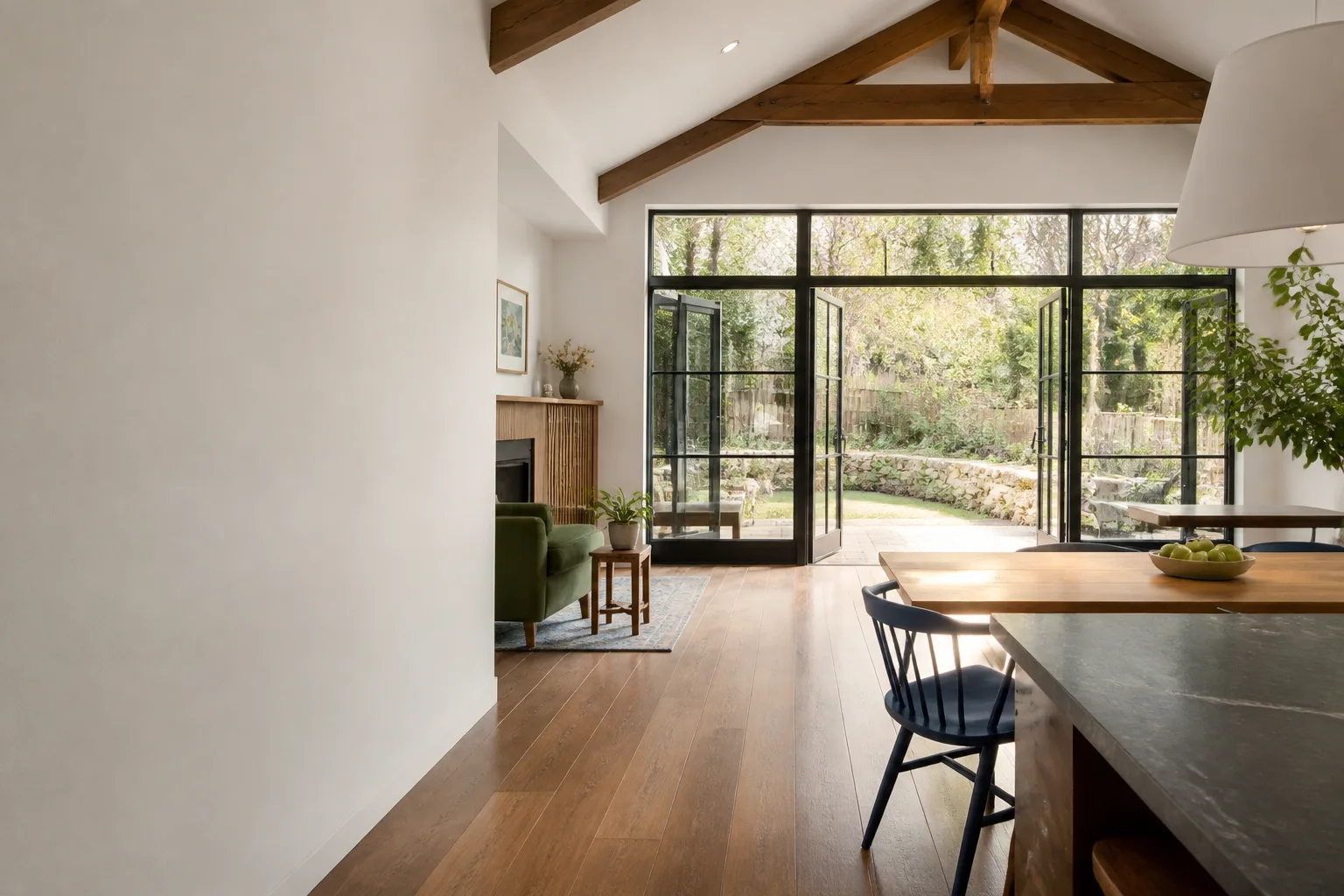
Free written scope consultation - allowances, timeline, and change-order rules on paper before a single trade is scheduled
CGI Home Additions & ADU: The Los Angeles Owner’s Guide
If you're holding a failed or failing CGI home additions & ADU part in Los Angeles, here’s the straight answer: Bradford Remodeling stocks and installs CGI-compatible home additions & ADU components, and a full replacement or repair on this class of work typically runs $53,100–$153,400 installed across Los Angeles County. Most owners figure out something’s wrong when the framing settles out of square, the roofline dips where the addition ties into the original structure, or a door that closed clean six months ago suddenly binds at the header. That’s not cosmetic. That’s structure talking.
We’re an independent contractor, not a CGI dealer or factory rep. What we bring is twenty years of framing, foundation, and finish work across the Basin, plus a written price before any work starts and a 365-Day Done Right Promise behind the finished job. Curtis Lane runs this operation, and he’s been pulling apart bad additions in Los Angeles long enough to know exactly where CGI-spec work goes wrong and how to make it right.
Which CGI Models This Applies To
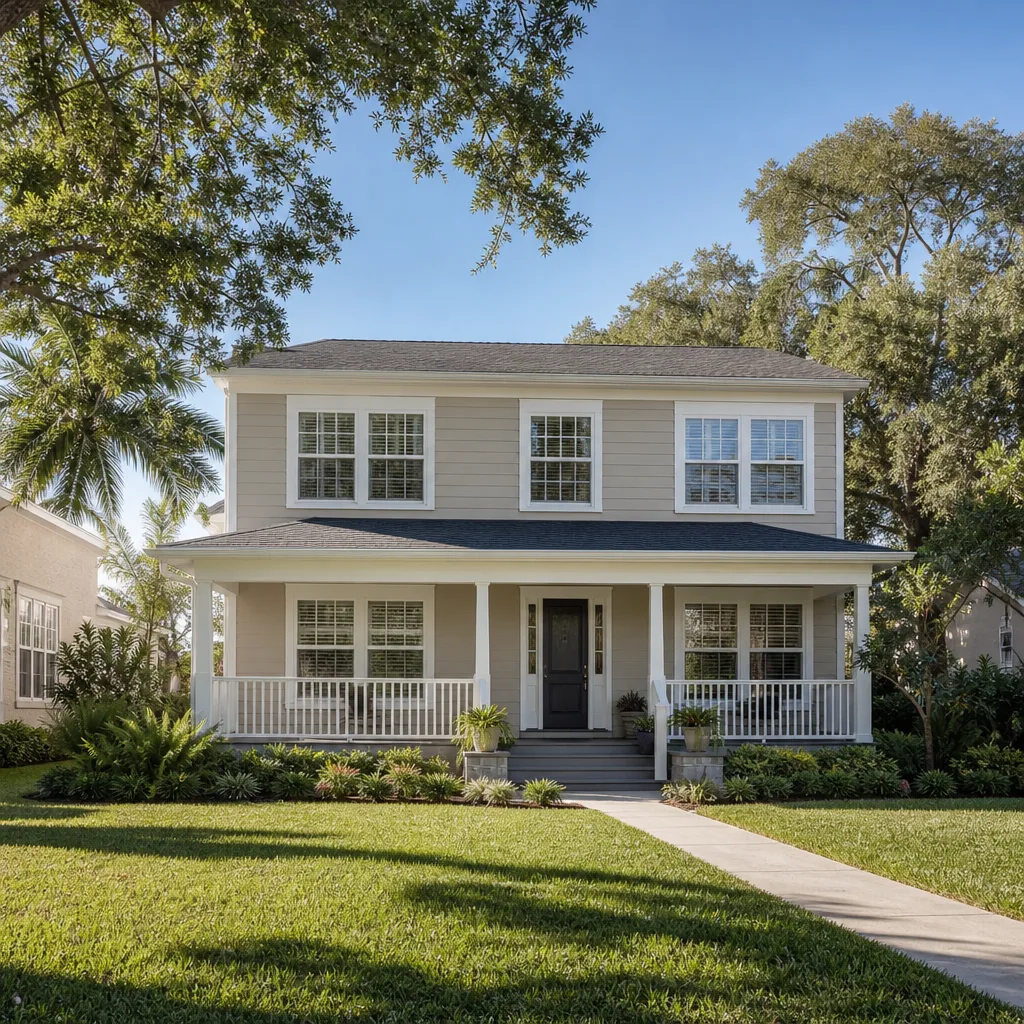
CGI’s home addition and ADU product lines are not one-size-fits-all, and that’s where most Los Angeles homeowners get burned. The critical identifier is the load-path documentation on the original permit set: CGI-engineered additions in California are typically spec’d to CBC Chapter 7 and 23 requirements, with shear wall and hold-down callouts stamped on the structural sheet. If you don’t have that sheet, we can pull the permit record through LADBS and work backward from the as-built condition.
The second thing that matters is connection hardware compatibility. CGI addition frames in this market commonly use Simpson Strong-Tie or USP connectors at the rim joist and top plate. When a homeowner or a handyman swaps in a no-name hanger because it was cheaper at the supply house, the load rating changes and the inspector catches it, or worse, doesn’t. We match the hanger, the nailing pattern, and the embedment depth to the original CGI spec. Aftermarket equivalents are fine when they carry an ESR report and match the original capacities. We carry Simpson and MiTek on the truck; we won’t install anything without a traceable spec sheet.
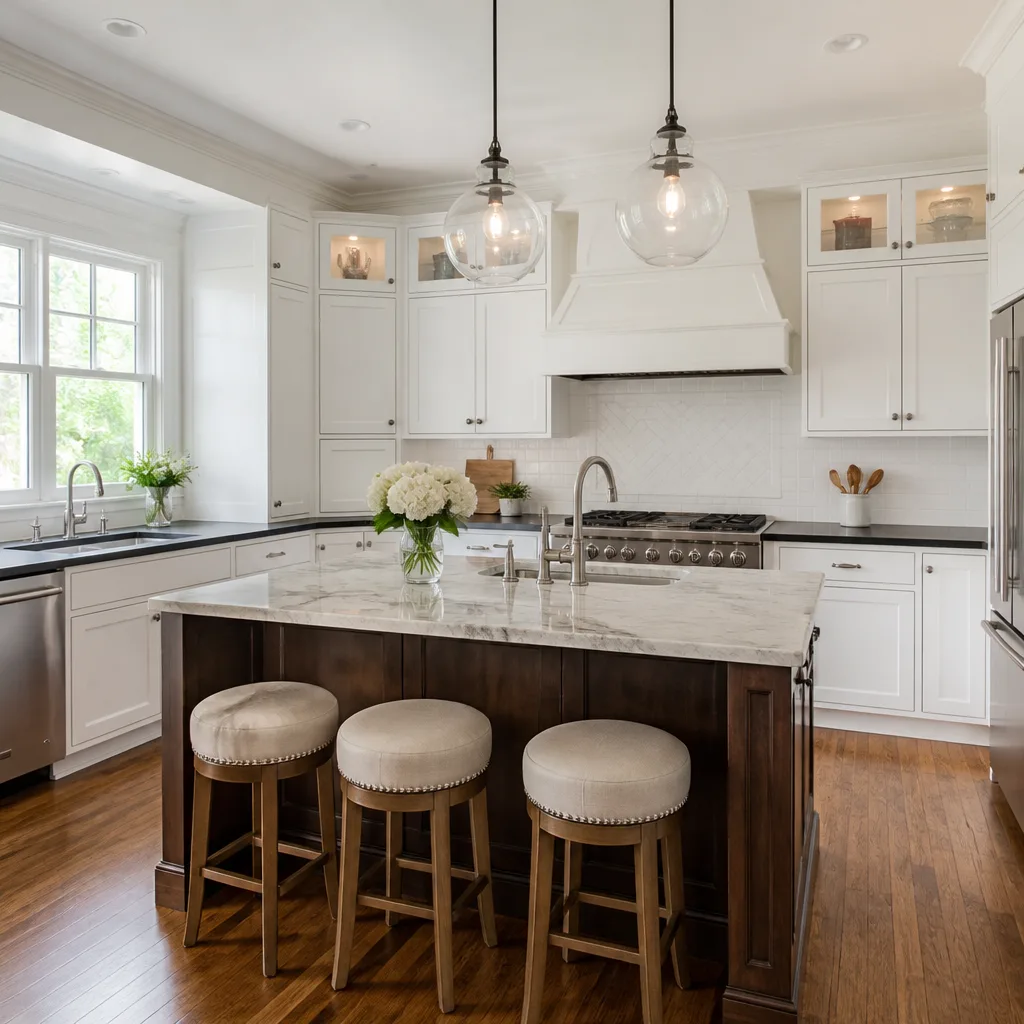
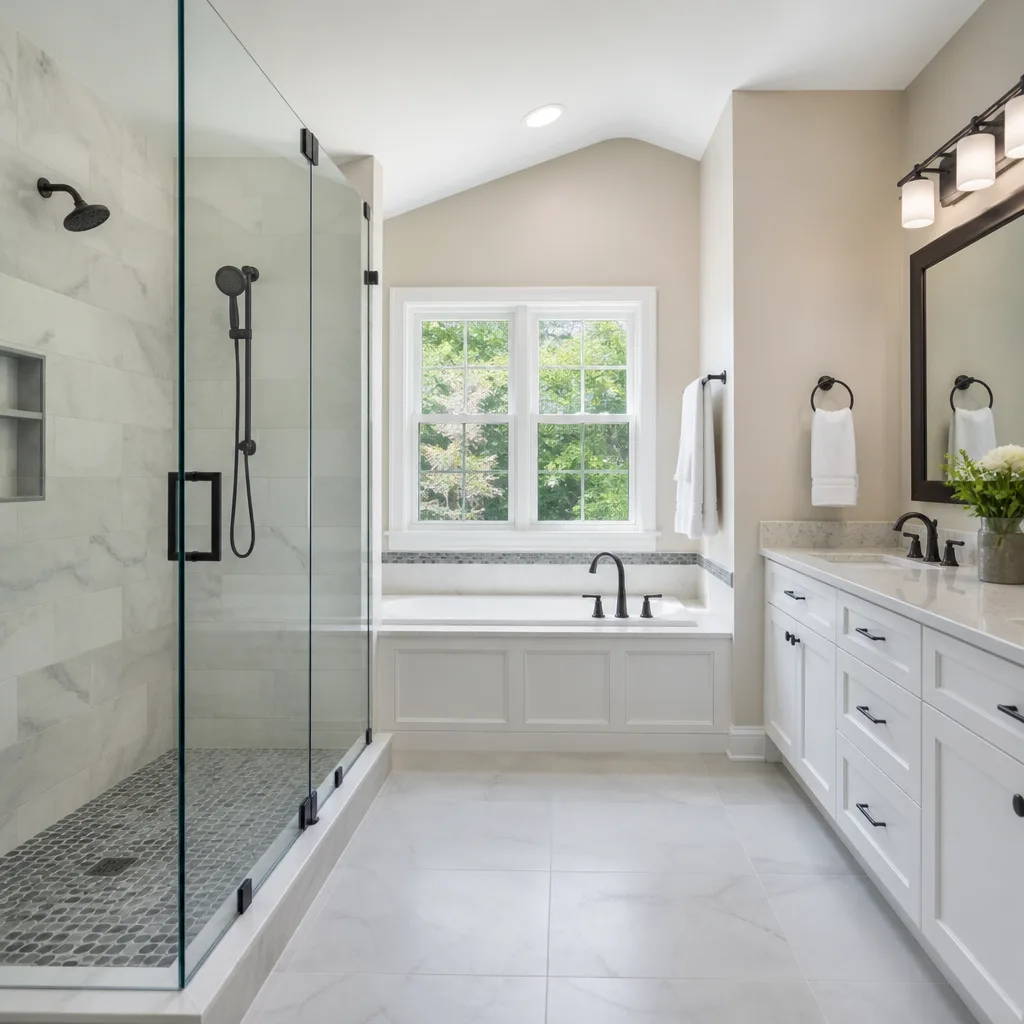
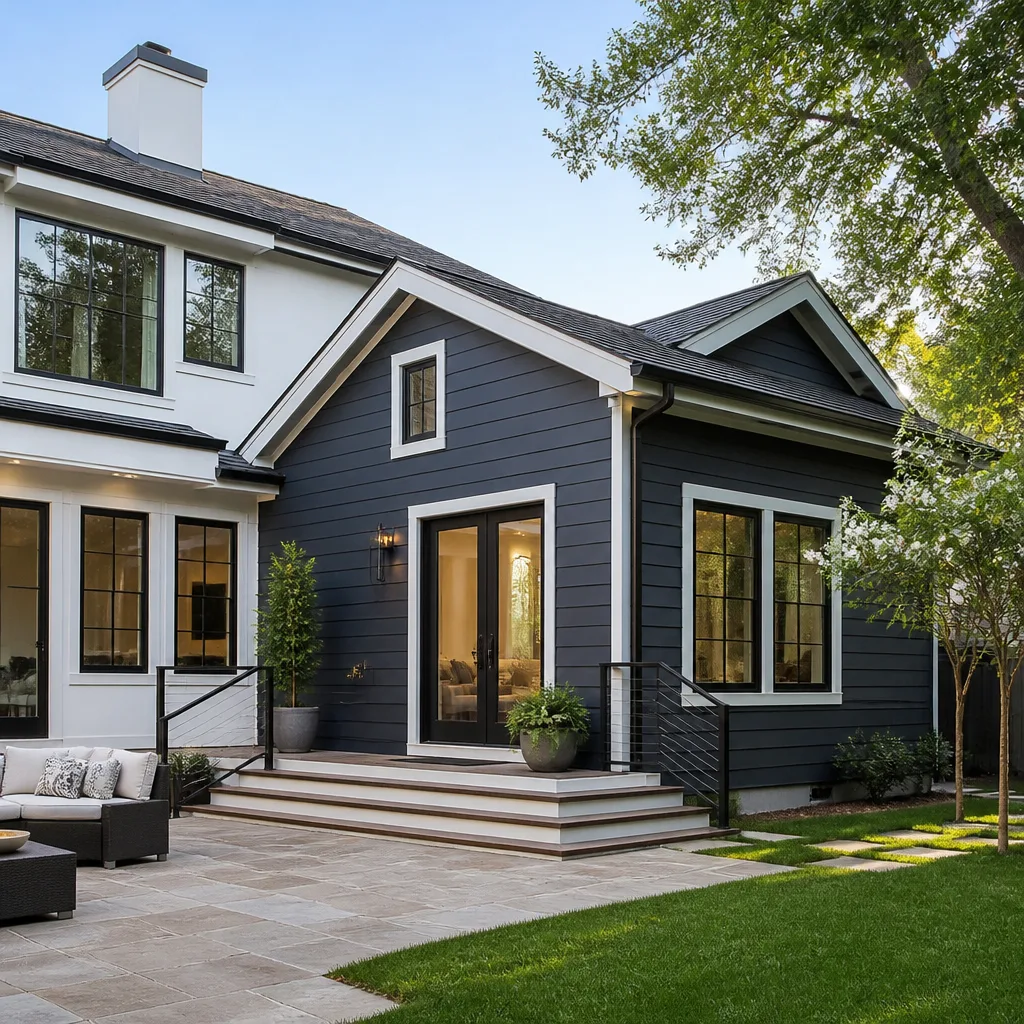
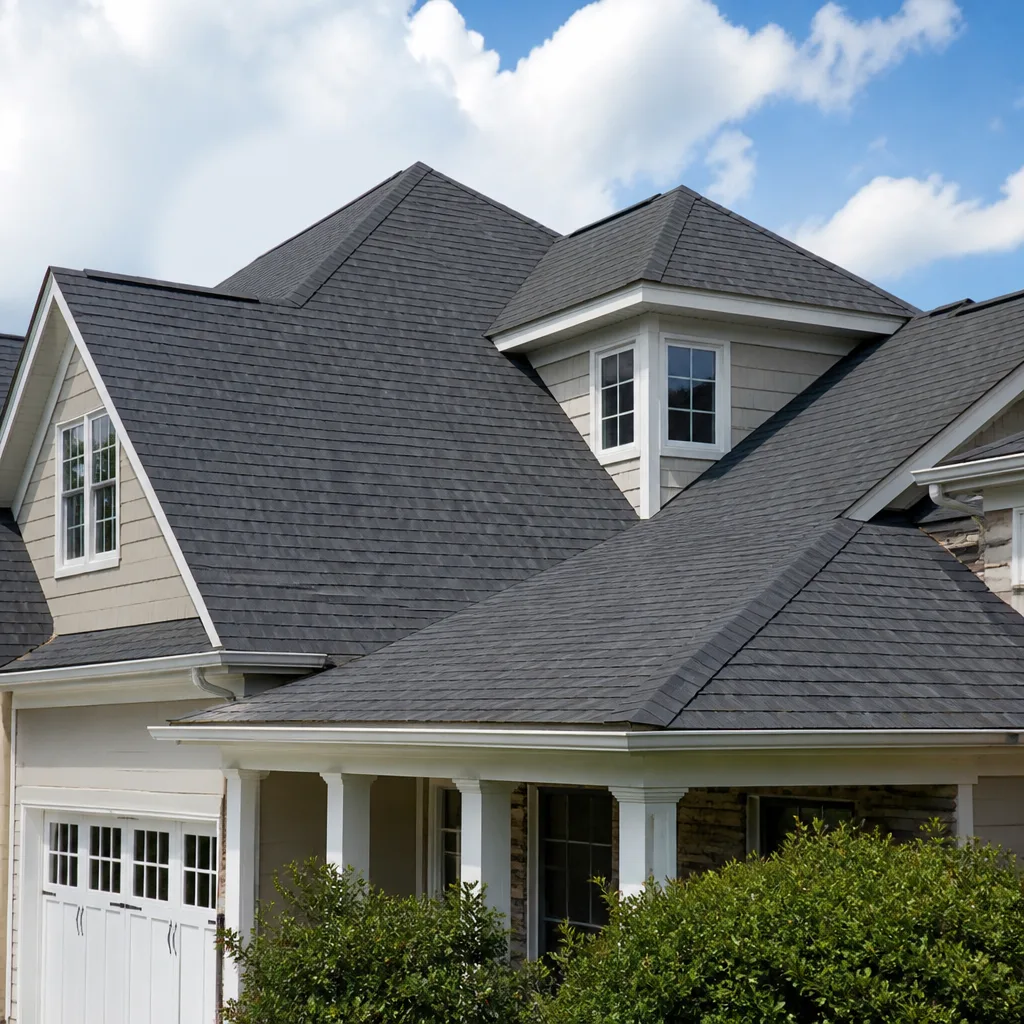
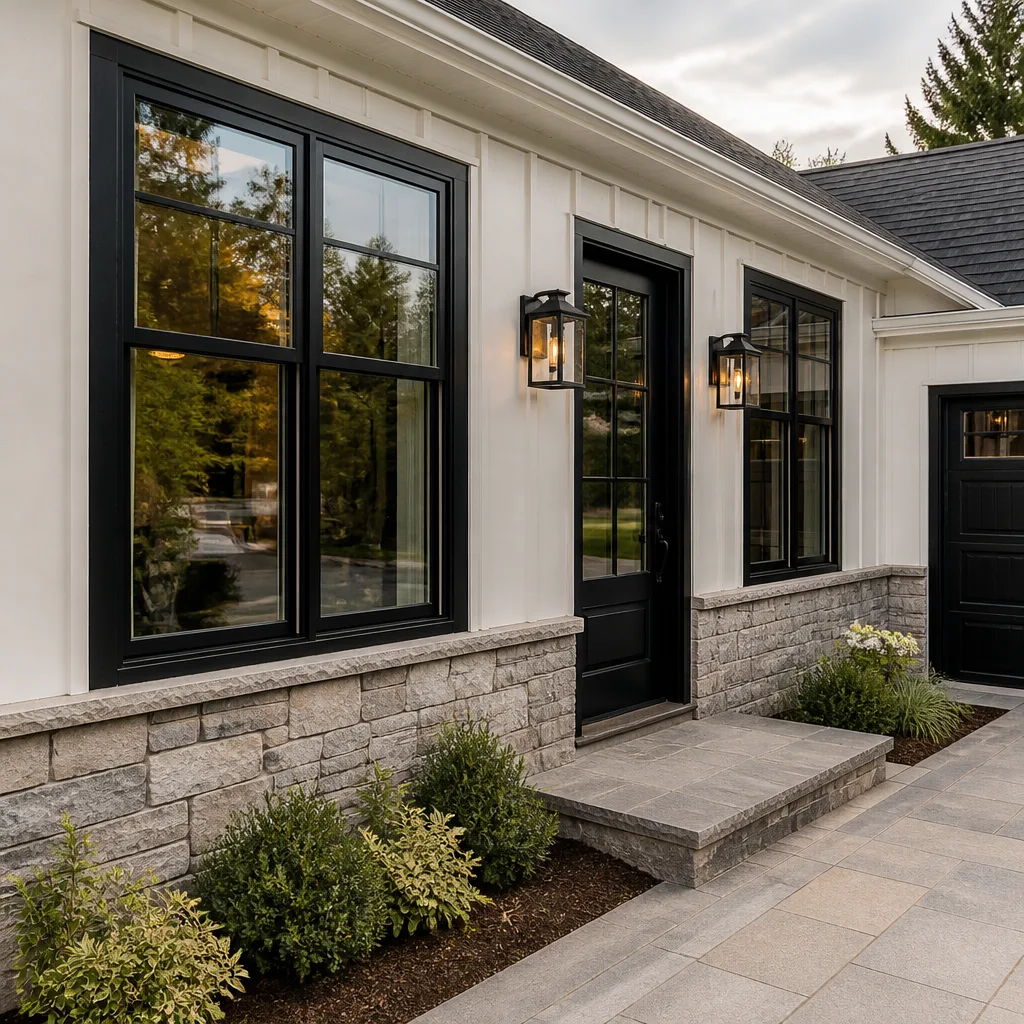
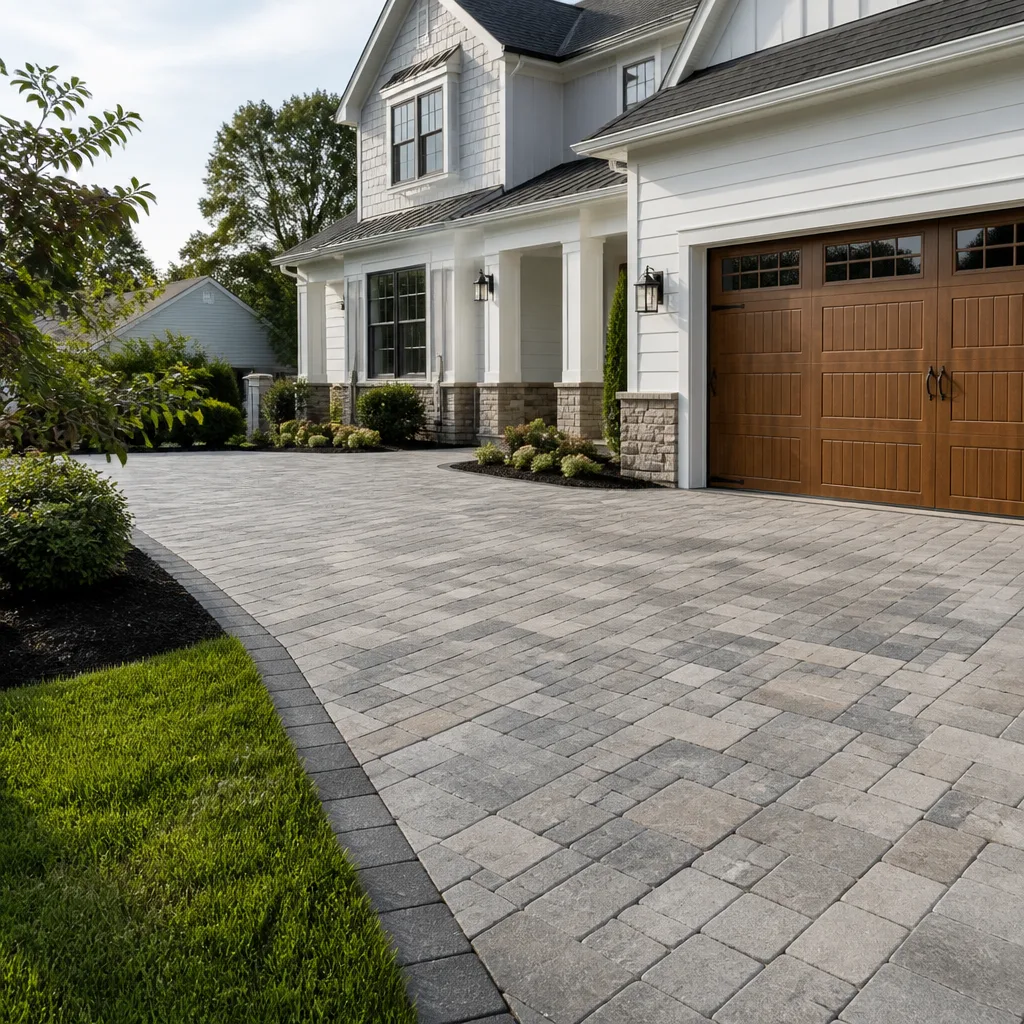
Styles & brands we work with
Signs Your CGI Home Additions & ADU Is Failing
- Doors and windows binding at the header or jamb. This tells you the opening has moved out of square. In Los Angeles, where clay soils in neighborhoods like Baldwin Hills and Leimert Park expand and contract with the rainy season, foundation movement transmits straight up through the walls. The opening stops being square and the door pays the price.
- Drywall cracks running diagonally from window corners. Diagonal cracking means shear movement, not shrinkage. If the crack runs from the corner of a window at roughly 45 degrees, the wall is racking and the shear panel or its fastening schedule has lost capacity.
- Gaps opening at the roofline or fascia where the addition ties into the original house. The transition between old and new construction is the weakest point on nearly every Los Angeles addition. If that seam is opening, the two structures are moving independently, and that’s a structural problem.
- Soft spots in the subfloor or a slight bounce when you walk across the room. This usually points to joist spacing, blocking, or a compromised rim joist. On a CGI-spec addition, joist spacing and blocking intervals are engineered. When somebody skips the blocking to save a day of labor, the floor loses its stiffness and you feel it.
- Visible separation at the sill plate or a gap where the stucco meets the foundation. This is a weep screed and sill plate issue. In Los Angeles, stucco is everywhere, and if water has been getting under the weep screed, the sill bolts can corrode, the plate can rot, and the wall is no longer properly anchored to the foundation.
See the difference
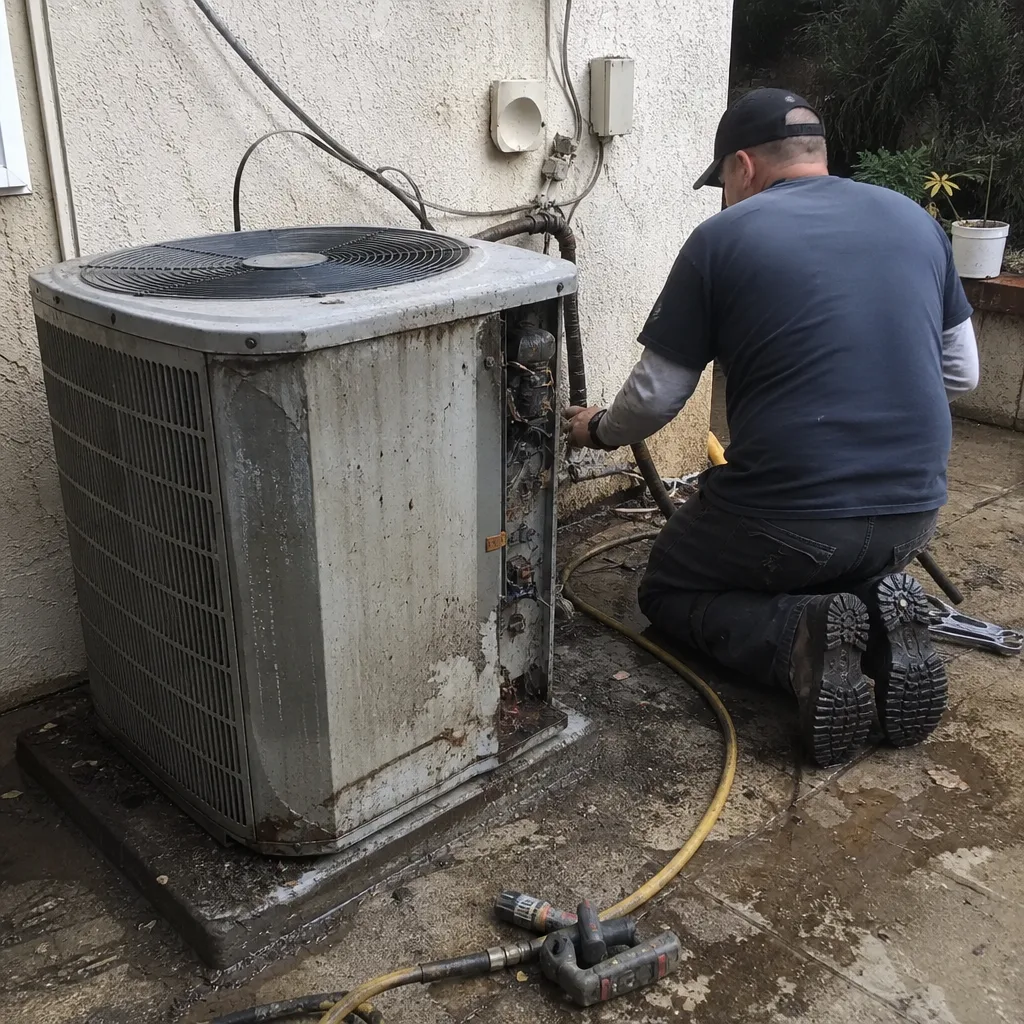 Before
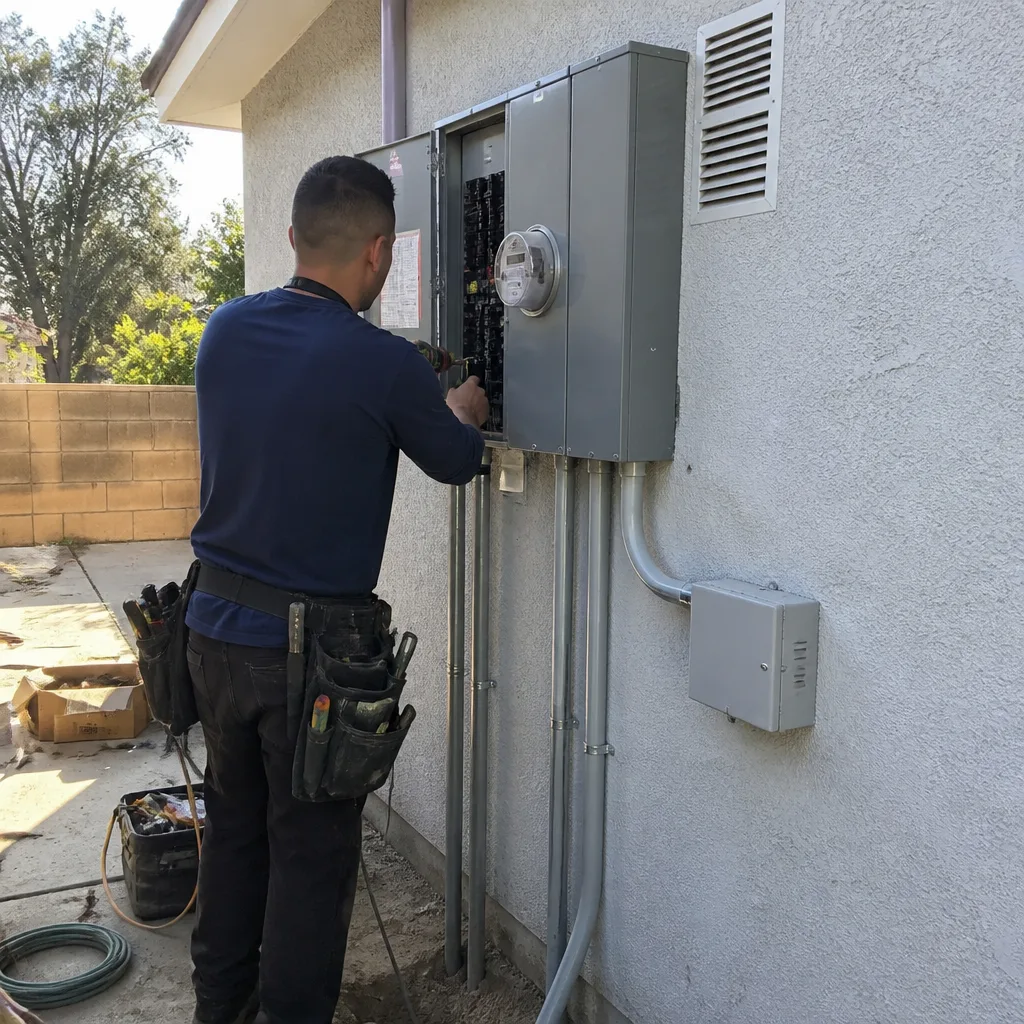 After
After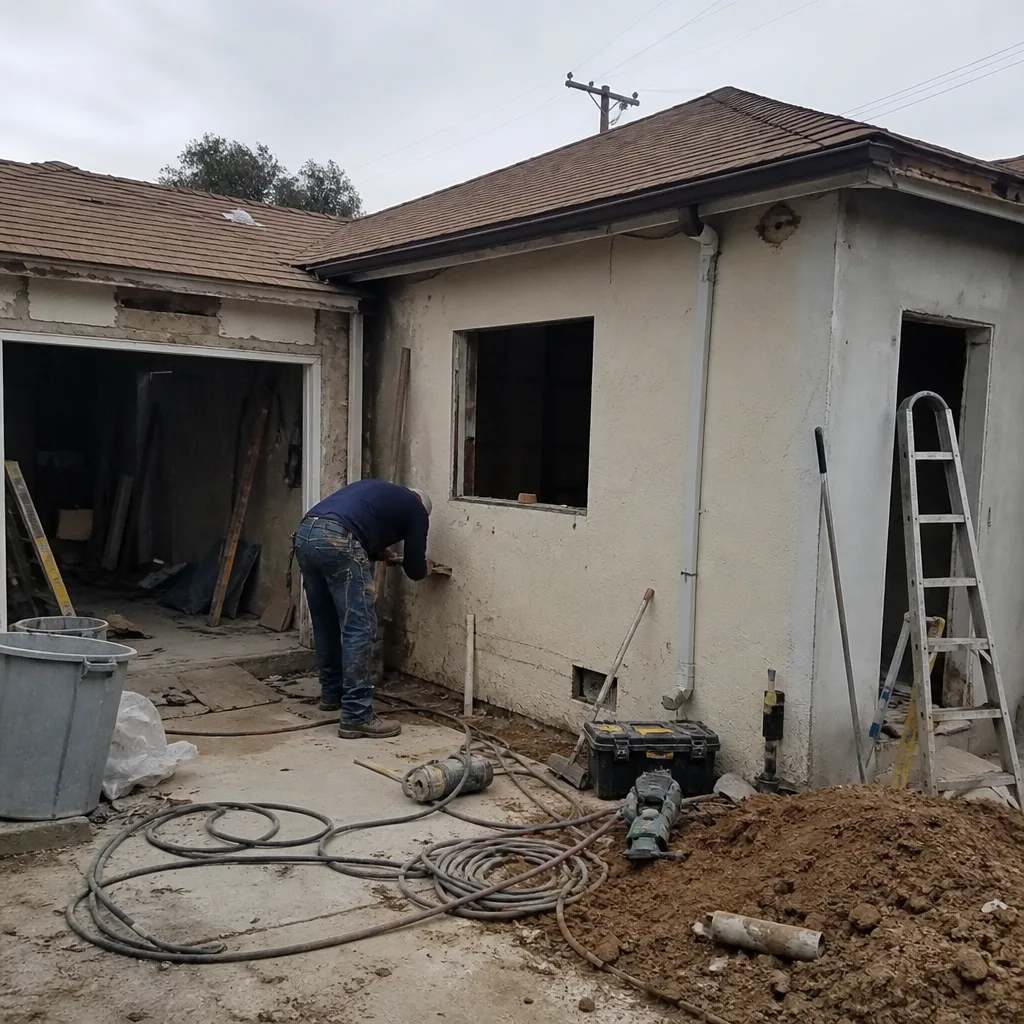 Before
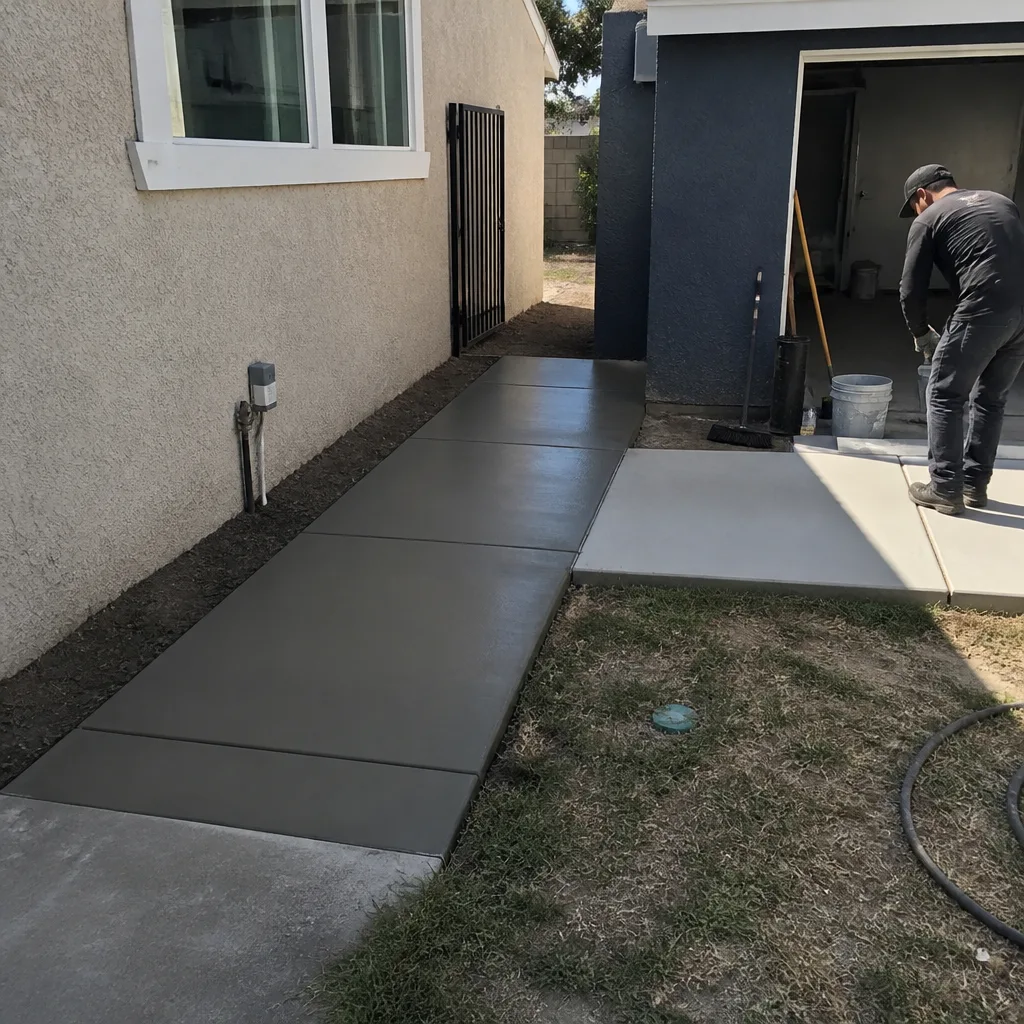 After
After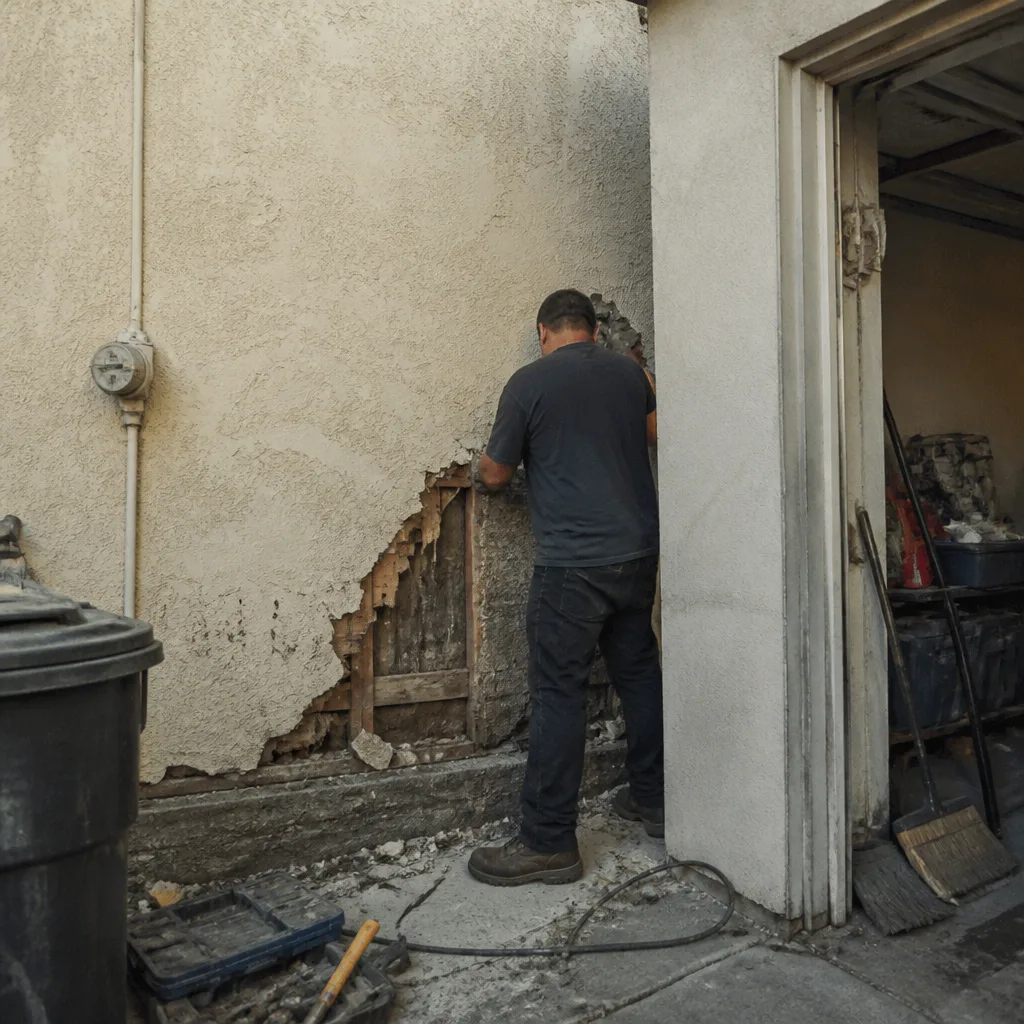 Before
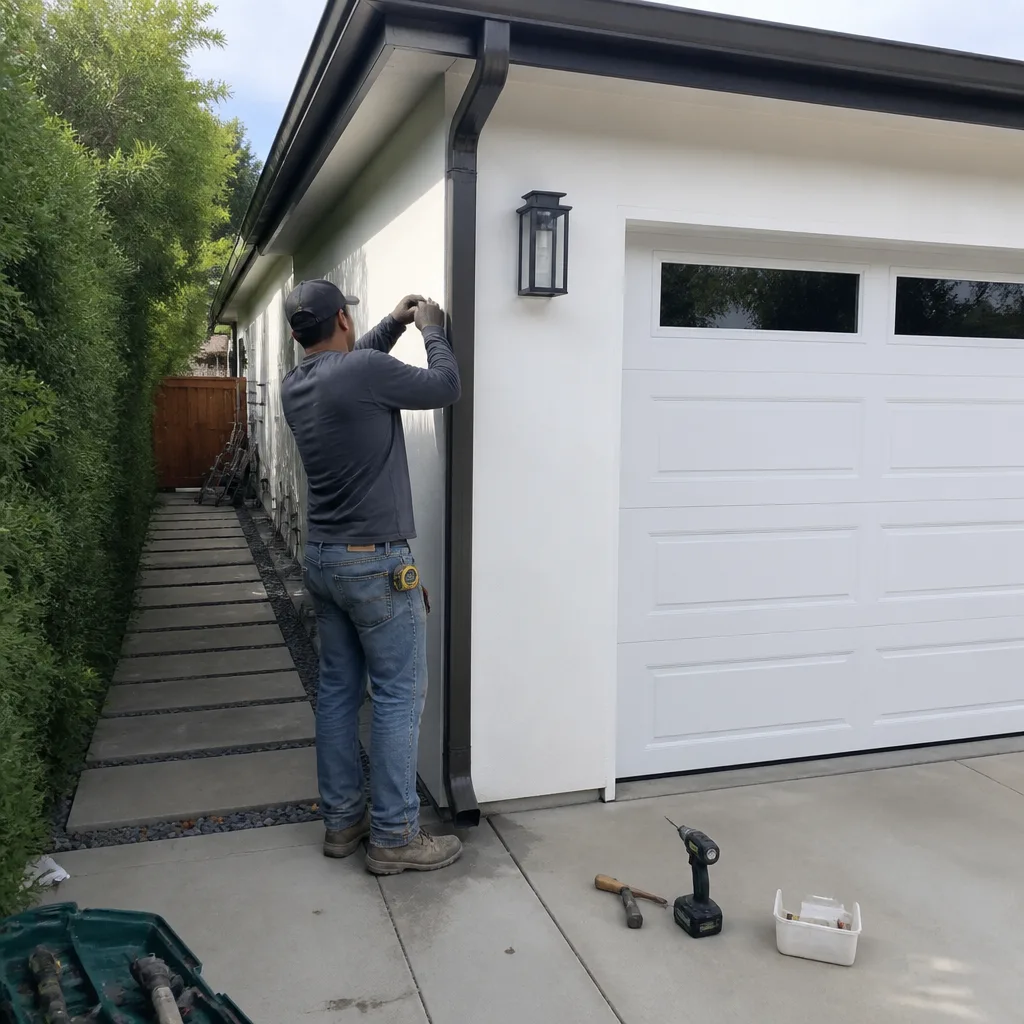 After
AfterReplacement Cost & What’s Included
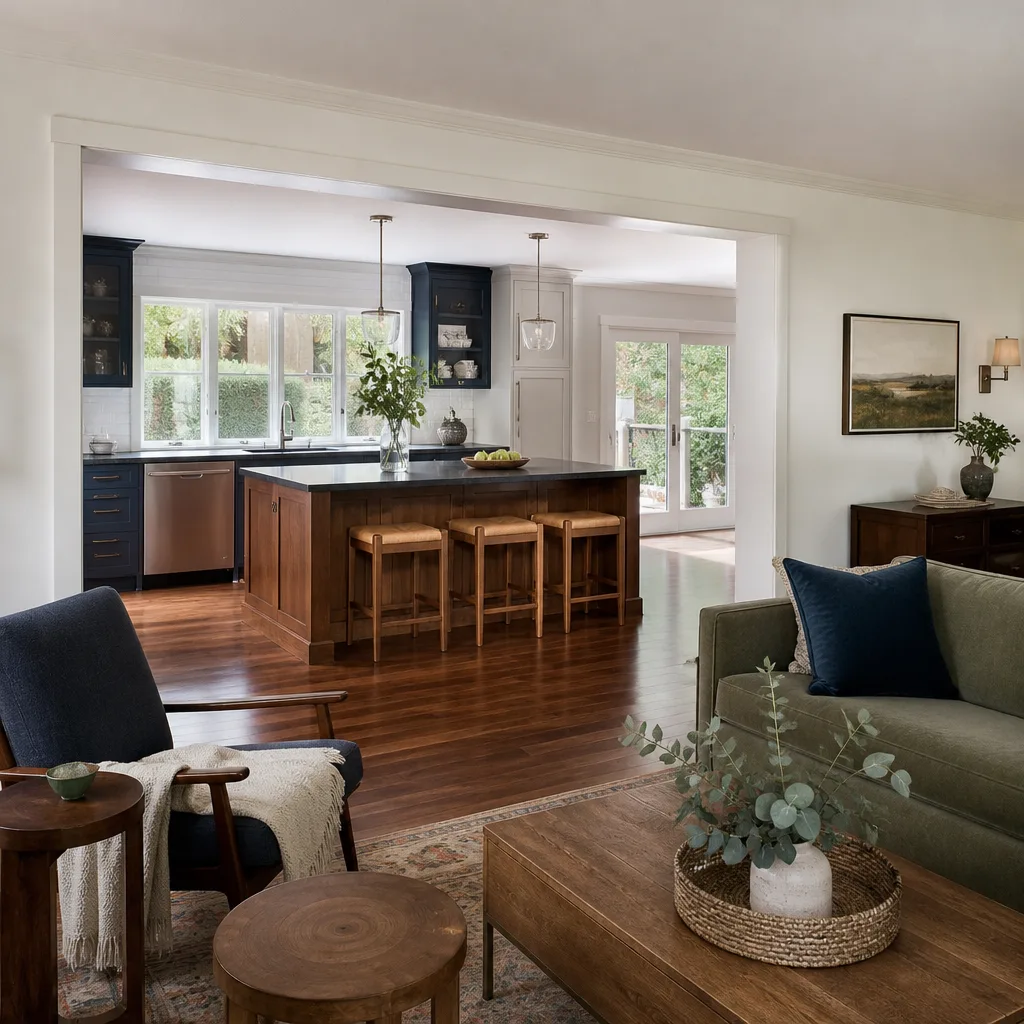
For a full CGI-compatible home addition or ADU replacement in Los Angeles, the installed range is $53,100–$153,400. The spread comes down to scope: a partial structural repair where the foundation is still sound sits at the lower end; a full teardown and rebuild of an ADU shell with new shear panels, hold-downs, and roof framing lands at the top. Materials run roughly 40–50% of the job. Labor runs the rest, and the labor is the part that should never be guessed at.
Here’s what our written price covers, every time:
- Site prep, demo of failed sections, and debris removal
- New framing lumber, engineered lumber, or steel as spec’d
- Simpson or MiTek connectors matched to the original load requirements
- Permit coordination and LADBS inspection scheduling
- Final walkthrough with the guarantee in your hand
Every job carries our 365-Day Done Right Promise. If the work fails within a full year, we come back and fix it at no charge. That’s in writing before we start.
DIY or Call Us?
Some things you can check yourself, and some things you shouldn’t touch. What you can safely do: look for the symptoms above, document them with photos, and check whether the original permit set is in your closing paperwork. That information helps us quote faster.
What you should not do: prop a sagging header with a bottle jack, sister a floor joist with framing lumber that doesn’t match the original span table, or start pulling apart stucco to look for rot. A failed addition is a structural condition, not a handyman’s weekend. When a wall loses its load path, gravity doesn’t negotiate. We’re working under the original CGI engineering intent, and we’re doing it with a permit pulled and an inspector behind us. Call (903) 568-7222 if you’re seeing any of the symptoms above. We’ll send someone who knows what to look for.
FAQs
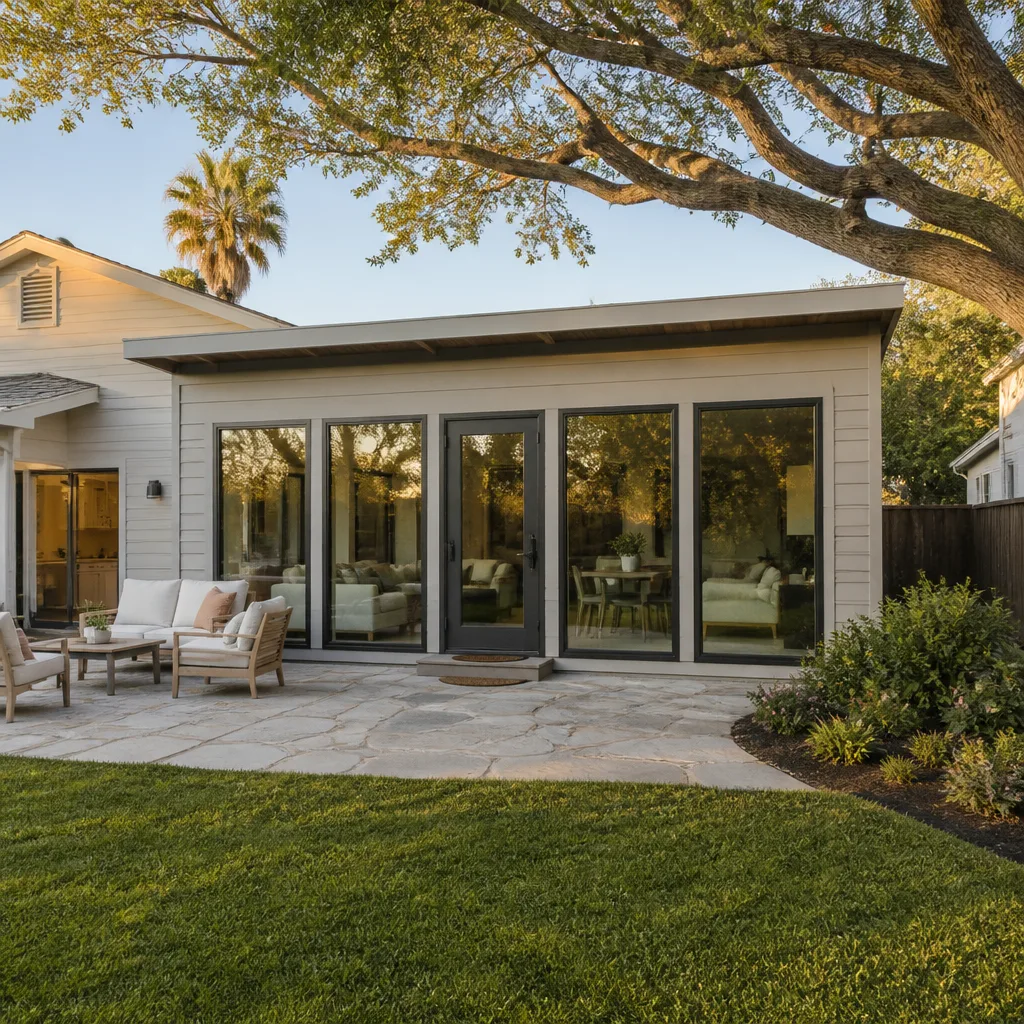
With proper drainage, intact stucco, and a foundation that doesn’t move, a well-built addition shell lasts 50–70 years in this climate. What fails first in Los Angeles is usually the connection hardware and the water intrusion points, not the lumber. Steel corrodes slowly, stucco cracks, water gets in, and the fasteners pay the price. Call (903) 568-7222 and we’ll tell you what’s actually failing and what it costs to fix.
Sometimes, yes. A corroded hold-down or a cracked shear panel can often be repaired without replacing the entire addition. A section of failed rim joist can be cut out and re-anchored. But if the framing has moved and the load path has shifted, repair is a band-aid. We’ll tell you which one you have after we look at it, and the written price covers exactly what we find.
A structural repair on an addition or ADU in Los Angeles typically takes 1–4 weeks depending on scope, permit timing, and inspection scheduling with LADBS. A full shell replacement can run 8–12 weeks. We’ll give you a schedule in writing before we start, and that schedule is part of the written scope, not a promise made over the phone.
We stock Simpson Strong-Tie and MiTek connectors, hold-downs, anchor bolts, and blocking on the truck for most common CGI-spec connection details. Structural lumber, engineered beams, and shear panel are ordered per job so they match the permit set. If you’re mid-project and need a specific connector, call (903) 568-7222 and we’ll tell you if we have it on hand.
Written by Curtis Lane, Owner, Bradford Remodeling at Bradford Remodeling, serving Los Angeles and nearby areas.