Free written scope consultation - allowances, timeline, and change-order rules on paper before a single trade is scheduled
CGI Roofing: The Los Angeles Owner’s Guide
We stock and install CGI-compatible roofing parts across Los Angeles, with typical installed costs running $470 to $2,125 depending on the part, the roof pitch, and how much substrate repair Los Angeles sun and Santa Ana wind have forced on the job. In most cases we can match a CGI profile, gauge, or fastener set on the first visit and get you scheduled within days, not weeks. Owners usually find us the way you just did: a leak stains a bedroom ceiling, a roofer or handyman says “CGI,” and suddenly you’re trying to figure out which panel, flashing, or clip your roof actually uses. That’s the page this is.
Which CGI Models This Applies To
CGI roofing in Los Angeles spans several product lines, and the part number matters more than the brand name on the invoice. The most common CGI profiles we see in the Basin are the corrugated and ribbed metal panels used on patio covers, carports, and mid-century residential roofs, plus the concealed-fastener standing seam lines on newer builds. The compatibility gotcha most owners hit is gauge: CGI panels run from 26 to 22 gauge depending on whether the roof was spec’d for hillside wind loads or a flat residential section, and a 26-gauge panel won’t seat a clip built for 22. Look for a stamp on the underside of an exposed panel or on the original permit packet; if you can’t find one, we measure the rib height and pan width on site and match from there. We’ll always quote the OEM part first when CGI still makes it. When lead time is a problem, we offer aftermarket equivalents that match the gauge, profile, and coating spec – and we put that substitution in writing before any work starts.
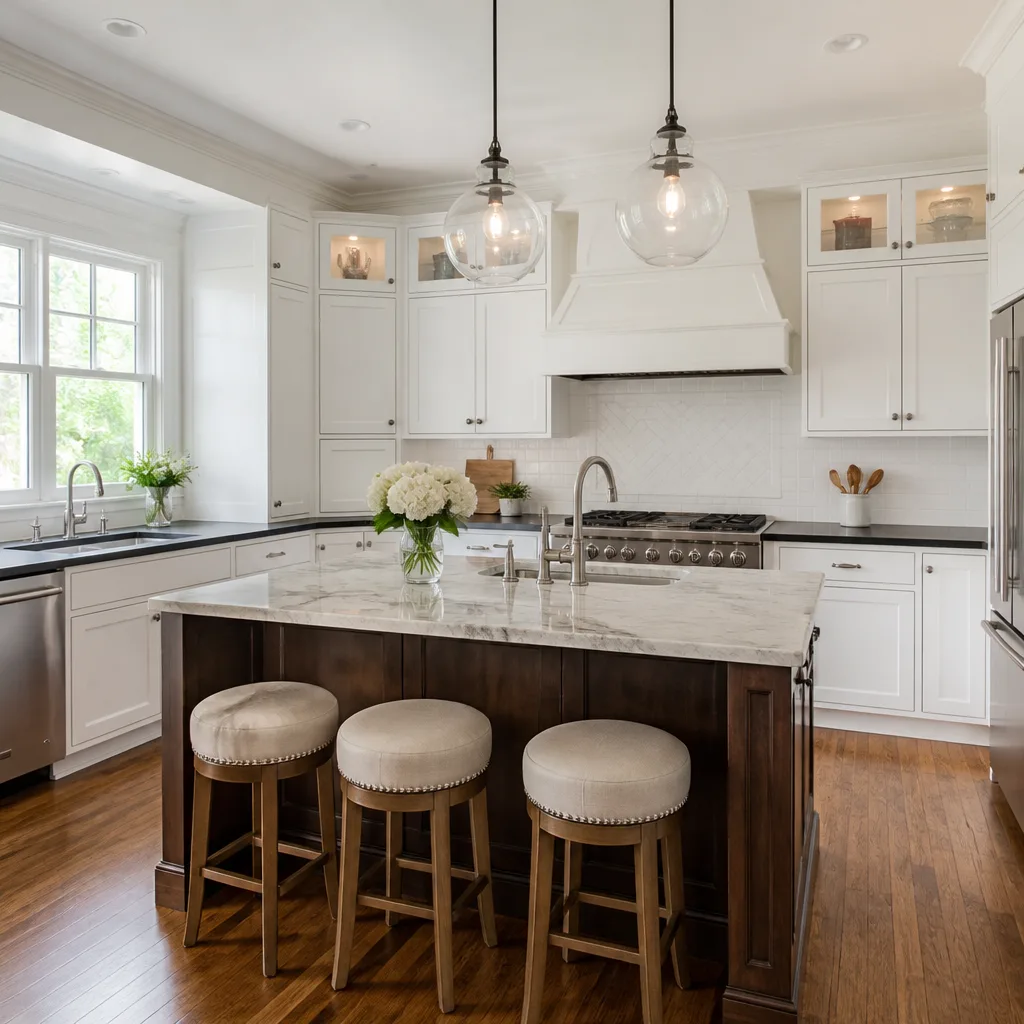
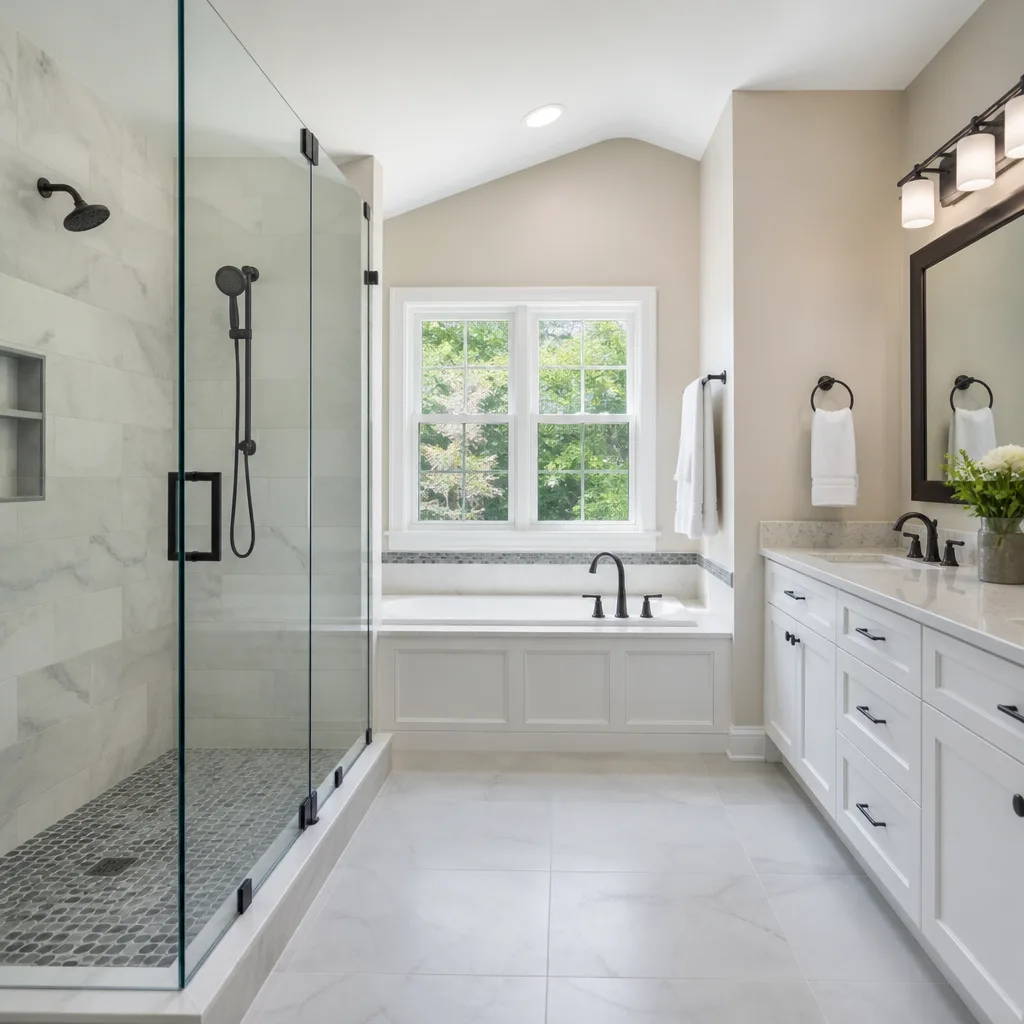
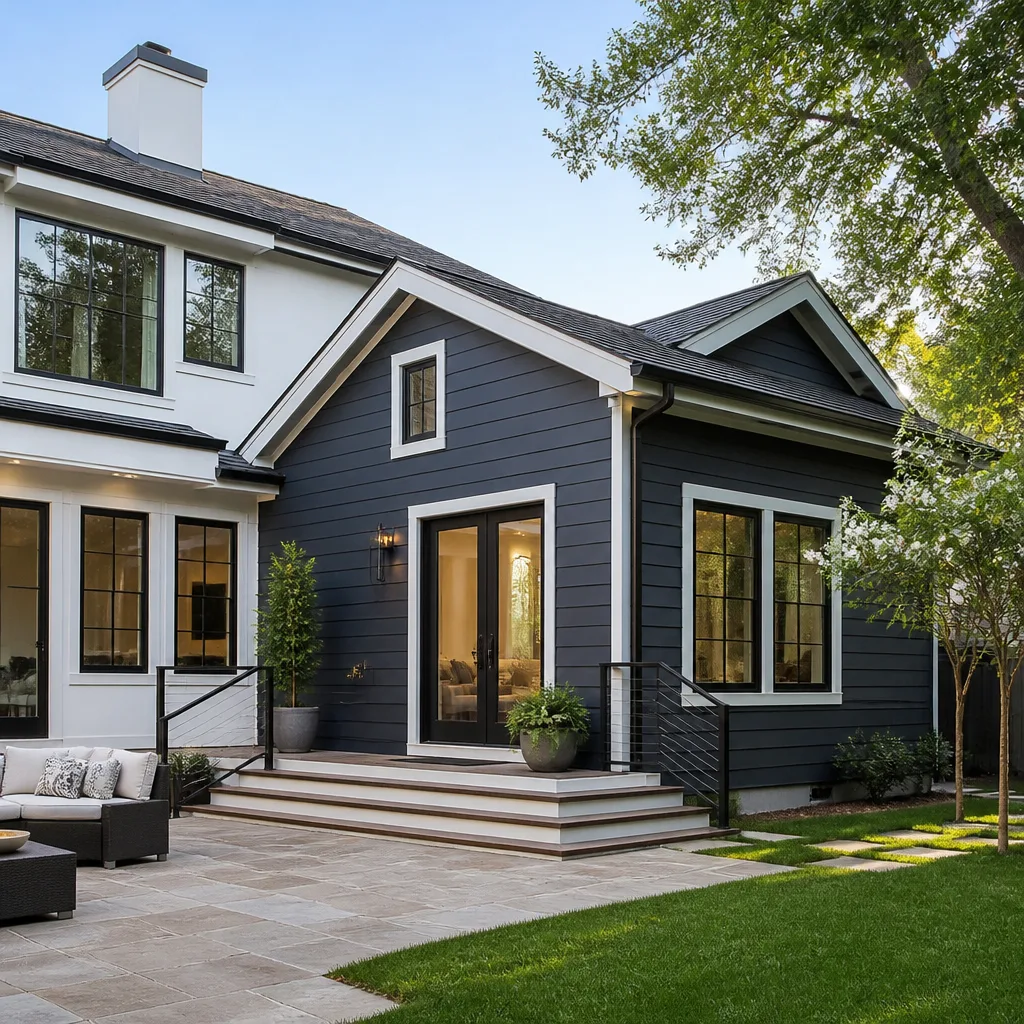
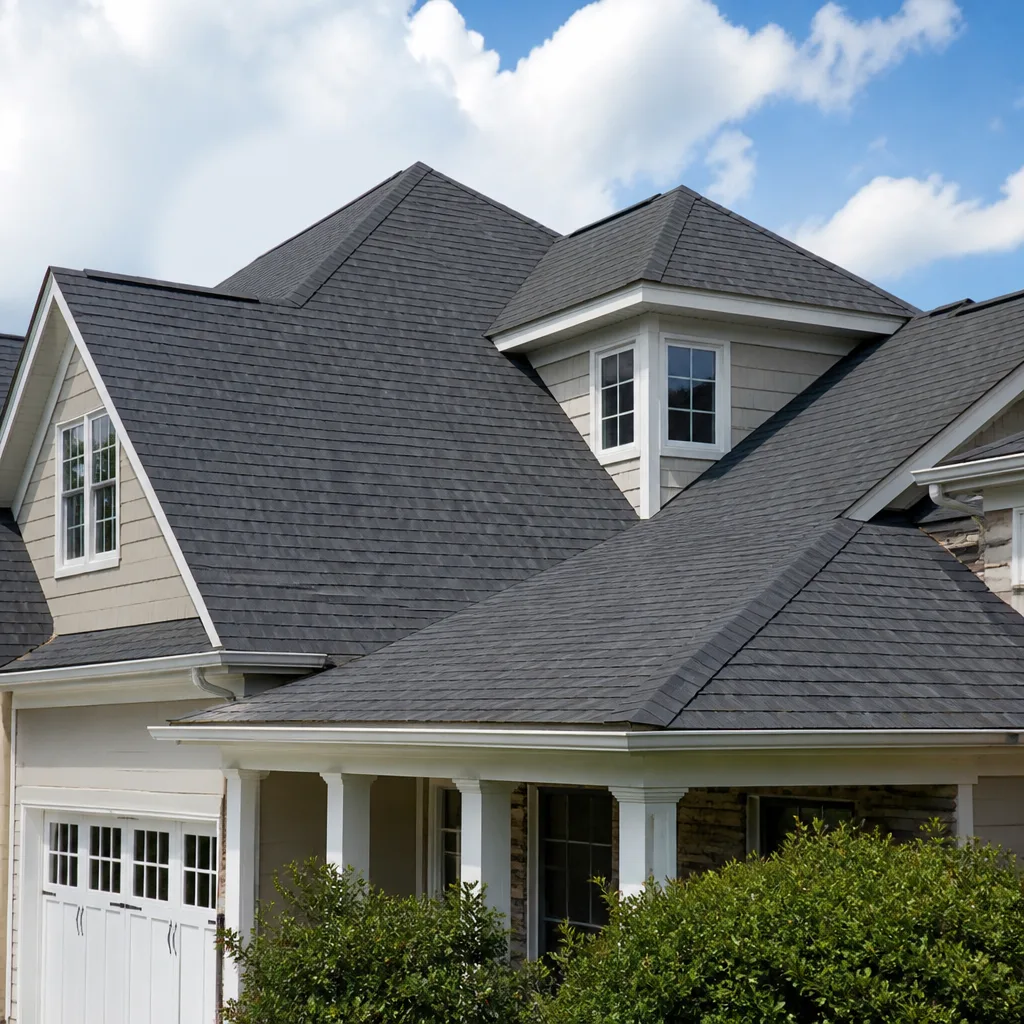
Styles & brands we work with
Signs Your CGI Roofing Is Failing
- Water staining at panel overlap lines. This is almost always a failed side-lap seal. Los Angeles heat cycles bake the factory sealant until it cracks and separates, and rain finds the gap. The panel is usually fine; the lap needs stripping and re-sealing.
- Loose or missing screws with rubber washers. The washers are the weak point. UV exposure hardens them until they crack, and once water reaches the screw shaft it follows into the roof deck. We replace the whole fastener set in a failing section, not just the loose ones.
- Visible rust along the panel edges or cut lines. CGI panels are coated, but field-cut edges expose raw steel. If the original installer didn’t touch up cuts, Los Angeles coastal moisture near the west side or morning fog in the hills will start that rust within a few years.
- Oil-canning that seems to worsen with temperature changes. Metal expands and contracts hard in Los Angeles heat. If the panels weren’t allowed to move or the clips are bound, the buckling worsens, and eventually the fasteners tear out of the deck.
- Gaps at ridge or rake flashing. Wind-driven rain exploits these gaps. Santa Ana winds flex the flashing until the fasteners loosen, and once that starts, it doesn’t self-correct.
See the difference
 Before
 After
After Before
 After
After Before
 After
AfterReplacement Cost & What’s Included
Roof repair on CGI systems in Los Angeles runs $470 to $2,125 installed. At the low end, you’re looking at fastener replacement in a contained section or re-sealing a short side lap. The high end covers more involved work: pulling damaged panels, replacing broken clips or corroded flashing, and repairing the substrate underneath. The price includes parts, labor, fasteners, and sealants; the big variable is what we find once the metal comes off, because Los Angeles homes from the 1950s and 60s often hide dry-rotted plywood under a roof that looks fine from the street. We write the scope before we start, we show you what we found if the substrate changes the number, and every repair carries the 365-Day Done Right Promise. That’s a written one-year guarantee: if the fix fails inside 12 months, Bradford Remodeling returns and corrects it at no charge.
DIY or Call Us?
There’s one DIY check that’s worth doing before you call: if you can safely reach a short ladder, look for popped or missing screws along the panel ribs and take photos. That tells us a lot before we even pull up. But we draw the line at working on a CGI roof itself. The panels are slick, the pitch on most Los Angeles roofs is steeper than it looks from the ground, and one wrong step through a corroded section means a fall. Fastener and sealant repair looks simple until you realize the wrong sealant reacts with the panel coating, or the wrong screw gauge strips the clip. None of this is worth a hospital visit. If you can see the damage, call us at (903) 568-7222 and we’ll schedule a proper look.
FAQs
CGI metal roofing should last 40 to 50 years in Los Angeles when installed correctly, but the sealants and fastener washers are designed to wear out much sooner, often in the 10 to 20 year range. If your roof is 15 years old and you’re seeing leaks, you’re probably replacing the wear parts, not the panels. Call (903) 568-7222 and we’ll tell you which one you’re dealing with.
Most CGI failures can be repaired without replacing the roof, as long as the panels themselves aren’t corroded through and the substrate underneath hasn’t rotted. We’ll tell you straight if the repair doesn’t make financial sense. Call (903) 568-7222 and we’ll price both options in writing.
Most CGI repairs in Los Angeles take one day from setup to clean site, including the written guarantee in your hand. Larger substrate repairs can add a second day. We’ll put the timeline in the scope before we start.
Our trucks carry the standard CGI-compatible fasteners, clips, sealants, and flashing we use most often across Los Angeles, so the common repairs get done on the first visit. Unusual panel profiles or specialty gauges get ordered and in hand before we schedule the swap. We’ll tell you which applies to your roof before any work begins.
If your CGI roof is leaking or you’ve found damaged panels, call Bradford Remodeling at (903) 568-7222. We’ll give you a straight number, a real scope, and a written guarantee before the work starts. Curtis Lane grew up in the Crenshaw district and trained at Los Angeles Trade-Technical College on Washington Boulevard, and he’s spent two decades doing framing, foundations, and finish work across the Basin. Straight number, real scope, no surprises at the punch list.
Written by Curtis Lane, Owner, Bradford Remodeling at Bradford Remodeling, serving Los Angeles and nearby areas.