Free written scope consultation - allowances, timeline, and change-order rules on paper before a single trade is scheduled
CWS Home Additions & ADU: The Los Angeles Owner’s Guide
If you own a CWS home addition or ADU in Los Angeles and something’s failing, you’re in the right place. We install and service CWS-compatible home additions and ADU components throughout the LA basin, with typical full-scope addition work running $53,100 – $153,400 installed. The most common way owners discover a problem is water intrusion at the tie-in point where the addition meets the original structure, or a sag in the roofline that shows up six months after the original contractor packed up. You want the part matched to your CWS build, priced in writing, and corrected without a second round of surprises. That’s what this page is for.
Which CWS Models This Applies To
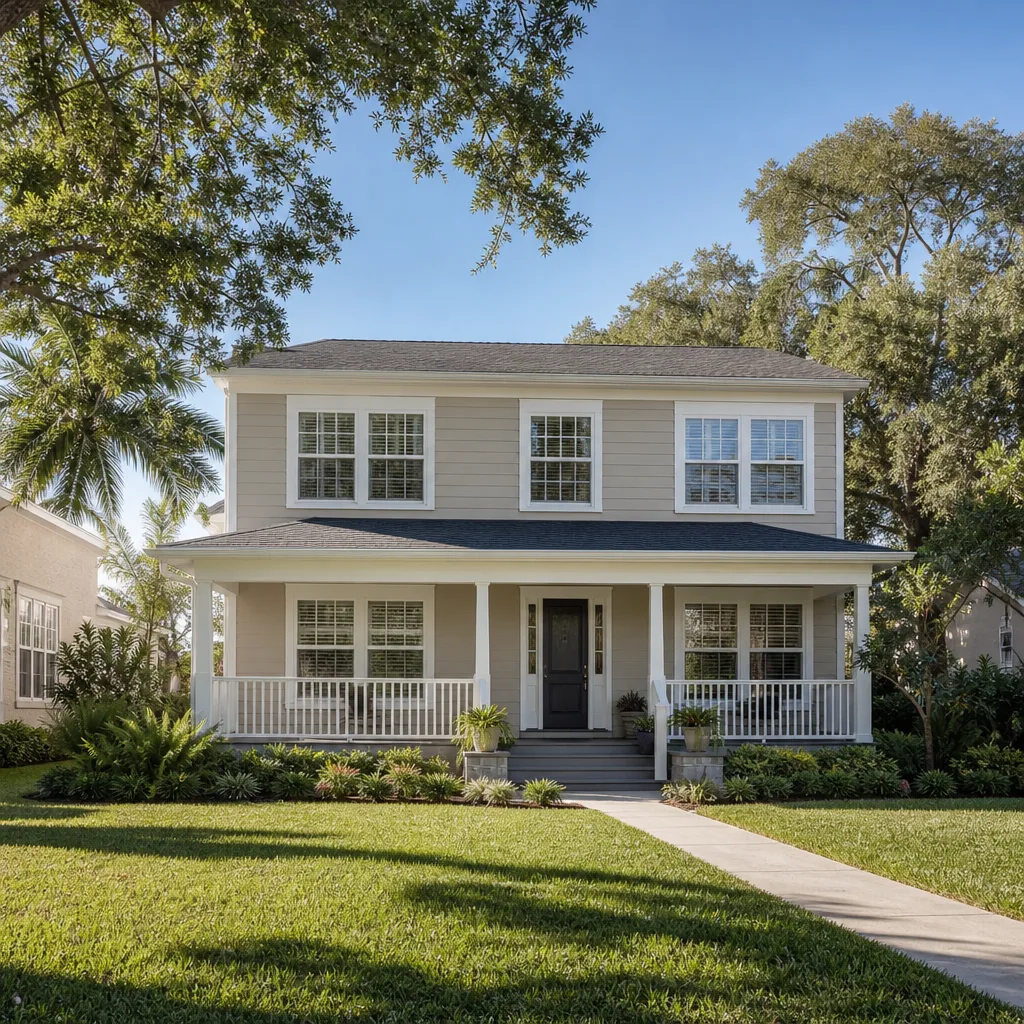
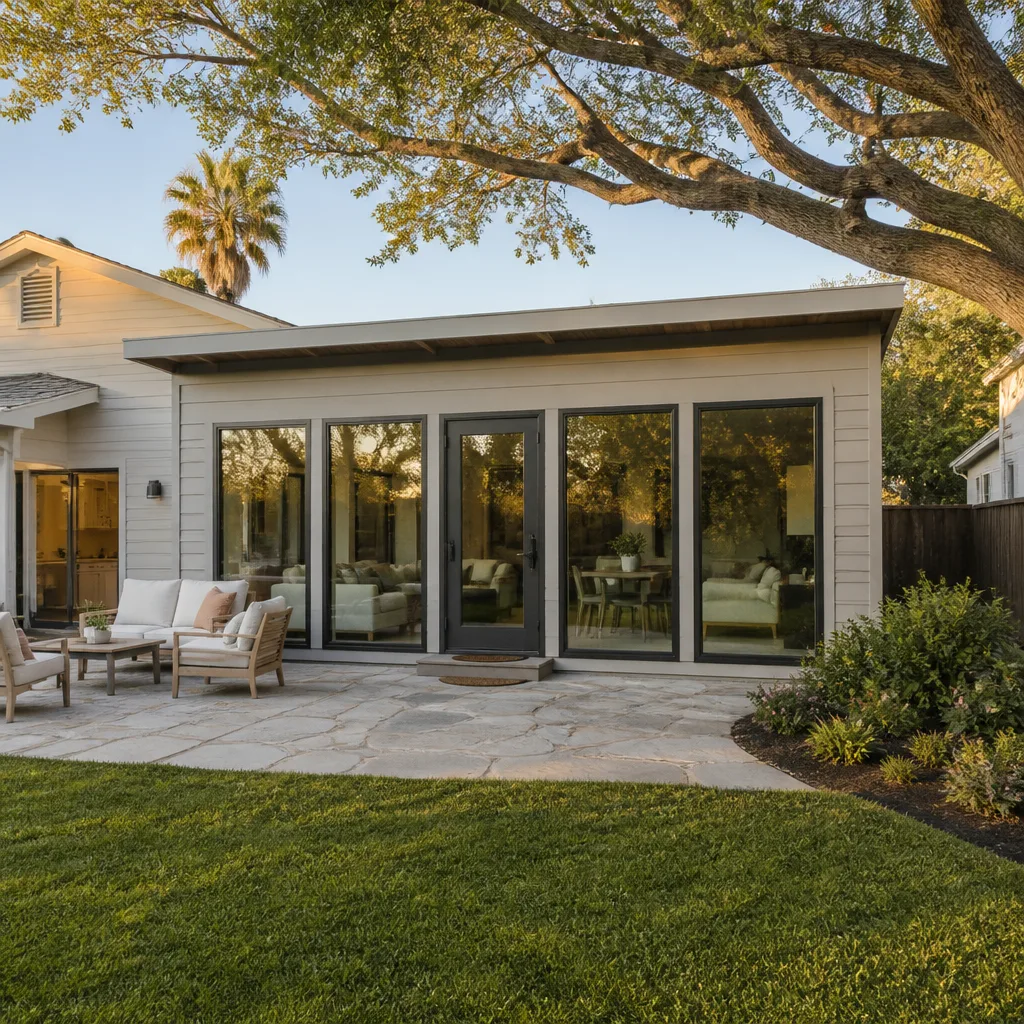
CWS-built home additions and ADUs in Los Angeles fall into three common structural categories: stick-framed additions with a shed or gable roof, prefabricated panel ADUs, and garage-to-ADU conversions with the original slab retained. The compatibility gotcha is in the roof framing. CWS additions from the mid-2010s onward typically use 2×6 rafters at 24-inch centers, while older CWS work from the early 2000s runs 2×4 rafters at 16-inch centers. You can’t swap sheathing, insulation, or roofing components between the two without a framing inspection first. If you still have the original CWS permit packet or the planset, the framing schedule is on page 2 of the structural sheet. No paperwork? Measure the rafter spacing from inside the attic access. If they’re 16 apart, budget for older-spec components.
For OEM versus aftermarket on CWS builds specifically: CWS sourced most structural and finish materials from regional Southern California suppliers rather than manufacturing their own components. That means genuine OEM parts aren’t really a thing here the way they are with, say, KraftMaid or Cambria cabinetry. What you’re actually matching is the original spec: the lumber grade, the Simpson tie catalog number at the shear wall, the exact HardieBacker thickness under tile, the window rough opening dimensions CWS framed to. We pull those from the plans when they exist and from field measurements when they don’t. Aftermarket components that meet or exceed the original spec are standard practice, and we document every one in the written scope before work starts.
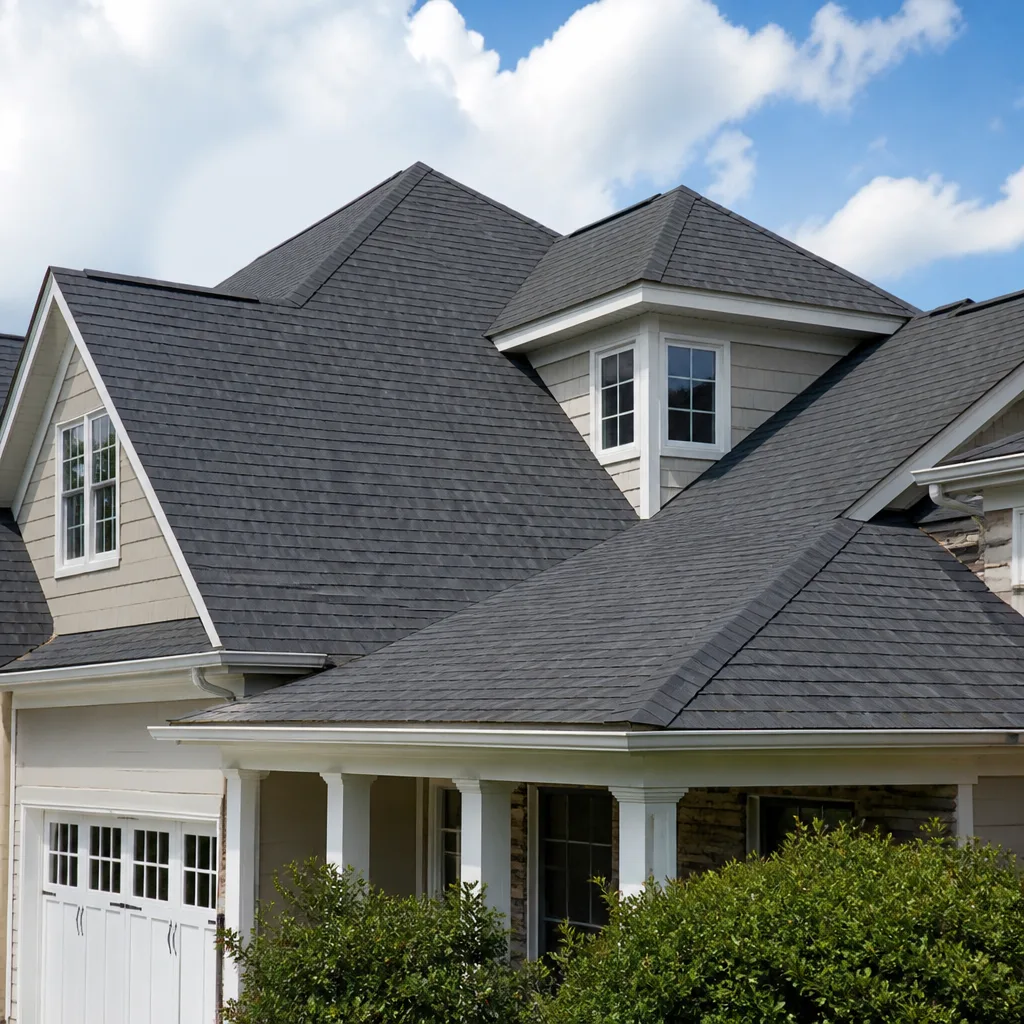
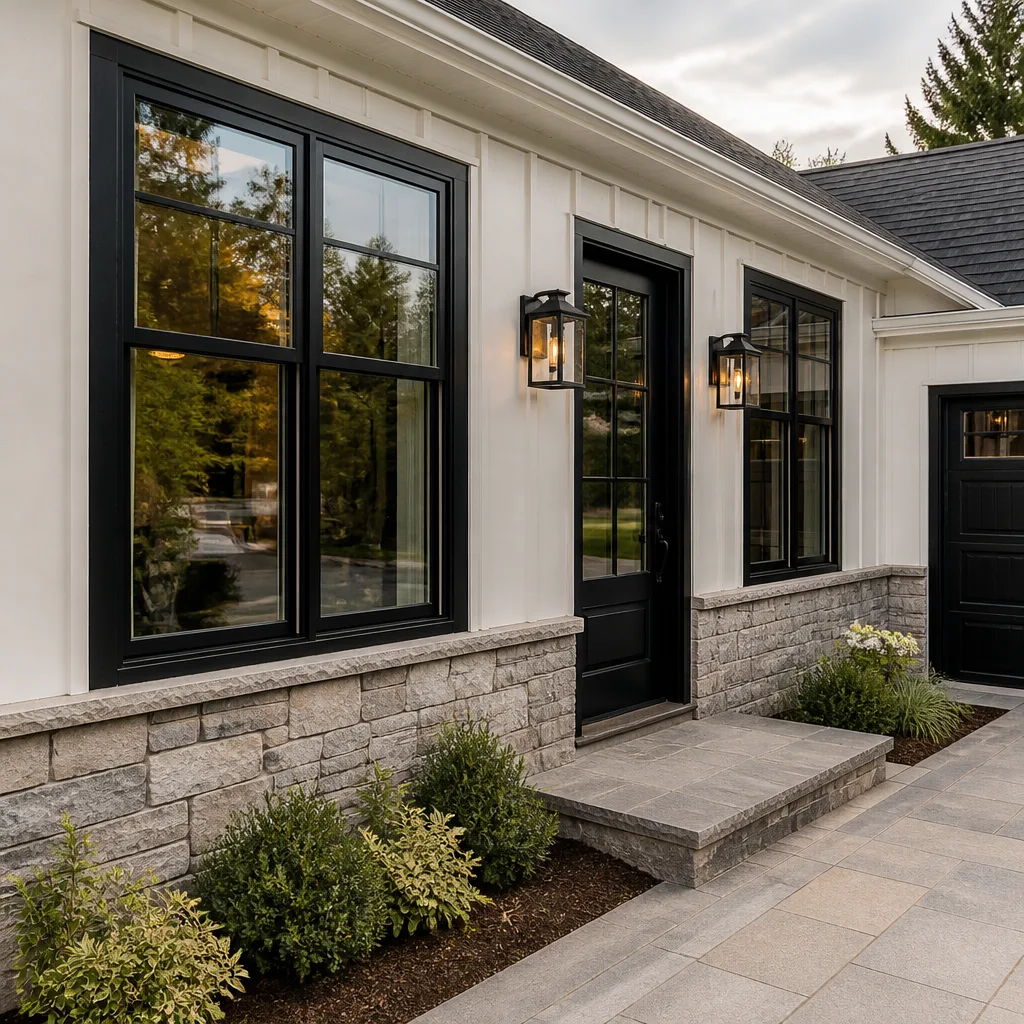
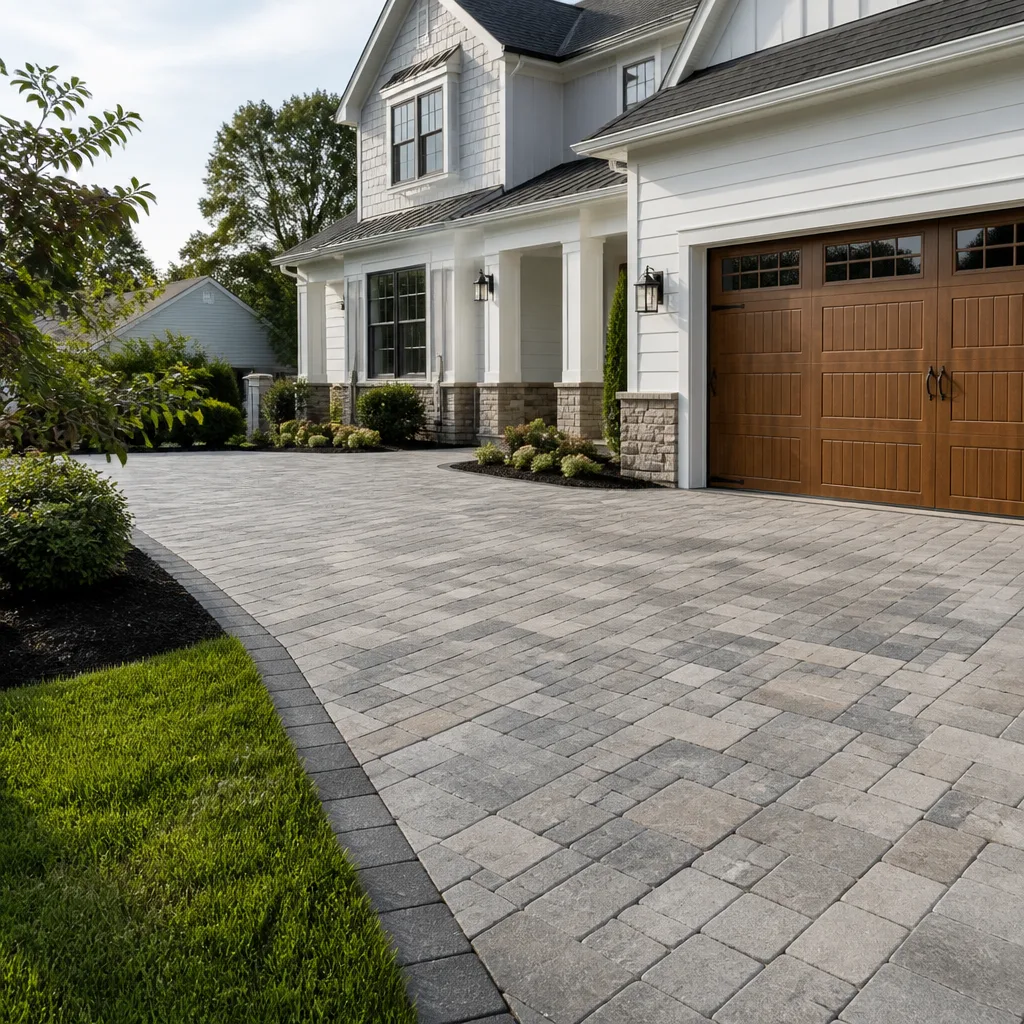
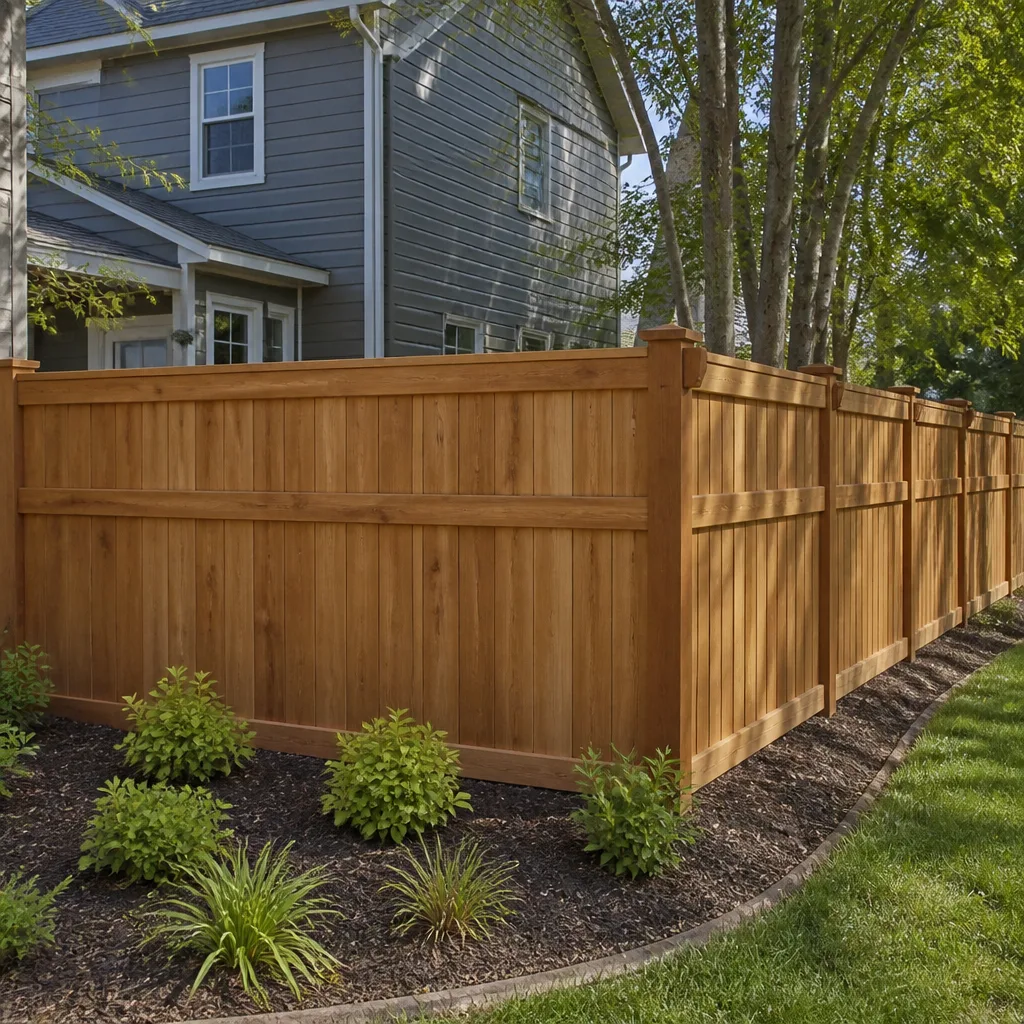
Styles & brands we work with
Signs Your CWS Home Addition or ADU Is Failing
- Horizontal cracking at the tie-in wall. The seam where the CWS addition meets the original house is the first place differential settling shows up. Hairline cracks are normal for the first 12 months. Cracks wider than 1/8 inch that keep widening mean the addition’s footing wasn’t sized for Los Angeles soil, which shifts seasonally with the wet-dry cycle we get from October to April.
- Sagging ridge line or roofline dip. Walk 30 feet back and look at the roof profile. If the ridge isn’t straight, the CWS rafter span was likely overrun or a load-bearing wall was removed after the original certificate of occupancy. This is a structural issue, not a cosmetic one, and it should be evaluated before the next heavy rain.
- Water staining at the ceiling perimeter. Los Angeles gets long dry stretches, which means leaks hide for months before a storm exposes them. Staining at the perimeter usually points to a failed flashing detail at the CWS addition’s eave rather than a roof membrane failure. The fix is often a flashing replacement, not a whole-roof job.
- Doors that stick seasonally. In an ADU, the door from the main space to the bathroom or closet will bind during summer and swing free in winter if the framing wasn’t dried properly before drywall went up. This is a framing moisture issue, and it usually persists until the rough opening is re-squared.
- Drywall cracking at window corners. Diagonal cracks from the corner of a window toward the ceiling mean the header above that window is undersized for the load, or the shear transfer at the corner wasn’t blocked correctly. CWS builds with conventional headers, but site conditions sometimes forced a substitution that didn’t get re-engineered.
Replacement Cost & What’s Included
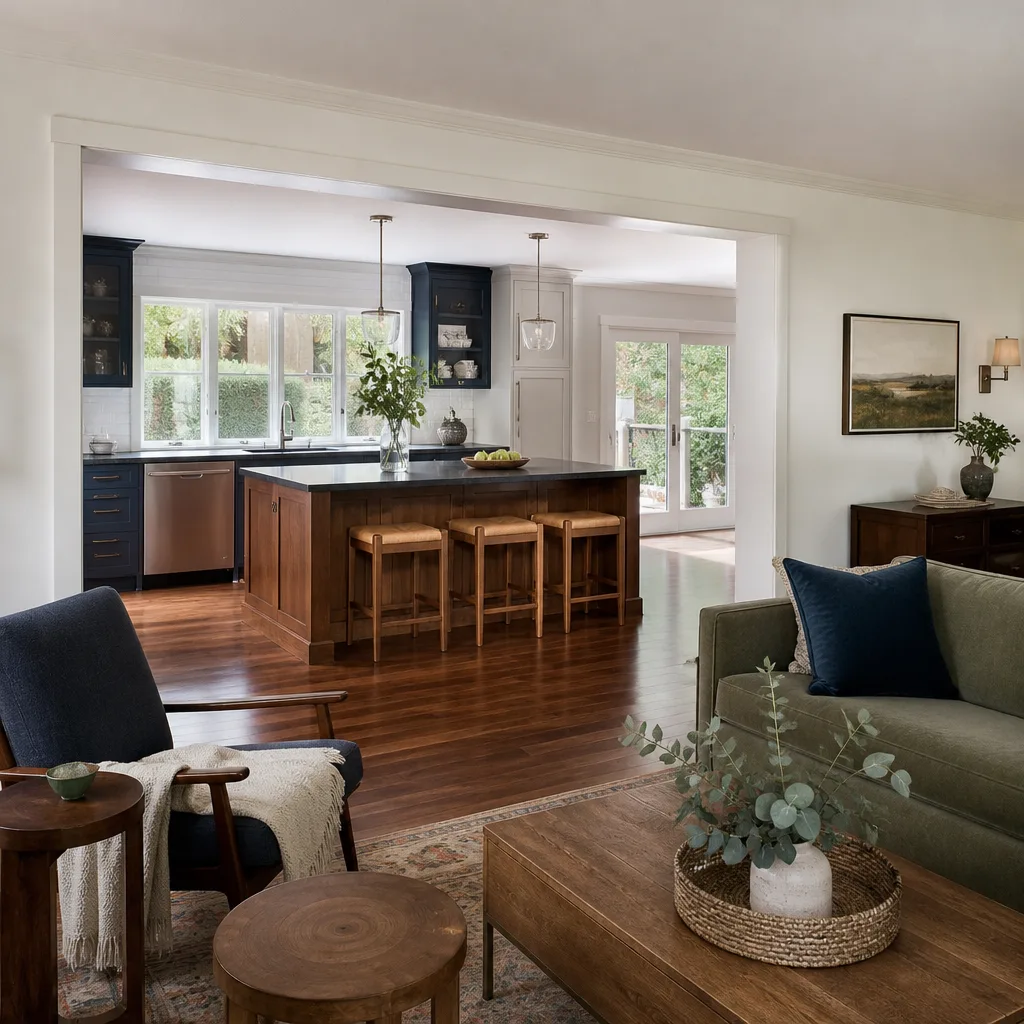
Here’s the straight number for Los Angeles, and it’s the same number we give on the phone before we ever visit the site. Full home addition work runs $53,100 – $153,400 depending on scope. A targeted structural correction, like reframing a sagging CWS roofline or repairing the tie-in footing, typically lands in the $8,260 – $21,240 range. For ADU-specific work, full ADU construction runs $106,200 – $259,600, and a garage conversion lands at $35,400 – $94,400.
| Scope | Los Angeles Installed Range |
|---|---|
| Home Addition (full scope, per square foot basis) | $53,100 – $153,400 |
| ADU Construction (permitted build) | $106,200 – $259,600 |
| Garage Conversion | $35,400 – $94,400 |
| Structural Correction (roofline, tie-in, header) | $8,260 – $21,240 |
What drives the range is the foundation condition the CWS original crew left behind, the age of the framing spec, and whether Los Angeles Department of Building and Safety wants a soils report or a shear-wall upgrade on the correction. Every bid from us includes parts, labor, debris removal, permit coordination, and the written 365-Day Done Right Promise. If the work we do fails inside that year, we return and correct it at no charge. That’s in writing, not implied.
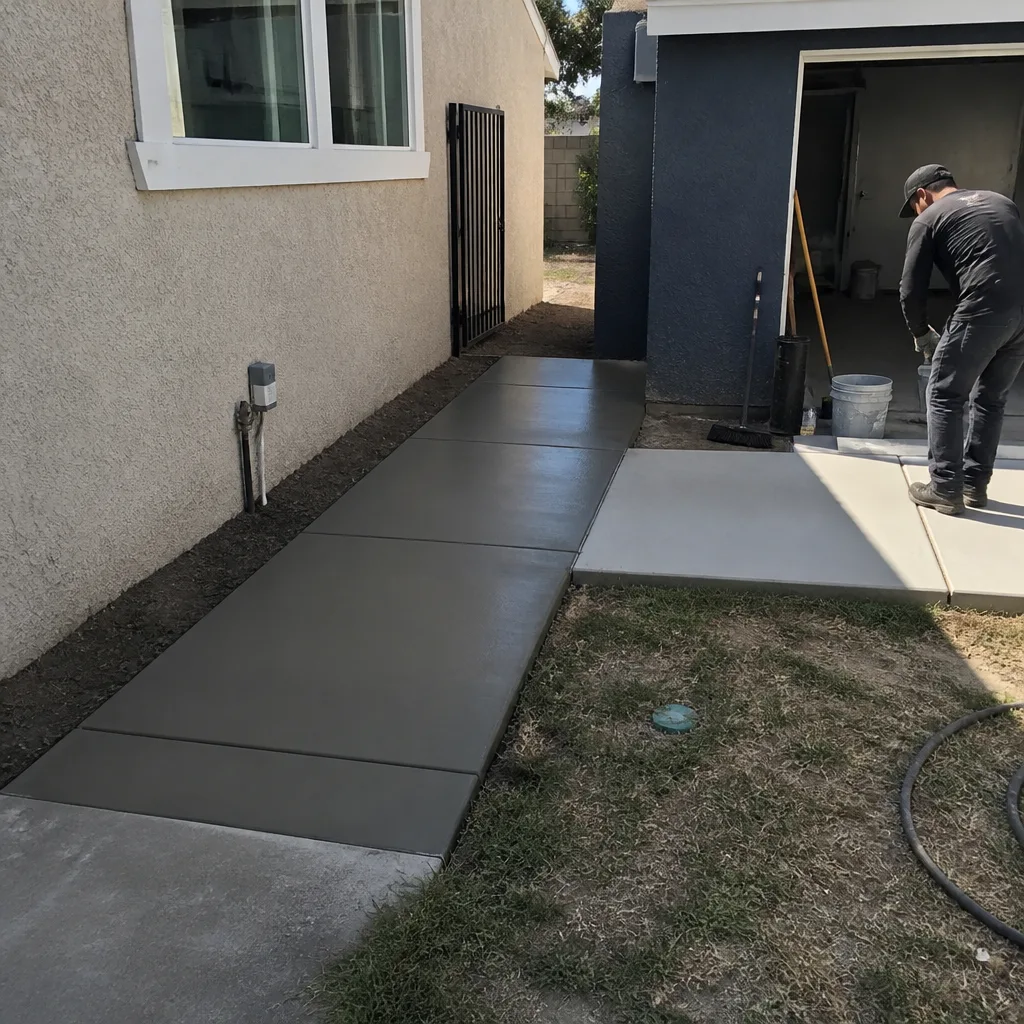
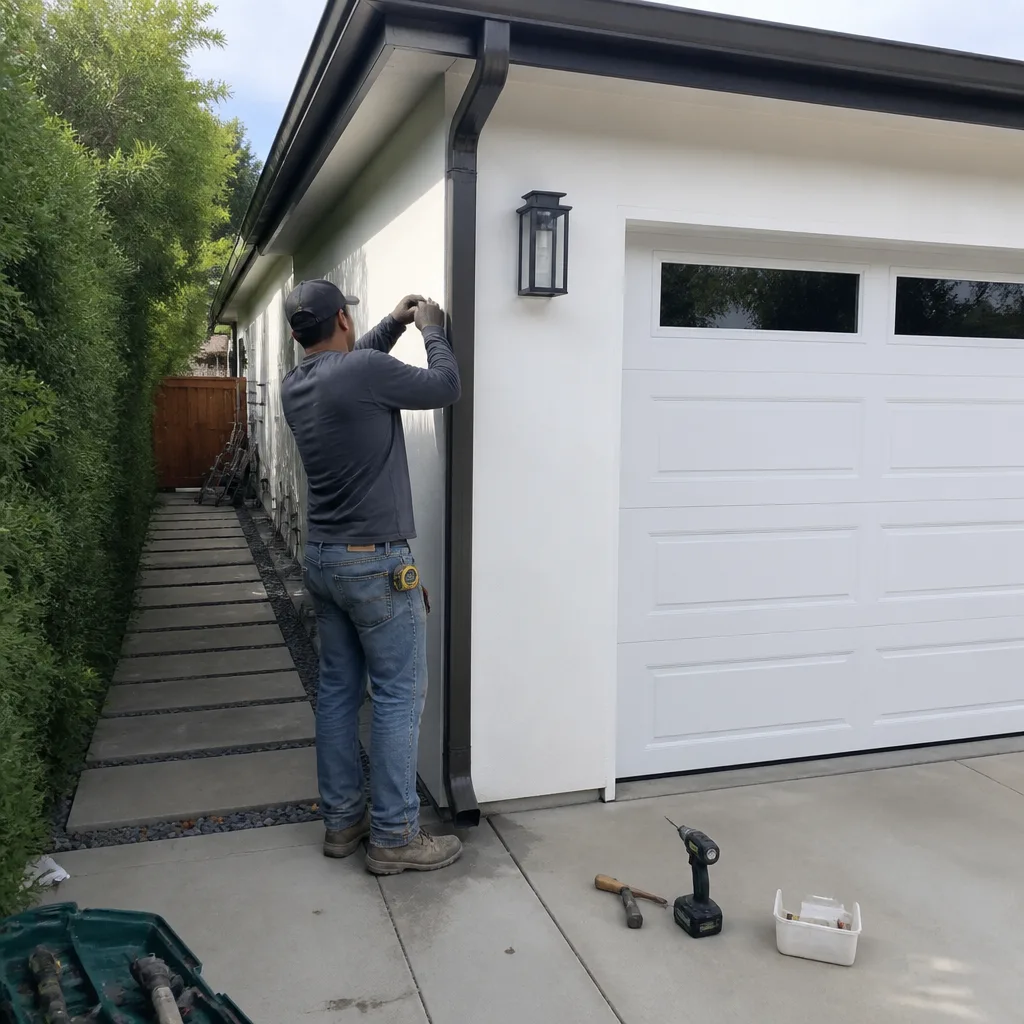
See the difference
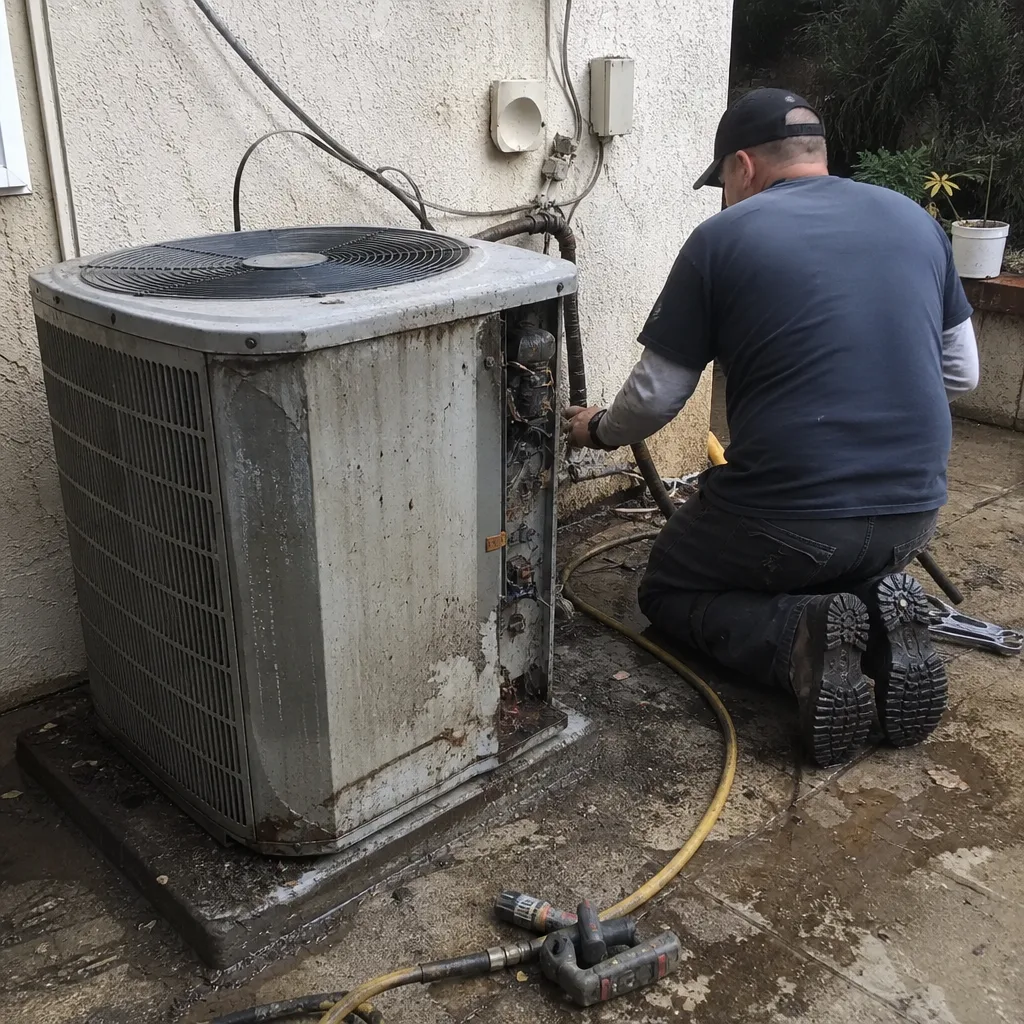 Before
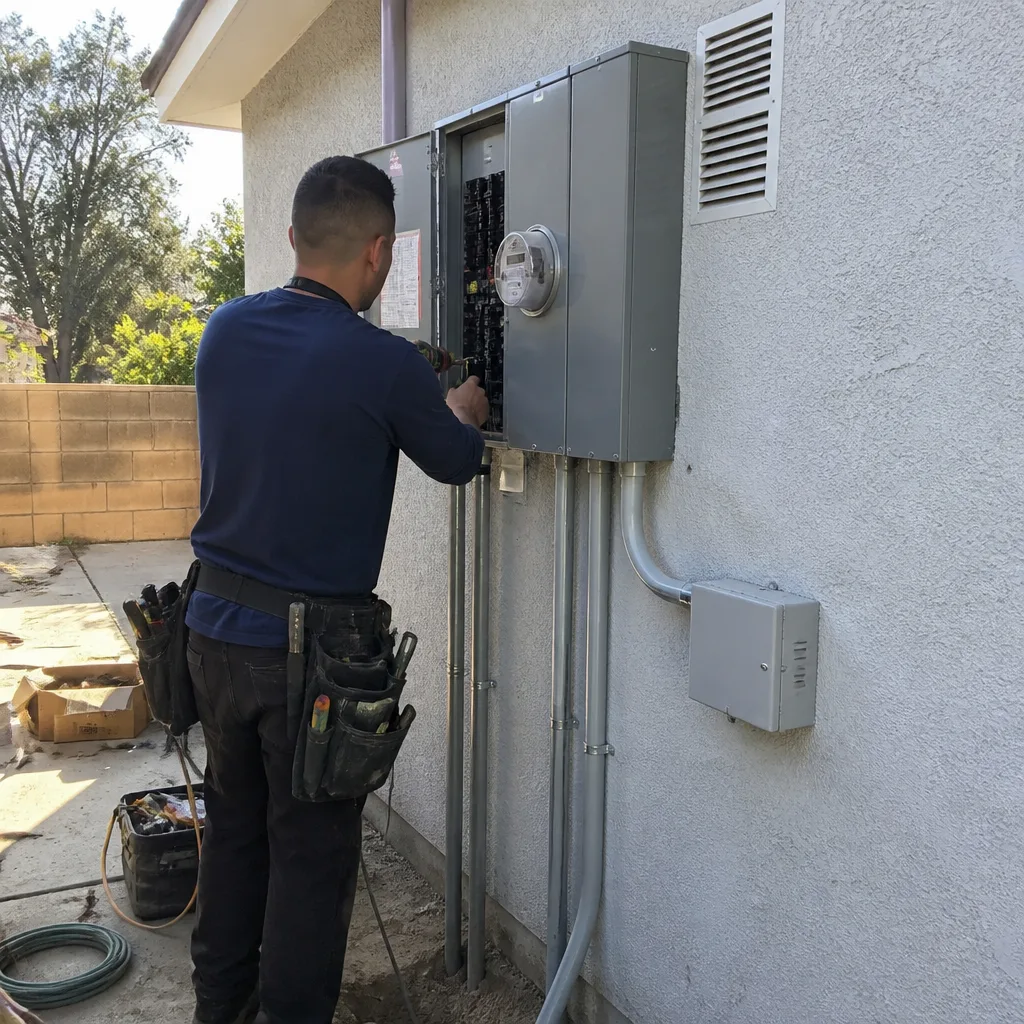 After
After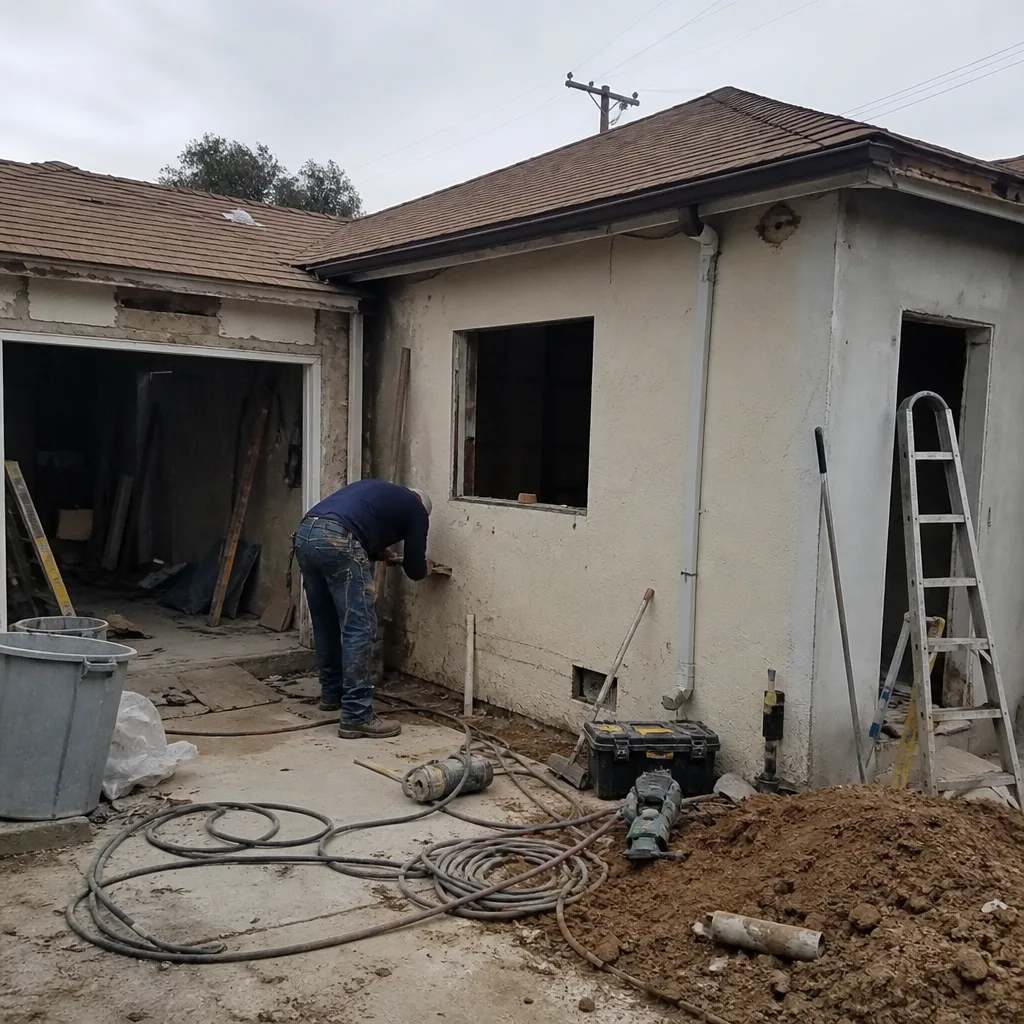 Before
 After
After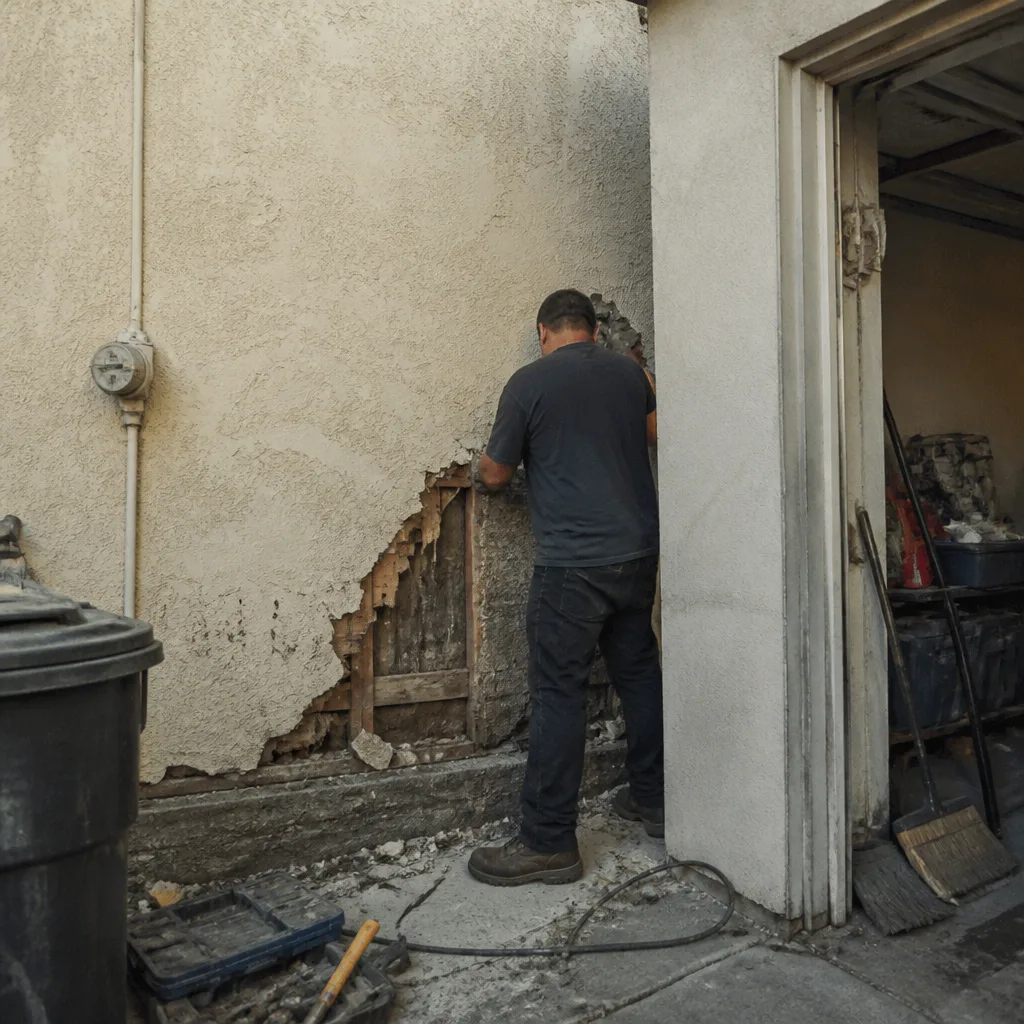 Before
 After
AfterDIY or Call Us?
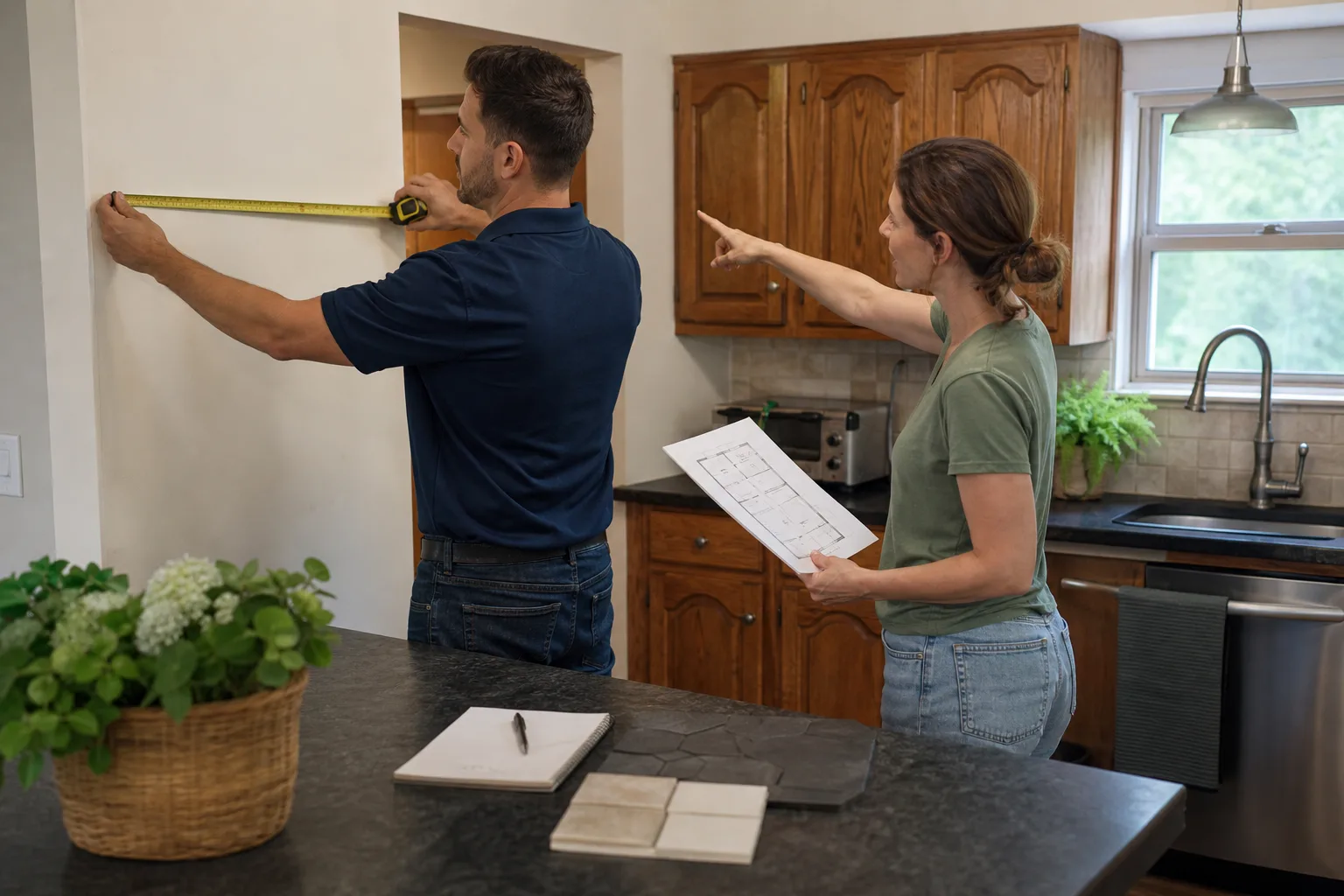
Some things are safe to check yourself. You can measure rafter spacing, mark crack widths with a pencil line and date, and inspect the exposed flashing at the eave for gaps. Those observations help you talk to us intelligently and help us scope the job faster. What you should not do is climb onto a CWS addition roof with a bucket of sealant and try to patch a structural issue. If the roofline is sagging, the load path is compromised. Walking on it makes it worse, and a roof that lets go while you’re on it is not a lesson worth learning first-hand. That’s not a scare tactic. It’s what I’d tell you if you were standing in the driveway with me.
If the issue is a stuck door or a hairline crack, take notes and call when you’re ready for an assessment. If the ridge is dipping or water is moving through the ceiling, call us at (903) 568-7222 and we’ll get eyes on it. Curtis Lane and the crew have been correcting other contractors’ work across Los Angeles long enough to know that the honest answer usually starts with a ladder and a flashlight, not a guess.
Key Takeaways
- CWS additions in Los Angeles fail at the tie-in, the roofline, and the header before anywhere else.
- Full addition work runs $53,100 – $153,400; structural corrections run $8,260 – $21,240.
- OEM parts on CWS builds mean matching the original spec, and we document every component in the written scope.
- Bearings, framing, and roof repairs are professional work. Don’t guess on structure.
- Every Bradford Remodeling job comes with a written price before work starts and the 365-Day Done Right Promise.
FAQs
A properly framed CWS addition in Los Angeles should last 50 years or more on the structural side, with the roof membrane and flashing replaced every 15 to 25 years depending on sun exposure and the marine layer your neighborhood gets. What shortens that lifespan is poor drainage at the footing and deferred flashing repairs. If those are corrected early, the structure holds. Call (903) 568-7222 and we’ll tell you honestly what you’re looking at.
Most CWS addition failures can be repaired, especially tie-in cracks, flashing failures, and door-square issues. Rebuilds only make sense when the original framing was structurally deficient from day one, which we can determine with a framing inspection and a look at the original plans. The answer depends on the scope, and the assessment is free.
Most tie-in and roofline corrections on CWS builds in Los Angeles take 2 to 5 working days, depending on whether we’re pulling the drywall, re-framing, and then patching or working from the attic side. We sequence the work so you’re not living in dust longer than necessary, and we give you a written schedule with the written price before demo starts.
We stock the common structural hardware, flashing profiles, and framing lumber grades used in CWS Los Angeles builds, and we source spec-matched components from the same regional suppliers CWS used when the original build was completed. For finish materials like Cambria or Silestone surfaces, we pull from our standard documented brand roster so the warranty trace stays clean. If we don’t have it on the truck, we know where to get it in Los Angeles same week.
Straight number, real scope, no surprises at the punch list. If your CWS home addition or ADU is showing cracks, sag, or water, call (903) 568-7222 for a written estimate. Curtis Lane and the Bradford Remodeling crew serve Los Angeles and nearby areas, and we’ll give you the scope in writing before a single tool comes out.
Written by Curtis Lane, Owner, Bradford Remodeling at Bradford Remodeling, serving Los Angeles and nearby areas.