Free written scope consultation - allowances, timeline, and change-order rules on paper before a single trade is scheduled
CWS Roofing: The Los Angeles Owner’s Guide
We stock and install CWS-compatible roofing components across Los Angeles, with most roof repairs running $470 to $2,125 depending on what’s failed and how much substrate has to come out. If you’re reading this, you likely found a leak, a lifted shingle, or a soft spot and climbed up to take a look, or a roofer from another company told you it’s a CWS system and left you to sort out the rest. We can typically have a technician out same day or next day, and we’ll tell you honestly whether the part you have is worth patching or needs replacing.
Before you spend money, know this: most CWS roofing failures we see in Los Angeles aren’t the membrane itself. They’re the transitions: the flashing at the parapet wall, the boot around a plumbing vent, the seam where a newer addition ties into the original roof. The part that failed is usually smaller than the leak makes it look. That’s why we diagnose before we quote.
Which CWS Models This Applies To
CWS has manufactured a range of roof systems over the years, and parts compatibility depends more on the installation era and the membrane type than on a model name stamped on a box. The systems we see most often in the Los Angeles Basin are CWS’s modified bitumen and single-ply lines, with older builds going back to the early 2000s and plenty of newer CWS-installed commercial and multifamily properties still under maintenance contracts.
Here’s the compatibility gotcha most homeowners run into: CWS single-ply seams are heat-welded, not glued. If a patch was done with the wrong adhesive or a cold-applied product over a heat-welded seam, it won’t hold through a full Los Angeles summer. That’s the single most common cause of a “repaired” CWS roof leaking again within six months. When we spec a repair, we match the weld method to the original installation, not just the material type.
On the OEM-versus-aftermarket question, we’re direct about it: for CWS membranes, an OEM or manufacturer-equivalent patch material is the safer call on commercial-grade single-ply, because seam chemistry matters. On accessories like pipe boots, edge metal, and drain rings, a quality aftermarket part from a supplier we document in the scope of work is perfectly fine and often costs less without giving up durability. We’ll tell you which category your repair falls into before we write the price.
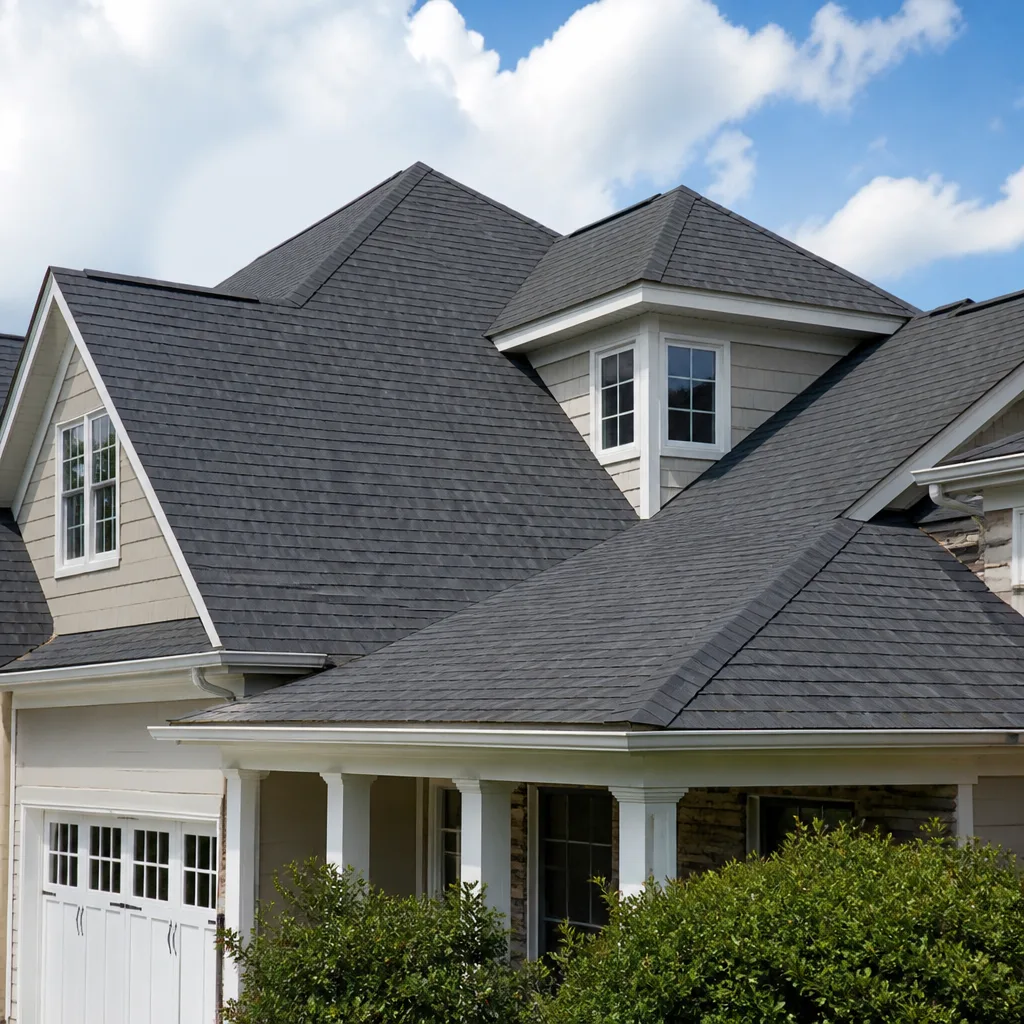
Styles & brands we work with
Signs Your CWS Roofing Is Failing
- Water staining on the ceiling below the roof deck. This means water has already passed through the membrane and saturated the substrate. By the time a stain shows, the leak has usually been active for weeks, and the decking under that spot may need replacement, which moves the job from a repair into a larger roof section replacement.
- A soft or spongy spot when you walk the roof. This is a structural signal, not a cosmetic one. Wet insulation or rotted plywood under a CWS membrane means the membrane failed at some point and the water has been sitting in the substrate. We cut back to good decking, replace the bad section, and tie the new membrane into the old with a clean welded or torched seam.
- Lifted or flapping membrane at the edge or at a penetration. In Los Angeles, the combination of afternoon heat and Santa Ana winds is rough on perimeter fastening. When flashing pulls away from a parapet or a vent boot cracks from sun exposure, the leak starts slow and gets worse with every rain. This is the most repairable failure we see, and it’s usually a one-day fix.
- Granules collecting in the gutter or at the downspout. On a CWS modified bitumen or cap-sheet system, granule loss means the UV-protective surfacing is failing. Once the asphalt underneath is exposed to daily Los Angeles sun, degradation accelerates fast. Granule loss on its own isn’t an emergency, but it tells us the roof’s serviceable life is narrowing.
- Blisters or visible bubbles in the membrane. Blisters form when moisture and vapor get trapped under the membrane and expand with heat. They look harmless but every blister is a pocket where the membrane has lost adhesion to the substrate, and a foot traffic step can pop them open. We evaluate blisters by count and size; a few small ones can be monitored, but a field of them means section replacement is coming.
See the difference
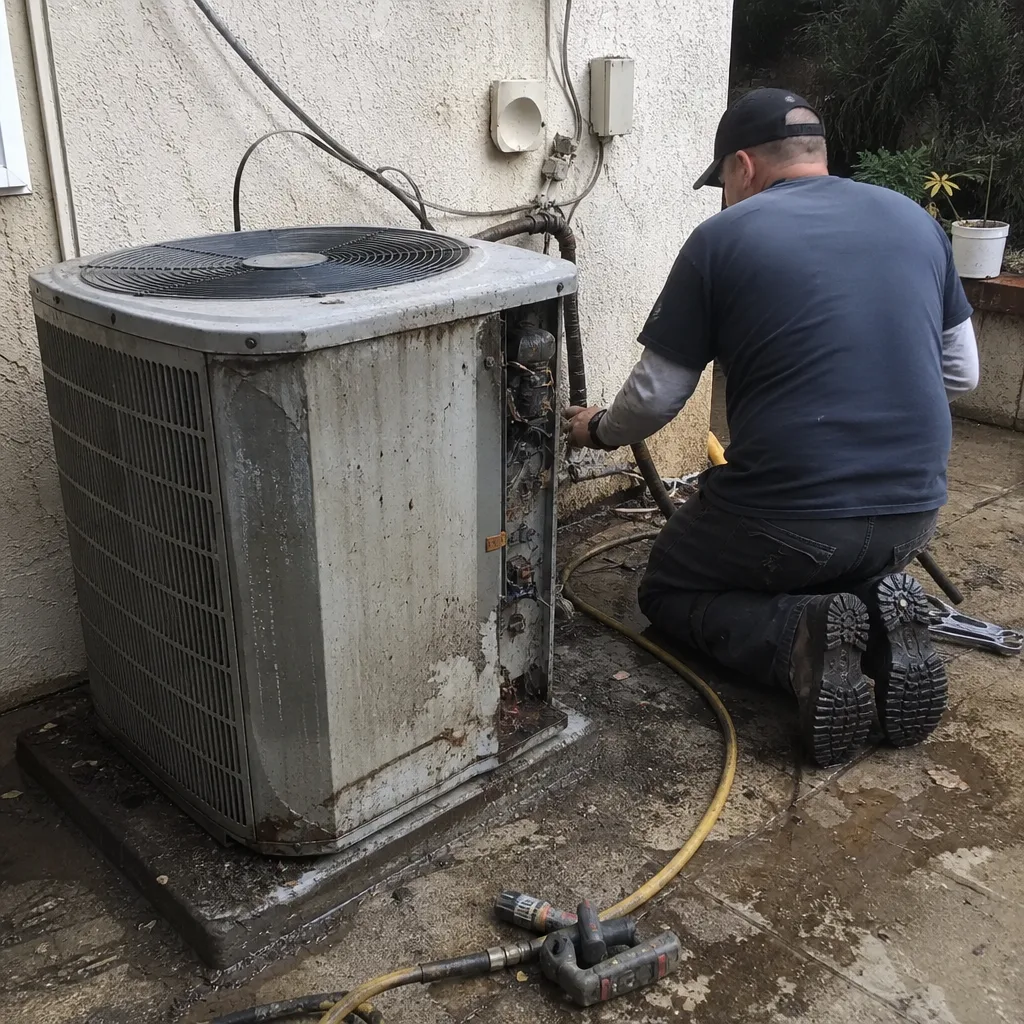 Before
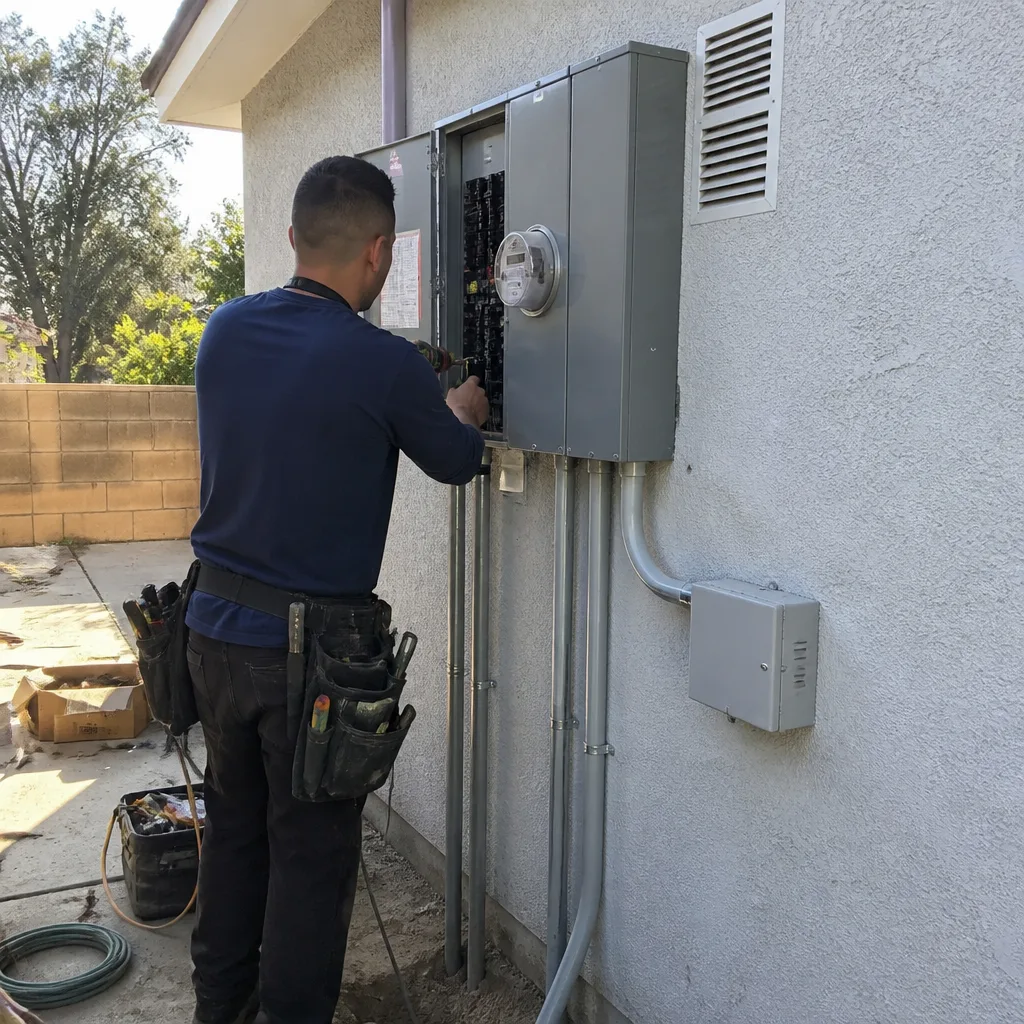 After
After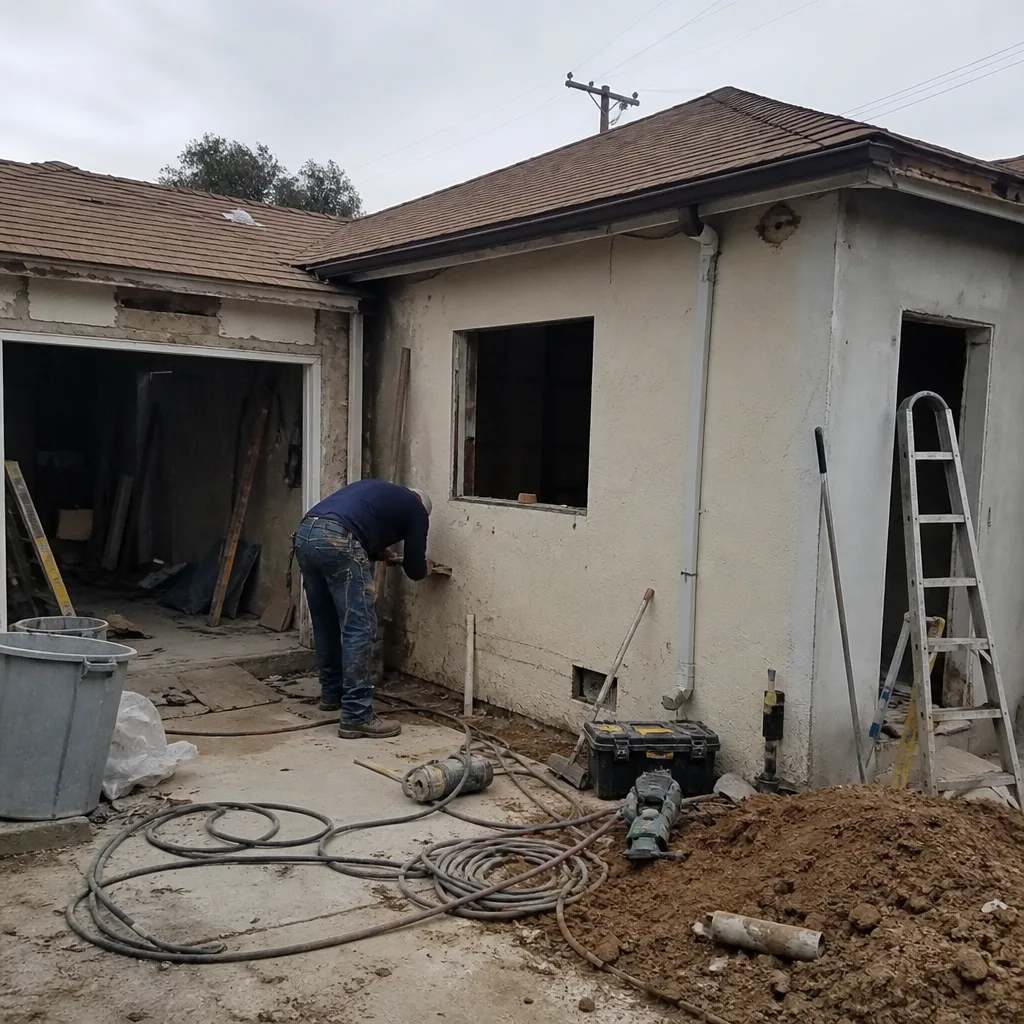 Before
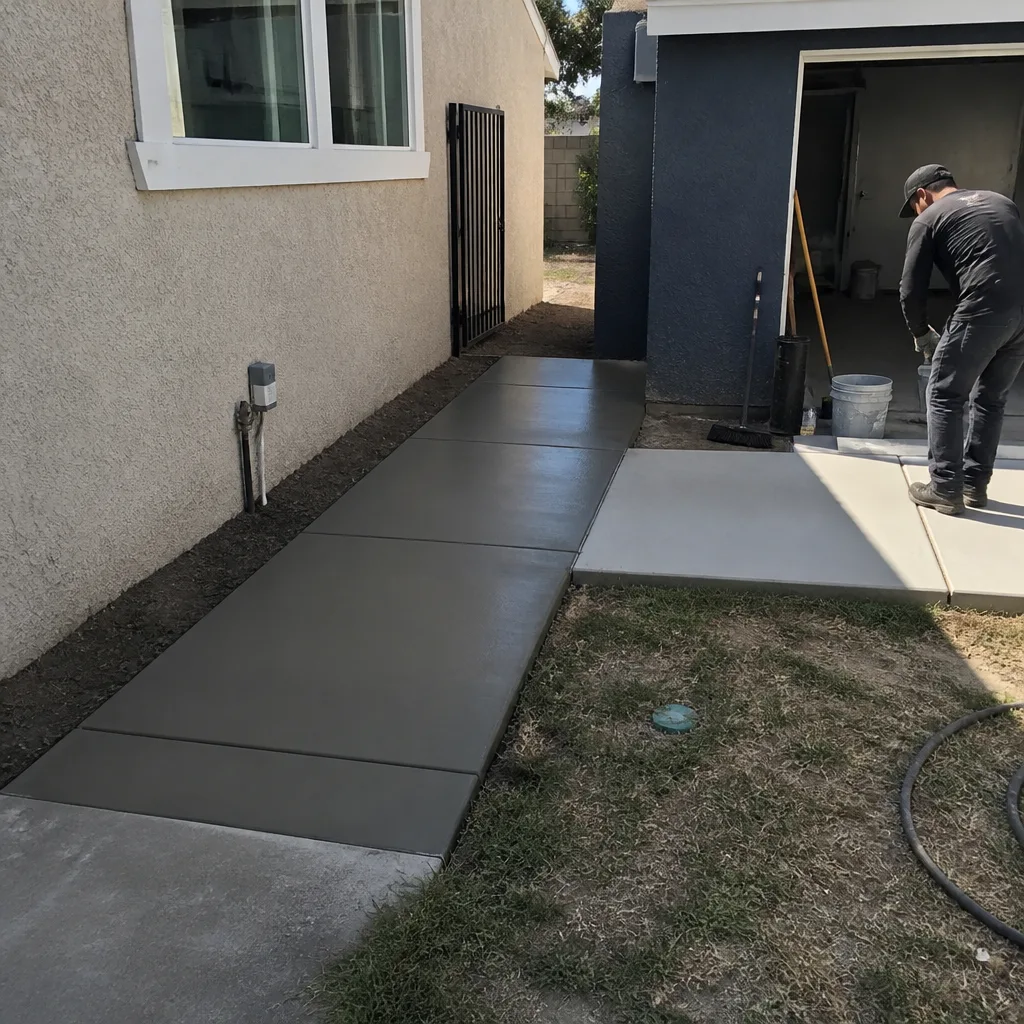 After
After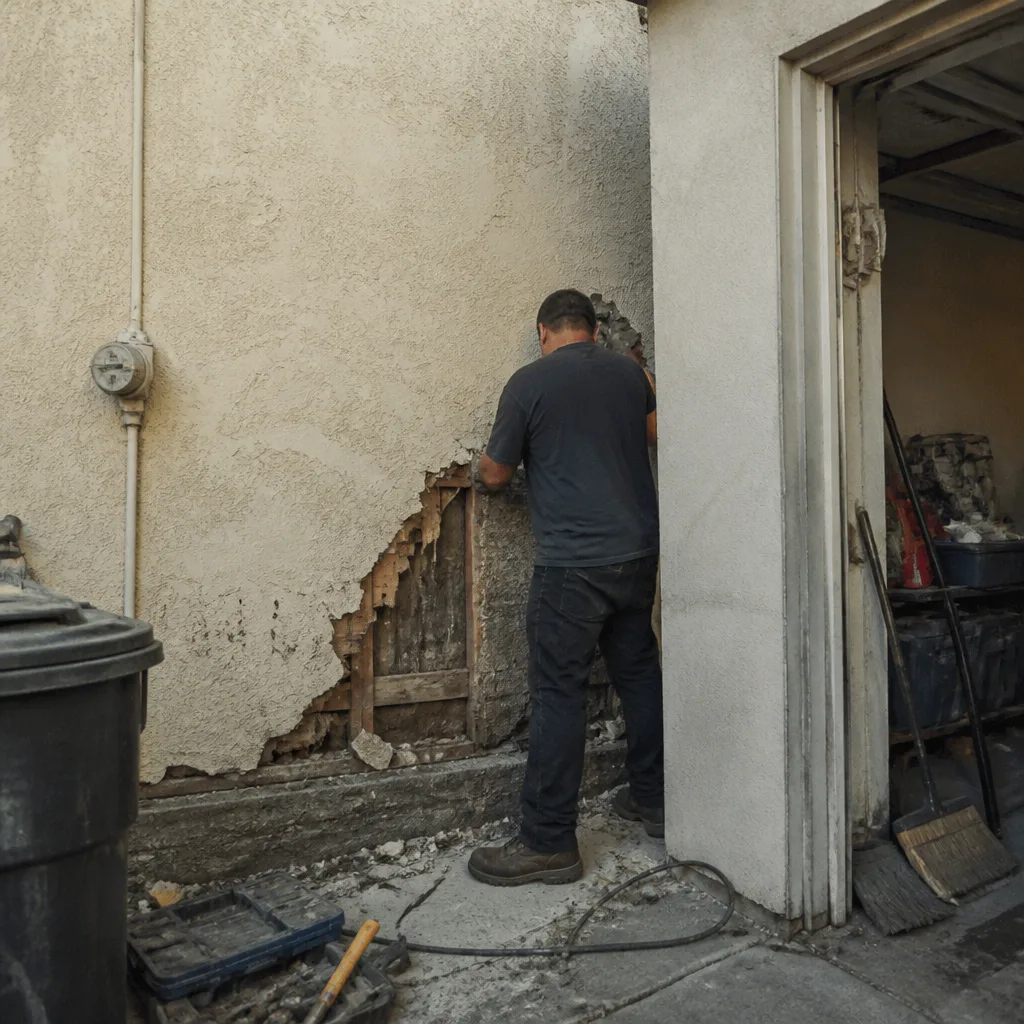 Before
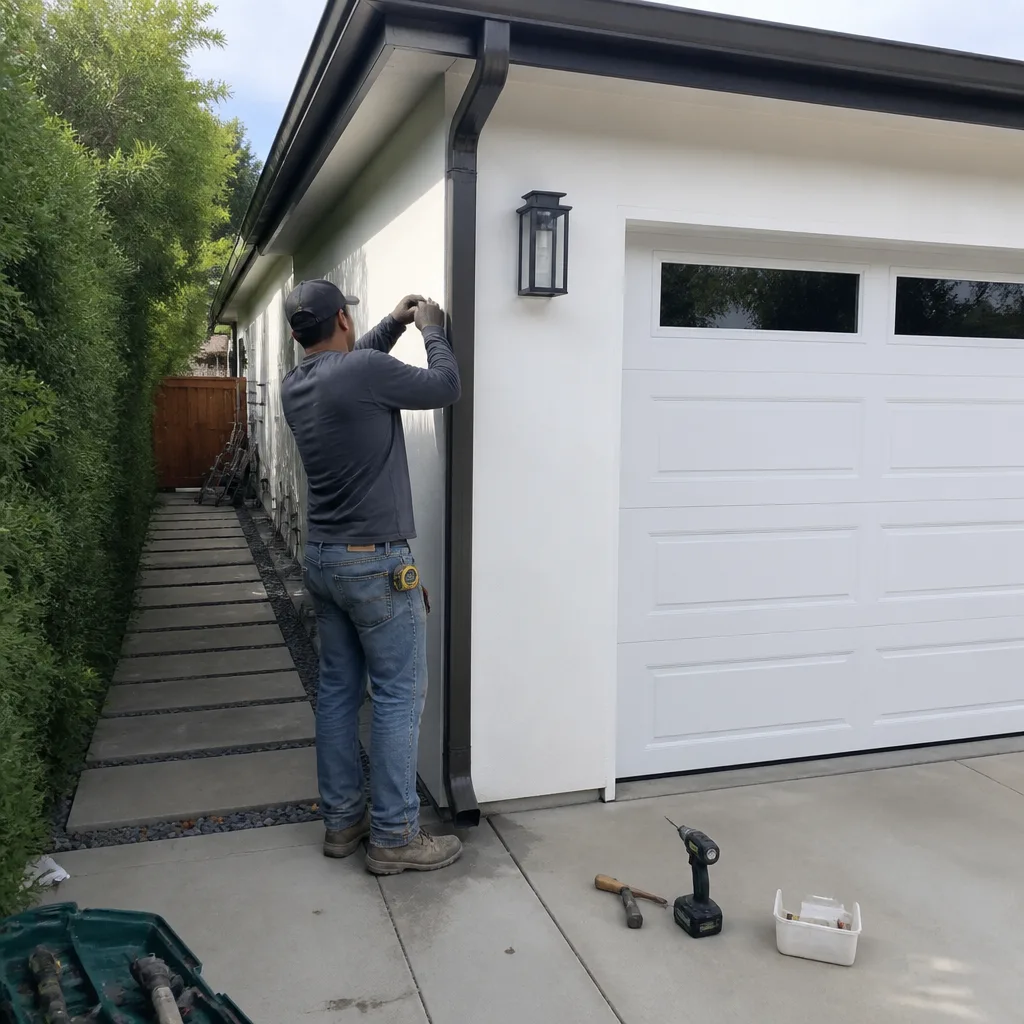 After
AfterReplacement Cost & What’s Included
For CWS roofing work in Los Angeles, a targeted repair on flashing, a vent boot, or a small membrane penetration runs $470 to $2,125 installed. That number includes the diagnostic visit, the part or patch material matched to your CWS system, the labor, and haul-off of any removed material. It also includes our written warranty on the repair itself, backed by the 365-Day Done Right Promise: if our work fails inside the first year, we come back and correct it at no charge.
What drives the range is how much substrate comes out. A simple boot replacement with no deck damage sits at the low end. A repair that requires cutting out wet sheathing, replacing it, and welding in a two-foot membrane tie-in to the existing CWS field sits at the high end. You’ll see the line-item breakdown before we start, not after.
For a full roof replacement, the Los Angeles range is $9,440 to $23,600 depending on square footage, roof pitch, decking condition, and the material system you choose. That’s a bigger conversation, but the pricing rules are the same: written scope, written price, no change orders unless you add scope yourself.
DIY or Call Us?
Two things you can safely do on a CWS roof: clear debris from drains and gutters so water doesn’t pond, and mark the location of a visible stain or crack with chalk so the technician can find it fast. Both of those help.
What you shouldn’t do is patch a CWS single-ply seam yourself. Heat-welding requires a trained hand and the right temperature setting, and a botched weld fails worse than the original leak. Same goes for walking a roof you don’t know well on a hot Los Angeles afternoon, a membrane that’s been in the sun all day is a lot slicker than it looks. If you’ve got a leak or a visible failure, call us at (903) 568-7222 and we’ll send a background-checked, uniformed technician to diagnose it. The estimate is free, and you’ll get a written price before any work begins.
FAQs
A properly installed CWS single-ply or modified bitumen roof in Los Angeles typically lasts 15 to 25 years, but our UV exposure and the heat cycling between day and night put real stress on seams and flashings, so the peripheral components usually need attention before the field membrane does. Call (903) 568-7222 for an inspection if your roof is past its fifteenth year.
Most CWS failures we see are repairable as targeted fixes, if the substrate under the failed area is still sound and the surrounding membrane has adhesion and life left. We’ll tell you honestly which category yours falls into after we cut back and look at the decking, and you’ll get a written price before we proceed.
A typical flashing or penetration repair on a CWS roof takes one day, including setup, the repair itself, and cleanup. Repairs that require substrate replacement or a large membrane tie-in can run two days, and you’ll know that before we start.
We carry common CWS-compatible flashing, pipe boots, edge metal, and membrane patch material on our service trucks, so most repairs are completed in a single visit. If your job requires a specialized component we don’t have on board, we’ll tell you at the estimate, not after the roof is opened up.
Straight number, real scope, no surprises at the punch list. That’s how Curtis Lane runs every Bradford Remodeling job in Los Angeles, and a CWS roof repair is no different. If your roof is leaking, failing, or just making you nervous before the next rain, call (903) 568-7222. A live person answers, the estimate is free, and the price you get is the price you pay.
Written by Curtis Lane, Owner, Bradford Remodeling at Bradford Remodeling, serving Los Angeles and nearby areas.