Free written scope consultation - allowances, timeline, and change-order rules on paper before a single trade is scheduled
Delta Home Additions & ADU: The Los Angeles Owner’s Guide
A complete Delta home addition or ADU project in Los Angeles typically runs between $53,100 and $153,400, depending on square footage, foundation type, and whether you’re building up or out. We install and manage these projects from permit to final inspection, and we stock the core structural components needed for most Delta-spec builds across Southern California. Most Los Angeles homeowners discover there’s a problem when cracks appear at the roofline junction, doors start binding, or a previous contractor’s framing reveals itself as out of square.
Bradford Remodeling is an independent contractor, not affiliated with Delta. But we work with Delta-compatible framing, hardware, and finish materials every week across Los Angeles, and we know exactly where these projects go wrong and how to keep them on track.
Which Delta Models This Applies To
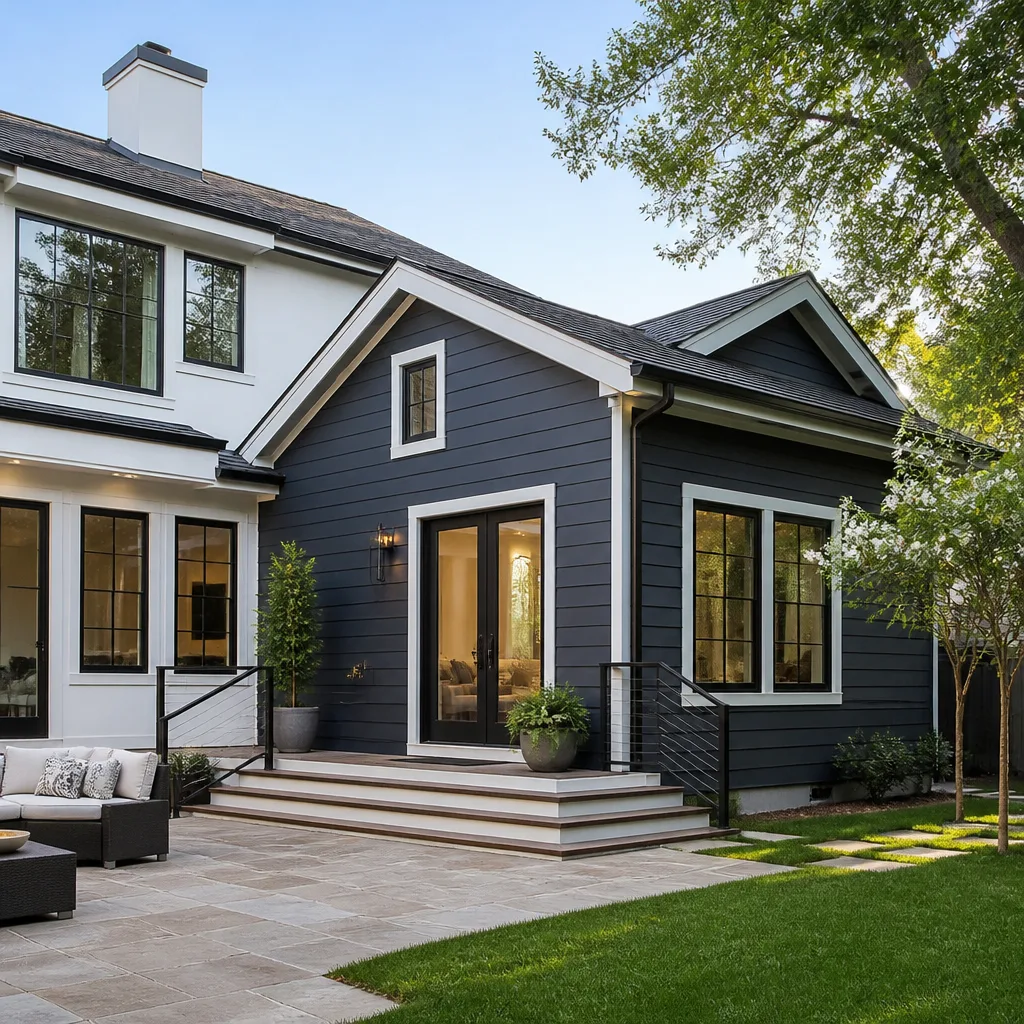
Delta’s home addition and ADU product line spans detached units, garage conversions, and attached bump-outs. The most common configurations we see in Los Angeles are the 400-series detached ADU shells, the 200-series attached additions, and the garage-conversion kits built around a 9-foot plate height. If you have a Delta project already underway or an existing Delta-built structure, the first thing to check is the metal tag on the main beam or the sticker inside the electrical panel door. That tag lists the series number and the original framing spec.
Here’s the compatibility gotcha most Los Angeles owners don’t know: Delta 200-series and 400-series components look nearly identical at the rough-in stage, but they use different connector plates and slightly different stud spacing. A 200-series connector plate will not seat properly on a 400-series frame, and that mismatch is exactly the kind of thing that shows up years later as a sagging header or a cracked corner. For replacement components, we recommend OEM Delta parts for anything load-bearing, headers, posts, and connector hardware. For non-structural finish components like window trim, door casings, and baseboard, a quality aftermarket equivalent is usually fine and runs about 20 to 30 percent less.
Styles & brands we work with
Signs Your Delta Home Additions & ADU Is Failing
- Doors and windows binding or sticking. When a Delta frame settles unevenly or the original foundation was poured out of level, the rough openings shift. What starts as a door that scrapes the jamb becomes a door that won’t latch at all. We see this most often on Los Angeles hillside lots where soil movement is constant.
- Cracks running diagonally from window corners. Diagonal cracking at openings usually means shear stress on the wall assembly, often from insufficient hold-down hardware or the wrong connector plates for the series. This is not a cosmetic patch-and-paint situation; the load path needs to be checked.
- Sagging roofline or visible dip in the ridge. On Delta additions, a ridge that isn’t straight almost always traces back to an undersized header or a missed structural tie at the connection point between the existing house and the new addition. Los Angeles gets enough rain that a sagging ridge also means water ponding and eventual rot at the eaves.
- Gaps opening at the transition joint. Where the Delta addition meets the original house, you should see a clean, tight seam. Gaps that widen and shrink with the seasons mean the two structures are moving independently, usually because the new foundation wasn’t properly anchored to the existing one.
- Soft spots in the floor near exterior walls. This is a moisture problem first and a structural problem second. In Los Angeles, it’s often the result of improper flashing where the Delta wall assembly meets the stem wall. Water gets in at the sill plate, and the plywood subfloor delaminates.
See the difference
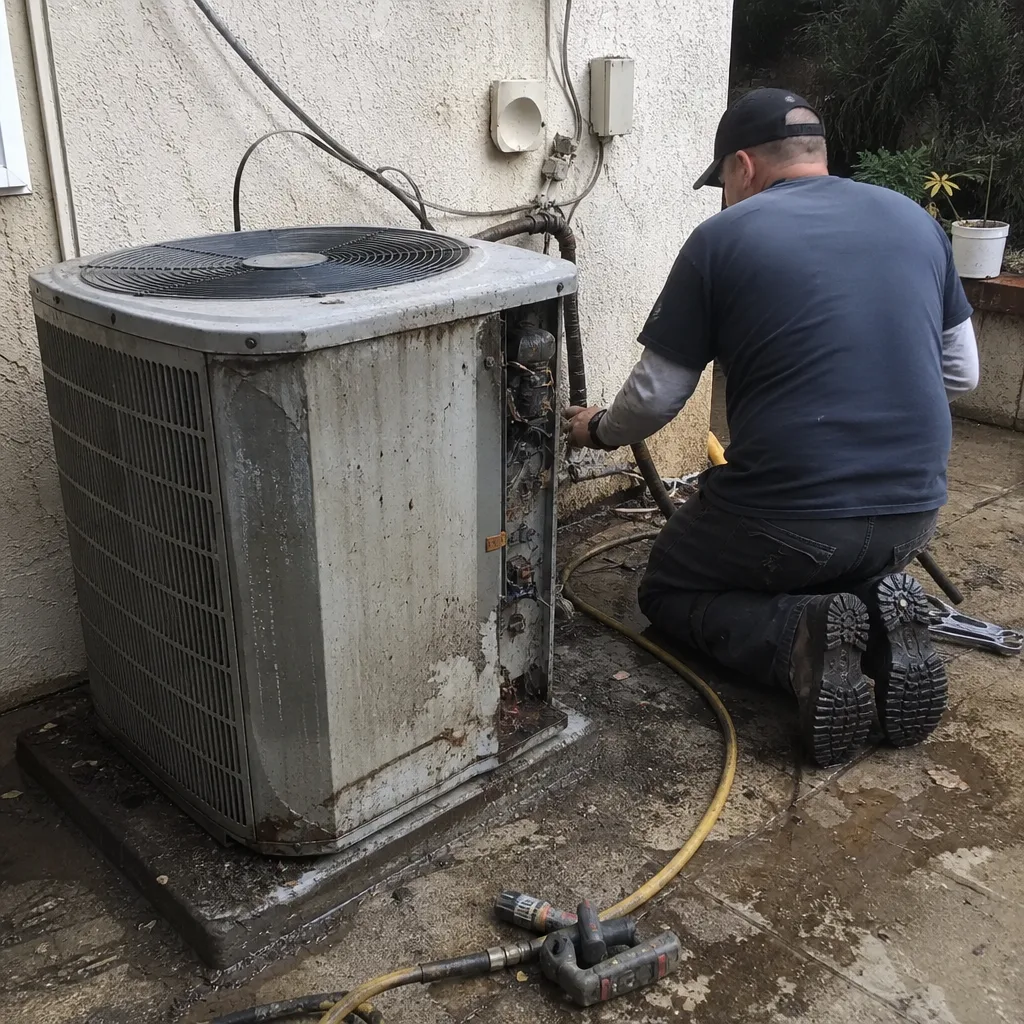 Before
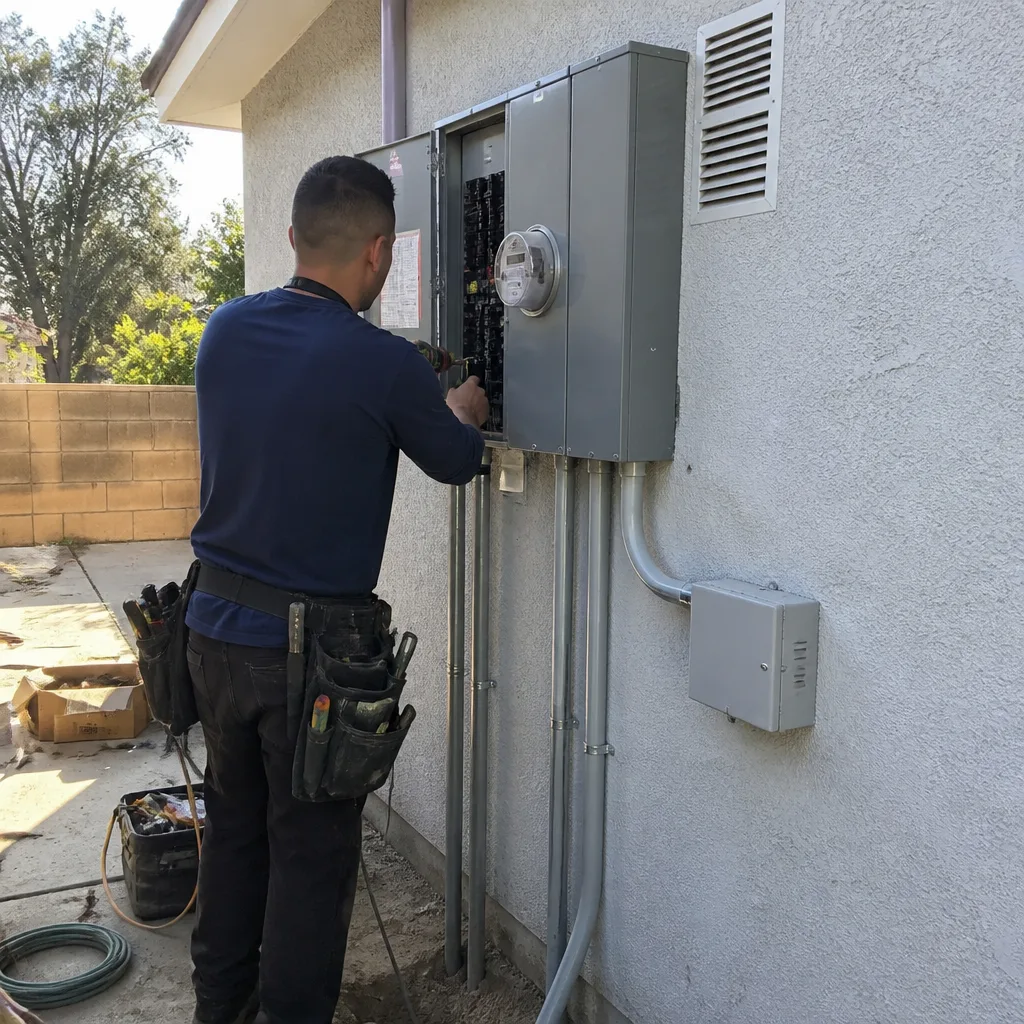 After
After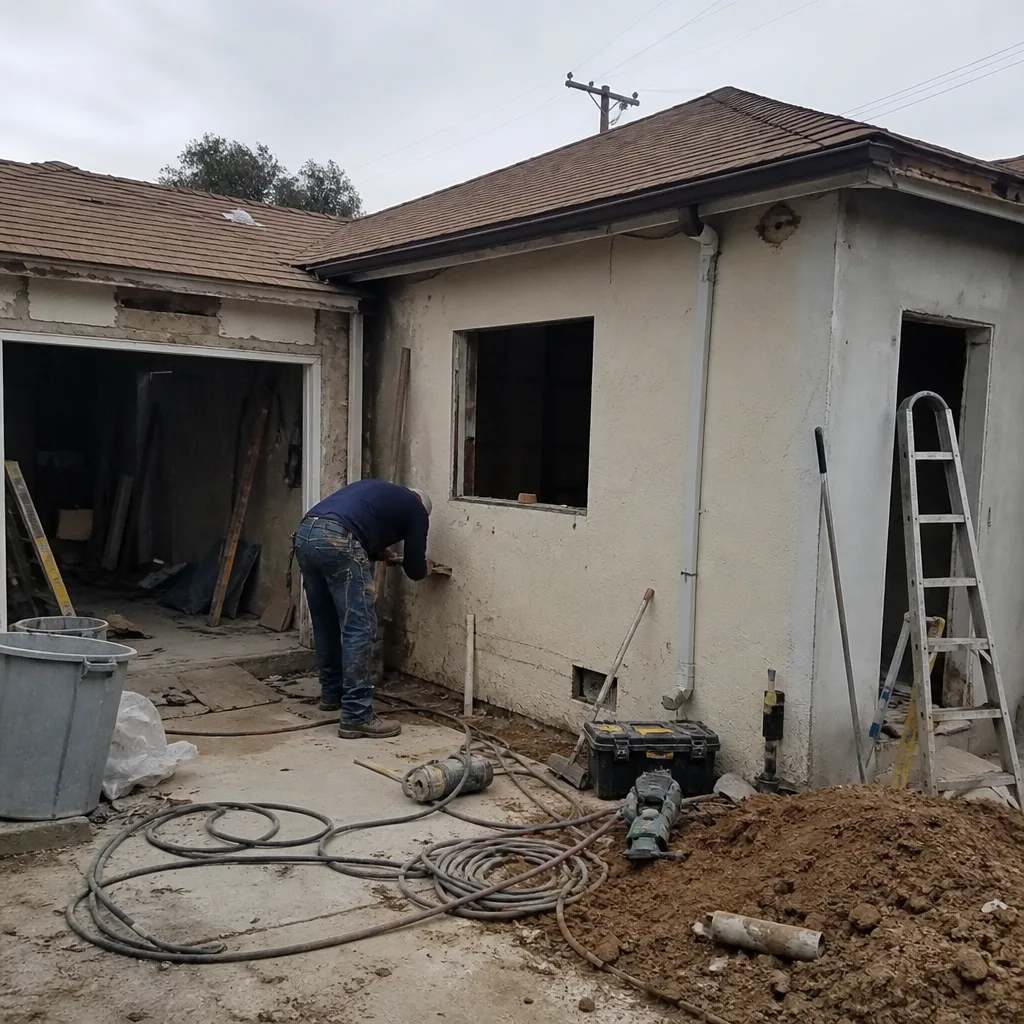 Before
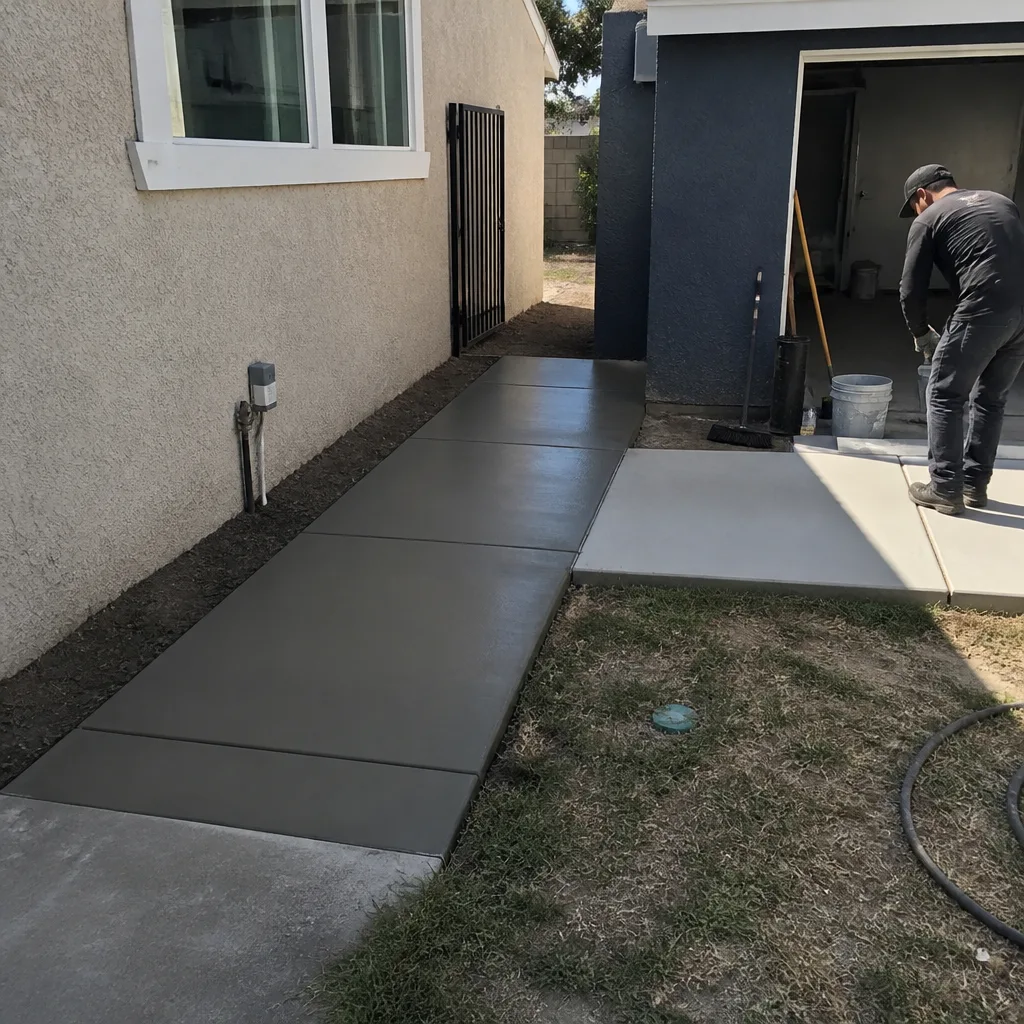 After
After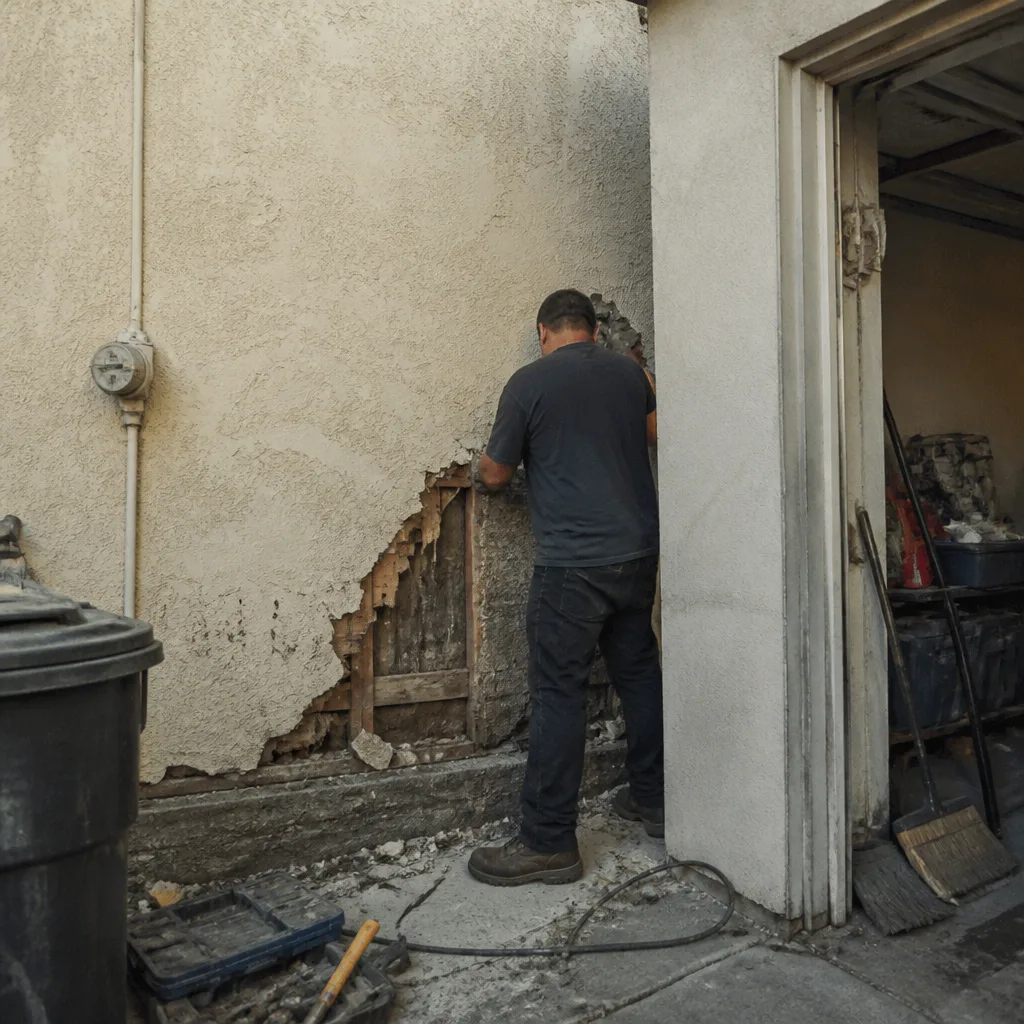 Before
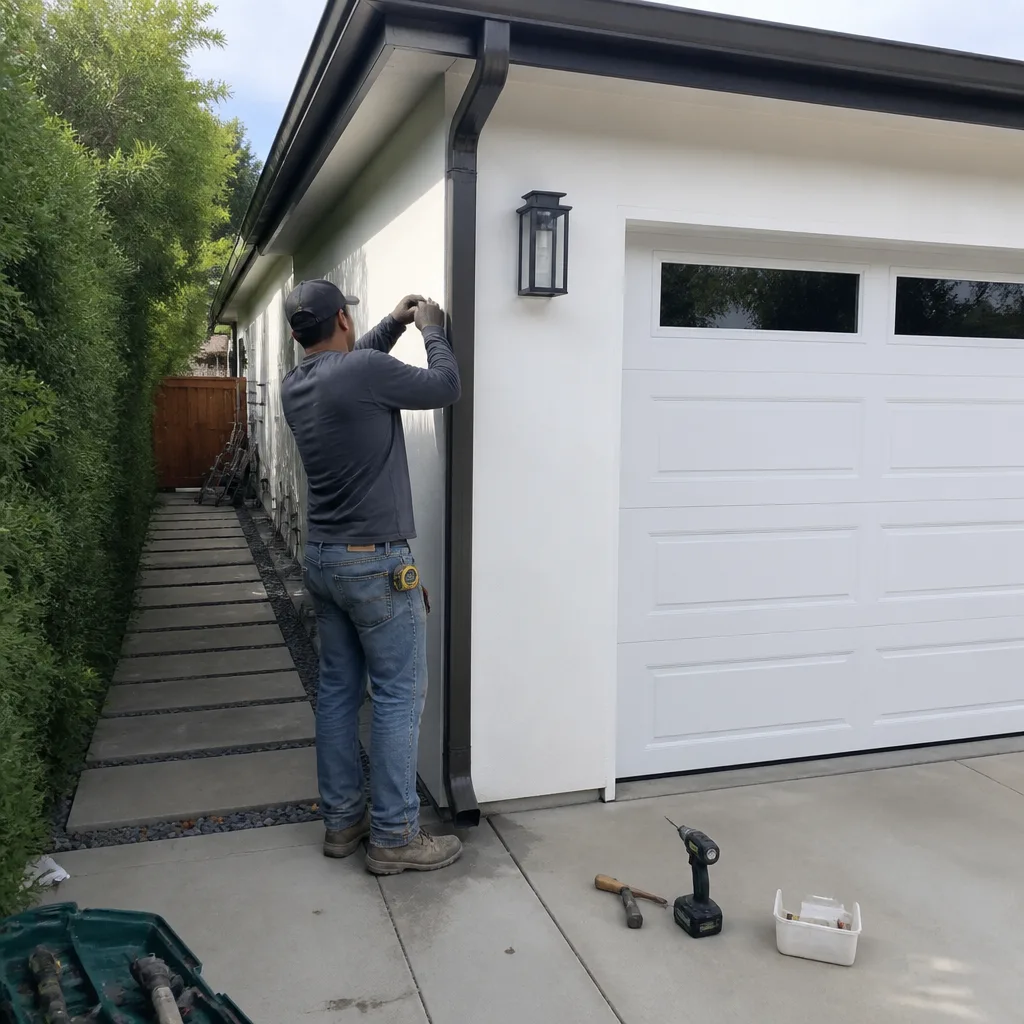 After
AfterReplacement Cost & What’s Included
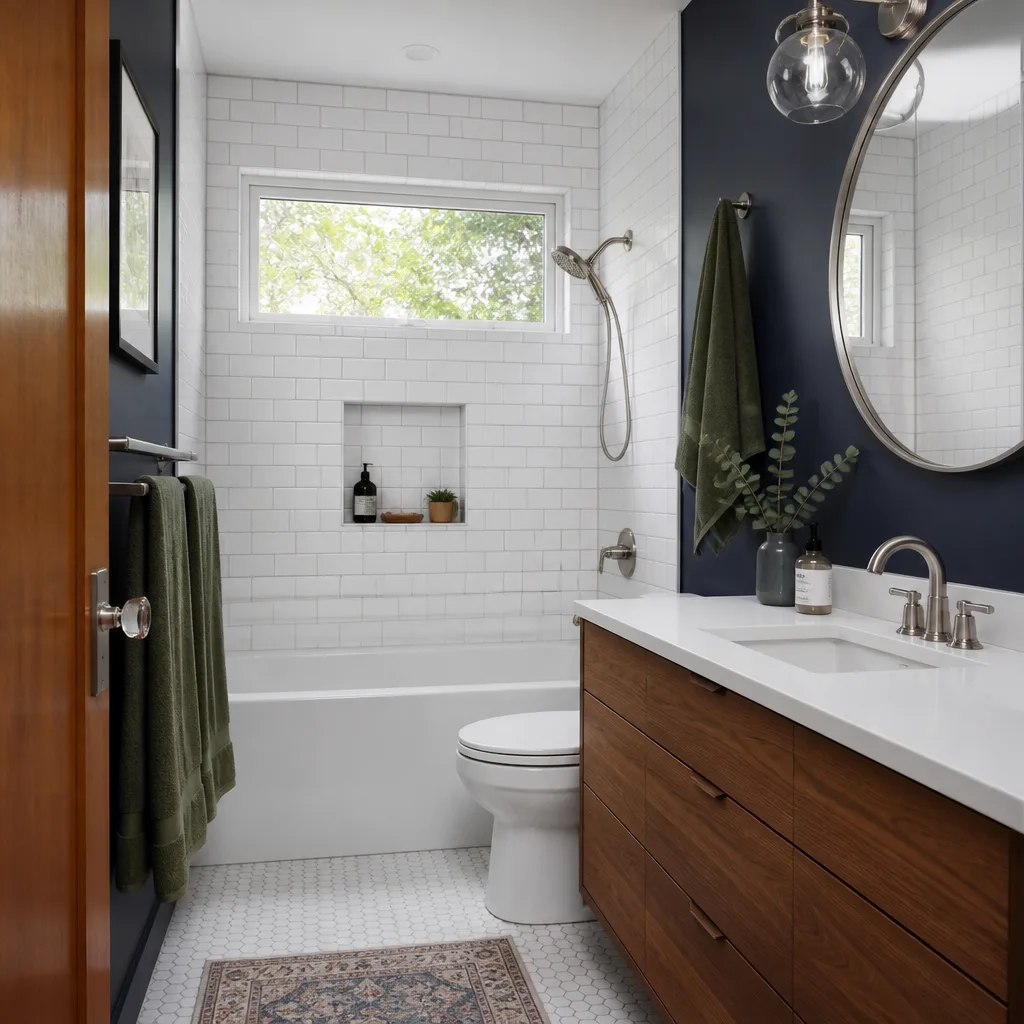
For Los Angeles, a full Delta home addition runs $53,100 to $153,400. A detached ADU, which includes separate foundation, utilities, and often a kitchen and bath, runs $106,200 to $259,600. A garage conversion into living space runs $35,400 to $94,400. The range is driven by square footage, site access, foundation conditions, and the finish level you choose.
| Project Type | Los Angeles Installed Range |
|---|---|
| Home Addition (attached) | $53,100 – $153,400 |
| ADU Construction (detached) | $106,200 – $259,600 |
| Garage Conversion | $35,400 – $94,400 |
Every Bradford Remodeling price includes the written scope of work, permits pulled under our contractor’s license, all framing, rough-in, drywall, finish work, and a signed 365-Day Done Right Promise in your hand at close. If the work fails inside that year, we come back and correct it at no charge. No numbers move at the door. The price we write before the first tool comes out is the price you pay at the end.
DIY or Call Us?
Some things on a Delta addition you can check yourself. Walk the perimeter and look at the transition joint. Measure the diagonal cracks and note whether they’ve grown. Check doors and windows in every room. That information helps us quote the job accurately. What you should not do is get on a ladder and start pulling apart the roofline or opening up walls to find the problem. Structural framing failures hide load paths you cannot see from the outside, and a wrong guess about what’s carrying weight can put you under a collapsed section.
If your Delta project is showing any of the signs above, call us at (903) 568-7222. Curtis Lane and our crew will come out, look at the structure the way a framing inspector would, and tell you exactly what’s wrong, what it takes to fix it, and what it costs. Straight number, real scope, no surprises at the punch list.
FAQs
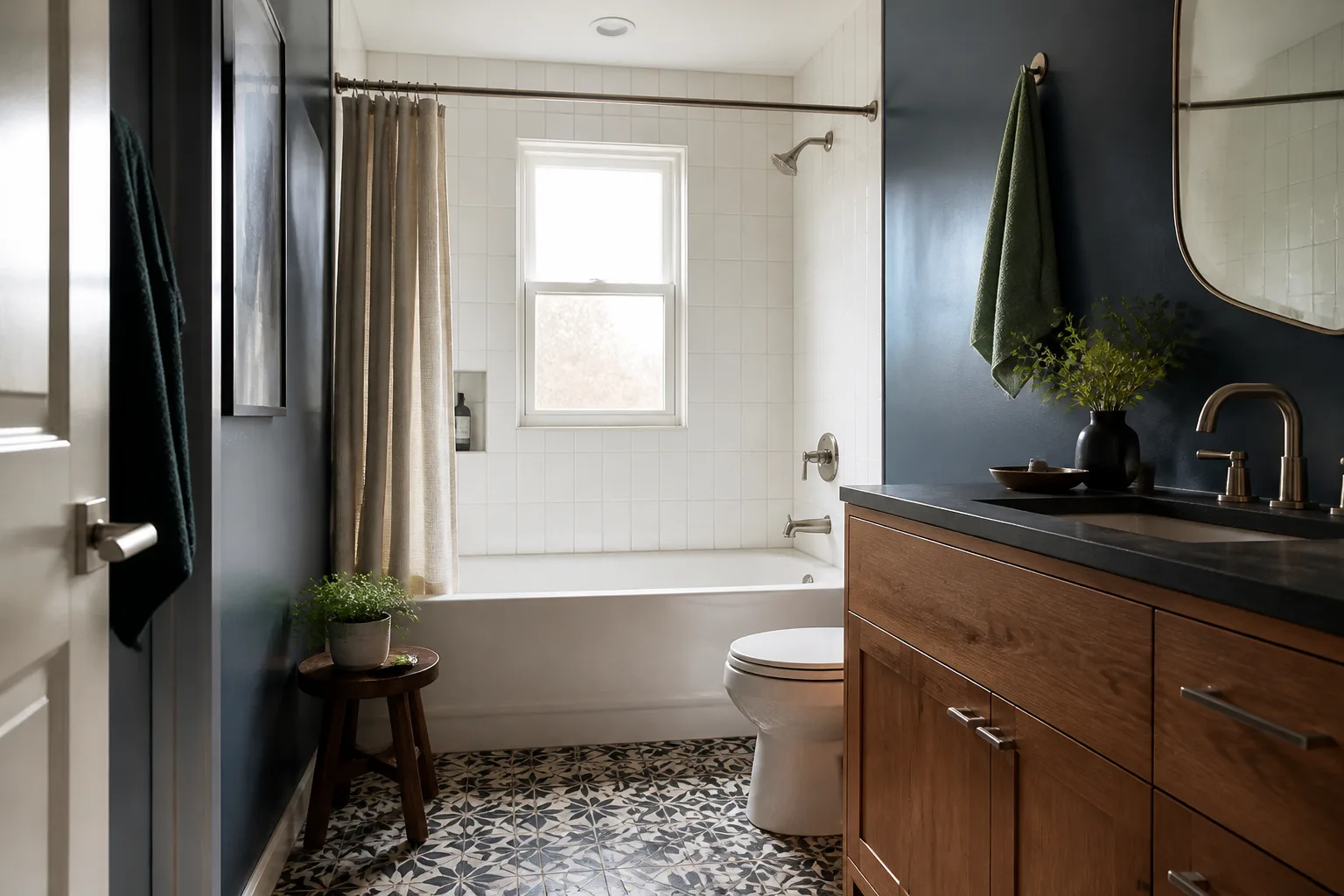
A properly built Delta addition or ADU should last 50-plus years in Los Angeles, but the original construction quality and the foundation work are what determine it. We regularly see Delta structures built in the 1990s that are still solid, and we see structures from 2015 with failing connections because the original installer cut corners on the hold-down hardware. The connection between the addition and the existing house is usually the first thing to go, not the Delta materials themselves. Call (903) 568-7222 and we’ll take a look.
Most failing Delta additions can be repaired without a full rebuild, as long as the foundation is sound. The repair usually involves removing the finish materials at the affected areas, replacing the bad connectors or headers with the correct Delta-spec parts, and re-securing the load path. Where the foundation itself has moved, the fix gets more involved and may require helical piers or foundation anchors. An honest evaluation is the first step, and it’s free. Call (903) 568-7222 to schedule one.
A typical structural repair on a Delta addition takes 3 to 10 working days, depending on what we find once the walls are opened. A full tear-down and rebuild of a section can run 4 to 8 weeks. We’ll give you a written schedule with the estimate, and we hold to it. Los Angeles permit review times can add a few weeks for larger projects, and we handle all of that for you. Call (903) 568-7222 for exact timing on your project.
We stock the most commonly needed Delta-compatible structural parts on our trucks, including framing connectors, hold-downs, and anchor hardware for both the 200 and 400 series. Special-order Delta items usually arrive in 3 to 5 business days in Los Angeles. If you’re matching an existing finish, bring us a photo of the original part or the label from the structural tag, and we’ll tell you whether it’s an on-truck item or a special order. Call (903) 568-7222 to confirm what we have.
Written by Curtis Lane, Owner, Bradford Remodeling at Bradford Remodeling, serving Los Angeles and nearby areas.