Free written scope consultation - allowances, timeline, and change-order rules on paper before a single trade is scheduled
James Hardie Bathroom Remodeling: The Los Angeles Owner’s Guide
If you’re researching James Hardie bathroom remodeling in Los Angeles, you’re likely dealing with a failed backer board installation, water damage behind tile, or a shower enclosure that’s pulling away from the studs. A full James Hardie-spec bathroom remodel in Los Angeles runs $10,620 to $33,040, with most mid-size jobs landing between $14,000 and $22,000 depending on substrate condition and fixture load. Bradford Remodeling stocks HardieBacker cement board, HydroDefense waterproofing panels, and the full trim and fastener package on our trucks, so we can quote and start most tear-outs the same week. What owners usually discover is that the tile looks fine but the substrate underneath has been quietly failing for months, and by the time you see the crack in the grout line, the damage is already in the studs.
Here’s what you need to know to get this fixed without a second surprise invoice.
Which James Hardie Models This Applies To
We work with the full James Hardie shower and wet-area product line. The two boards you’ll actually see specified on a Los Angeles bathroom permit are HardieBacker 500 (the 1/2-inch cement board, rated for walls and floors) and HydroDefense (the waterproof backer board that doesn’t need a separate membrane behind it). There’s also HardieBacker 250, the 1/4-inch version we use for floor underlayment and countertop prep, not for wet walls. The compatibility gotcha that catches homeowners: HardieBacker 500 is not waterproof on its own. It’s water-resistant and dimensionally stable, but it still needs a surface-applied membrane like RedGard or Hydro Ban, or a poly sheet behind it. Skip that step in a Los Angeles shower surround and you’ll be pulling tile in three to five years, not twenty.
If you’re replacing a failed board, look for the printed brand mark on the face or the raw edge. HardieBacker is cementitious, so it’s heavier than gypsum-based boards like DensShield and it won’t crumble when you snap a scrap piece. For HydroDefense, the face is a darker gray and carries the printed grid pattern. On the OEM-versus-aftermarket question: James Hardie fasteners and seam tape are specified for a reason. Backer-on screws and alkali-resistant mesh tape are not the place to save forty bucks. We stock the branded fasteners and tape on the truck because that’s what the manufacturer warranty and our own 365-day guarantee are built on.
Styles & brands we work with
Signs Your James Hardie Bathroom Remodeling Is Failing
- Grout cracking in horizontal lines along the lower third of the shower wall. This usually means the backer board seams weren’t taped and mudded, or the board was over-fastened. Movement transfers through the tile and pops the grout first. In Los Angeles, minor seismic settling makes this show up faster than it does in flatter, less active regions.
- Soft or discolored baseboard on the wall behind the tub. Water is wicking from a failed wet-area seal or a tub flange that wasn’t taped to the backer board. By the time the baseboard swells, the bottom plate of the stud wall is usually involved.
- Loose tile with intact grout lines. The board itself has delaminated or the fasteners have corroded. HardieBacker will hold a tile mechanically, so when tiles start sounding hollow while the grout looks fine, the substrate bond has failed.
- Musty smell that returns within days of cleaning. Water is trapped behind tile or under the floor underlayment. Mold in a Los Angeles bathroom rarely stays local; it travels through the wall cavity and into the subfloor.
- Shower glass brackets pulling from the wall. The anchors were set into a wet, failing board or into drywall that was never rated for wet areas. This is a structural issue, not a caulk issue.
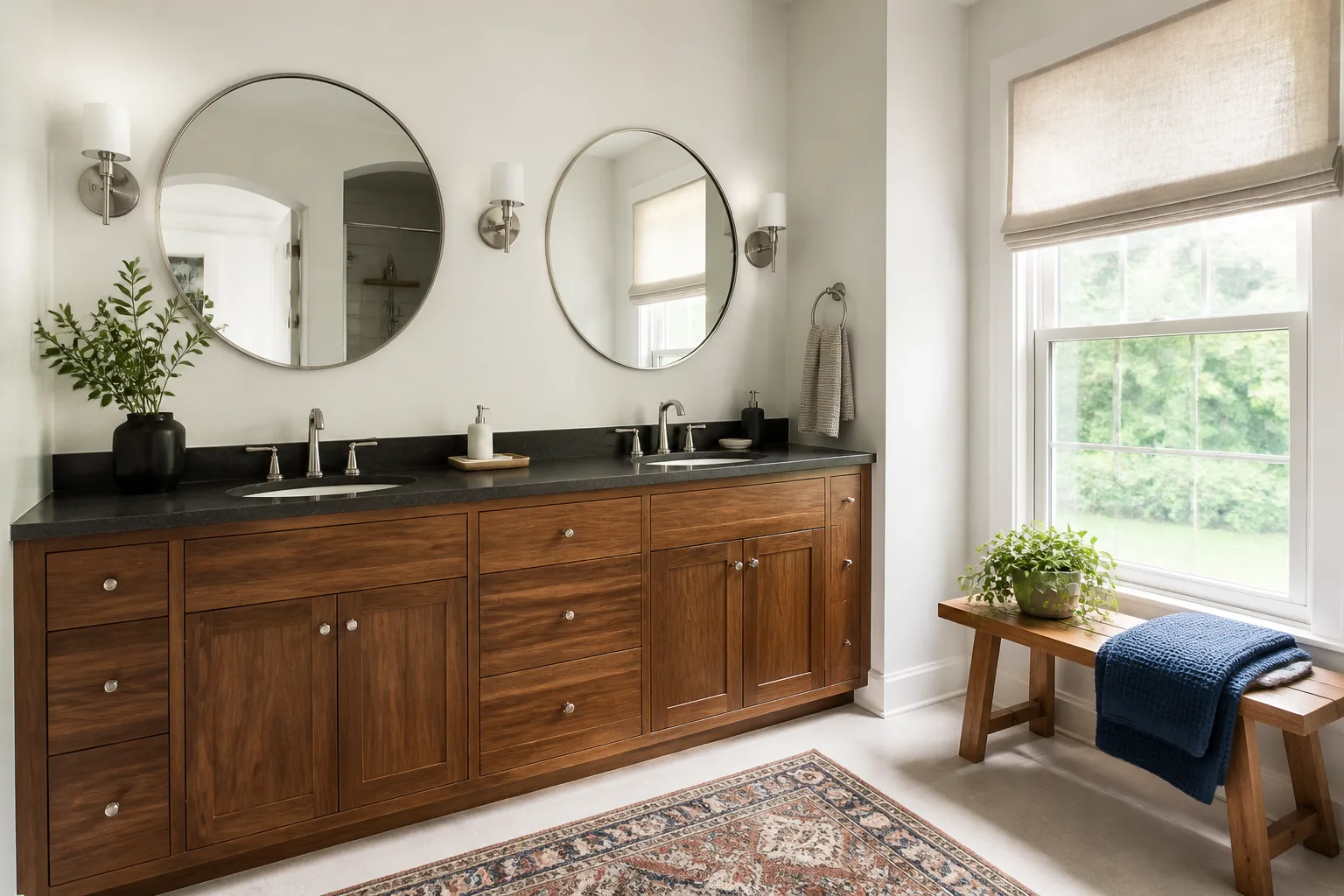
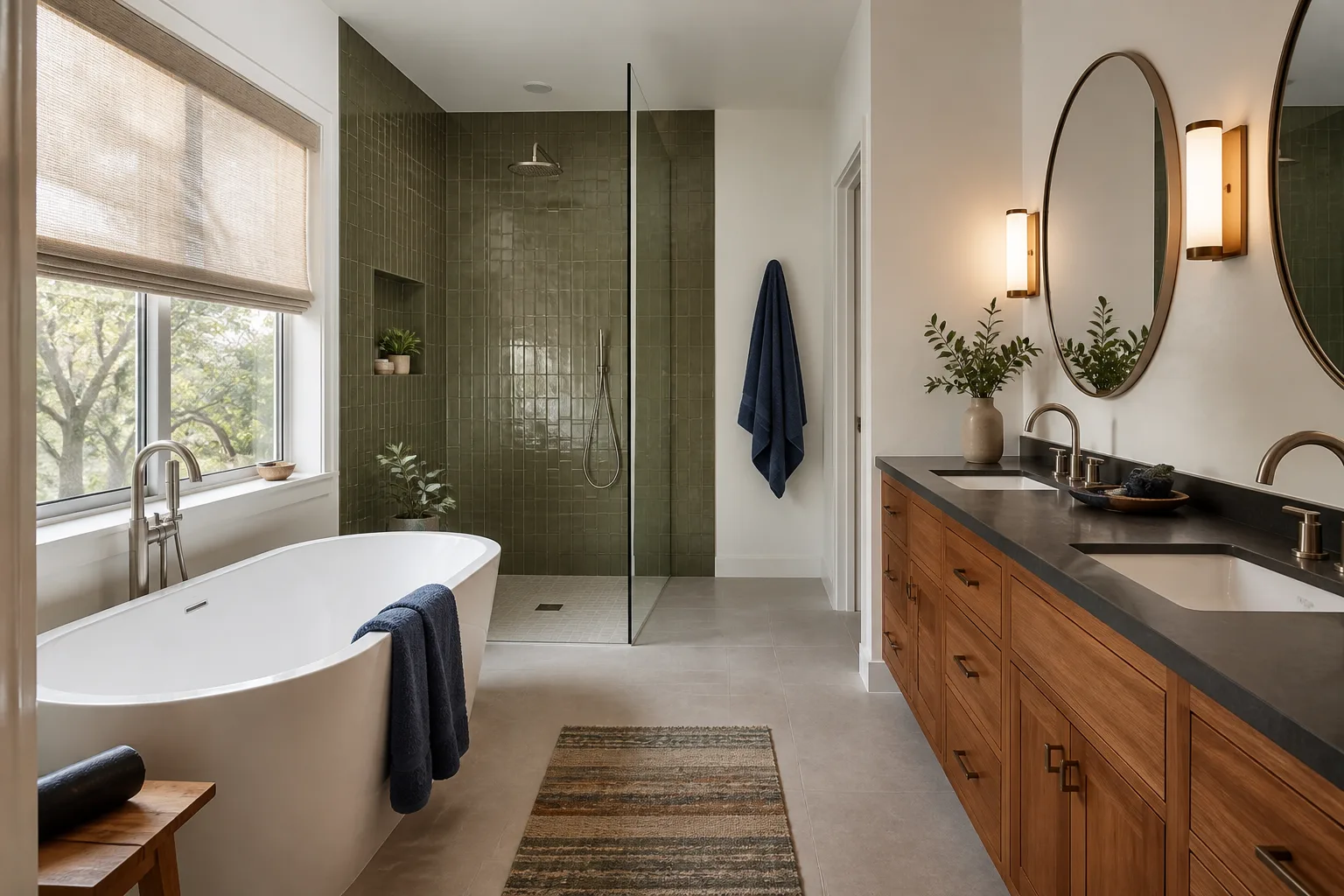
See the difference
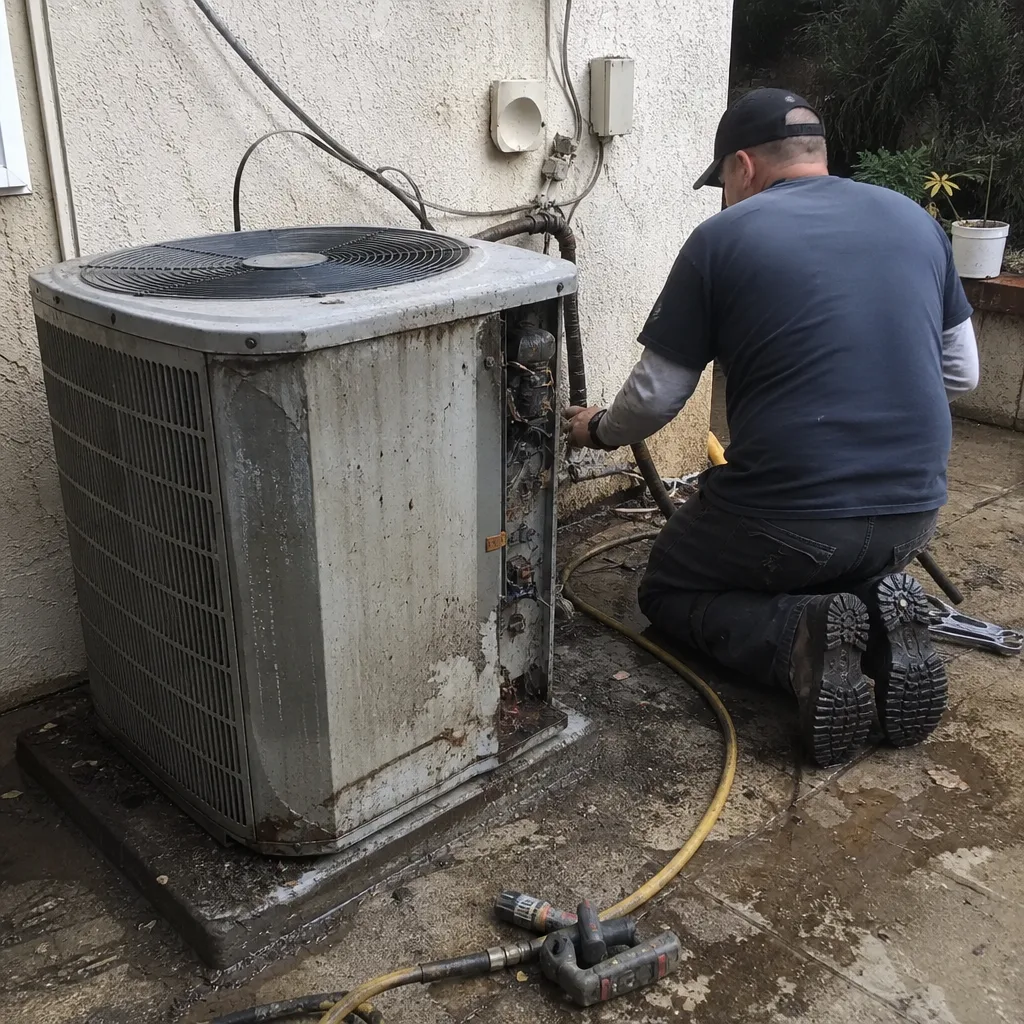 Before
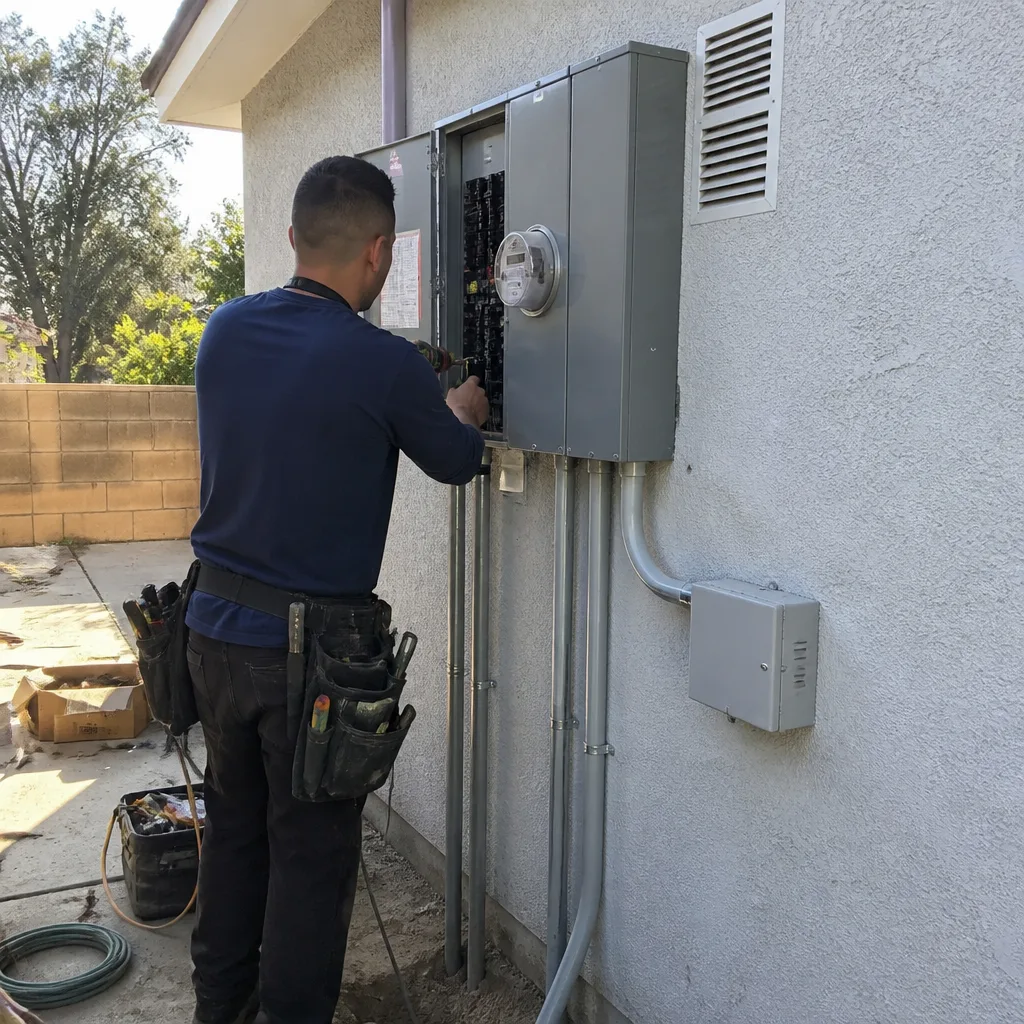 After
After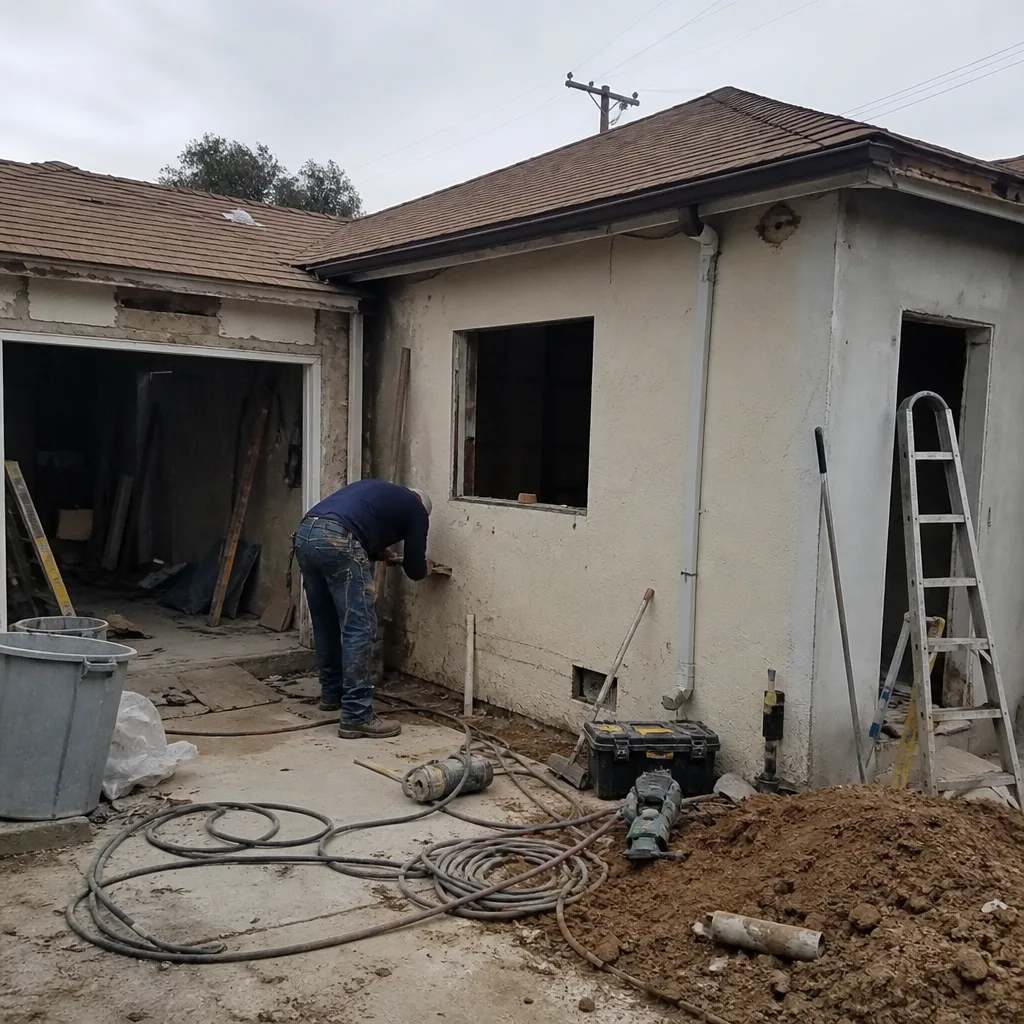 Before
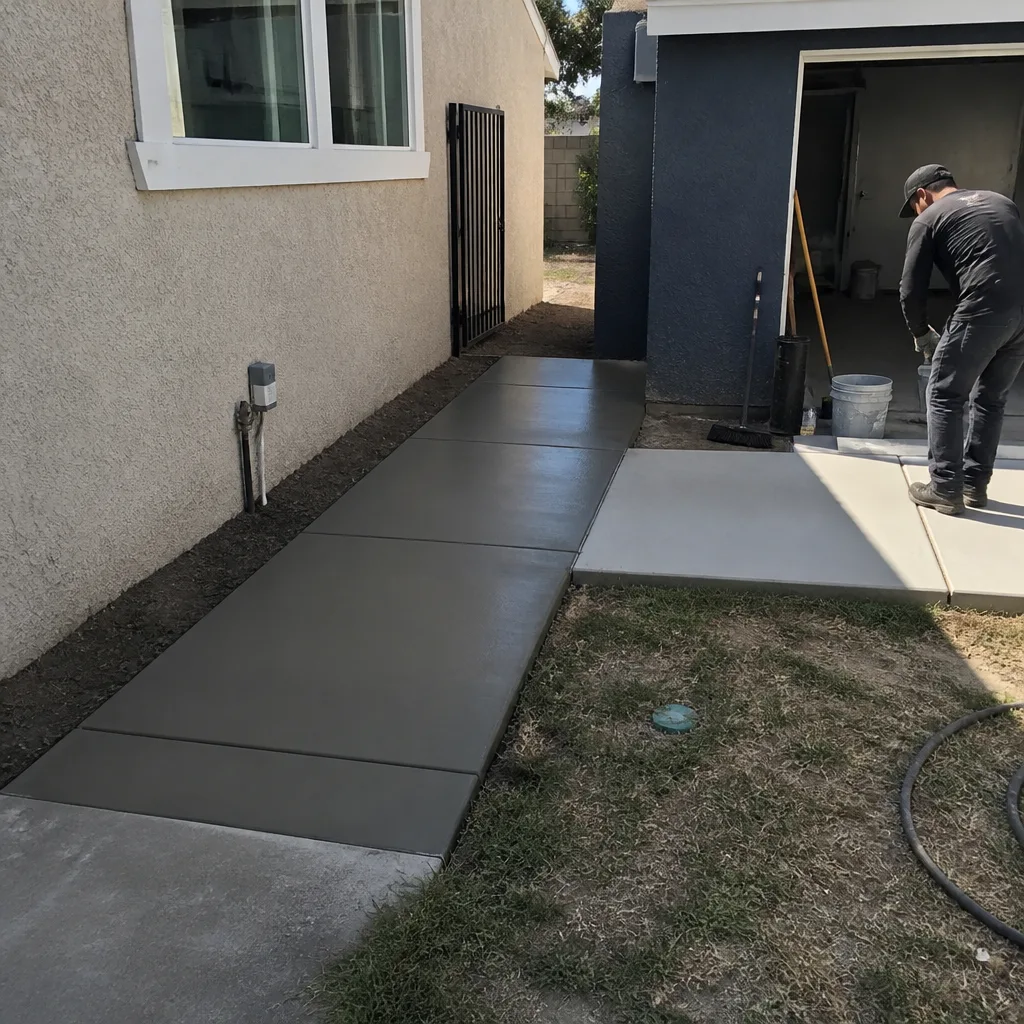 After
After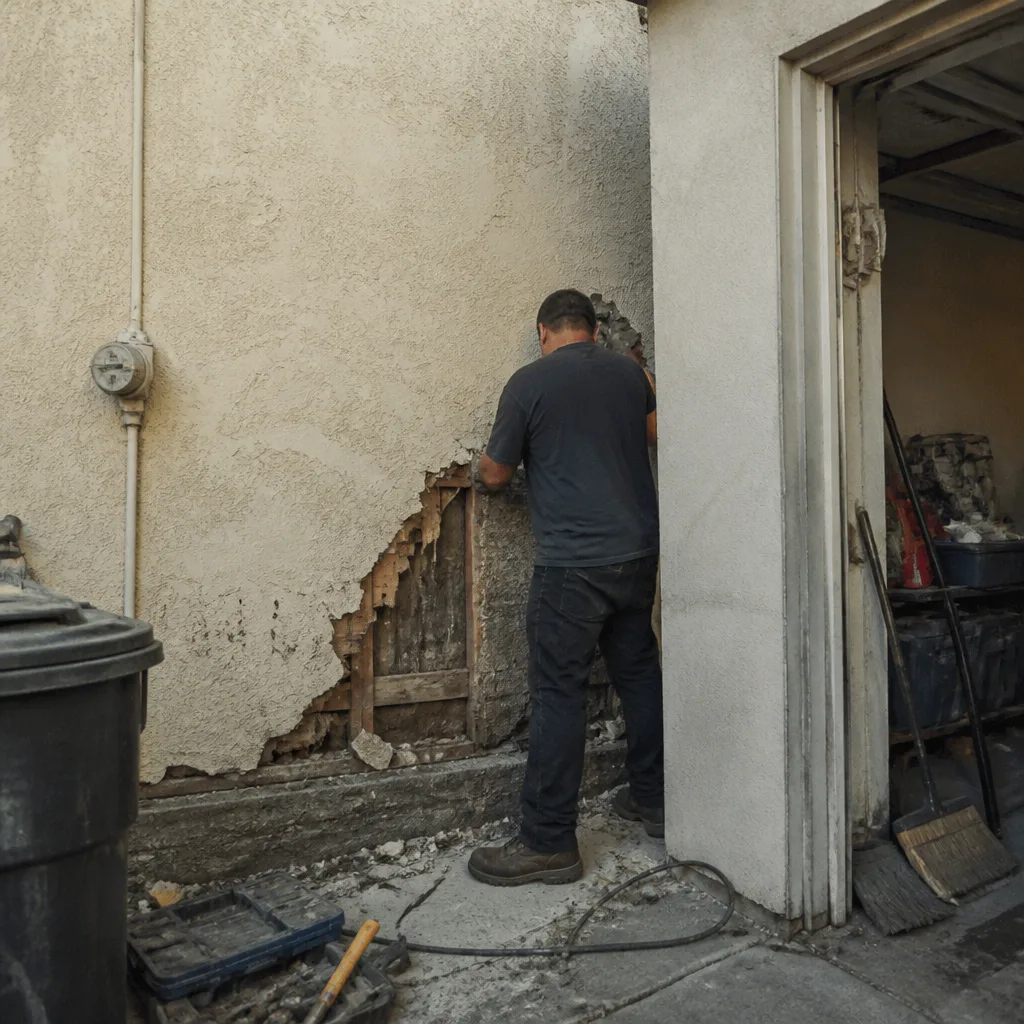 Before
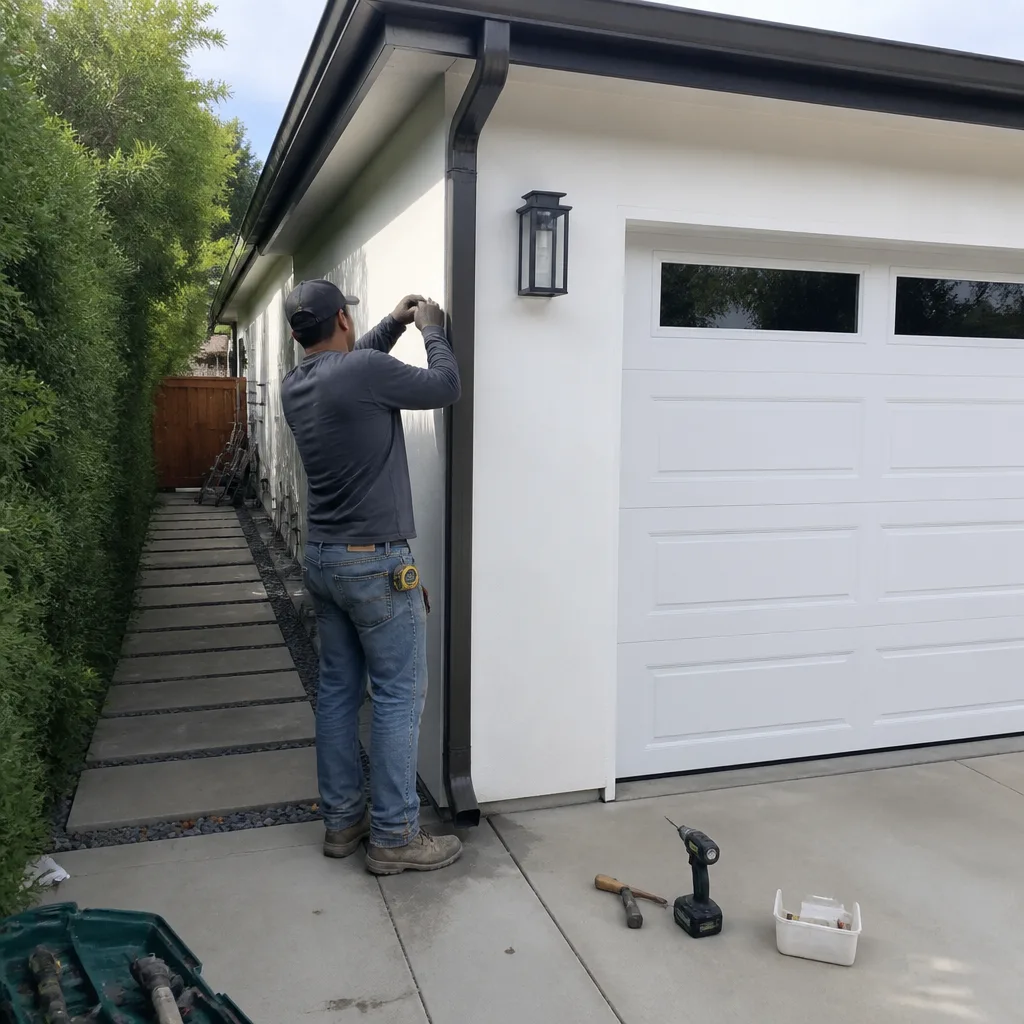 After
AfterReplacement Cost & What’s Included
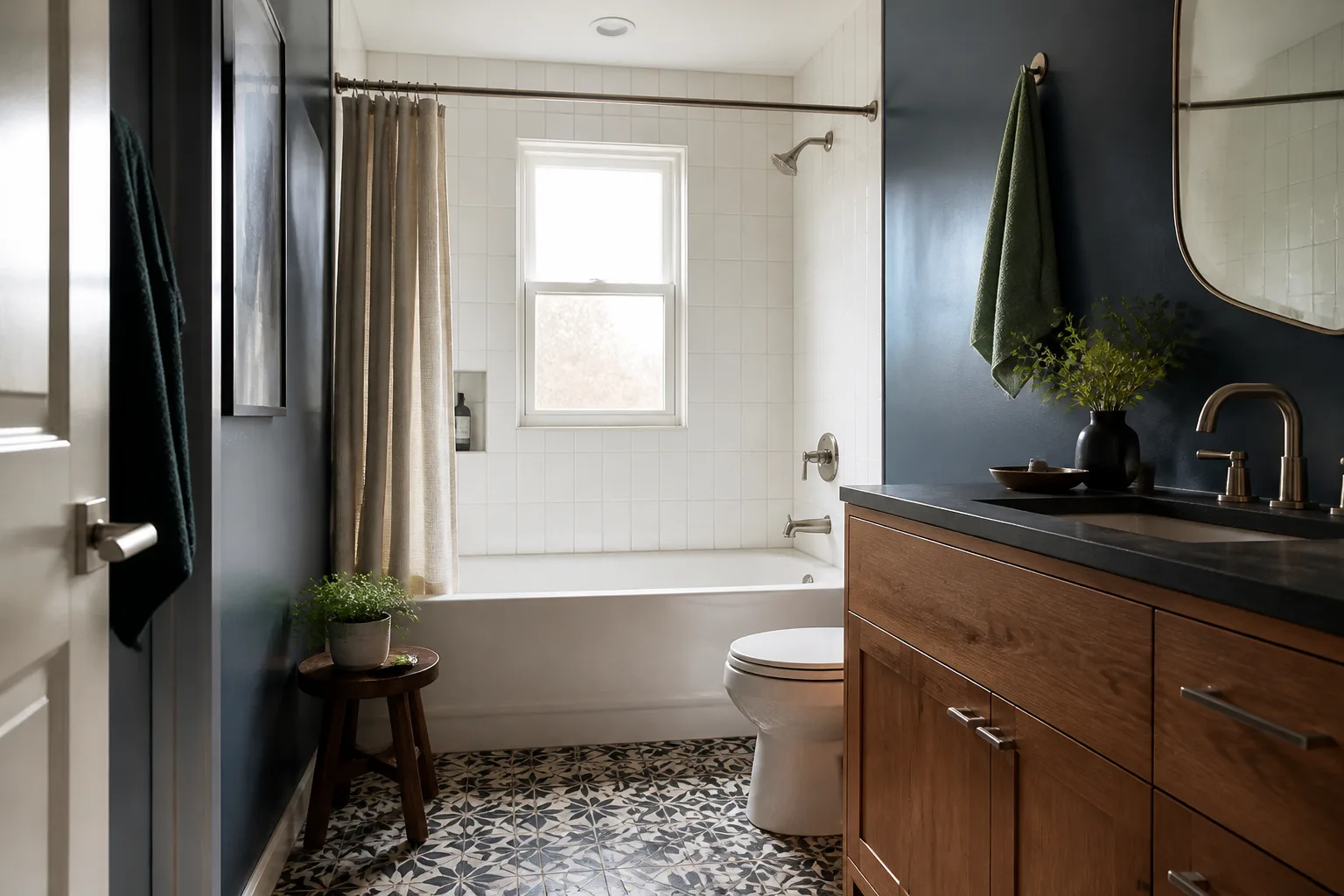
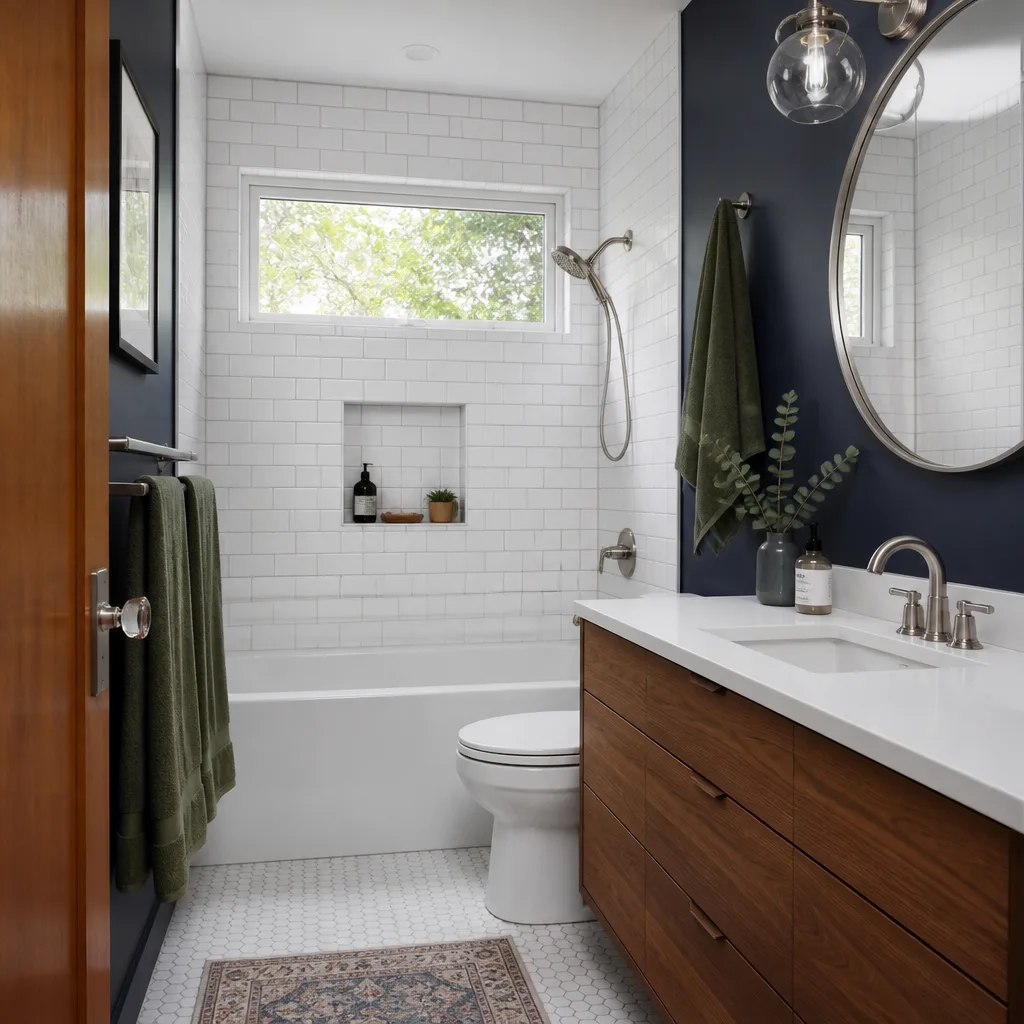
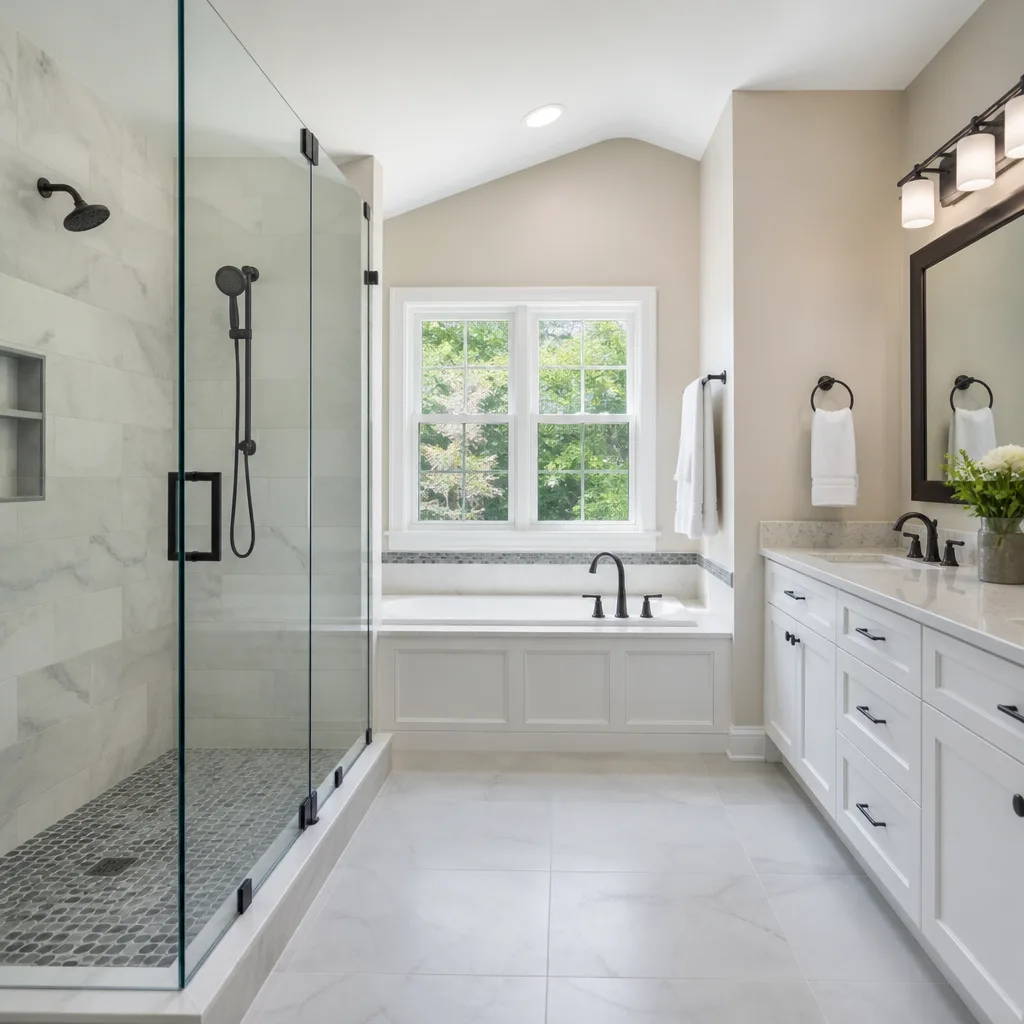
James Hardie bathroom remodeling in Los Angeles lands between $10,620 and $33,040 for a full remodel, and that spread exists for a reason. A compact hall bath with a 32-inch shower stall, original cast iron tub staying in place, and no framing repairs sits at the low end. A primary bath with a curbless shower, separate tub, two vanities, and water-damaged studs at the base plate pushes toward the top. The substrate portion, meaning the HardieBacker, waterproofing, tape, and fasteners, typically represents $2,000 to $4,500 of that total. Labor is the rest, and that’s where the written price matters. Bradford Remodeling gives you a line-item quote before we start, and the numbers don’t move at the door. The 365-Day Done Right Promise covers the entire remodel. If any part of the work fails within the first year, we come back and make it right at no charge.
We also keep KraftMaid, Cambria, and Silestone parts and product lines on our documented roster, so if your bathroom remodel connects to a vanity or a surface run, we’re not switching suppliers mid-job.
DIY or Call Us?
You can safely check a few things on your own. Tap tiles with a screwdriver handle and listen for hollow spots. Run your hand along the wall behind the tub and feel for soft drywall. Look for rust-colored staining at any exposed backer board edge. Those are diagnostic steps, not fixes. What goes wrong with DIY on this part is the waterproofing sequence: the order of vapor barrier, board, seam tape, and surface membrane has to be right, and the fasteners have to hit studs on a schedule. One missed seam or one screw set proud of the board face, and you’ve built a shower that fails in a year. No homeowner should be cutting cement board without a proper respirator either; that silica dust isn’t something to gamble on. If you want a straight number and a shower that stays dry for two decades, call (903) 568-7222. Curtis Lane runs the same tight sequence on every bathroom: pull it, frame it square if it isn’t, board it, waterproof it, tile it, and hand you a written guarantee at the punch list. Straight number, real scope, no surprises at the punch list.
FAQs
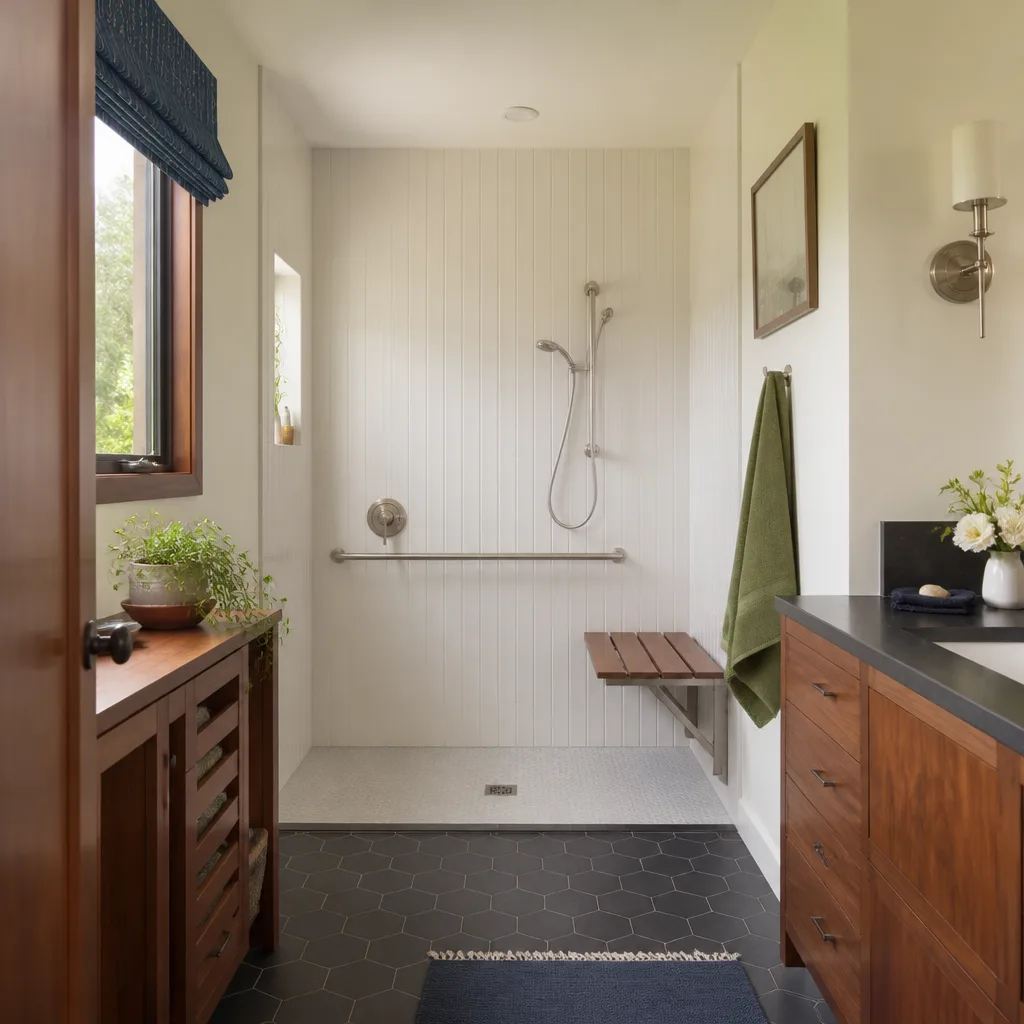
A correctly installed HardieBacker and HydroDefense shower will last 25 to 40 years in Los Angeles conditions, with the tile and grout being the first wear items at the 10-to-15-year mark. The board itself doesn’t rot, delaminate, or feed mold. What shortens the lifespan is shortcut waterproofing at the seams and tub flange, not the material. Call (903) 568-7222 and we’ll tell you if your current substrate was done to spec before quoting any tile work.
Yes, if the damage is localized, we can cut out the failed section of backer board, replace it, re-tape the seams, and re-tile that area. That runs $590 to $2,125 depending on how far the water traveled behind the board. If the bottom plate or studs are compromised, a patch job won’t hold, and a full remodel is the honest answer. Call (903) 568-7222 for a written assessment and price before anyone tears anything out.
A full James Hardie bathroom remodel in Los Angeles takes 2 to 4 weeks from demo to final grout seal, with shower-only replacements running 5 to 8 working days. The substrate and waterproofing phase is usually days 2 through 5, and that’s the part we won’t rush because the membrane needs cure time between coats. We sequence the whole job at the start so you know what’s happening on every day of the schedule.
Yes, our crews carry HardieBacker 500 and 250, HydroDefense board, James Hardie branded fasteners, alkali-resistant seam tape, and the transition trim pieces. That means we don’t stop mid-tear-out to chase a supplier. For unusual sizes or commercial-spec board, we order ahead and confirm lead time before we start. Call (903) 568-7222 and tell us what you’re dealing with; we’ll tell you what’s on the truck and what we’ll bring.
Written by Curtis Lane, Owner, Bradford Remodeling at Bradford Remodeling, serving Los Angeles and nearby areas.