Free written scope consultation - allowances, timeline, and change-order rules on paper before a single trade is scheduled
James Hardie Fence Installation: The Los Angeles Owner’s Guide
James Hardie fence installation in Los Angeles typically runs $4,130 to $10,620 for a complete panel system on a standard residential lot, including tear-out of the old fence, new footings, HardieBacker or HardiePlank panel work, and finish trim. We stock James Hardie-compatible fence components on our trucks and can usually start the job within a week of the written estimate. Most owners call us after a wind event or a wet winter uncovers the failure: a bottom rail has rotted at the fastener line, a panel has warped off its frame, or the old install never had proper clearance from grade and the bottom edge has been wicking moisture for years.
Here’s the pattern we see across Los Angeles, from West Adams to the Valley: the fence looked fine for five or six years, then one section starts leaning after a Santa Ana blow, and when you push on it, the rail gives. What failed is rarely the Hardie product itself. It’s almost always the substrate behind it, the fasteners, or the way the panel was flashed at the bottom. We’ll get into what that means for your repair or replacement below.
Key Takeaways:
- Full James Hardie fence installation in Los Angeles runs $4,130 – $10,620 installed.
- Most failures trace to substrate, fasteners, or ground clearance, not the Hardie panel.
- We carry James Hardie-compatible panels, rails, and trim for same-week starts.
- Every job gets a written price before work begins and a full-year written guarantee.
Straight number, real scope, no surprises at the punch list.
Which James Hardie Models This Applies To
Our fence work covers the James Hardie products actually rated for vertical, non-structural exterior use: HardiePlank lap siding repurposed as fence slats, HardiePanel vertical siding used as full sheet fence faces, and HardieSoffit panels for fence toppers and privacy screens. We also work with HardieTrim boards for rails and caps. If you have a HardieBacker cement board product, that’s an interior tile substrate and it does not belong on a fence. That’s a common point of confusion, and installing the wrong product is a fast way to watch a fence fail inside two years.
On the OEM-versus-aftermarket question: for fence applications, James Hardie does not manufacture a dedicated fence panel line. The product is their exterior siding, cut and framed for fence duty. So the “OEM” conversation is really about which Hardie line your installer used and whether the local supplier can still match the texture and color. We spec HardiePlank in the Cedarmill or Smooth finish, depending on what the homeowner already has. If we are matching an existing fence, we pull a sample before quoting so the texture doesn’t argue with itself.
One compatibility gotcha worth knowing: HardiePlank is 5/16 inch thick. HardiePanel runs 5/16 or 7/16 inch. If your old installer used HardiePanel and we patch with HardiePlank, the face plane shifts by an eighth of an inch and every shadow line shows it. We note the exact product and thickness on the written estimate so you can see what you are paying for and why.
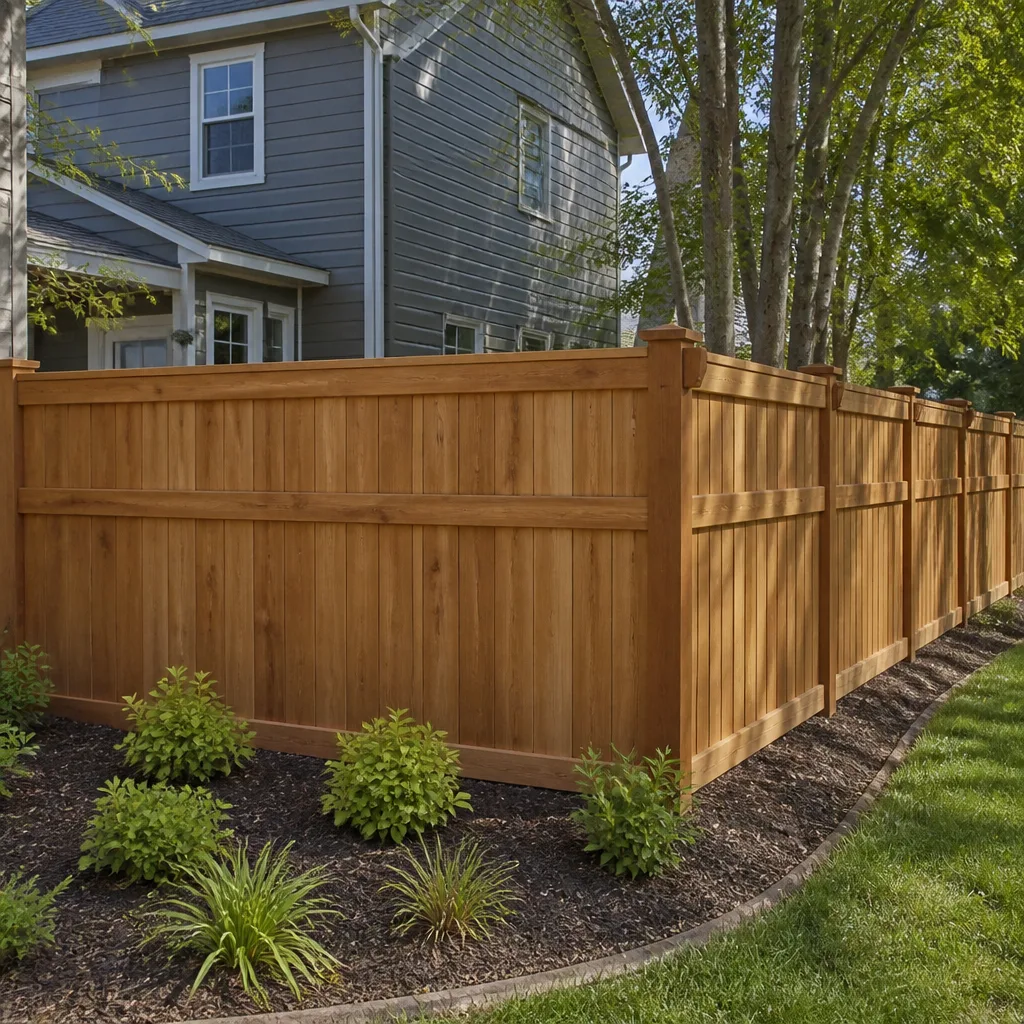
Styles & brands we work with
Signs Your James Hardie Fence Installation Is Failing
- Bottom edge swelling or delaminating. This is the number one failure in Los Angeles because many fences get set too close to grade. Hardie products need at least 6 inches of clearance from soil or hardscape. When the bottom edge sits in damp ground or gets splashed by sprinklers, it wicks moisture up into the panel and starts to delaminate. The fix is re-installing with proper clearance, not just caulking the edge.
- Rail rot where fasteners enter. Wood rails behind Hardie panels hold the fasteners, and when those fasteners were driven without sealant or into unprimed wood, water follows the screw threads. You will see staining below each fastener line, then softness, then the panel pulls free in wind. The Hardie panel itself is still solid; what failed is the wood substructure.
- Panels bowing or oil-canning between studs. HardiePanel needs framing at 16 inches on center, maximum. When an installer frames at 24 inches to save lumber, the panel flexes in wind and eventually cracks along the fastener lines. Look for vertical hairline cracks that line up with the framing.
- Fastener pops or rust streaks. Hot-dipped galvanized or stainless fasteners are required. Electro-galvanized or interior screws rust in two or three Los Angeles wet seasons and bleed orange streaks down the panel face. Once rust starts, the panel is no longer held to the rail and wind becomes a structural problem.
- Fence leaning off plumb in one direction. This is rarely the Hardie product at all. It is a post problem. Posts set in undersized footings, or with no gravel base, shift in Los Angeles’ expansive clay soils during wet-dry cycles. A leaning fence puts shear on every rail connection and accelerates panel failure. The Hardie panels fail because the frame underneath them moved.
See the difference
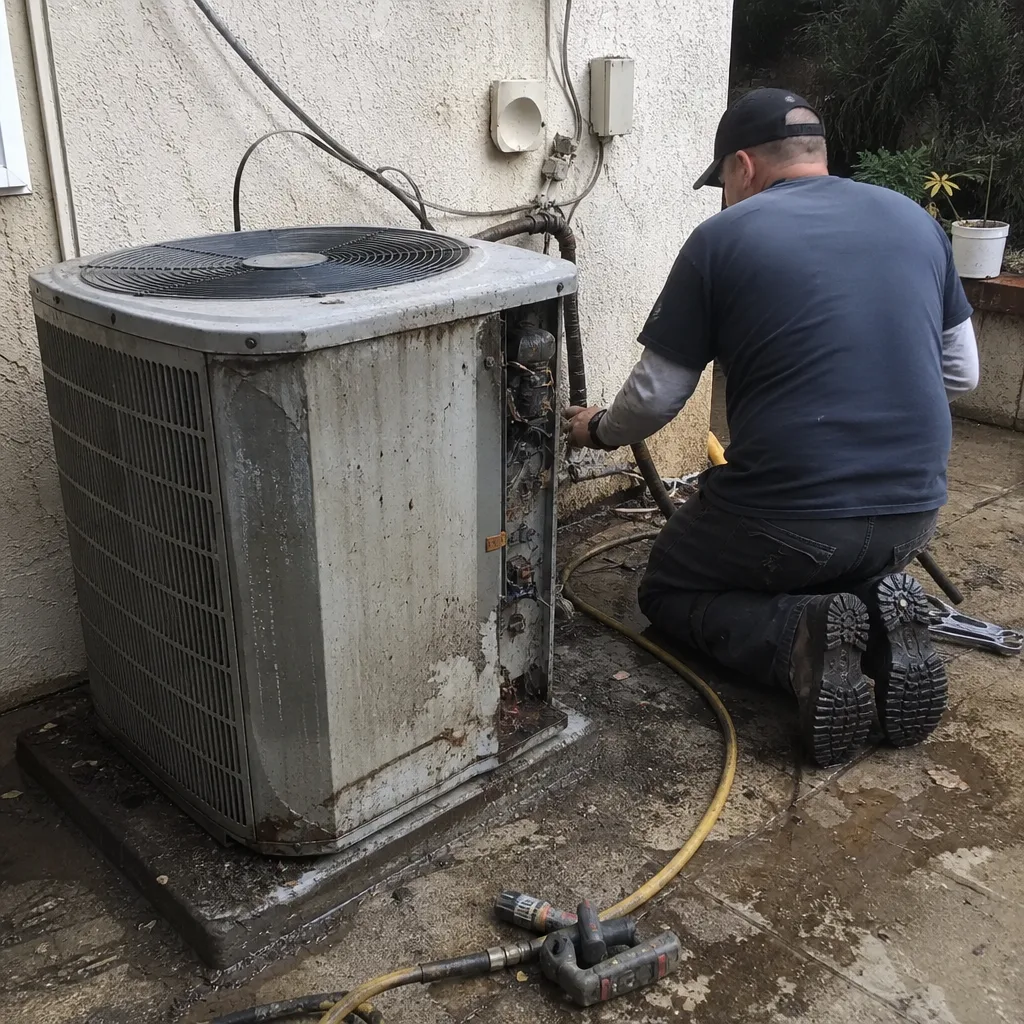 Before
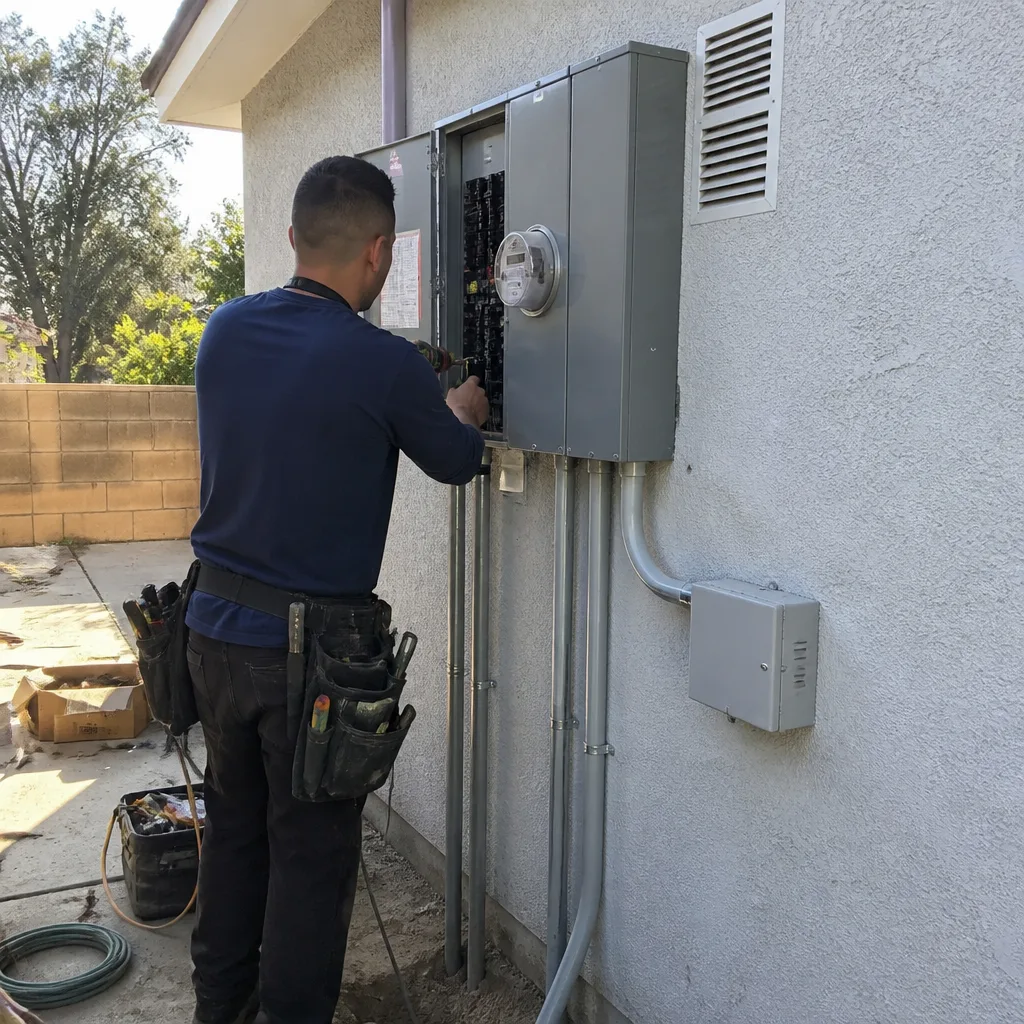 After
After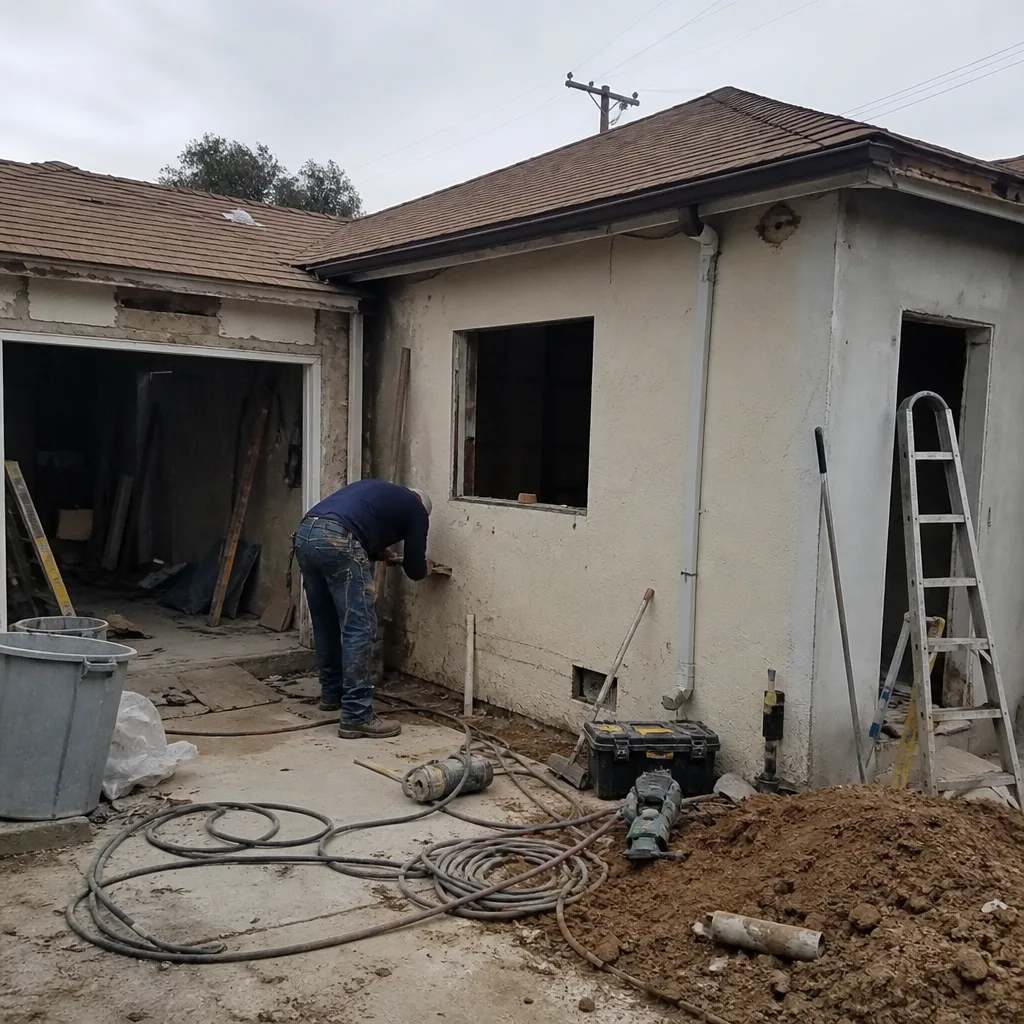 Before
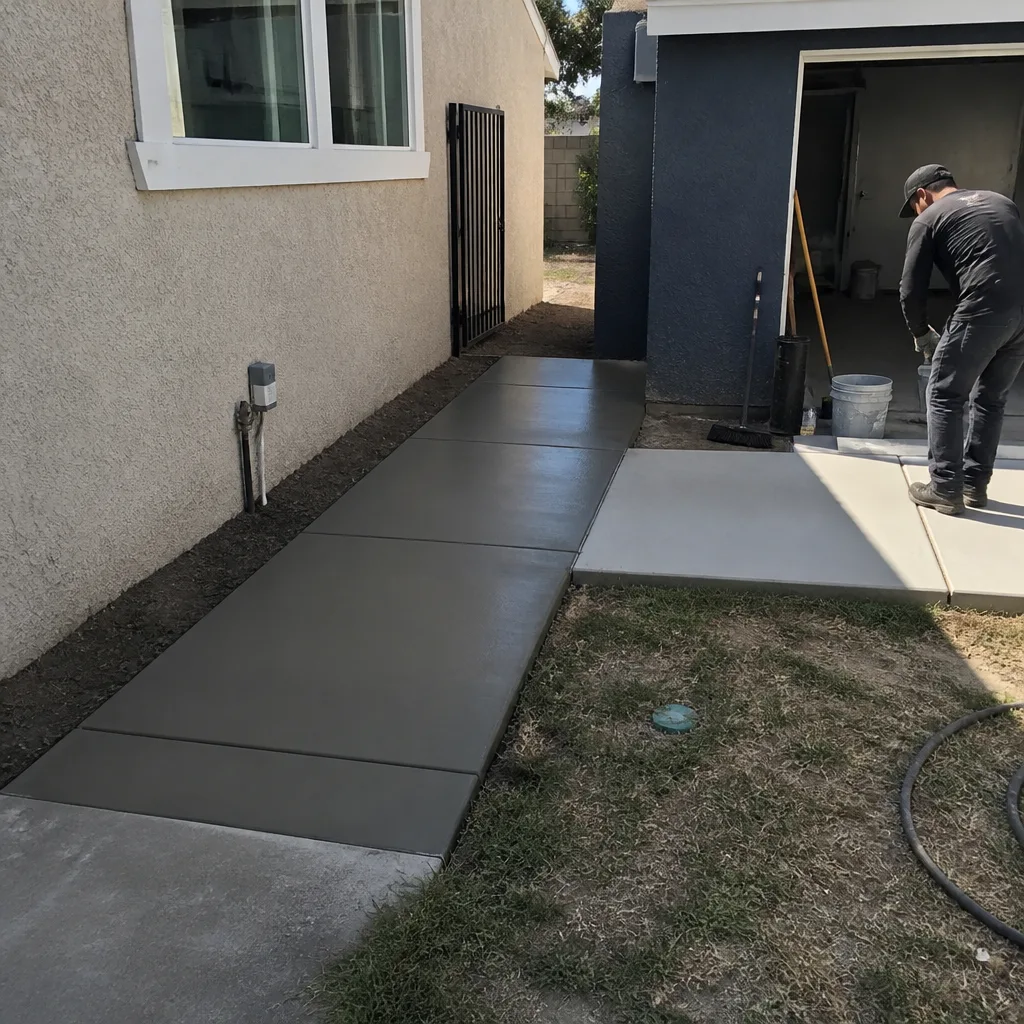 After
After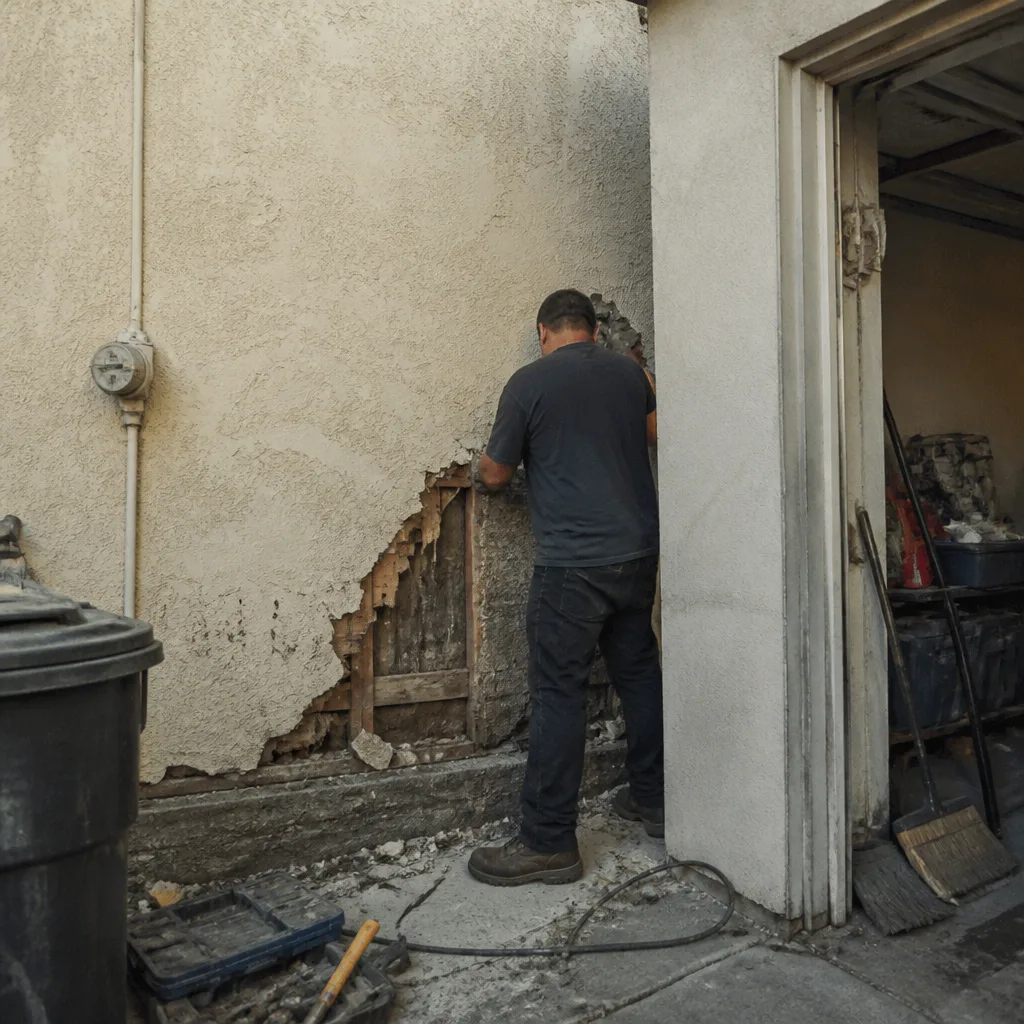 Before
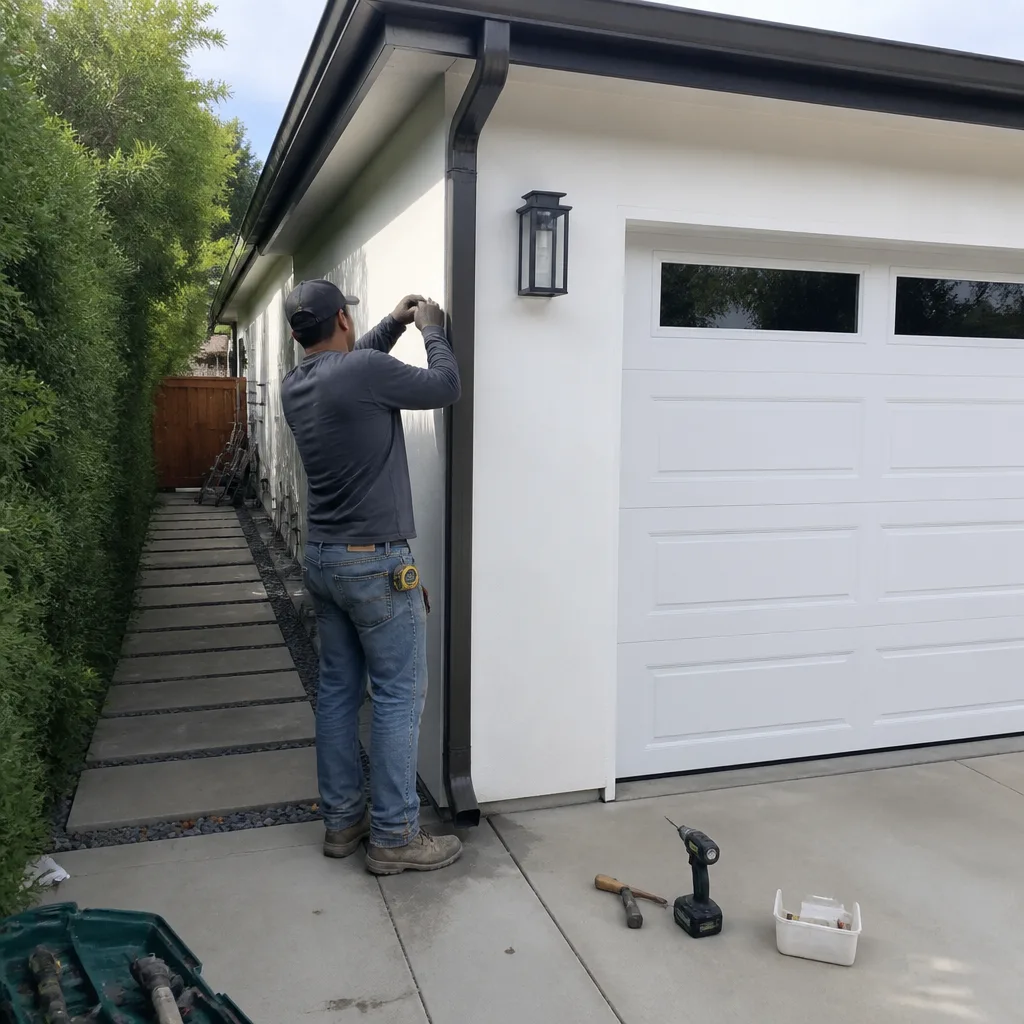 After
AfterReplacement Cost & What’s Included
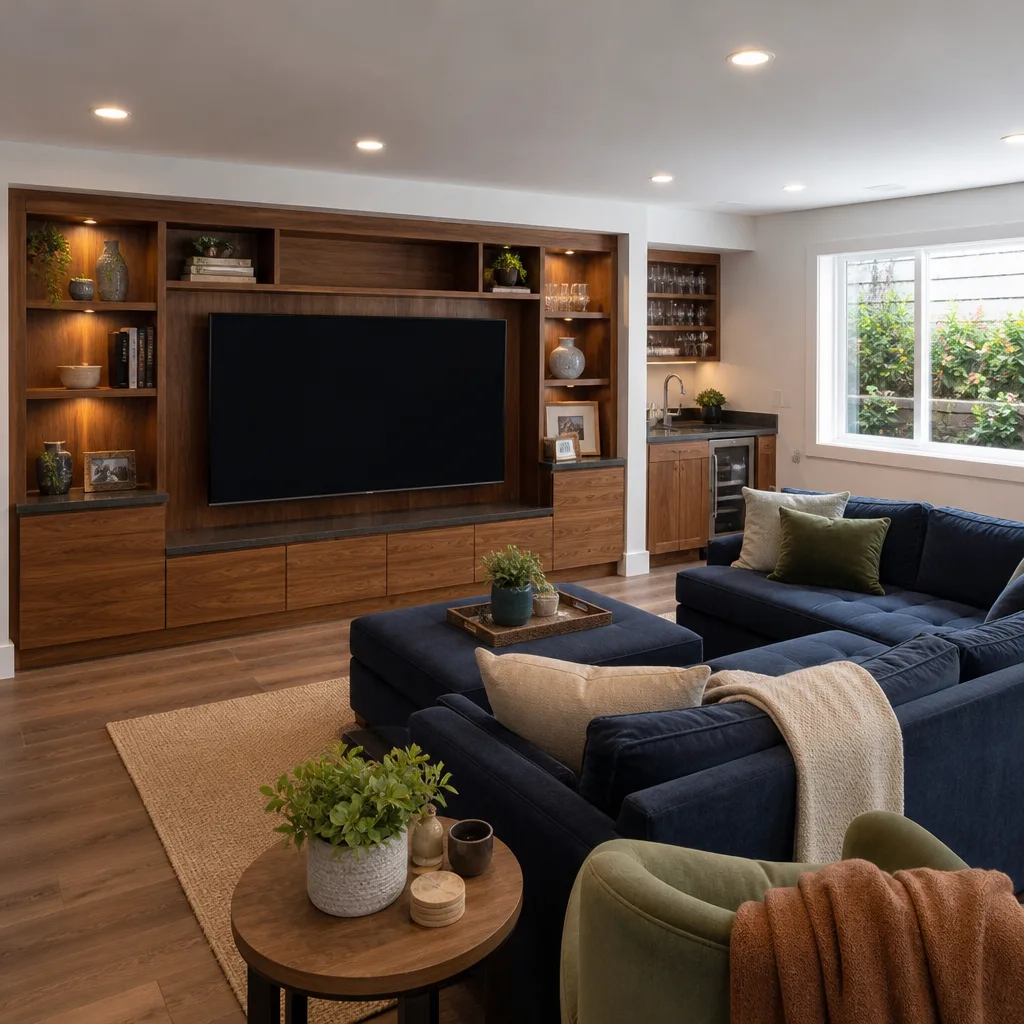
In Los Angeles, a full James Hardie fence installation runs $4,130 to $10,620 depending on linear footage, soil conditions, fence height, and whether we’re doing a complete tear-out or a partial replacement. Partial sections, where we cut out and replace only the failed panels and rails, run lower, but if the posts are moving or the framing is compromised, the honest fix is a full section rebuild.
What that price includes, in writing, every time:
- Demolition and haul-away of the failed fence section.
- Concrete footings at code depth for Los Angeles soil conditions, with gravel base for drainage.
- Pressure-treated rails and posts, properly gapped from grade.
- James Hardie panels or planks, cut to spec and fastened with hot-dipped galvanized or stainless hardware.
- Trim, caulking at all joints, and touch-up paint or pre-finished panels where specified.
Our price is a fixed number before we start. Not an estimate that drifts. The 365-Day Done Right Promise covers every completed fence installation: if the work fails inside one year, we return and correct it at no charge. That promise is written on the invoice you sign before the crew ever shows up.
DIY or Call Us?
What a homeowner can safely do: identify the symptoms above, take photos of the fasteners and the bottom edge, and pull a sample or note the panel thickness so you can tell us exactly what you have. That saves time on the estimate.
What goes wrong in DIY: fence work is less dangerous than, say, gas or electrical, but the failure mode is structural. A Hardie panel that lets go in a 60-mile-per-hour Santa Ana event becomes a 40-pound sheet moving fast, and it can take out a window, a car, or a person. The work also requires cutting cement board, which produces silica dust. We use proper respirators and dust control. A homeowner cutting it dry in a driveway is breathing something they should not.
The realistic assessment: if your failure is a single popped fastener or a small bottom-edge repair, a careful homeowner with the right sealant and stainless hardware can make a patch hold. If your posts are moving, your rails are soft, or more than one panel has failed, call us at (903) 568-7222 and get a written price. The estimate is free. The fix will be done once.
FAQs
Properly installed with correct ground clearance, stainless or hot-dipped fasteners, and sealed cut edges, a James Hardie fence should hold 20 to 30 years in Los Angeles. The Hardie product itself is engineered for that; what shortens the life is install error. Poor clearance from grade, wrong fasteners, and 24-inch framing can kill a fence inside five years. If yours failed early, the install is usually the problem, not the product.
Yes, if the failure is limited to the panel or rail and the posts are still plumb and solid. We cut out the failed section, inspect the framing, and replace what is compromised. If the posts have moved or the rail is soft along the fastener line, a patch just buys you a year before the next section fails. Our written estimate will tell you which situation you have. Call (903) 568-7222 and we will tell you straight.
Most Los Angeles fence installations run two to three working days from demo to final walkthrough. Partial replacements are often done in a single day. Footing cure time is built into the schedule, so no one is hanging panels on green concrete. The schedule is on the written estimate before we start, and a live person answers the phone 24/7 if you have a question mid-job.
We carry HardiePlank, HardiePanel, HardieTrim, and HardieSoffit stock on our trucks for common fence profiles, plus the correct hot-dipped and stainless fasteners. If you have a less common texture, like a Beaded or Stucco finish, we can order it through our Los Angeles supplier, usually within three to five business days. When we also stock parts for KraftMaid, Cambria, and Silestone on the interior side, it’s because we believe a materials list you can verify beats a promise you cannot. We will put the exact product name and thickness on your written estimate so you know what you are paying for.
If your James Hardie fence is failing in Los Angeles, call (903) 568-7222 for a free estimate. We will give you a straight number, a real scope, and a written guarantee that covers the work for a full year. That is The Garrison Standard, and it’s how Curtis Lane has run Bradford Remodeling from day one.
Written by Curtis Lane, Owner, Bradford Remodeling at Bradford Remodeling, serving Los Angeles and nearby areas.