Free written scope consultation - allowances, timeline, and change-order rules on paper before a single trade is scheduled
James Hardie Kitchen Remodeling: The Los Angeles Owner’s Guide
James Hardie kitchen remodeling in Los Angeles typically runs $16,520 to $53,100, and that range covers everything from a full gut-and-replace with HardieBacker cement board under the tile to a smaller refresh where we’re swapping out water-damaged substrate and rehanging cabinets on properly shimmed walls. Most owners discover they need this work when a dishwasher line leaks, moisture wicks up into the drywall or fiberboard behind the sink, and the substrate swells or crumbles. We stock HardieBacker board, the correct alkali-resistant mesh tape, and the screws James Hardie specs on our trucks, so we can usually start the same week we price the job.
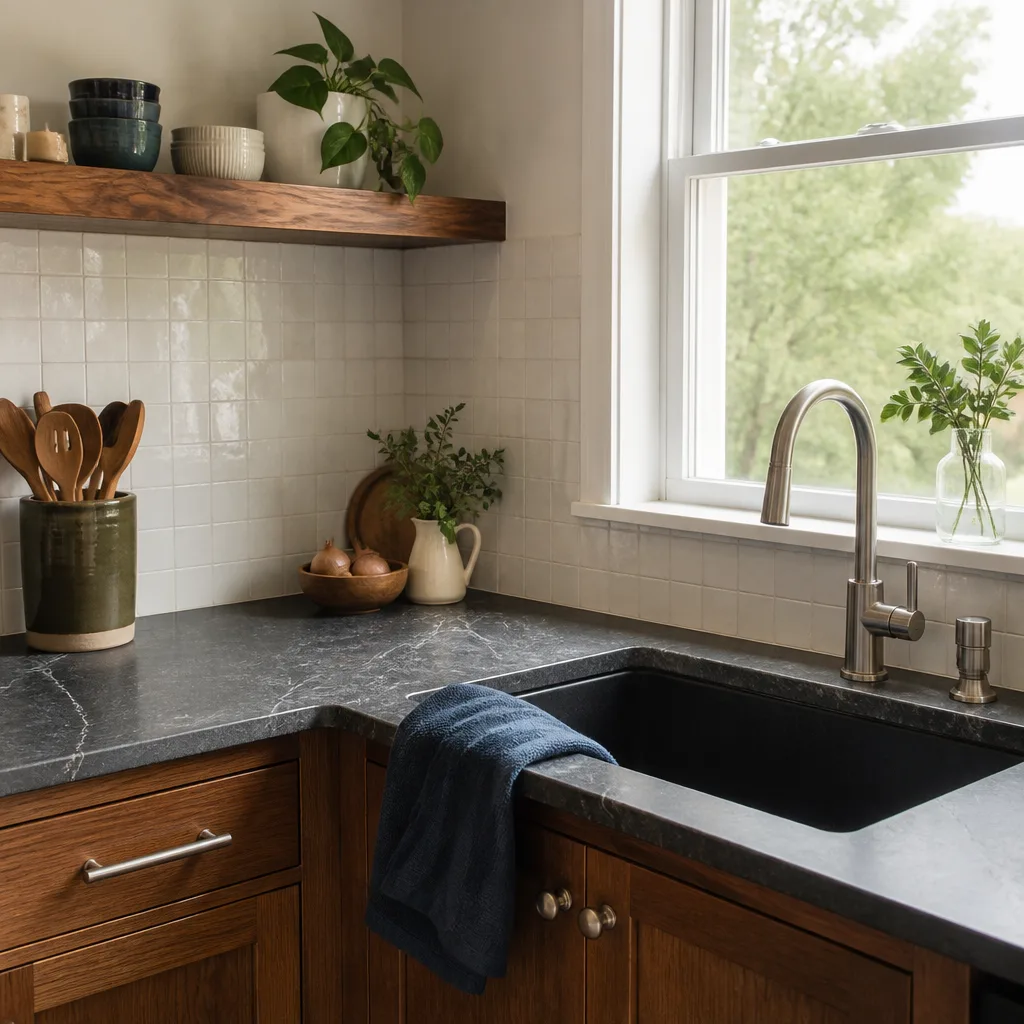
What usually brings a Los Angeles homeowner to this page is a failed part, not a dream remodel. Maybe the tile backsplash has cracked along the counter line because the old substrate flexed. Maybe the cabinet face pulled away from a wall that was never flat. Or the corner behind the sink is soft to the touch and the baseboard has started to stain. The fix starts with understanding what James Hardie product you have, whether it’s doing its job, and what the replacement scope actually costs in LA.
Key Takeaways
- James Hardie kitchen remodeling in Los Angeles costs $16,520 – $53,100, installed.
- Most failures trace back to substrate, not the finish surface. Fix the board first.
- Bradford Remodeling is an independent contractor, not affiliated with James Hardie. We install their products to manufacturer spec.
- Every price is written before work starts. No numbers move at the door.
- Call (903) 568-7222 for a free estimate and a line-item scope.
Which James Hardie Models This Applies To
In a kitchen, the James Hardie product in play is almost always HardieBacker 1/4″ cement board or HardieBacker 500 (the 1/2″ version). The 1/4″ board is the go-to for countertop underlayment and backsplash substrate behind tile. The 500 is what we use when we need a wall assembly to carry real structural load, like a heavy stone backsplash or a range hood mount. They are not interchangeable. The 1/4″ board is fiber cement with a smooth face and a grid pattern for fastener placement; the 500 is denser and carries a higher point-load rating.
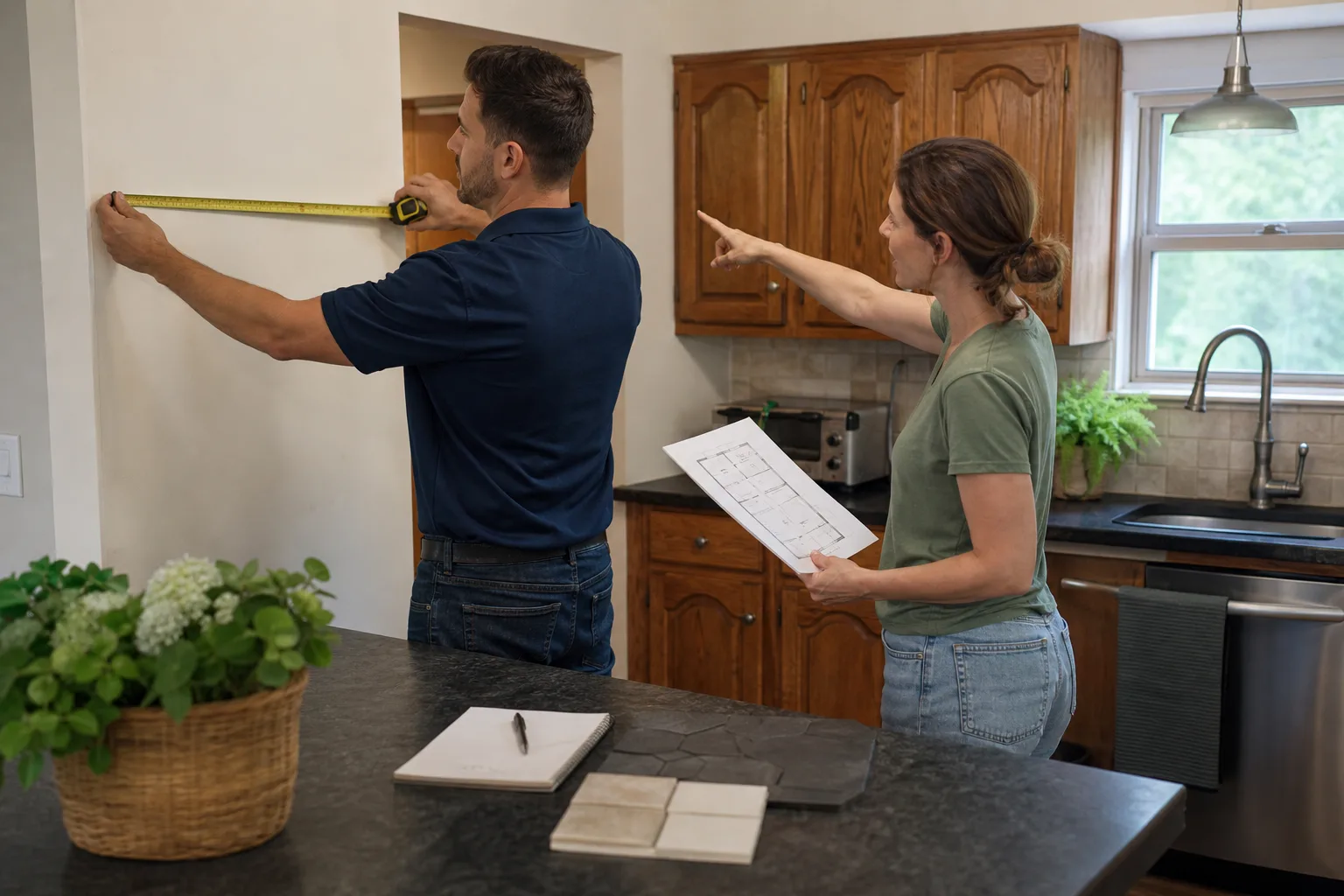
The compatibility gotcha we see on a lot of Los Angeles remodels: a homeowner’s old substrate is 1/2″ green board or, worse, 3/8″ particle board behind the sink. When we pull it out and swap in HardieBacker, the finished surface height shifts. If your countertop was set for a thicker substrate, we have to shim or adjust the reveal. That’s not a defect in the board. It’s a scope change that a lazy bidder hides and a disciplined one puts in writing up front. Curtis Lane grew up in the Crenshaw district, so he knows LA wall framing that has settled, twisted, or been patched by three different hands since 1954. We measure before we quote.
On the OEM-versus-aftermarket question: for the board itself, we use genuine James Hardie HardieBacker. There are competitor cement boards, and some are perfectly fine, but when a homeowner asks for James Hardie by name, we don’t substitute. For the mesh tape, screws, and sealant, we use products rated for alkaline environments, which is what fiber cement demands. Cheap fiberglass tape not rated for cement board will fail at the seams within a few years. That’s not worth saving nine dollars on a roll.
Styles & brands we work with
Signs Your James Hardie Kitchen Remodeling Is Failing
- Tile cracking along the counter line or at inside corners. The substrate is flexing. HardieBacker doesn’t flex the way drywall does, so this usually means the original install used the wrong board or skipped fasteners at the seam edges.
- Soft spots or staining at the baseboard behind the sink. Water has found a path behind the backsplash. The board may still look fine from the front while the stud bay behind it is quietly rotting. In Los Angeles, with our dry summers and occasional deep winter rains, water doesn’t dry out of a closed cavity on its own.
- Grout cracking out in vertical lines over a stud. Fastener pattern misses. HardieBacker is printed with a grid for a reason. When installers ignore it, the board doesn’t get enough screws at the right spacing, and the grout line telegraphs where the board is moving between fasteners.
- Countertop slope or a bounce when you press down. We see this when someone installed 1/4″ HardieBacker over a substrate that wasn’t flat. The board conformed to the dip instead of the installer floating it level first. Over time the tile follows the low spot and cracks.
- A seam that has opened up under the backsplash tile. The mesh tape failed or was never embedded in thin-set. The fix is not caulk. The fix is opening the wall, retaping with alkali-resistant mesh, and re-tiling. Caulk just hides it for six months.
See the difference
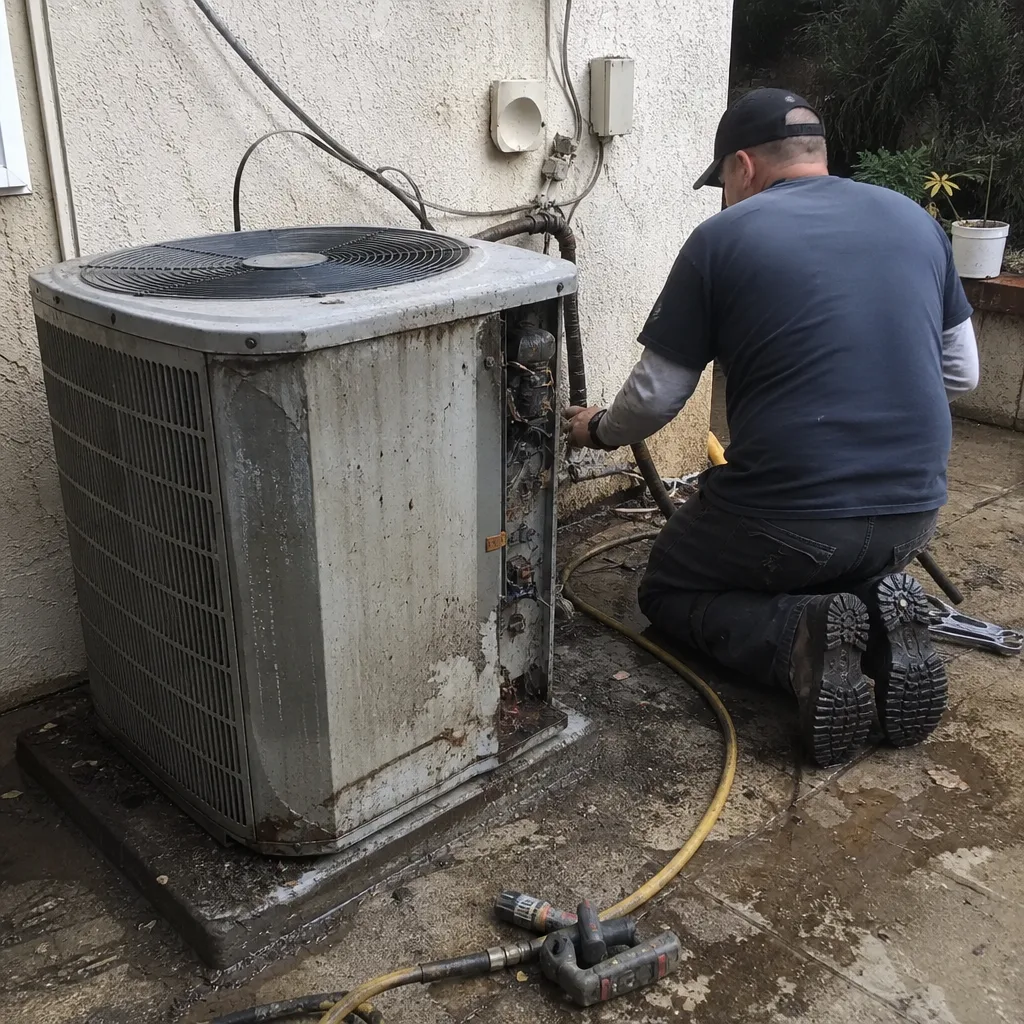 Before
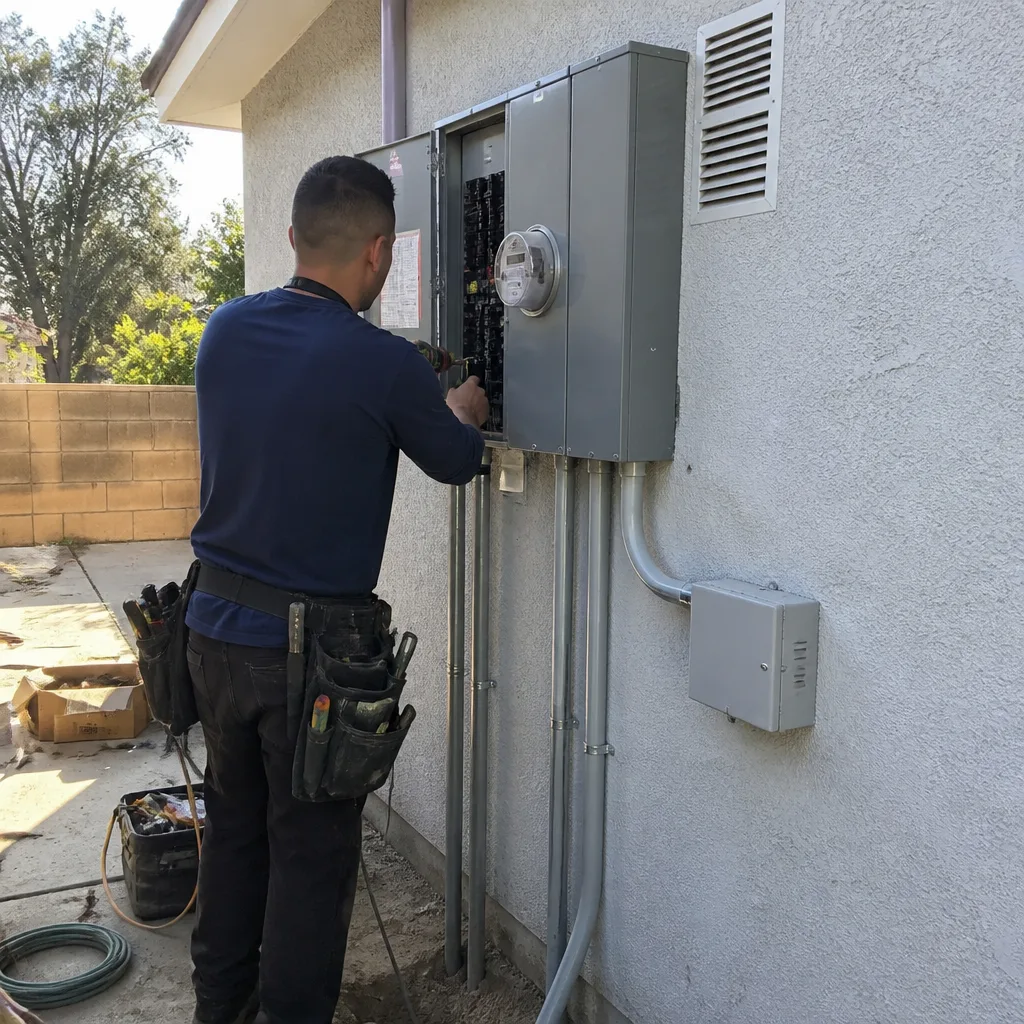 After
After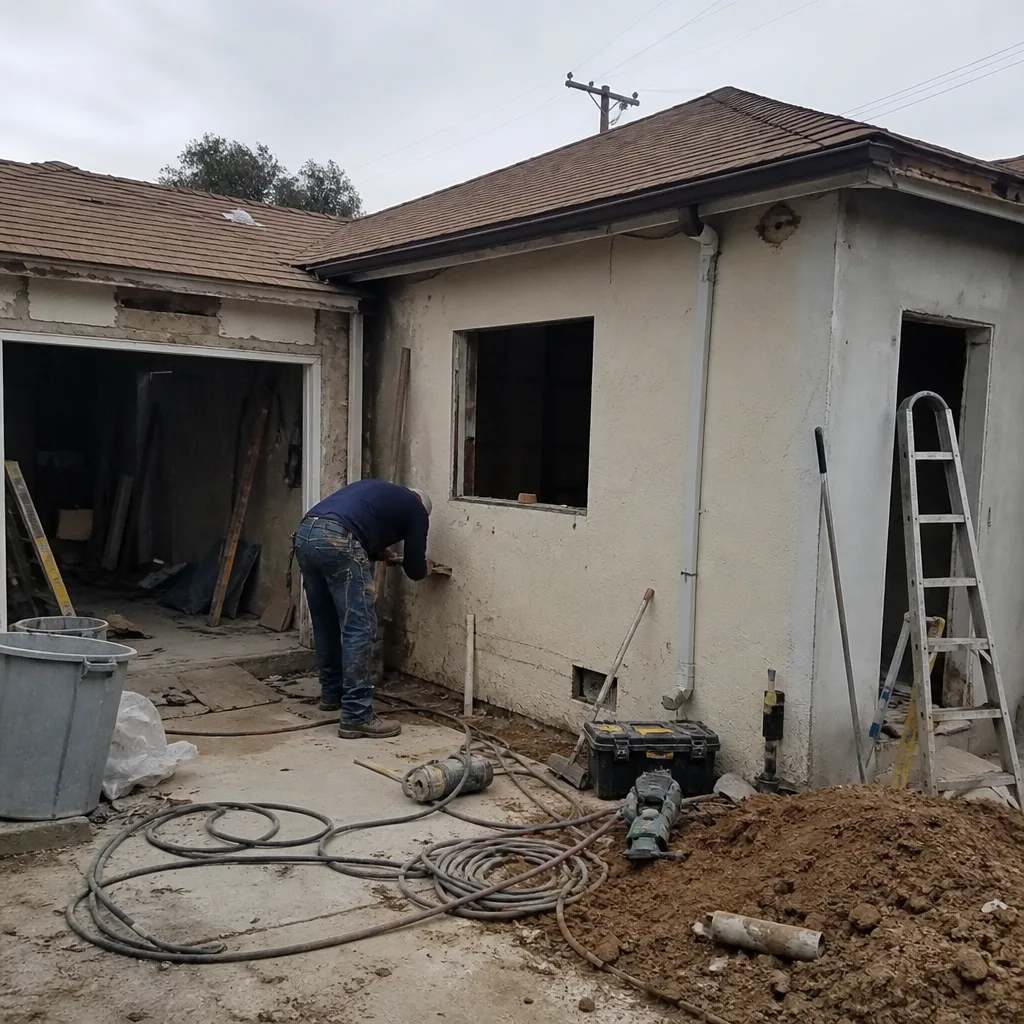 Before
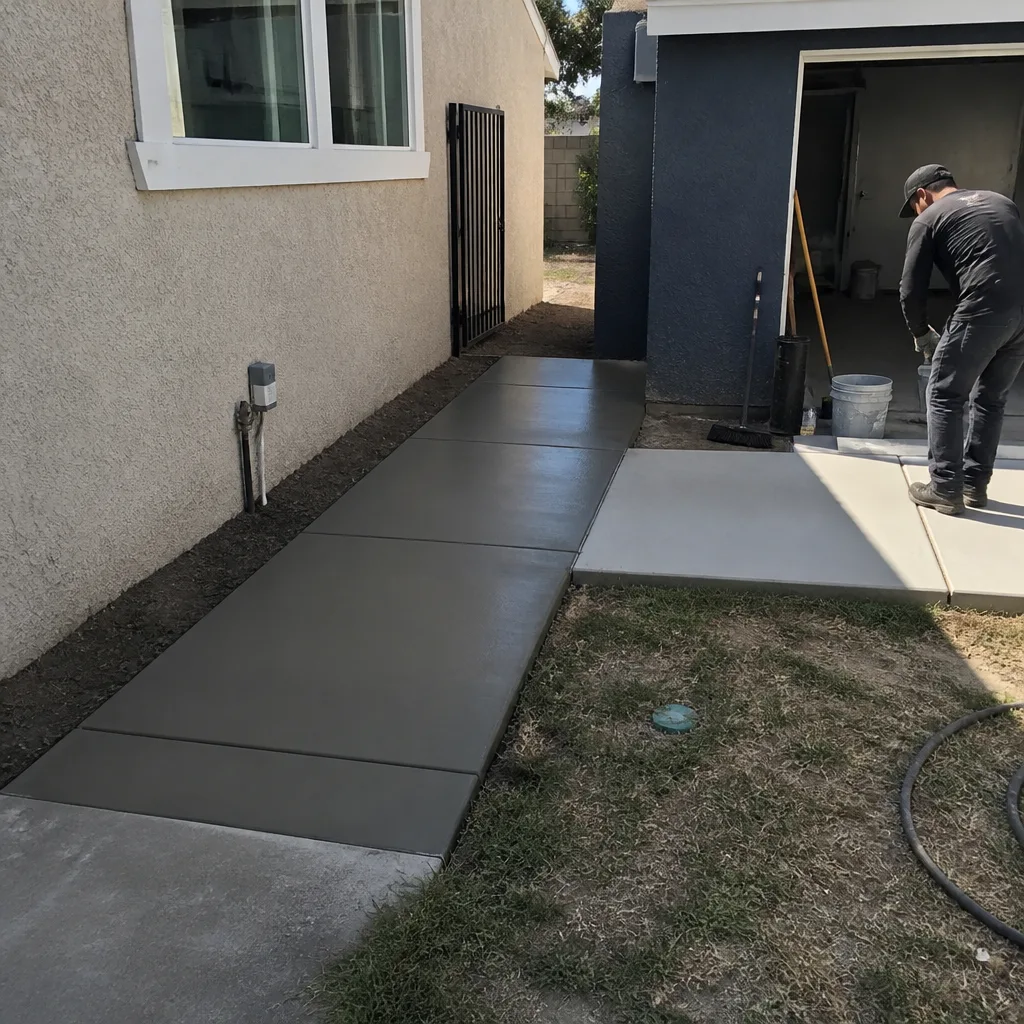 After
After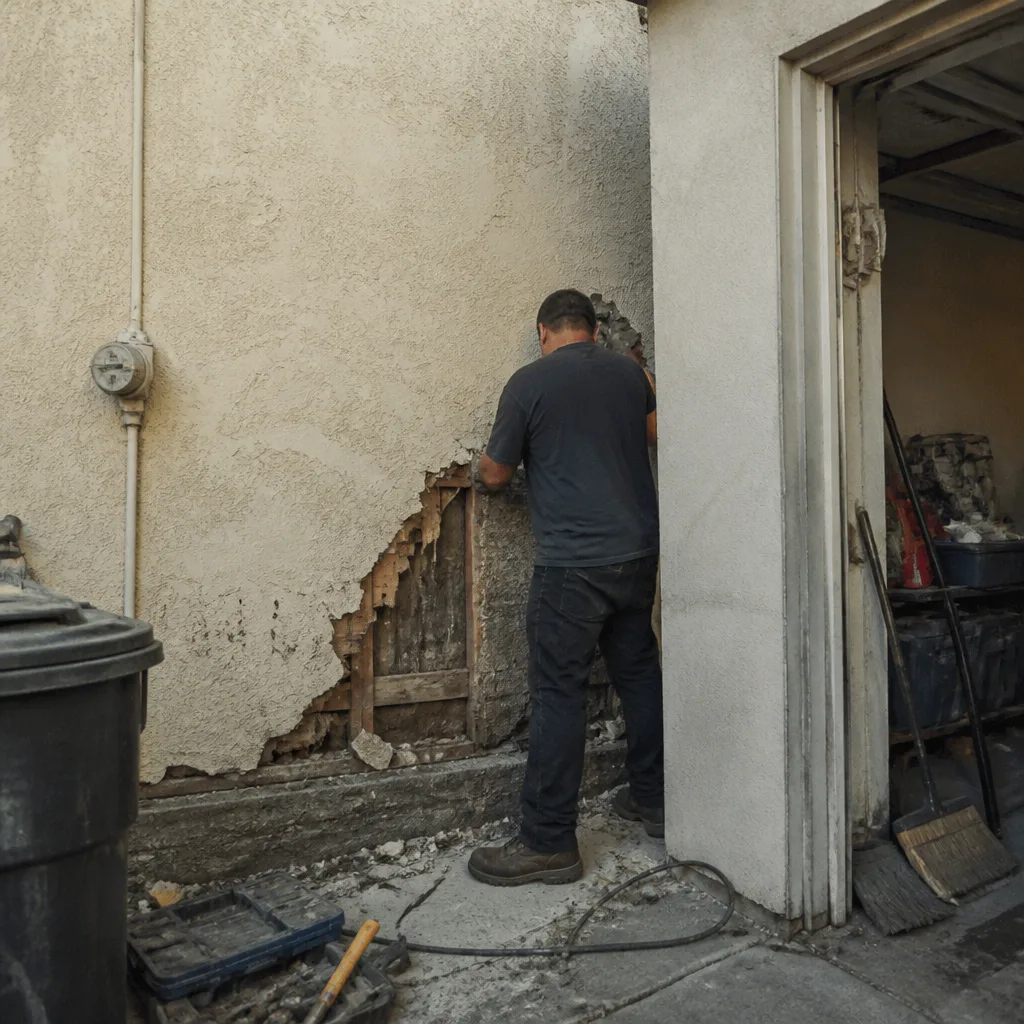 Before
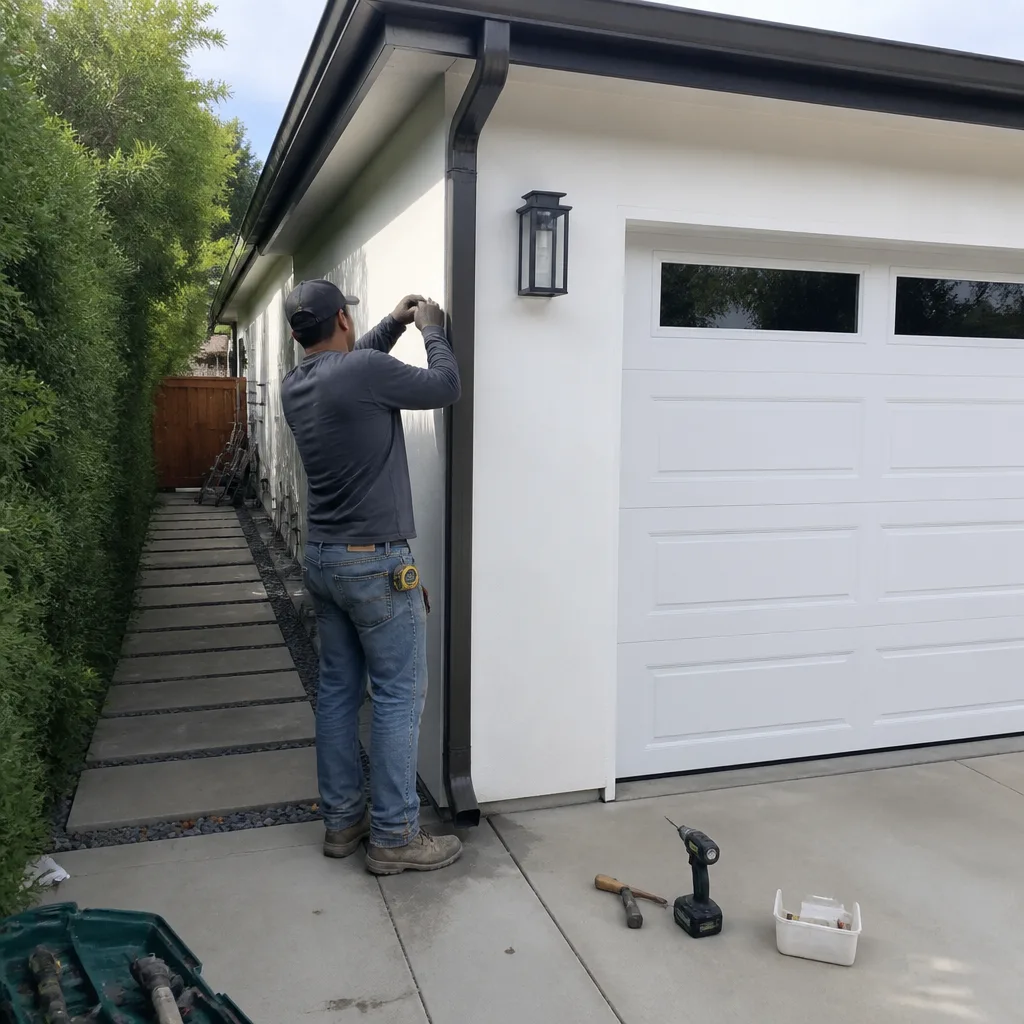 After
AfterReplacement Cost & What’s Included
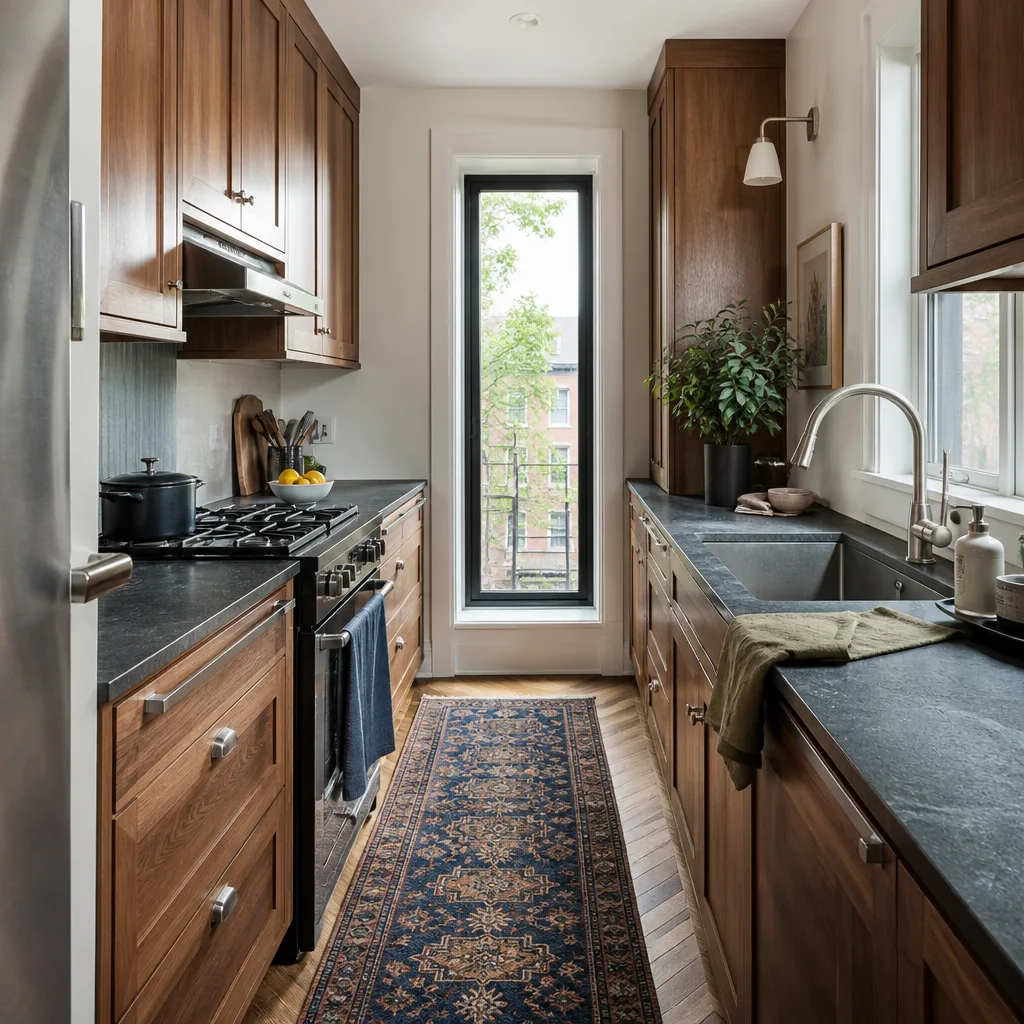
A full kitchen remodel with James Hardie products in Los Angeles runs $16,520 to $53,100. A smaller scope, like a backsplash replacement and substrate rebuild behind a sink wall plus new countertop underlayment, lands closer to the bottom of that range. An island build with HardieBacker-wrapped sides, new cabinetry, and a stone top pushes toward the top.
| Scope | Los Angeles Installed Range |
|---|---|
| Full kitchen remodel (James Hardie substrate, new cabinets, counters, backsplash) | $16,520 – $53,100 |
| Small kitchen remodel (limited footprint, HardieBacker rebuild) | $10,620 – $23,600 |
| Cabinet installation | $4,720 – $15,340 |
| Countertop installation (with HardieBacker underlayment) | $2,360 – $7,670 |
| Backsplash installation (with James Hardie substrate) | $945 – $2,950 |
| Kitchen island installation | $3,540 – $11,800 |
Every one of those numbers gets written down before we start. That’s The Garrison Standard. You’ll see the line items for demo, substrate, board footage, tape and fastener count, tile, grout, and sealant. If the old substrate comes out and the studs behind it are worse than we expected, we show you before we add a dollar. The work itself carries the 365-Day Done Right Promise: if the board, tile, or anything else we touched fails inside a year, we come back and correct it at no charge. That promise is in writing, signed, and in your hand at job close.
DIY or Call Us?
You can check a few things safely. Pull the lower cabinet drawers out and look at the wall behind the sink base. Press along the baseboard with a finger. If it gives, or if there’s a musty smell, you’ve found the problem. You can also tap the backsplash with a knuckle, a hollow sound means a void behind the board.
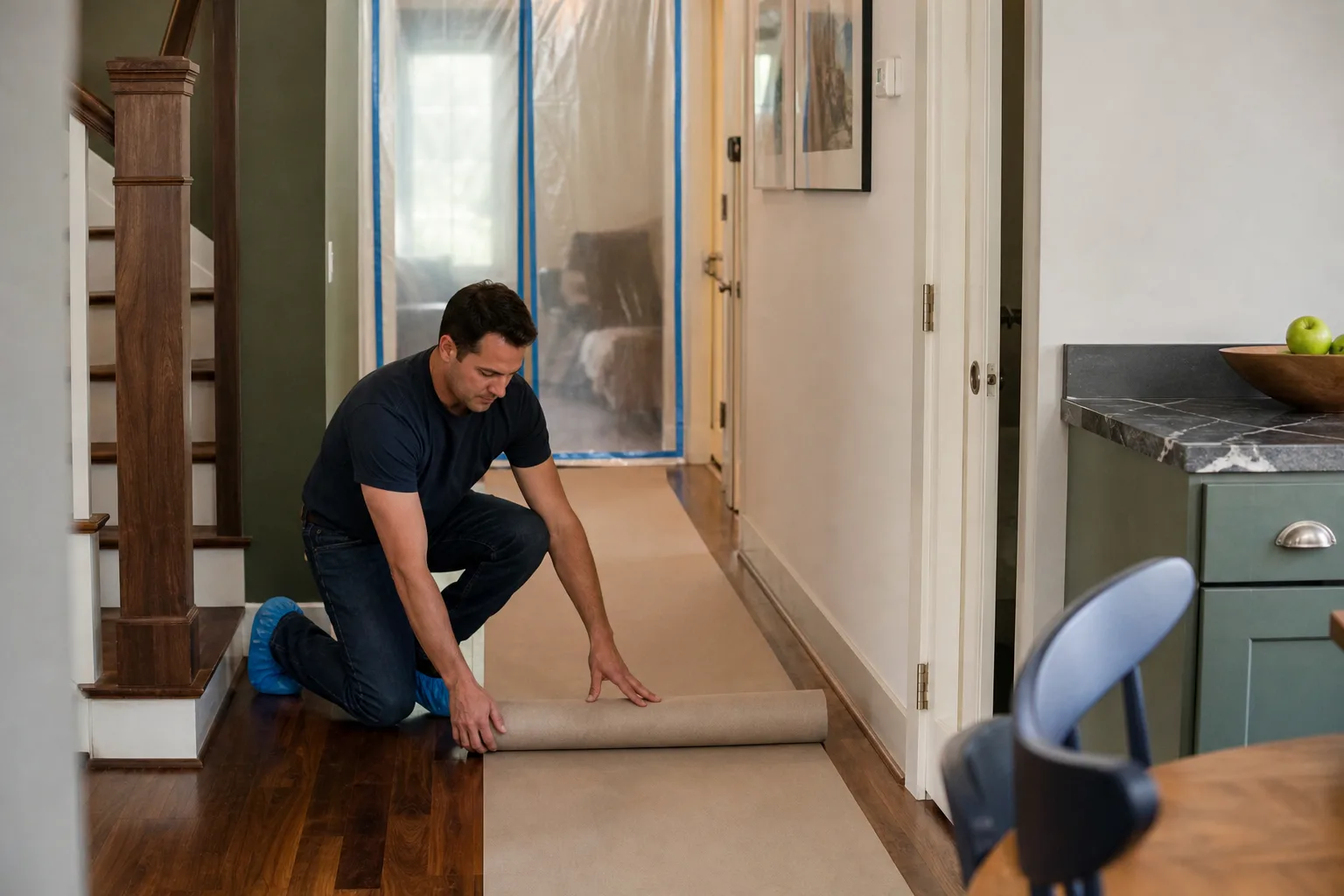
What you shouldn’t do is start cutting out cement board if you’re not sure what’s behind it. Fiber cement dust is silica dust, and in an enclosed Los Angeles kitchen with a recirculating range hood, that dust hangs in the air. We use HEPA extraction and negative air. And if the failure is near a gas stub for the range, don’t open that wall yourself. Call (903) 568-7222 and we’ll send someone who does this every week. Straight number, real scope, no surprises at the punch list.
FAQs
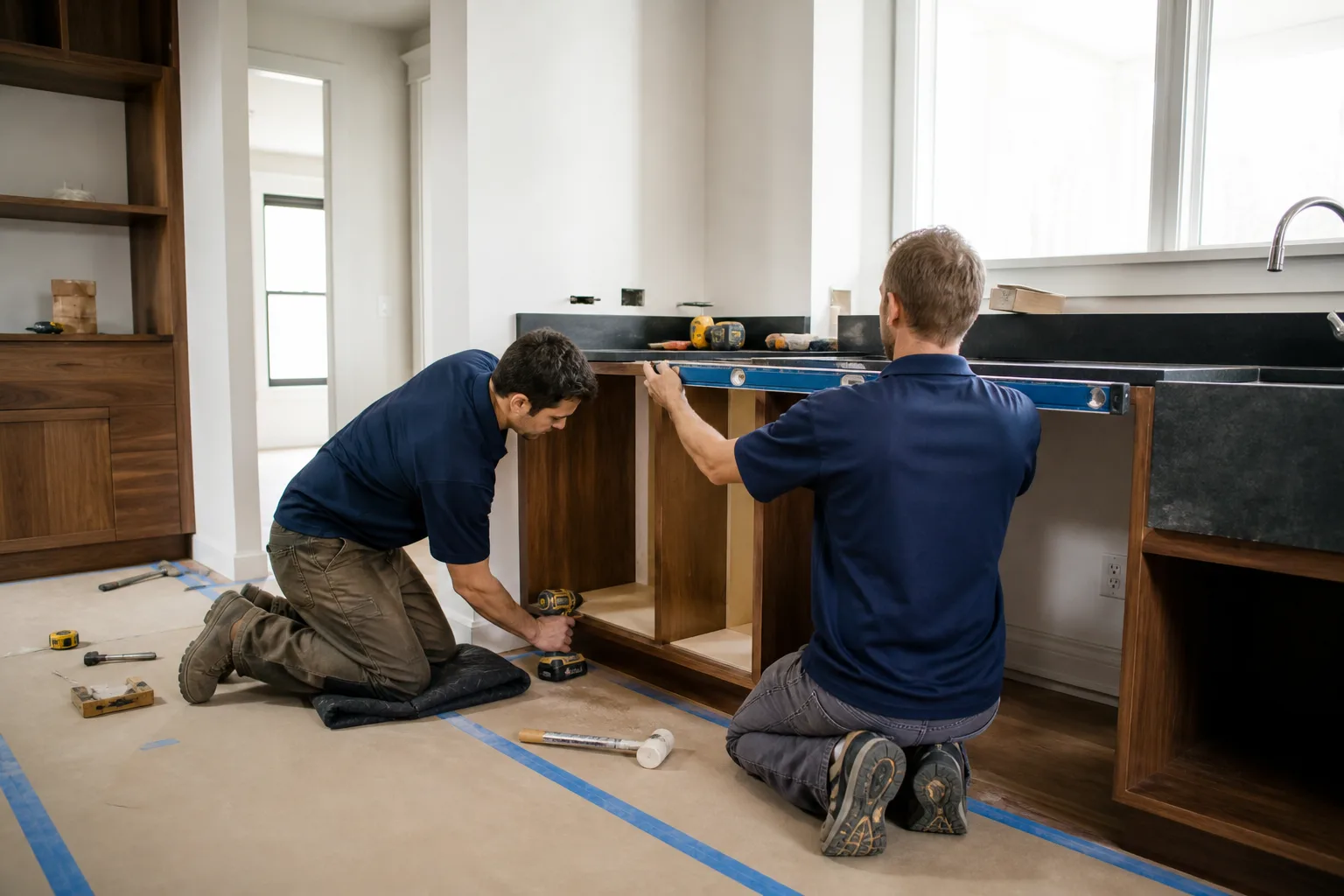
Properly installed HardieBacker lasts the life of the kitchen, typically 30 years or more, because cement board doesn’t rot, swell, or support mold the way gypsum or particle board does. The failure we see in older Los Angeles homes is almost never the board itself; it’s the seams, the fasteners, or the thin-set bond from a rushed install.
Yes, and that’s the more common job we do. If the failure is confined to one wall, like the sink run or the island face, we cut out the affected board, inspect the studs, replace with new HardieBacker, retape with alkali-resistant mesh, and retile. You don’t pay for a full remodel. Call (903) 568-7222 and we’ll tell you if a section repair is enough.
For a single wall section, the board and tile work is usually done in two to three working days, with a day for the thin-set and grout to cure before you put the countertop load back on it. A full kitchen remodel with James Hardie products typically runs four to eight weeks depending on cabinet lead times from KraftMaid or Wellborn.
We stock 1/4″ HardieBacker and HardieBacker 500, the matching alkali-resistant tape, and the correct corrosion-resistant screws on our service trucks. If your job needs a specialty thickness or a larger order, we pull it from our Los Angeles supplier the same week we schedule the work. We also carry Cambria and Silestone surfaces for the finish layer, so the substrate and the top are spec’d together.
No, not unless we find hidden damage and you approve a change order in writing first. The price you get before we start is the price you pay unless the scope changes. That’s The Garrison Standard, and it’s how Bradford Remodeling has operated since 2004.
Written by Curtis Lane, Owner, Bradford Remodeling at Bradford Remodeling, serving Los Angeles and nearby areas.