Free written scope consultation - allowances, timeline, and change-order rules on paper before a single trade is scheduled
James Hardie Roofing: The Los Angeles Owner’s Guide
If you’re searching for James Hardie roofing in Los Angeles, you likely have a product that’s weathered, cracked, or pulled loose at the fasteners. We stock Hardie-compatible roofing components and install them for $470 to $2,125 depending on the scope, with most small repairs done in a single visit. The part fails quietly: a corner lifts, a seam opens after a Santa Ana wind event, or you spot staining at the soffit line that wasn’t there last spring.
Bradford Remodeling is an independent service provider. We are not affiliated with James Hardie, but we install their roofing products to manufacturer spec and we keep the common failure parts on the truck.
Which James Hardie Models This Applies To
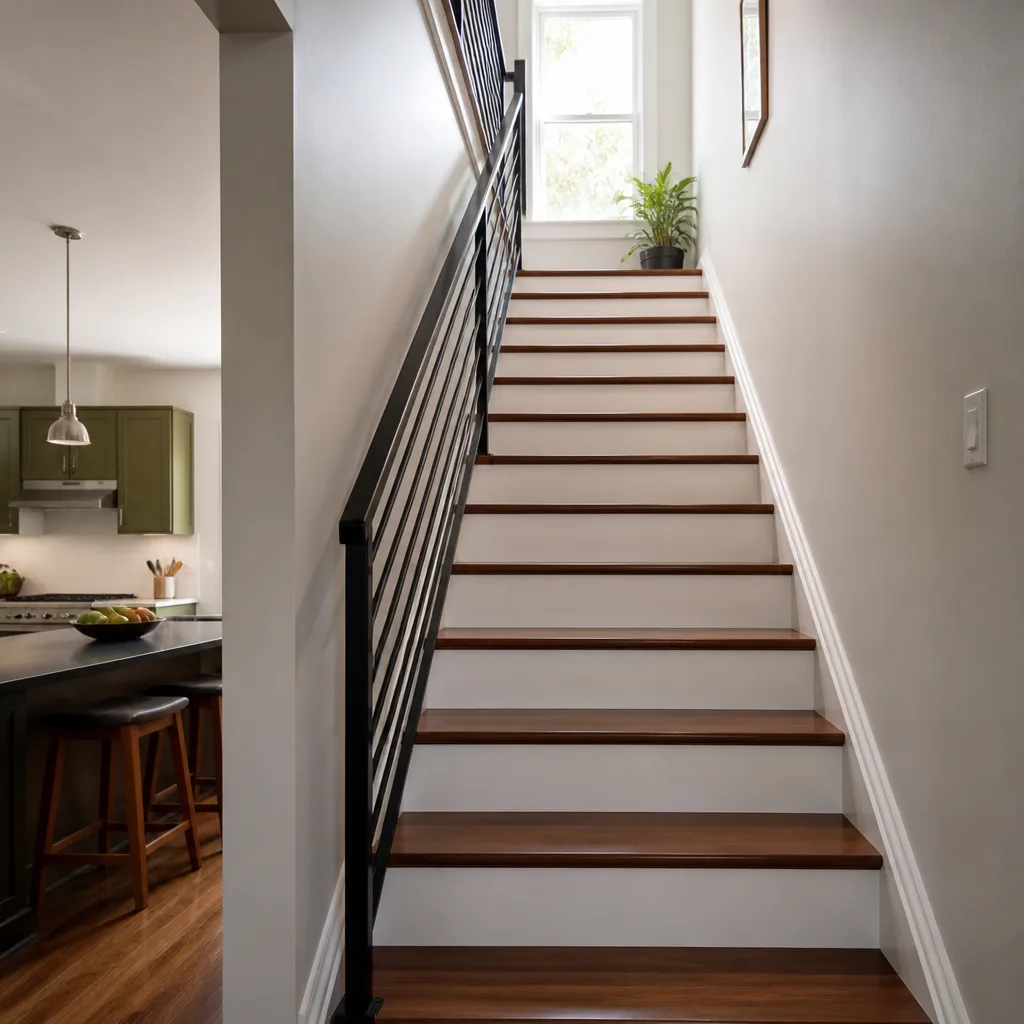
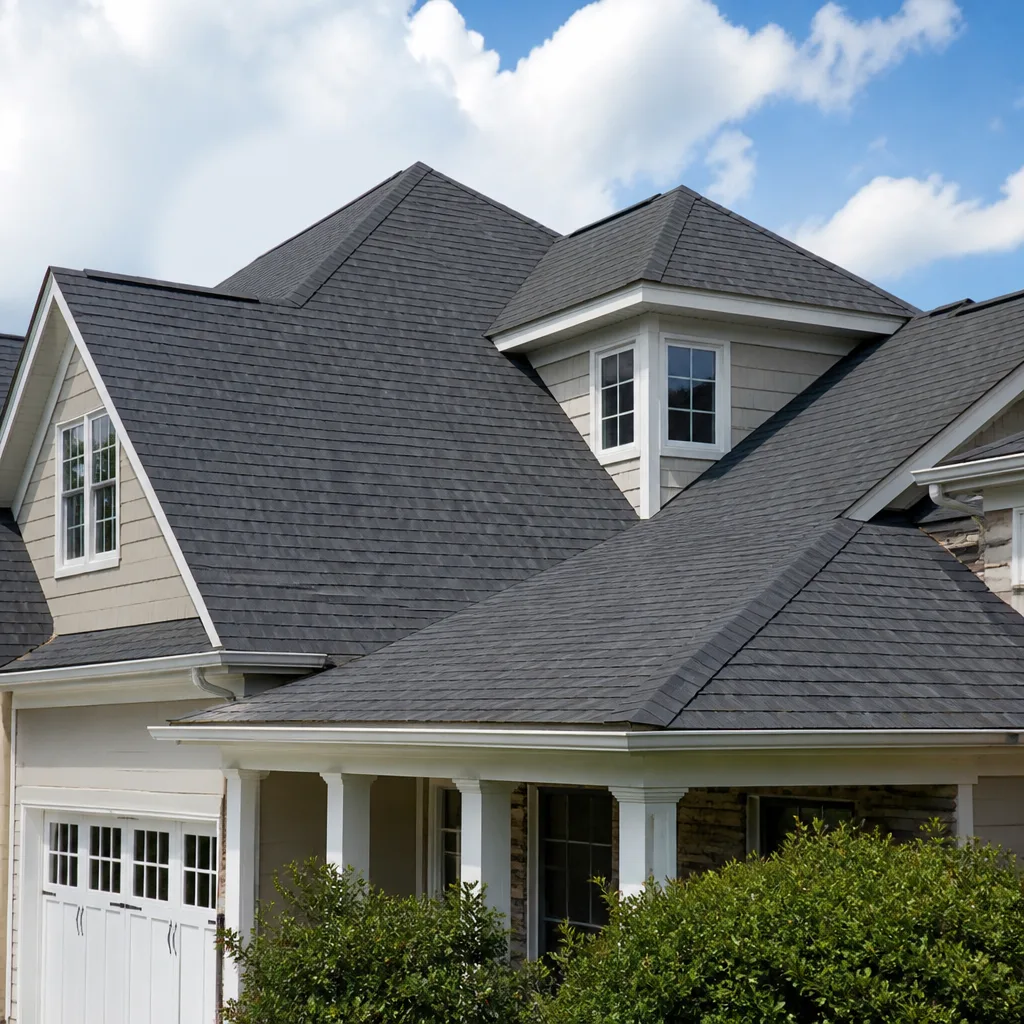
James Hardie’s roofing line is narrower than their siding catalog, but the compatibility questions are the same. The products we see most in Los Angeles are HardieSoffit panels, HardiePlank lap siding used as fascia cladding, and the HardieBacker cement board used as a roof-deck substrate under tile in valley and eave applications. Each has a different failure profile and a different set of matching fasteners and trim.
Identifying the right part starts with the label. Hardie products are stamped on the back face with the product code, thickness in millimeters, and the manufacturing plant. If the label is gone, measure the board thickness: HardieSoffit is 1/4 inch or 5/16 inch, HardiePlank runs 5/16 inch (0.31) in most residential facia applications, and HardieBacker for roof decking is 1/4 inch or 1/2 inch. The gotcha is the edge profile. Hardie’s vented soffit has a specific lap edge that doesn’t interlock with off-the-shelf fiber cement from other manufacturers. Mixing brands at the seam leaves a gap that shows up after the first winter rain.
On the OEM-versus-aftermarket question: for James Hardie specifically, we install OEM panels and trims whenever the roof line is visible from the street or a neighbor’s window. The color-match warranty and the fiber cement density are consistent across the batch. Aftermarket equivalents exist, but the installed savings on a soffit repair are usually under $100, and the color drift after two Los Angeles summers is not something we want to explain later. Where aftermarket makes sense is hidden roof-deck backer board, where the product is buried under tile and never seen. There we’ll spec a comparable cement board if it gets the job done within your budget.
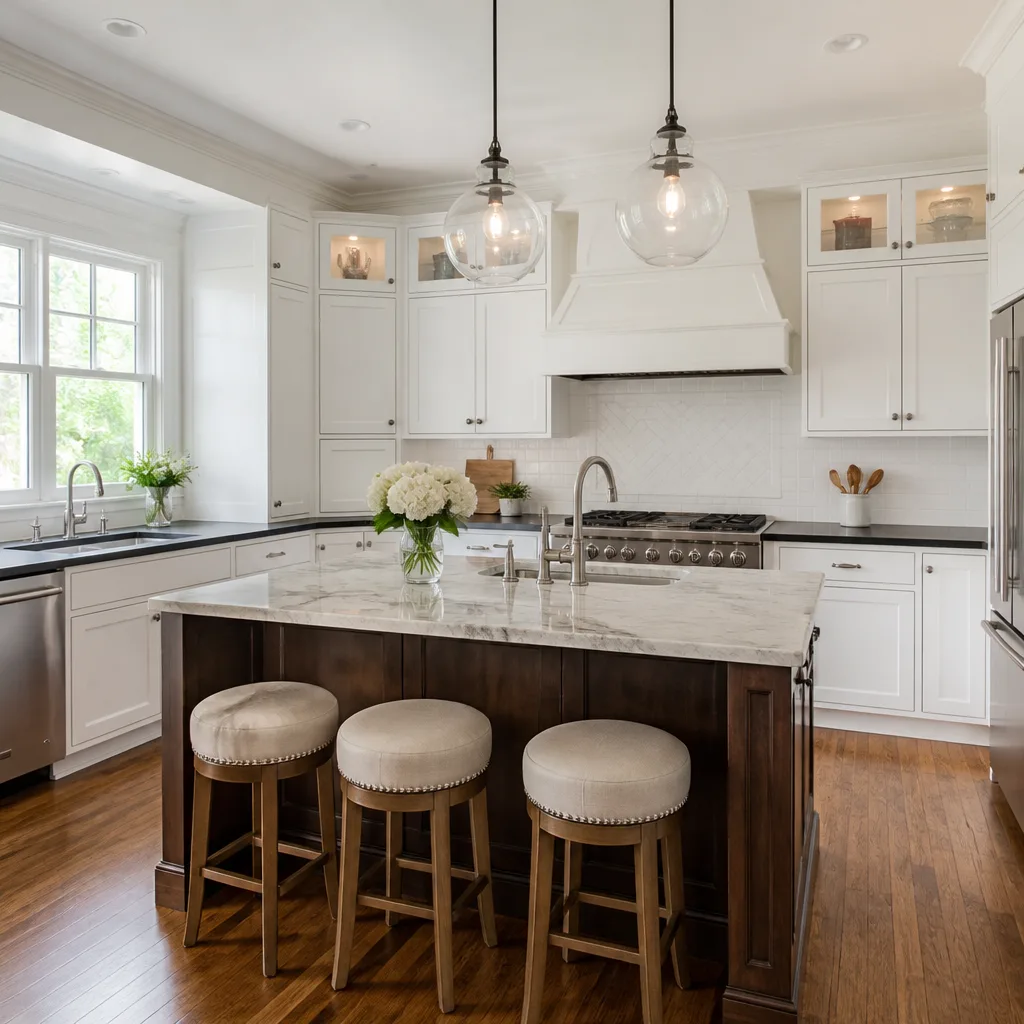
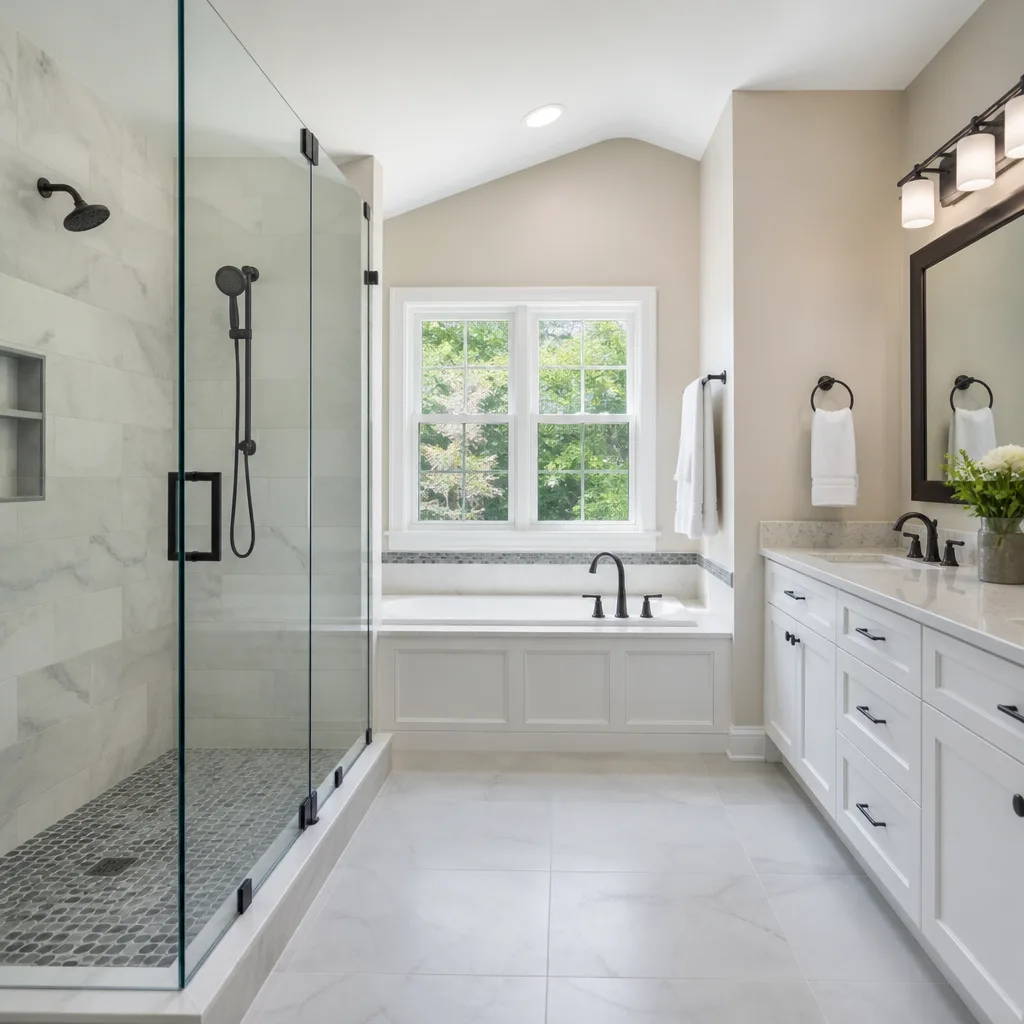
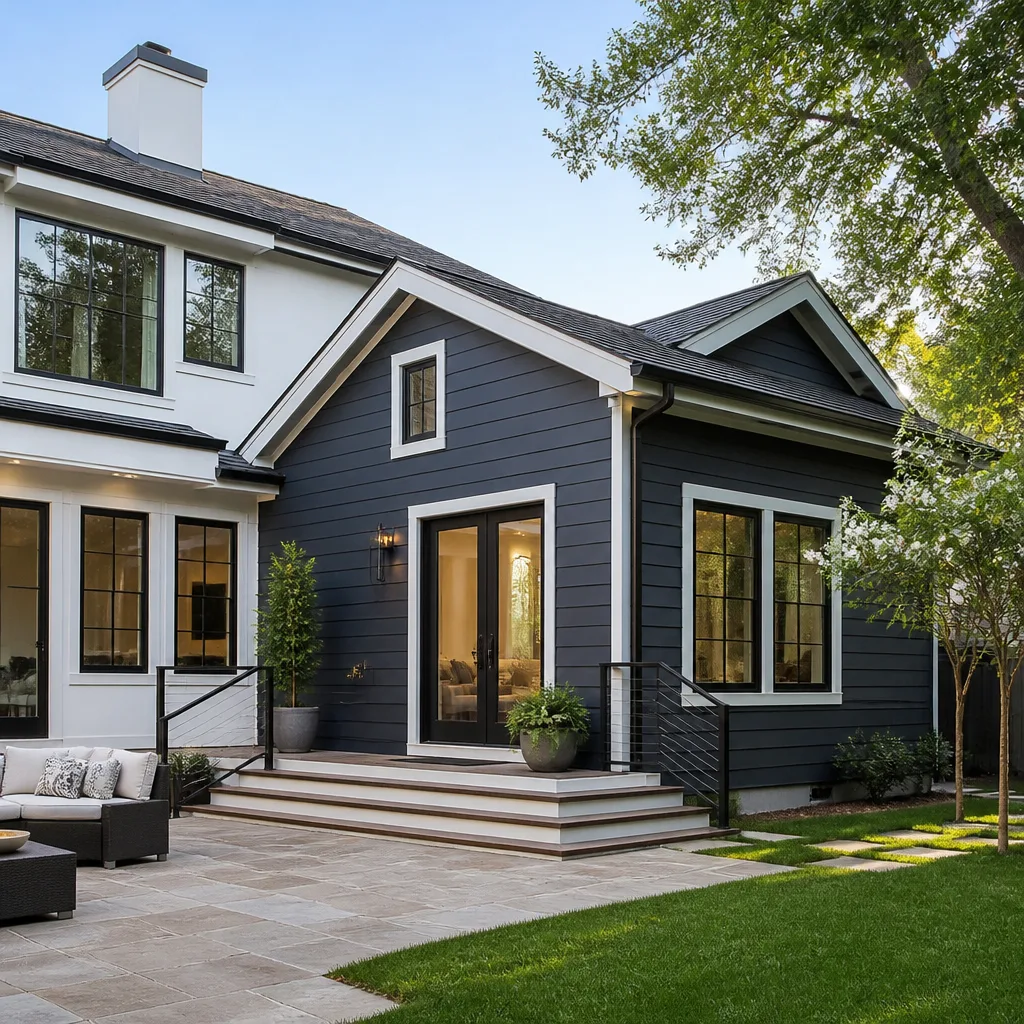
Styles & brands we work with
Signs Your James Hardie Roofing Is Failing
- Lifted panel corners at the eave line. This usually means the fastener has worn the fiber cement hole oblong, or the original installer drove the nail too deep and cracked the edge. You’ll see it most on the western and southern exposures where the afternoon sun cycles the board daily.
- Water staining on the soffit underside. That’s not the board failing, it’s what’s above it. A roof edge leak drips onto the soffit and the fiber cement wicks it. By the time you see the stain, the board has been wet for weeks.
- Visible seams opening between panels. Hardie boards move with temperature and moisture, and in Los Angeles the dry-wet swing between August and January is enough to open a seam that was butted too tight without the proper gap. Once the seam opens, the edge starts absorbing water and the board delaminates at the corner.
- Chalky, eroded surface with exposed fibers. Fiber cement wears in this climate, especially within three miles of the coast where salt air accelerates surface erosion. The board is structurally intact but it’s no longer the water barrier it was.
- Cracking at the fastener line. If you can see hairline cracks radiating from nail heads, the board was over-driven at install or the structure behind it has shifted. Either way, replacement is the fix, not caulk.
See the difference
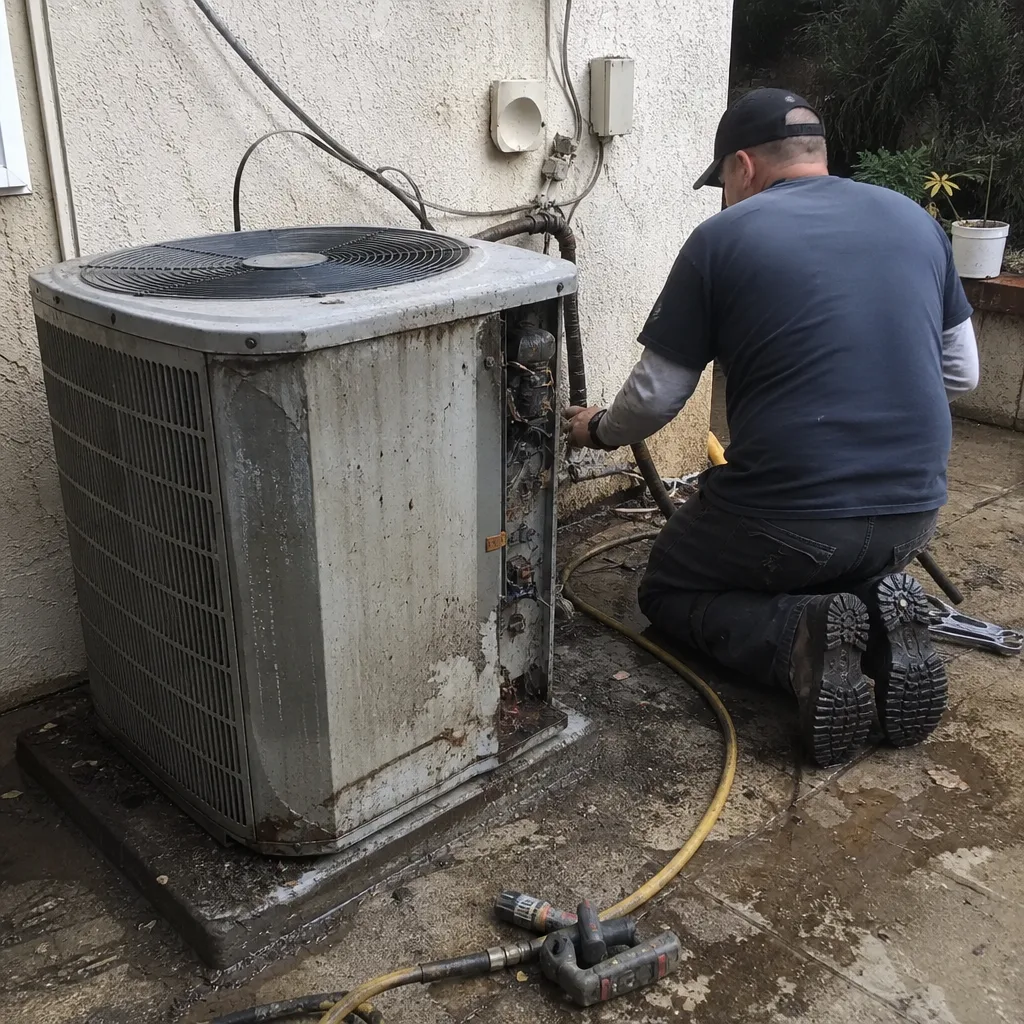 Before
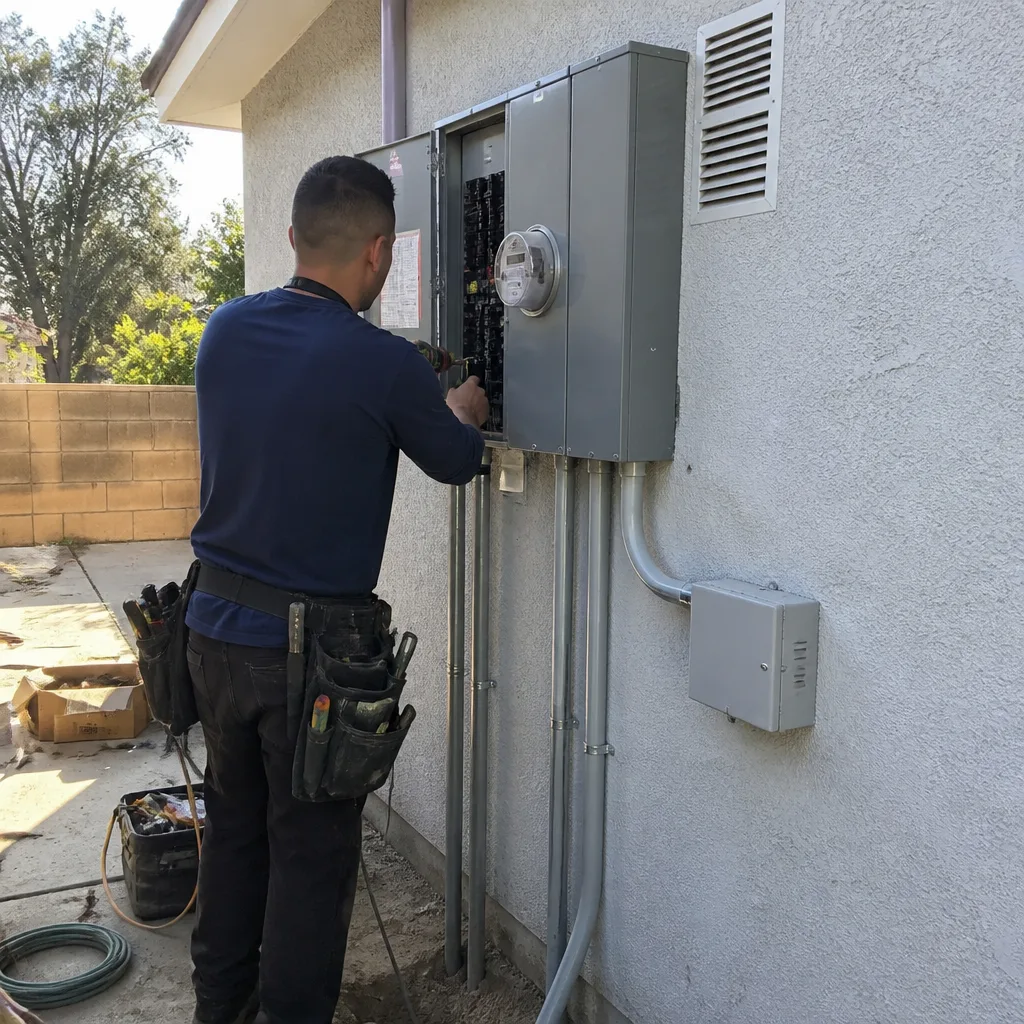 After
After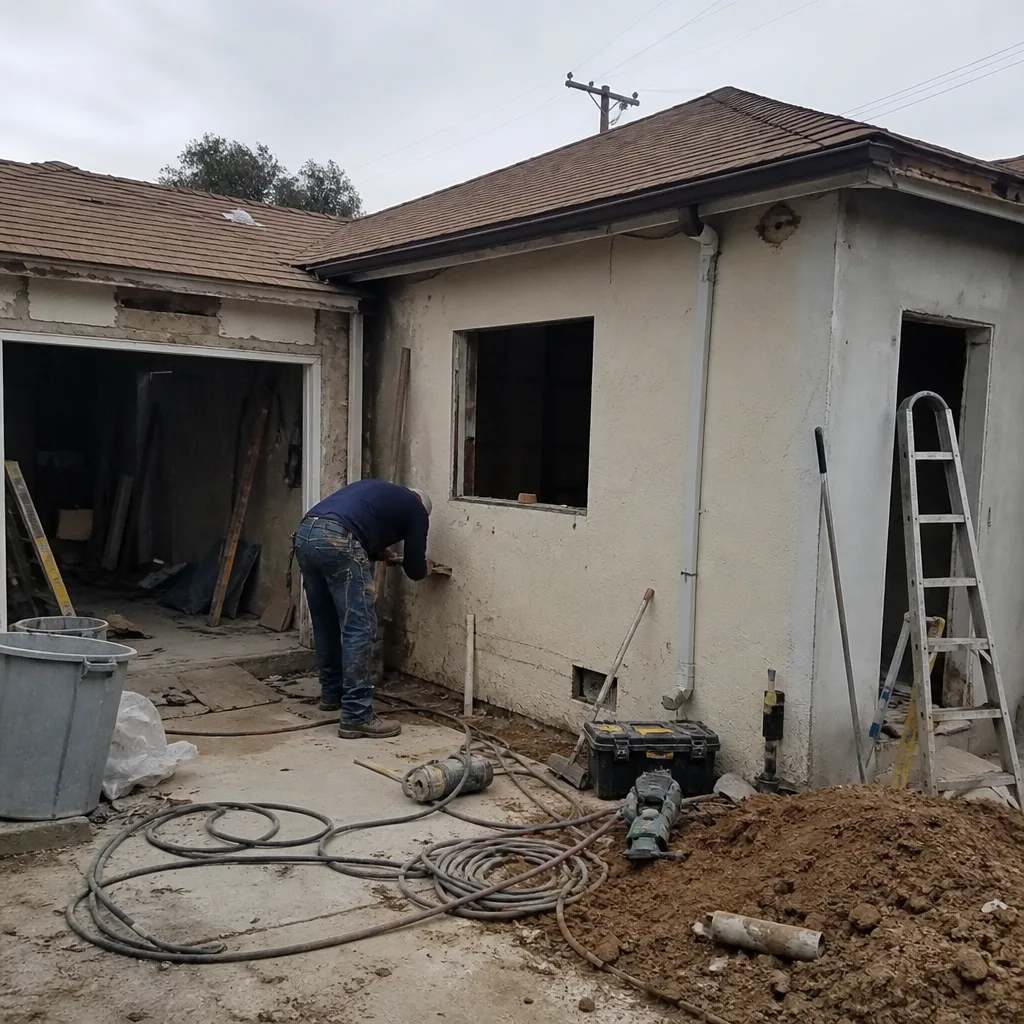 Before
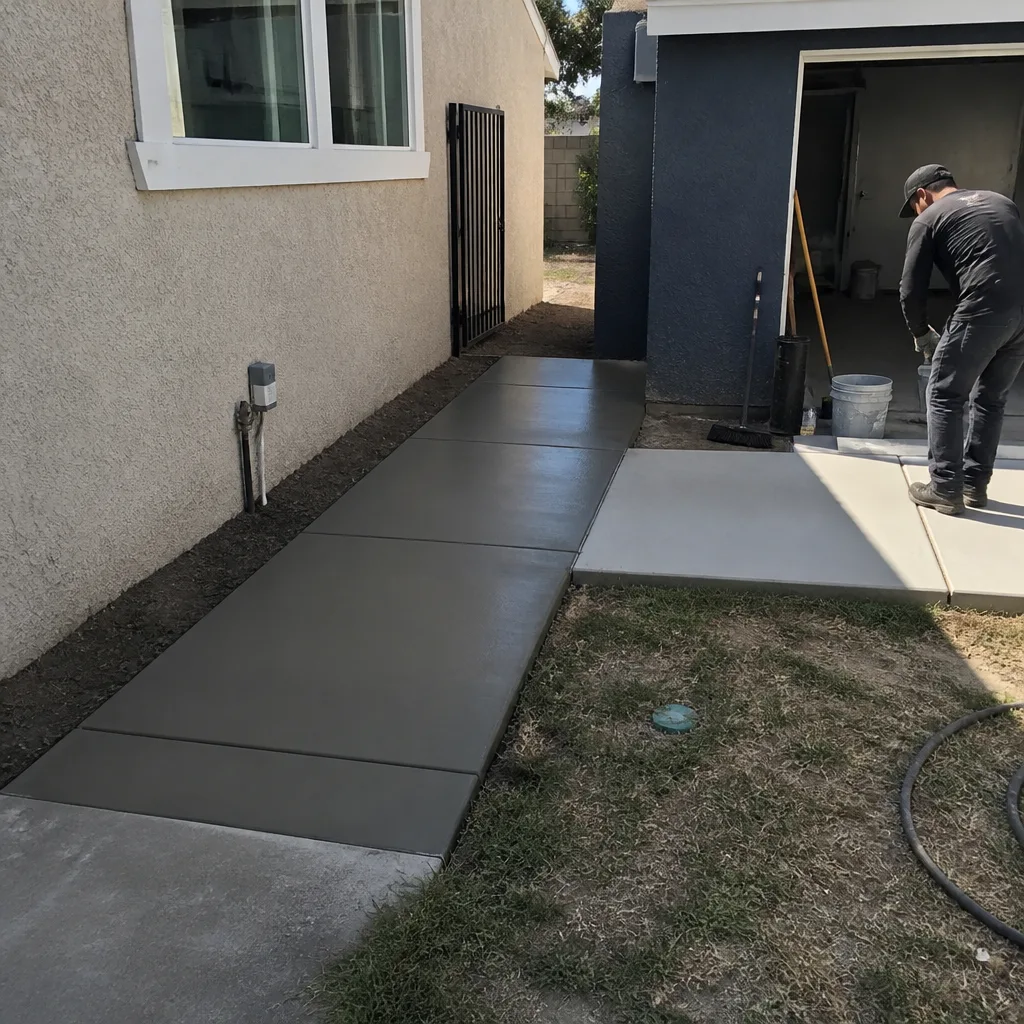 After
After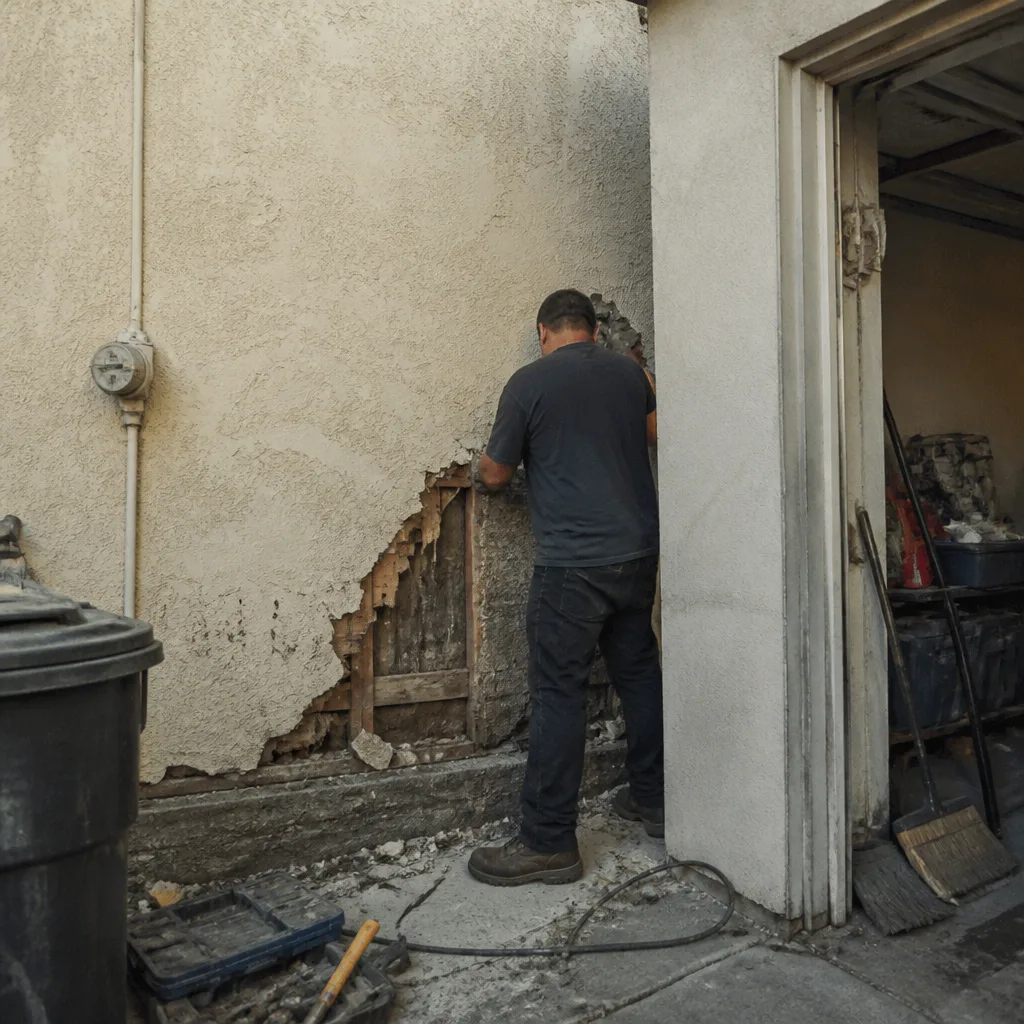 Before
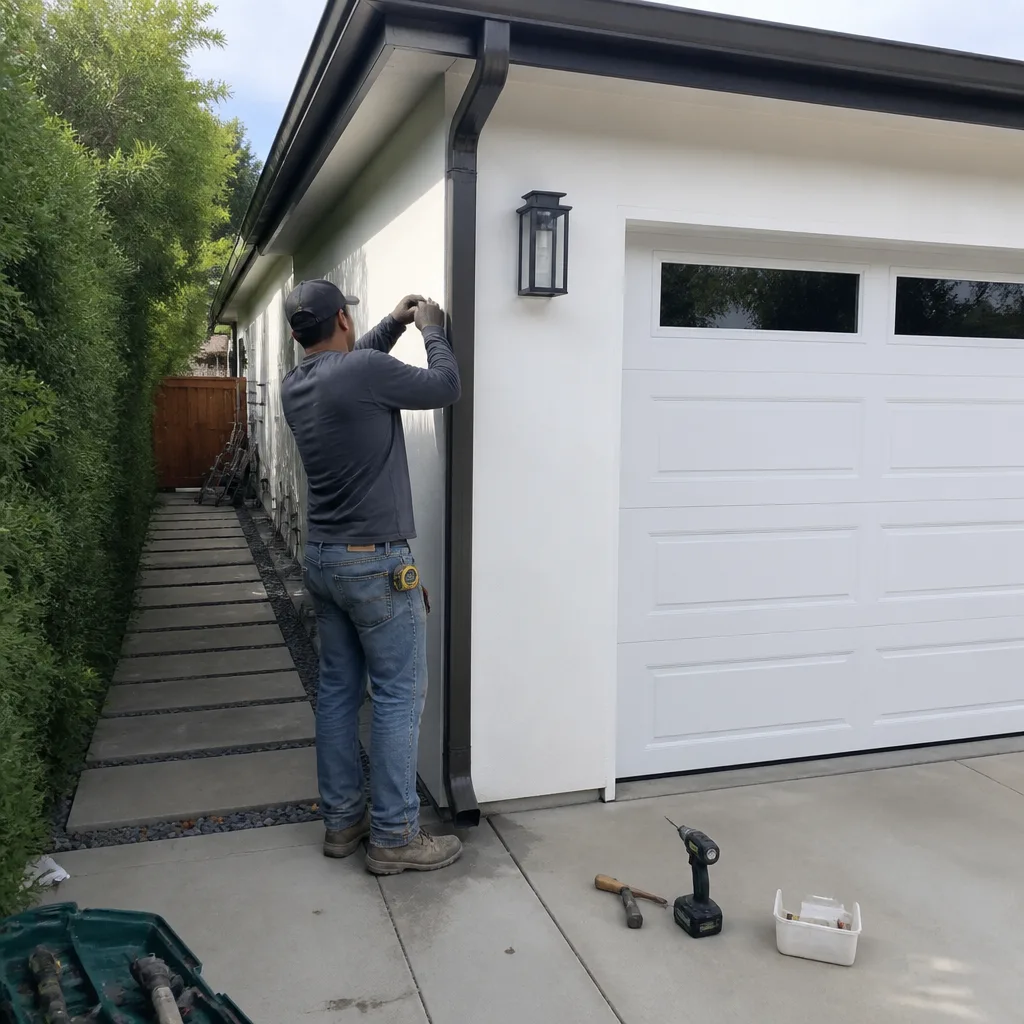 After
AfterReplacement Cost & What’s Included
Our repair pricing for James Hardie roofing work in Los Angeles runs $470 to $2,125. A single soffit panel replacement with matching paint sits at the low end. A multi-board fascia replacement with custom trim, new flashing, and paint matching runs at the top. The range is driven by access (single story versus second story), how much demolition is required before new board goes up, and whether we’re matching an existing Hardie color or repainting the entire eave line to blend.
Parts and labor are separated on the written quote. You’ll see the line-item cost for each panel, each piece of flashing, the fasteners, the sealant, and the labor hours. The written price you receive before work starts does not change at the door. That is the Garrison Standard, and it applies to every Bradford project.
Every completed job carries our 365-Day Done Right Promise. If the board we installed fails within one year, we return and correct it at no charge.
DIY or Call Us?
You can safely check a few things yourself. Confirm the brand markings, measure the visible panel width and thickness, and take photos of the failed area from three angles. That helps us quote the job accurately over the phone. What you shouldn’t do is pull the board yourself. The moment a soffit or fascia panel comes off, you’re now holding the structural edge of your roof open in Los Angeles weather, and the wood behind it may be worse than the board you’re removing. We’ve pulled boards on homes in Los Feliz and found rotted rafter tails the homeowner never would have seen until the next rain opened the ceiling below.
Curtis Lane started learning this work on his grandfather’s projects in Crenshaw, before he trained at LATTC and spent two decades on everything from foundation forms to finish carpentry. He’s the one who sets the standard: straight number, real scope, no surprises at the punch list. If the board is shot, call (903) 568-7222 and we’ll tell you what we see in the photos, what we expect it to cost, and whether it’s a same-visit fix.
FAQs
In Los Angeles, James Hardie soffit and fascia products typically last 20 to 30 years when installed with correct gaps and proper flashing, though coastal exposure within three miles of the water can cut surface life by several years. Call (903) 568-7222 if you’re at the 15-year mark and seeing edge erosion – we’ll tell you if it’s a repair or a full eave replacement.
Small cracks and surface erosion can be patched, but once the board has delaminated at a seam or the fastener holes have worn oblong, the board needs to come out. We won’t caulk over a structural failure and call it done.
A single-panel replacement is a same-day job in most Los Angeles homes, running two to four hours including paint match and cleanup. Multi-board runs or rotted substrate behind the board add time, and we’ll tell you the schedule before we start.
We stock the most common James Hardie soffit and fascia panels, the matching trims, and the correct fasteners on our trucks in Los Angeles, along with the color-match paint systems for the standard Hardie palette. If your product is a discontinued color or an unusual profile, we order it and schedule the install when it arrives.
Written by Curtis Lane, Owner, Bradford Remodeling at Bradford Remodeling, serving Los Angeles and nearby areas.