



Free written scope consultation - allowances, timeline, and change-order rules on paper before a single trade is scheduled
Moen Roofing: The Los Angeles Owner’s Guide
A failed Moen roofing component in Los Angeles typically costs $470 – $2,125 to repair, and a full roof replacement running Moen-compatible materials lands between $9,440 – $23,600 depending on square footage and substrate condition. We stock the common Moen-spec flashing, vents, and edge details on our trucks, which means most single-part failures get diagnosed and fixed in one visit. The first sign is usually water staining on a ceiling or a musty smell in the attic after rain, followed by visible granule loss in the gutter or a soft spot near penetrations where Moen flashing has pulled free.
For what it’s worth, “Moen Roofing” is not a product line Moen manufactures. Moen makes faucets and fixtures. When a Los Angeles homeowner calls us about “Moen roofing,” they’re almost always dealing with a roof that a previous contractor tied to Moen visually, or a roof where Moen-branded vent boots, pipe collars, or flashing details were installed. We handle those parts. Bradford Remodeling is an independent service provider, not affiliated with Moen. That distinction matters because the fix path depends on what actually failed.
Which Moen Models This Applies To

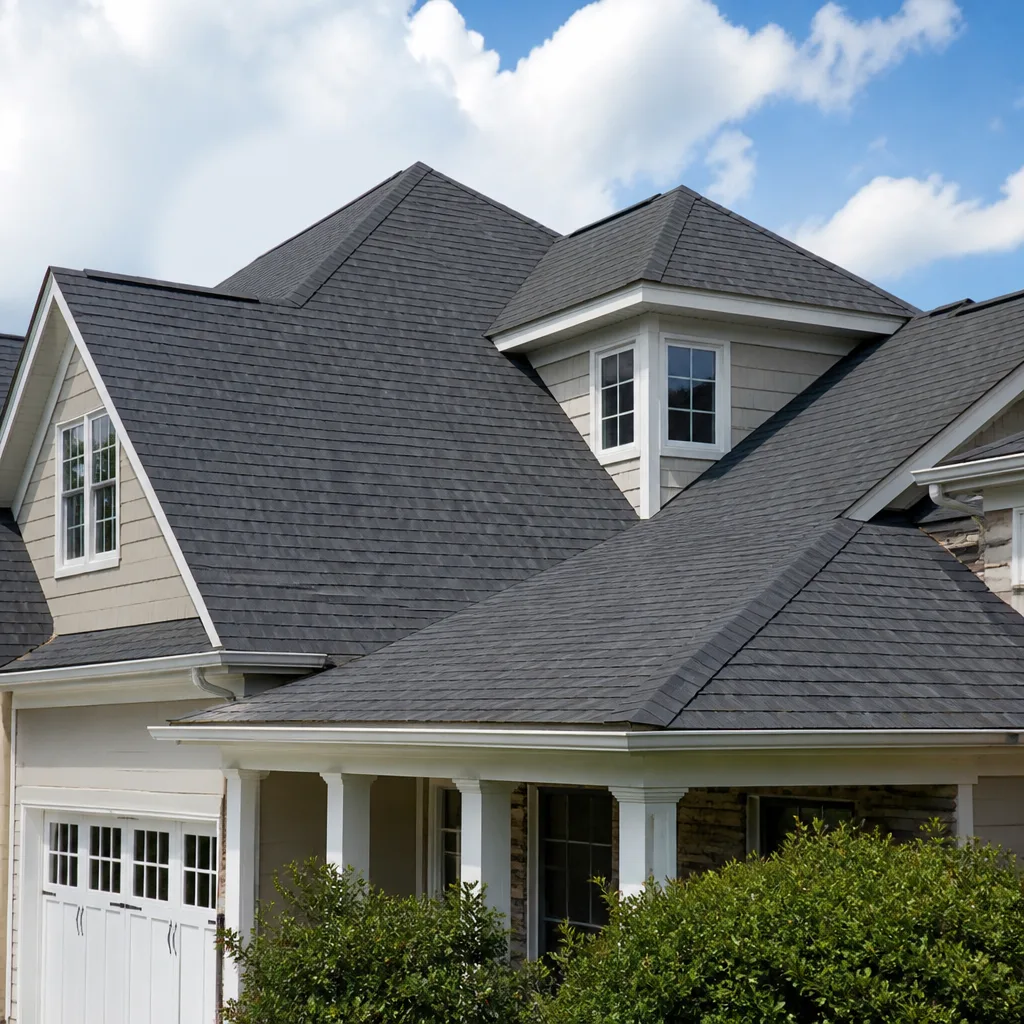
On the roofing side, Moen’s name shows up in three places: Moen pipe flashings and vent collars used around plumbing penetrations, Moen-labeled roof vents that integrate with ridge and soffit ventilation, and Moen edge flashing spec’d on re-roofs where the homeowner also installed Moen bath or kitchen fixtures and wants a matched look. There is no Moen “roof system” in the way GAF or CertainTeed makes one. What you’ll find on a Los Angeles roof is typically a GAF or Owens Corning field with Moen-spec penetrations.
Identifying your part starts at the label. Moen pipe collars carry a stamped part number on the metal collar underside, usually a four-digit code with a letter suffix. The rubber boot itself is marked with a diameter range, typically 1/2″ to 4″ for standard plumbing stacks. If the label is gone, measure the pipe’s outside diameter. A Moen boot sized for a 1-1/2″ vent will not stretch to a 2″ pipe without splitting. We’ve seen that exact failure in Encino and Sherman Oaks where a handyman forced an undersized boot over a larger vent, and the rubber tore within a season. On OEM versus aftermarket: Moen OEM flashings use EPDM rubber rated for UV exposure, and in the Los Angeles sun that rating is the difference between a boot that lasts 8 years and one that cracks in 3. We install OEM Moen when the homeowner wants the exact spec. We’ll install a quality aftermarket equivalent when the OEM part is discontinued and the aftermarket piece matches the material rating. Either way, you get the part number on your invoice.
Styles & brands we work with




Signs Your Moen Roofing Is Failing
- Water staining around a ceiling penetration or vent stack. The Moen rubber boot has split at the collar seam. This is the most common failure in Los Angeles, where UV exposure and the dry-wet cycle stress EPDM rubber. The stain usually appears after the first real rain of the season.
- Granules collecting in gutters or at downspout mouths. Asphalt shingle granule loss is normal, but heavy accumulation within five years of install points to shingle blistering from trapped moisture, often where Moen-spec underlayment was skipped or mis-lapped.
- Soft spots near penetrations, skylights, or roof-to-wall transitions. The flashing detail has pulled free or was never properly set. You’ll feel the plywood give under foot before you see the leak inside.
- Musty or damp attic air after rain, with no visible ceiling stain. The leak is running down a rafter or along the roof deck before it finds an opening. Moen vent collars that sit too high on the pipe let water run back under the shingle course.
- Visible rust or corrosion on a metal flashing collar. This matters more near the coast. In Santa Monica or Playa del Rey, salt air eats galvanized collars fast, and a Moen flashing with a breached coating will fail even if the rubber looks fine.
See the difference
 Before
 After
After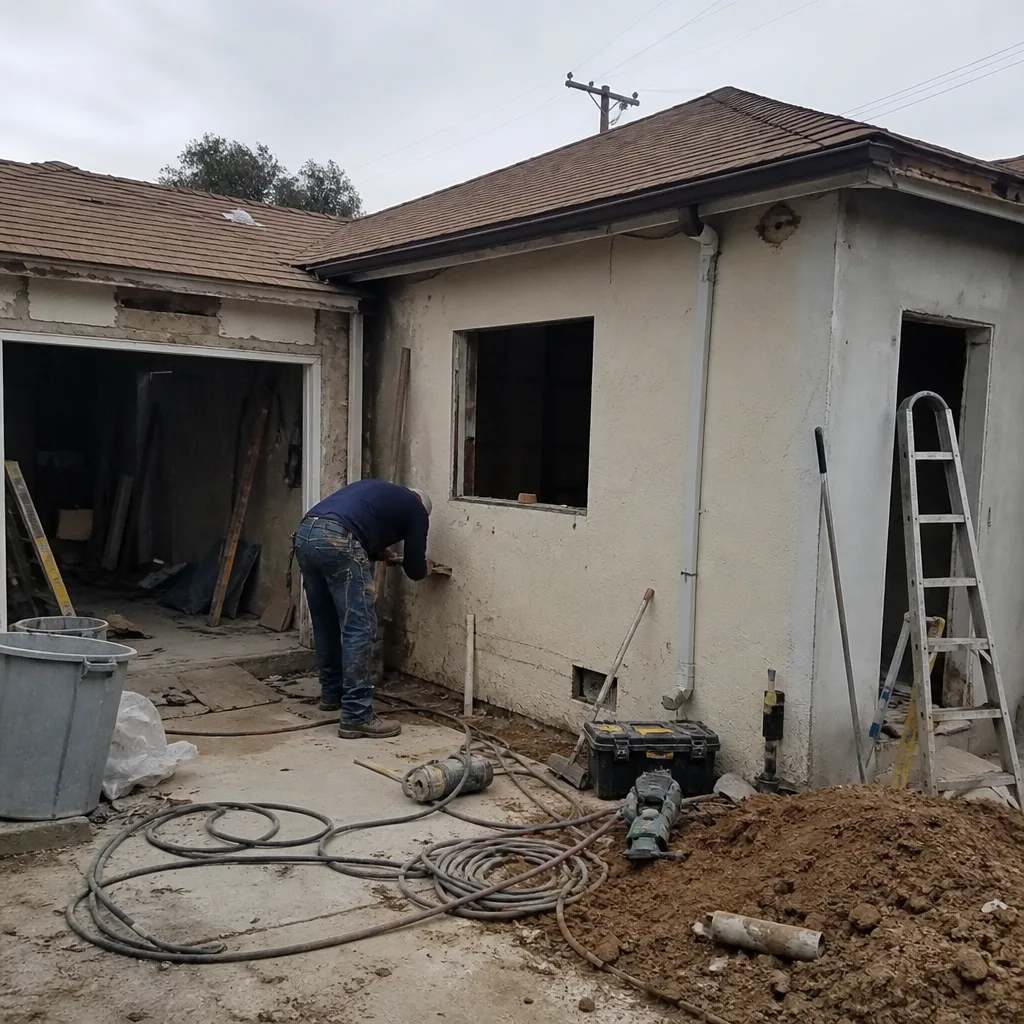 Before
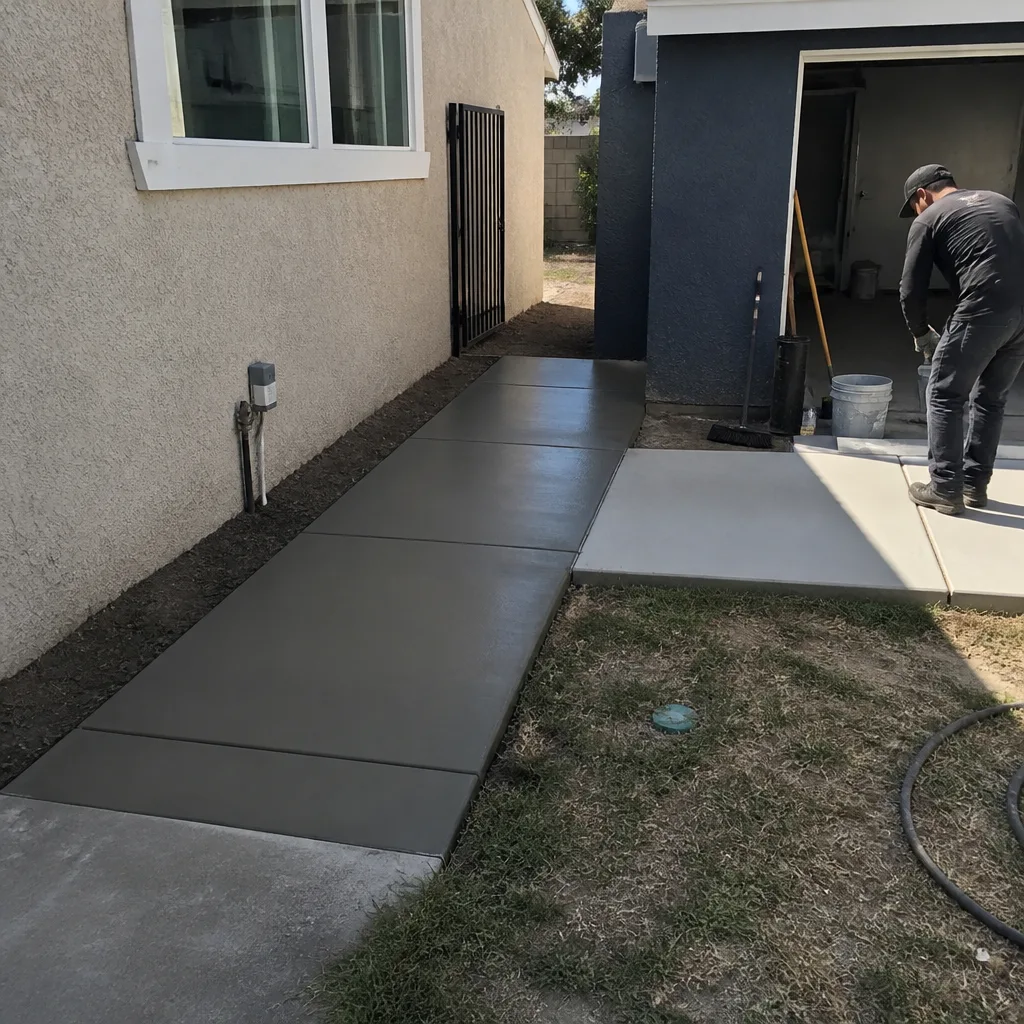 After
After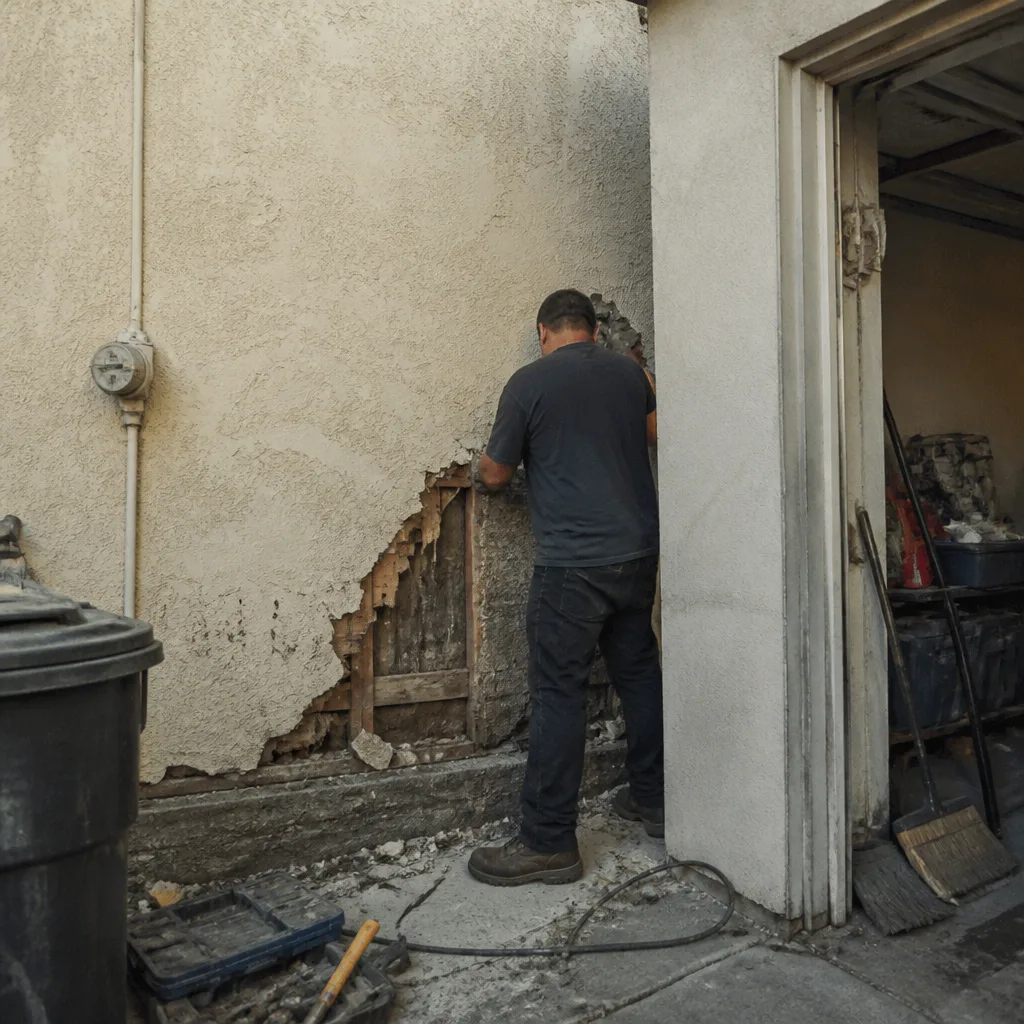 Before
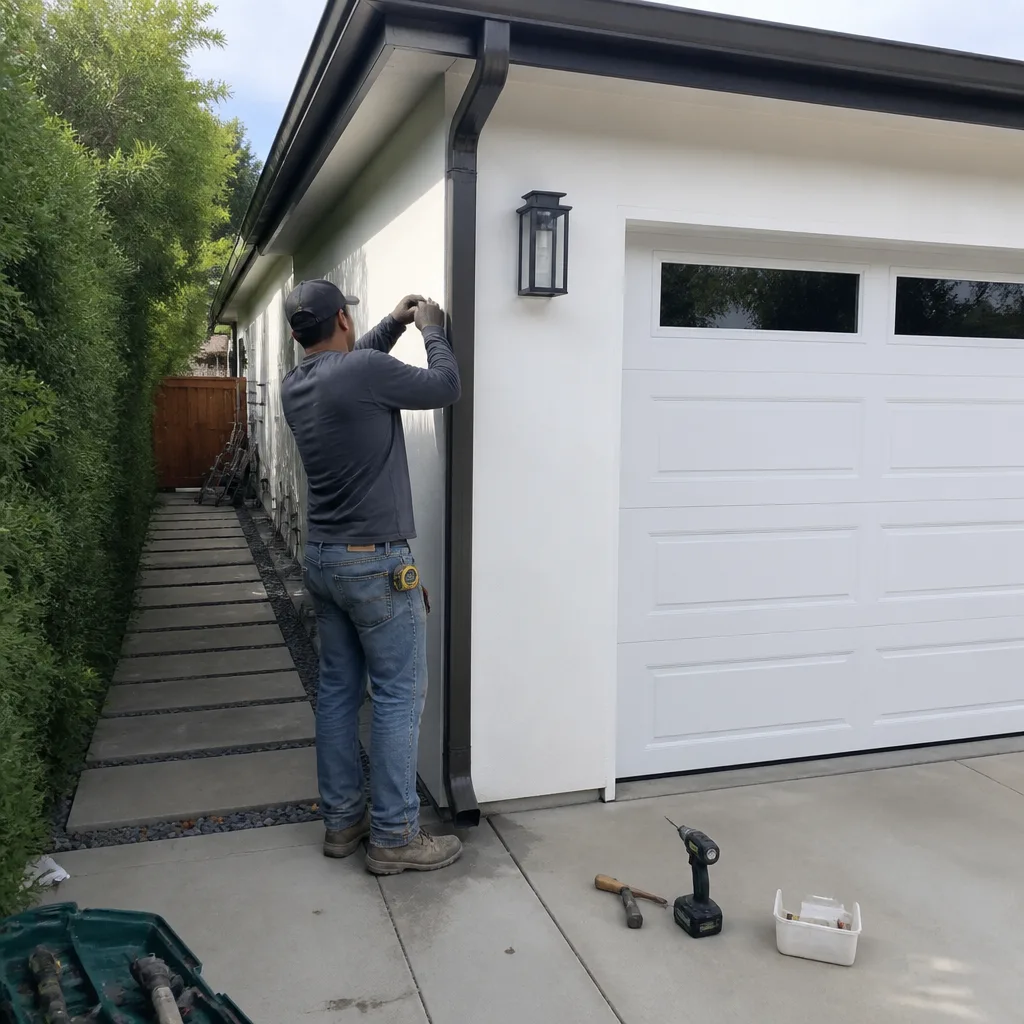 After
AfterReplacement Cost & What’s Included

For a single Moen pipe boot or vent collar replacement in Los Angeles, expect $470 – $710 installed, which includes the OEM part, removal of the old flashing, re-setting the shingle course, and sealant. If the flashing failure has rotted the surrounding decking, you’re into the $710 – $2,125 range for a roof repair that includes plywood replacement and new underlayment tied into the existing system. A full roof replacement using Moen-compatible penetrations runs $9,440 – $23,600 depending on roof size, pitch, tear-off cost, and substrate condition.
Here’s the breakdown so there are no surprises at the punch list:
- Part cost: Moen OEM boot or collar, $35 – $90 depending on diameter and material rating.
- Labor: Flashing replacement and shingle re-set, $250 – $450.
- Decking repair (if needed): $110 – $350 per sheet, cut to fit and replaced.
- Underlayment and fasteners: $40 – $120 depending on the repair footprint.
- Permit and inspection: Not typically required for a single-penetration repair in Los Angeles, but re-roofs over 25% of the roof area do require a city permit. We pull it and pass the inspection.
Every Bradford Remodeling roofing repair carries the 365-Day Done Right Promise in writing. If the flashing fails or the repair doesn’t hold within one year, we return and correct it at no charge. You get that guarantee on paper before we start, along with a written price that does not move once the work begins.
DIY or Call Us?
You can safely inspect from the ground or from a ladder placed against the fascia. Look for visible collar gaps, cracked rubber, lifted shingles around penetrations, and rust. Taking a photo helps us quote the job accurately. What you should not do is walk a Los Angeles roof without fall protection. Roof pitch here runs 4:12 to 6:12 on most homes, and the heat makes shingle surfaces slick. We run harnesses and toe boards on every repair. A misstep on a two-story Sherman Oaks roof is not a saved service call.
DIY flashing swaps on a single-story home with a low slope are possible if you have the right sealant and know how to re-nail shingles without breaking the seal strip. But half the repairs we get called to fix in Los Angeles started as a weekend DIY job that sealed over the problem without addressing the moisture already in the decking. If you see any softness in the sheathing, stop and call us at (903) 568-7222. A written quote costs you nothing.
FAQs

An OEM Moen EPDM boot lasts 8 to 12 years in the Los Angeles climate before UV degradation makes the rubber brittle and prone to splitting at the collar seam. Aftermarket boots with lower-grade rubber may fail in 3 to 5 years. Homes in coastal neighborhoods like Playa del Rey or San Pedro lose a couple years to salt air exposure. Call (903) 568-7222 and we’ll tell you honestly whether your part has life left in it.
No, not correctly. Sealant applied to a cracked rubber boot is a temporary fix that fails within a season, and by the time it fails, the decking underneath has usually taken on water. Replacement of the boot or collar is the only repair that holds. The part is under $90 in most cases. The labor is what you’re paying for, and it’s less than the cost of a rotted deck repair later.
A single-penetration flashing swap takes 1 to 2 hours on site, including cleanup and a written confirmation of the repair. If decking replacement is needed, expect 4 to 6 hours. We leave the site clean: old flashing removed, new part set, shingles re-laid flat, and a signed written guarantee in your hand.
We keep common Moen OEM pipe boots, vent collars, and edge flashings for 1-1/2″, 2″, 3″, and 4″ penetrations on our trucks. Unusual sizes or specialized vent configurations take 2 to 3 days to source from our Los Angeles suppliers. Straight number, real scope, no surprises at the punch list.
Written by Curtis Lane, Owner, Bradford Remodeling at Bradford Remodeling, serving Los Angeles and nearby areas.