Free written scope consultation - allowances, timeline, and change-order rules on paper before a single trade is scheduled
Oldcastle Driveway & Pavers: The Los Angeles Owner’s Guide
Oldcastle driveway pavers and retaining-wall units installed across Los Angeles typically run $8,260 to $21,240 for a full paver driveway replacement, and we stock compatible units and edge restraints for most Oldcastle lines still in production. If you’re standing in your driveway looking at a cracked unit, a sunken edge course, or pavers that have drifted apart at the seams, the fix is usually faster than you think. Most Los Angeles homes built with Oldcastle hardscape products are 15 to 25 years old now, which means we’re seeing the same failure patterns repeat across neighborhoods from Westchester to Woodland Hills: base settlement, edge restraint failure, and occasional unit spalling from years of direct sun and irrigation overspray.
Bradford Remodeling is an independent contractor and not affiliated with Oldcastle. But we’ve handled enough Oldcastle paver repairs across Los Angeles to know exactly what to match, what to replace, and what simply needs a re-bed and re-compact.
Key Takeaways
- Full Oldcastle paver driveway replacement in Los Angeles runs $8,260 to $21,240 installed.
- Isolated paver repair (units only, no base work) typically falls between $295 and $825 per section.
- We match Oldcastle units by profile, dimension, and color batch, not just brand name.
- Most driveway paver failures in LA come from base washout or edge restraint failure, not defective units.
- Every job gets a written price before work starts, and the 365-Day Done Right Promise covers the full installation.
Which Oldcastle Models This Applies To
Oldcastle has produced paver lines under several brand names over the years, including Belgard (which Oldcastle owns), Holland Stone, and a range of tumbled and slab-style units sold through masonry yards and big-box retailers across Southern California. The compatibility question is not “is it Oldcastle?” but “which Oldcastle profile and which production run?” A Holland Stone from 2008 and a Holland Stone from 2019 will differ slightly in color density and chamfer profile because Oldcastle adjusted its concrete mixes over time. We identify the unit by measuring its height (typically 60 mm or 80 mm for driveway-rated pavers), its width and length, and the edge profile, then match against current Belgard and Oldcastle catalogs plus what’s still available through local Los Angeles masonry supply yards.
If you have an original pallet label or a receipt from the install, bring that to the conversation. It saves a day of back-and-forth. If not, an 8-inch scrap piece from a broken unit works. For most Los Angeles homes, the OEM-versus-aftermarket decision comes down to availability: some Oldcastle color blends from the early 2000s are discontinued, which means we match with a current Belgard equivalent that reads visually identical from driveway distance. We’ll show you the match side by side before we order.
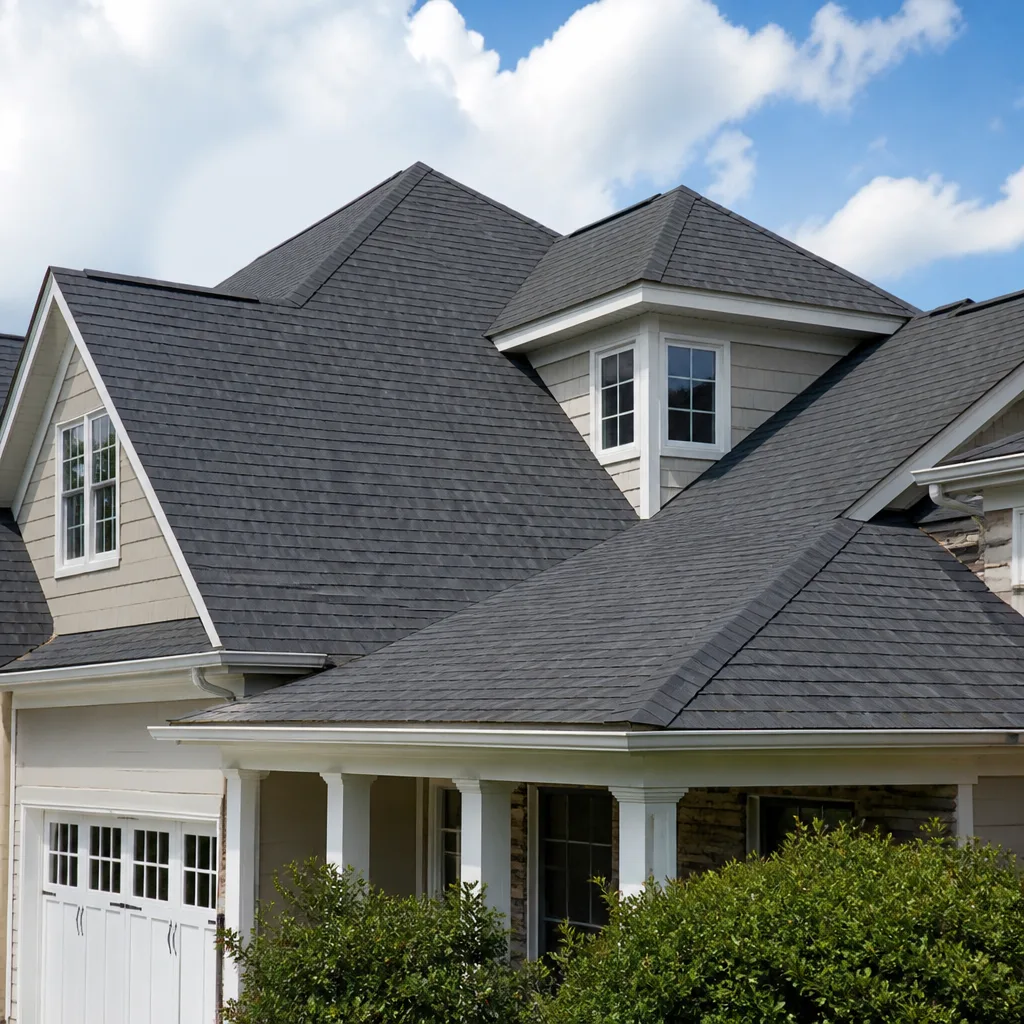
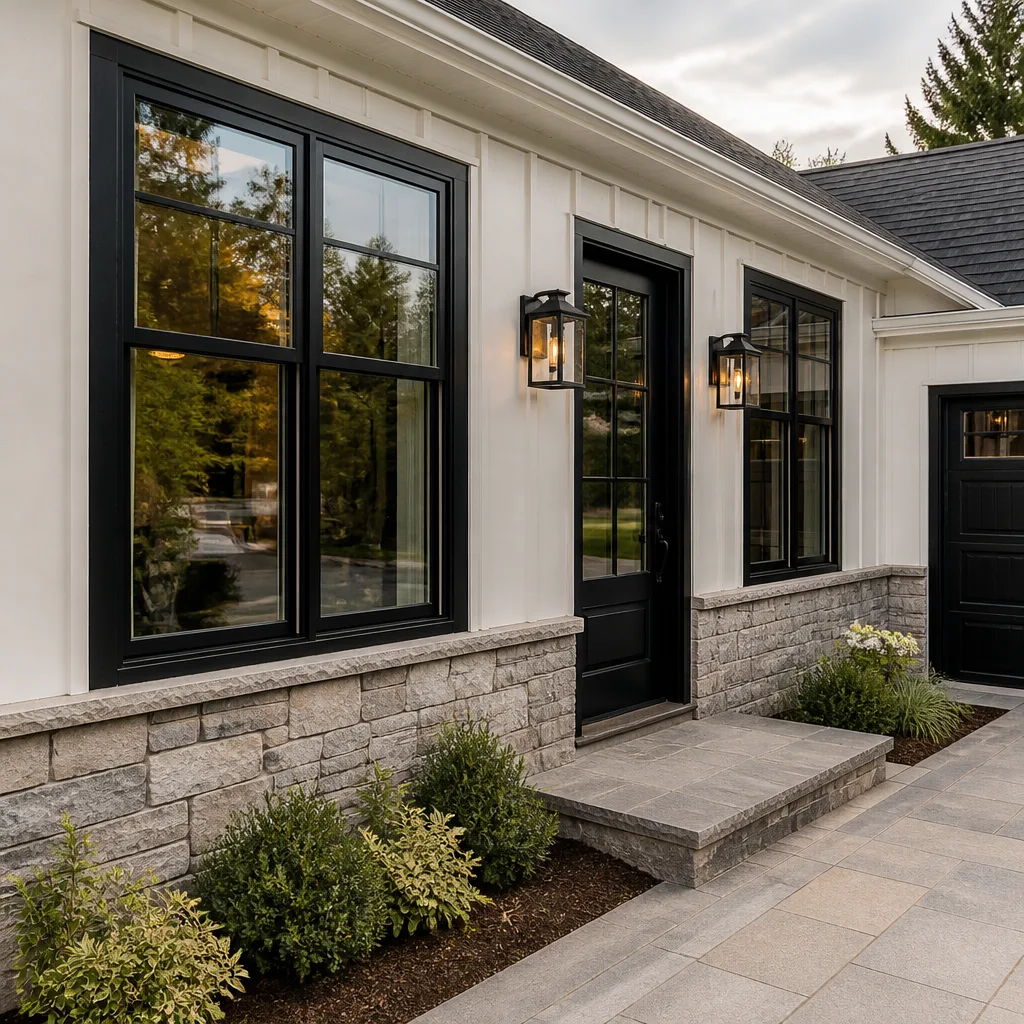
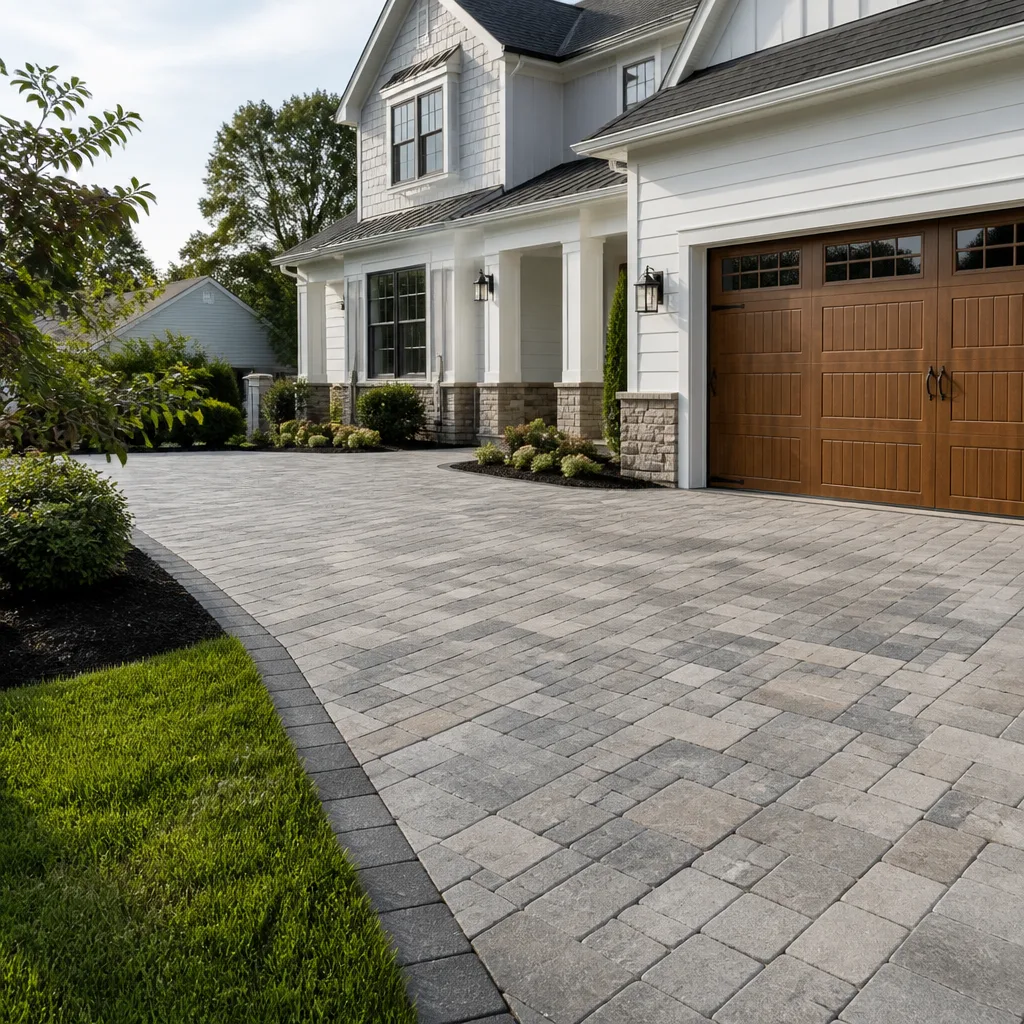
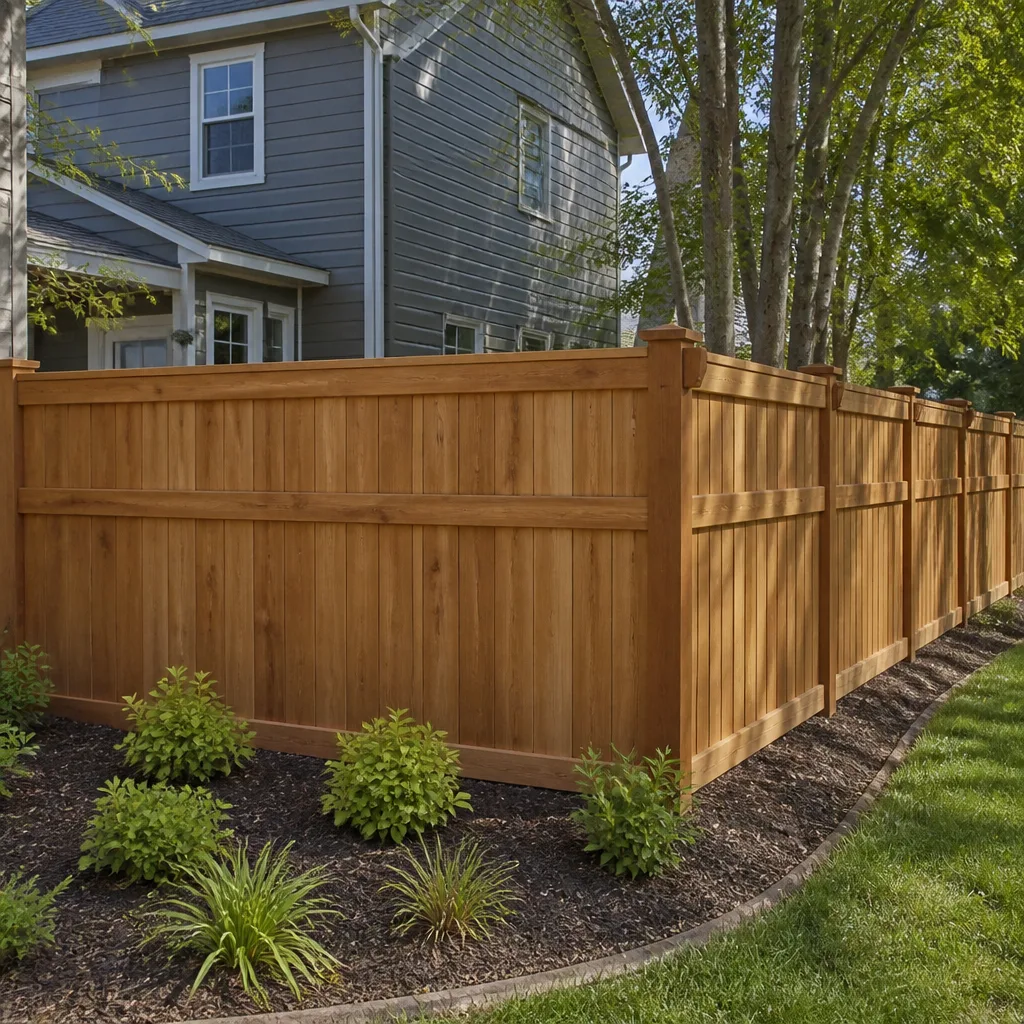
Styles & brands we work with
Signs Your Oldcastle Driveway & Pavers Is Failing
- Sunken sections near the driveway edge or along the tire tracks. This is almost always base failure, not paver failure. Water from Los Angeles irrigation systems and occasional heavy rain migrates under the edge and washes out the compacted aggregate. The pavers drop because the support beneath them is gone.
- Pavers drifting apart at the outside border. Edge restraint failure. The plastic or metal edging installed in the 2000s degrades under Southern California sun exposure and soil movement, and once it lets go, the outside course spreads outward under traffic.
- Crumbled corners or surface flaking on individual units. Spalling, usually from water absorption followed by heat expansion. Los Angeles sees enough temperature swing between January and August that older concrete pavers with worn sealant will begin delaminating at the corners first.
- White chalky residue across the surface. Efflorescence, which is cosmetic but persistent. It means water is moving through the paver body. In Los Angeles, hard water from irrigation is especially aggressive on unsealed pavers.
- Rocking or clicking units when you walk or drive over them. Individual units that have lost sand in the joints and are now moving against each other. Left alone, the movement chips the edges and spreads to adjacent units.
See the difference
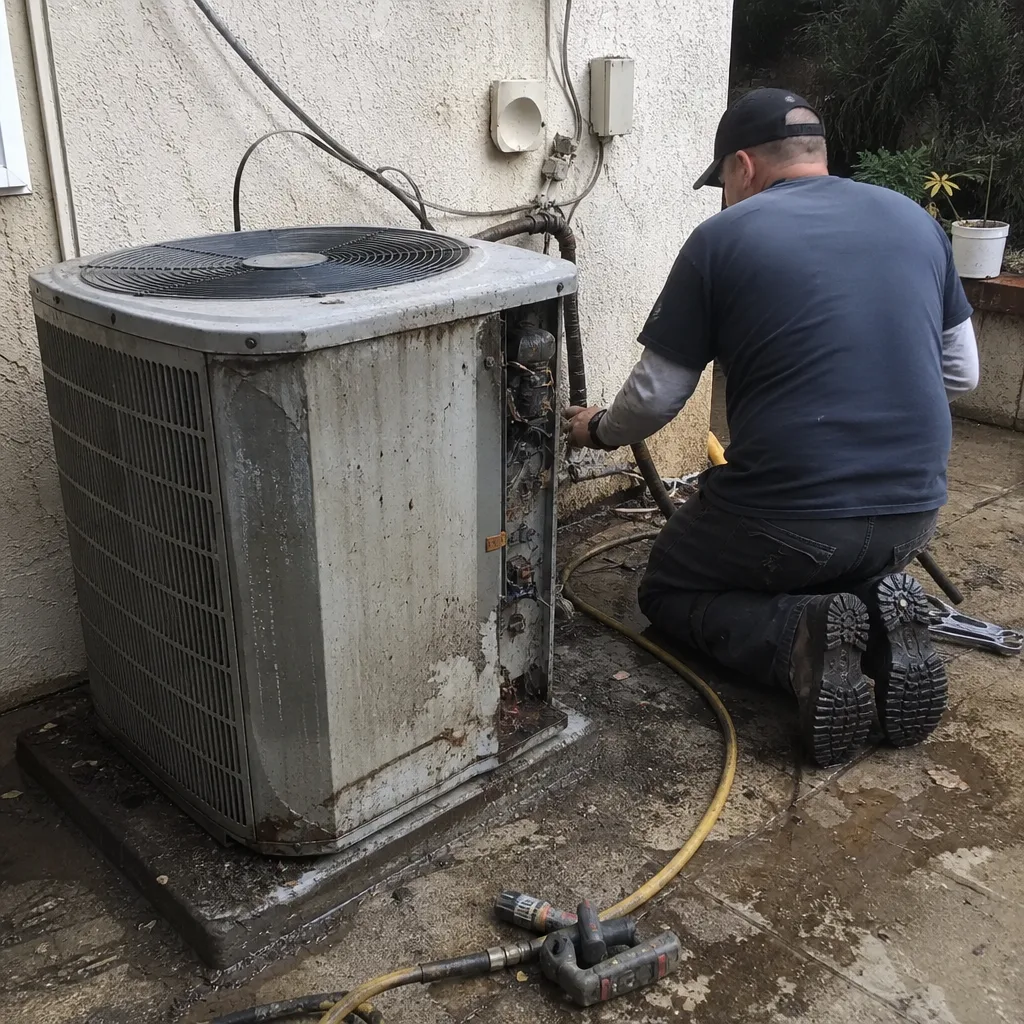 Before
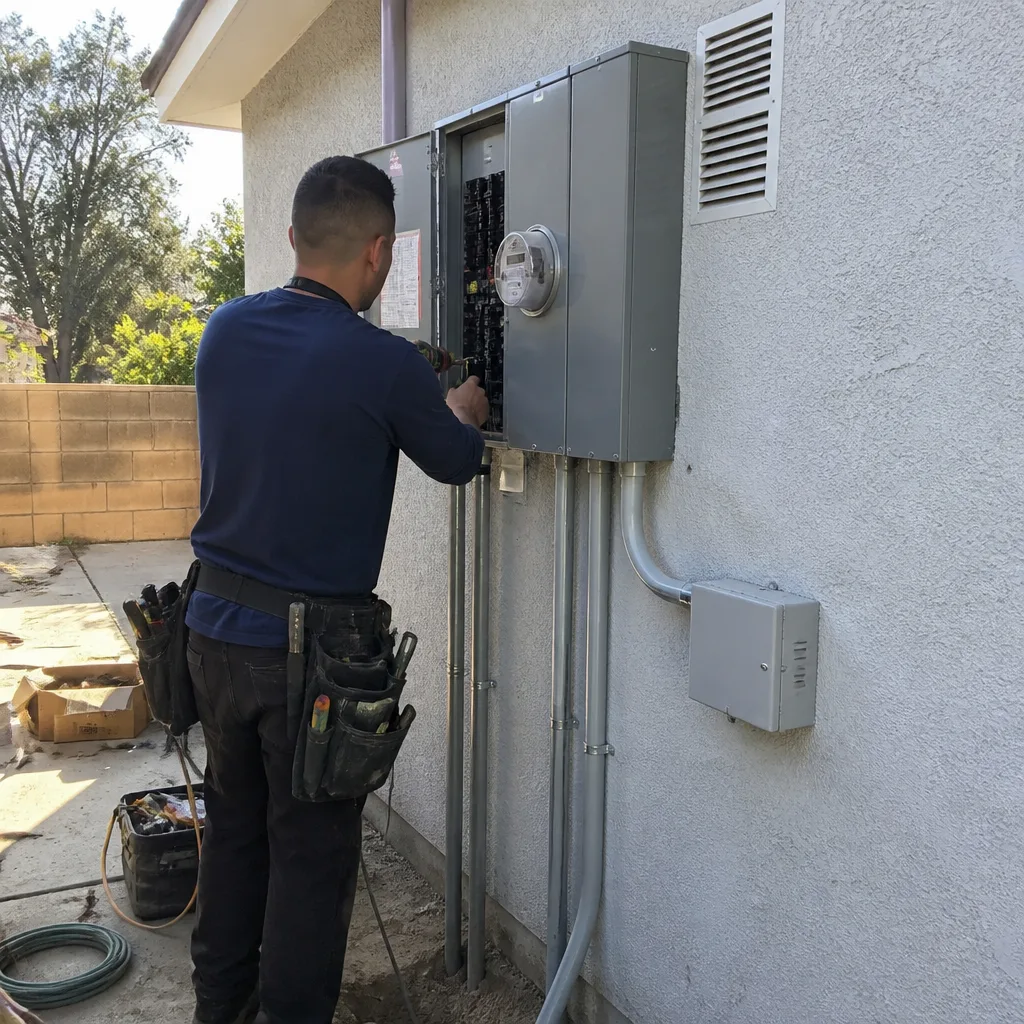 After
After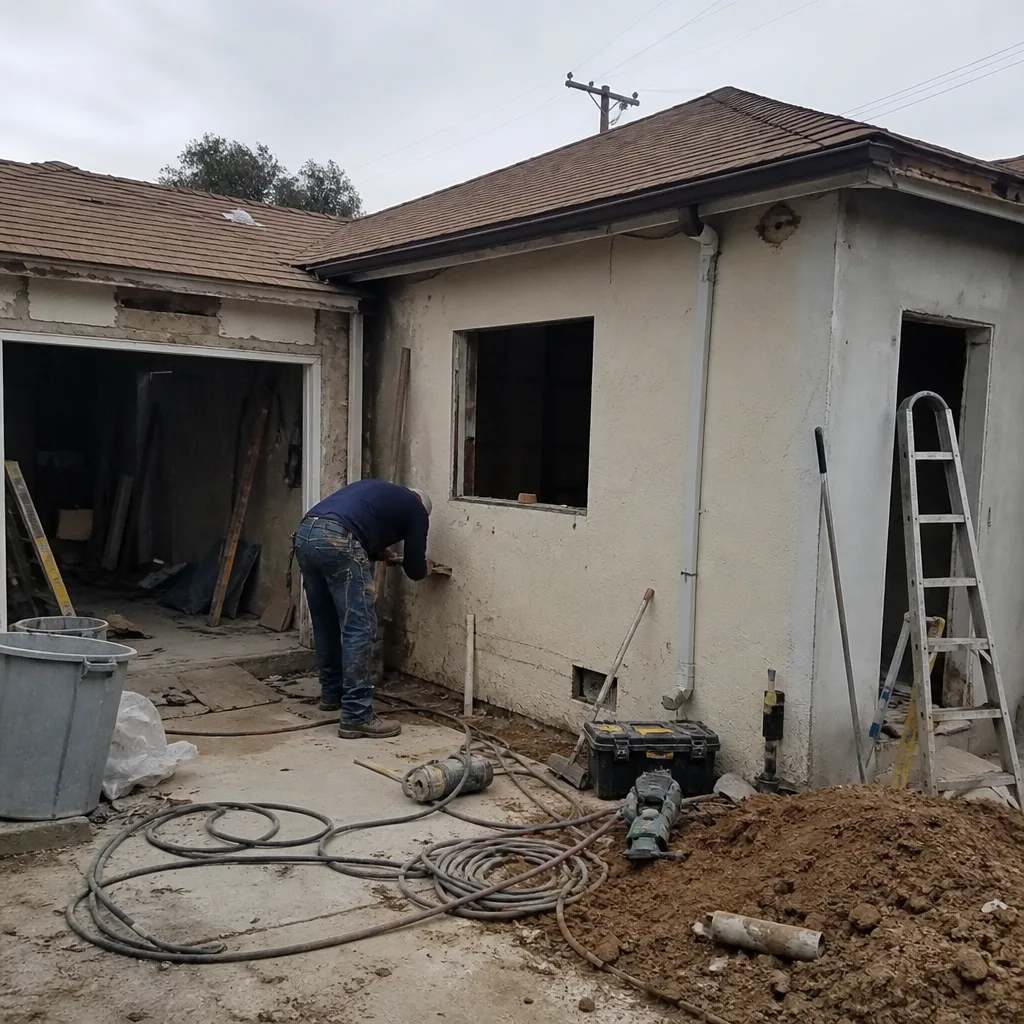 Before
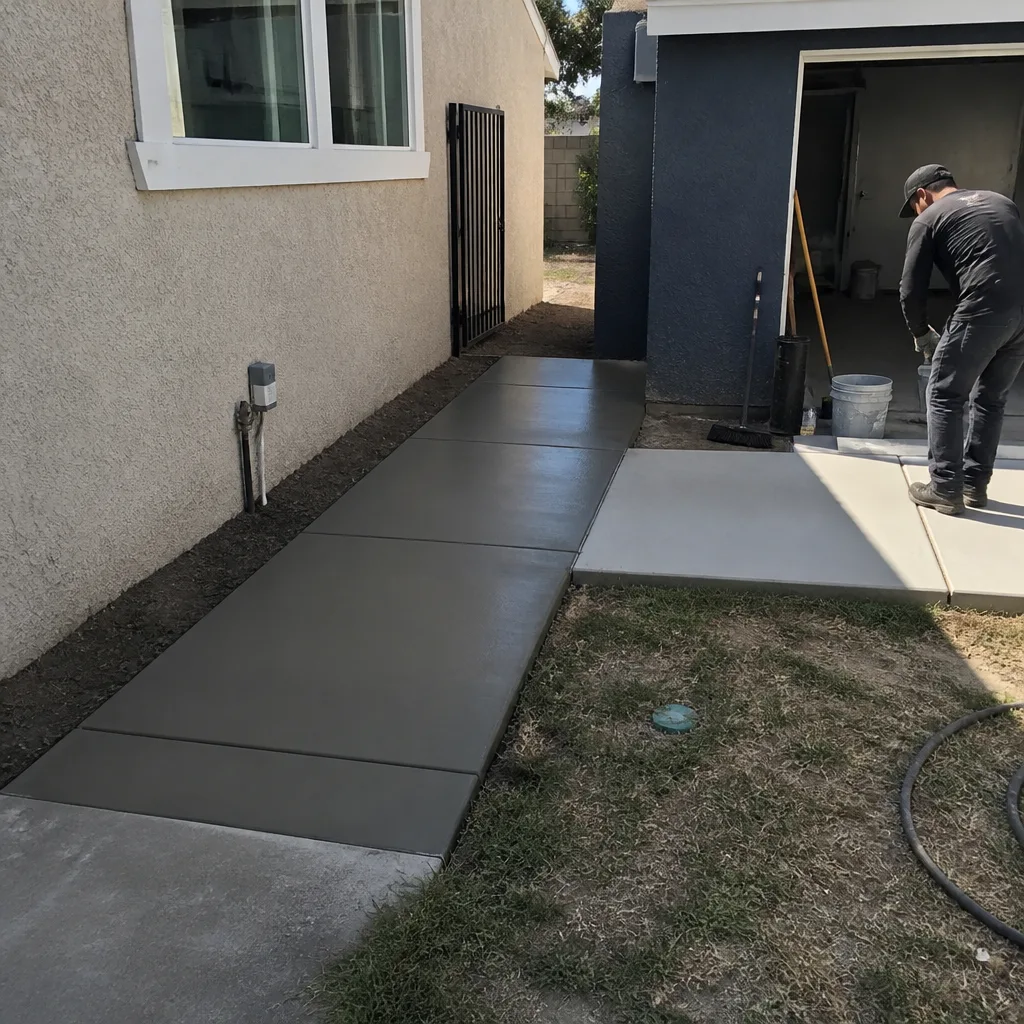 After
After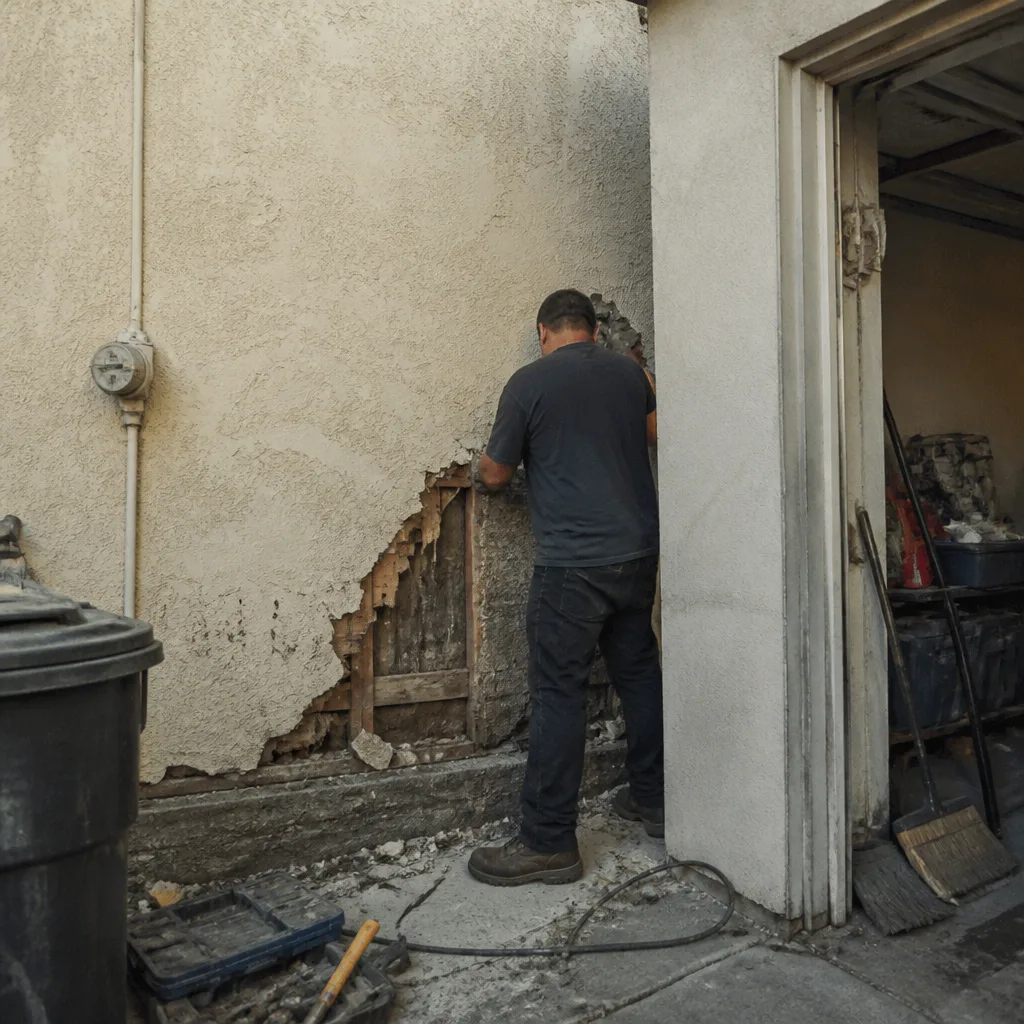 Before
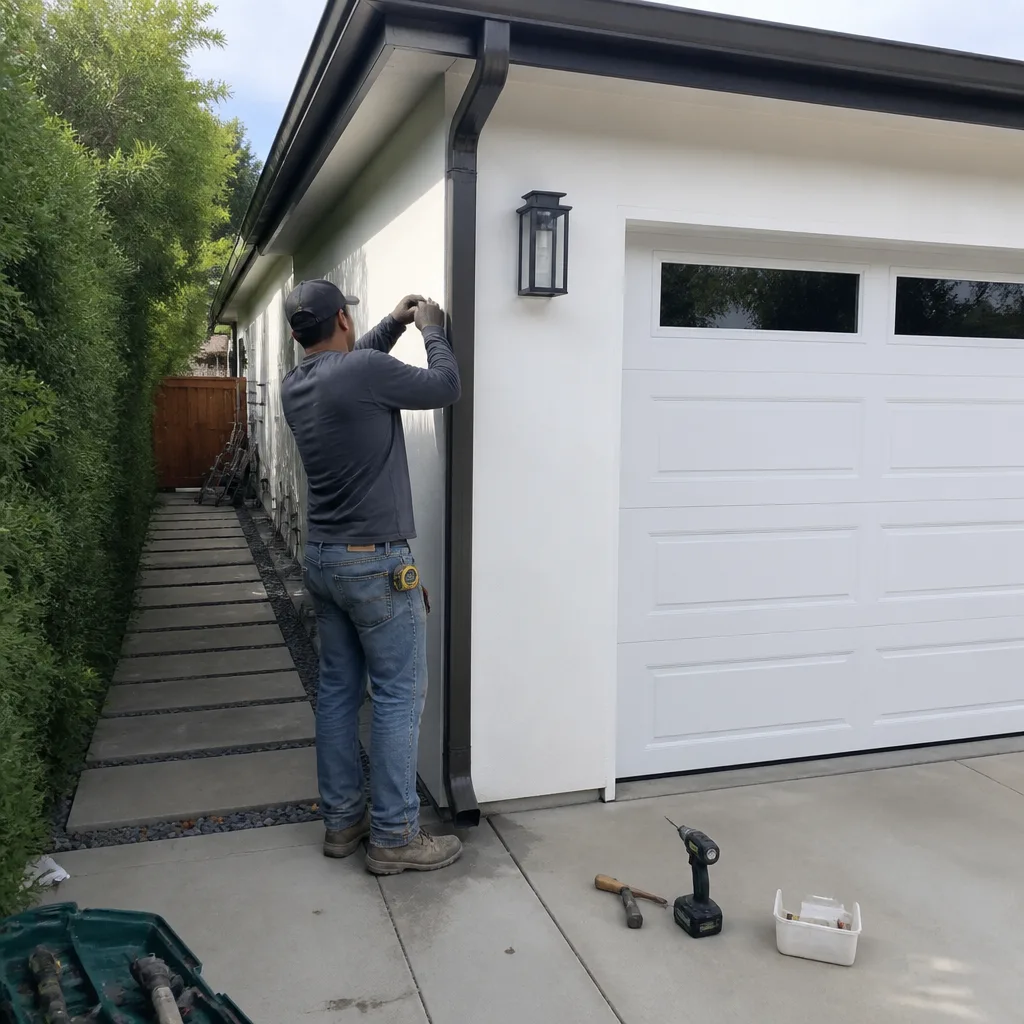 After
AfterReplacement Cost & What’s Included
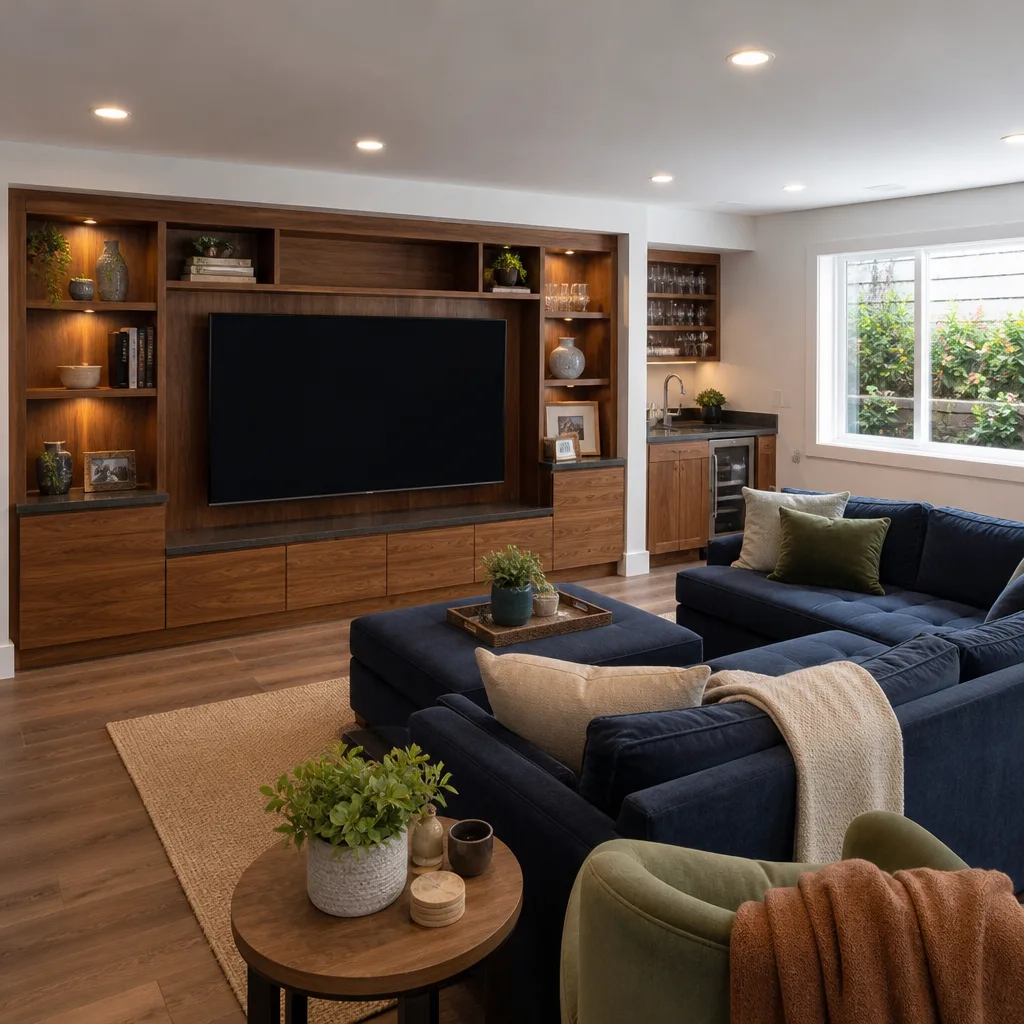
A full paver driveway replacement in Los Angeles runs $8,260 to $21,240 installed. That’s the range we quote for a standard two-car driveway with proper excavation, geotextile fabric, 4 – 6 inches of compacted Class II road base, 1 inch of bedding sand, the pavers themselves, edge restraint, joint sand, and final compaction. The spread comes from three things: total square footage, access (a tight hillside driveway in Silver Lake costs more to excavate than a flat lot in Lakewood), and whether we’re reusing your existing base or rebuilding it from scratch.
For isolated repairs, a single section of 10 – 20 pavers with re-screeding and compaction typically runs $295 to $825 depending on what we find underneath. That price includes removing the failed units, evaluating the base, re-bedding, reinstalling, and joint sand. The written price you get before work starts is the price you pay. No change orders, no open-ended allowances. If the repair fails inside the guarantee period, the 365-Day Done Right Promise means we come back and correct it at no charge.
DIY or Call Us?
A homeowner can safely inspect the base failure: pop a suspect paver with a flat pry bar, check whether the sand underneath is wet or washed out, and look for the edge restraint at the border. What a homeowner should not do is pull up a large section of driveway pavers, attempt to re-compact the base with a rental plate compactor, and re-lay the whole thing. The risk is not injury in this case, it’s a driveway that fails again in six months because the base was not compacted in lifts to the right density. Los Angeles soil conditions vary block to block, from decomposed granite in the foothills to sandy loam near the coast, and the compaction spec changes with it.
If you’ve got one cracked paver and a bucket of joint sand, that’s a Saturday job. If the edge is spreading or a section has settled more than an inch, call (903) 568-7222 and let us look at the base before you spend a weekend fighting it. Curtis Lane will give you a straight number and a real scope.
FAQs
Properly installed Oldcastle concrete pavers last 25 to 40 years in Los Angeles, with the joint sand needing replacement every 3 to 5 years and the base often outlasting the units themselves. The wearing surface holds up well; what fails first is almost always the base or the edge restraint. Call (903) 568-7222 if you want us to evaluate whether your pavers or your base are the real problem.
Yes, most failing sections can be repaired by removing the affected units, correcting the underlying base, and reinstalling with fresh bedding sand and joint sand. Repair only makes sense when the adjacent pavers are structurally sound. If the failure is widespread, full replacement is often cheaper per square foot than chasing individual sections. Call (903) 568-7222 for an exact quote; estimates are free.
An isolated section repair takes one day on site. A full two-car driveway replacement in Los Angeles typically runs 3 to 5 working days from demolition through final compaction, depending on access and weather. We schedule a written scope with dates before the crew arrives.
We stock common edge restraints, bedding sand, joint sand, and a rotating inventory of current Belgard and Oldcastle-profile units that cover most Los Angeles driveway repairs. Discontinued colors and older profiles may require a 3-to-5-day order from a local masonry yard. We’ll confirm availability and pricing in writing before you approve the work.
Written by Curtis Lane, Owner, Bradford Remodeling at Bradford Remodeling, serving Los Angeles and nearby areas.