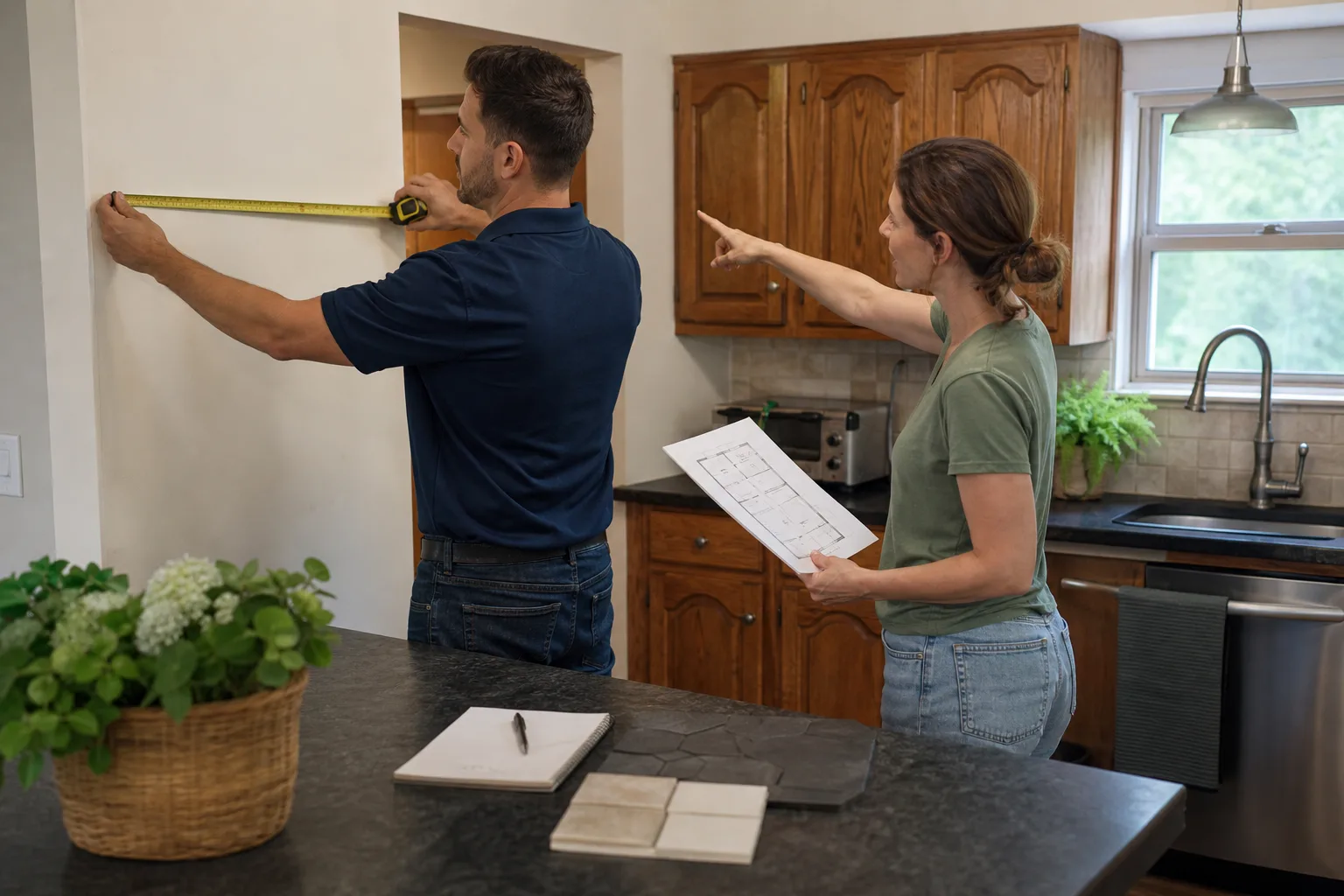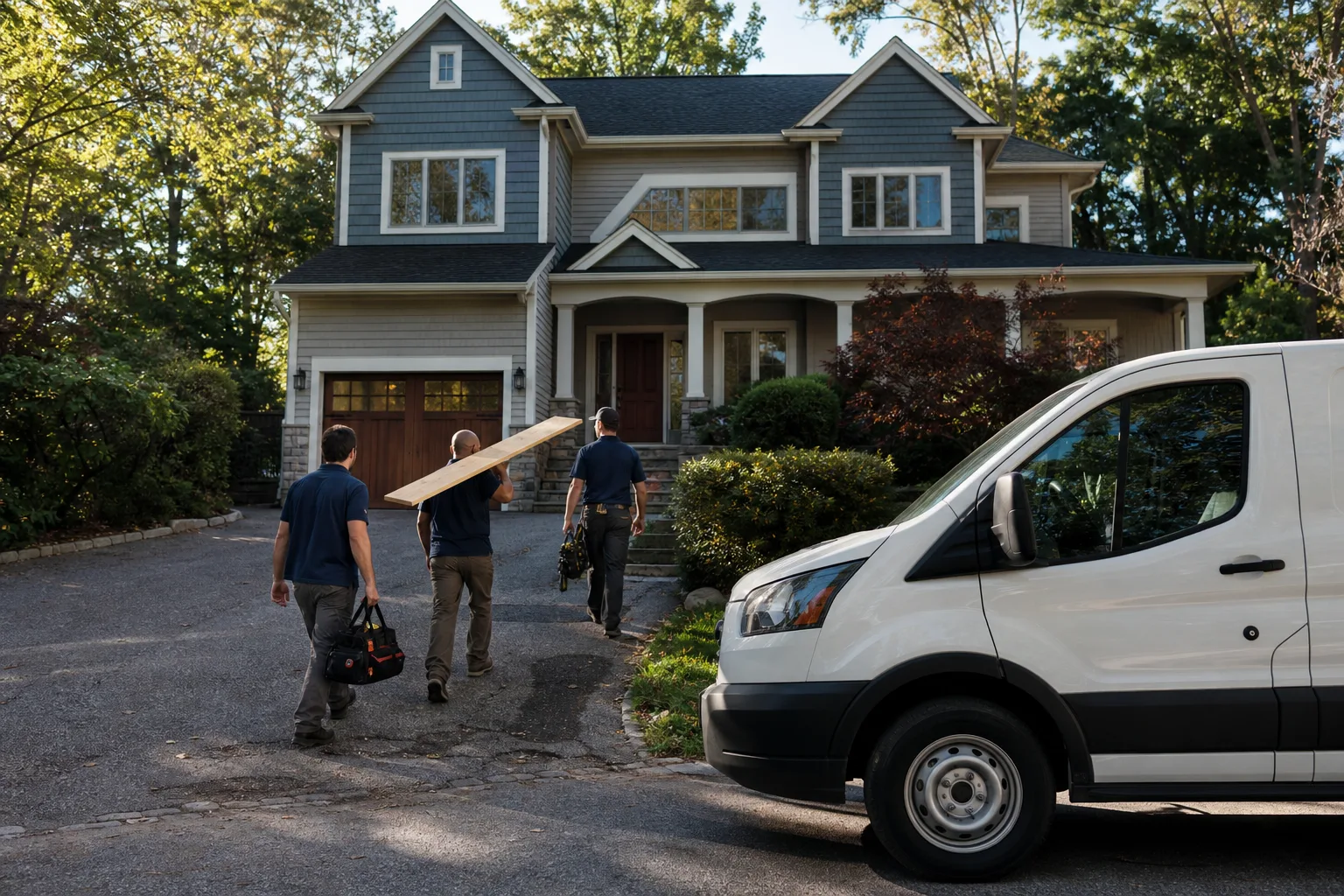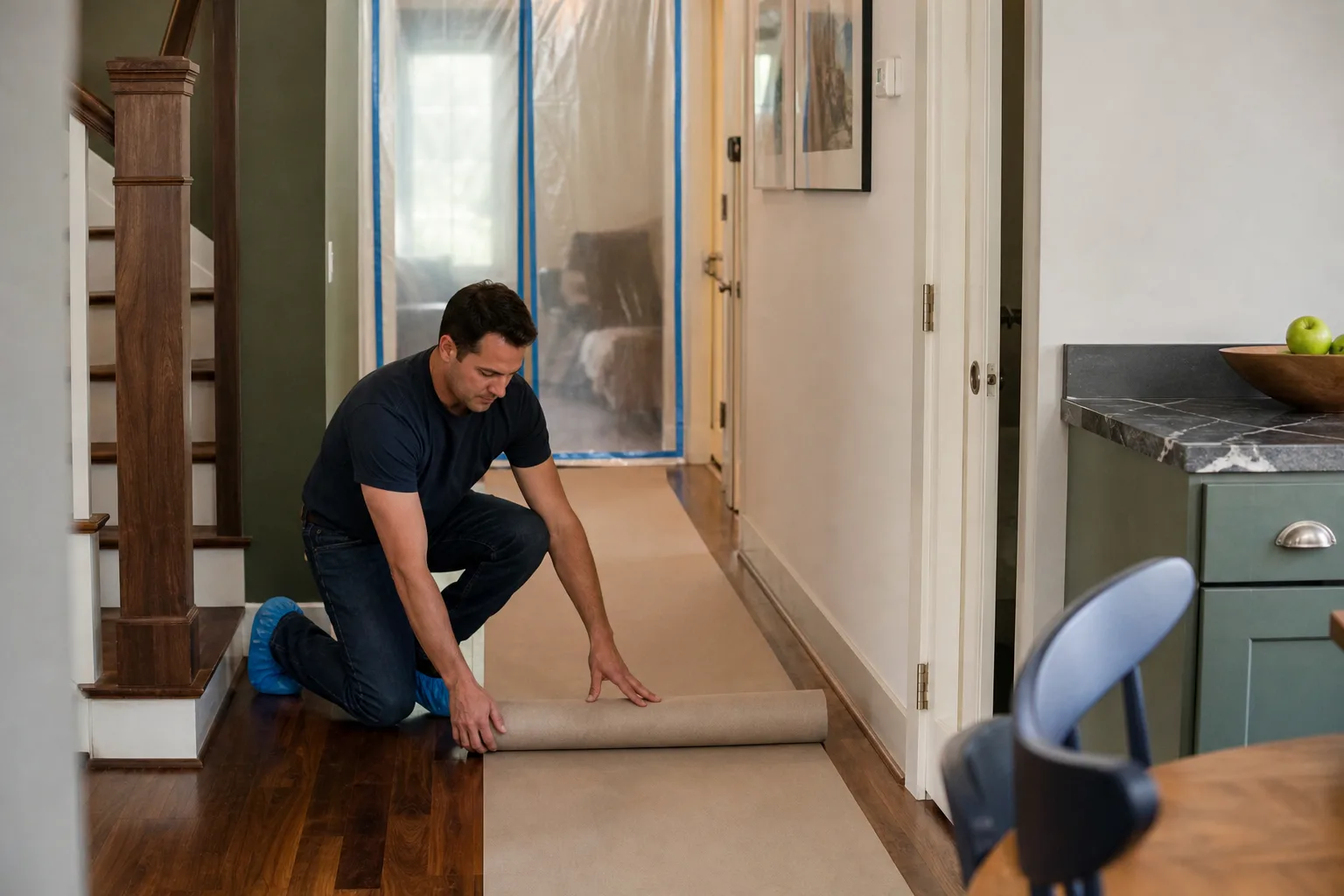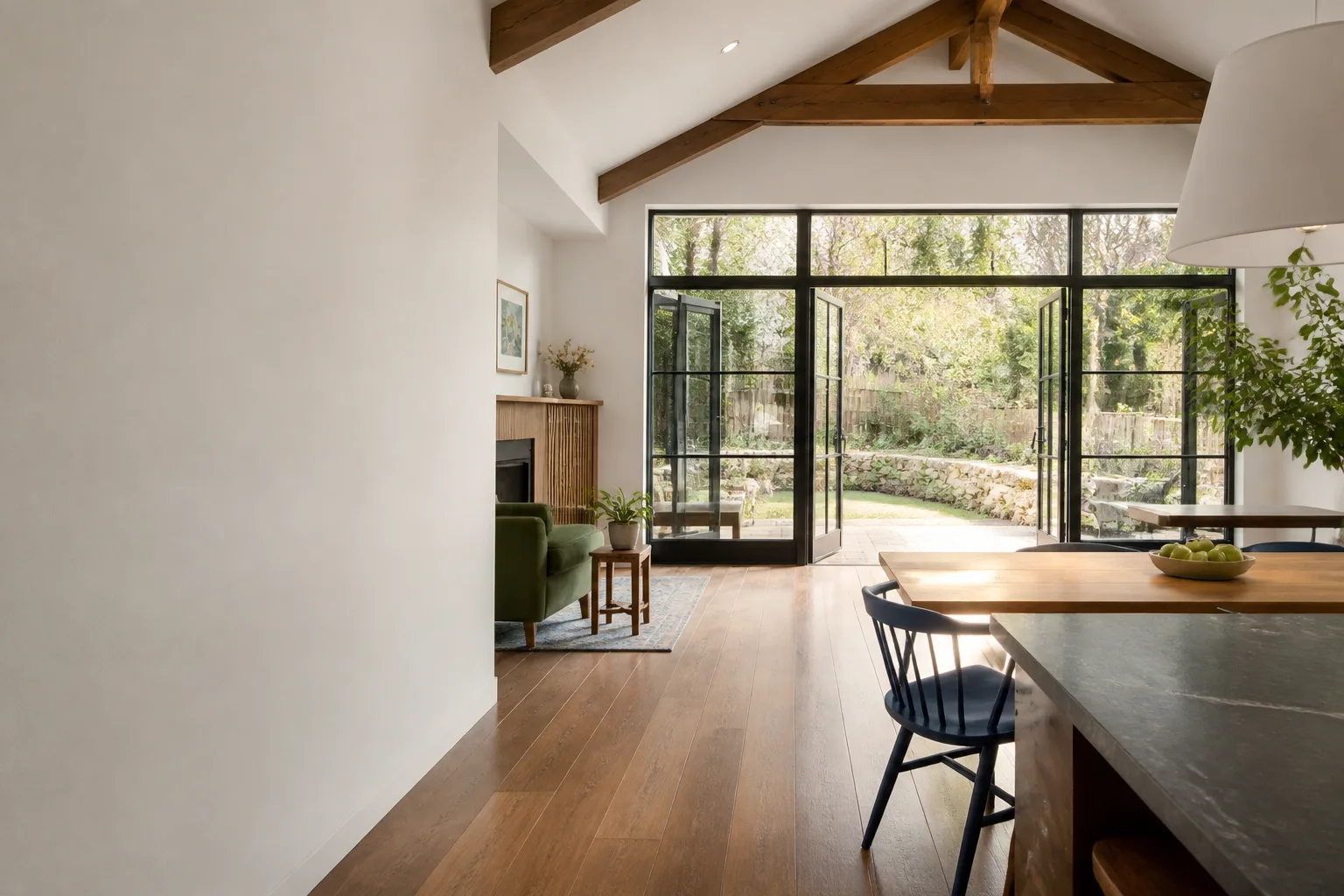
Free written scope consultation - allowances, timeline, and change-order rules on paper before a single trade is scheduled
Oldcastle Home Additions & ADU: The Los Angeles Owner’s Guide
Bradford Remodeling installs and builds Oldcastle-compatible home additions and ADU structures throughout Los Angeles, with most full addition projects running $53,100 to $153,400 depending on square footage, foundation work, and site access. We are an independent contractor, not affiliated with Oldcastle, but we work with their block, paver, and retaining-wall product lines regularly and know exactly how they perform in Southern California soil conditions. Most Los Angeles homeowners call us after a failed expansion attempt: a slab that heaved, a block wall that cracked at the corners, or an ADU that never got past the foundation stage because the original contractor walked away.
Straight number, real scope, no surprises at the punch list.
Which Oldcastle Products This Applies To
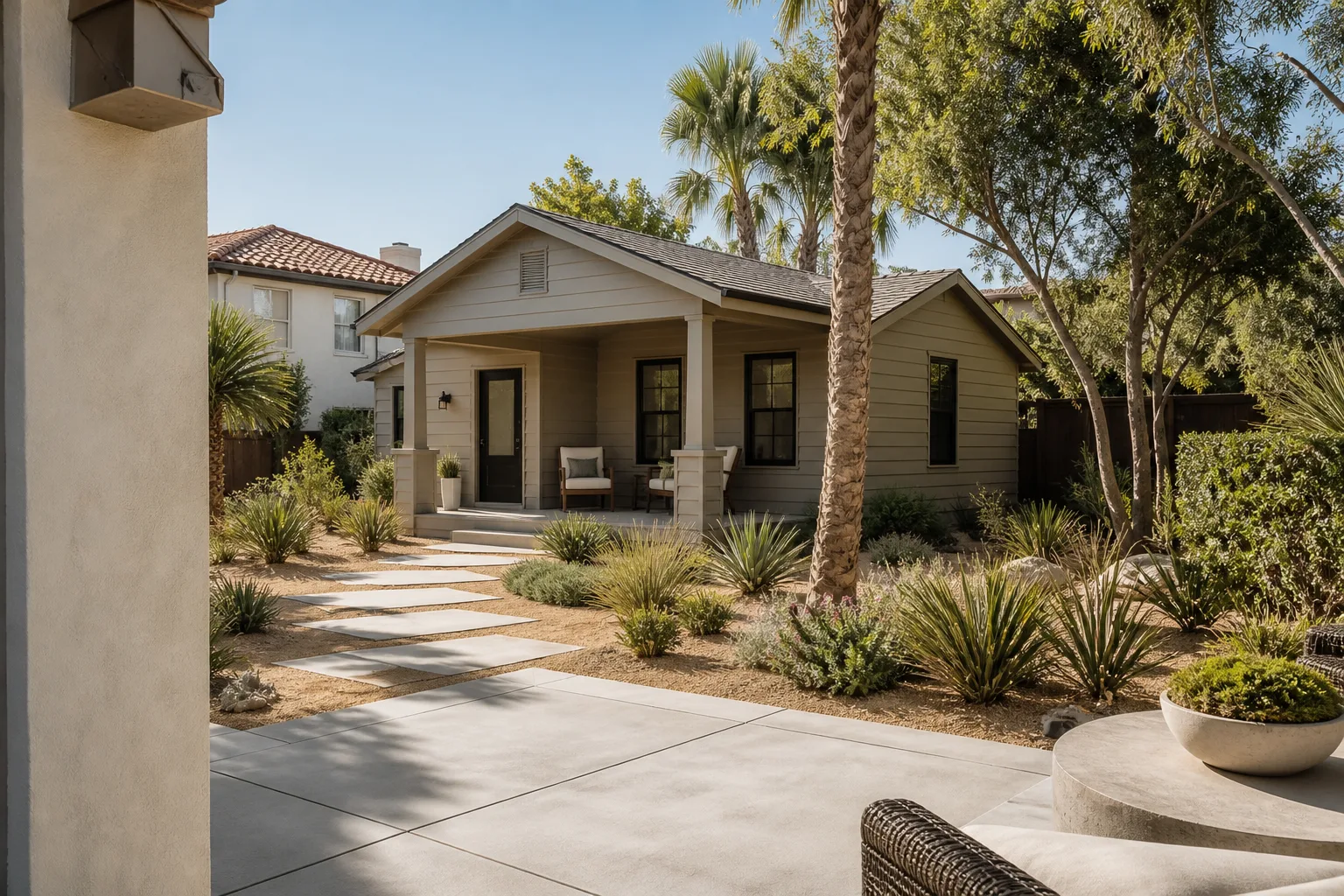
We work with the full Oldcastle hardscape and structural line: Belgard pavers and retaining-wall blocks, Sakrete concrete mixes, Anchor wall systems, and their precast foundation and utility structures. The compatibility gotcha most Los Angeles owners run into is that Oldcastle’s retaining-wall blocks are engineered as a system. Mixing series, say, a Belgard Dublin block with a Catalina cap, creates a wall that looks fine for a year and then starts leaning because the locking lugs don’t actually interlock. The wall needs the matching series from base course to cap, and the geogrid reinforcement has to match the wall height, not the homeowner’s guess.
On the ADU side, Oldcastle precast foundation panels and utility vaults are spec’d by the manufacturer for specific load ratings and seismic zones. Los Angeles is Seismic Design Category D in most neighborhoods, which means the precast connections have to be engineered, not improvised. We verify the manufacturer’s spec sheet against the city’s approved plans before any block goes in the ground.
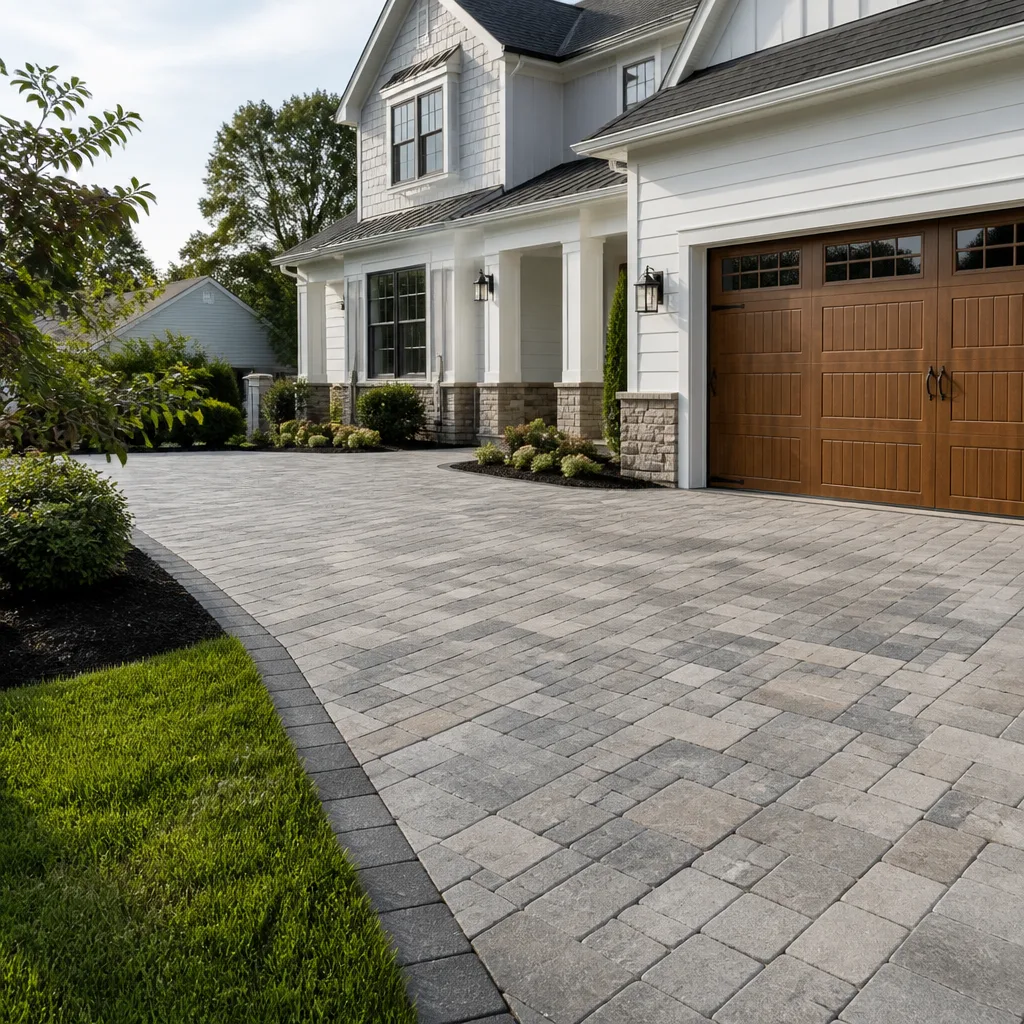
For parts identification: look for the series name stamped on the underside of the cap or embossed on the back of the block. Belgard pavers also carry a lot number on the pallet wrap, and we use that to match dye lots on additions so the new pavers don’t look like a patch job against the original patio.
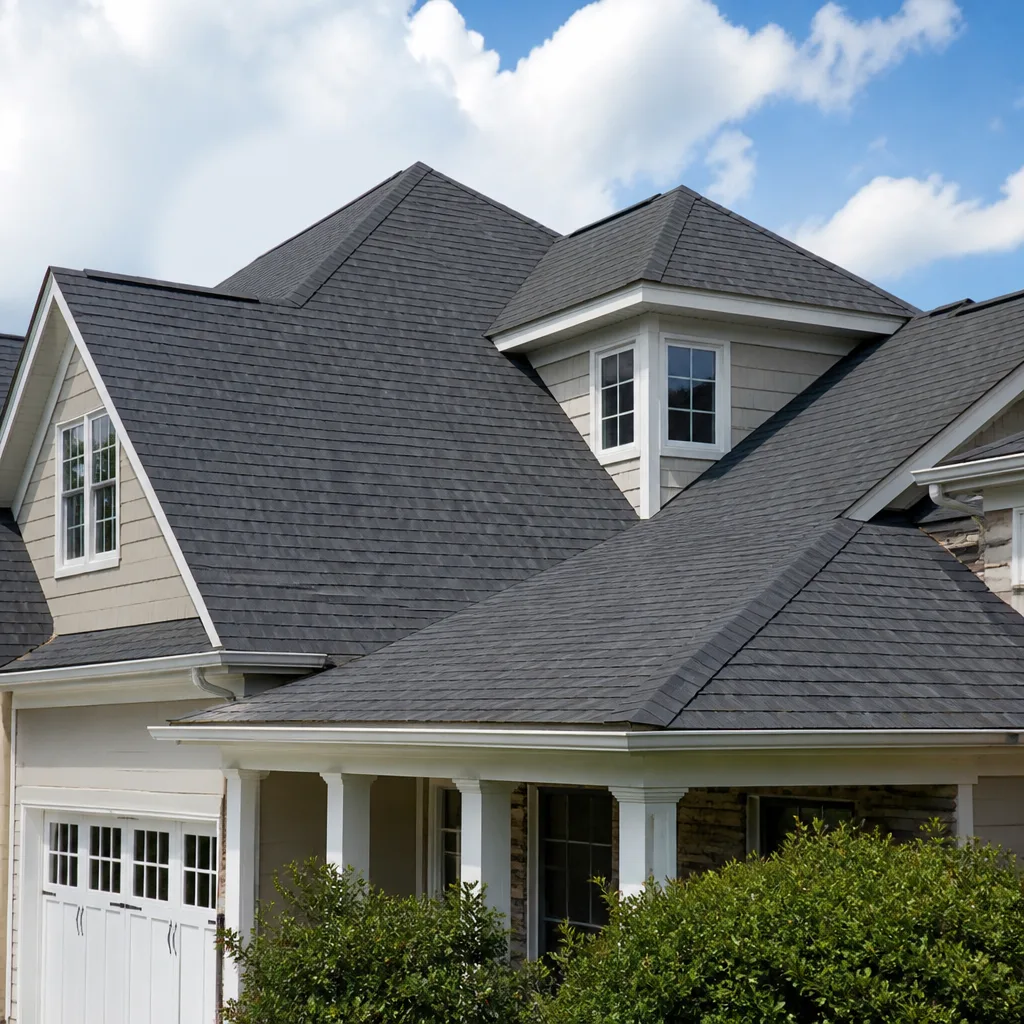
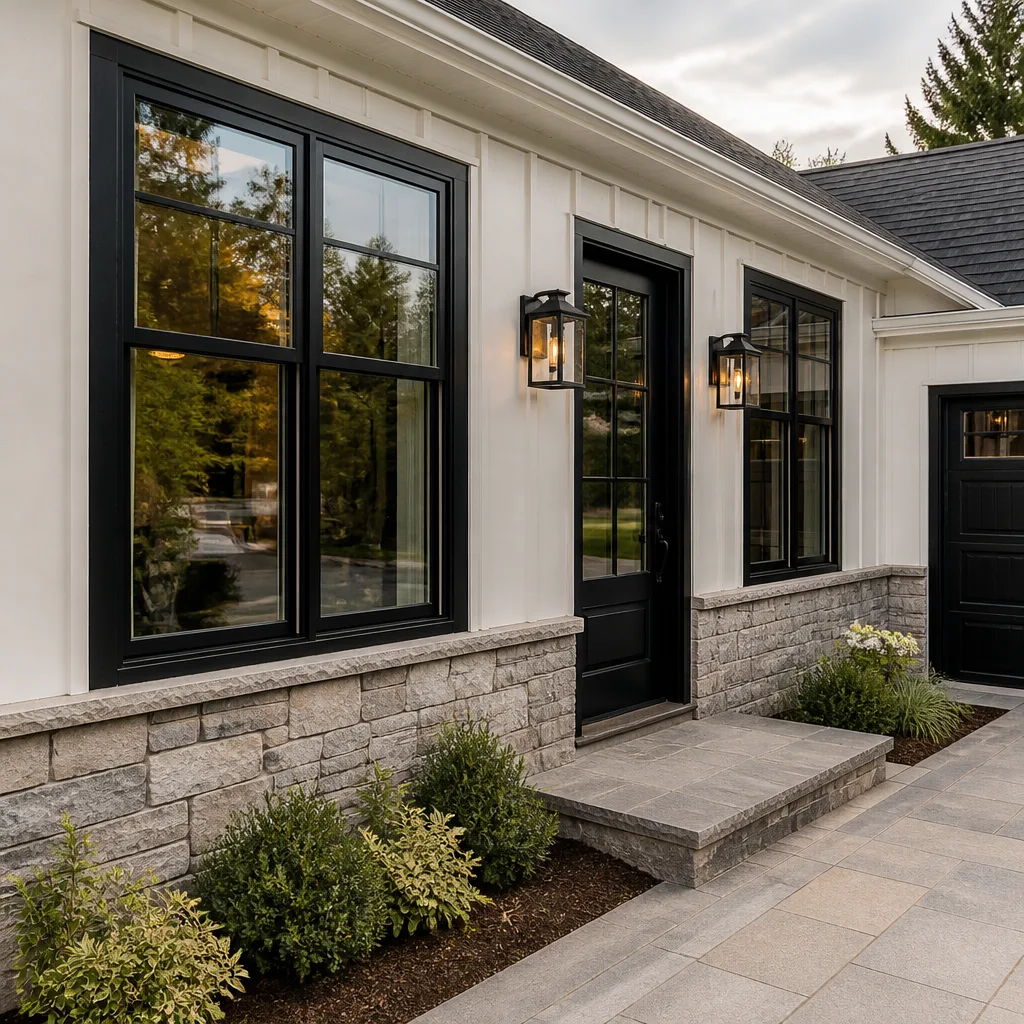
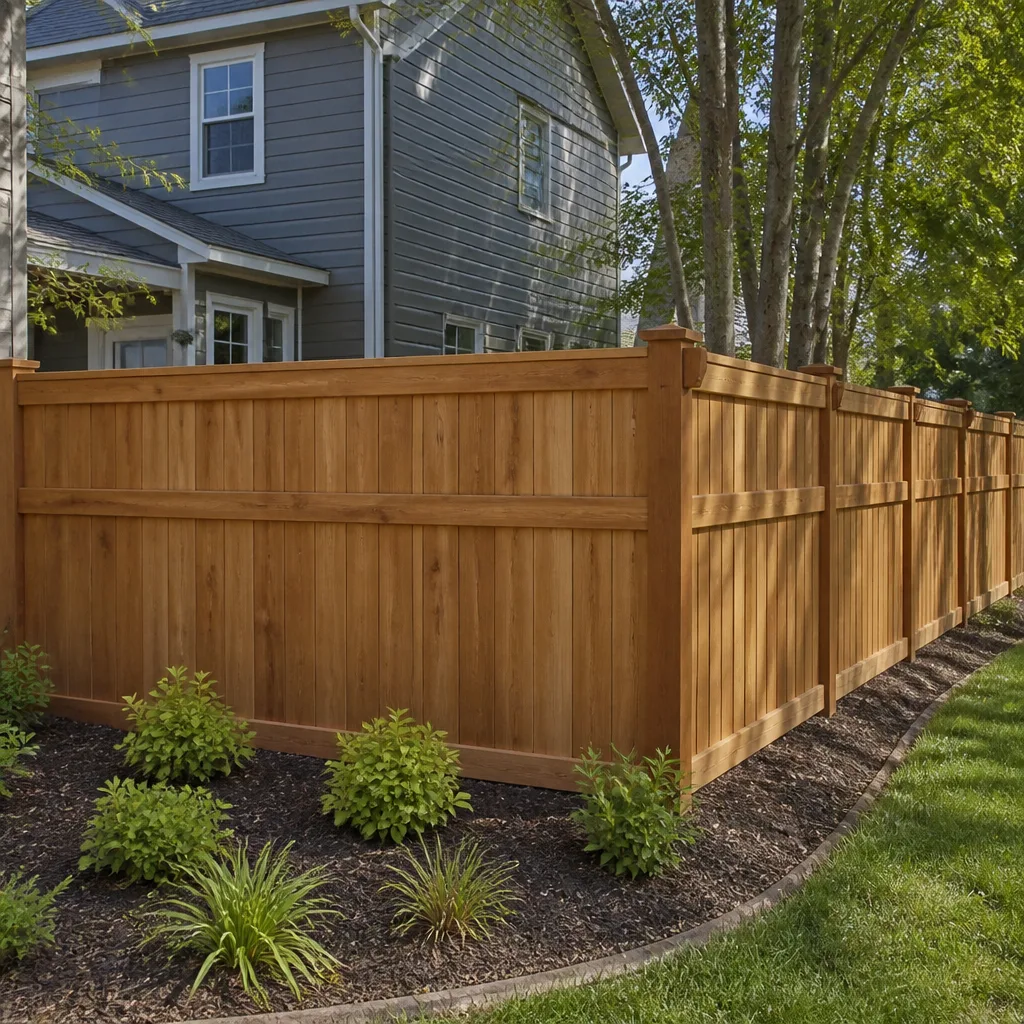
Styles & brands we work with
Signs Your Oldcastle Home Addition or ADU Is Failing
- Wall lean or bulge at mid-height. This is almost always a geogrid failure or missing grid. The block face stays intact while the whole wall mass shifts forward. In Los Angeles, winter rains saturate the backfill and the added weight finds the weakest point.
- Cracked caps or popped blocks at corners. Corners take twice the lateral pressure and show the first sign of poor compaction or a missing corner unit. Once the cap cracks, water gets in and freeze-thaw cycles do the rest, even in mild LA winters.
- Efflorescence that keeps coming back. White mineral deposits on the block face mean water is migrating through the wall and carrying salts out. If it reappears after cleaning, the drainage aggregate or weep holes are not doing their job.
- Settling or sinking pavers in the addition’s walkway or patio. Los Angeles has expansive clay soils in pockets from the Valley to San Pedro. If the base wasn’t compacted in lifts, the pavers sink unevenly and the surface becomes a trip hazard.
- Gaps opening between the addition and the original structure. Different settlement rates between old foundation and new slab show up as a widening crack at the seam. This is the one to watch closest: it tells you the new foundation wasn’t pinned or keyed properly to the old one.
See the difference
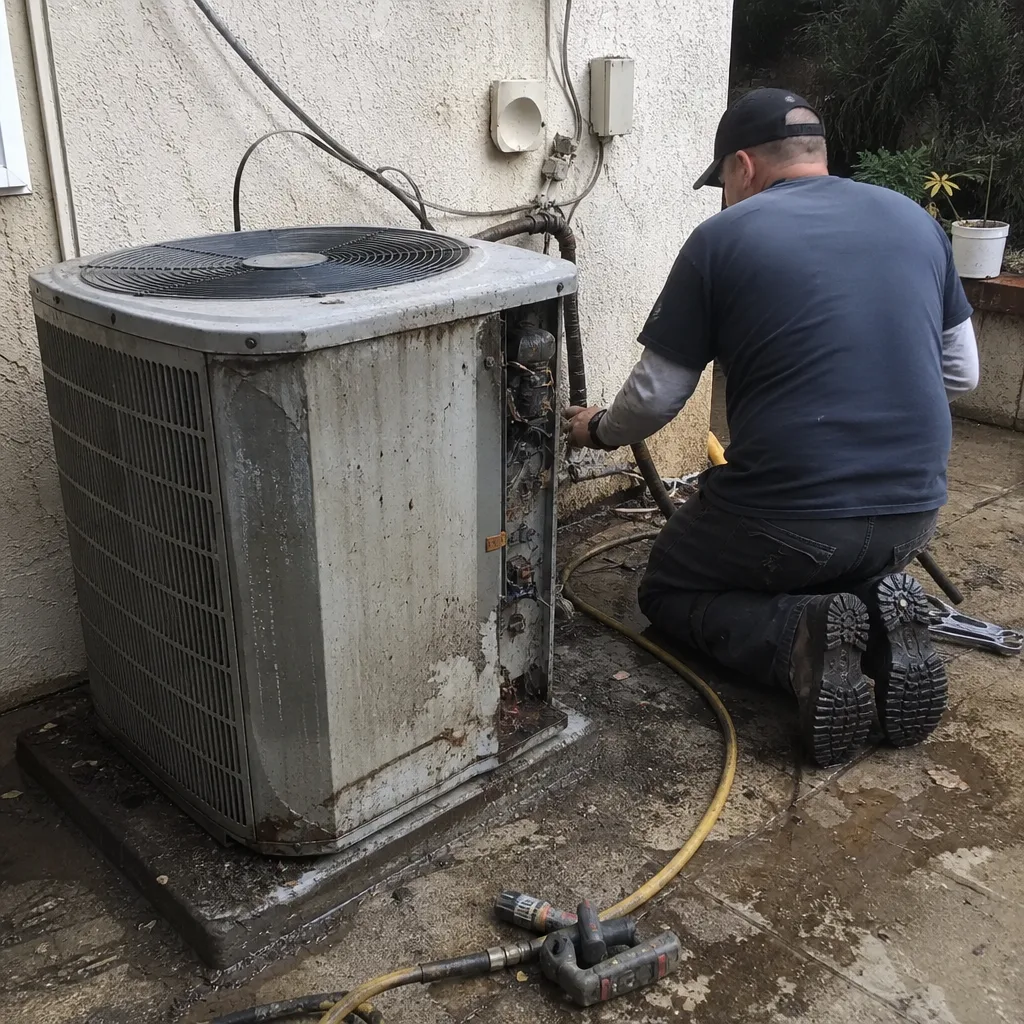 Before
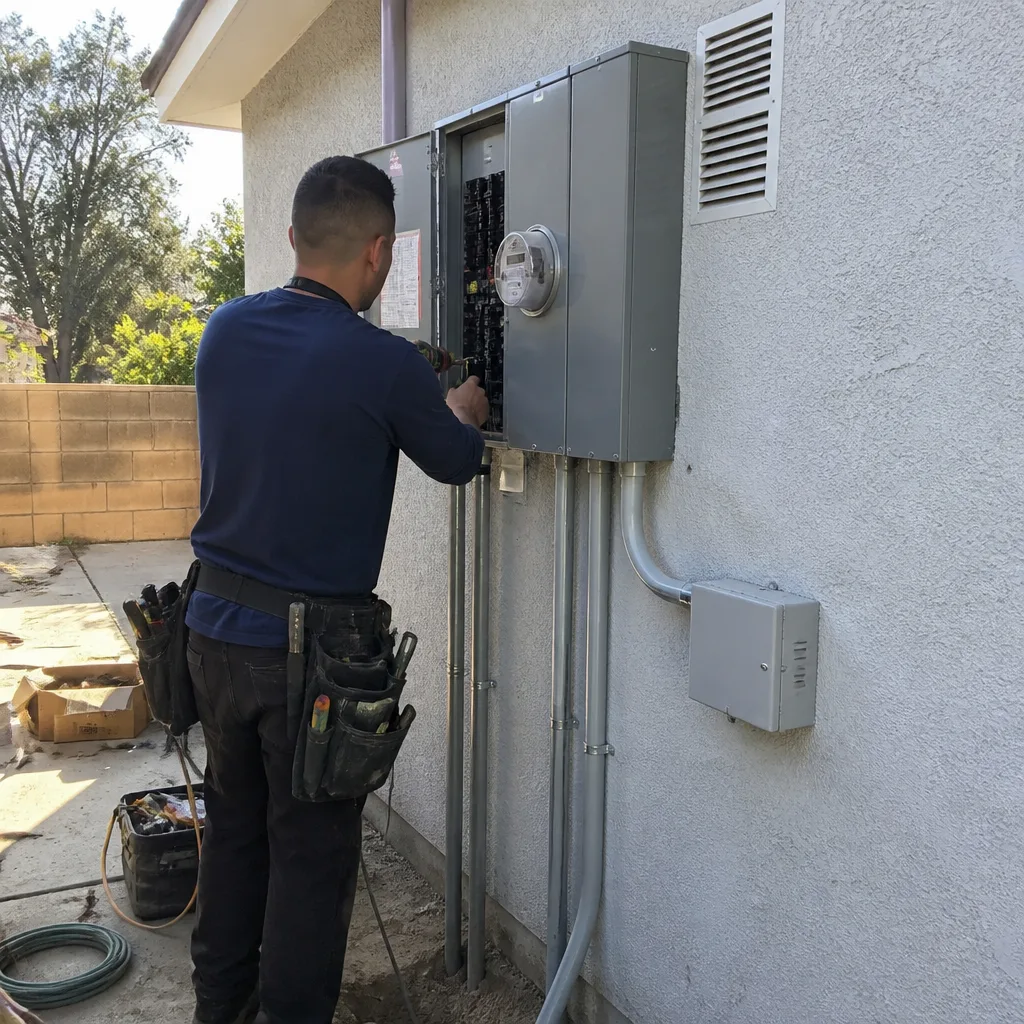 After
After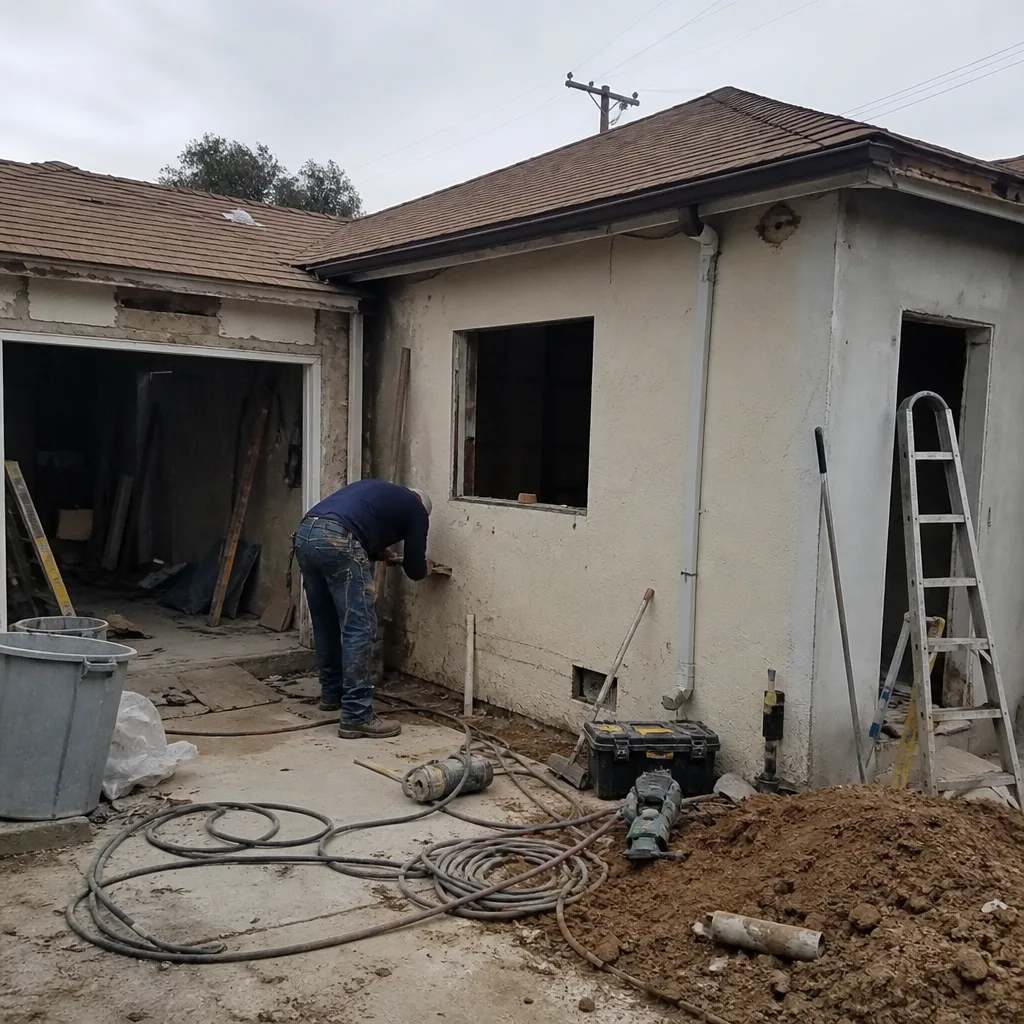 Before
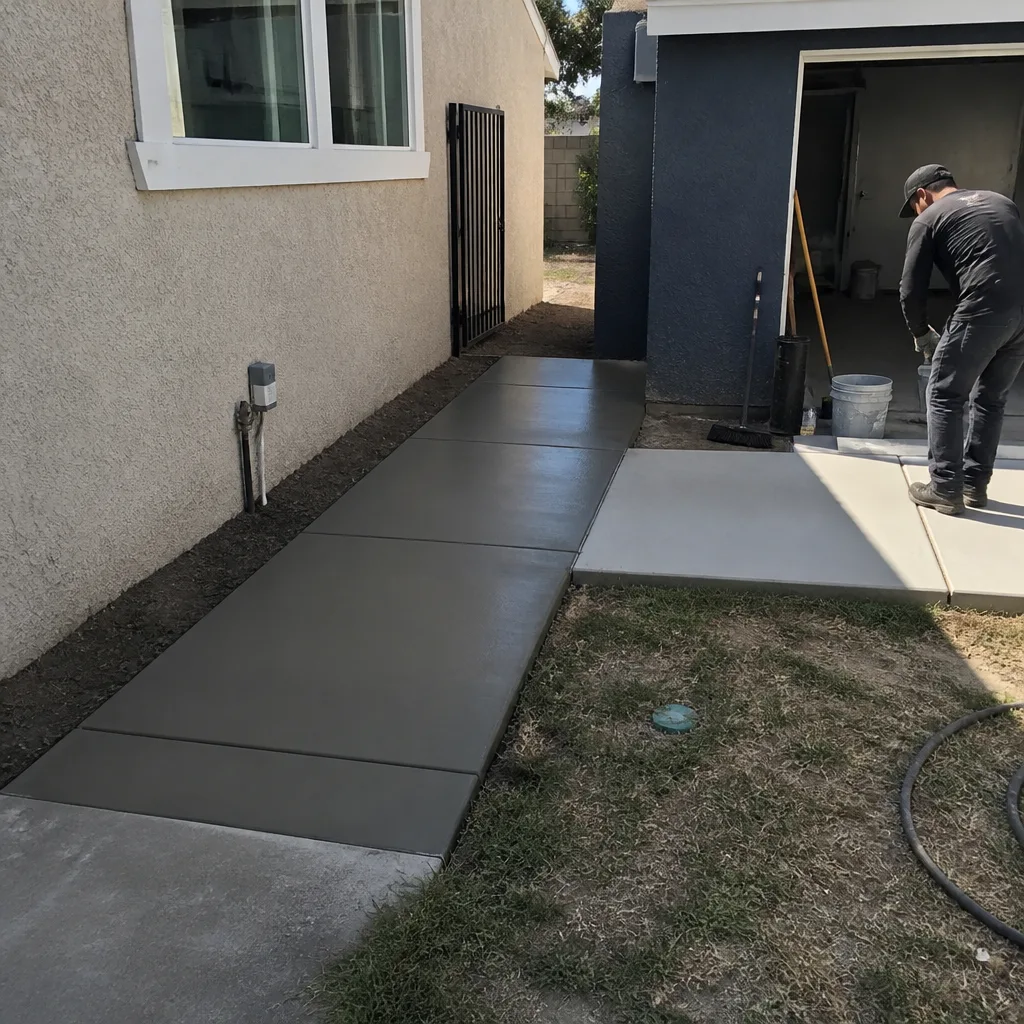 After
After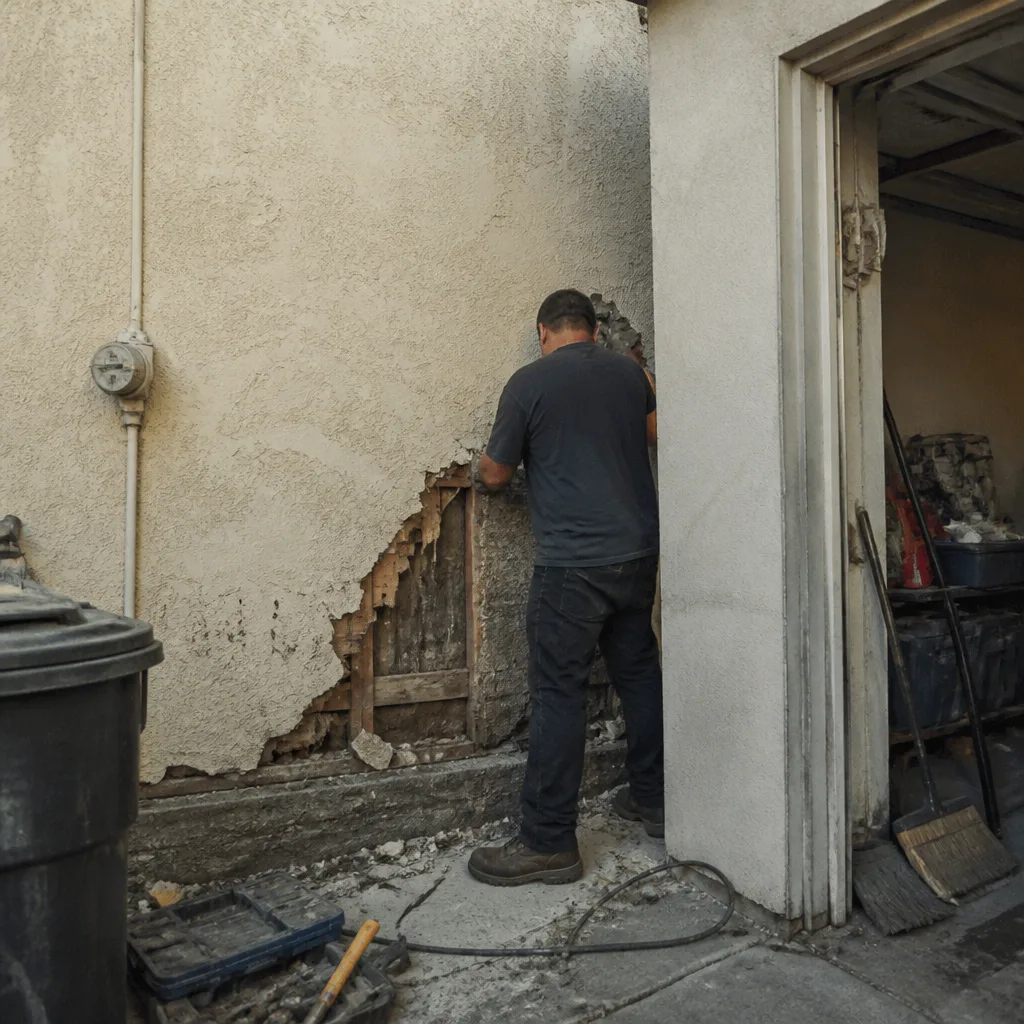 Before
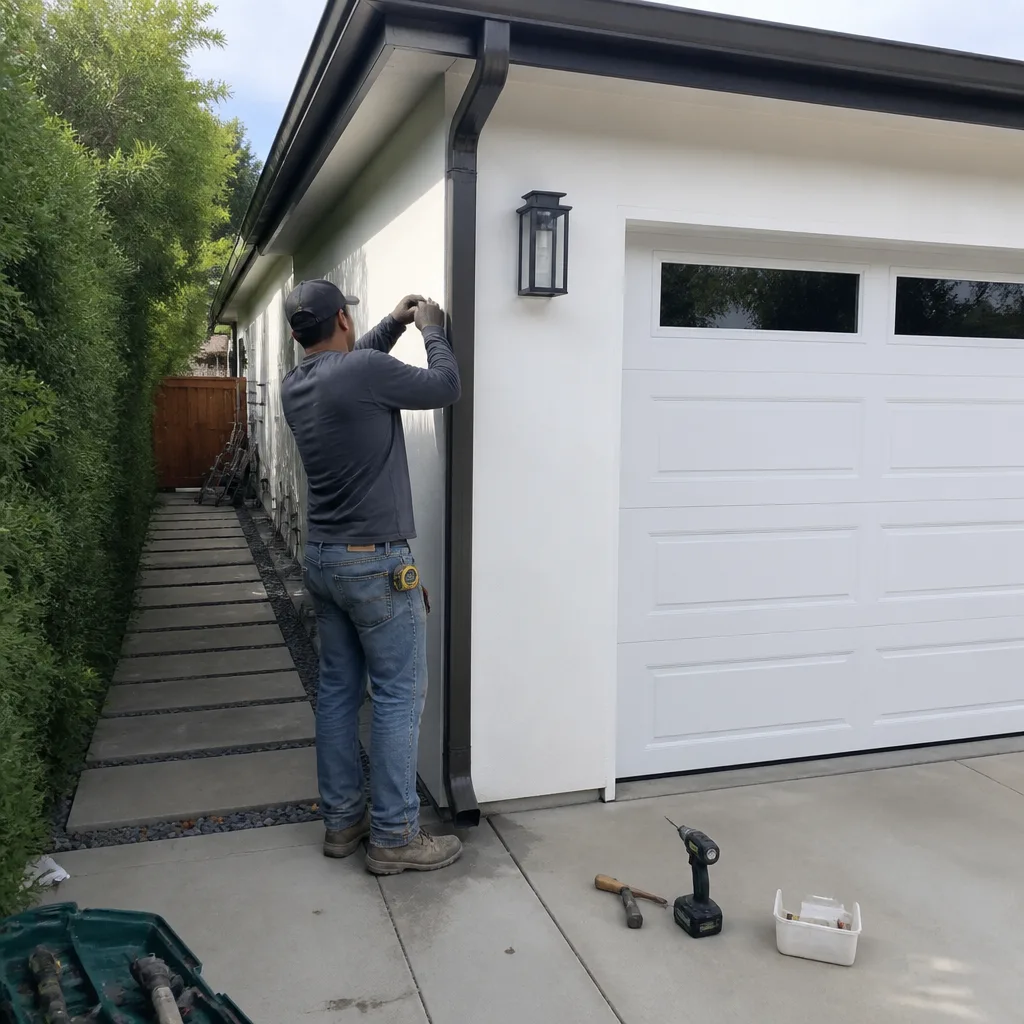 After
AfterReplacement Cost & What’s Included
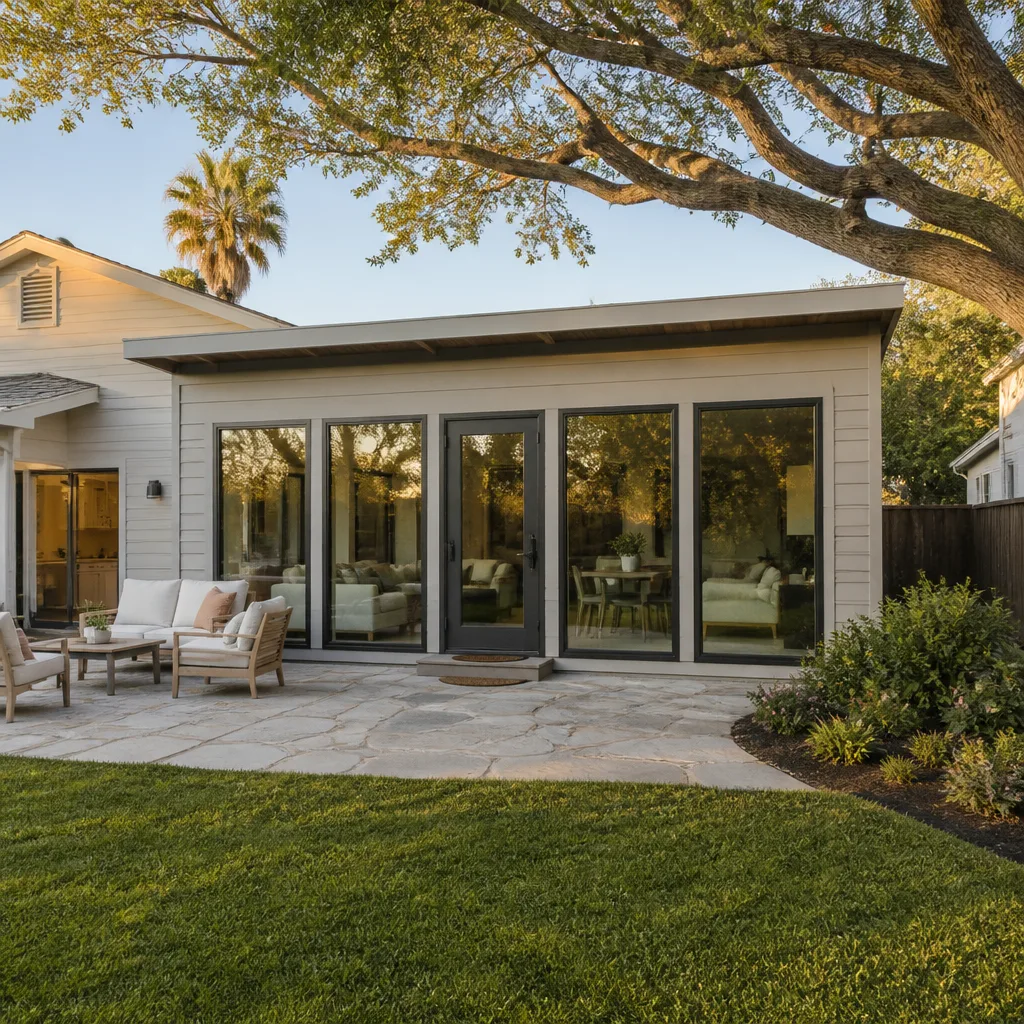
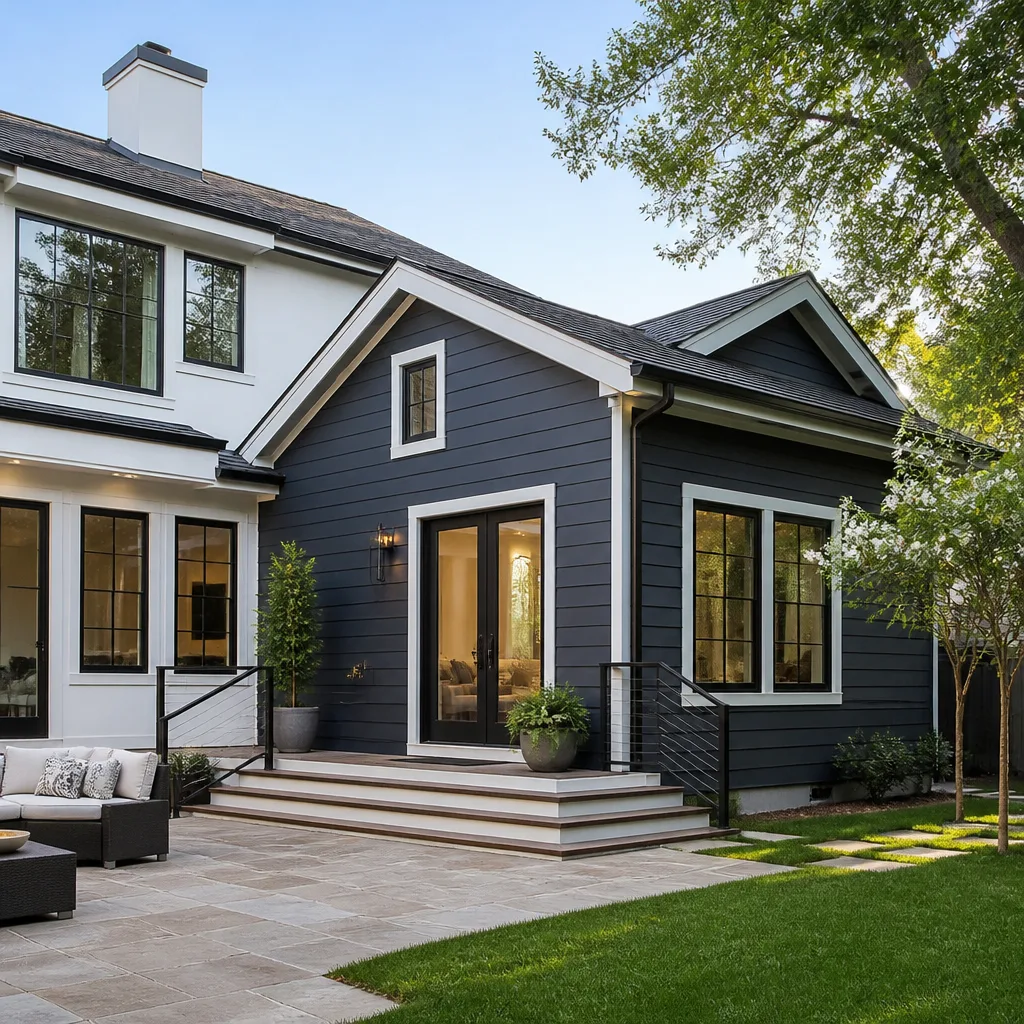
For Los Angeles home additions and ADUs built on Oldcastle block and precast systems, the installed range runs $53,100 for a modest single-room bump-out with standard footings and flatwork, up to $153,400 for a full primary-suite addition or a permitted ADU with kitchen rough-in, bath, and utility connections. The range is driven by three things: the linear feet of block work, the depth and type of foundation required, and whether the site needs retaining walls or soil correction before vertical work starts.
| Project Scope | Los Angeles Installed Range |
|---|---|
| Single-room addition, slab on grade, standard finishes | $53,100 – $82,000 |
| Primary suite addition with bath and walk-in closet | $88,500 – $129,800 |
| Detached ADU, full kitchen and bath, utility rough-in | $106,200 – $153,400 |
| Retaining wall repair or rebuild (add-on to above) | $4,130 – $12,980 per wall run |
Every bid is a written, line-item price before work starts. That price includes permits, engineered plans where the city requires them, materials from our approved brand set, and the full labor to leave the site clean and the structure signed off. The 365-Day Done Right Promise covers the work for a full year: if anything we built fails inside that window, we return and correct it at no charge. No re-pricing at the door, no change orders that appear out of nowhere.
DIY or Call Us?
A homeowner can safely check a few things: look for the series name on the block and confirm it matches from base to cap, check the weep holes for blockage, and photograph any cracks monthly to see if they’re growing. You can also inspect the drainage path during the next rain, does water sheet away from the wall or pool against it.
Where DIY goes wrong is block demolition and rebuild, especially on walls over four feet tall or any wall holding back soil. When the wall comes apart, the backfill wants to go somewhere, and that somewhere is usually the person holding the pry bar. We also see homeowners “fix” a leaning wall by stacking new block on the old footprint without addressing the failed grid or the uncompacted base. That’s a six-month fix that becomes a two-year problem. Foundation and structural work on additions and ADUs is not a weekend project. Call us at (903) 568-7222 and we’ll give you a straight read on what needs to come apart and what can stay.
FAQs
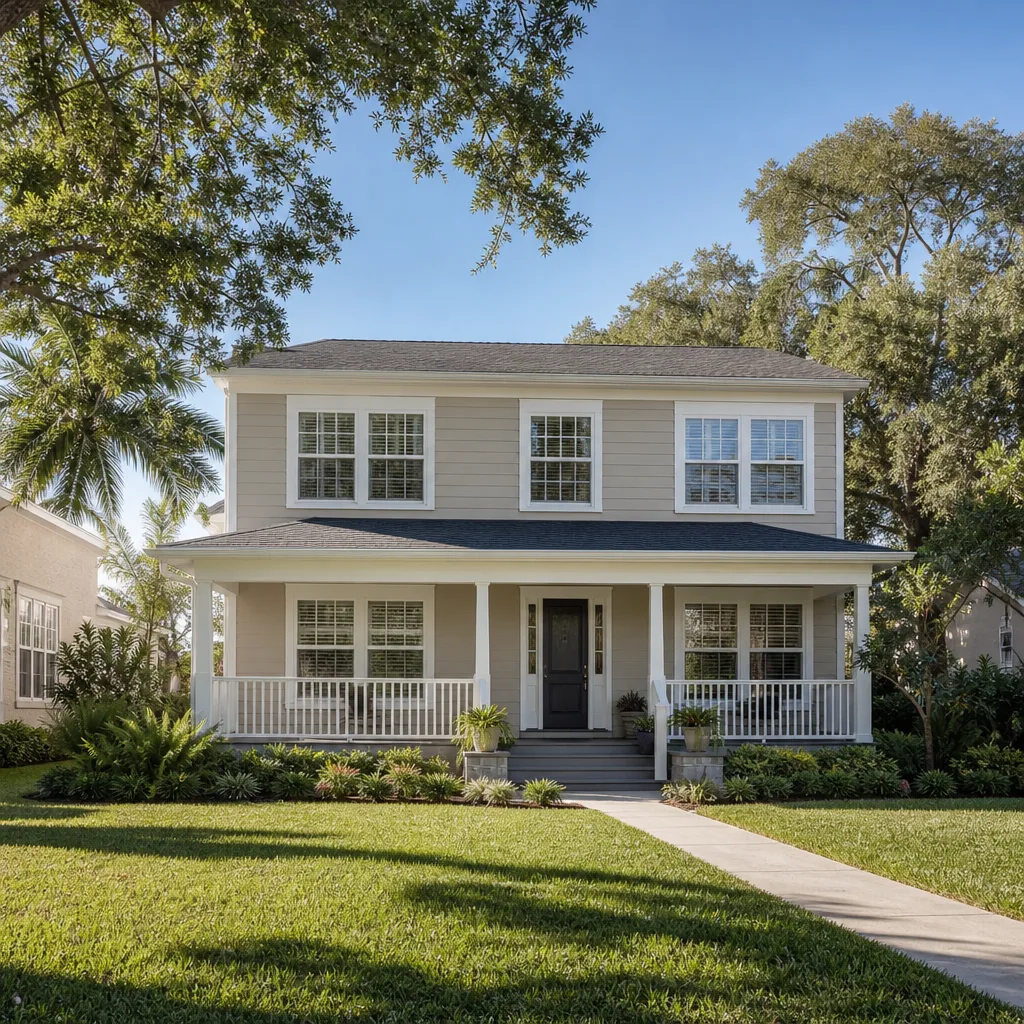
A properly built Oldcastle retaining wall with correct geogrid and drainage aggregate should last 40 to 50 years in Los Angeles before any structural work is needed. Pavers with a proper base run 25 to 30 years before re-leveling. The failures we see at the 5-year mark are almost always installation issues, not product issues. Call (903) 568-7222 for a written assessment if your wall is moving before its time.
A wall under four feet with minor lean can sometimes be repaired by removing the block, recompacting the base, installing proper grid, and rebuilding with the same units. Walls over four feet, or any wall showing corner cracks or cap displacement, usually need a full rebuild because the failure is in the structural system, not just a few blocks. We’ll tell you which one you have, in writing, before you spend a dollar.
A standard residential addition runs 3 to 5 months from permit approval to final inspection, depending on scope and city review workload. A detached ADU runs 4 to 7 months because of utility trenching and separate meter work. We sequence demo, foundation, framing, rough-in, and finishes so the job keeps moving without gaps, and we write the timeline into the original scope. Call (903) 568-7222 for a schedule built around your site.
We source Oldcastle and Belgard products directly through the manufacturer’s supply chain, which means we verify series consistency, dye lot matching, and availability before the first pallet shows up. You don’t order materials, and you don’t get stuck with leftover pallets. The written quote includes the exact product, series, and quantity, so you know what’s going in and what it costs.
Written by Curtis Lane, Owner, Bradford Remodeling at Bradford Remodeling, serving Los Angeles and nearby areas.