Free written scope consultation - allowances, timeline, and change-order rules on paper before a single trade is scheduled
Quikrete Roofing: The Los Angeles Owner’s Guide
Quikrete roofing and waterproofing products typically fail at the seam, the flashing point, or where roof decking meets a vertical wall. For Los Angeles homeowners, a failed Quikrete roof coating or sealant usually shows up as a brown water stain on the ceiling after the first real rain of the season, or as peeling, chalky surface film that won’t hold a patch. Installed repair and replacement work on Quikrete roof systems in Los Angeles runs $470 to $2,125 depending on the square footage and whether we’re treating a localized failure or re-coating the entire deck. Bradford Remodeling stocks Quikrete-compatible patching compounds, reinforcing fabric, and sealants on our trucks, and we can usually diagnose and address the failure in one visit.
Quikrete isn’t a roofing manufacturer in the shingle sense. It’s a cementitious and acrylic coatings brand, which means most “Quikrete roofing” in Los Angeles is actually a Quikrete roof coating system applied over concrete tile, patios that double as deck roofs, or flat commercial-style residential sections. What fails first is almost always the bond line where the coating meets metal flashing or a parapet wall. In Los Angeles, the UV load breaks down acrylic coatings faster than manufacturers rate them because we get more direct sun days than most testing climates. The result is a coating that looks intact but has micro-crazing you can’t see until water gets under it and starts lifting it in sheets.
Which Quikrete Models This Applies To
The products we service under the Quikrete roofing umbrella in Los Angeles break into two families. First is the cementitious line, which includes Quikrete’s waterproofing and resurfacing compounds used on masonry and concrete roof decks. Second is the acrylic and elastomeric coating line, used as a UV and weather seal over existing roofing substrates. They’re not interchangeable, and the failure modes are different. Cementitious Quikrete products crack from building movement and thermal cycling. The acrylic line fails from UV oxidation, which in Los Angeles happens faster than the product data sheet suggests because our summer sun runs hotter and longer than the ASTM test protocol assumes.
Here’s the compatibility gotcha most Los Angeles owners don’t know: if your roof deck was originally coated with a solvent-based product, a water-based Quikrete repair patch will not bond properly without a primer. We see this on older Hollywood Hills and Mid-Wilshire flat roofs where someone patch-coated over a 1980s solvent sealer, and the new material peeled off within a year. Before any repair, our crews test the existing coating with a simple water-bead test and a solvent wipe. If we can’t confirm the existing chemistry, we re-prime. The OEM Quikrete products perform well when applied to a clean, properly primed substrate. For aftermarket equivalents, we only use brands whose spec sheets match the elongation and adhesion ratings of the Quikrete product being replaced, because a painter-grade elastomeric won’t bridge the same crack widths.
Bradford Remodeling is an independent service provider. We’re not affiliated with Quikrete, and we don’t claim to be. We use their products where the job calls for them, and we stock common Quikrete roof repair materials in our Los Angeles trucks because they’re a practical match for the masonry and stucco work we already do.
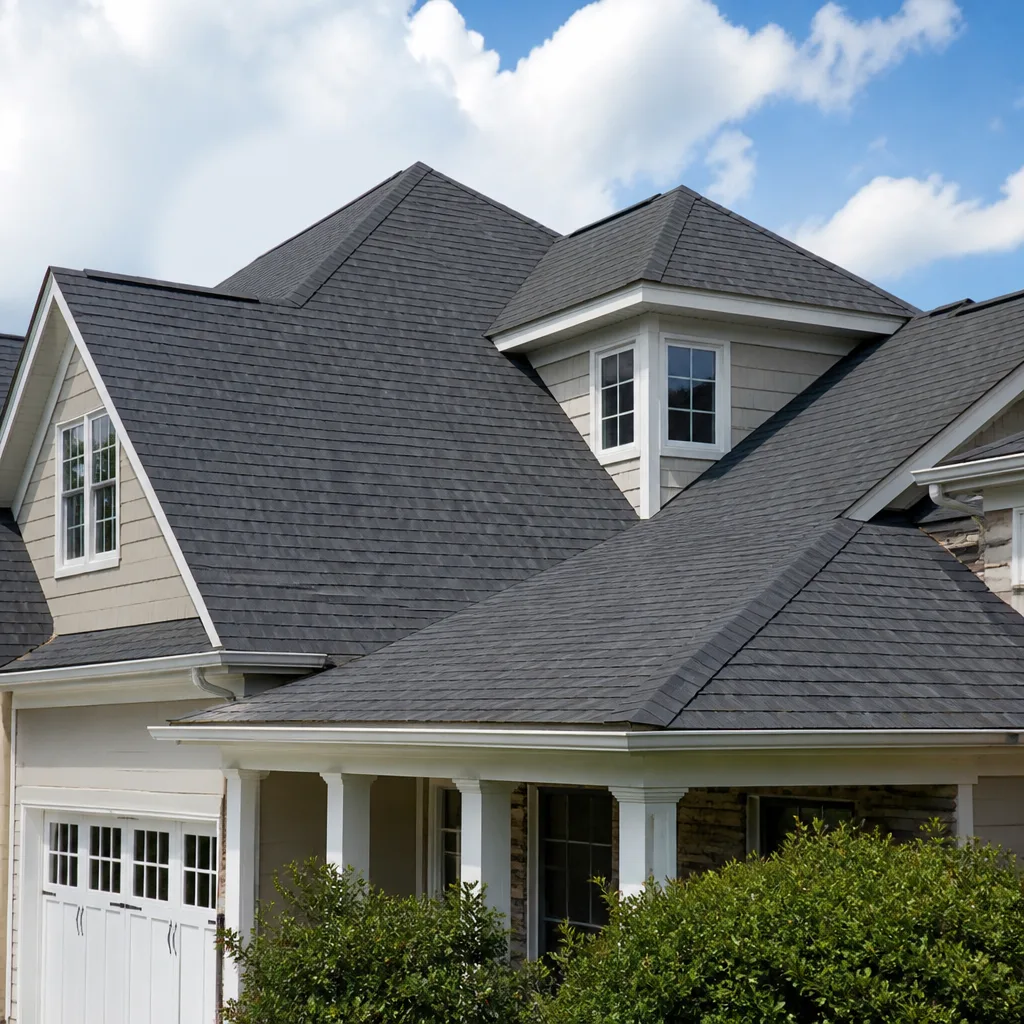
Styles & brands we work with
Signs Your Quikrete Roofing Is Failing
- Water stains on ceilings or upper walls. This usually means the coating has failed at a seam or flashing point and water is traveling along the roof deck before finding a way down. By the time you see the stain, the leak has been active for at least a few rain events. The repair is rarely just patching the visible stain, it means finding the entry point on the roof above.
- Peeling or flaking coating with exposed substrate. This is UV breakdown. The acrylic or cementitious layer has lost adhesion and is now shedding. In Los Angeles, this shows up on south and west facing roof sections first. Exposed substrate absorbs water and accelerates the failure of the surrounding coating.
- Chalky residue on hands or clothing after touching the roof surface. This is oxidation of the acrylic binder. It means the coating is past its service life and can no longer flex with building movement. Re-coating over a chalky surface without pressure washing and priming just makes the new coating fail faster.
- Visible cracks wider than an eighth of an inch in the coating surface. Cementitious Quikrete products crack because the building moves. Hairline cracks are normal and can be treated. An eighth-inch crack means the underlying deck is moving more than the coating can bridge, and that’s a substrate problem, not just a coating problem.
- Bubbling or blistered coating after rain. This is trapped moisture vapor pushing the coating up from below. It means water is already in the deck or under the coating, and it will delaminate larger areas if the moisture isn’t addressed. Covering it with more coating seals the water in and makes the problem worse.
See the difference
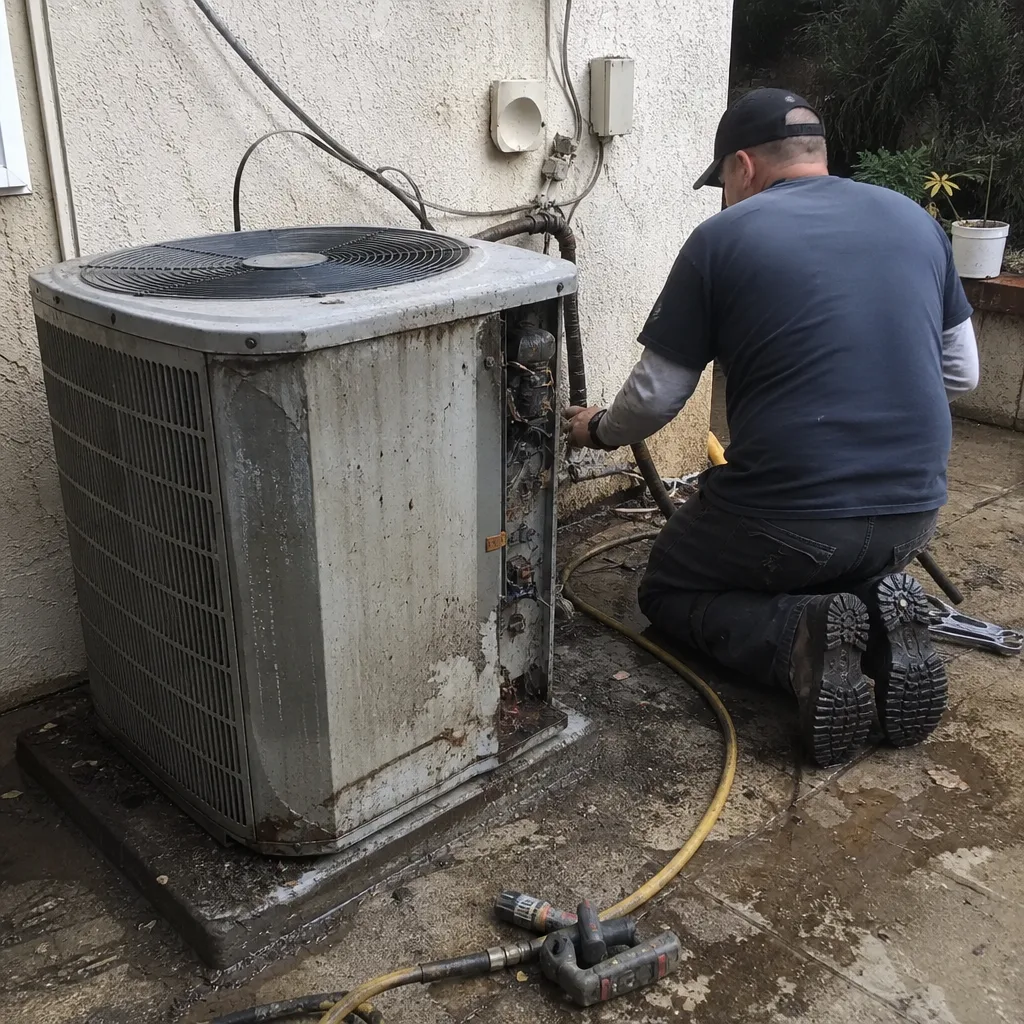 Before
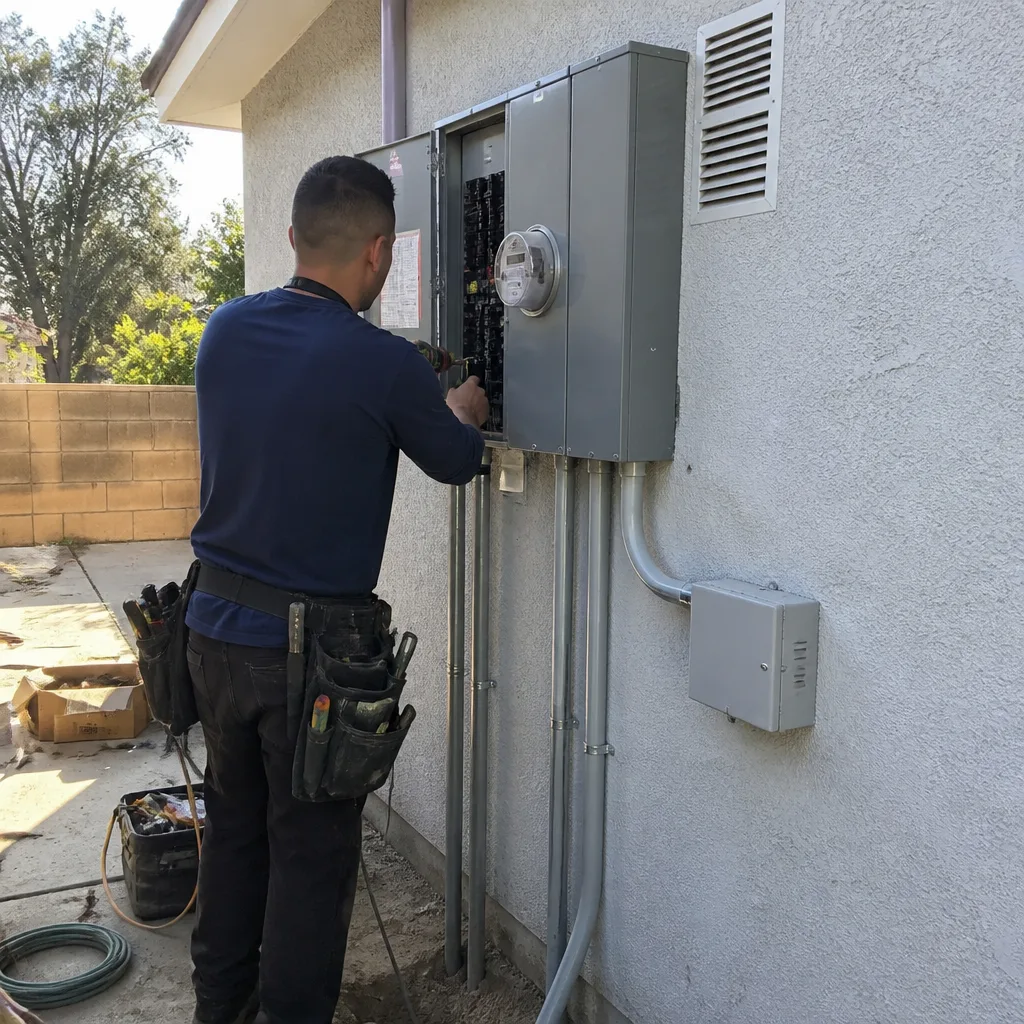 After
After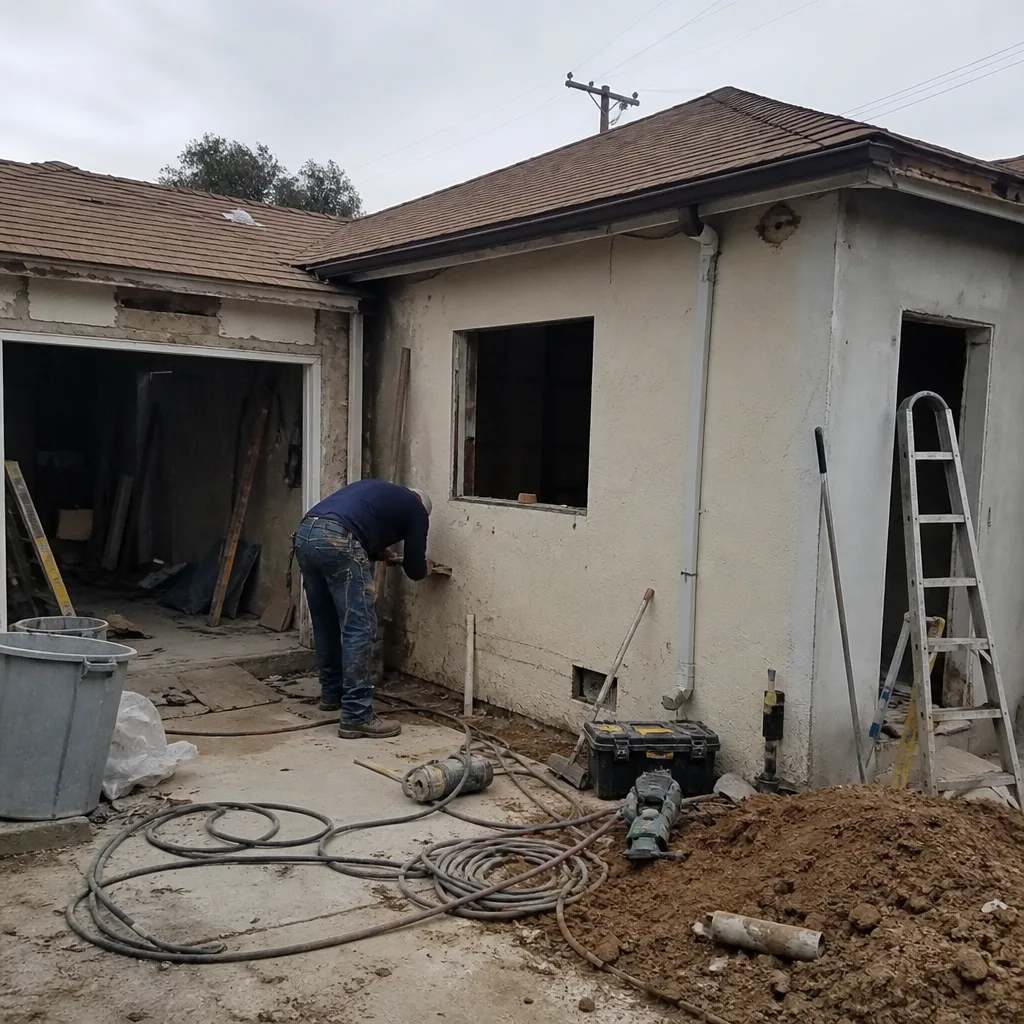 Before
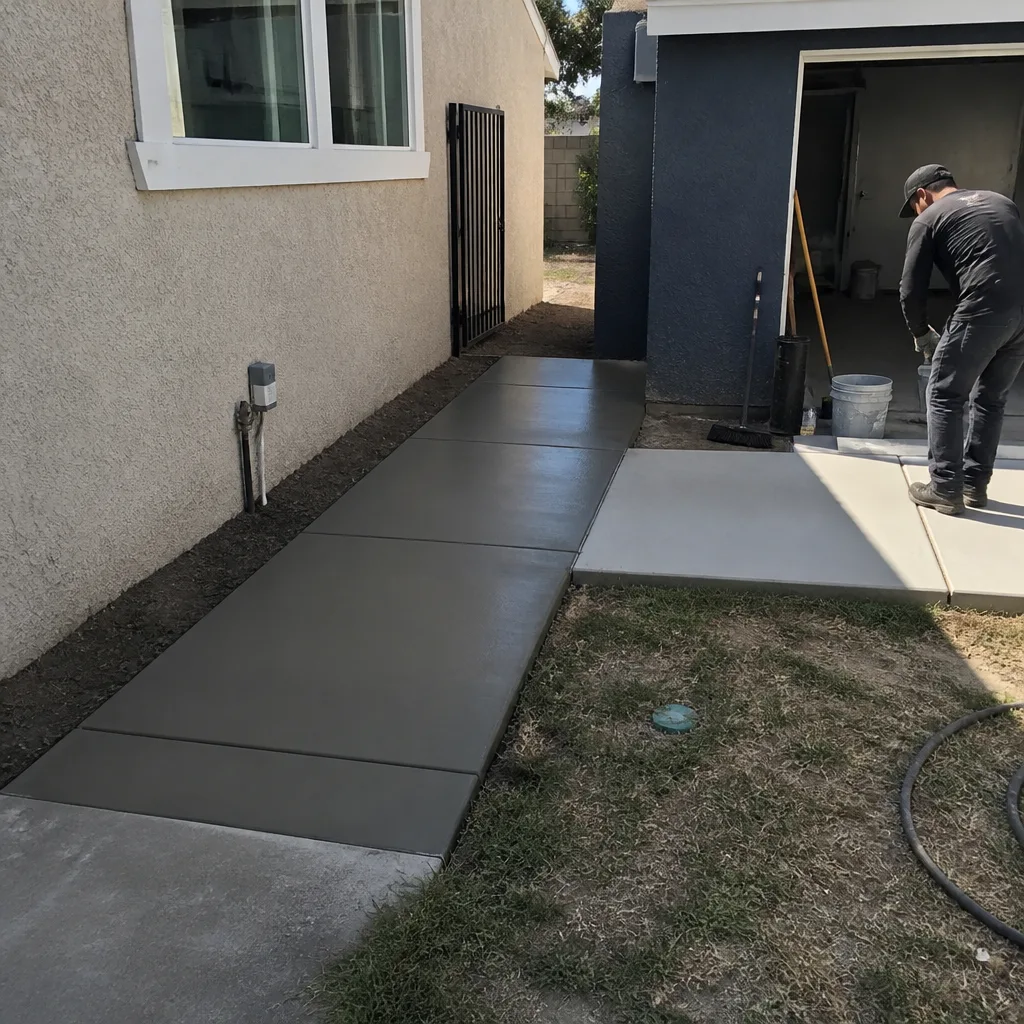 After
After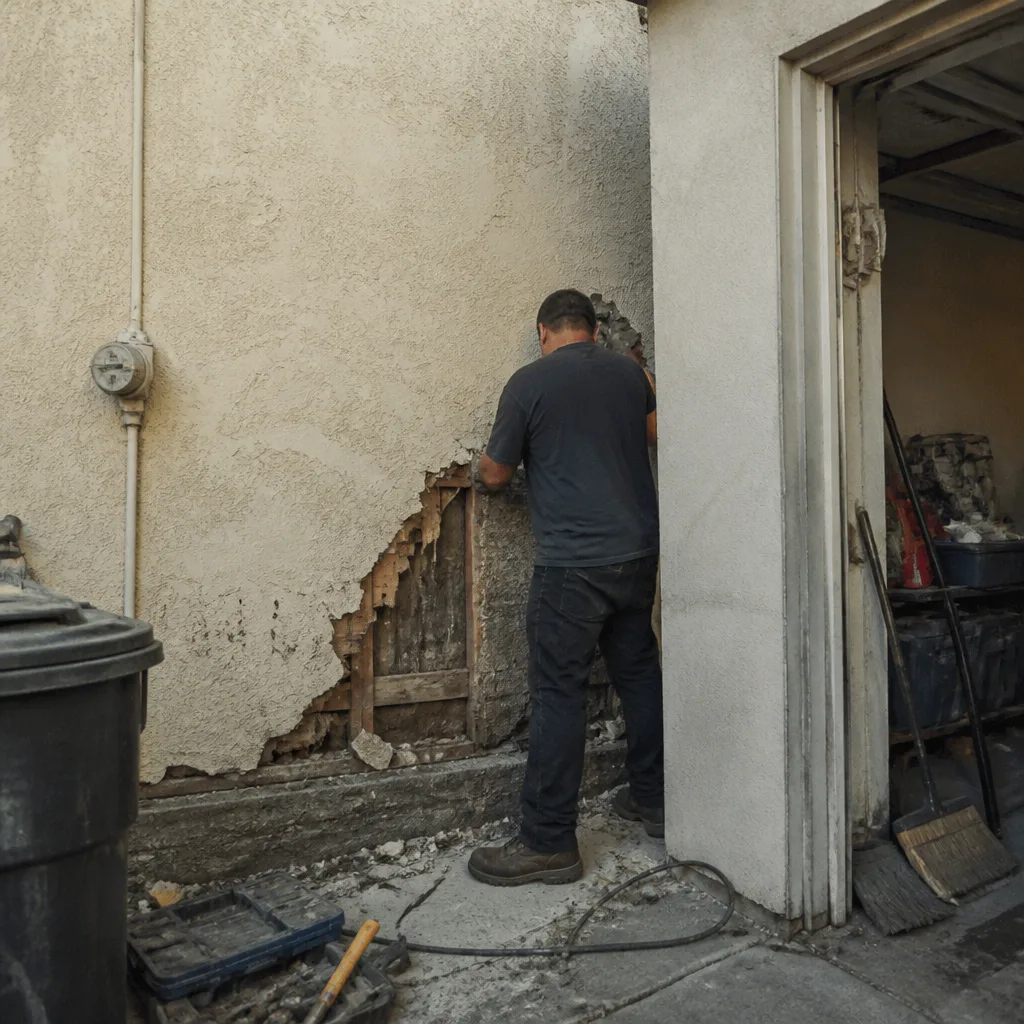 Before
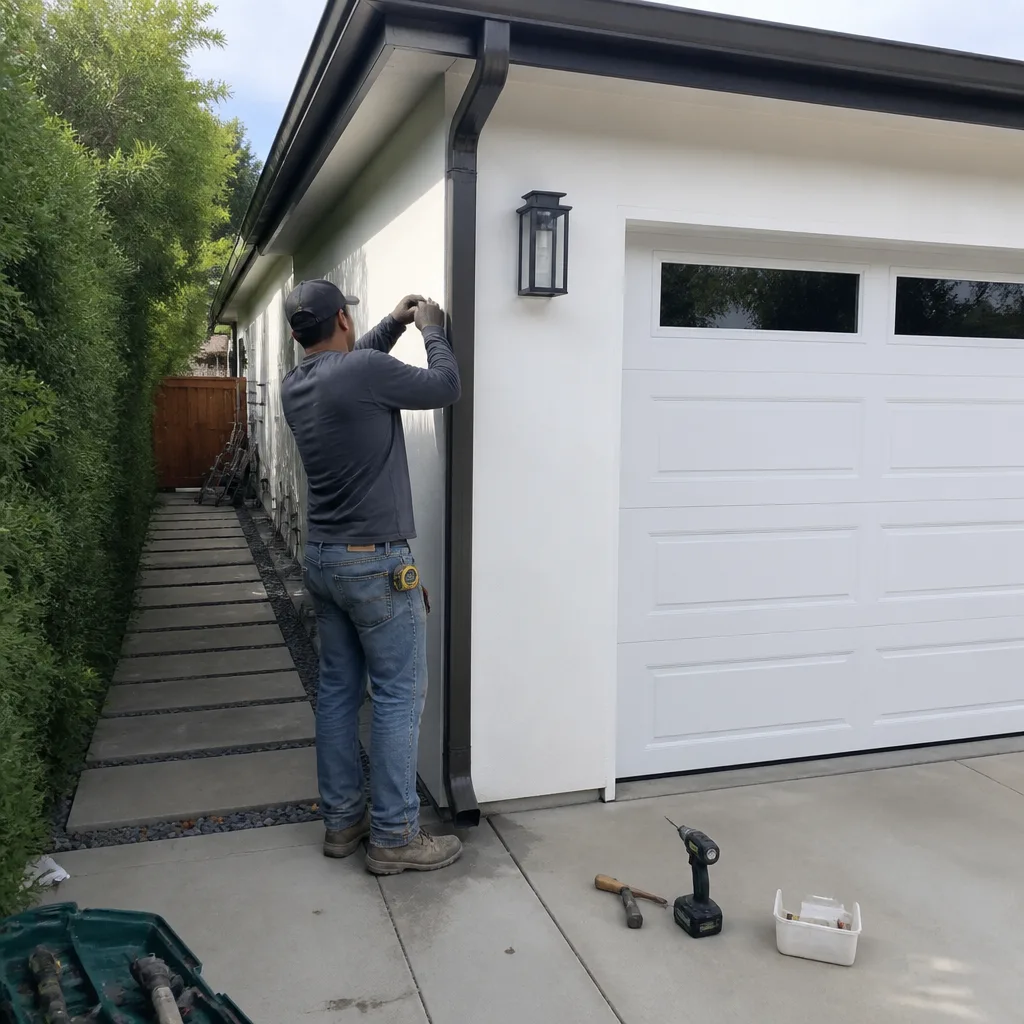 After
AfterReplacement Cost & What’s Included
In Los Angeles, the work we quote for Quikrete roofing repair and replacement falls between $470 and $2,125. The low end covers localized repairs: a failed flashing seam, a small delamination patch, or a crack network under one hundred square feet. The high end is a full clean, prime, and recoating of a residential flat roof section or rooftop deck up to about eight hundred square feet, including Quikrete-compatible material, reinforcing fabric at all seams and penetrations, and clean site closeout.
What drives the cost difference is square footage, the condition of the existing coating, and how many roof penetrations we have to flash. Skylights, HVAC curbs, drain scuppers, and parapet walls all add labor because each is a water entry point that has to be stripped, primed, and sealed individually. A bare roof field with no penetrations is the fastest job. An old Los Angeles roof with three skylights and a rooftop unit is a different day of work.
Every Bradford Remodeling quote is a written price before work starts. You’ll see parts, labor, and disposal as separate line items, and that number doesn’t move at the door. Our work carries the 365-Day Done Right Promise. If the repaired or replaced roof section fails within the guarantee year, we come back and make it right at no charge. You get the warranty in writing when the job closes.
DIY or Call Us?
You can safely inspect a Quikrete roof coating from the ground with binoculars or from a ladder if you stay on it and don’t climb onto the roof. Look for peeling at the edges, whitish chalking, or standing water that doesn’t drain. You can also check your attic or top-floor ceilings for fresh water stains after rain. Those observations help us quote faster, but they’re not the repair.
Working on a roof in Los Angeles means working at height and on a surface that may be weaker than it looks. A delaminating coating can hide rotten decking, and stepping through a roof is a real injury risk. Applying Quikrete repair products also requires proper surface prep, primer chemistry matching, and seam reinforcement. If those steps are skipped, the patch fails in the first rain and you’ve spent money twice. Our crews are background-checked, uniformed, and trained to work on Los Angeles roof conditions. Call (903) 568-7222 for a free estimate, and we’ll tell you straight whether you need a patch or a full recoat.
FAQs
A properly applied Quikrete roof coating in Los Angeles lasts about 5 to 7 years before UV oxidation becomes a problem. That’s shorter than the 10-year rating some products carry because Los Angeles sun and smog break down acrylic binders faster than the standard test climate. Annual inspection and touching up the south and west facing edges extends the service life.
Want us to inspect your roof before the rainy season? Call (903) 568-7222 and we’ll send a crew out for a free estimate.
Localized failures can be repaired. A failed flashing seam, a small delamination area, or a contained crack network can be stripped, primed, and re-coated without treating the entire roof. If the coating is chalky across most of the surface or has delaminated in multiple areas, full recoating is less expensive per square foot than repeated patchwork.
We’ll tell you which one your roof needs. Call (903) 568-7222 for a written quote.
A localized Quikrete repair in Los Angeles is typically done in one day, including prep, application, and cure time before we leave. A full flat roof recoating takes one to two days depending on square footage and the number of penetrations we have to flash. We don’t start work until you have a written price in hand.
Call (903) 568-7222 and we’ll give you a straight answer on timing for your specific roof.
Yes. Our Los Angeles trucks carry common Quikrete repair compounds, acrylic patching material, primers, and seam reinforcement fabric. We also stock compatible aftermarket products where the spec sheets match the Quikrete product being replaced. If a specialized product has to be ordered, we’ll tell you before we quote, not after we start.
Call (903) 568-7222 and ask what we have on the truck for your roof type.
Written by Curtis Lane, Owner, Bradford Remodeling at Bradford Remodeling, serving Los Angeles and nearby areas.