Free written scope consultation - allowances, timeline, and change-order rules on paper before a single trade is scheduled
Silestone Kitchen Remodeling: The Los Angeles Owner’s Guide
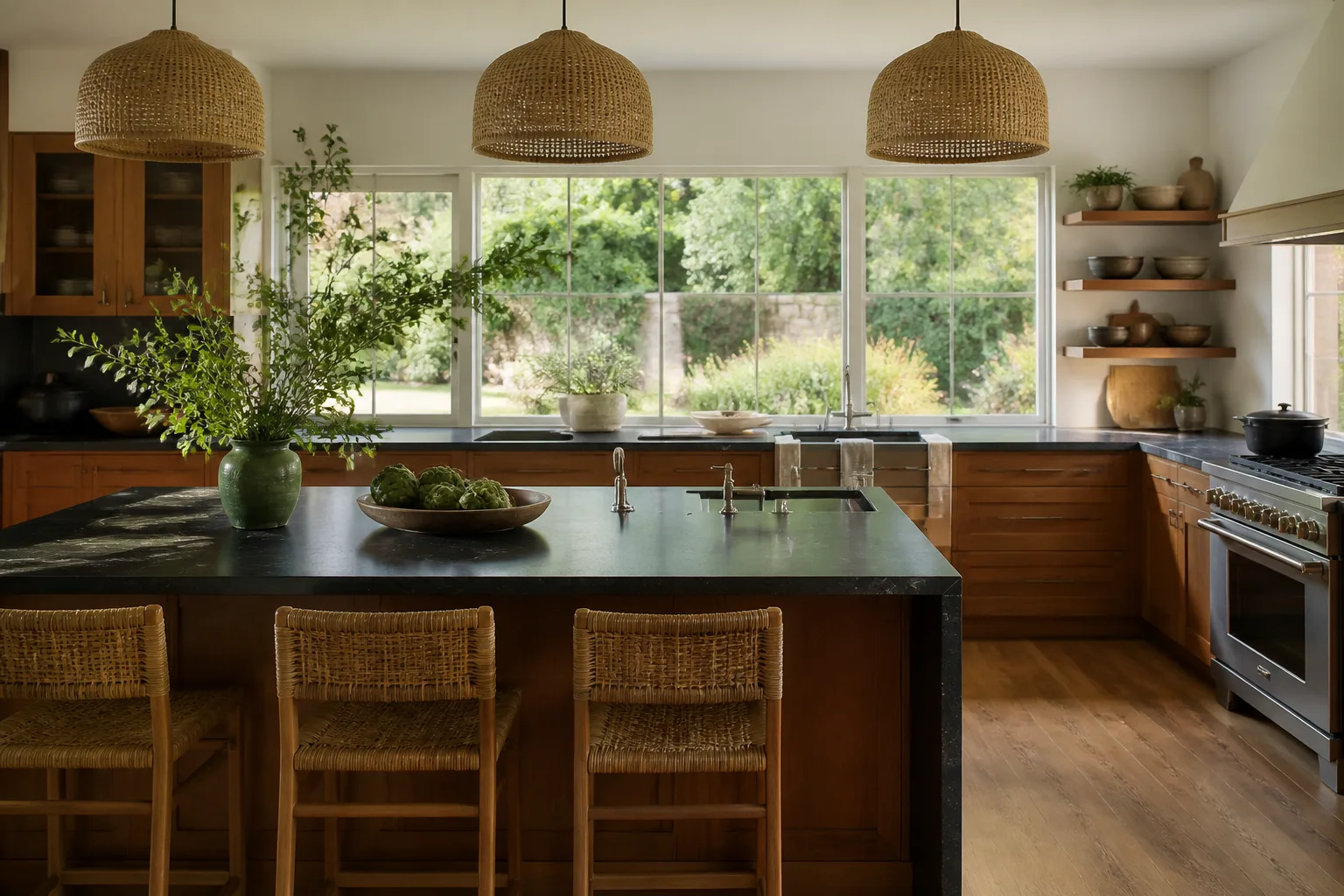
Silestone kitchen remodeling in Los Angeles typically runs $16,520 to $53,100 for a full countertop-to-cabinet scope, with countertop-specific installs landing between $2,360 and $7,670. We stock Silestone-compatible slabs and edge profiles, and most countertop replacements schedule within five to seven business days once you’ve picked your color from the deck. The way owners usually find us: a chip at the sink cutout, a seam that’s opened up near the cooktop, or a dull bar area that won’t buff back no matter what product they throw at it.
Which Silestone Models This Applies To
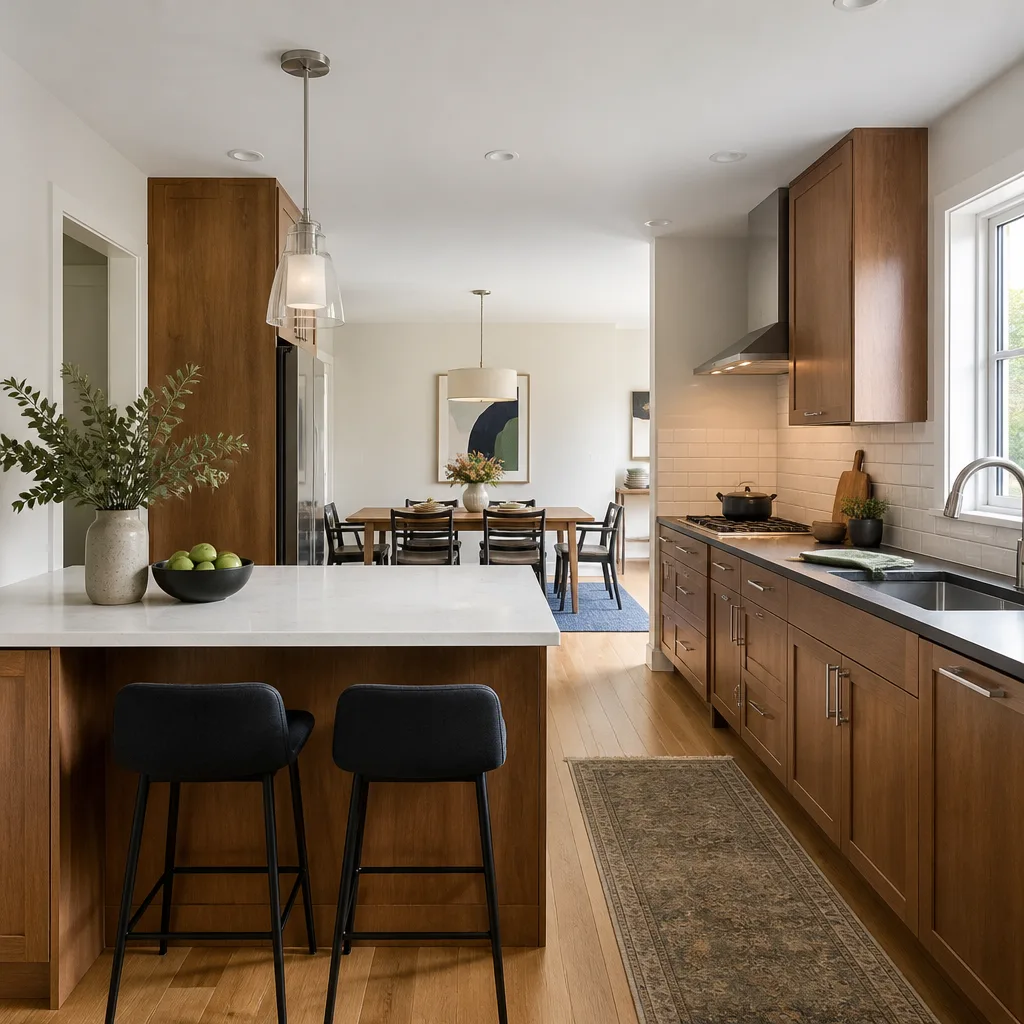
Silestone runs three main series that matter for Los Angeles kitchens: the Classic series (entry-level quartz, 20mm and 30mm thickness), the Loft series (matte-suede finish, 12mm, 20mm, and 30mm), and the Sunlit Days collection (a 2022 color deck with the HybriQ+ binder set). The compatibility gotcha most homeowners miss: Silestone changed their manufacturing spec in 2016 from a 90% natural quartz / 10% polyester resin mix to the HybriQ blend, which uses recycled glass and a different resin ratio. That matters because older slabs, the ones installed before 2016, take a different seam adhesive and a different polishing compound than anything cut in the last eight years. If you’ve got a pre-2016 kitchen and one section fails, you can’t always match the repair to the original slab without the fabricator knowing which generation you have.
On the countertop itself, you’ll find the serial and batch code etched on the underside, usually within six inches of the front edge on the longest run. Take a photo of that before you call anyone. For aftermarket edge profiles and sink cutouts, quality fabricators in Los Angeles work from template, not from a catalog guess. OEM Silestone edge kits come in seven standard profiles: Eased, Bevel, Bullnose, Half Bullnose, Ogee, Dupont, and Miter. Aftermarket equivalents from local stone yards can match the color but rarely match the flex tolerance of the factory edge on a 30mm miter, which is why we default to factory profiles on anything load-bearing.
We’re an independent Los Angeles contractor, not a Silestone affiliate, so our interest is telling you which parts actually hold in your kitchen, not pushing a brand line.
Styles & brands we work with
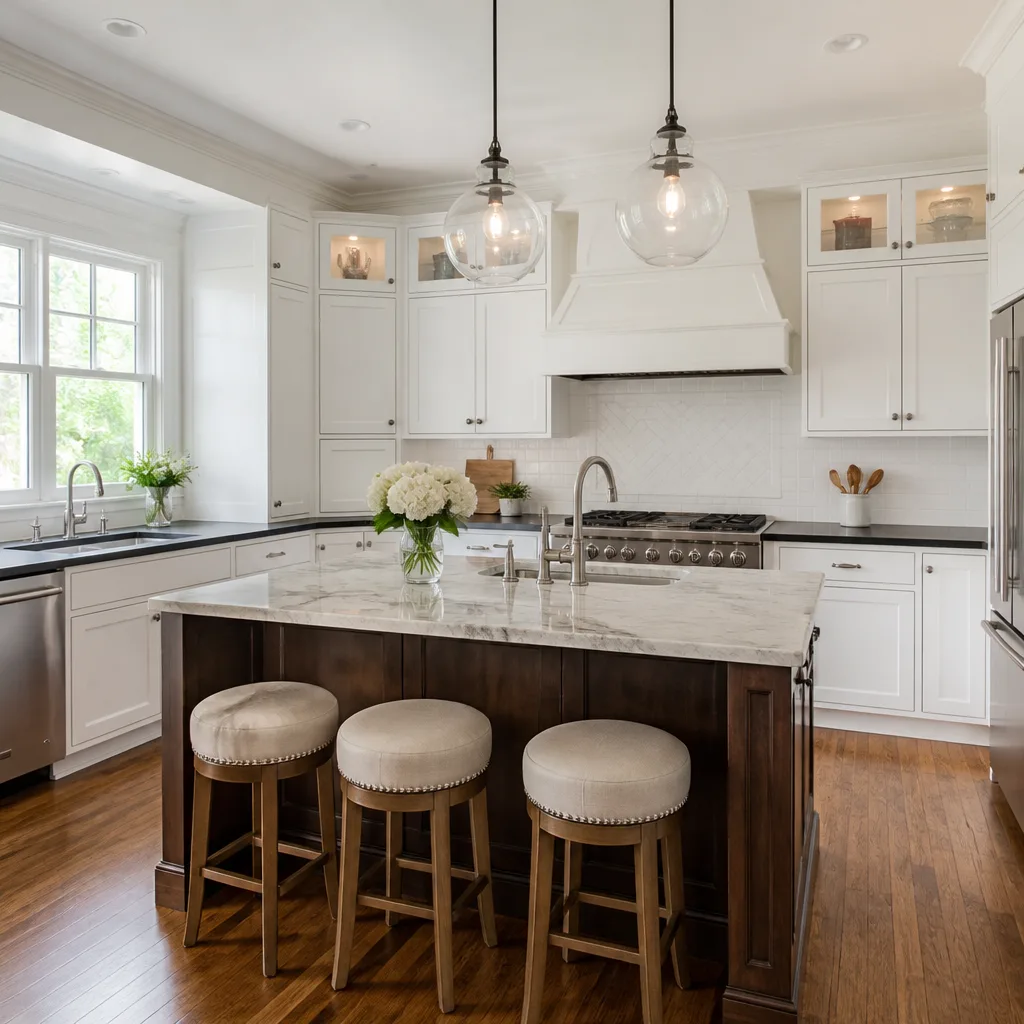
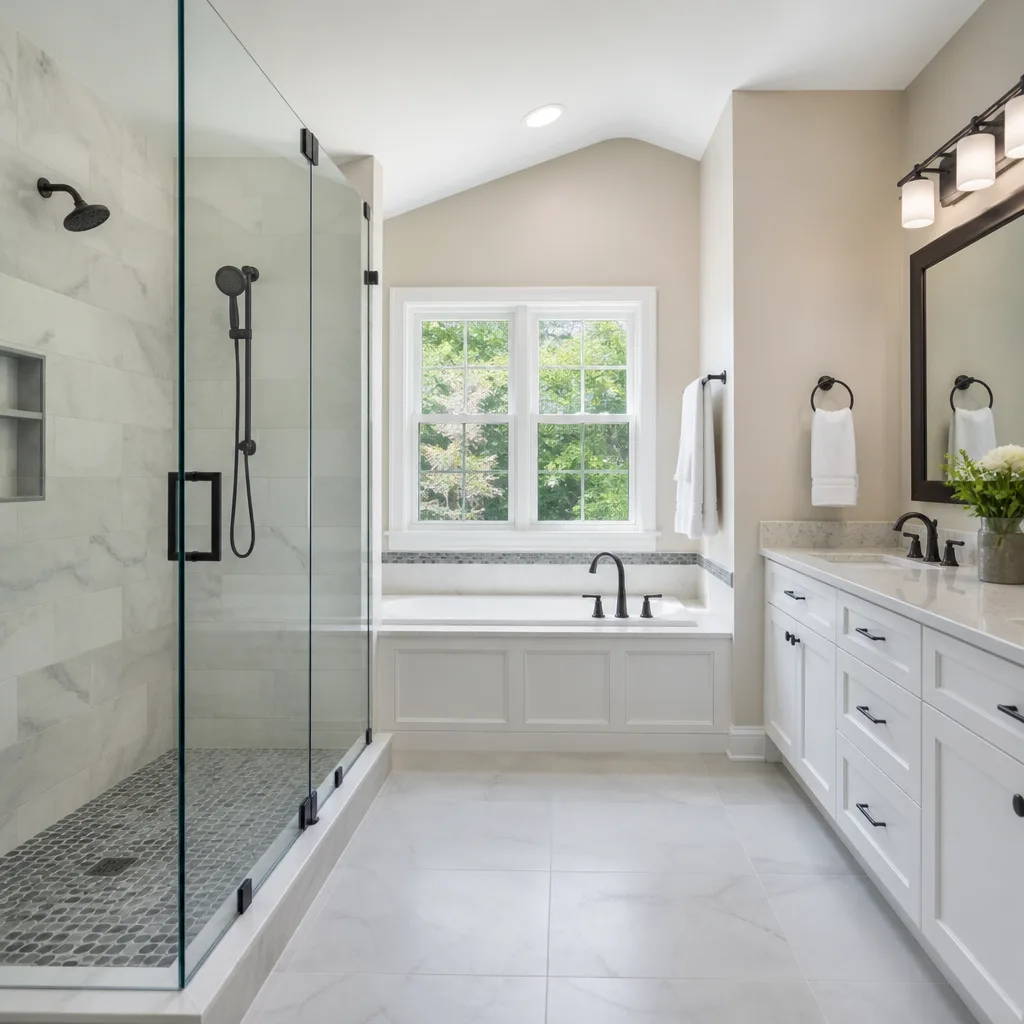


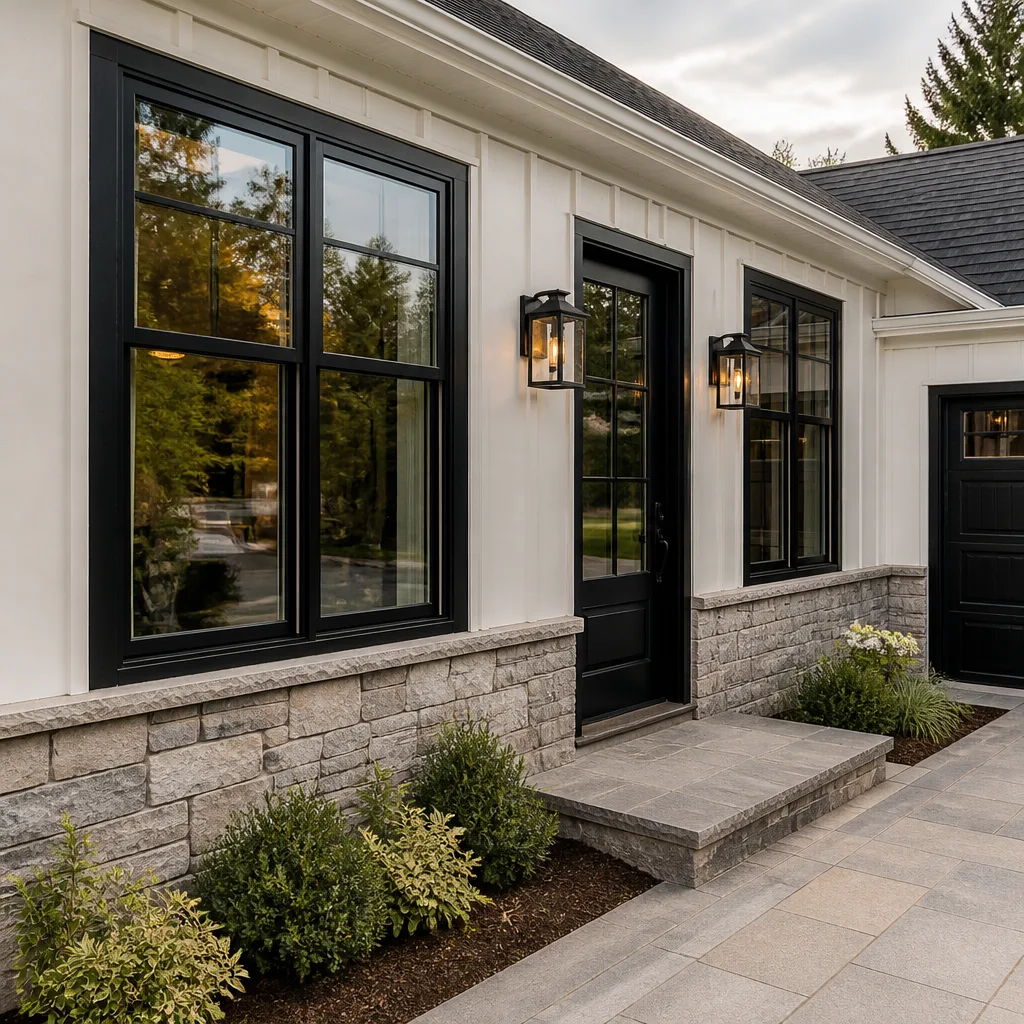
Signs Your Silestone Kitchen Remodeling Is Failing
- Seam separation at the joint. Quartz expands and contracts with temperature swings, and in Los Angeles kitchens where a west-facing window hits the counter for six hours a day, that thermal cycle works seams loose. A tight seam should feel like glass; if you can catch a fingernail on it, the adhesive has started to fail.
- Star cracking around the sink cutout. This is the highest-stress point on any Silestone countertop. Undermount sinks transfer weight and vibration into the stone, and if the original installer didn’t run a support cradle, hairline fractures radiate from the inside corners. Once that starts, the crack travels.
- Discoloration that won’t lift. Silestone is non-porous, but the resin component can react to harsh cleaners, acetone, or standing water with high iron content. If a ring from a can or a coffee stain has set into the finish after a wipe-down, the polish layer is compromised, not the stain.
- Chipped edges on the overhang. Quartz chips most often where the edge profile meets open air, especially on 12mm Loft series slabs with insufficient overhang support. A chip smaller than a quarter can usually be repaired; a crack that runs into the deck cannot.
- Cupping or lippage between adjacent slabs. When two Silestone sections were jointed and one side sits proud of the other by more than 1/16 inch, the substrate underneath is moving. In older Los Angeles homes with pier-and-beam foundations, subtle settlement shifts the counter deck over time.
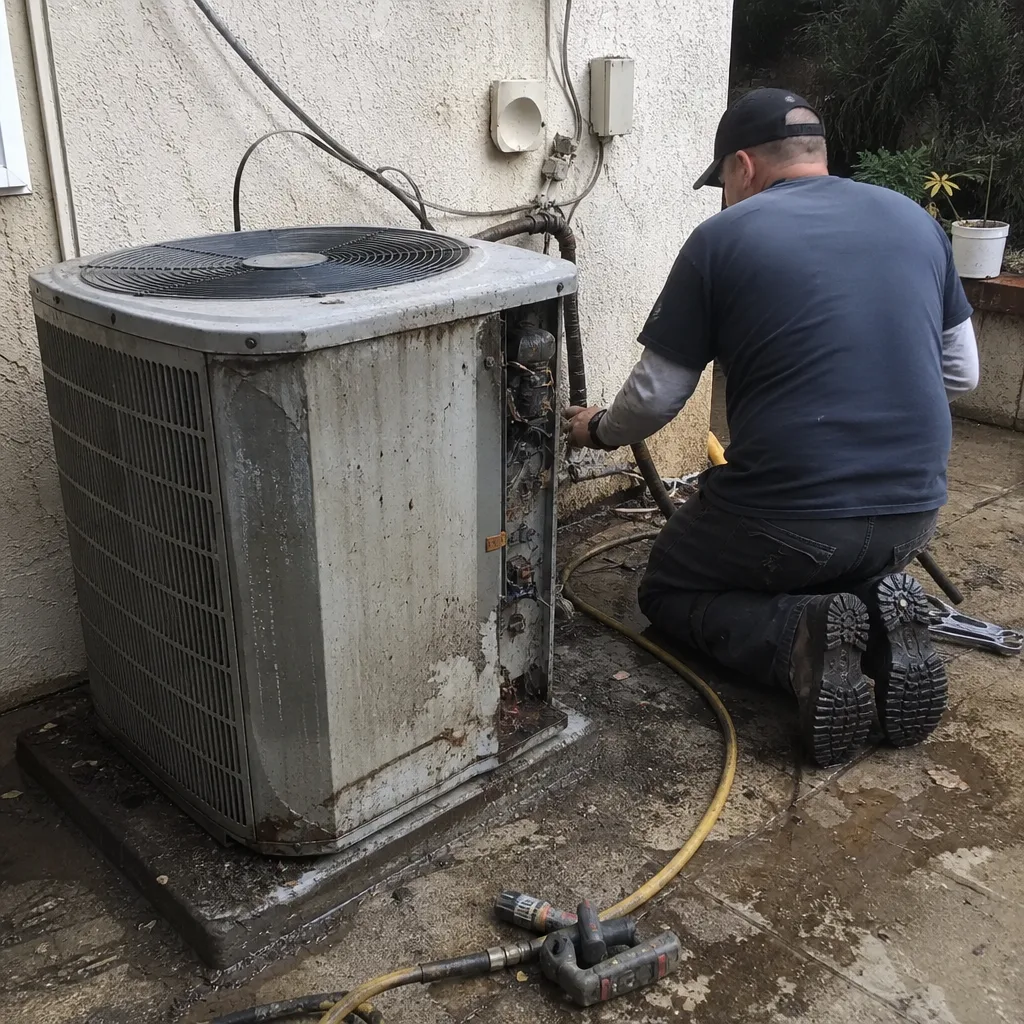
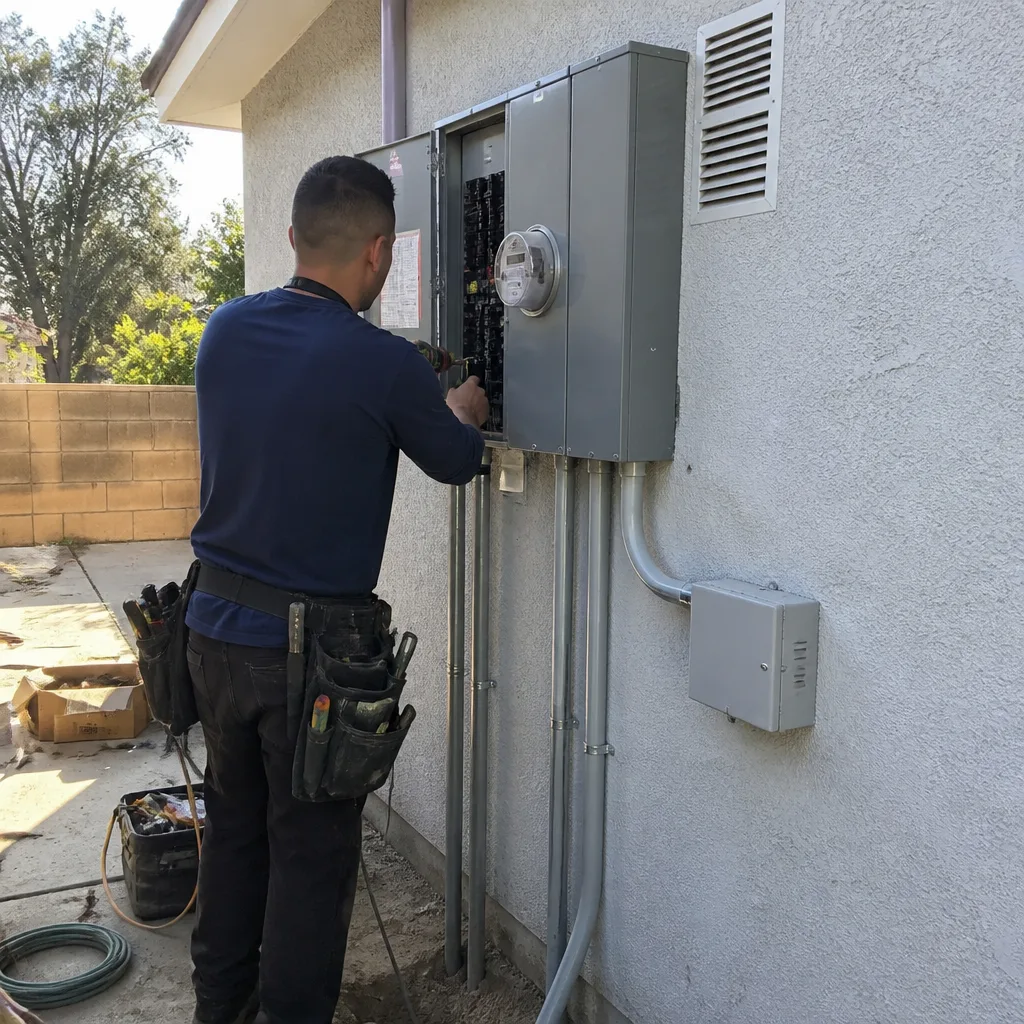
See the difference
 Before
 After
After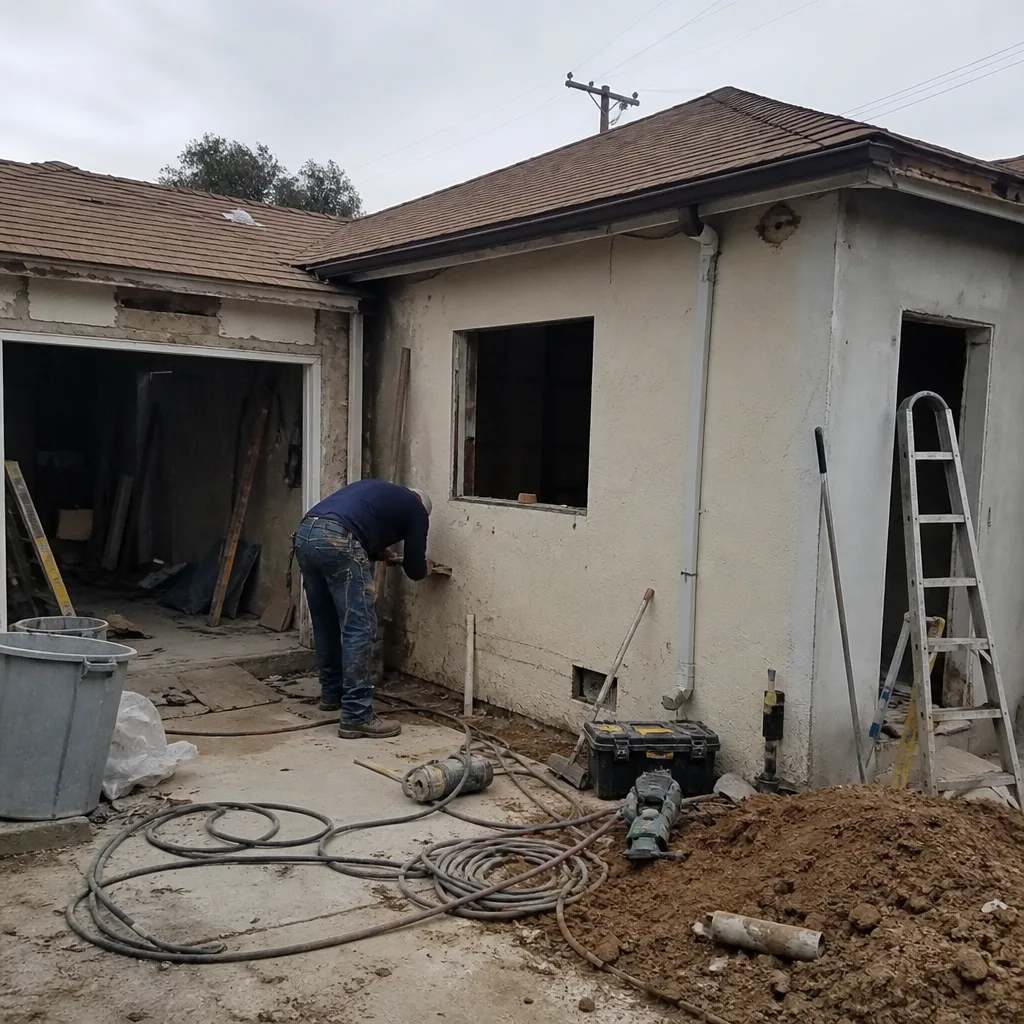 Before
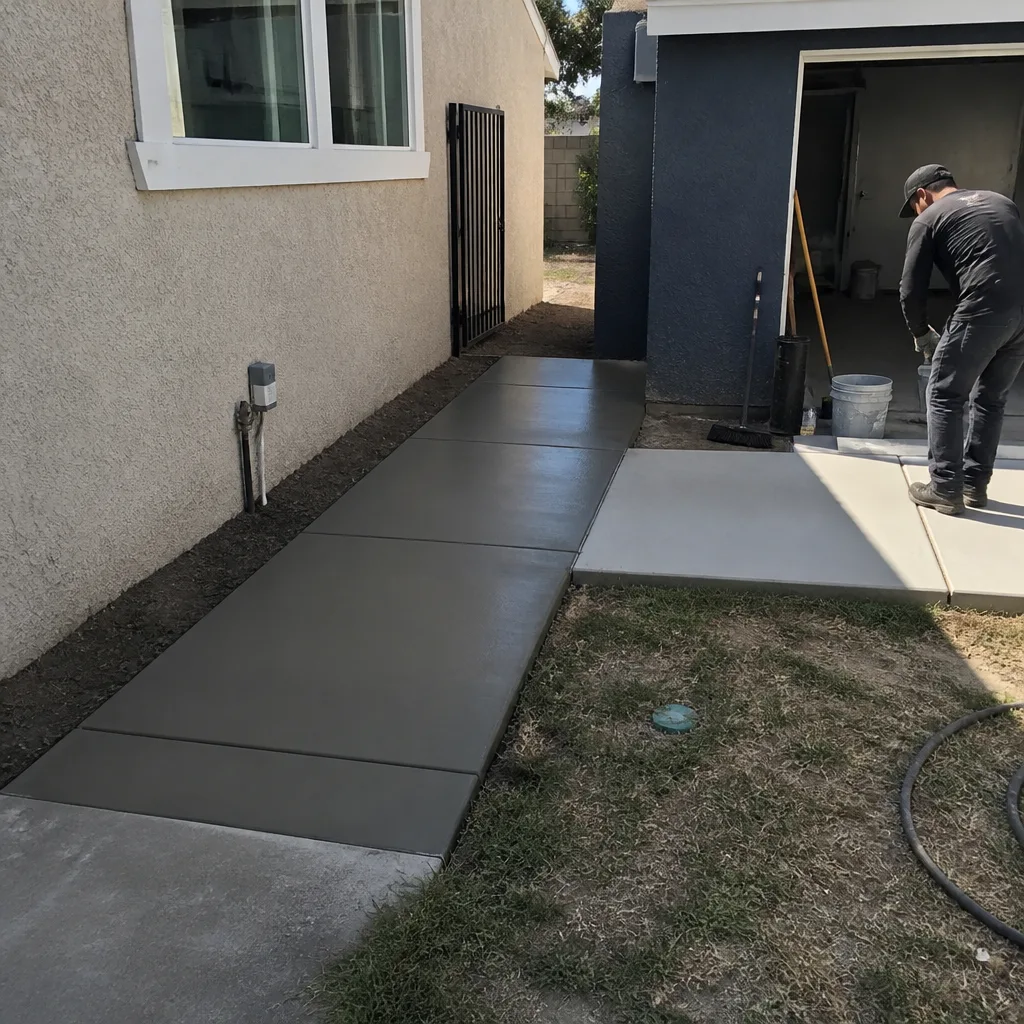 After
After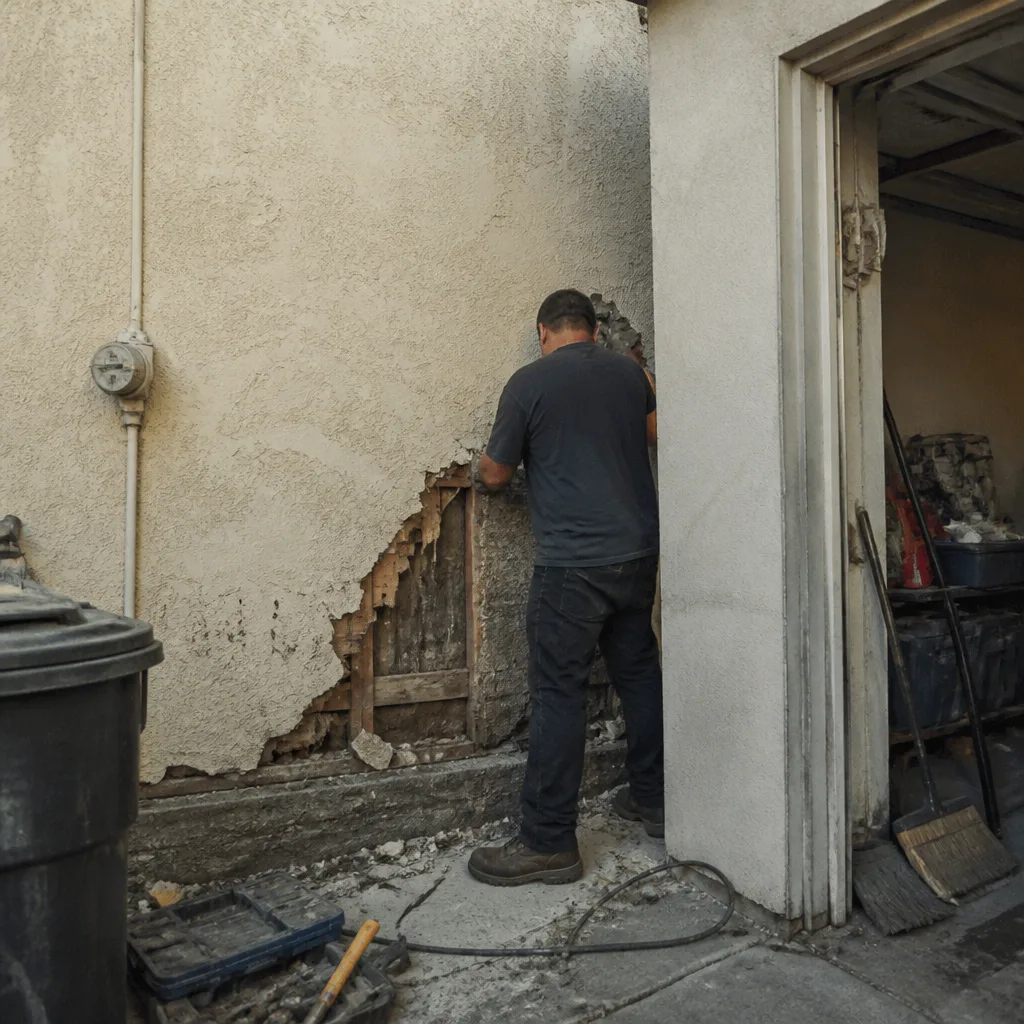 Before
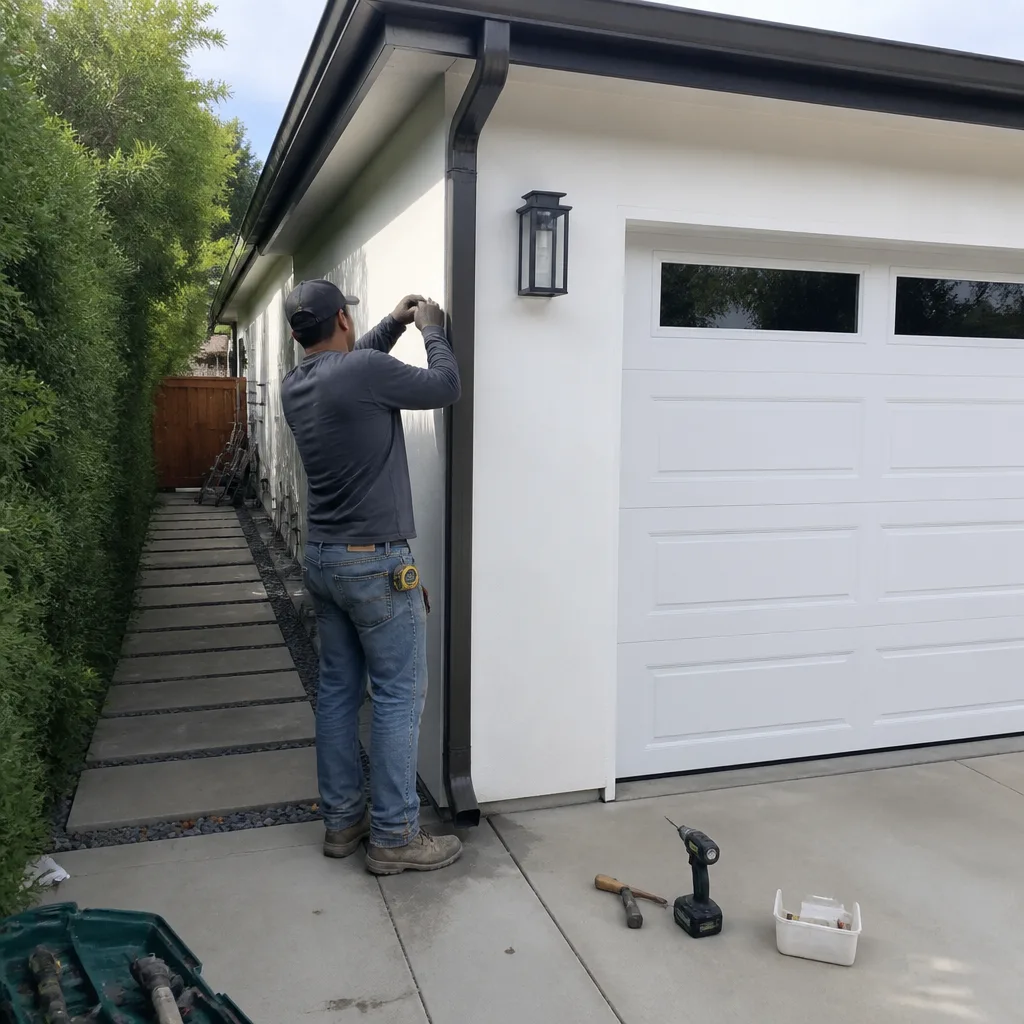 After
AfterReplacement Cost & What’s Included
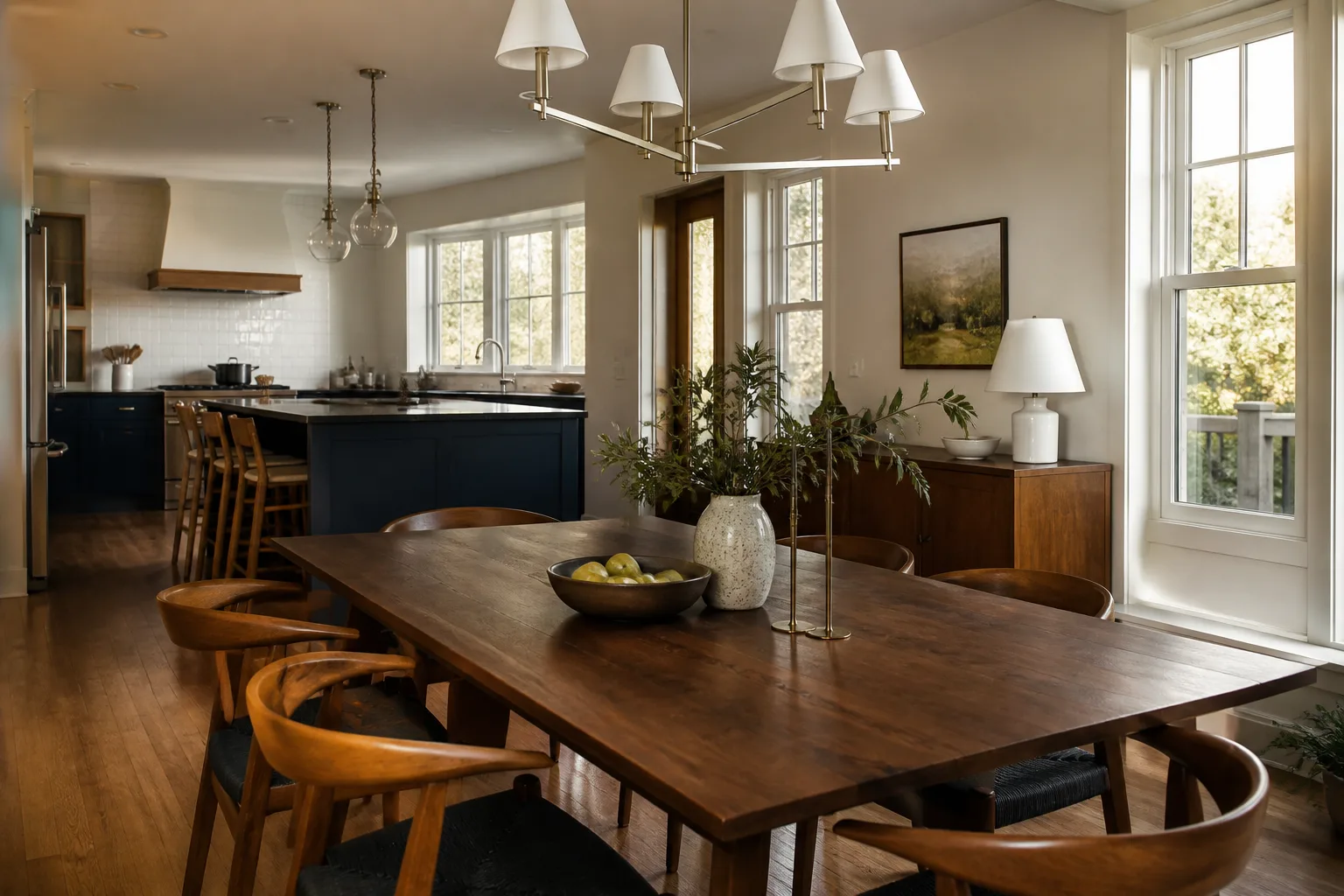
For Silestone-specific kitchen remodeling in Los Angeles, the installed range runs $16,520 to $53,100 depending on scope. A standalone countertop replacement sits at $2,360 to $7,670, which includes template, fabrication, demolition of the old surface, and installation. Where you land in the range depends on slab series (Sunlit Days and Loft cost more per square foot than Classic), edge profile complexity, whether you’re adding a waterfall island return, and how much structural correction the substrate needs.
Every Bradford Remodeling job gets a written price before work starts. That means the number you sign on is the number you pay, unless the scope changes in writing and you approve it first. We run the same Garrison Standard in Los Angeles that Garrison Partners locations run everywhere: part of the family since 2004, independent here, and every finished job carries the 365-Day Done Right Promise. If the Silestone work fails inside that year, we come back and correct it at no charge. You get the written guarantee in your hand at job close, along with a clean site and a documented scope.
DIY or Call Us?
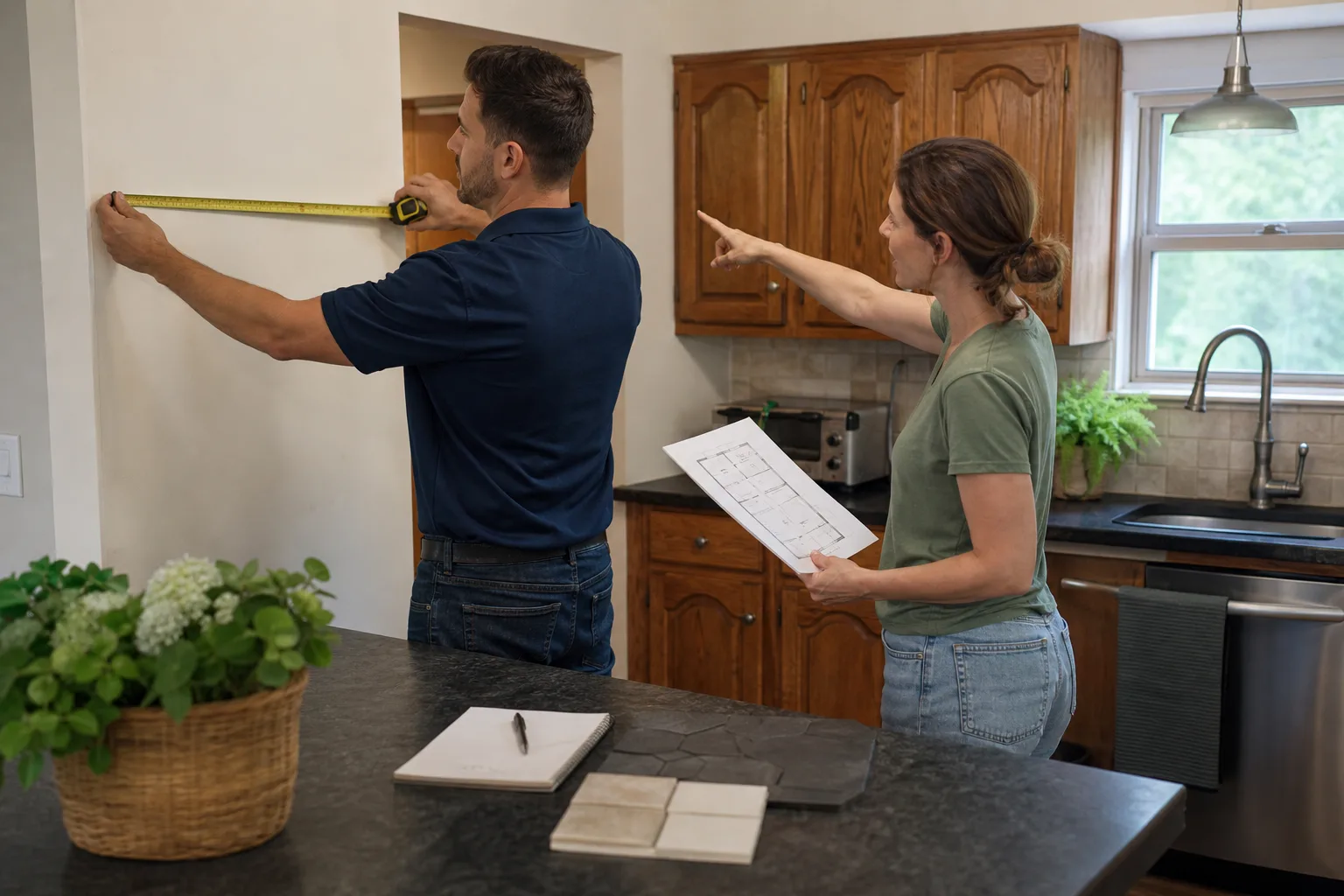
What you can safely check: whether the seam is truly separated or just dirty, whether the slab was ever sealed properly (Silestone rarely needs it, but older lots sometimes do), and whether your undermount sink still has its support clips. What you shouldn’t do yourself: any attempt to re-adhere a seam, polish out a crack, or lift a section of quartz. Quartz is heavy. A 30mm slab runs roughly 18 to 20 pounds per square foot, and a full countertop section can exceed 400 pounds. That weight, combined with razor edges on any fresh chip, makes a dropped slab a serious injury risk, and an improperly supported slab a slow failure waiting to happen. If the damage is beyond a cosmetic touch-up, call us at (903) 568-7222. Curtis Lane, our owner, will have you take photos and measurements before anyone books a visit, so the first trip out is the right trip out.
FAQs
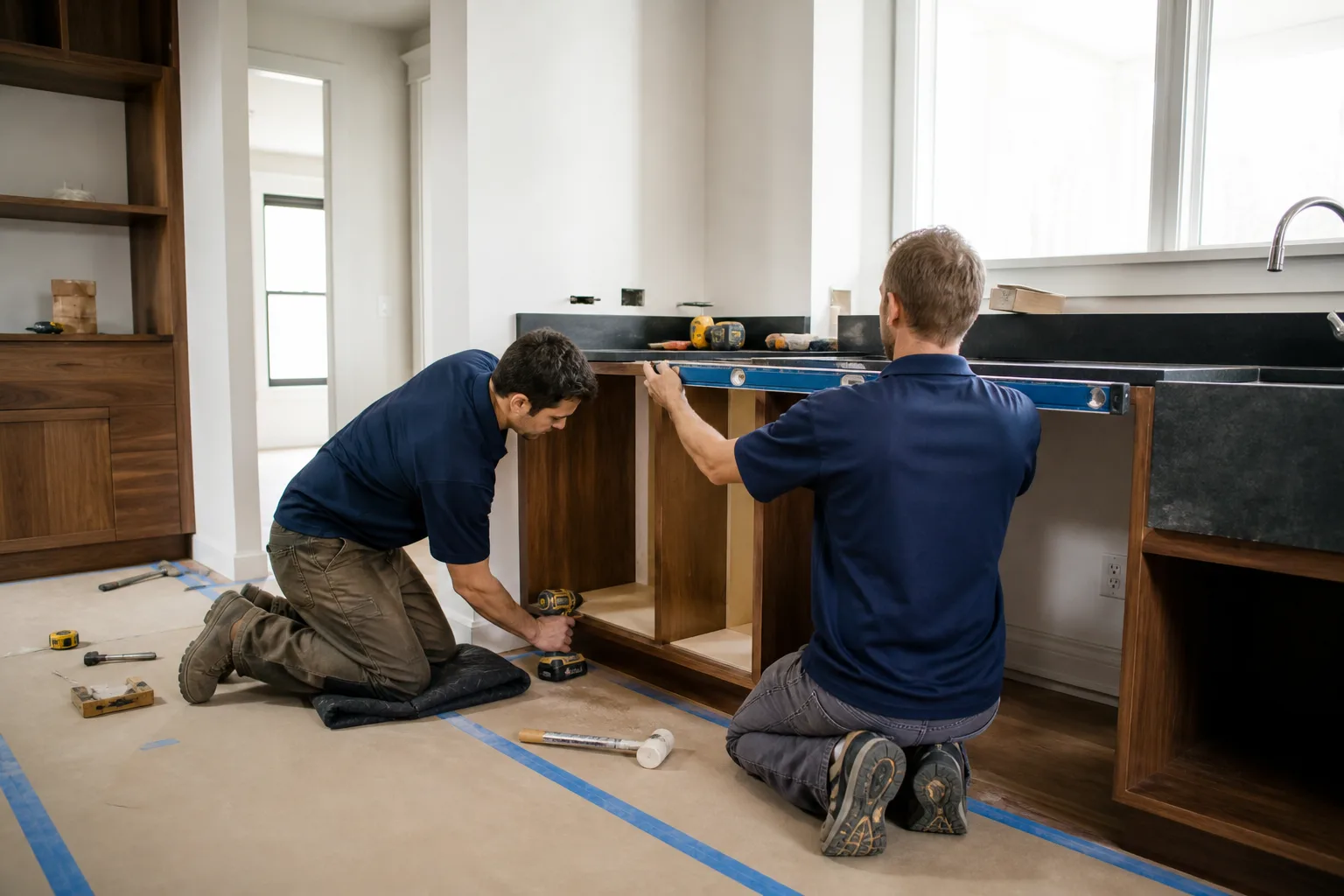
With proper support and no thermal abuse, Silestone runs 25 to 30 years in Los Angeles conditions. The countertop material itself rarely fails first; it’s usually the adhesive seam, the sink support, or the substrate underneath that goes first, and those are what shorten the usable life.
Call (903) 568-7222 if you’re not sure whether your counter has a surface problem or a structural one. Estimates are free.
Yes, if the damage is confined to a chip under a quarter’s width, a seam that hasn’t shifted more than 1/16 inch, or surface etching that hasn’t reached the quartz layer. Star cracks at the sink cutout, lippage across a slab joint, or cupping over a moving substrate are replacement conditions, not repair conditions.
Most Los Angeles replacements run three to five days from template to install. Template happens on day one, fabrication runs two to three days, and installation is usually a single day with a two-day curing window before the sink and faucet get reconnected.
We don’t stock full slabs on the truck, since every kitchen template is cut to order. What we do keep on the truck: seam adhesive matched to your slab generation, color-matched polishing compound, support brackets, undermount sink clips, and a template kit. That means most repairs and adjustments happen on the first visit, not the third.
If you’re ready to replace or repair your Silestone kitchen in Los Angeles, call (903) 568-7222 for a free estimate. Written price before any work starts, straight number, real scope, no surprises at the punch list.
Written by Curtis Lane, Owner, Bradford Remodeling at Bradford Remodeling, serving Los Angeles and nearby areas.