Free written scope consultation - allowances, timeline, and change-order rules on paper before a single trade is scheduled
Unilock Bathroom Remodeling: The Los Angeles Owner’s Guide
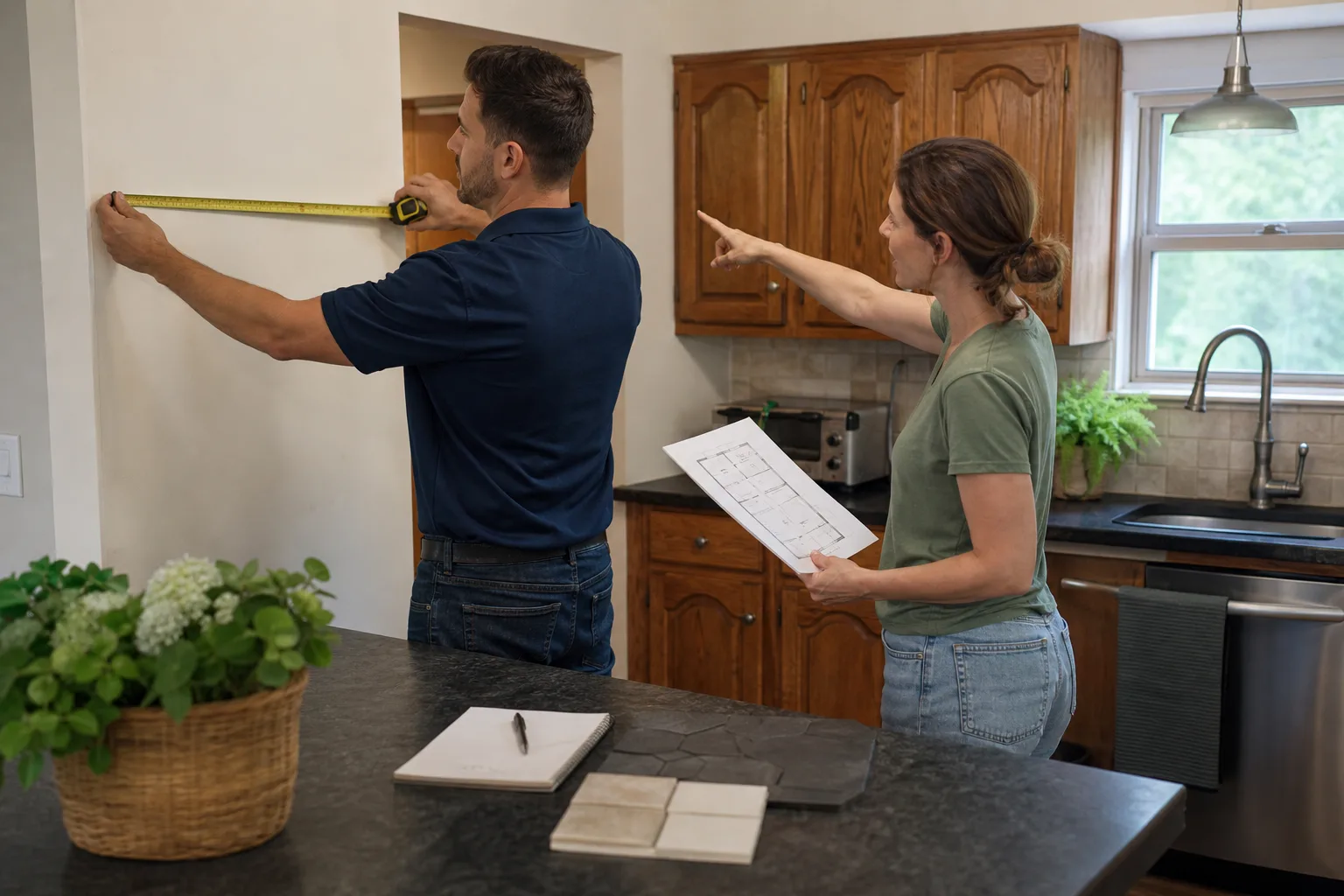
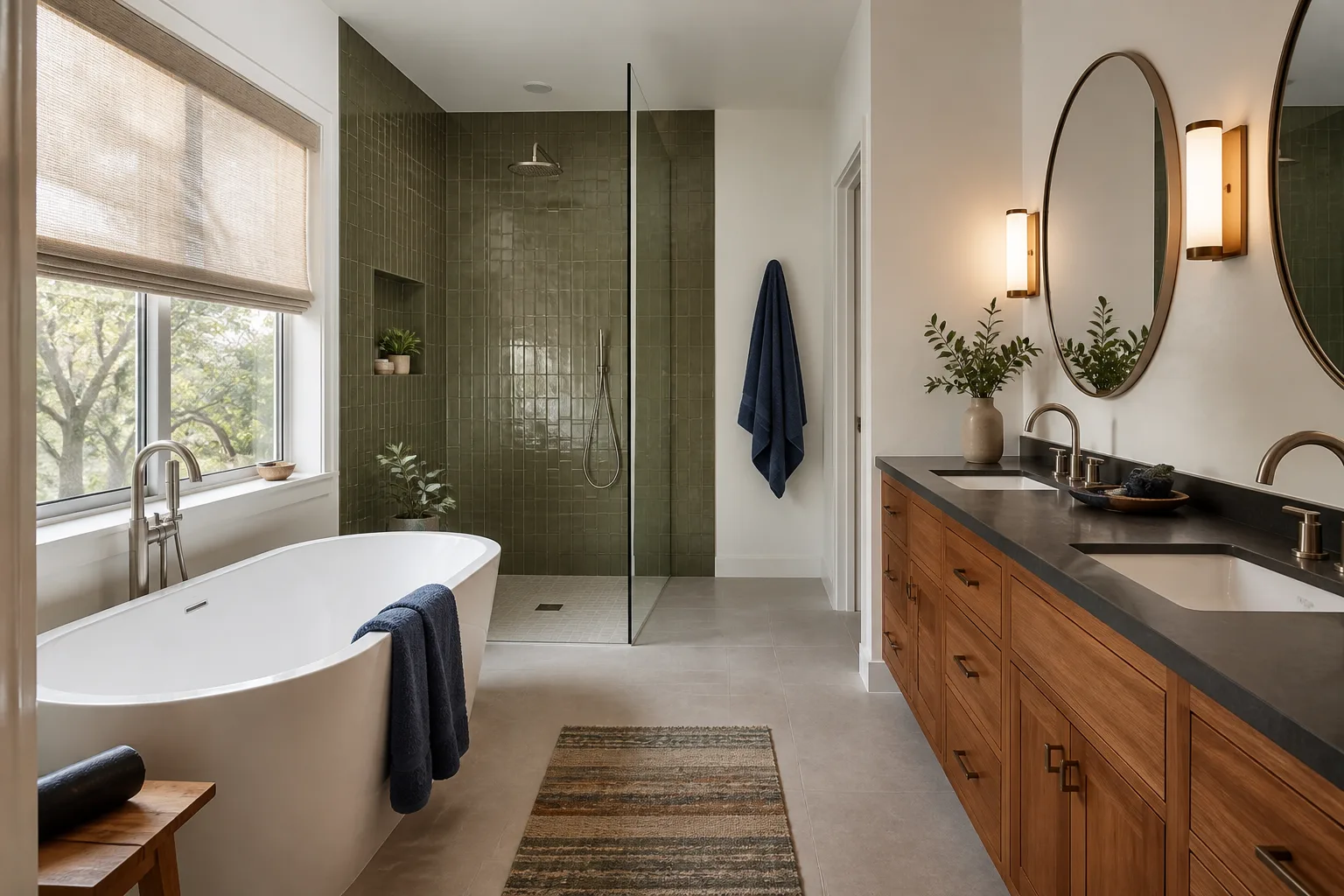
A full Unilock bathroom remodel in Los Angeles typically runs $10,620 to $33,040 installed, and most jobs take two to four weeks depending on the scope. If you’re looking at a shower pan that has cracked, a wall system that has warped, or grout lines that won’t stop weeping, the fix usually means pulling the surround, addressing the substrate, and rebuilding to spec. Bradford Remodeling keeps Unilock-compatible materials on the truck and can assess your bathroom in a single visit with a written price before any work starts.
Most owners discover a failing Unilock bathroom component the same way: a soft spot underfoot near the drain, a door that suddenly won’t seal, or a water stain creeping along the baseboard on the other side of the shower wall. These systems are modular, which means one failed part often points to a broader issue with how the original install handled moisture. Curtis Lane grew up in the Crenshaw district watching his grandfather patch stucco and re-frame a back bedroom that never quite stayed square, and that early lesson stuck: if the framing and substrate aren’t right, nothing you set on top of them will hold.
Which Unilock Models This Applies To
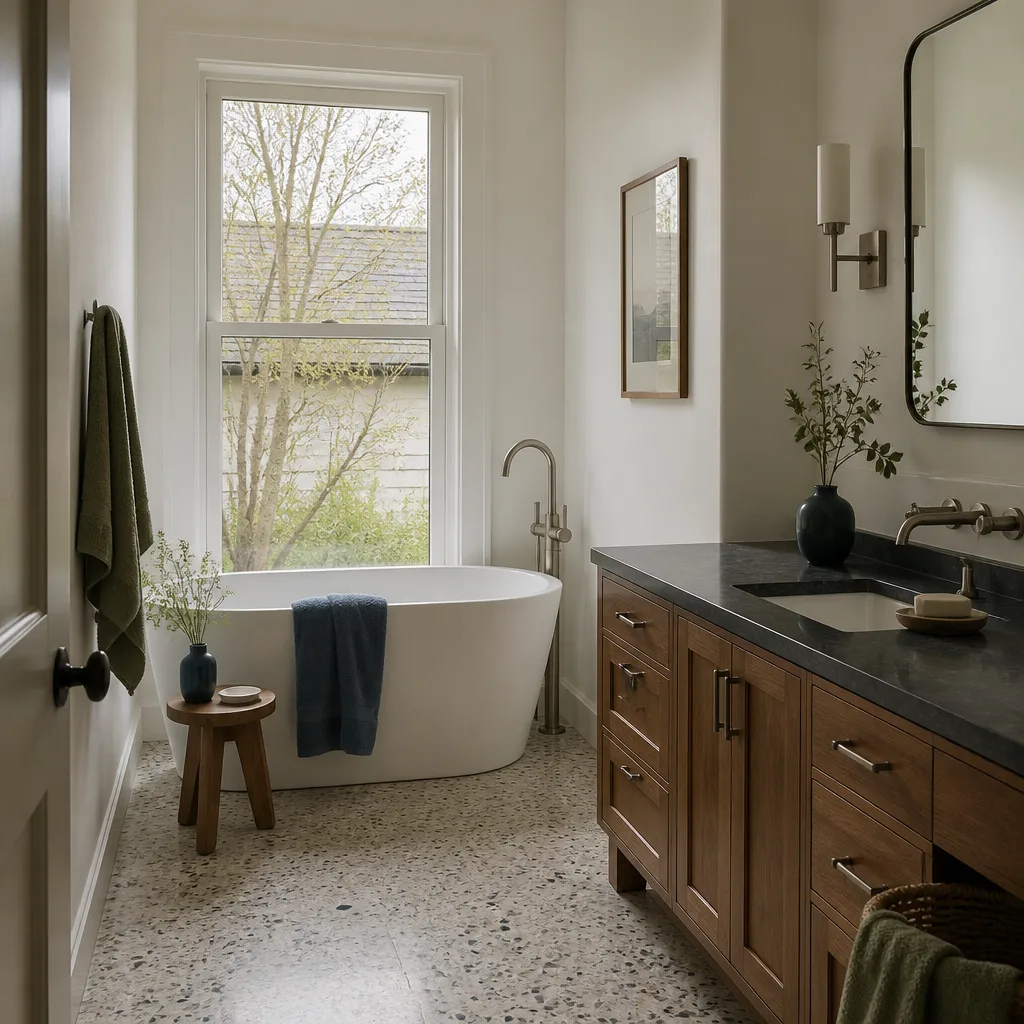
Unilock’s bathroom product line spans modular shower wall systems, shower bases, and coordinating trim pieces designed for both new construction and retrofit applications. The compatibility gotcha that trips up a lot of Los Angeles homeowners is this: Unilock wall systems are engineered to pair with specific base models, and mixing a current-generation wall panel with an older base will often leave a 3/16-inch gap at the joint that no amount of silicone will fix permanently. We verify the full set by measuring the base footprint and checking the underside stamp, not just eyeballing the front face.
The OEM-versus-aftermarket decision matters here. Unilock’s factory panels carry a manufacturer spec for thickness and thermal expansion, and their warranty language assumes OEM-matched components throughout. Quality aftermarket equivalents exist for trim and seal kits, and we’ll use them when the geometry matches and the material spec equals or exceeds the original. But for base-to-wall transitions and anything with a water-stop flange, we spec Unilock factory components. The failure rate on mismatched aftermarket flanges, especially in Los Angeles where hard water accelerates mineral buildup at the joint, isn’t worth the savings on a $5 to $10 part.
We’re an independent contractor, not affiliated with Unilock, which means we match parts to your existing system honestly and don’t push a full tear-out when a targeted replacement will do.
Styles & brands we work with
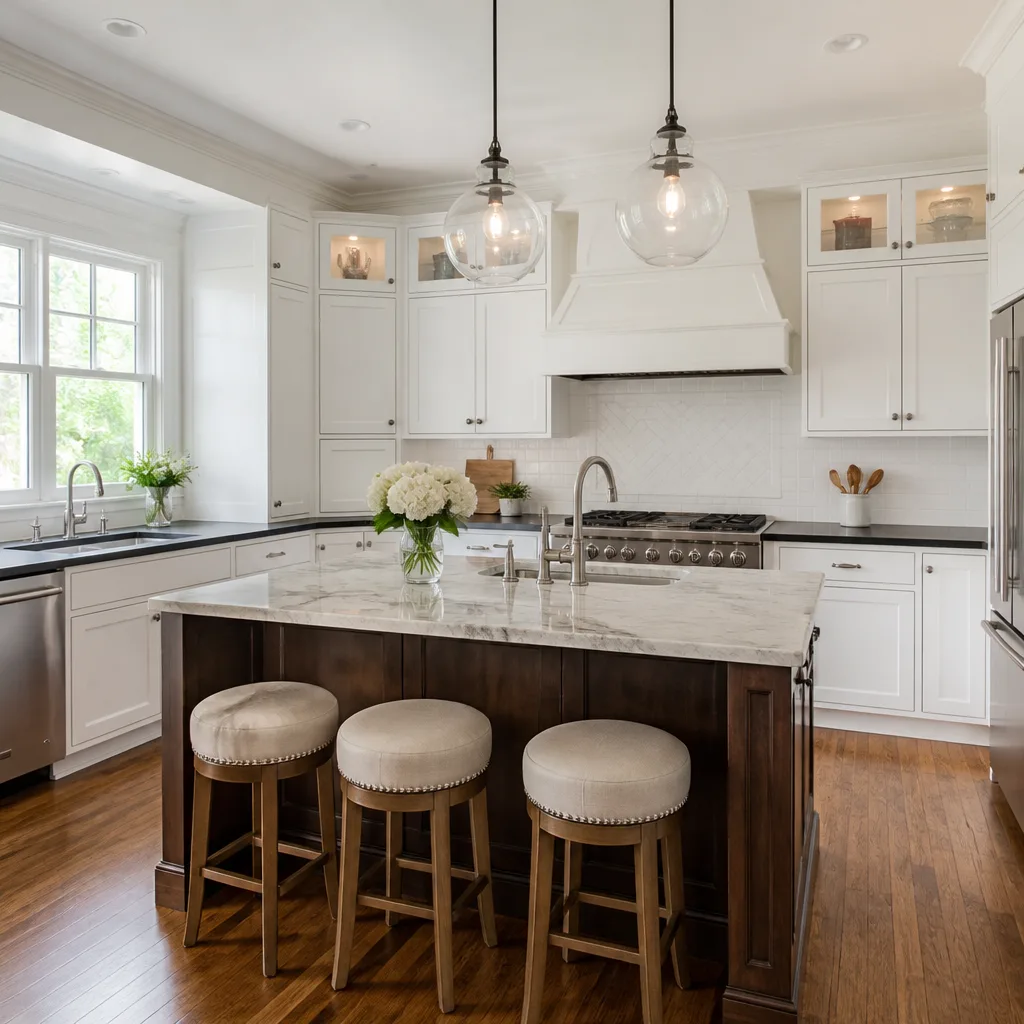
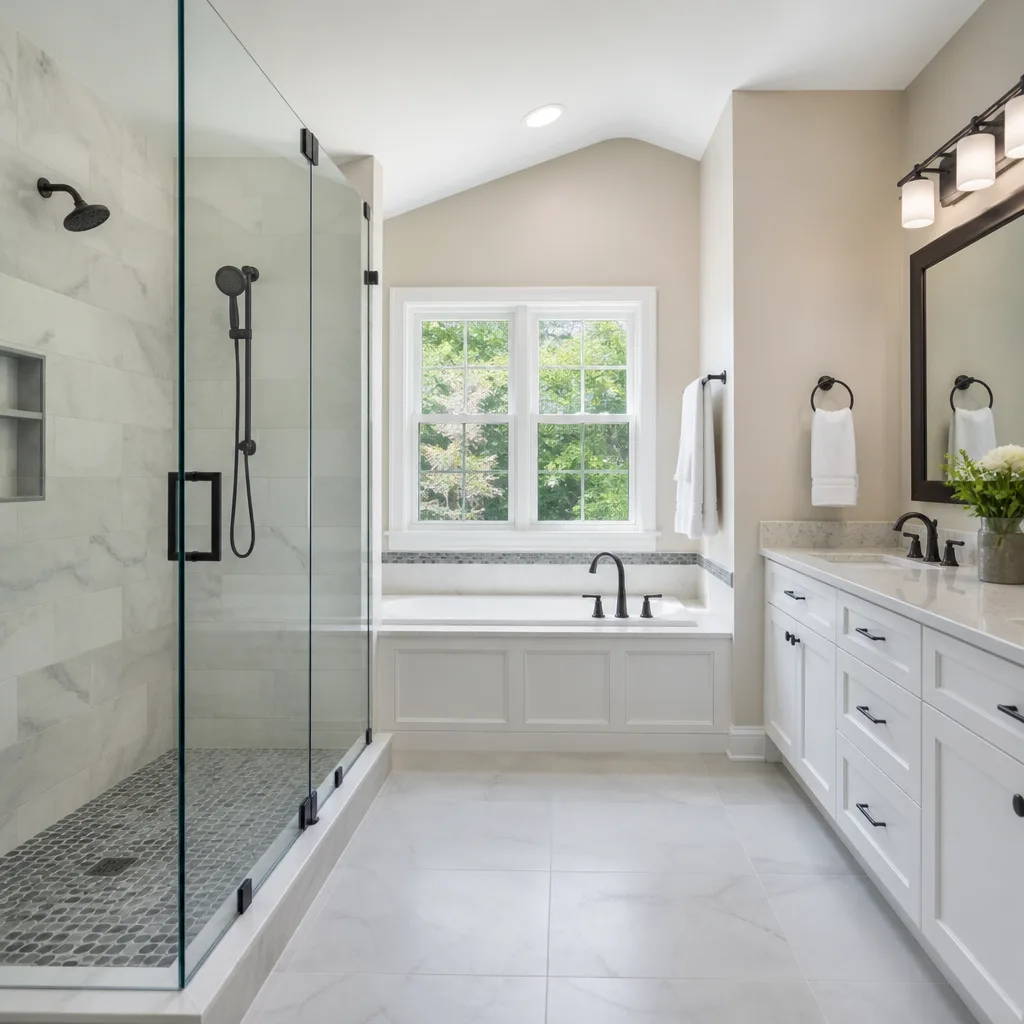
Signs Your Unilock Bathroom Remodeling Is Failing
- Soft give in the shower base near the drain. The mortar bed underneath has started to break down, usually from water intrusion at the drain gasket. In Los Angeles, our seasonal hot-dry-to-damp swings speed this up because the slab and the base expand and contract at slightly different rates.
- Persistent damp smell in the bathroom after the shower has dried. Water is getting behind the wall panel and sitting in the cavity. The most common entry point is a failed corner seal, and the smell means it has been happening for a while.
- Visible white mineral streaking on the wall panels. Los Angeles water runs hard, and when a seam starts to leak, evaporation leaves calcium deposits at the joint. It looks cosmetic, but it’s a pressure indicator that the seal has breached.
- Grout or caulk that crumbles within months of application. If you’ve recaulked the same seam twice in a year, the panels are moving. Modular systems are designed to float slightly, but excessive movement means the substrate behind the panel was never properly shimmed or the stud spacing is off from Unilock’s install spec.
- Door binding or refusing to close against the curb. The base has settled unevenly. In Los Angeles, older homes on expansive clay soil see this more often than homeowners expect, and a binding door is usually the first visible symptom of a shifting base.
See the difference
 Before
 After
After Before
 After
After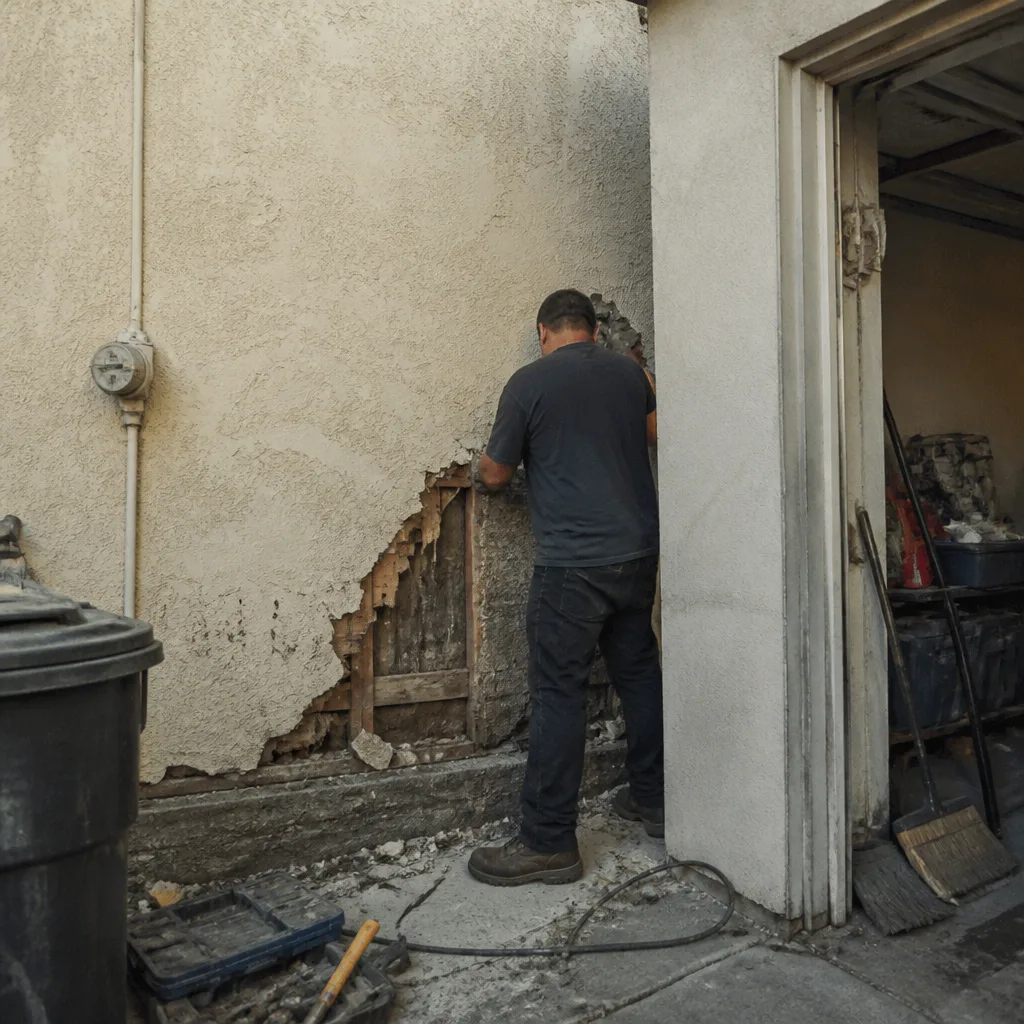 Before
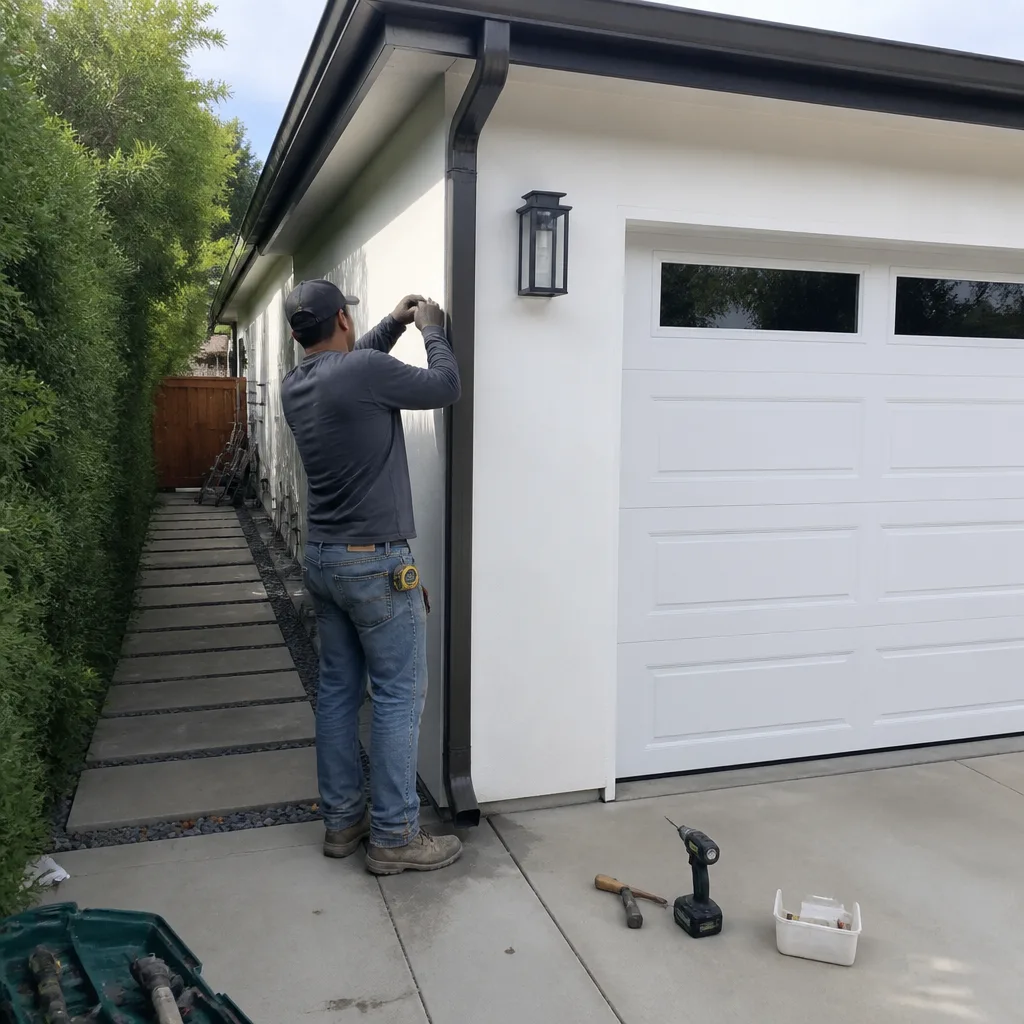 After
AfterReplacement Cost & What’s Included
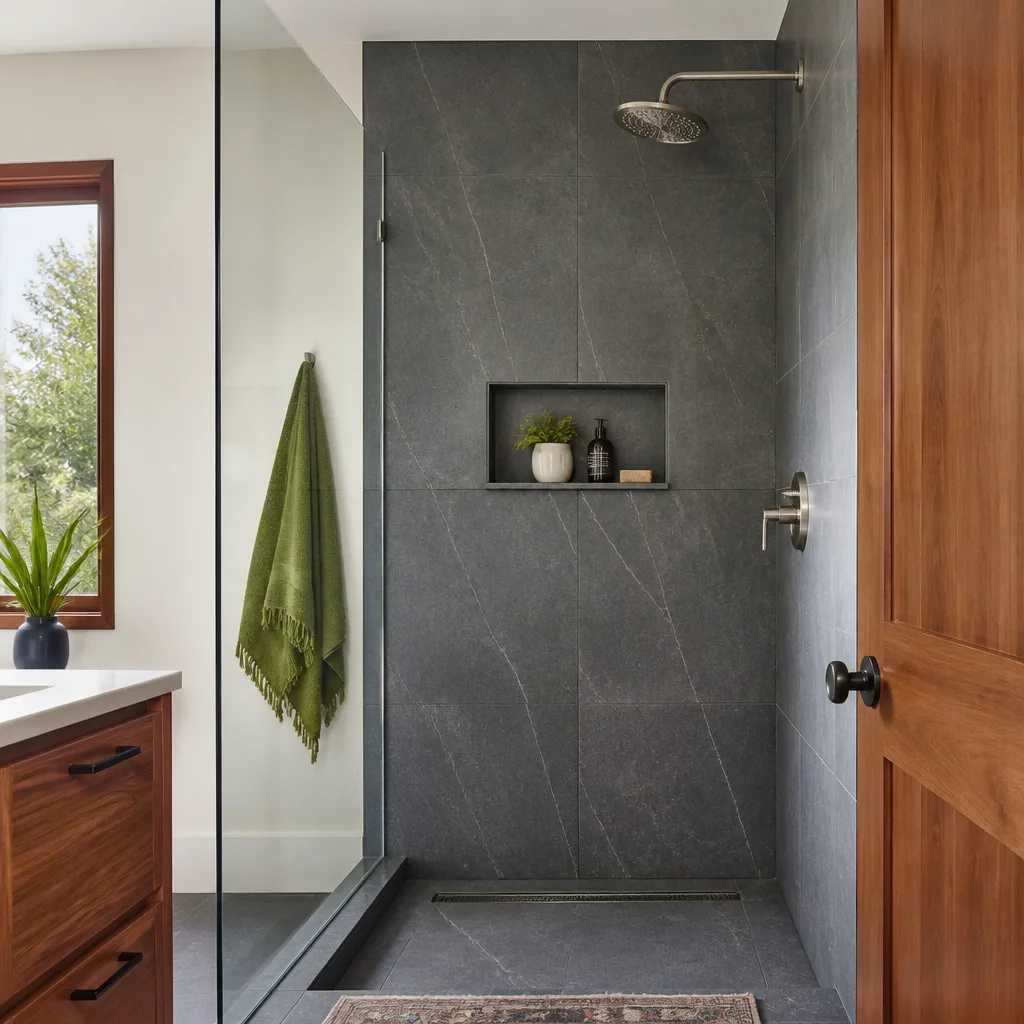
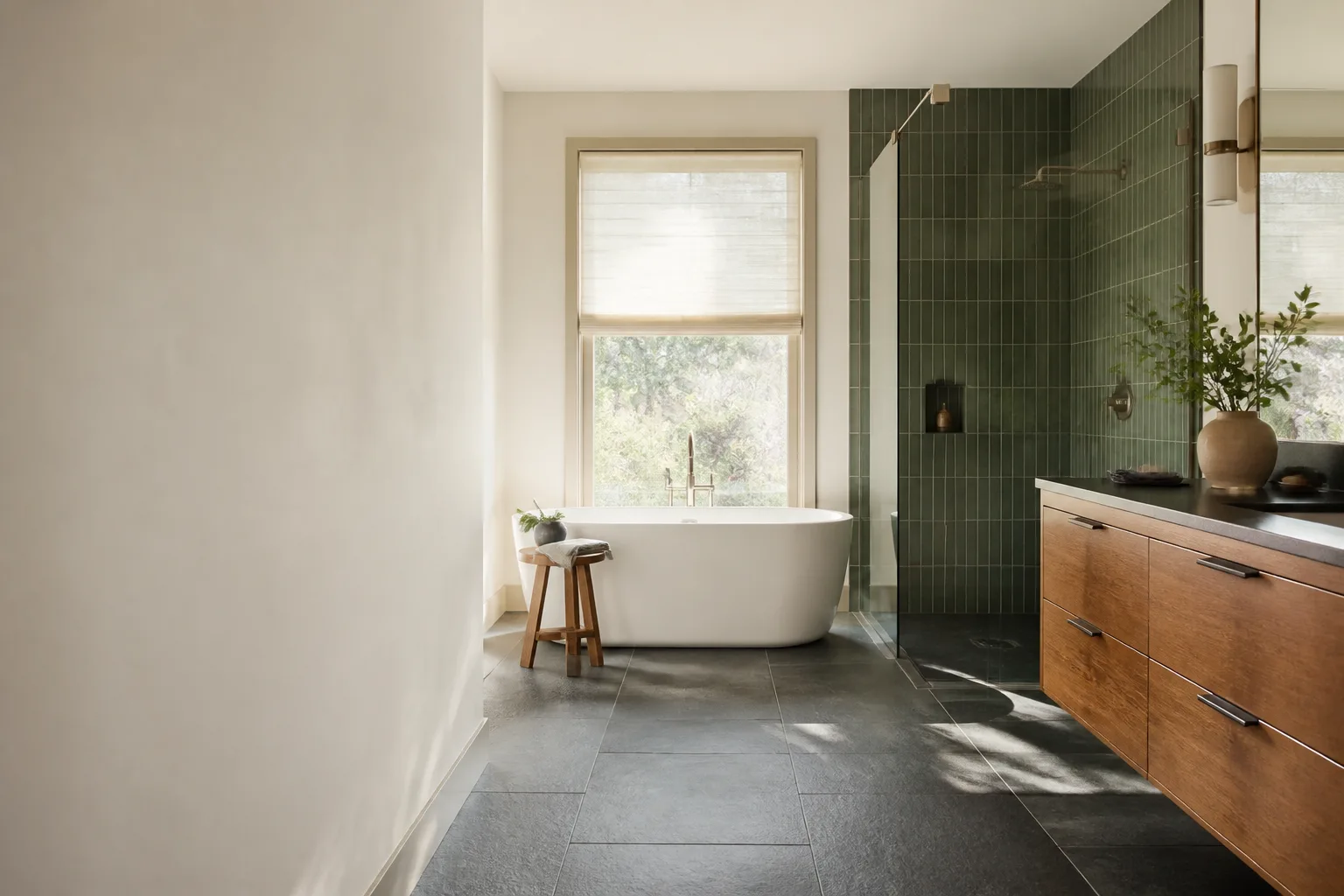
A focused Unilock bathroom component replacement in Los Angeles, such as swapping a failed shower base and the lower two wall panels, typically lands between $5,900 and $14,160. A complete Unilock bathroom remodel, including new base, full wall system, curb, door, and trim packages, runs $10,620 to $33,040 depending on square footage and what we find behind the existing panels once they come off.
| Scope | Los Angeles Installed Range |
|---|---|
| Unilock base replacement only | $5,900 – $10,620 |
| Base + lower wall panels + seals | $8,260 – $14,160 |
| Full Unilock bathroom remodel | $10,620 – $33,040 |
| Small bathroom remodel with Unilock shower system | $5,900 – $14,160 |
Every bid includes the parts, the labor, the substrate repair if needed, and the written warranty. We don’t give a parts price and then add “installation” at the door. The price you sign is the price you pay, and the 365-Day Done Right Promise means if anything fails inside that first year, we return and correct it at no charge. Straight number, real scope, no surprises at the punch list.
DIY or Call Us?
There are things you can safely check on your own: the condition of the grout and caulk lines, whether the base flexes when you stand on it, whether the door pulls away from the curb when closed. Those observations help you describe the problem accurately over the phone, and they help us know what to bring on the first visit.
Where DIY goes wrong on a Unilock bathroom system is at the substrate level. If the base has failed, the underlying mortar bed and possibly the subfloor need to be addressed before the new unit goes in. Getting a shower base level and properly bedded isn’t a weekend job, and a base that slopes even an eighth of an inch the wrong way means standing water and a repeat failure. Water-damaged subfloor in a Los Angeles home can also mean repair work that a homeowner won’t see until the old base is out. If you’re not sure, call us at (903) 568-7222 and we’ll tell you straight whether it’s a part swap or a rebuild before you spend a dime.
FAQs
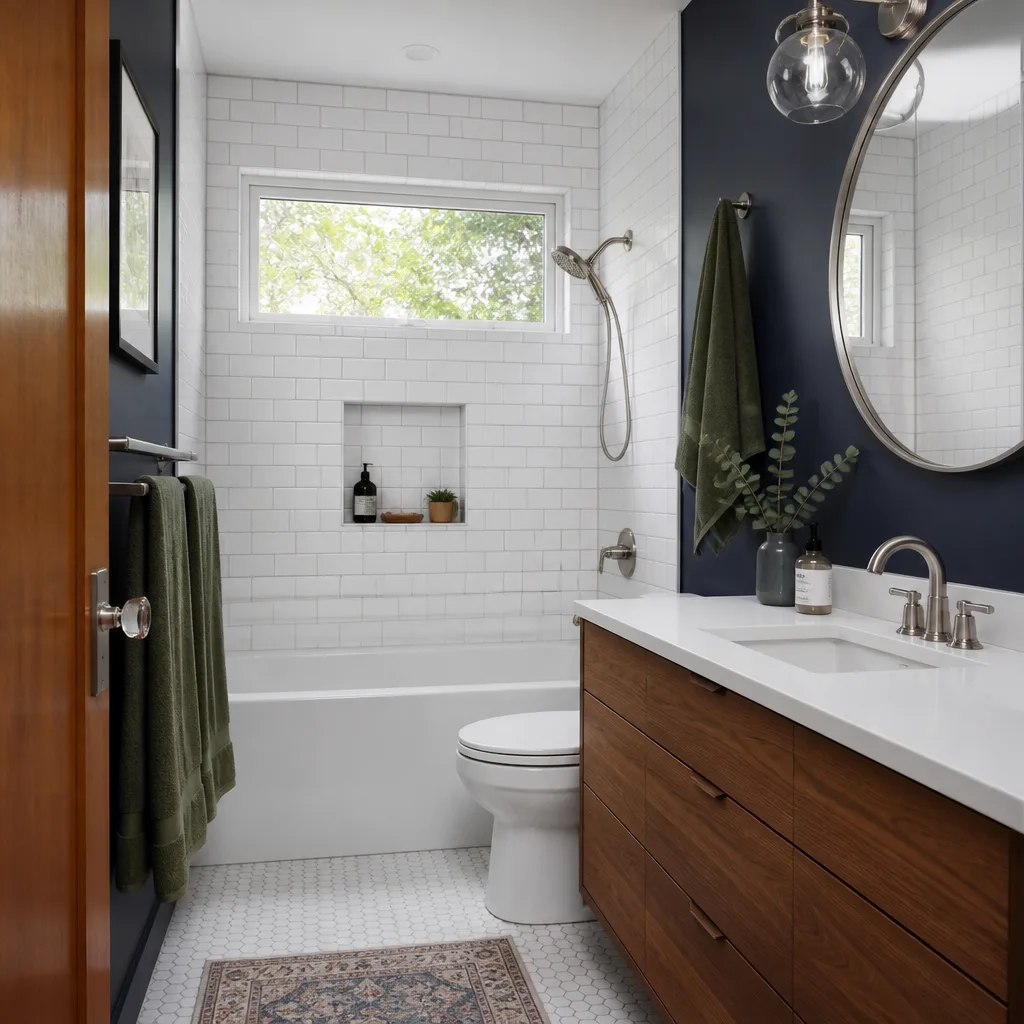
An Unilock bathroom system installed to spec on a properly prepared substrate will last 20 to 30 years in Los Angeles before the base typically needs replacing. Hard water, shifting soil, and DIY-inherited install issues from previous owners are the three biggest lifespan shortenings we see.
Seal and trim failures can be repaired, and if a leak is caught before the substrate has rotted, targeted repair is often the better call. Once the base has cracked or the substrate has softened, repair becomes a bandage on a structural problem. Call (903) 568-7222 and we’ll give you an honest read on which situation you have.
A base and lower panel replacement typically takes two to three working days in Los Angeles, including substrate repair and a full waterproofing pass before the new unit is set. A full Unilock bathroom remodel runs two to four weeks depending on whether we’re moving plumbing or keeping the existing rough-in.
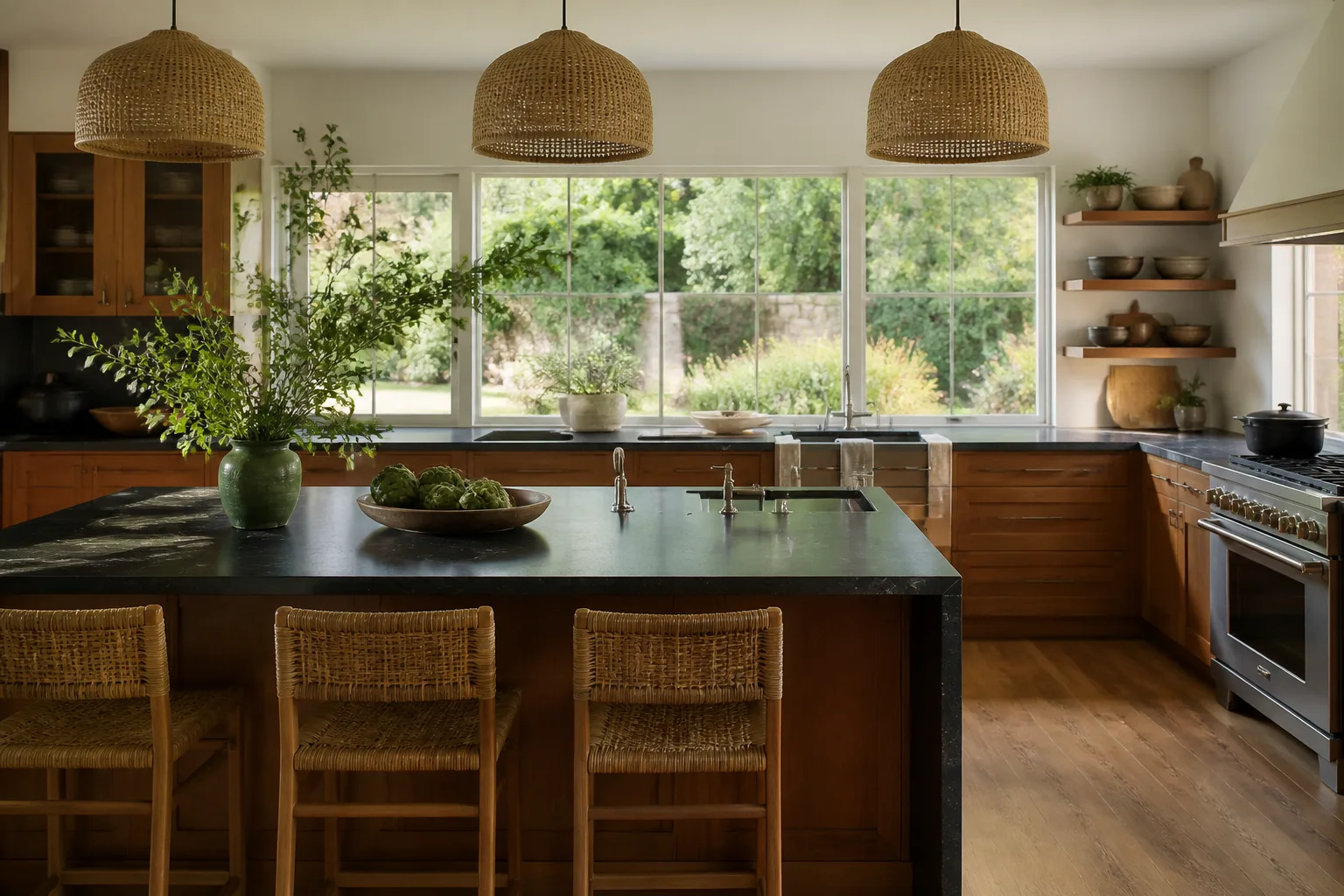
We stock Unilock-compatible trim, seal kits, curbs, and common base sizes on the truck, and we order model-specific panels from our Los Angeles supplier network with a one-week lead time in most cases. You won’t be asked to source parts yourself or store a shower base in your garage while waiting on our schedule. We also work with KraftMaid, Cambria, and Silestone products when the project extends beyond the shower to the full bathroom.
Written by Curtis Lane, Owner, Bradford Remodeling at Bradford Remodeling, serving Los Angeles and nearby areas.