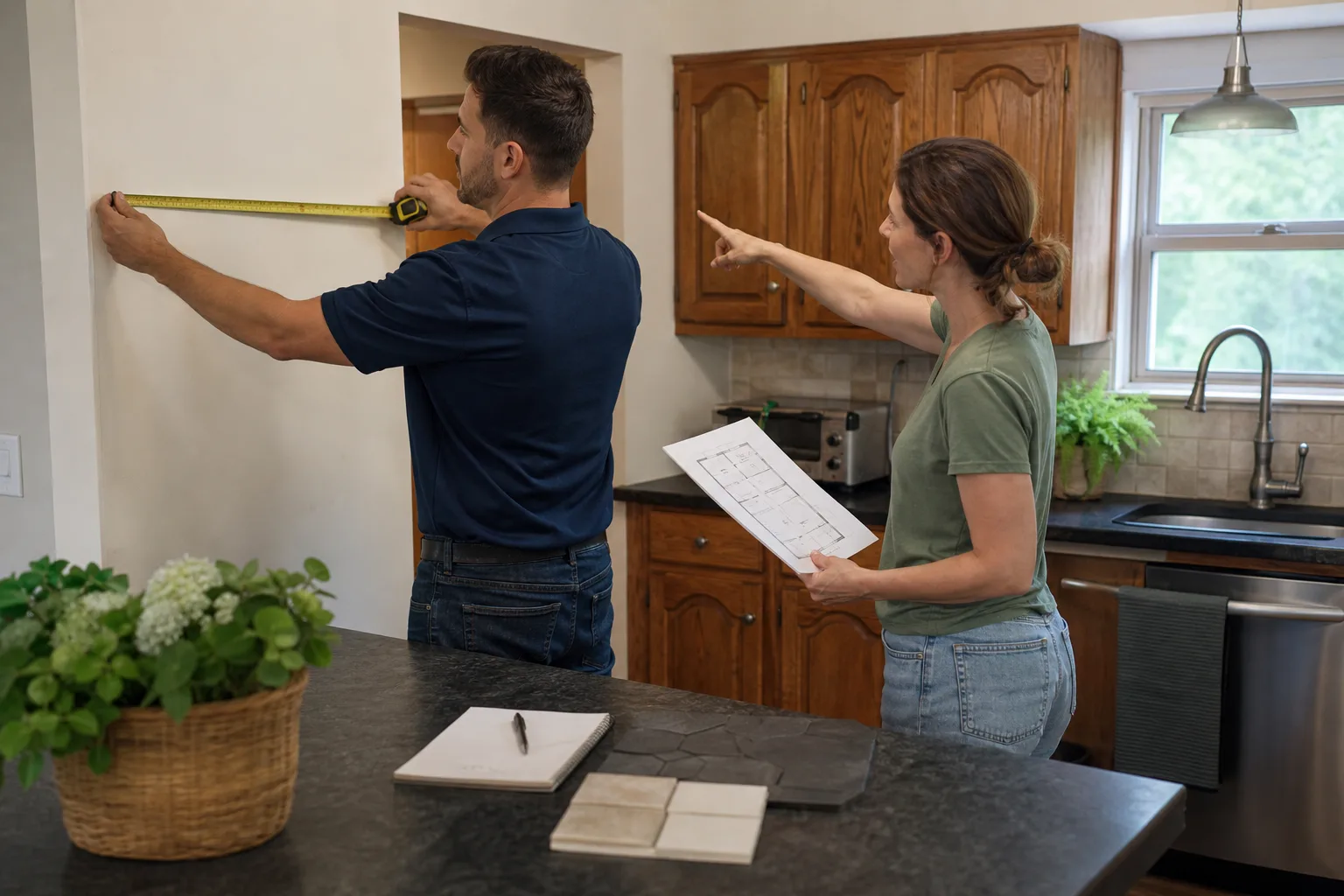
Free written scope consultation - allowances, timeline, and change-order rules on paper before a single trade is scheduled
Unilock Driveway & Pavers: The Los Angeles Owner’s Guide
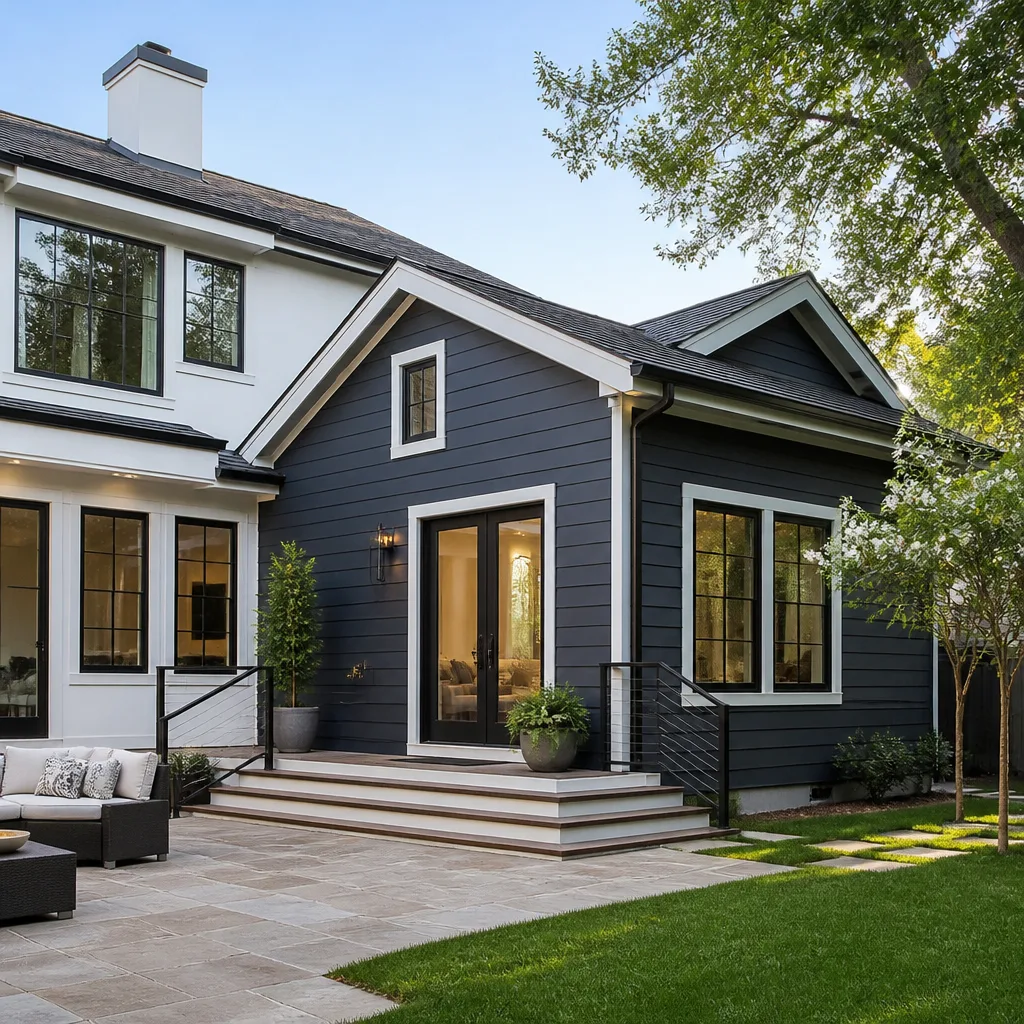
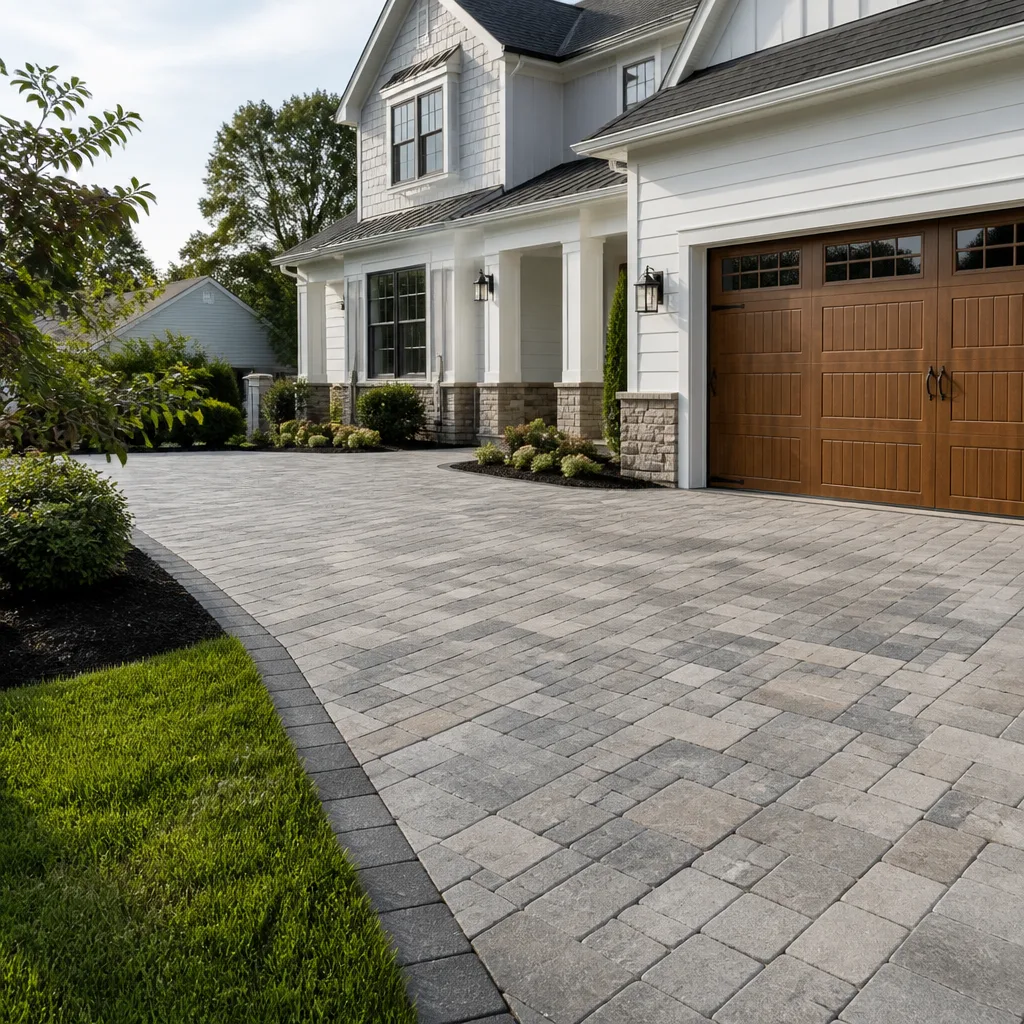
If you have a Unilock paver driveway or patio in Los Angeles and a section has sunk, cracked, or started separating at the edges, the fix usually comes down to the base, not the paver itself. A failed Unilock surface in our market typically means the substrate underneath has washed out or compacted unevenly, and the pavers above it are just following the failure downward. We stock Unilock-compatible pavers, edge restraints, bedding sand, and joint compound for repairs across the LA Basin, and most driveway or patio repairs run between $825 and $8,260 installed depending on square footage and how far the base has deteriorated. We quote it in writing before we touch the site.
Most homeowners discover the problem the same way: a paver rocks underfoot, a low spot holds water after the sprinklers run, or the edge of the driveway starts to wander where the tires hit it. By the time it’s visible, the base has usually been failing for a season or two. Curtis Lane has seen this on driveways from the hills above Silver Lake down to flat lots in the Valley, and the pattern is almost always the same: the base was never compacted deep enough for LA’s clay soil, and water did the rest.
Which Unilock Models This Applies To
Unilock makes a wide catalog, but the pavers you’ll most often find in Los Angeles driveways and patios fall into a few families: the Thornbury and Mattoni lines for driveways that need to carry vehicle weight, and the Beacon Hill, Richcliff, and Umbriano lines for patios and walkways. Each series uses different thicknesses and face dimensions, which matters more than most people expect. A paver spec’d for a patio at 60mm thickness will fail quickly if it’s swapped into a driveway that needs an 80mm paver to hold up under repeated wheel loads.
If you’re matching an existing installation, the surest way to identify your paver is the name stamped on the underside of a lifted unit, or the dimensions printed on the original invoice. Face size alone is not enough: two Unilock lines can share a similar footprint but differ in thickness by 20mm, and that difference changes how the paver sits against your existing edge restraint. For Unilock-specific work, OEM pavers are the right call when you’re matching color and texture on a visible section. Quality aftermarket equivalents exist for bedding sand, geotextile, and edge restraints, and we use those where they outperform without changing the look of the surface. Bradford Remodeling is an independent contractor, not a Unilock dealer, but we install and repair their product lines regularly and keep our supplier relationships direct so lead times stay short.
Styles & brands we work with
Signs Your Unilock Driveway & Pavers Are Failing
- Rutting where the tires track. If the driveway has two shallow grooves where the car sits, the base has compressed under repeated load. This usually means the original install skipped a compaction pass or used base material too thin for clay soil. The pavers themselves are fine; the base underneath is done.
- Water pooling in low spots after rain or irrigation. LA’s clay expands and contracts with moisture, and a low spot tells you the base has settled unevenly. Left alone, standing water works its way into the joint sand and accelerates the next failure.
- Edge pavers spreading at the driveway border. When the plastic or concrete edge restraint fails or was never installed, the outside course of pavers begins to drift outward. You’ll see a widening gap between the driveway and the lawn or planter bed.
- Weeds or grass growing through the joints. This is a joint compound failure, and in Los Angeles it’s often caused by sand that was swept in but never sealed, or polymeric sand that was installed in damp conditions and never cured. The fix is re-sanding with the right compound, not pulling the pavers.
- A paver that rocks when you step on one edge. If it doesn’t move, it’s usually just joint sand loss at the surface. If it does move, the bedding layer has eroded beneath it and the paver is now sitting on a void. That void spreads sideways as traffic continues.
See the difference
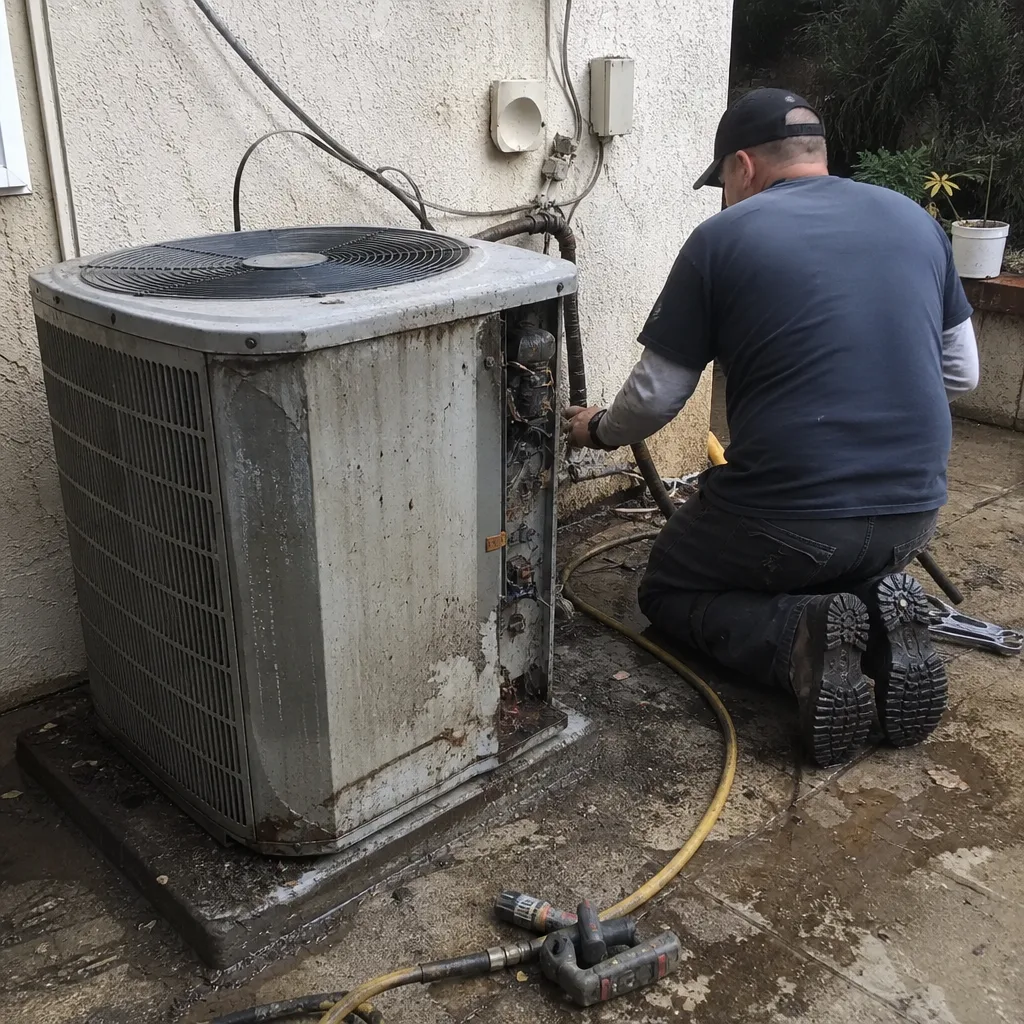 Before
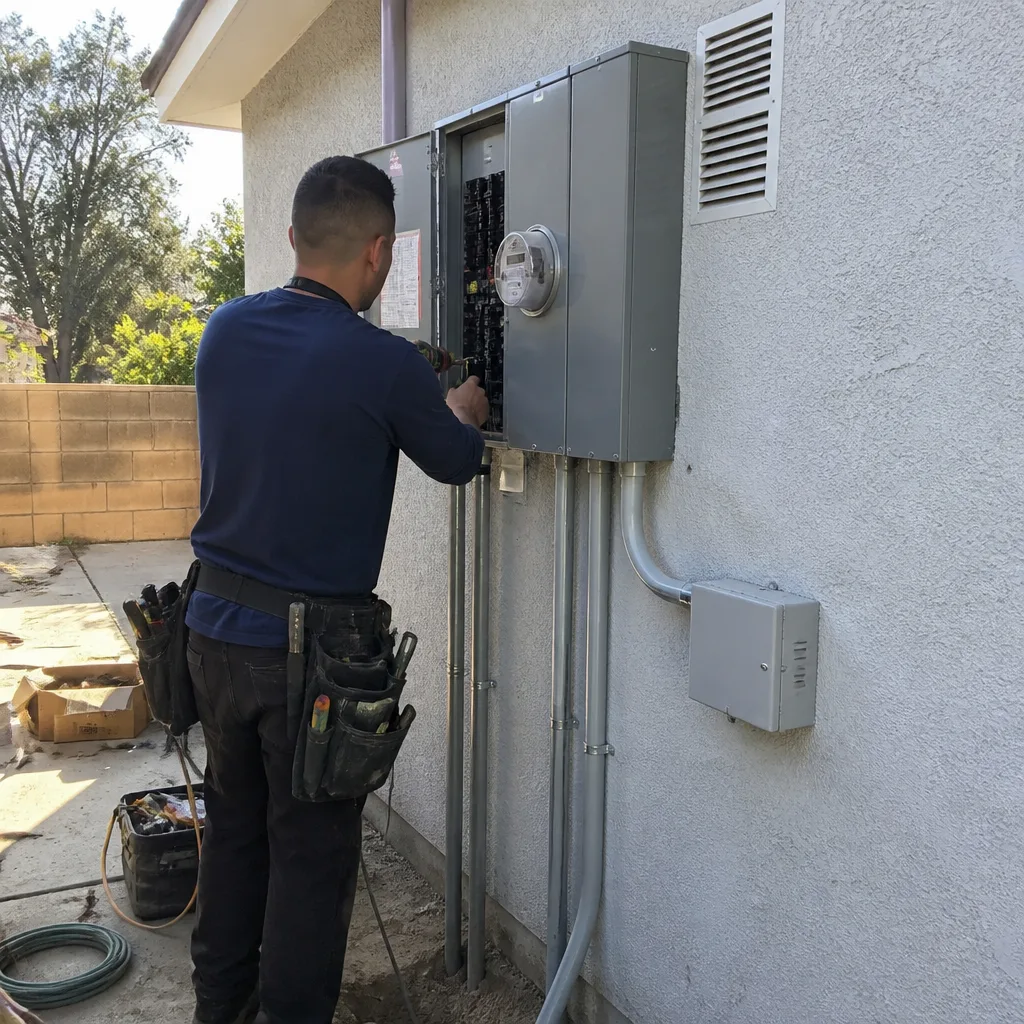 After
After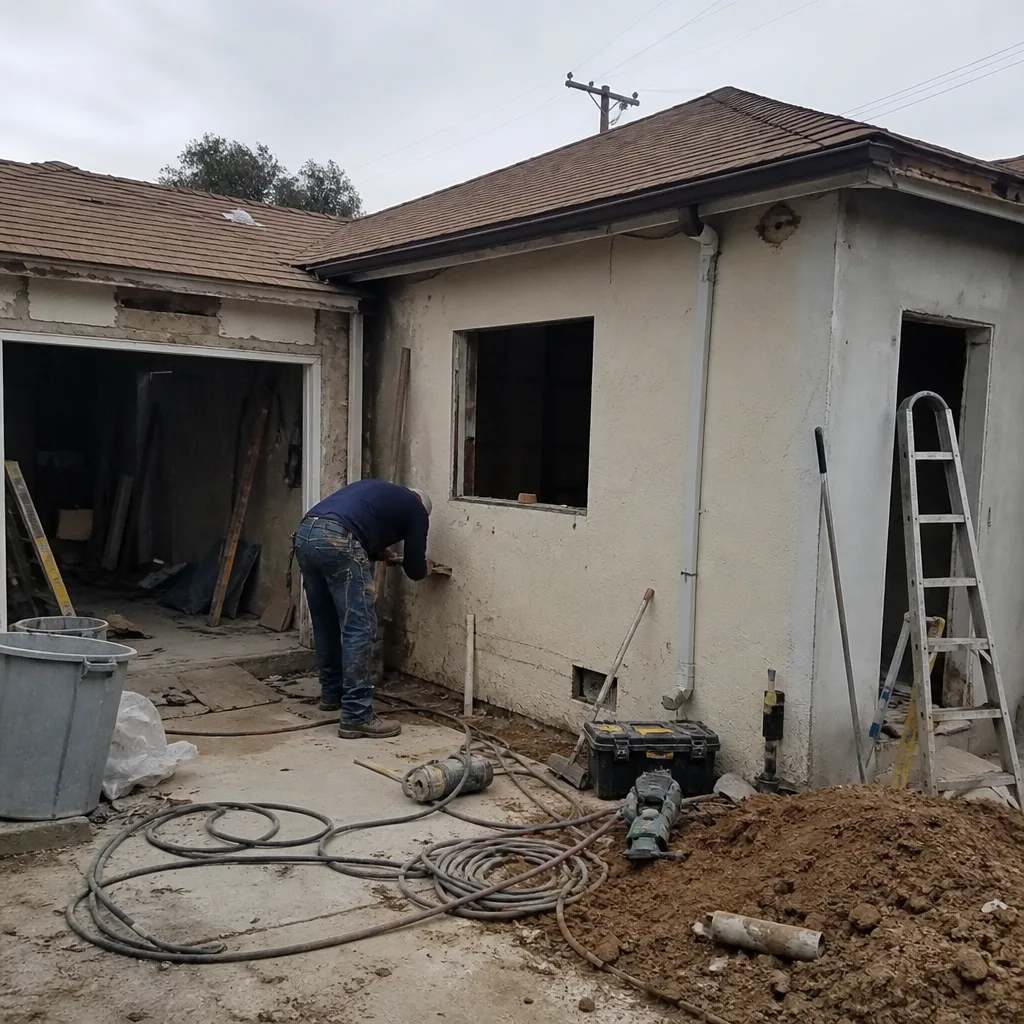 Before
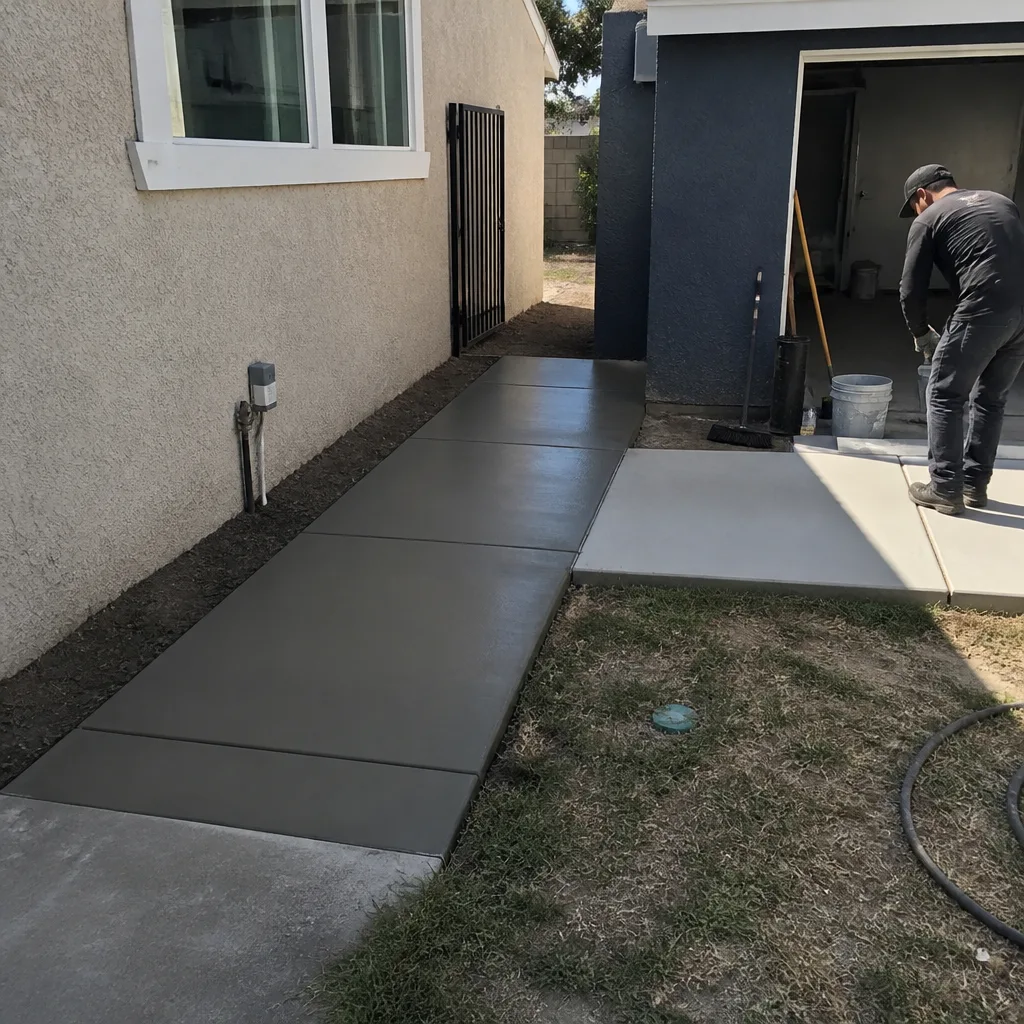 After
After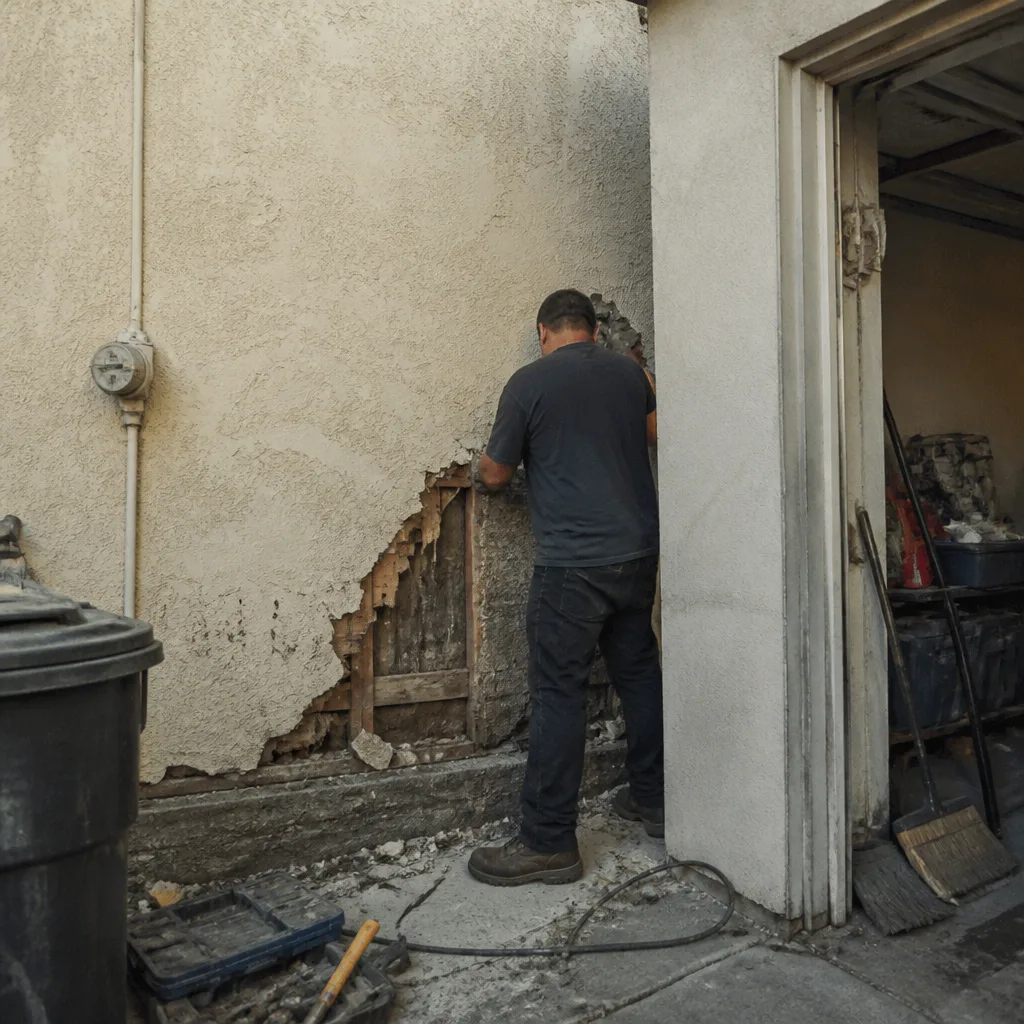 Before
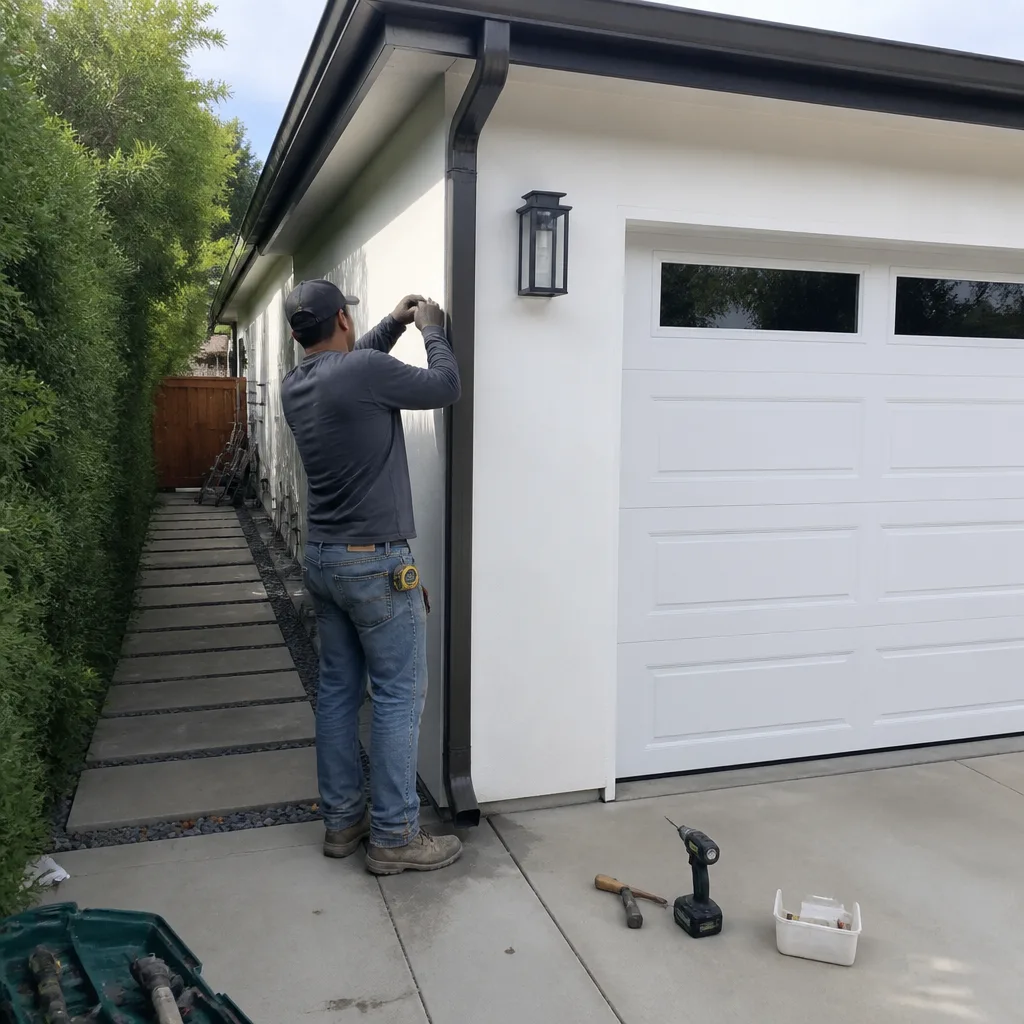 After
AfterReplacement Cost & What’s Included
For Los Angeles homeowners, a paver driveway installation runs $8,260 to $21,240 for a standard two-car driveway, with smaller repairs or partial replacements starting around $825 and full patio rebuilds landing between $4,130 and $12,980. What moves the number is base condition. If the existing base can be recompacted and screeded, the job is faster and cheaper. If we’re digging out failed base, hauling it off, and rebuilding from the subgrade up with new geotextile and compacted aggregate, the scope and price go up accordingly.
Every quote is a written line-item price before we start. That means the paver count, the base depth, the sand, the edge restraint, the haul-off, and the labor are all spelled out, and the price does not move at the door. We pull any required permits and the work carries the 365-Day Done Right Promise: if it fails within a year, we come back and make it right at no charge.
DIY or Call Us?
For a single lifted paver or a small section where the base is still solid, an owner with a rubber mallet, some bedding sand, and patience can usually reset it. Pull the paver, add or remove bedding sand to match grade, set it back, and sweep joint sand into the seams. That’s a weekend project, and it’s fair to handle yourself.
Where DIY goes wrong is the base. If the driveway has settled more than an inch, if water is pooling, or if the edges are spreading, you’re looking at excavation, compaction, and regrading. Most Los Angeles driveways need 4 to 6 inches of compacted base and a geotextile layer to survive our clay soil, and doing that by hand with a plate compactor on a sloped lot in the hills is a punishing job with a high failure rate. If you’d rather have it done once and backed by a written guarantee, call us at (903) 568-7222 and we’ll come look at it.
FAQs
A properly installed Unilock paver driveway in Los Angeles should last 25 to 30 years at the paver level, while the base underneath typically lasts 15 to 20 years before it needs recompaction or rebuild. The pavers themselves are concrete units rated to outlive the base, so the surface you replace is usually the failure of what’s underneath it, not the paver itself. Call (903) 568-7222 to have your base evaluated.
Yes, in most cases a section can be lifted, re-based, and re-laid if the surrounding pavers are still sound and the base failure is localized. The exception is when the base has washed out across a wide area or has been failing for multiple seasons, in which case a wider rebuild is the cheaper long-term option. We’ll tell you which one applies after we see the site.
A small paver reset or joint re-sanding is typically done in a day. A full driveway rebuild in Los Angeles with base excavation, compaction, and re-laying usually takes 4 to 7 working days depending on access and drainage conditions.
We stock the most common Unilock paver sizes and colors used on Los Angeles driveways and patios, and we can order less common lines direct through our supplier with lead times we quote up front. For matching an existing surface, we’ll pull a sample from your site and match it before we order anything. You never have to source materials yourself.
If your Unilock driveway or patio isn’t sitting right, don’t wait for the next rain to make it worse. Call (903) 568-7222 and we’ll come out, assess the base, and give you a straight number in writing. Free estimates, no pressure, and a full-year guarantee if we do the work.
Written by Curtis Lane, Owner, Bradford Remodeling at Bradford Remodeling, serving Los Angeles and nearby areas.