


Free written scope consultation - allowances, timeline, and change-order rules on paper before a single trade is scheduled
Home Remodeling Stopped Working
When a remodel stalls, fails, or simply falls apart after the crew leaves, it almost always comes down to one of three things: the work wasn’t done to code, the materials weren’t installed the way the manufacturer intended, or the contractor left before the punch list was finished. Any of those three problems shows up the same way – something that should work, doesn’t. The fix depends on which one you’re looking at.
A remodel that stops “working” can mean a lot of different things. A kitchen drawer that won’t close. A door that swings open on its own. Grout cracking out after six weeks. Water pooling where it didn’t before. Tile that sounds hollow underfoot. What ties all of these together is that someone did work, collected payment, and left your home in a condition you didn’t agree to. The good news is that every one of those failures has a traceable cause, and a traceable cause has a fix.
Why It Happens
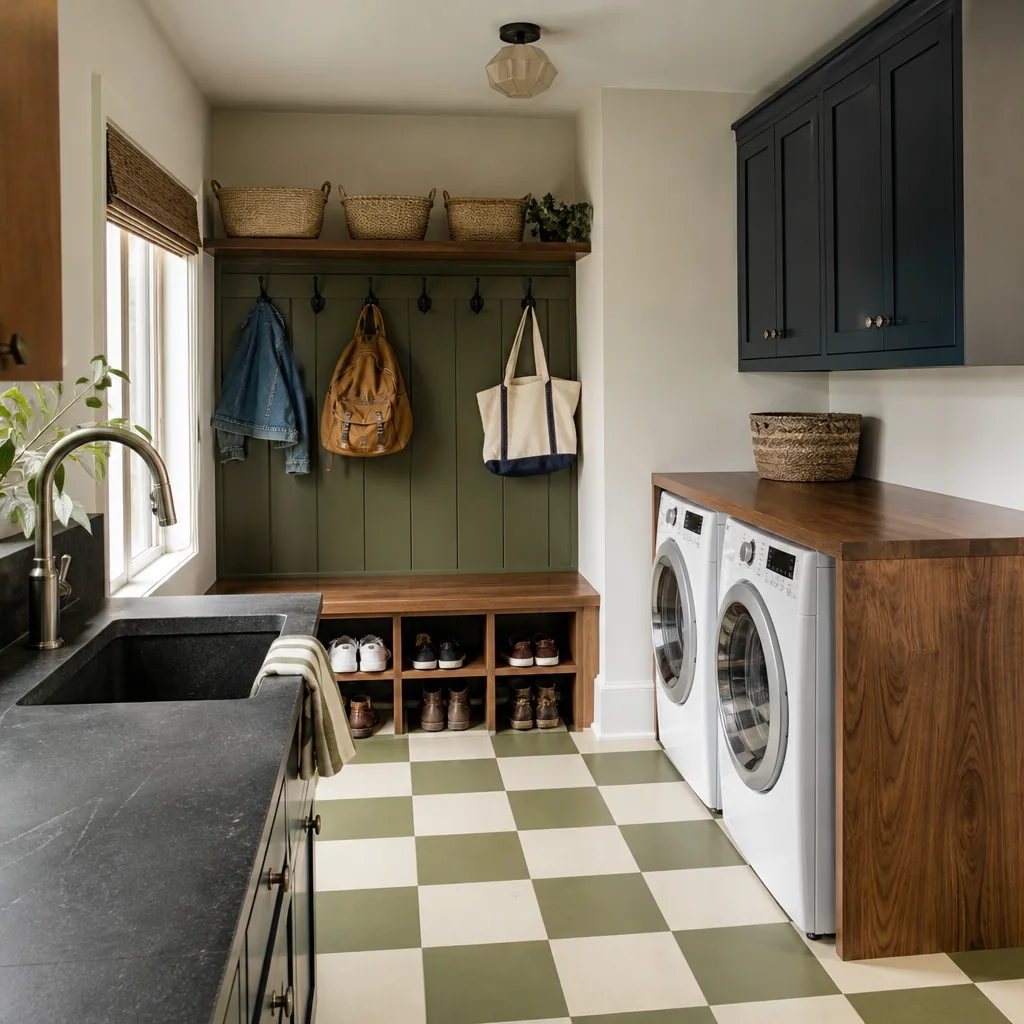
Cabinets, Doors, or Drawers That Won’t Stay Put
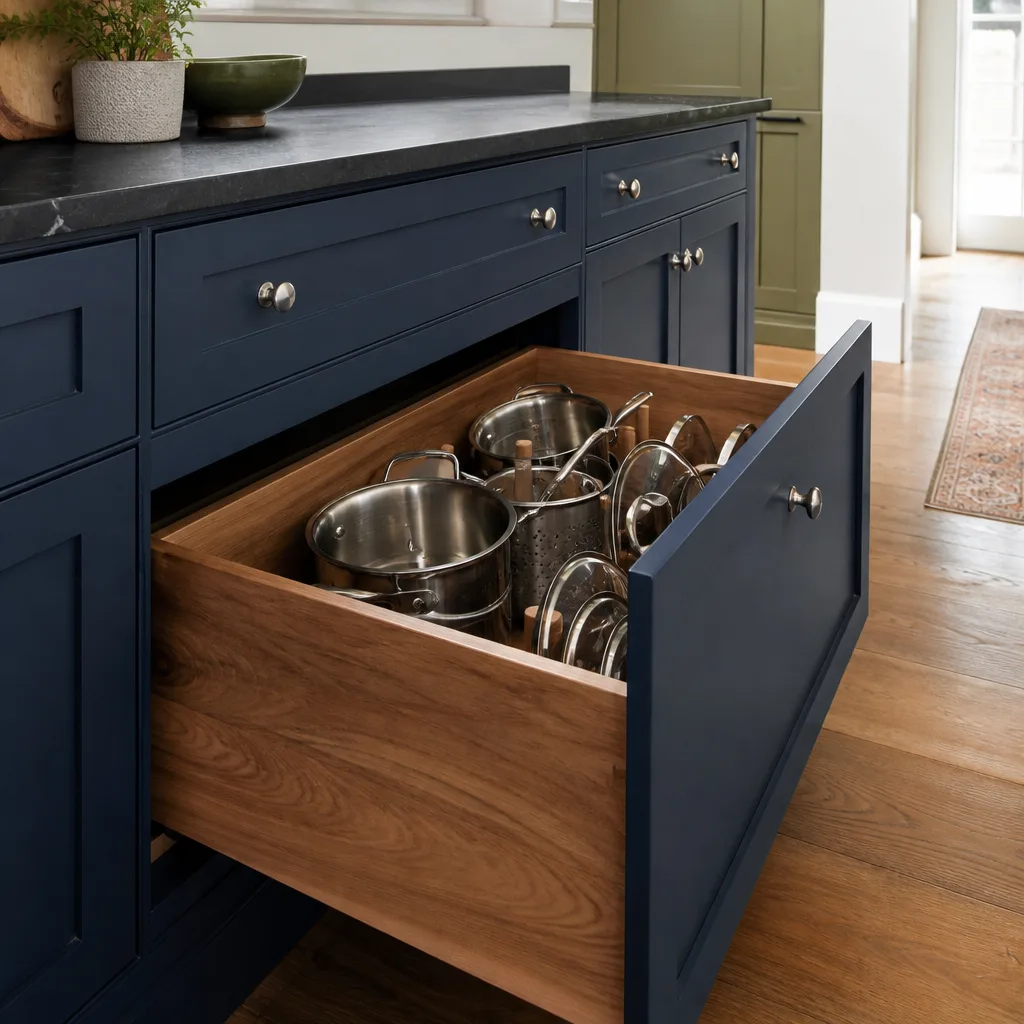
Cabinet hardware fails when the installer skips shimming or doesn’t fasten into solid backing – a stud or a nailer block. You’ll know this is the problem when the door hangs crooked, the soft-close hinge pops off the cup mount, or the drawer box pulls the slide out of the cabinet side. Run your hand along the inside of the cabinet: if the mounting screws are stripped or the wall behind the cabinet flexes when you push, the backing wasn’t set correctly the first time.
Flooring That Moves, Clicks, or Cracks
Tile and hardwood both fail when the substrate underneath wasn’t properly prepared. Hollow-sounding tile usually means the thinset didn’t fully cover the back of the tile – a condition called voids, which lets the tile flex and eventually cracks the grout or the tile face itself. Hardwood that clicks or bounces underfoot typically means the subfloor wasn’t flattened to spec before installation. Tap a few tiles with a coin: a clear ring means good contact; a dull thud means a void.
Water Showing Up Where It Shouldn’t
This one matters more than it might look. Water appearing at a baseboard, under a cabinet, or around a new fixture almost always points to a rough-in connection that wasn’t fully seated or a surface that wasn’t waterproofed before tile or drywall went on top. Check under the sink cabinet and look at the supply line connections – any moisture on the compression fitting or the drain collar tells you where it’s coming from. Don’t use that fixture again until the connection is inspected. Running water through a leaking rough-in damages framing fast.
Paint, Caulk, or Drywall That’s Failing Too Soon
Caulk that shrinks and cracks within a few months, paint that peels at the edges, or drywall tape that bubbles up from the seam – these are prep failures. The surface wasn’t primed, the joint compound wasn’t fully dry before painting, or the wrong caulk type was used for the application. You can usually see it clearly: pull back the loose paint edge and look for bare drywall paper or raw compound with no primer coat underneath.
Styles & brands we work with


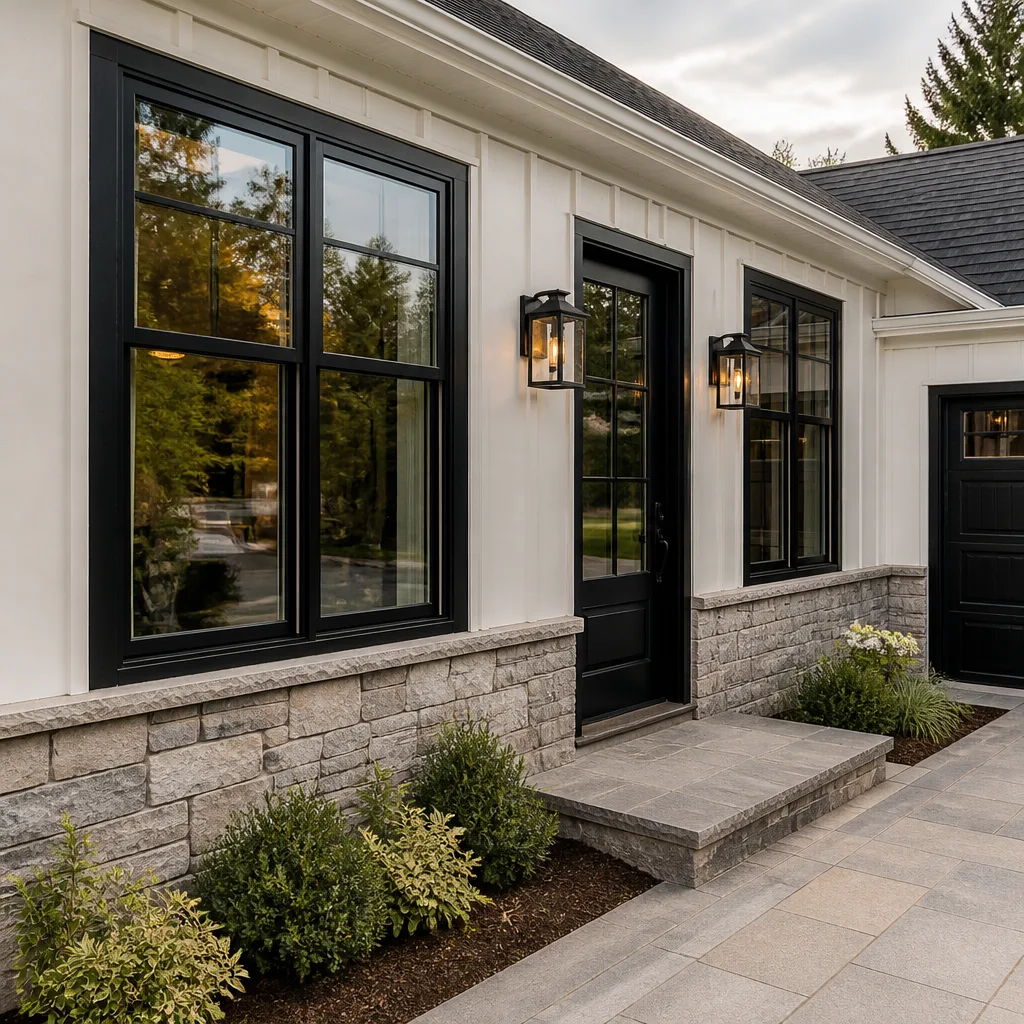
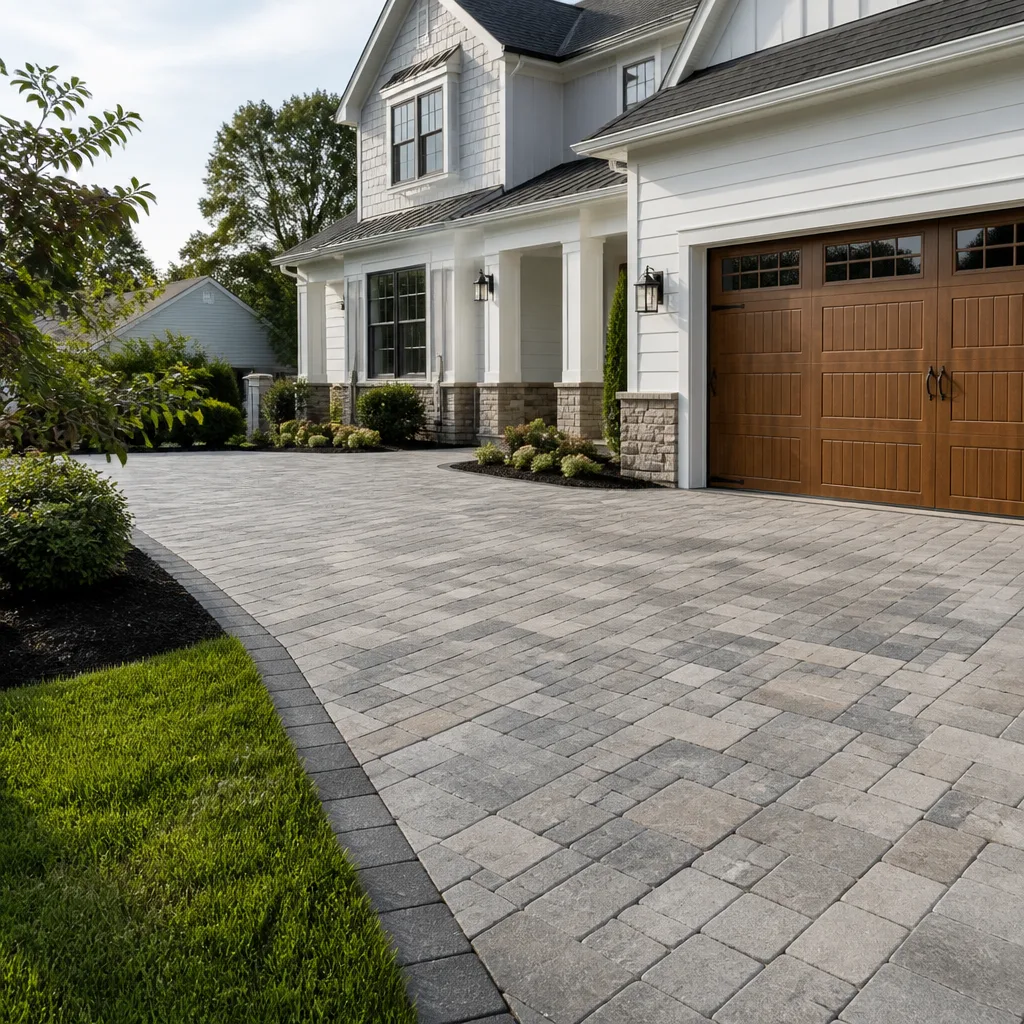
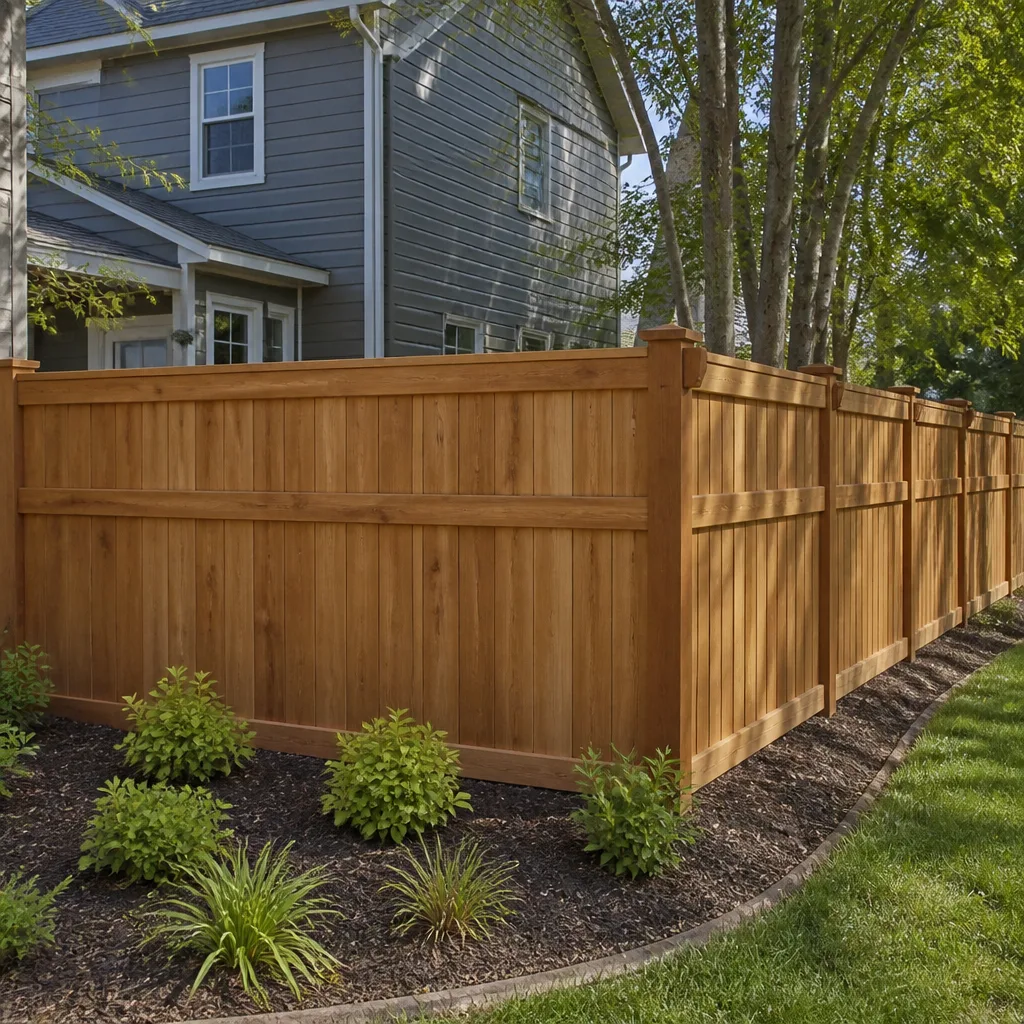
What to Do Right Now
- Stop using anything that involves water until you know the connection is sound. A slow drip inside a cabinet wall or under a subfloor can do significant structural damage in a short time. Turn the supply valve off under the fixture and leave it off until a technician looks at it.
- Photograph everything before you touch it. Get close-up shots of the crack, the gap, the drip, or the separation. Take a wider shot that shows the context – which cabinet, which wall, which floor section. These photos matter if there’s a warranty conversation to be had.
- Don’t try to re-caulk or patch over a failing surface. Putting new caulk on top of failed caulk traps the problem. Painting over peeling paint doesn’t stick. A technician needs to see the failure in its current state to diagnose it correctly.
- Check whether the original work came with any written documentation. A contract, a spec sheet, a manufacturer’s warranty card – pull whatever you have. If there’s no written price agreement and no written warranty, that’s useful to know before the technician arrives too.
- If the failure involves electrical work, a gas line, or structural framing – stop and call a professional immediately. A remodel that disturbed a load-bearing wall, moved an electrical panel circuit, or relocated a gas stub-out carries real risk if something was done wrong. Don’t probe, test, or attempt a repair on any of those systems yourself.
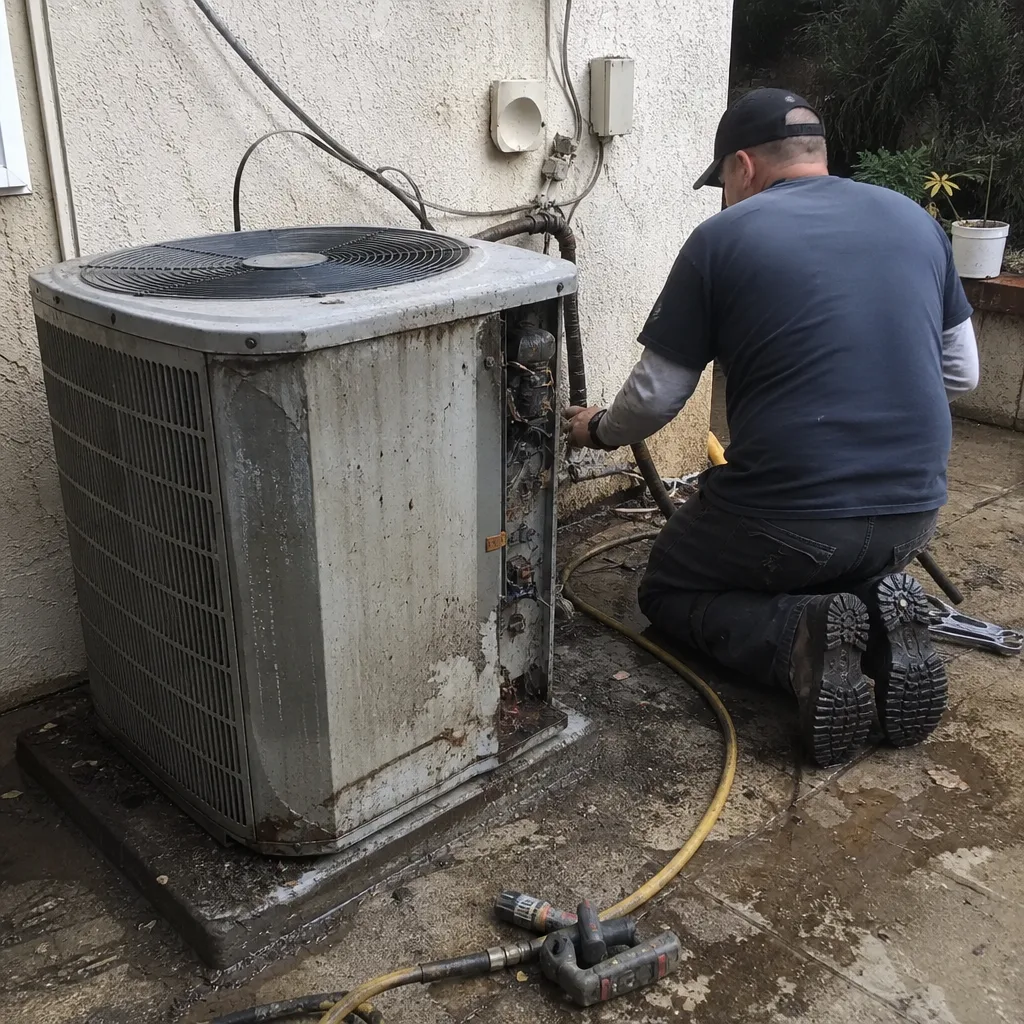
See the difference
 Before
 After
After Before
 After
After Before
 After
AfterHow We Fix It
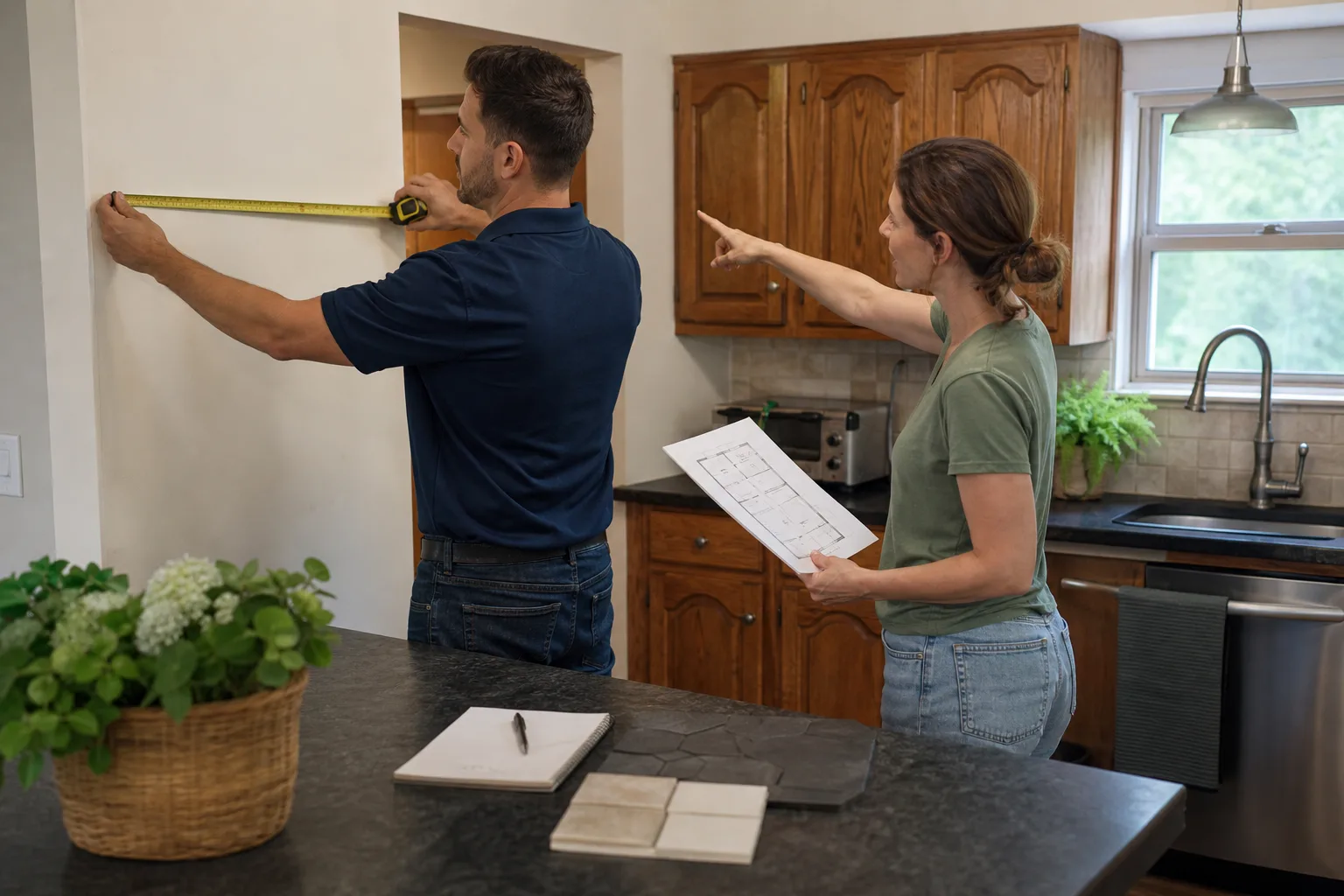
When your local Bradford Remodeling team arrives, the first thing the technician does is a proper site read – no assumptions, no “probably just” diagnoses. They’ll open the cabinet, pull the access panel, tap the tile, or pull the baseboard to find exactly where the failure originated. That matters because patching the symptom without finding the cause just delays the next failure.
Once the root cause is confirmed, you get a written price before any work starts. No verbal estimates, no numbers that move later. That’s not a policy we bend on – it’s part of The Garrison Standard that every Bradford location operates under.
Most remodel repairs fall under our Home Remodeling or General Contractor services. Depending on what the technician finds, same-day scoping is typical; the repair timeline depends on what parts or materials are needed, and your technician will tell you exactly that in plain terms. Every repair Bradford completes is covered by the 365-Day Done Right Promise: if the work fails within a full year of completion, we come back and correct it at no charge. That guarantee is in writing on every project.
Frequently Asked Questions
It depends on what failed. A sticky drawer or a cracked grout line can wait a few days without risk. Water near framing, a compromised load-bearing element, or anything that was done to an electrical or gas system cannot wait – those failures get worse fast and carry genuine safety risk. If you’re not sure which category you’re in, call (903) 568-7222 and describe what you’re seeing. A live person will help you sort it out right now, not tomorrow.
Call (903) 568-7222 and your local Bradford team will tell you exactly what’s available. We answer live, 24 hours a day, 7 days a week – no automated system, no callback queue. Scheduling depends on your location and the technicians in your area, so the honest answer is to call and ask rather than have us guess here.
No. Bradford’s written estimate is the price – the number on the paper is the number on the invoice. That’s part of how every Garrison Partners location operates: price in writing before any work starts, no exceptions. If a technician discovers something genuinely hidden inside a wall that changes the scope, they stop, explain it, and give you a revised written price before touching another thing.
If the original contractor gave you a written warranty, start there and document everything you send them. If they’re unresponsive, no longer in business, or the warranty was verbal rather than written, Bradford can step in – we’ll assess the failure, give you a written price to correct it, and cover the new work under our own 365-Day Done Right Promise. Call (903) 568-7222 and bring whatever documentation you have from the original job.
Get It Fixed

Call (903) 568-7222 now. A live person answers around the clock. Your local Bradford Remodeling team will schedule a site visit, diagnose what failed, and hand you a written price before any work begins. The 365-Day Done Right Promise covers everything we do.
Written by Curtis Lane, Owner at Bradford Remodeling, part of the Garrison Partners family since 2004.
What Our Customers Say
"Painting and drywall repair were flawless. They patched the drywall seams and the paint matches the old wall."
- Cal P."Replaced old windows and trim while redoing the kitchen. Clean finish work."
- Ron F."Home remodel with a new floor plan. Handled structural work and permits without drama."
- Gus R.