Last updated October 9, 2026
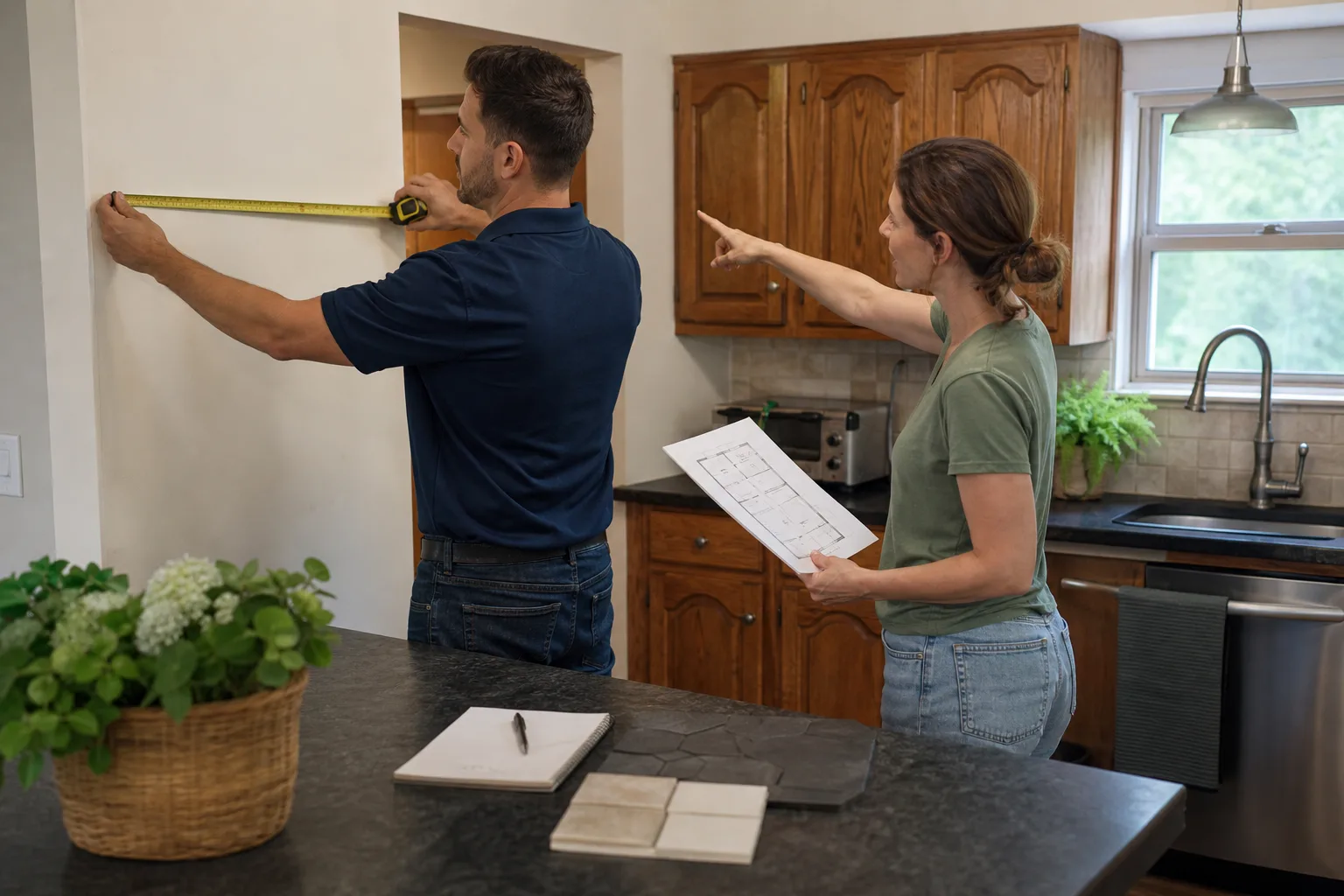
Free written scope consultation - allowances, timeline, and change-order rules on paper before a single trade is scheduled
General Contractor Warning Signs Every Homeowner Should Know
Asking for more than 10% down before work begins is illegal in California for jobs over $500, yet it remains the single most common complaint the California State License Board receives because most Los Angeles homeowners never learn the law until they’ve already handed over a check. This guide walks through the red flags that actually precede disputes: the draw schedules that put you underwater, the vague scope language that becomes a change-order machine, and the permit shortcuts that leave you holding a code violation you didn’t create. You’ll finish knowing exactly what to demand in writing before a single tool comes off the truck.
Quick Answer
The clearest warning signs when hiring a general contractor are a down payment request above California’s legal 10% cap, pressure to skip permits, a vague or missing scope of work, and refusal to verify insurance in writing. For reliable results, consider our General Contractor services. Any one of these should stop the conversation. Together, they describe a contractor who intends to reprice, underdeliver, or walk away mid-job. Get everything in writing before work begins, and confirm the contractor’s license, bond, and insurance directly with the state and the carrier.
Styles & brands we work with


Table of Contents
- Down Payment Red Flags: The 10% Rule and How Contractors Get Around It
- Permit Avoidance: Why “We Don’t Need One” Is the Highest-Risk Sentence You’ll Hear
- The Vague Scope of Work: How Ambiguous Language Becomes a Change-Order Machine
- The Insurance Verification Step Most Homeowners Skip
- Behavioral Red Flags During the Estimate Process
- How to Check a Draw Schedule Before You Sign
- Why a Written Guarantee Is the Difference Between a Contractor and a Contract
- Common Mistakes to Avoid
- When to Call a Professional
- Frequently Asked Questions
Down Payment Red Flags: The 10% Rule and How Contractors Get Around It
California Business and Professions Code Section 7159 sets a hard ceiling: a contractor may not request or accept a down payment greater than 10% of the total contract price or $1,000, whichever is less, on any home improvement job exceeding $500. That’s not a guideline. It’s state law, and it exists precisely because Los Angeles homeowners have been financing contractor float for decades. A legitimate general contractor in Los Angeles runs on working capital and receivables, not your deposit. If a contractor asks for 20%, 30%, or “half up front to secure materials,” that’s not standard practice. That’s a legal violation and the single strongest early signal that the contractor is undercapitalized or dishonest.
Contractors know the law, so they rarely quote the violation outright. The workarounds are verbal and familiar to anyone at the CSLB:
- “It’s for materials.” The law does not exempt materials. Ten percent is ten percent, whether it’s going toward lumber or payroll.
- “I need it to hold your spot on the schedule.” A schedule slot is not a deliverable. If a contractor can’t hold a slot without your money, he’s already telling you his cash flow is fragile.
- “We’ll write it as a separate invoice for design.” This is a deliberate attempt to split the contract so the down payment looks like a separate job. The CSLB treats combined contracts as one job for deposit purposes. This is a red flag by itself.
- “Everyone asks for more on kitchens.” No one who follows the law does. Kitchen remodels in Los Angeles run $30,000 to $75,000 and beyond for full-gut work; the deposit on a $60,000 kitchen is $1,000. Full stop.
Bradford Remodeling operates under The Garrison Standard, which means our written price arrives before any work starts and the deposit we request is the legal maximum, never a dollar more, and it’s stated in the contract in plain language. If a contractor won’t put the deposit amount in writing, you’re not negotiating. You’re being set up.
Permit Avoidance: Why “We Don’t Need One” Is the Highest-Risk Hire You Can Make
In Los Angeles, the Department of Building and Safety requires permits for most structural, electrical, plumbing, and mechanical work, and the list of unpermitted work that later shows up on a title report is long and expensive. When a contractor tells you a permit isn’t necessary for a kitchen remodel, a bathroom reconfiguration, a load-bearing wall removal, or a panel upgrade, that statement is either incorrect or dishonest. Either way, the risk lands on you, not him. Unpermitted work voids some homeowners insurance coverage, becomes a disclosure problem at sale, and can trigger a stop-work order with fines that start in the thousands.
The reason some contractors discourage permits is rarely innocent. Permits trigger inspections. Inspections require the work to meet code. Code compliance exposes corners cut on framing, waterproofing, electrical rough-in, and venting. A contractor who avoids inspections is telling you he doesn’t want a third-party set of eyes on his work. That’s not convenience. That’s concealment. The permit itself is a modest line item on any Los Angeles remodel, commonly a few hundred to a few thousand dollars depending on scope. The inspection it buys is worth far more than the fee.
At Bradford Remodeling, permits are pulled on every job that requires one, and the inspection schedule is written into the scope of work so you know exactly when the city will be on-site and what they’re checking. That’s The Garrison Code in practice: no work that can’t stand an inspection, because the inspector’s sign-off is the cheapest quality audit you’ll ever get. If a contractor tells you to skip it, you should skip him instead.
The Vague Scope of Work: How Ambiguous Language Becomes a Change-Order Machine
A written scope of work should read like a recipe: specific materials, specific quantities, specific locations, specific finish levels. When you see phrases like “as needed,” “as necessary,” “per industry standard,” “miscellaneous,” “and related work,” or “owner to verify,” you are reading an invitation to reprice the job after demolition. These phrases are not sloppiness. They are load-bearing clauses in a contract strategy called low-bid-and-change-order, and Los Angeles is full of contractors who have perfected it.
Here’s what vague scope language signals in practice. “Remove and replace affected drywall as needed” means the contractor decides what’s affected after the wall is open, and every sheet becomes a change order. “Update electrical as necessary” means the bid didn’t include the actual wire runs, and you’ll hear about it when the walls are down and there’s no room to negotiate. “Premium finishes” without a brand name means whatever the supplier had on clearance. Every ambiguity in a contract is a future invoice. The contractor’s favorite sentence after signing, “That wasn’t in the scope,” is almost always traceable to language he wrote that way on purpose.
We write scopes at Bradford Remodeling that name the actual products: KraftMaid or Wellborn cabinets, Cambria or Caesarstone surfaces, Kohler or Moen fixtures, James Hardie siding, Therma-Tru doors. A vague brand is a future substitution; a named brand is a spec you can hold us to. Our clients receive a written line-item scope before signing because The Garrison Standard requires that every price have a defined deliverable attached to it. If your contractor can’t or won’t produce that, don’t sign. Rewrite the scope until it’s specific, or hire someone who starts there.
The Insurance Verification Step Most Homeowners Skip
Most Los Angeles homeowners accept a contractor’s word that he carries insurance. That word is worth nothing if it’s not on paper, current, and naming you. In our experience across the Los Angeles market, a meaningful share of homeowners who’ve been burned by unfinished or defective work later discovered the contractor’s certificate of insurance was expired, lapsed, or simply did not cover the type of work performed. The fix takes ten minutes and should happen before you sign.
Here is the verification sequence, step by step:
- Ask for a certificate of insurance (COI) directly from the contractor’s insurance agent, not from the contractor. A contractor-printed COI is trivially easy to alter. The agent’s office can email it to you directly.
- Confirm the policy is active and the dates cover your project’s start and expected completion. A policy that expires mid-job is the same as no policy for the back half.
- Confirm general liability coverage of at least $1 million. Less is a red flag for any structural or multi-trade work.
- Require that you be added as an additional insured, and get it in writing. This extends the policy’s protection to you as the property owner for claims arising from the contractor’s work.
- For jobs involving W-2 employees, confirm workers’ compensation coverage. In California, workers’ comp is required for any contractor with employees. If a worker is hurt on your property and the contractor lacks coverage, the claim can land on your homeowners insurance.
- Verify the contractor’s license number against the CSLB online database. Check that the license is active, the classification matches the work, and there are no outstanding disciplinary actions. This is free and takes two minutes.
That’s the step most people skip. They check the license and stop. A license proves the contractor passed an exam years ago. A current COI proves he’s covered this week. Both matter. Bradford Remodeling carries the coverage The Garrison Standard requires and will have our agent send the COI directly to you, naming you as an additional insured, before we ask for a signature. If a contractor resists that request, treat the resistance as an answer.
Behavioral Red Flags During the Estimate Process
The estimate visit is an interview, and the contractor is auditioning. Behavior that feels off usually is, and it shows up in patterns. High-pressure close tactics are the loudest one: “I can give you this price if you sign today,” “I have another job starting next week so I’d need to lock you in now,” “If we wait, material prices might go up.” These are closing scripts, not scheduling facts. A disciplined contractor prices the job and lets you decide. Anyone rushing you is trying to outrun your due diligence.
Other behavioral red flags we’ve seen described by Los Angeles homeowners who later called us to fix the work:
- Reluctance to provide references from completed jobs. Every contractor has jobs he’s proud of. If he can’t name two or three recent clients who will vouch for him, he’s telling you what the last three jobs were like.
- Verbal promises that don’t appear in writing. “I’ll use the solid-core doors,” “we always flash the windows twice,” “don’t worry, we’ll fix that too.” If it’s not in the contract, it doesn’t exist. Verbal scope is a litigation position, not a commitment.
- No show without a call, or late with a story. One late arrival happens. A pattern of missed appointments during the sales phase predicts missed milestones during the build.
- An estimate that’s suspiciously light on detail. A two-page estimate for a kitchen remodel is a bid to be negotiated upward. A real estimate has line items.
- Complaints about other clients or contractors. A professional talks about the work, not about how everyone else is incompetent.
We answer the phone live, 24/7, because The Garrison Standard starts before the estimate. When you call Bradford Remodeling, a person answers. When we schedule, we show up. When we price, we put it in writing. Those aren’t selling points. They’re table stakes, and the fact that they’re rare in Los Angeles contracting tells you how far the baseline has slipped.
How to Check a Draw Schedule Before You Sign
A draw schedule is the payment timeline, and a bad one puts you underwater before drywall. The California 10% cap applies to the initial deposit, but after that, the contractor and homeowner negotiate payment milestones. In Los Angeles, the most common dispute pattern we see is a front-loaded schedule: 10% down, 30% at demolition, 25% at rough-in, 20% at drywall, and only 15% at final inspection. Run that math. You’ve paid 85% of the contract before the job is finished, which means the contractor’s incentive to finish is 15 cents on the dollar. That’s not a schedule. That’s a surrender.
A sane draw schedule ties payments to completed, verifiable work, with enough held back at the end to make finishing worthwhile. Here’s a framework homeowners should hold a contractor to:
- Deposit: Legal maximum of 10% or $1,000, whichever is less. Never more.
- Demolition and rough framing complete, inspected if applicable: 15 to 20%.
- Mechanical rough-in complete (electrical, plumbing, HVAC), passed inspection: 20 to 25%.
- Drywall, paint, and finishes substantially complete: 20 to 25%.
- Final walkthrough complete, punch list items addressed, city final inspection passed: the remaining balance, which should be at least 10 to 15%.
The holdback is your only real leverage. A contractor who resists holding 10% or more until final inspection is telling you he doesn’t expect to finish cleanly. At Bradford Remodeling, the written price is fixed before work begins, and the draw schedule is presented as part of that written price. You’ll know the number, the milestones, and what has to pass inspection before the next payment is due. That’s The Garrison Standard. If a contractor won’t put the draw schedule in the contract, the contract isn’t finished.
Why a Written Guarantee Is the Difference Between a Contractor and a Contract
Most Los Angeles remodeling contracts contain no written workmanship guarantee at all. The contractor says, “call me if anything goes wrong,” and that’s the warranty. Here’s what happens six months later when a cabinet door sags or a tile cracks from an improper substrate: the phone rings to voicemail, and the “call me” guarantee evaporates. A guarantee that isn’t written doesn’t exist, and a contractor who won’t write one is making a statement about how he intends to stand behind the work.
A written guarantee should specify three things: the coverage period, the scope of coverage, and the process for a claim. Vague guarantees (“we stand behind our work 100%”) are marketing copy. A real guarantee says something like: if the work fails due to defect in materials or workmanship within one year of completion, the contractor will return and correct it at no charge. That’s what Bradford Remodeling’s 365-Day Done Right Promise states, in writing, on every completed project. If it’s not done right, we make it right. Not a callback. Not a negotiation. A return visit at our cost.
The guarantee also pairs with the manufacturer warranties on the products we install. When we install Belgard pavers or Unilock retaining wall block, the manufacturer’s warranty backs the product while our written guarantee backs the install. When we install Therma-Tru exterior doors or James Hardie siding, the spec is documented and the warranty is in your file. A contractor should be able to tell you the exact guarantee terms before work starts, not after you notice a problem. If he can’t, that’s the answer.
Common Mistakes to Avoid
- Paying more than 10% down because the contractor said it’s standard. It’s not standard in California; it’s illegal. The state set the cap because too many Los Angeles homeowners were losing deposits to contractors who never returned.
- Accepting a verbal scope of work as binding. Verbal scope is worth exactly the paper it’s printed on. If it’s not in the contract, the contractor is free to price it later, and he will.
- Skipping the additional insured request on the certificate of insurance. Without it, the contractor’s policy may not protect you if a liability claim lands on your homeowners insurance. Ten minutes of paperwork prevents it.
- Believing a license alone is sufficient. A license proves the contractor met the state’s minimum exam and bonding requirements. It does not prove he finishes jobs, carries current insurance, or stands behind his work. Check all three.
- Signing a contract with a front-loaded draw schedule. Paying 80% before completion transfers all the risk to you. Hold back at least 10% until final inspection, and tie every milestone to work you can see.
- Falling for the “today only” discount. A price that expires under pressure is a closing tactic, not a bid. A real contractor’s price is the same tomorrow because the work didn’t change.
- Hiring someone who suggests skipping permits. In Los Angeles, unpermitted work follows the property, not the contractor. When the code violation surfaces at title or inspection, you can’t call a contractor who’s gone.
When to Call a Professional
The moment you notice any of the red flags above during an estimate, before you sign anything, is the time to bring in a second set of eyes. If a contractor asks for more than the legal down payment, suggests skipping permits, refuses to name materials in the scope, or won’t put a guarantee in writing, the cheapest move is to end the conversation and call someone who operates differently. The same applies mid-project: if the work has deviated from the written scope and the contractor is unresponsive, a licensed professional can assess what’s code-compliant and what needs correction before it gets buried behind drywall. Bradford Remodeling offers free estimates in Los Angeles and works under The Garrison Standard: written pricing, documented scope, named brands, and the 365-Day Done Right Promise. For Home Remodeling Maintenance Schedule: What to Do and When guidance, visit our resource library. Call (903) 568-7222 to schedule a walkthrough, and you’ll get a real person on the line, day or night.
Frequently Asked Questions
The most common red flag is a request for more than 10% down, which is illegal in California for home improvement jobs over $500. See Home Remodeling Troubleshooting: Common Problems and How to Fix Them for additional warning signs. Contractors ask because most homeowners don’t know the law. If a contractor asks for more, the right move is to end the conversation and verify his license with the CSLB.
No. For any home improvement contract over $500, California law caps the down payment at 10% of the total contract price or $1,000, whichever is less. Any request above that amount is a violation of Business and Professions Code Section 7159, regardless of what the contractor calls the payment.
Contractors discourage permits because permits trigger inspections, and inspections expose work that doesn’t meet code. The most common reason a contractor wants to avoid inspection is that he knows the work won’t pass. In Los Angeles, unpermitted work becomes a title problem and a disclosure issue when you sell. Call (903) 568-7222 if you need a professional to review your project scope against LA Building and Safety requirements, or explore more guides & resources on our blog.
Hold back at least 10 to 15% of the total contract price until final inspection passes and the punch list is complete. A contractor who resists a holdback is signaling he doesn’t expect to finish cleanly. The holdback is your only leverage on a project that goes sideways.
A real written guarantee covers defects in workmanship and materials for a defined period, typically one year, with a specific process for corrections at no charge. Bradford Remodeling’s 365-Day Done Right Promise states exactly that: if the work fails within one year, we return and correct it at our cost. A guarantee that isn’t written down is a promise you can’t enforce.
Ask the contractor’s insurance agent to send you a certificate of insurance directly, confirm the policy dates cover your project, verify at least $1 million in general liability coverage, and require that you be named as an additional insured. In California, also confirm workers’ compensation coverage if the contractor has employees. If the contractor won’t put you in touch with his agent, treat that as a refusal.
The Bottom Line
The most dangerous contractor red flags aren’t exotic scams; they’re everyday practices that are technically legal or barely illegal and always precede disputes. In Los Angeles, the homeowners who get burned are the ones who skip the verification steps: the 10% deposit cap, the permit check, the scope review, the insurance confirmation, the draw schedule math. None of these steps requires special knowledge. All of them require a contractor willing to operate in writing. Bradford Remodeling runs on The Garrison Standard because writing is the whole point: written price first, written scope, written guarantee, written reconciliation at the end. If a contractor can’t produce that, the job was never going to end well anyway. Call (903) 568-7222 for a free estimate and a written price from a Bradford Remodeling home team that puts the whole job on paper before the first tool comes out. We’re a General Contractor in Los Angeles held to the same standard on every job, from Kitchen Remodeling in Los Angeles to Home Remodeling in Los Angeles, and the guarantee is written, not spoken.
Written by Curtis Lane, Owner at Bradford Remodeling, serving Los Angeles since 2004.
See the difference
 Before
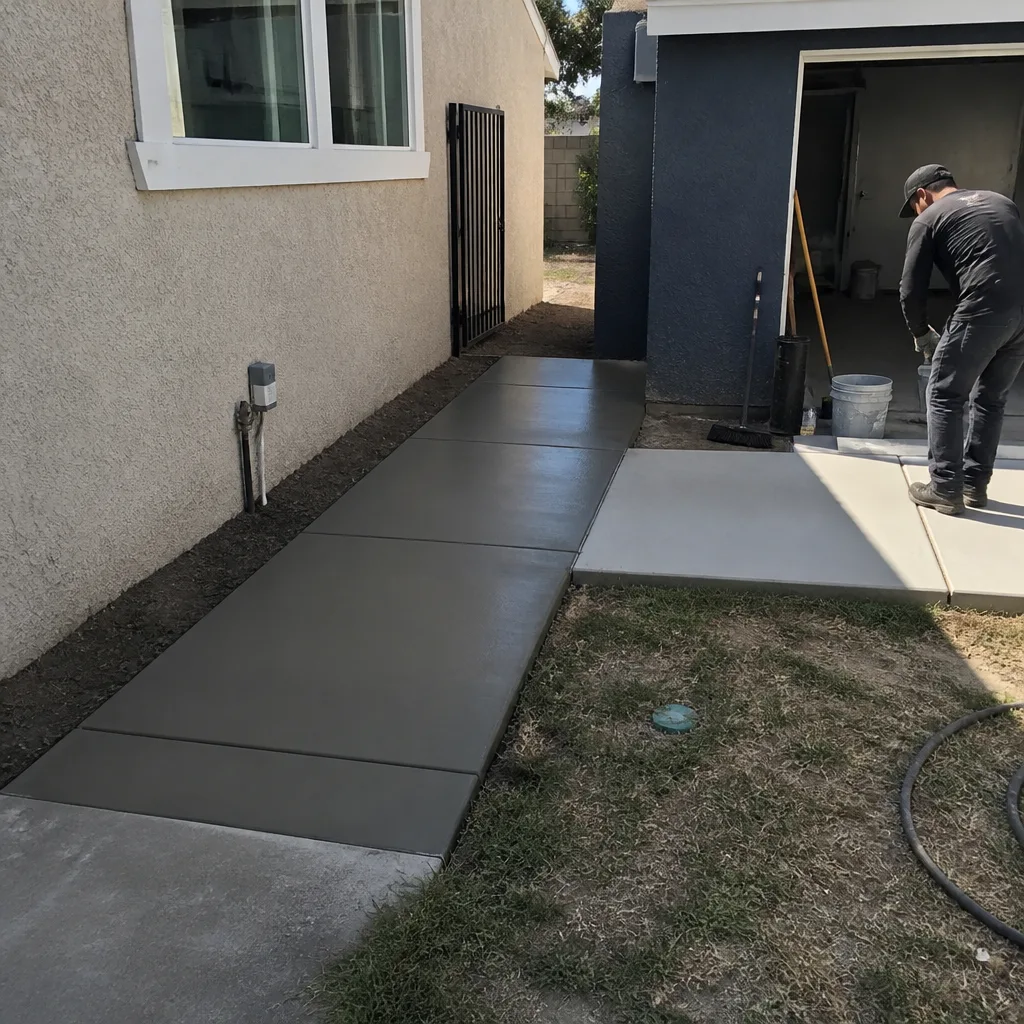
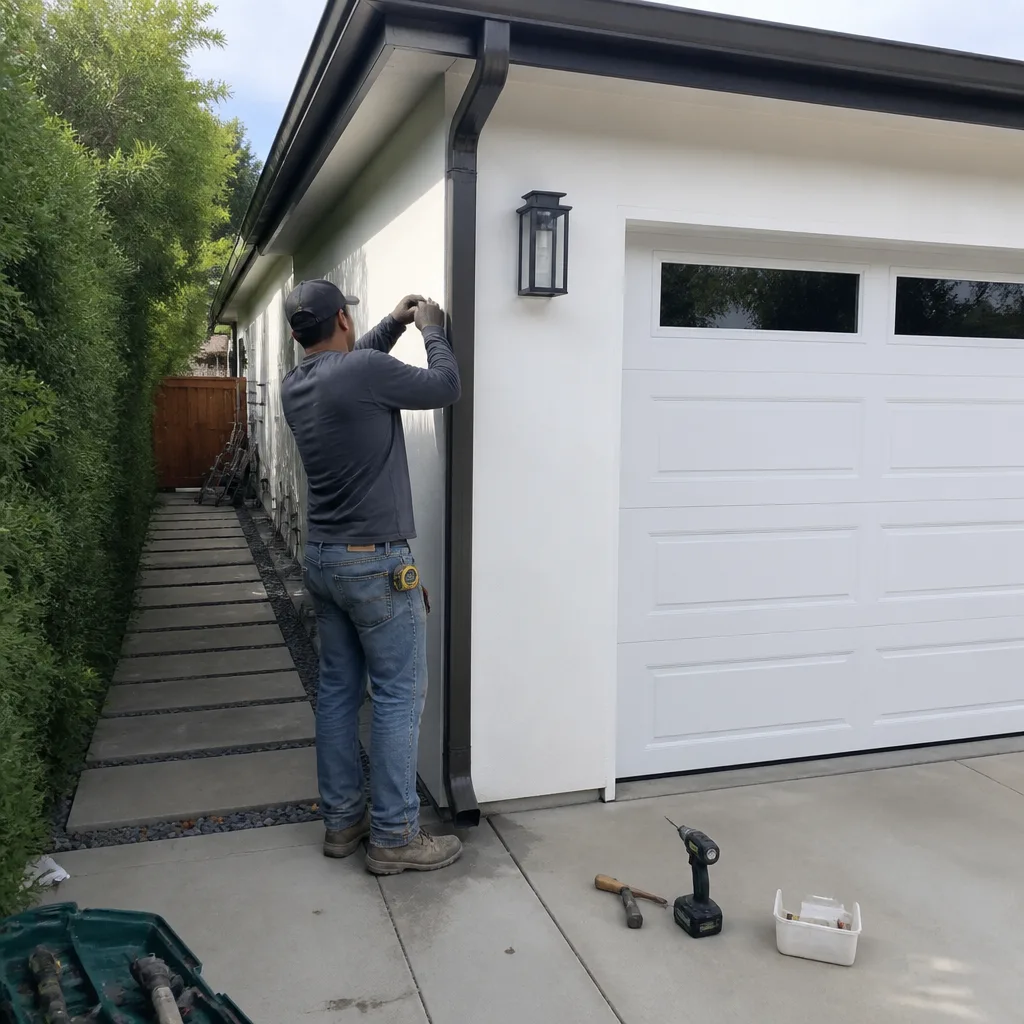
 After
After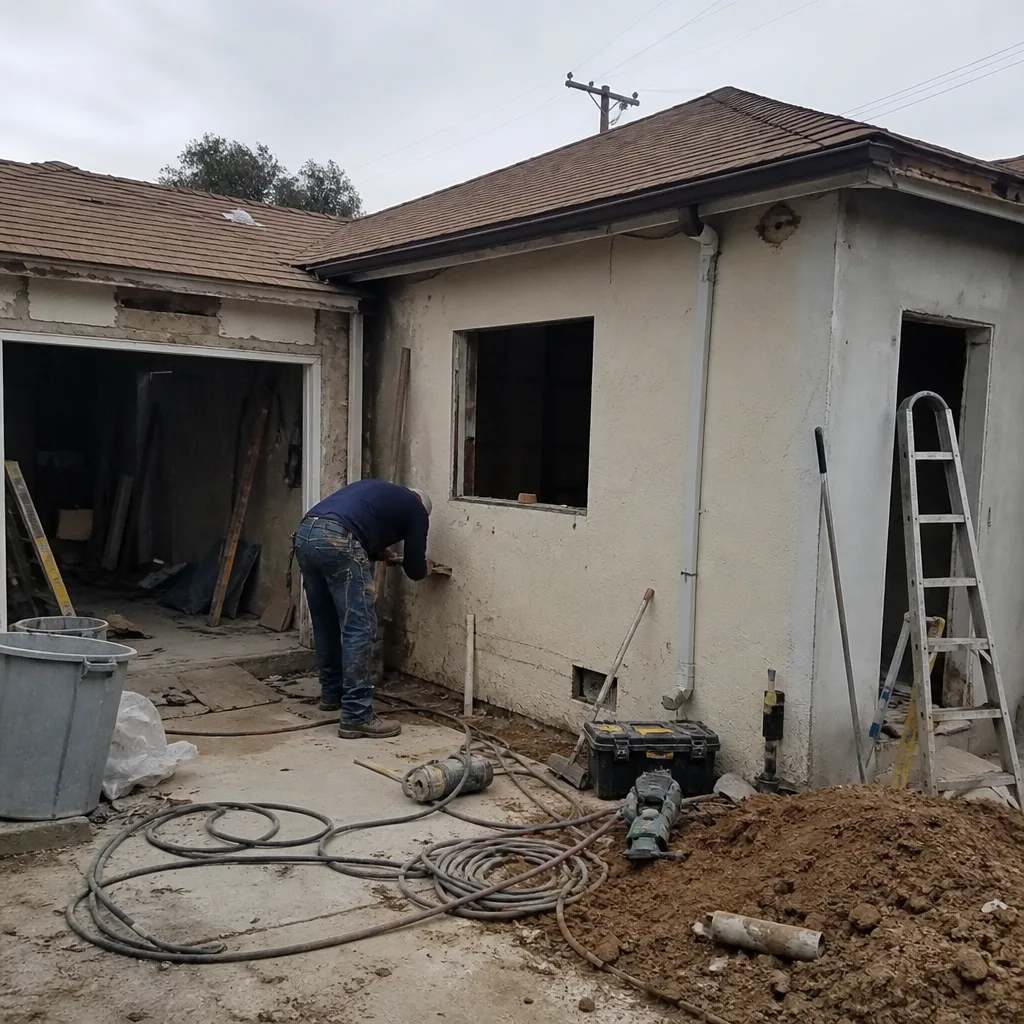 Before
 After
After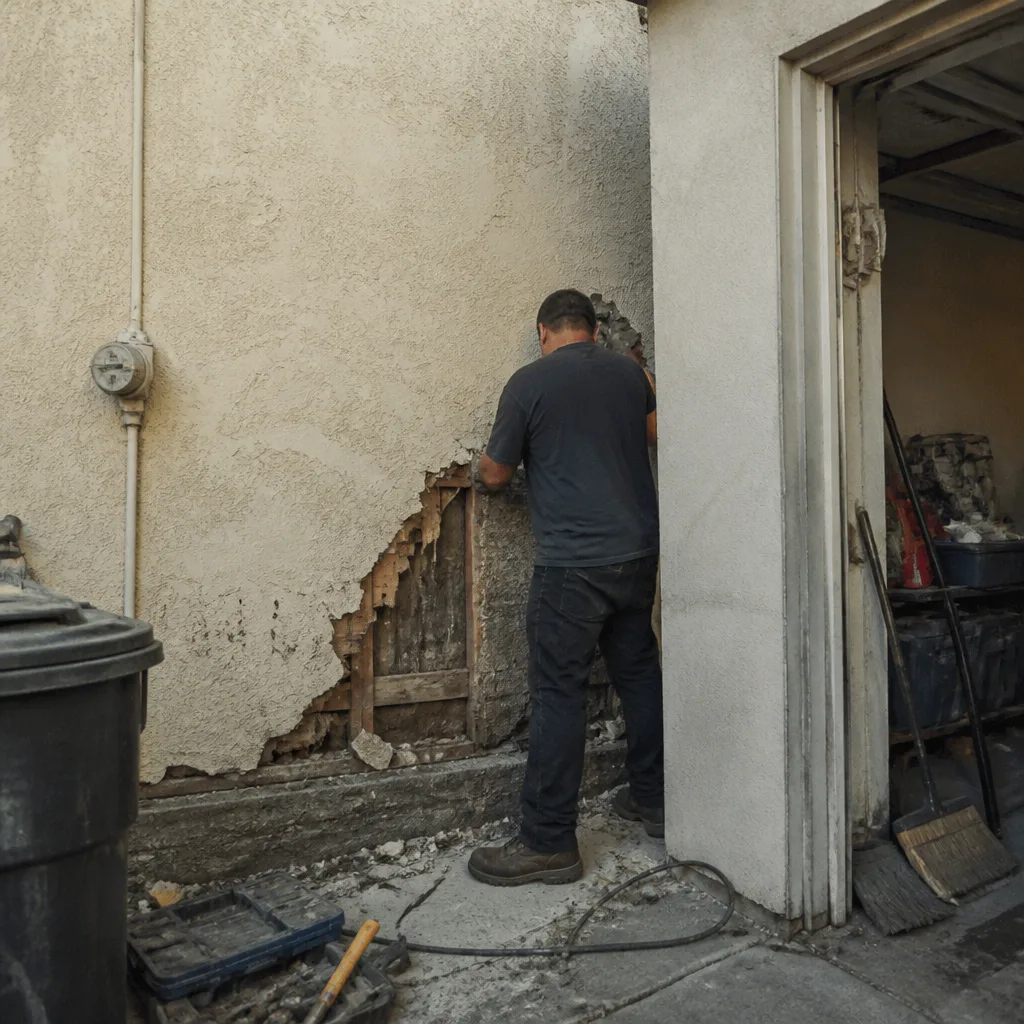 Before
 After
After