Last updated October 9, 2026








Free written scope consultation - allowances, timeline, and change-order rules on paper before a single trade is scheduled
General Contractor Troubleshooting: Common Problems and How to Fix Them
A contractor stopping work mid-project is not automatically a breach of contract. It depends almost entirely on what your contract says about payment milestones, and how the work stoppage lines up against those milestones. Most homeowners find this out too late, after they’ve already paid ahead of schedule or agreed to a verbal change that was never written down. This guide walks you through the six most common mid-project breakdowns we see in Los Angeles, gives you a decision tree for each one, and tells you exactly what to do so you’re not the one holding an empty wallet and a half-finished kitchen. By the end, you’ll know how to document a no-show, how to separate a change order dispute from a scope dispute, and how to use a three-step paper trail to get actual leverage.
Styles & brands we work with






Quick Answer
When a general contractor problem surfaces mid-project, your first move is to document it in writing, check your contract’s payment and scope language, and send a dated cure notice giving the contractor a specific deadline to respond or resume work. The fix for most disputes is not litigation; it’s a written paper trail that forces the issue into defined terms: what was promised, what was paid, and what “done” means. If the contractor holds a California license, you have additional leverage through the CSLB, but that leverage only works if your documentation is clean.
Table of Contents
- Problem 1: The Contractor Stopped Showing Up
- Problem 2: Change Order Dispute vs. Scope Dispute
- Problem 3: Subcontractor Work Failed Inspection
- Problem 4: You Don’t Have a Lien Waiver and Now There’s a Lien
- Problem 5: The Workmanship Is Clearly Below Standard
- Problem 6: The Budget Keeps Creeping Without Your Approval
- Common Mistakes to Avoid
- When to Call a Professional
- Frequently Asked Questions
- The Bottom Line
Problem 1: The Contractor Stopped Showing Up
The most common call we get in Los Angeles starts the same way: “They were here every day for three weeks, and now nobody’s answering.” The first question is never “Who do I sue?” It’s “What does your contract say about when you pay?” If the contract ties payments to milestones like rough-in inspection or drywall completion, and you’ve paid through the milestone the contractor has already hit, then a stoppage is a red flag. If you paid ahead of the milestone, you’ve handed over your leverage.
Here’s the decision tree:
- Check the payment schedule. What milestone was last completed? What milestone has been paid for? If the contractor has been paid for work not yet completed, that’s the first thing to document.
- Send a written notice. Email and certified mail. State the date work stopped, the last completed scope item, the amount paid to date, and a specific deadline to resume work, typically 5 to 7 business days in Los Angeles county.
- Do not pay another dollar. A contractor who has already stopped showing up will not be motivated by another draw. The only thing that motivates a return is a written demand that resets the terms.
- Photograph the site. Time-stamped photos of incomplete work, exposed substrate, and any materials left behind. If you escalate to the CSLB or small claims court, these photos are your evidence that work stopped on a specific date.
- If no response, file with the CSLB. A California contractor’s license is their livelihood. The CSLB can mediate and, in cases of abandonment, investigate. The complaint itself often produces a phone call within days.
In Los Angeles, where a Cheviot Hills remodel and a Northridge addition run on very different schedules, the same rule applies everywhere: a work stoppage without a written cure notice is just a bad week. A work stoppage with a documented cure notice is a dispute with a paper trail.
Problem 2: Change Order Dispute vs. Scope Dispute
These are not the same problem, and treating them the same way costs homeowners real money. A scope dispute is about whether the original contract covered a specific item at all. A change order dispute is about whether a written change to the scope was agreed to, and at what price.
Here’s the difference that matters:
- Scope dispute: You believe the contract included a new electrical subpanel. The contractor says it was never in the drawings. The fix is to go back to the contract documents: the plans, the specs, the allowances, the line items. If the item is not there, you are asking for a change, not disputing one.
- Change order dispute: The contractor says you approved a $4,800 change order for a structural beam upgrade. You say you never signed anything. The fix is to demand the signed change order. In California, a contractor cannot legally charge for extra work beyond a written change order that you have approved. If there’s no signature, there’s no enforceable change.
What we’ve seen in Los Angeles: homeowners in South Pasadena who verbally agreed to a foundation upgrade and then spent months fighting a $21,000 invoice that was never put in writing. The contractor had leverage because the work was already done. The homeowner had no leverage because nothing was signed. The lesson is not that contractors are dishonest. The lesson is that a verbal change order is not a change order.
Your fix, in order:
- Demand the written change order with the exact scope and price.
- If one exists and you signed it, the dispute is over price fairness, not validity. Negotiate from there.
- If one does not exist, state in writing that you did not approve the change and will not pay for unauthorized work.
- Offer to pay only for the originally contracted scope. That is your legal floor.
Every Bradford Remodeling project includes a written price before any work starts, and every change to that price goes through a written change order. No numbers move at the door. That’s the Garrison Standard, and it’s why our general contractor services in Los Angeles don’t end up in change order fights.
Problem 3: Subcontractor Work Failed Inspection
When a plumbing rough-in fails inspection in Los Angeles, or an electrical panel is flagged by the Department of Building and Safety, the homeowner often assumes the subcontractor is the one who fixes it. Legally, that’s wrong. Your contract is with the general contractor. The GC holds the license, the GC pulled the permit, and the GC is responsible for every subcontractor on site. In California, a licensed general contractor cannot delegate away liability by blaming a sub.
Here’s what to do:
- Get the inspection report in writing. The inspector’s correction list is your document. Specific code citations are gold. “Fix the venting” is weak. “Section 904.1: vent termination too close to window” is leverage.
- Send the correction list to the GC in writing. Ask for a date-certain correction schedule. Give 5 business days.
- Do not pay the sub directly. If you do, you’ve just created a second contract and blurred the liability line. The sub answers to the GC, not to you.
- If the GC won’t act, contact the CSLB. Failed inspections tied to an active permit are the kind of complaint the CSLB responds to. The GC’s license is tied to the permit. That’s their exposure.
In Los Angeles, where code enforcement varies by district and inspectors can be strict in neighborhoods like Hancock Park or Studio City, a failed inspection is not the end of the world. What matters is who owns the correction. When the GC is by-the-book, the correction happens fast because the GC’s name is on the permit. That’s how we run every home remodeling project in Los Angeles: our license, our permit, our responsibility.
Problem 4: You Don’t Have a Lien Waiver and Now There’s a Lien
A lien waiver is not a piece of paper you collect at the end of a project. It’s a piece of paper you demand at every payment milestone. Here’s why: if your GC doesn’t pay a subcontractor or a material supplier, that sub or supplier can file a mechanics lien against your property. In California, that lien can exist even when you’ve already paid the GC in full. You paid. The sub didn’t get paid. The sub files a lien. Now your property title is clouded.
How to read a lien waiver:
- Conditional waiver on progress payment: This is what you want before you hand over a progress payment. It says the sub or supplier waives lien rights for the amount listed, but only once the check actually clears. This is the most common waiver type for mid-project payments.
- Unconditional waiver on progress payment: This says the sub or supplier has already been paid and waives lien rights immediately. Only accept this after you have proof the check cleared.
- Conditional waiver on final payment: The sub waives all lien rights for the project, once final payment clears. Demand this at project close.
- Unconditional waiver on final payment: The strongest waiver. The sub has been paid in full and waives everything. This is your final protection before the last check.
In Los Angeles, where remodels routinely involve multiple trades and material suppliers, the lien risk is real. A Kohler fixture order placed by the GC but not paid by the GC can become a lien on your home. A Cambria countertop install can go the same way. The fix is simple and non-negotiable: no payment without a corresponding lien waiver. If a contractor refuses to provide one, you’ve found your problem. A Bradford Remodeling project includes lien waivers at every draw as a matter of course. It’s not optional. It’s part of the written guarantee.
Problem 5: The Workmanship Is Clearly Below Standard
There’s a difference between “I don’t love the tile layout” and “the tile is visibly lipped, the grout lines are uneven, and the waterproofing was never installed.” The first is a preference. The second is a workmanship failure. Knowing which one you have changes your entire response.
Workmanship failures in Los Angeles remodels generally fall into a few categories:
- Waterproofing failures: Shower pans not sloped, no waterproof membrane behind tile, improperly sealed windows. In a city with coastal moisture and older homes, this is the one that causes the most damage over time.
- Structural shortcuts: Undersized beams, missing shear wall anchors, foundation work done without compaction. These are code issues, not cosmetic issues.
- Finish failures: Cabinet doors out of alignment, countertop seams visible and rough, trim gaps the size of a quarter, flooring that flexes.
Your paper trail:
- Document every defect with photos and measurements. Be specific. “The countertop seam is 1/8 inch wide and catches a fingernail” is a workmanship claim. “The countertop looks bad” is not.
- Send a written list to the GC. Ask for a correction schedule.
- Give a cure period. Five to ten business days in Los Angeles is reasonable.
- If the GC refuses, get a third-party inspection. A licensed home inspector or a specialist in the specific trade can write a report that documents the failure.
- File with the CSLB. Workmanship complaints tied to a contractor’s license get attention.
Here’s what the Garrison Standard means in practice: every completed Bradford Remodeling project carries a full-year written guarantee. For more on protecting your investment, see our Home Remodeling Maintenance Schedule: What to Do and When. If the work fails inside that window, we come back and correct it at no charge. You get that guarantee in writing before the project starts, and you get a signed copy at close. If you’re working with a contractor who won’t put their workmanship guarantee in writing, you’re working without a net.
Problem 6: The Budget Keeps Creeping Without Your Approval
The most expensive sentence in remodeling is “while we’re in there, we might as well…” uttered without a written change order behind it. Budget creep without approval is not a normal part of remodeling. It’s a failure of the contract to define what happens when conditions change.
In Los Angeles, two things drive unexpected budget creep more than anything else:
- Latent conditions: Opening a wall in a Craftsman in Pasadena and finding termite damage, failed wiring, or a foundation crack that no one could have seen before. These are legitimate changes, but they still require a written change order with a defined price.
- Finish upgrades: The homeowner upgrades from standard tile to Caesarstone, from a stock tub to a Kohler soaking tub, from basic cabinetry to custom. These are choice-based changes, and they’re the ones most likely to happen verbally.
The fix for both is identical: every change, every time, in writing, with a price attached, before the work happens. If a contractor tells you a change is “no big deal” or “we’ll settle up later,” that’s the moment to stop and hand them a change order form. If they won’t sign one, they’re not running a disciplined business. A kitchen remodel in Los Angeles should never become a game of open-ended invoices.
Common Mistakes to Avoid
- Paying ahead of the milestone schedule. In Los Angeles, where remodels can run $80,000 to $250,000, paying ahead of completed work means you’ve forfeited the only real leverage you have: the unpaid balance.
- Accepting verbal change orders. A verbal change order is not a contract. It’s a dispute waiting to happen. If it’s not in writing with a price, it doesn’t exist.
- Paying a sub directly. You’ve now created a direct relationship with a sub, and you’ve blurred the GC’s liability. The sub answers to the GC. Keep it that way.
- Skipping lien waivers at progress payments. This is the single most common mistake that produces a mechanics lien. You paid the GC. The GC didn’t pay the sub. The sub files a lien on your house.
- Not documenting a no-show with photos and written notice. A contractor who stops showing up gets a free pass if you have no paper trail. Your phone call log is not a paper trail.
- Treating a scope dispute and a change order dispute as the same thing. One is about what the contract says. The other is about whether a change was approved. Different proof, different fix.
- Trusting a guarantee that isn’t written down. “We’ll stand behind the work” means nothing. A signed one-year guarantee with specific terms means everything.
When to Call a Professional
Some contractor problems are fixable with a firm letter and a clean paper trail. Some are not. You should call a professional when the project involves structural changes that have already been framed, when a failed inspection has shut down the permit, when a mechanics lien has been filed against the property, or when you’ve discovered waterproofing failures that have been covered by tile or drywall. These are not DIY fixes. A licensed general contractor with a clean record can assess the damage, document what’s correct and what’s not, and give you a written quote to bring the work into compliance. Bradford Remodeling offers free estimates in Los Angeles – call (903) 568-7222 for a straight answer on what it will take to fix the work and get the project back on track.
Frequently Asked Questions
Send a written notice by email and certified mail stating the date work stopped, the last completed scope item, the amount paid to date, and a deadline to resume work, typically 5 to 7 business days. If there is no response, file a complaint with the CSLB and document the site with time-stamped photos. Call (903) 568-7222 if you want a professional review of the situation.
You can and should withhold payment for work that has not been completed according to the contract, but you must document the specific defects in writing and give the contractor a cure period to correct them. A blanket refusal to pay without documentation puts you in a weaker position if the dispute escalates.
The general contractor is responsible, not the subcontractor. Your contract is with the GC, the GC holds the license, and the GC pulled the permit. Send the inspection correction list to the GC in writing and demand a correction schedule. If the GC won’t act, file with the CSLB.
A lien waiver is a legal document stating that a subcontractor or supplier waives the right to file a mechanics lien against your property for the amount listed. You need one at every payment milestone because if the GC doesn’t pay a sub or supplier, that party can file a lien on your home even though you already paid the GC.
Not automatically. A work stoppage is a breach only if it violates the contract’s payment and schedule terms. If you have paid ahead of the milestone schedule, a stoppage is more complicated because you’ve already surrendered leverage. Check the contract first, then send a written cure notice.
Remediation costs in Los Angeles typically range from $15,000 for a partial bathroom correction to $150,000 or more for a full kitchen or structural rebuild, depending on the scope of the failure and whether code violations require opening walls. The only way to get an accurate number is to have a licensed contractor document the defects and write a scope of work. Call (903) 568-7222 for a free estimate from Bradford Remodeling.
The Bottom Line
Most contractor problems can be traced back to a contract that never defined what “done” means. For related guidance, see our General Contractor Warning Signs Every Homeowner Should Know. A written price before work starts, a written change order for every change, a lien waiver at every draw, and a signed guarantee at close – those four documents solve ninety percent of mid-project disputes. The rest is discipline: document everything, send written notice, give a cure period, and escalate to the CSLB when the contractor won’t respond. In Los Angeles, where the cost of a mistake is measured in six figures, a paper trail is not bureaucracy. It’s the only leverage you actually have under California law.
Written by Curtis Lane, Owner at Bradford Remodeling, serving Los Angeles since 2004. Browse our more guides & resources.
See the difference
 Before
 After
After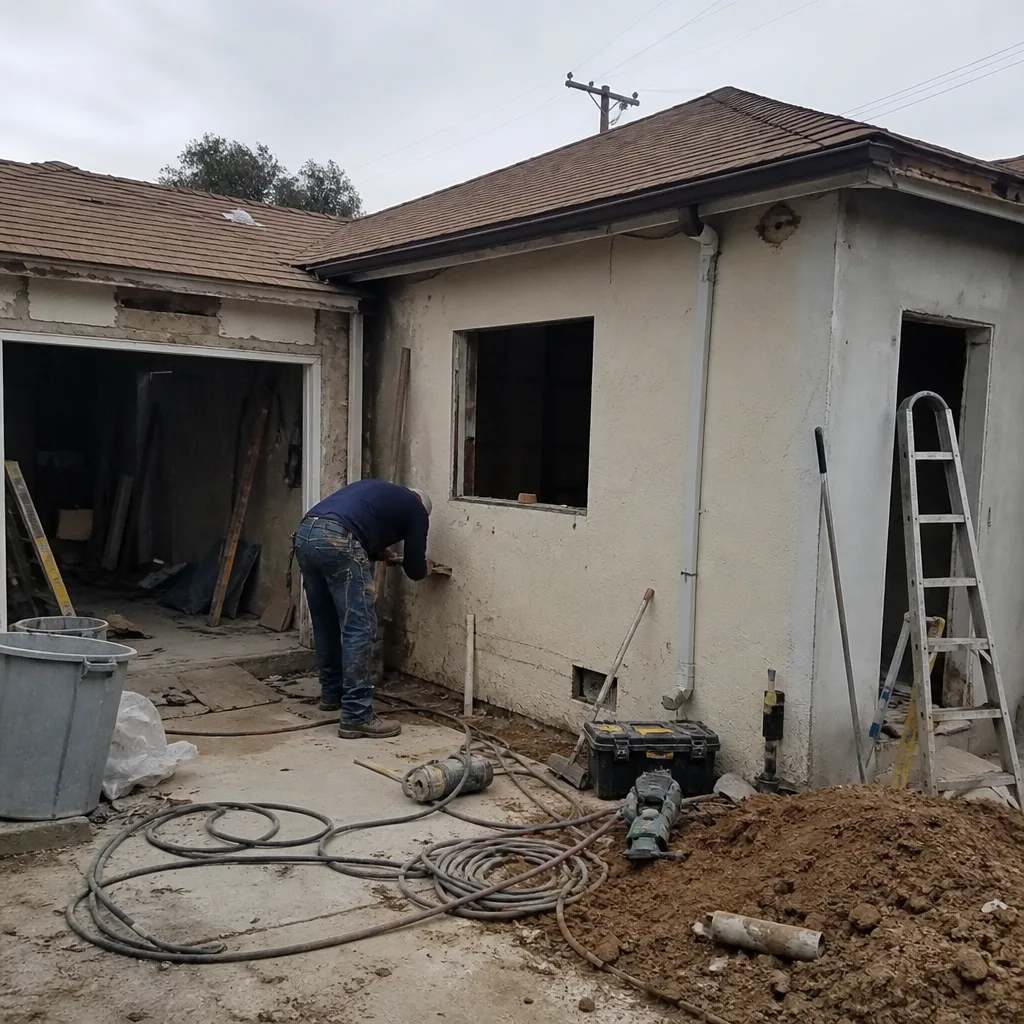 Before
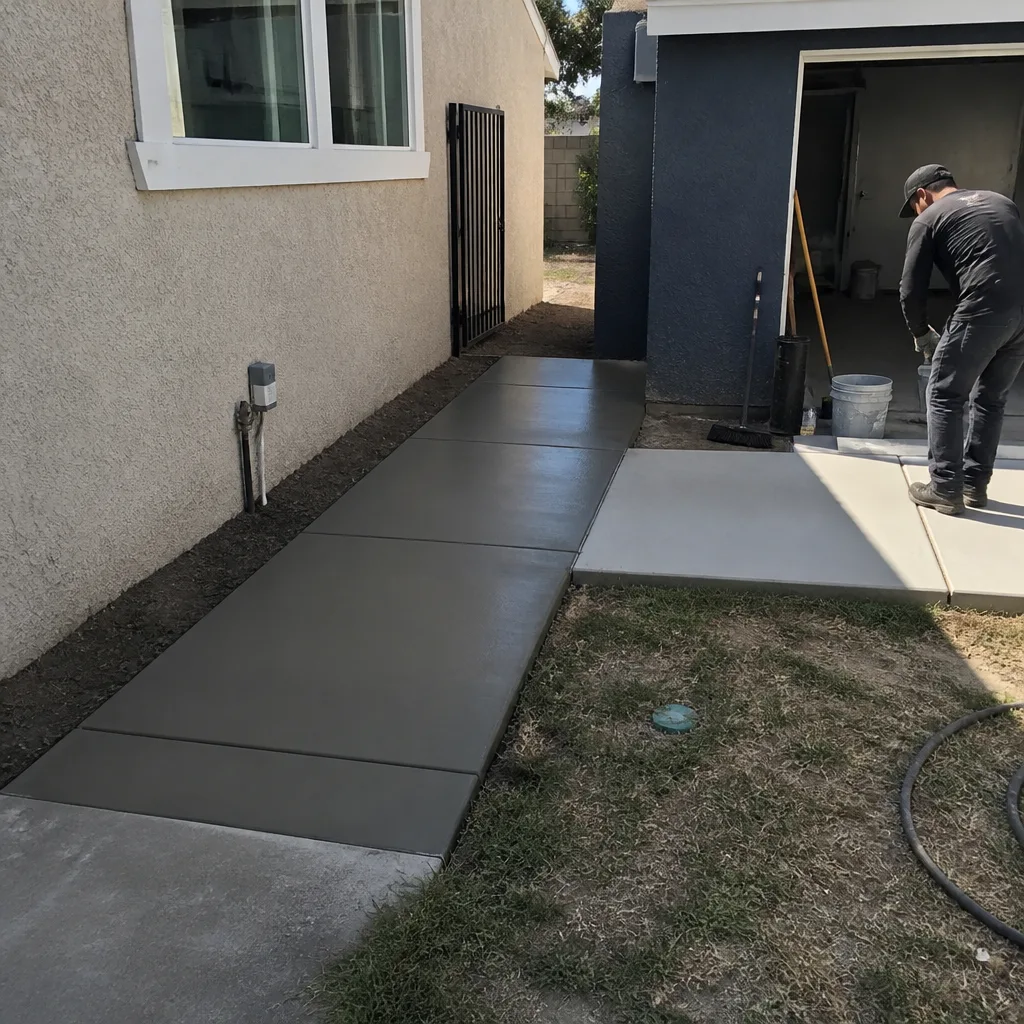 After
After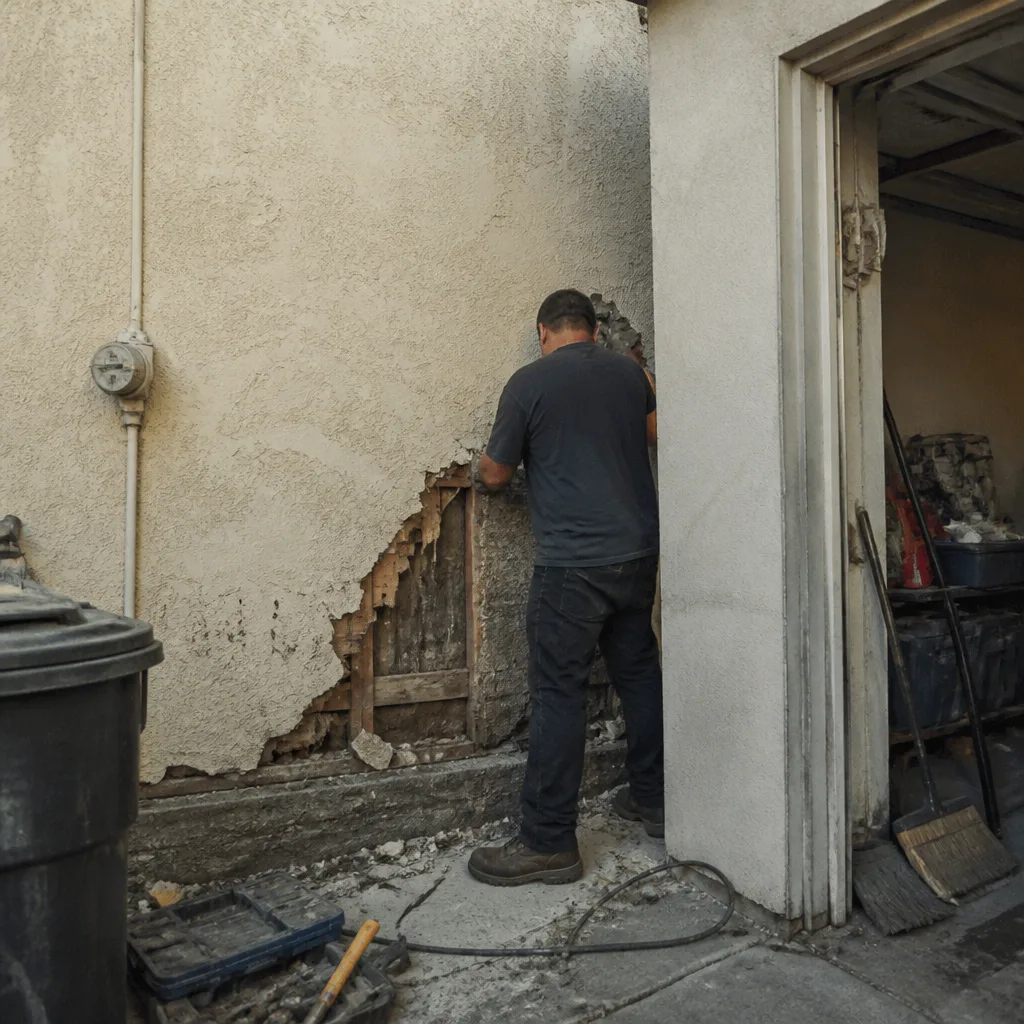 Before
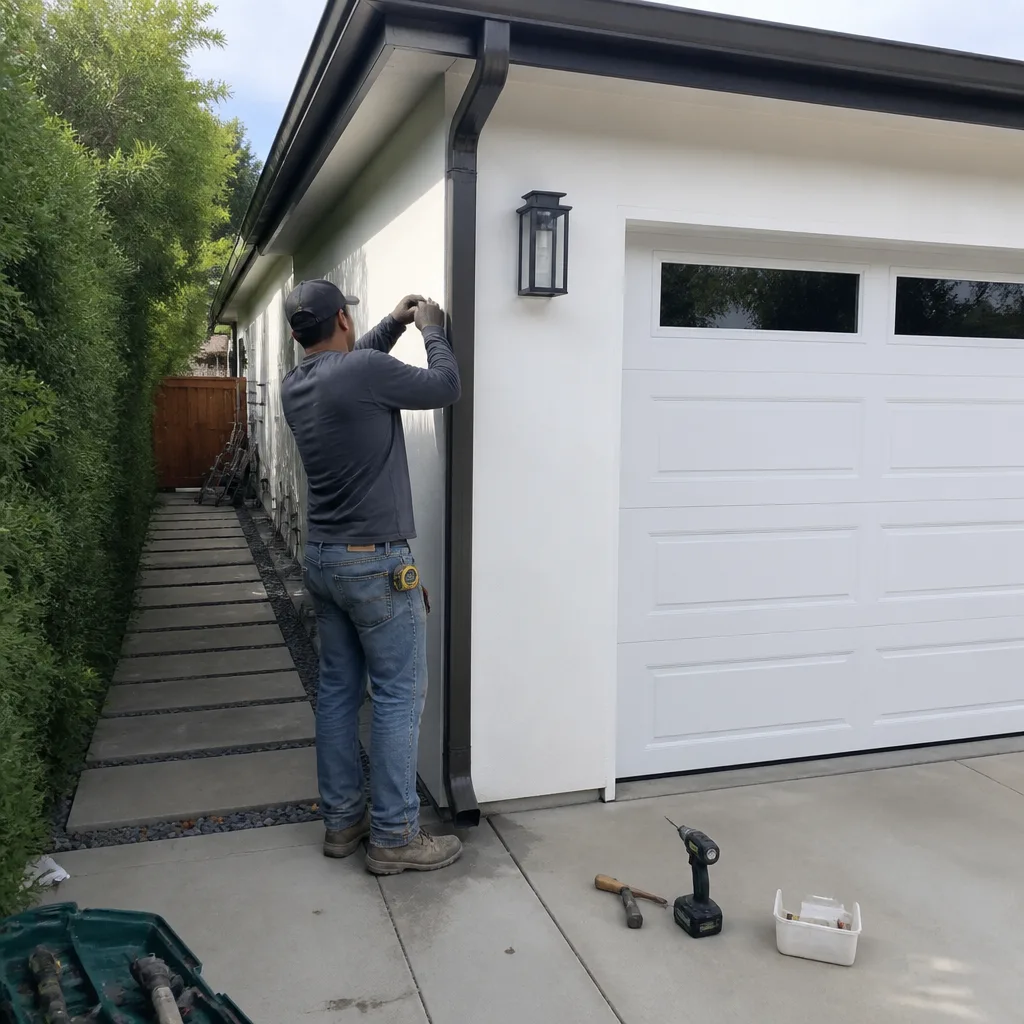 After
After