Last updated October 9, 2026

Free written scope consultation - allowances, timeline, and change-order rules on paper before a single trade is scheduled
DIY vs Professional Kitchen Remodeling: What’s Safe to Do Yourself
Swapping a gas range for a different gas range is a straightforward appliance swap. Moving the gas line six inches to accommodate a new layout is a licensed plumber job in California, and doing it yourself can void your homeowner’s insurance coverage for any gas-related incident. The line between what’s legal, what’s insurable, and what’s actually smart to do yourself is sharper in a kitchen than anywhere else in the house, because kitchens concentrate every regulated trade, electrical, plumbing, gas, and mechanical ventilation, in one room. In Los Angeles, where building codes are enforced with particular rigor and older housing stock runs headfirst into modern code requirements, the distinction matters even more. This guide breaks down exactly where that line sits, so you can plan our Kitchen Remodeling services without creating a liability you didn’t know you were taking on.
Styles & brands we work with





Quick Answer
In a Los Angeles kitchen remodel, painting, hardware swaps, open shelving, and backsplash tile are generally safe for a competent DIYer looking for more guides & resources. Electrical work beyond replacing an outlet or light fixture needs a licensed C-10 electrician, any change to a gas line or drain location requires a licensed plumber and a permit, and moving any wall, even a non-load-bearing one, requires a permit you probably shouldn’t pull yourself without experience.
Table of Contents
- The Three Legal Categories of Kitchen Remodel Work in California
- Electrical Work: Where the C-10 Line Falls
- Plumbing and Gas: Why Two Inches Can Cost You a Permit
- What’s Genuinely Safe to DIY After Licensed Work Is Done
- Permits, Owner-Builder Status, and What Your Insurance Needs to Know
- What DIY Actually Saves You, and What It Can Cost You
- What “Squared Away” Looks Like at Close
- Common Mistakes to Avoid
- When to Call a Professional
- Frequently Asked Questions
- The Bottom Line
The Three Legal Categories of Kitchen Remodel Work in California
Every task in a kitchen remodel falls into one of three buckets under California law. Understanding which bucket a job sits in before you touch it is the single most important planning step, because the consequences of getting it wrong range from a failed inspection to an insurance claim denial.
Category one: work a homeowner can legally self-perform without a permit. This includes painting, patching drywall, installing cabinet hardware, hanging open shelves that don’t require framing changes, replacing a faucet on existing plumbing, swapping a light fixture on an existing electrical box, and installing a backsplash on an existing substrate. These are finish-level tasks. They do not alter the underlying systems. In Los Angeles, where the Department of Building and Safety (LADBS) enforces code strictly, finish work doesn’t trigger inspection requirements as long as you’re working on existing surfaces and connections.
Category two: work a homeowner can self-perform, but only with a permit and inspector sign-off. California allows an owner-occupant to act as an “owner-builder” on their own primary residence. This means you can legally pull permits for work that would otherwise require a licensed contractor, under specific conditions. You can do your own framing, your own drywall in a modified wall, even your own electrical and plumbing, if you pass inspections. The catch: you take on full legal liability for code compliance. In Los Angeles, owner-builder permits come with additional disclosure requirements, and your insurance carrier needs to be told before work starts. More on that below.
Category three: work that requires a licensed contractor, full stop. This is the category homeowners misjudge most often. In California, any gas line work beyond connecting a flexible appliance connector requires a C-36 plumbing contractor or a C-20 warm-air heating contractor, depending on the system. Any electrical work beyond replacing a device on an existing circuit is supposed to be done by a C-10 electrical contractor. Moving a drain line, altering a waste arm, or relocating a vent stack requires a plumber. The permit can be pulled by an owner-builder, but that does not make the work legally equivalent to a licensed tradesperson’s work, because the liability and code knowledge gap doesn’t close just because the sign-off happens. Bradford Remodeling and any Los Angeles General Contractor in Los Angeles pulls permits and works with licensed subs on exactly these tasks for a reason: it’s the only way the work is defensible if something goes wrong.
Electrical Work: Where the C-10 Line Falls
Kitchens are the most electrically dense rooms in a house. Los Angeles code, which adopts the California Electrical Code with local amendments, requires a minimum number of dedicated circuits in a modern kitchen: two 20-amp small-appliance circuits for the countertops, a dedicated circuit for the refrigerator, a dedicated circuit for the dishwasher, a dedicated circuit for the disposal, and dedicated circuits for the microwave and any built-in oven or cooktop. Most kitchens built before the 1990s in Los Angeles don’t come close to meeting that standard, which means a remodel that opens walls almost always triggers electrical upgrades.
Here’s the specific line in California: a homeowner can replace an existing outlet, switch, or light fixture without a permit. You can swap a broken outlet for a new one on the same box, as long as you’re not changing the circuit configuration. That’s it. The moment you add a circuit, run new wire, move an outlet location, install a new junction box, or upgrade a panel, you’re in licensed C-10 electrician territory, or owner-builder territory with a permit, inspection, and full personal liability.
What does this mean practically for a kitchen remodel in Los Angeles?
- Replacing an existing outlet cover or swapping a dimmer switch on an existing box: DIY-safe, no permit.
- Moving an outlet from one wall to another: requires a permit, new circuit wiring, and a licensed C-10 electrician in almost every case.
- Adding GFCI protection to existing outlets: DIY-possible if you’re replacing the first outlet in the circuit on existing wiring, no permit required in most cases.
- Adding dedicated circuits for new appliances: licensed electrician, permit required, inspection mandatory.
- Upgrading a service panel or adding a subpanel: licensed electrician, permit required, LADBS inspection, and often a utility coordination step with LADWP.
We’ve seen kitchens in neighborhoods like Silver Lake and Westchester where a homeowner swapped outlets during a DIY refresh and discovered aluminum branch wiring from the 1960s behind the boxes. Aluminum wiring in a kitchen with modern appliance loads is a known fire risk, and the correct remediation, replacing the affected circuits or installing proper Al/Cu-rated connections, is licensed electrician work. That’s the kind of discovery that turns a $200 DIY project into a $2,000 electrical correction, and it’s the reason a disciplined remodeler surveys the wiring before any finish work begins.
Plumbing and Gas: Why Two Inches Can Cost You a Permit
Moving a kitchen drain even two feet triggers a permit in Los Angeles. The reason isn’t bureaucratic stubbornness. It’s physics and health. A kitchen drain carries grease, food solids, and warm water. The slope, the trap configuration, the vent placement, all of it is set by code to prevent sewer gas from entering your home and to keep the line from clogging in ways that are worse than inconvenient. When a drain moves, the inspector verifies the slope, the trap arm length, the vent tie-in, and the materials. If the work was done without a permit, the inspector’s job is already harder: unpermitted drain work often means the wall was closed up before anyone could see what’s inside it.
Inspectors in Los Angeles identify unpermitted drain work in a few specific ways. First, the permit history on a property is public record, and LADBS maintains it meticulously. If the property’s permit history shows no plumbing work but the drain configuration in the walls doesn’t match the original build, that’s a red flag. Second, materials give it away. PVC drain lines in a 1940s house with galvanized stub-outs, or a modern ABS trap under a cabinet connected to cast iron inside the wall, signals a patch job done without a permit. Third, position. When the drain location doesn’t match the original floor plan and there’s no record of a plumbing permit, the inspector will flag it, and the current homeowner is the one who has to fix it, even if the previous owner did the work.
Gas lines follow the same logic with higher stakes. A gas range produces carbon monoxide and an open flame. A gas line that’s been moved by an amateur and not inspected can leak at a fitting behind the wall, and the first sign of the leak might be carbon monoxide poisoning or a fire. In California, gas line work requires a permit, a pressure test witnessed by the inspector, and the work is required to be done by a C-36 plumber or C-20 heating contractor in most jurisdictions, Los Angeles included. The flexibility to do this work as an owner-builder exists, but it does not change the liability exposure, and your homeowner’s insurance carrier will want to know about it before you start. More on that in the permits section.
What’s Genuinely Safe to DIY After Licensed Work Is Done
Once the rough-in work is permitted, inspected, and signed off, there’s a clear set of finish tasks that a careful homeowner can do well, as outlined in our General Contractor Maintenance Checklist for Los Angeles Homeowners. In our experience running kitchen remodels across Los Angeles, the jobs below are the ones where DIY results hold up, provided the substrate and systems work behind them was done correctly by licensed trades.
1. Painting
Painting kitchen walls and ceilings is the classic DIY task, and it’s genuinely safe. The one kitchen-specific condition is surface preparation: kitchens accumulate grease film on walls, especially around the stove and range hood. Use a degreaser like TSP before priming, and use a kitchen-rated paint with a satin or semi-gloss sheen that can be wiped down. Benjamin Moore’s Aura Bath & Spa is a common choice in Los Angeles for exactly this reason, though any quality acrylic with a scrub rating will do. Painting doesn’t trigger permits, doesn’t touch the systems, and mistakes are easy to fix.
2. Cabinet Hardware Installation
Replacing knobs and pulls is the highest-return, lowest-risk DIY task in a kitchen remodel. The only tool you need is a drill with a template for consistent hole placement. On new cabinetry from brands like KraftMaid or Wellborn, which Bradford Remodeling installs regularly in Los Angeles kitchens, the hardware positions are often pre-drilled, making it a one-hour job. On older cabinets, use a hardware jig, not a tape measure, because a half-inch inconsistency across 20 doors is visible from across the room.
3. Open Shelving
Open shelving is safe to DIY only when it mounts to studs or blocking and doesn’t require moving electrical or plumbing inside the wall. In Los Angeles, many older homes have plaster over lath, which means standard drywall anchors won’t hold. You need to locate studs and use screws long enough to reach solid framing. If you’re installing shelves where a cabinet used to be, check for abandoned electrical boxes or plumbing stub-outs before you close anything up. The underlying structure work, adding blocking between the studs if needed, is framing work that should be done before the wall is closed, and it belongs in the licensed contractor column if you’re opening walls.
4. Backsplash Tile
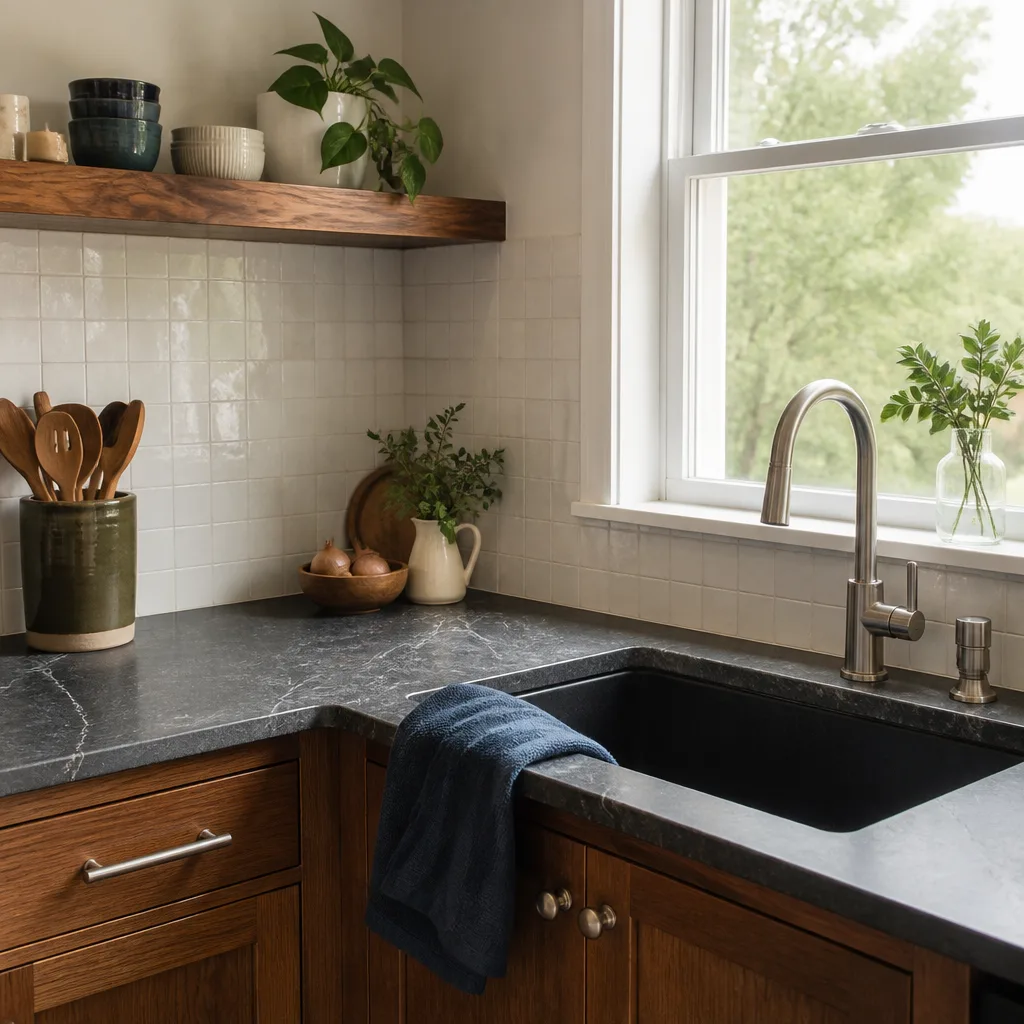
A tile backsplash is DIY-possible with conditions. First, the wall needs to be flat and the substrate needs to be appropriate: cement board or properly prepared drywall, no wallpaper, no glossy paint that hasn’t been sanded. Second, large-format tiles, anything over 12×12, are much harder to set flat on a vertical surface than small mosaics. Third, the electrical boxes in the wall need to be handled correctly, which means turning off the circuit, removing the device, and using box extenders so the finished tile surface meets code for electrical box depth. If the wall has been patched over old plumbing or conduit, stop and call someone. As for window brands like ES Windows and ECO Window Systems, which some Los Angeles homeowners install as part of a kitchen refresh, those are licensed contractor jobs, not DIY, because the flashing and waterproofing details are what keep a window from leaking, not the glass itself.
Permits, Owner-Builder Status, and What Your Insurance Needs to Know
California allows an owner-occupant of a single-family home to act as an owner-builder on their own primary residence. This is a real legal pathway, and some Los Angeles homeowners use it successfully for kitchen remodels. Here’s what you need to know before you do.
What Owner-Builder Status Actually Means
- You pull the permit with LADBS in your own name.
- You are legally responsible for every code violation, construction defect, and worker injury on the job. You are the contractor, for liability purposes.
- You cannot sell the house within 90 days of completing the work and you must disclose the owner-builder work to any buyer for five years.
- You may need to prove the home is your primary residence, and in some Los Angeles cases, you’ll need to sign a declaration under penalty of perjury.
The Insurance Disclosure Question
Your homeowner’s insurance carrier expects to be told when you pull an owner-builder permit for work that modifies your house’s structure or systems. Failure to disclose can result in claim denial later, even for an unrelated loss. For example, if you self-perform a kitchen electrical rough-in, pass inspection, and then two years later a bathroom light fixture starts a fire, your carrier can investigate whether the undisclosed owner-builder electrical work created an increased risk. If you didn’t tell them about the permit before the work started, the entire claim can be denied. We can’t speak for every carrier in Los Angeles, but the pattern holds across major underwriters: disclosure up front is the only safe play. Some carriers will maintain coverage with a rider. Some will decline to renew. You need to know which, before the first wall comes down.
The alternative is straightforward. If you hire a licensed contractor, the contractor’s license, bond, and workers’ compensation insurance cover the job site. Your homeowner’s policy still sees a remodel as a material change, which means you should tell your carrier regardless, but the risk profile is fundamentally different. A licensed Kitchen Remodeling in Los Angeles contractor carries the liability that an owner-builder shoulders alone. That’s not a marketing line. It’s the core difference in the legal structure of the work.
What DIY Actually Saves You, and What It Can Cost You
The honest math on DIY kitchen remodeling in Los Angeles looks different from what most online calculators suggest. Here’s what we see on real projects, based on current Los Angeles labor and material rates.
- Painting an average Los Angeles kitchen: DIY cost for primer, paint, and supplies runs $150 to $350. Hiring a professional painter runs $800 to $1,500. DIY savings: real, but modest, and paint mistakes are cheap to fix.
- Cabinet hardware installation: DIY cost is the hardware itself, typically $150 to $400 for a full kitchen. A pro charges $200 to $500 for labor. DIY savings: meaningful, and low risk.
- Backsplash tile: DIY cost for a 30-square-foot backsplash runs $400 to $900 in materials. Professional installation runs $1,200 to $2,400, depending on the tile. DIY savings: $800 to $1,500, but a botched installation means tearing it out and starting over.
- Electrical rough-in for a kitchen: Doing this yourself as an owner-builder saves $3,000 to $8,000 in electrician labor. The risk isn’t the savings. The risk is the liability. In Los Angeles, a failed electrical inspection that requires opening walls for rework can cost $2,000 to $5,000, and a fire caused by an undetected wiring defect can cost far more than money. CWS is a window brand you may see on Los Angeles remodels, and the principle there applies here too: quality materials matter less than the hands that install them. The same is true of electrical work. Brands like Mr-Glass supply quality products, but the installation determines whether the product works for 20 years or fails in two.
- Moving a drain or gas line: DIY is not a cost conversation. It’s a permits, liability, and inspection conversation. The plumber’s fee, typically $800 to $2,500 for a drain move in Los Angeles depending on access, buys you a pressure-tested, inspected, warrantable connection. The DIY savings doesn’t exist, because the DIY risk is uninsurable.
What “Squared Away” Looks Like at Close
A kitchen remodel that’s done by the book ends with a specific set of artifacts in the homeowner’s hand. At Bradford Remodeling, that’s the Garrison Standard in practice. It means the final inspection has passed and the LADBS sign-off is on file. It means the written scope of work from the start of the job matches the finished product, and any change orders were priced and signed before the work happened. It means the site is clean, the appliances are connected and tested, and the homeowner has a written guarantee, our 365-Day Done Right Promise, that covers the completed work for one full year. If the cabinet hinge fails, the sink leaks, or the backsplash cracks inside that window, we return and correct it at no charge. That’s the document that matters. It’s the difference between a kitchen that looks good and a kitchen that holds up.
In Los Angeles, where remodels of older homes routinely uncover conditions no one could see before the walls were opened, that written guarantee is the thing that keeps a surprise from becoming a financial injury. It’s also why the Home Remodeling in Los Angeles work we do always starts with a written price and a clear scope. The price doesn’t move at the door, and the promise doesn’t expire when the truck leaves the driveway.
Common Mistakes to Avoid
- Assuming fixture swaps are always DIY-safe. Replacing a faucet on existing plumbing is fine. Replacing a faucet that requires moving the supply lines or changing the drain configuration is not. The fixture is the easy part. The plumbing behind it is where the permit lives.
- Closing walls before the rough-in inspection. This is the most expensive mistake we see on owner-builder jobs in Los Angeles. LADBS inspectors need to see the wiring, the plumbing, and the framing before the drywall goes up. If you close the wall first, you’ll open it again on your own dime.
- Treating GFCI outlets as a cure-all. A GFCI protects against ground faults. It doesn’t increase circuit capacity, it doesn’t fix aluminum wiring, and it doesn’t bring a kitchen with two circuits up to the six or seven the code requires. Protection is not the same as capacity.
- Using drywall anchors for open shelving in plaster walls. Los Angeles plaster over lath chews up standard anchors. Shelves that hold dishes need to hit studs with structural screws. An anchor in old plaster is a shelf waiting to fall.
- Skipping the insurance call. If you’re pulling an owner-builder permit, call your carrier before you start. Not after. The conversation is easier before the work than it is during a claim.
- Hiring a handyman for licensed work. In California, a handyman working on a project over $500 in labor and materials combined must hold a contractor’s license. Kitchen rough-in work by an unlicensed handyman isn’t cheaper; it’s uninsured by definition, and the liability lands on you, the homeowner, if someone gets hurt. Bradford Remodeling’s crews are background-checked and uniformed for precisely this reason; you know who’s in your house and what their credentials are before they pick up a tool.
- Confusing a “new look” with a code-compliant remodel. New cabinets and counters can hide wiring, plumbing, and venting that doesn’t meet current code. If you’re not pulling permits, you’re not required to upgrade. But the day you sell the house, the buyer’s inspector may flag it, and the retrofit cost lands on your sale price. We see this constantly in older Los Angeles neighborhoods where kitchens were refreshed in the 1980s and 1990s without permits.
When to Call a Professional
If your kitchen remodel involves moving a gas line, altering a drain or vent, adding or moving electrical circuits, opening load-bearing walls, or installing new windows or exterior doors, call a licensed contractor before you do anything else. These are the jobs where the permit is mandatory, the inspection is mandatory, and the risk of getting it wrong extends beyond the kitchen itself. The same holds true if you own a home built before 1978 and the remodel will disturb painted surfaces: lead paint regulations in Los Angeles require specific containment and notification procedures, and a licensed contractor handles those as a matter of course.
Bradford Remodeling offers free estimates in Los Angeles; call (903) 568-7222 and we’ll give you a written price before any work starts. That price covers what it covers, and the document says so.
Frequently Asked Questions
You can replace existing outlets, switches, and light fixtures on existing wiring without a permit. Anything beyond that, adding circuits, moving wiring, installing new junction boxes, or upgrading a panel, requires a permit and should be done by a licensed C-10 electrician. As an owner-builder you can technically self-perform the work and pass inspection, but the liability for any future failure stays with you, and your insurance carrier needs to know before you start. Call (903) 568-7222 if you want a licensed crew to handle the rough-in and the permit.
Yes. Any change to the location or configuration of a drain, trap, or vent line requires a plumbing permit under the California Plumbing Code, and in Los Angeles the work is supposed to be performed by a licensed plumber. Inspectors identify unpermitted drain work through permit history, material mismatches, and positioning that doesn’t match the original floor plan. The fix usually involves opening the wall or floor and doing the work properly.
Painting, cabinet hardware installation, open shelving mounted to studs, and backsplash tile on a properly prepared substrate are the four DIY tasks we recommend. Each one assumes the underlying systems, electrical, plumbing, framing, were done to code by licensed trades first. After that, finish work is genuinely DIY-appropriate.
It depends on your carrier and on whether you disclose the work before it starts. In Los Angeles, most major carriers require notification of any permitted remodel that alters structure or systems. Failure to disclose can result in a denied claim later, even for an unrelated loss. The safe sequence is: call your carrier, tell them what you’re doing, get their position in writing, then start the work.
Only if the handyman holds a California contractor’s license. Anyone performing work totaling more than $500 in labor and materials combined must be licensed. An unlicensed worker on your job site creates direct liability for you if anyone is injured, and the work won’t pass a legitimate inspection. The person who does the work should be licensed, background-checked, and insured.
For a mid-range kitchen remodel done with permits in Los Angeles, you’re generally looking at $40,000 to $80,000 depending on the size of the kitchen, the quality of the materials, and the condition of the underlying systems. The price goes up when the wiring, plumbing, or framing needs to be brought to current code, which is common in homes built before the 1990s. A written price before any work starts is the only way to know what your specific project will cost; call (903) 568-7222 for a free estimate and a line-item written quote.
The Bottom Line
A kitchen remodel in Los Angeles separates into two clean halves: the rough-in work that touches gas, electrical, plumbing, and structure, and the finish work that goes on top of it. The rough-in side belongs to licensed trades and permits. The finish side is where DIY makes sense, after the systems behind the walls are signed off. The homeowner who understands the difference saves money on painting, hardware, and backsplash tile, and pays for the work where paying is the only defensible choice, following a General Contractor Maintenance Schedule: What to Do and When. The homeowner who doesn’t understand the difference is the one standing in an insurance claim denial or a failed inspection that costs ten times what a licensed sub would have charged. The line is sharp. Plan around it.
Written by Curtis Lane, Owner at Bradford Remodeling, serving Los Angeles since 2004.
See the difference
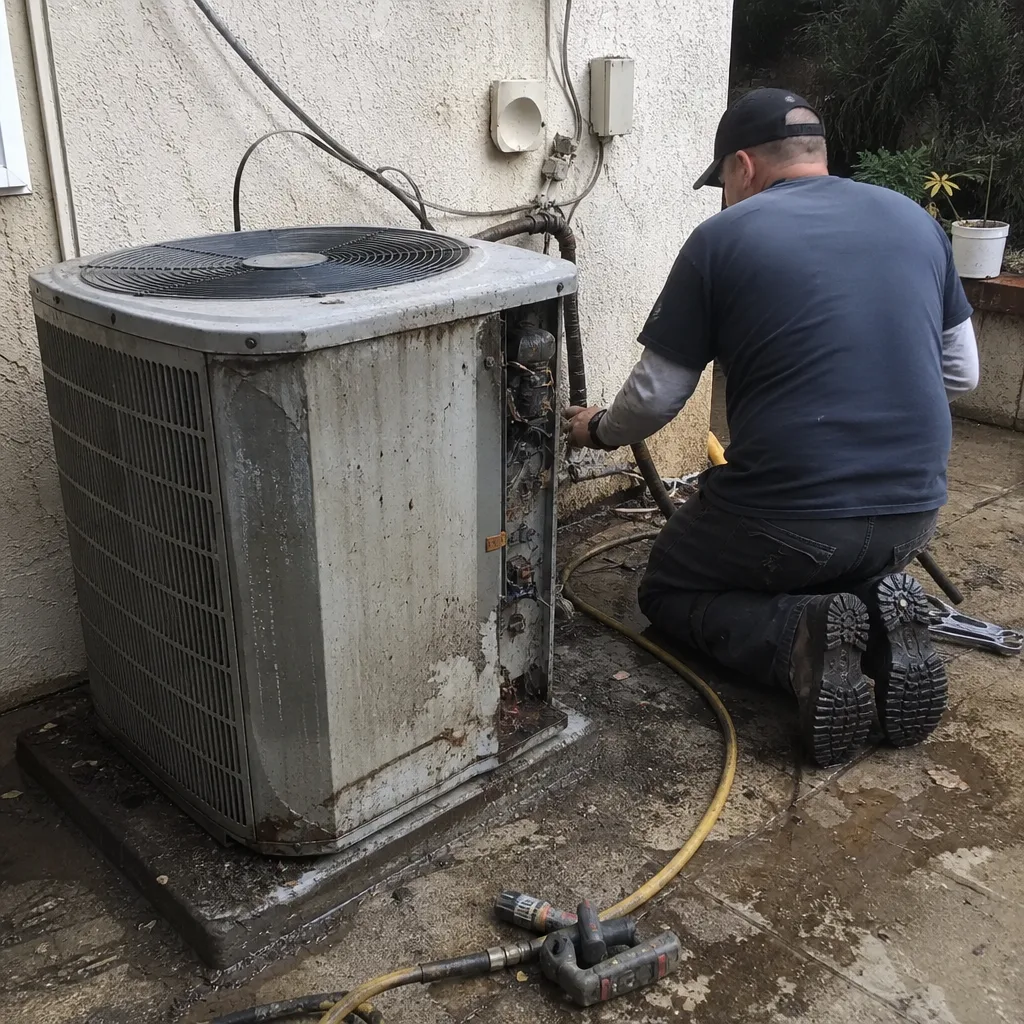 Before
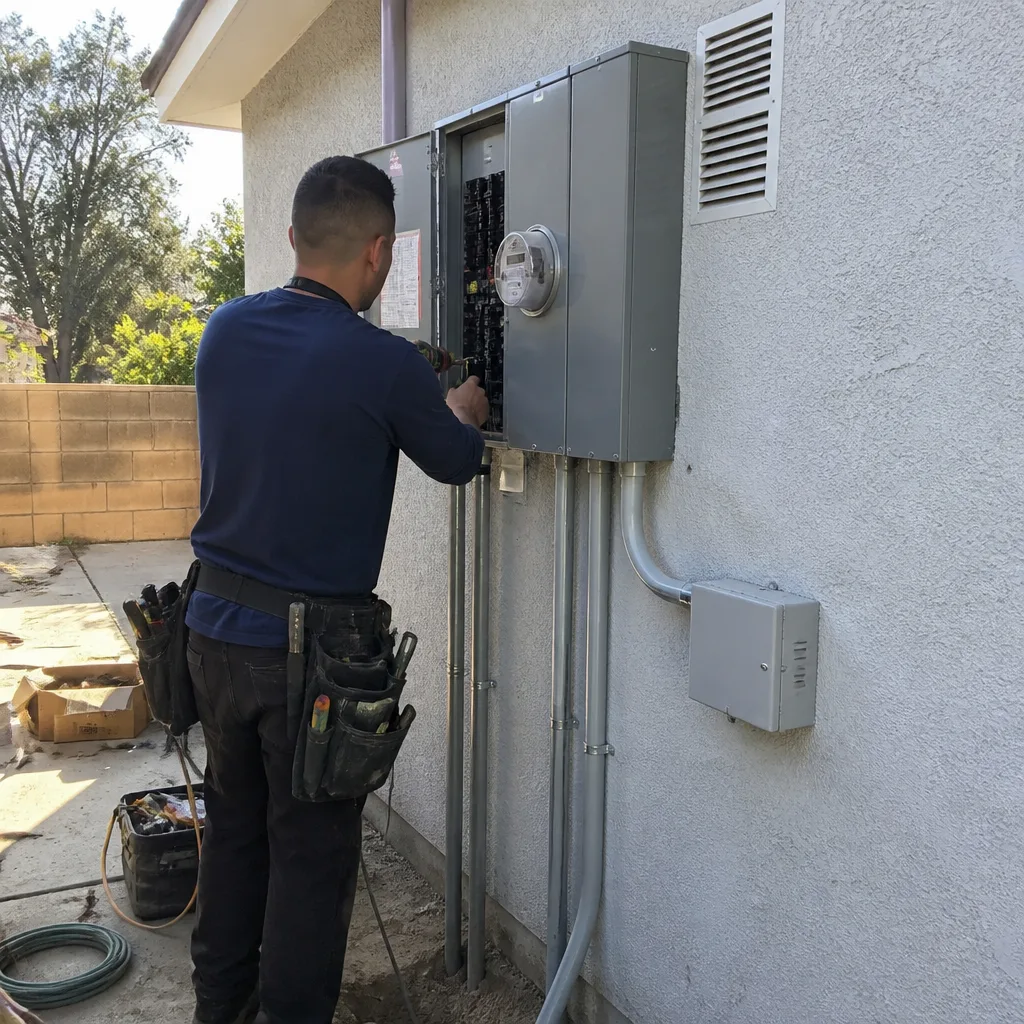 After
After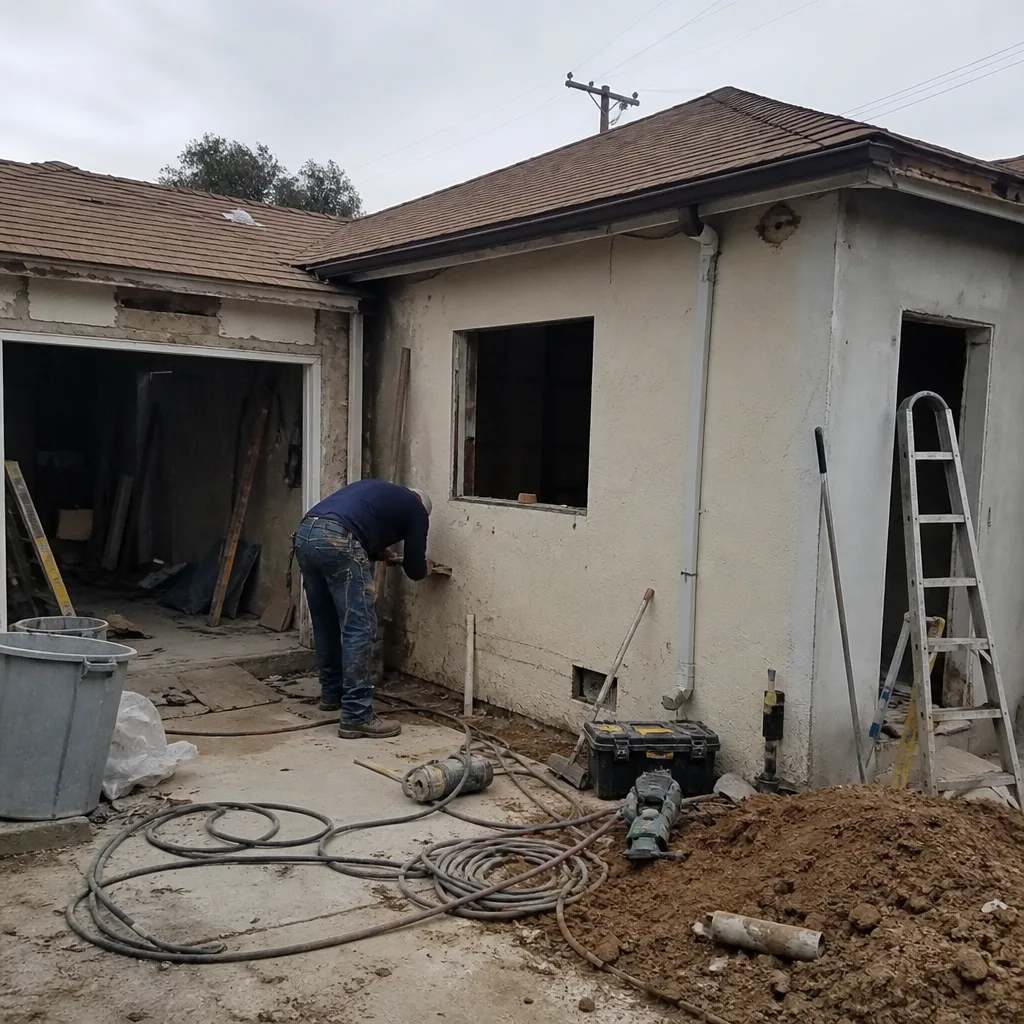 Before
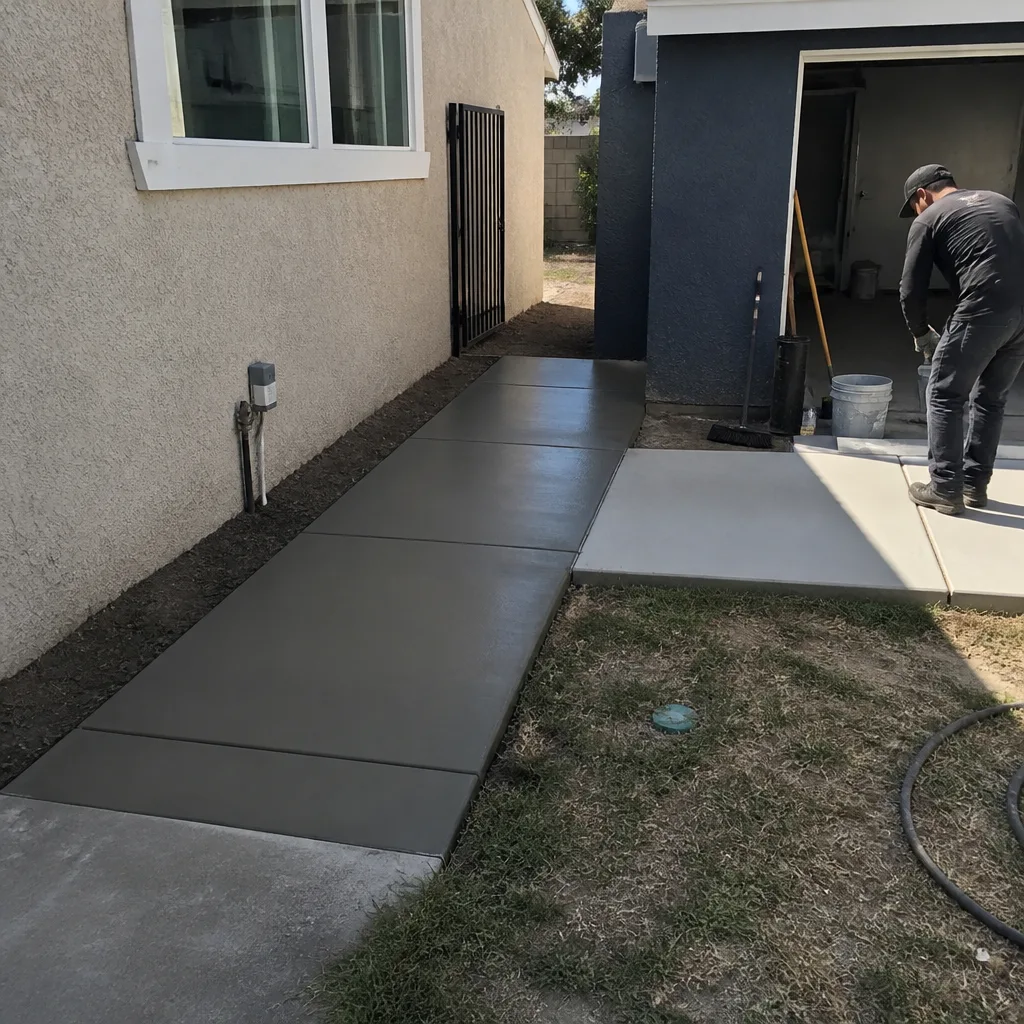 After
After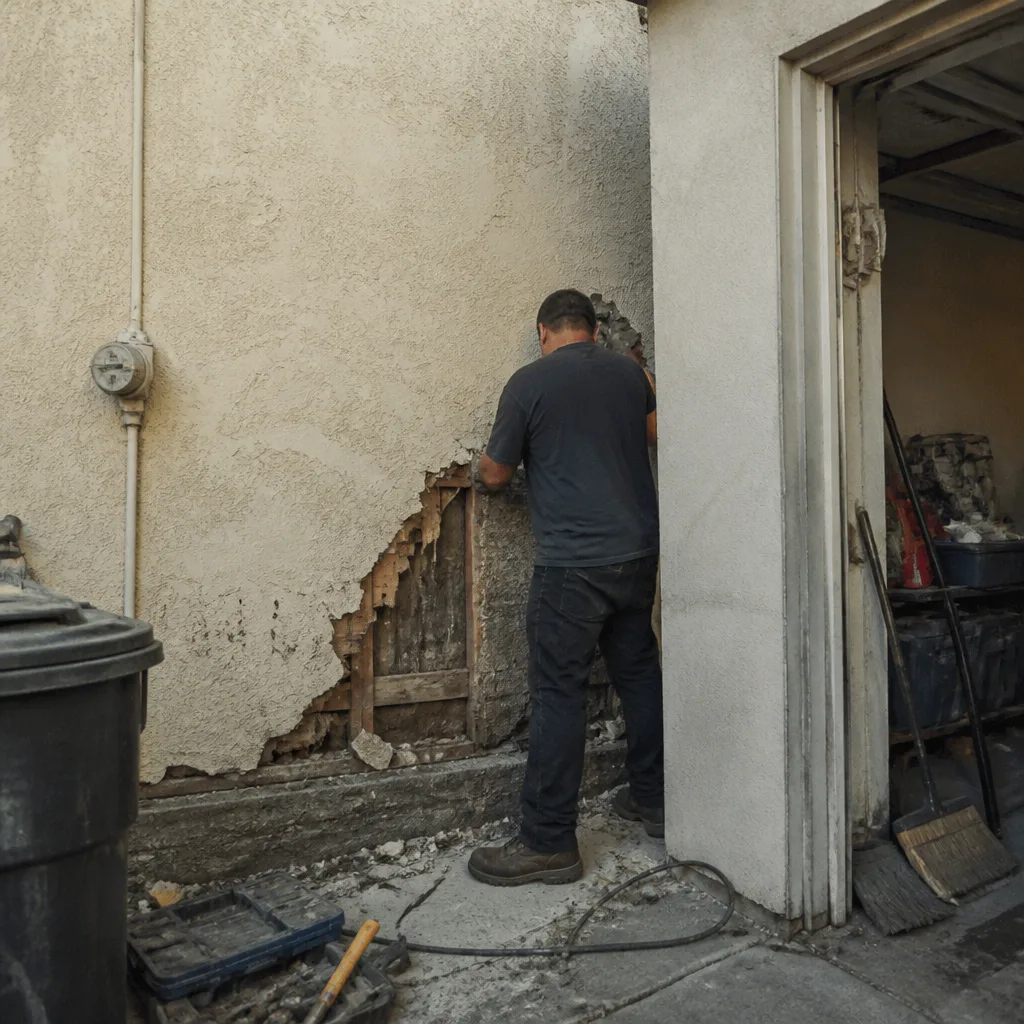 Before
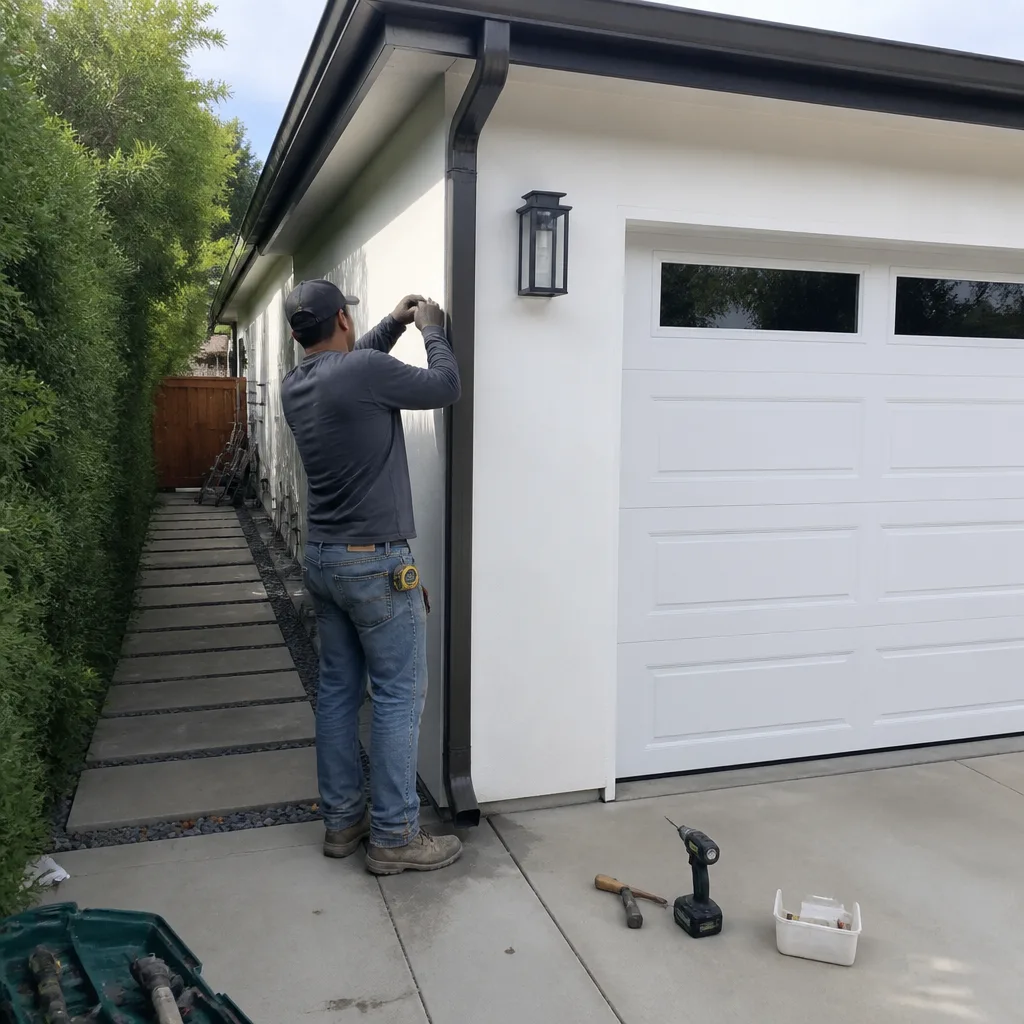 After
After