Last updated October 9, 2026






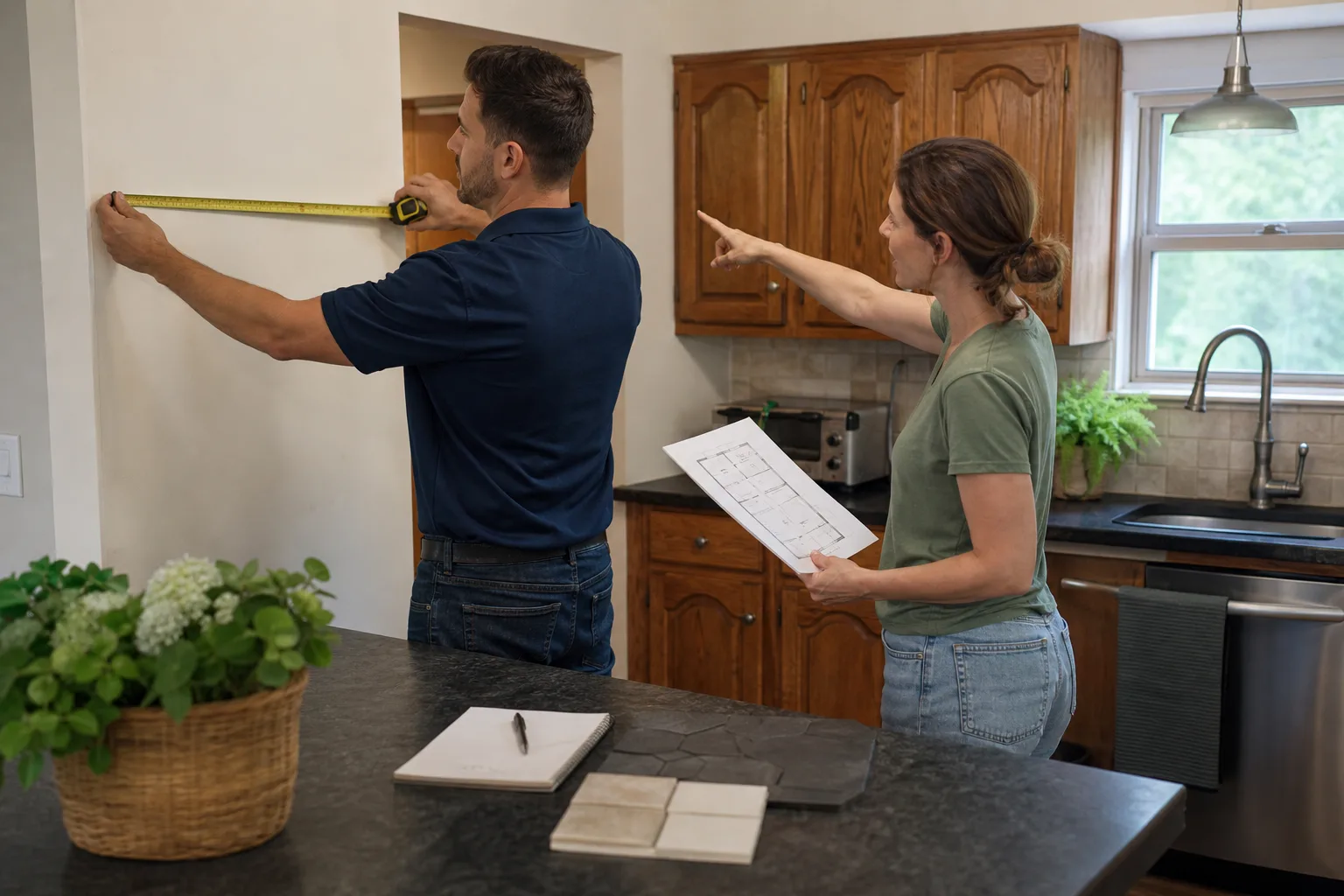
Free written scope consultation - allowances, timeline, and change-order rules on paper before a single trade is scheduled
General Contractor Maintenance Checklist for Los Angeles Homeowners
The number-one maintenance mistake Los Angeles homeowners make isn’t skipping a task. It’s using a checklist written for Ohio. Checking attic insulation for ice damming does nothing for a 1960s stucco home in the San Fernando Valley whose weep screeds are packed with dirt. This guide replaces generic four-season advice with the failure points that actually show up in Los Angeles construction year after year: dry heat cracking stucco, Santa Ana winds lifting roof edges, marine layer moisture feeding rot in coastal neighborhoods, and expansive clay soil shifting foundations. You’ll learn what to inspect, what the trade term for it is, and when to call a contractor instead of caulking over a structural problem.
Quick Answer
A General Contractor Maintenance Schedule: What to Do and When for Los Angeles homeowners prioritizes stucco weep screed clearance, control joint integrity, roof and fascia checks tied to Santa Ana wind uplift and rain-on-dry-soil events, foundation movement from expansive clay soil, and HVAC ductwork inspection in unconditioned attics. Most owner-addressable items are visual inspections and minor sealing; anything involving structural cracking, water intrusion, or permit-required work should go to a licensed contractor.
Styles & brands we work with




Table of Contents
- Stucco Inspection: Weep Screeds, Control Joints, and Cracking Patterns
- Roof and Fascia Checks: Santa Ana Uplift and UV Degradation
- Foundation and Flatwork: Expansive Clay Soil Movement in Los Angeles
- HVAC and Ductwork: The R-4 Flex Duct Problem in Unconditioned Attics
- Marine Layer Moisture: Wood Rot and Paint Failure Near the Coast
- Owner-Addressable vs. Contractor-Required: A Clear Threshold Guide
- A Seasonal Maintenance Calendar for Los Angeles
Stucco Inspection: Weep Screeds, Control Joints, and Cracking Patterns
Stucco is the dominant exterior cladding on Los Angeles homes built between 1920 and 1990, which means most of the housing stock you see from the Westside to Pasadena is a cement-based system that breathes, moves, and fails in specific, predictable ways. A general contractor‘s stucco inspection starts at the bottom of the wall, not the top.
The weep screed is the metal flashing piece at the base of a stucco wall, where the stucco terminates a couple inches above the foundation. Its job is to let any moisture that gets behind the stucco drain out the bottom instead of soaking into the framing. In Los Angeles, especially in older neighborhoods like Eagle Rock or West Adams where homes sit close to grade, dirt, mulch, and planters get piled up against that gap. When the weep screed is buried, moisture has nowhere to go. You won’t see the damage until interior drywall starts staining or the bottom plate of the wall rots.
Inspection step: walk the perimeter of your house and look at the gap between the bottom edge of the stucco and the ground. You want a minimum of 2 inches of clearance, ideally 4. If you see dirt packed into that space, scrape it back by hand. If it’s hardened or the stucco has begun to flake in that zone, that’s a signal the system has been holding water for a while.
Next, look at the control joints, the vertical or horizontal grooves cut into the stucco to direct cracking along predictable lines. In Los Angeles, the freeze-thaw cycle that cracks stucco in colder climates doesn’t exist. What we get instead is thermal expansion from direct sun on south and west-facing walls, followed by overnight cooling. Over decades, that cycling opens control joints and causes hairline cracks radiating from window corners.
Here’s the distinction a contractor makes that a homeowner’s checklist usually misses:
- Surface crazing is a web of fine, shallow cracks in the finish coat only. It looks bad but doesn’t let water through the building envelope by itself. You can seal it if it bothers you, or leave it.
- Water-intrusion cracking is a crack wider than 1/16 inch, a crack that runs through the brown coat underneath, or a crack that aligns with a window corner, a beam pocket, or a change in wall plane. That one is a pathway for water, and in Los Angeles, water behind stucco in a wall that never properly dries is how you get dry rot in the framing and termite activity.
If you can fit a nickel’s edge into the crack, call a contractor. If the crack zigzags in a stair-step pattern through the stucco, that’s not a stucco problem, that’s a foundation problem wearing a stucco costume. Move to the foundation section.
Roof and Fascia Checks: Santa Ana Uplift and UV Degradation
Los Angeles roofs fail differently than roofs in Minneapolis. We don’t get snow load. What we get is Santa Ana wind events that hit 50 to 70 miles per hour in the passes and foothills, with the strongest gusts in corridors like Porter Ranch, La Cañada, and the Cajon Pass. Santa Anas blow from the northeast, which means they hit roof planes that a south or west-facing orientation normally protects. The wind gets under the leading edge of a roof and pulls up, not pushes down.
That’s why a Los Angeles roof inspection starts at the eaves and rakes, the roof edges where the shingles or tiles meet the fascia board. In our experience, the first failure point after a strong Santa Ana isn’t in the middle of the roof deck. It’s the edge shingles that were nailed too high or too few, where the wind got underneath and lifted the entire course.
What to check, in order:
- Stand back at the street and look for shingles or tiles that sit slightly proud of their neighbors along the eaves and rakes. After a strong wind event, look for cracked or missing edge pieces on the northeast-facing slope.
- Inspect the fascia board, the vertical board that runs behind the gutter. UV degradation in Los Angeles is aggressive at elevation; a fascia that’s peeling paint down to bare wood in less than two years is a sign the previous paint job used an exterior latex with no primer, and wood rot is next.
- Check the soffit, the underside of the roof overhang. In coastal neighborhoods like Playa del Rey and San Pedro, marine layer moisture gets into poorly vented soffits and rots the plywood from the inside. Look for paint bubbling on the soffit, which is trapped moisture trying to escape.
- If you have a composition shingle roof and it’s more than 15 years old, the granules are wearing thin from UV exposure. Look in the gutters for accumulated granules; granules in the gutter mean the shingle mat is exposed and the clock is running.
One Los Angeles-specific note: many mid-century homes in neighborhoods like Sherman Oaks and Tarzana have flat or low-slope roofs with built-up or modified bitumen surfaces. Those roofs don’t shed water by pitch; they hold it until it evaporates or drains. Check for ponding water that remains 48 hours after the last rain. Standing water on a flat roof breaks down the surface at an accelerated rate, and in rain-on-dry-soil events, which is the normal pattern for Los Angeles winters where months of drought are followed by a week of rain, the roof has no time to recover between cycles.
On a GAF or CertainTeed shingle roof, a contractor can verify whether the installation meets the manufacturer’s wind warranty specs. Most premium architectural shingles are rated to 110 or 130 mph, but only when installed with the correct nail count and placement. If you’re checking your roof after a storm and you find loose shingles, make the call before the next rain, and a general contractor in Los Angeles can tell you whether the warranty applies or whether it’s a reinstallation issue.
Foundation and Flatwork: Expansive Clay Soil Movement in Los Angeles
The single most common reason doors and windows stop latching properly in Los Angeles homes has nothing to do with the door or the window. It’s the soil under the foundation. Much of the Los Angeles basin, the San Fernando Valley, and the eastern county sits on expansive clay soil, which swells when wet and shrinks when dry. In Los Angeles, we operate on an extreme wet-dry cycle: long dry summers pull moisture out of the soil, and sudden winter rains put it back. The soil under your foundation expands and contracts accordingly, and the foundation moves with it.
This movement is seasonal. Doors that stick in January may swing normally in July. That’s not your imagination. It’s the house breathing, for lack of a better word. The problem is when the movement becomes differential, meaning one part of the foundation moves more than another. That’s when you see real damage.
What to inspect:
- Interior doors: if a door binds at the top corner in winter and releases in summer, that’s seasonal clay swelling. If it binds year-round and the gap between the door and frame is triangular, the header above that wall has moved.
- Windows: vinyl and aluminum windows in wood framing should never crack at the corners of the drywall above them. A diagonal crack running from the upper corner of a window toward the ceiling is slab movement.
- Flatwork: driveways, walkways, and patios in Los Angeles are typically poured at 4 inches with no rebar and minimal expansion jointing. Cracks in the concrete itself are normal and rarely structural. But if the flatwork has lifted at a joint or separated more than 1/4 inch, you have soil movement working against the slab.
- Stem wall cracks: the exposed concrete or stucco base between the ground and the floor framing. A vertical crack narrower than 1/8 inch is usually settlement and fine to monitor. A horizontal crack, or a crack wider than 1/4 inch, or any crack that changes width over a 12-month period, is a job for a structural engineer.
California law does not require a homeowner to fix a foundation crack within any set timeframe. But it does require a licensed contractor to pull a permit for any foundation repair that involves cutting, shoring, or underpinning. If you suspect real movement, the sequence is: document with photos, mark the crack ends with a pencil and date, recheck in 90 days, and if it’s grown, call a licensed contractor who can bring in a structural engineer. Do not fill the crack with caulk first; you’ll hide the evidence and delay the real repair. In our experience working with homeowners across Los Angeles, the ones who catch a 1/8-inch crack and monitor it spend thousands less than the ones who fill it, paint over it, and discover the problem two years later when the floor tiles start popping.
HVAC and Ductwork: The R-4 Flex Duct Problem in Unconditioned Attics
Most Los Angeles homes built before 2005 push conditioned air through R-4 flexible ducts running through an unconditioned attic. In August, the attic temperature in a San Fernando Valley home can hit 140 degrees. You’re pushing 55-degree air through a R-4 insulated tube sitting in a 140-degree space. The temperature gain through that duct run can be 5 to 10 degrees before the air reaches the register, depending on the length of the run and the condition of the insulation jacket.
Add to that the fact that Los Angeles homes in neighborhoods like Encino, Granada Hills, and Altadena often have the furnace and evaporator coil installed in a closet on a hallway, with the return air pulled through a single grille in the hallway ceiling. The return path is often starved, which means the system runs longer to satisfy the thermostat. Longer runtime means more energy, more wear on the compressor, and more temperature stratification between rooms.
What a homeowner can inspect:
- Go into the attic with a flashlight and find the flex ducts, the silver or gray insulated tubes running from the supply plenum to each register.
- Look for the vapor barrier on the outside of the duct. Ripped, sagging, or missing insulation jacket means the duct is gaining heat through the exposed liner. Touch the liner; if it’s cold to the touch while the system is running, that’s heat gain happening at that spot.
- Look for disconnected ducts. Flex duct connected to a register boot with only duct tape, which fails in attic heat, will separate and blow conditioned air into the attic. In our experience, a disconnected duct is one of the most common reasons a single room won’t cool while the rest of the house is fine.
- Check the return plenum connections. A leaky return in an unconditioned attic pulls 140-degree air into the system, which means the AC is fighting itself.
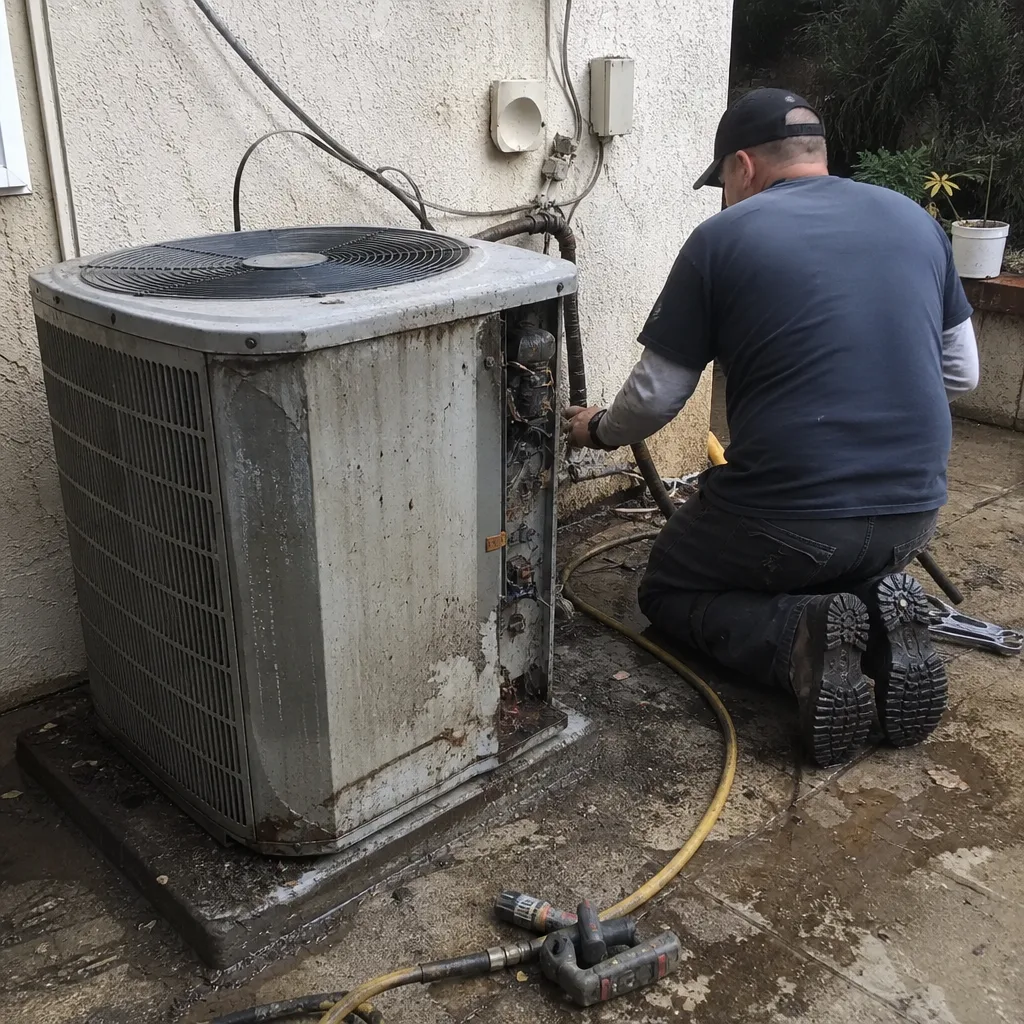
If your energy bills are climbing during shoulder seasons when the AC should be cycling less, or one room consistently runs 5 to 8 degrees warmer than the rest, suspect the ductwork before suspecting the equipment. Upgrading from R-4 to R-6 or R-8 flex duct, sealing connections with mastic and UL-rated zip ties rather than tape, and balancing the return air path are contractor-level fixes. Owens Corning, CertainTeed, and other manufacturers make R-8 products specifically rated for this climate. A licensed contractor can do a duct leakage test, which California building code requires on any new duct installation, to quantify what you’re losing.
Marine Layer Moisture: Wood Rot and Paint Failure Near the Coast
Los Angeles doesn’t have a wet climate, but it has a damp one in a thin band along the coast. From Malibu through Santa Monica, Marina del Rey, and down through the Beach Cities, the marine layer pushes cool, moist air onshore most mornings from May through July. That air means different failure modes than inland Los Angeles sees.
The big one is wood rot at trim and siding interfaces. Inland homes in Pasadena or Burbank might have redwood window trim from 1955 that is still serviceable. The same trim in Santa Monica or Playa del Rey, with daily condensation cycles for three months of the year, can be soft to the touch in a decade. The moisture gets in at the joints where trim boards meet, where wood siding meets stucco, and where deck posts sit on concrete.
What to check near the coast:
- Press a screwdriver or awl into the bottom edge of window trim, door casings, and the bottom 6 inches of any wood siding. If the tool sinks with moderate pressure, the wood is compromised.
- Look at paint failure patterns. Paint that peels in large sheets is a moisture problem behind the paint film, not a paint problem. Small localized blisters are usually trapped moisture at a specific point.
- Check deck posts and railings where they meet a concrete patio or walkway. This is a classic coastal Los Angeles rot point because the concrete holds moisture and the end grain of the post wicks it up. A post that has darkened at the base or shows a white fungal bloom is rotting.
- Inspect the bottom of stucco walls for dark staining. That’s the marine layer condensing on the cool stucco and dripping down, and if the weep screed is buried, it becomes interior water damage.
Owner-Addressable vs. Contractor-Required: A Clear Threshold Guide
California law draws a line where a homeowner can maintain their own home and where a licensed contractor must step in. Here’s the practical version of that line for the items in this guide.
Owner-addressable, no permit required:
- Scraping dirt and mulch away from weep screeds
- Sealing hairline stucco crazing with an acrylic elastomeric sealant
- Cleaning gutters and downspouts
- Replacing a torn door sweep or garage door bottom seal
- Caulking gaps around window and door exterior trim
- Testing a circuit breaker, replacing an air filter, or clearing a condensate drain line
- Monitoring a crack by photographing it and rechecking at intervals
Licensed contractor required, permits may apply:
- Any stucco repair that opens the brown coat and exposes building paper, because you’re now touching the weather barrier
- Roof repairs on any roof over 32 square feet, and any work on a roof’s underlayment or sheathing
- Foundation repair involving shoring, underpinning, or slab cutting
- Ductwork replacement or modification, which requires a permit and a HERS verification in most California jurisdictions
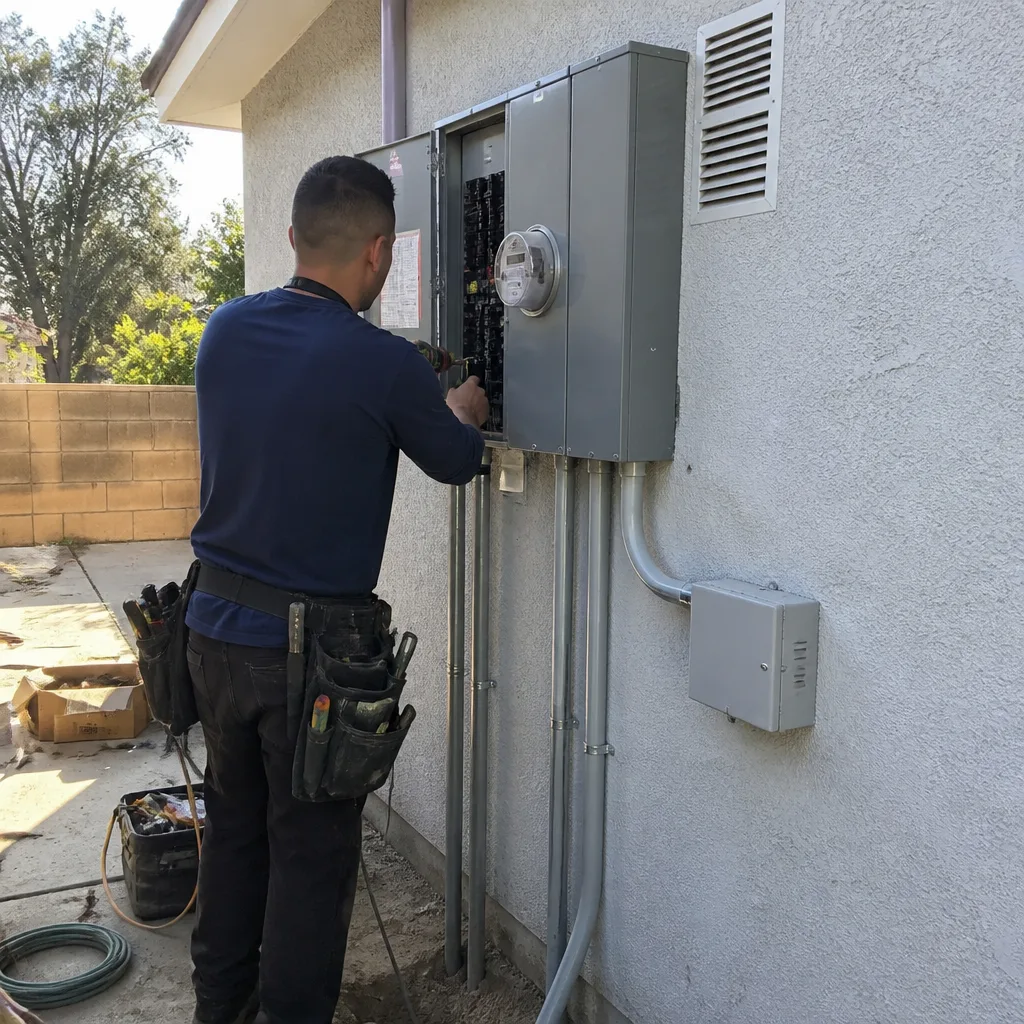
- Any electrical work beyond replacing a like-for-like fixture or device
- Structural framing modification, even for a minor remodel
The rule of thumb: if the repair requires opening a wall, cutting a hole in the building envelope, or touching a structural member, you’re in contractor territory. And in Los Angeles, many of the homes are old enough that the first repair exposes a second repair, which is exactly why a written price before any work starts matters. Bradford Remodeling works under The Garrison Standard, which means every job gets a written scope and a written price before the first tool comes out. If the repair grows, you’ll hear about it before the work starts, not after.
A Seasonal Maintenance Calendar for Los Angeles
Los Angeles has two real seasons: a long dry stretch from April through October, and a rain season from November through March, with most of the rain concentrated in December, January, and February. Here’s what to do and when.
September to October (pre-rain, pre-Santa Ana):
- Clean gutters and downspouts. Los Angeles homeowners who live under eucalyptus, sycamore, or oak trees should clean gutters after leaf drop, which varies by tree type.
- Inspect the roof for loose edge shingles or cracked tiles from summer heat. Make repairs before the first rain.
- Clear weep screeds of any accumulated dirt, landscape debris, or creeping ground cover. This is step one of any stucco maintenance program.
- Check weatherstripping and door sweeps. Santa Ana winds blow dust and fine particulate through worn seals; in foothill neighborhoods, that dust is a measurable indoor air quality problem during peak wind events.
- Service the furnace before the first cold snap. Los Angeles furnaces sit idle for 8 months a year, and the first cycle after a long idle period is when ignitors and blower motors fail.
November to March (rain season):
- After the first significant rain, walk the interior perimeter looking for water stains at wall-to-floor interfaces, around windows, and at ceiling penetrations. The first rain after a dry spell is the one that finds the holes.
- Check the foundation for new cracking or movement at existing cracks. Rain-on-dry-soil is the event that triggers expansive clay movement, so the window after a December or January rain is the highest-observation period.
- Inspect fascia and soffit boards for visible water staining while they’re still damp; the stains show up better before everything dries.
- Watch for ponding water on flat roofs 48 hours after rain. Photograph it, then call a contractor if it persists.
April to August (dry season):
- Inspect for UV damage on south and west-facing surfaces. Paint, caulking, roof granules, and window seals all degrade faster in Los Angeles in these exposures.
- Check the AC system before peak demand. Change the filter, clean the condensate line, and listen for duct leakage in the attic during a cooling cycle.
- Monitor interior doors and windows for seasonal binding. If doors stick during the dry season, that indicates the soil has dried and is pulling away from the foundation. A door that sticks only in winter is clay swelling. A door that sticks year-round is structural.
Common Mistakes to Avoid
- Using a four-season maintenance checklist. “Winterize your pipes” means nothing in Los Angeles, where the bigger risk is a buried weep screed holding water in a stucco wall. Use a checklist built for this climate, this soil, and this housing stock.
- Caulking over a structural crack. A stair-step crack through stucco is foundation movement, not a surface blemish. Filling it hides the evidence and lets you ignore a problem until it’s five figures.
- Ignoring the weep screed gap. The 2 to 4 inches of clearance at the bottom of stucco walls is a drainage system. Bury it with soil or planters, and you’ve rerouted water into the wall framing.
- Painting over wood rot. Paint won’t stop rot; it just puts a fresh face on it. The rot continues underneath, and by the time the paint blisters, the trim is structurally gone.
- Assuming a high energy bill means an old AC unit. In many Los Angeles homes, the ductwork in the attic is the problem, not the equipment. Leaky R-4 ducts in a 140-degree attic will make a new unit run like an old one.
- Skipping the pre-rain roof check. The best time to find a lifted shingle or a cracked tile is in September, not during a January rain when the ceiling is already showing water.
- Hiring a contractor who won’t put the price in writing before starting. Los Angeles has a well-earned reputation for construction surprises. A written price before any work starts is the single most reliable indicator of a contractor who intends to finish the job the way they quoted it.
See the difference
 Before
 After
After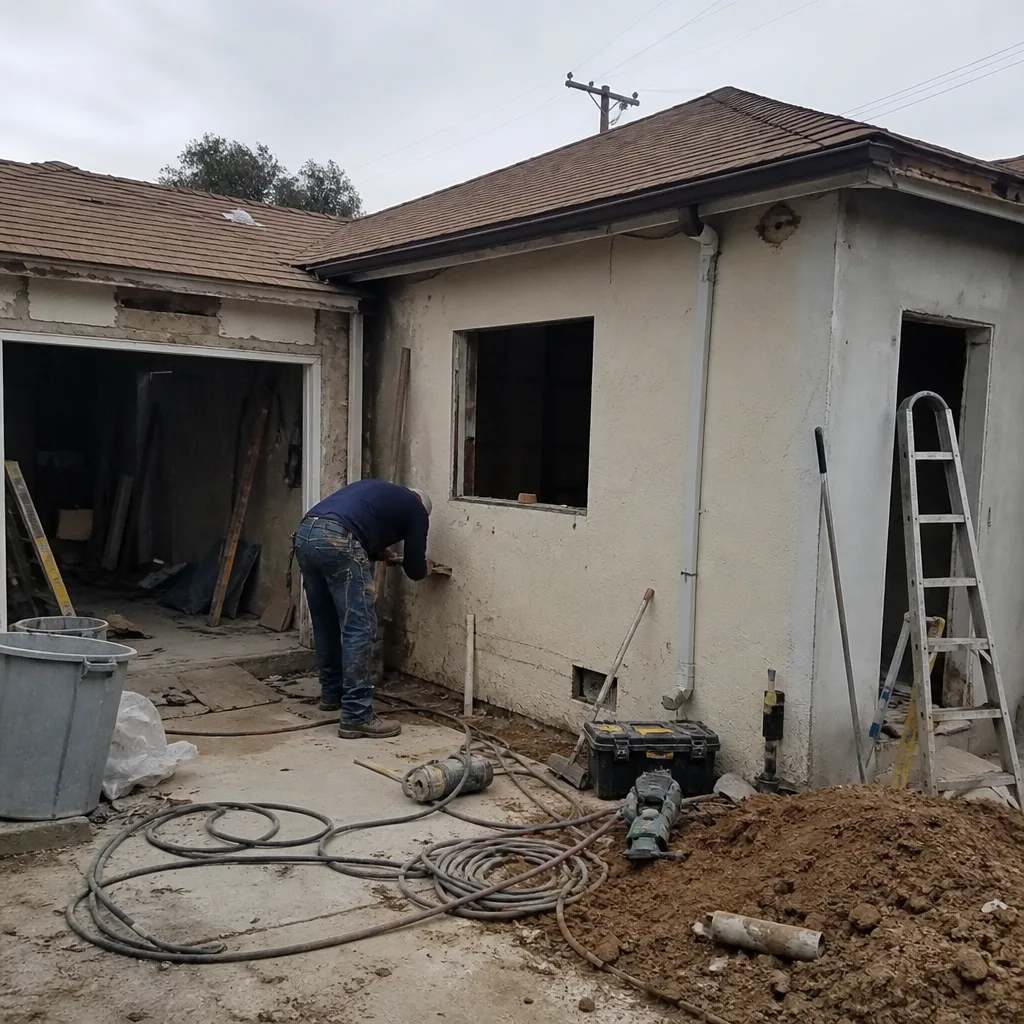 Before
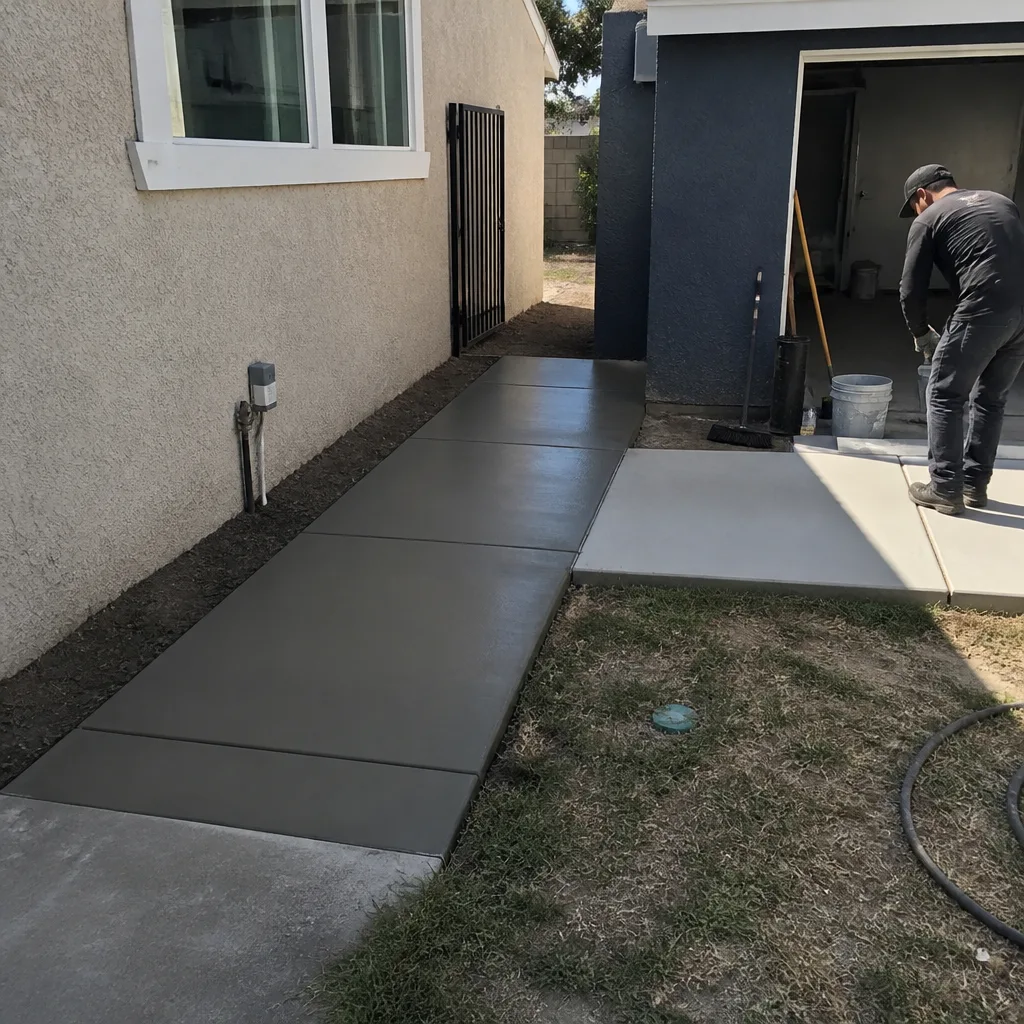 After
After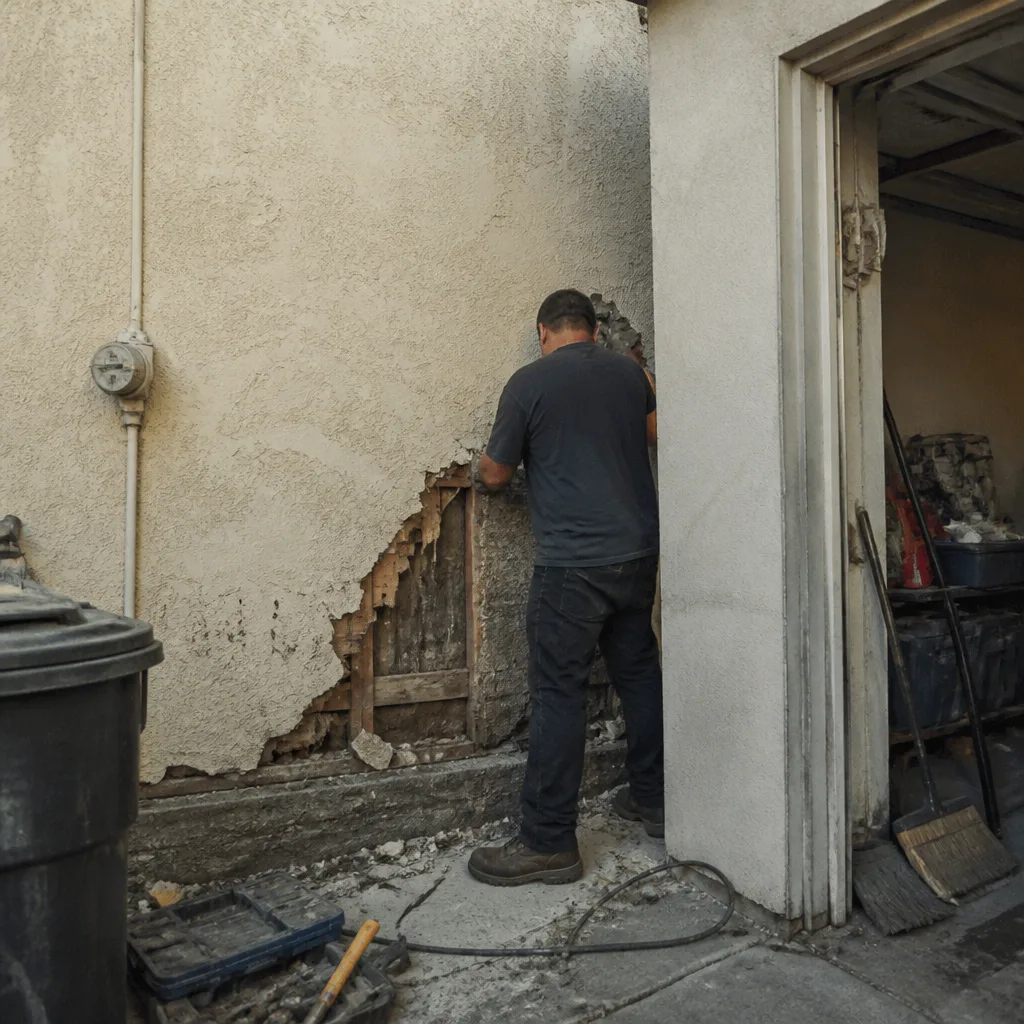 Before
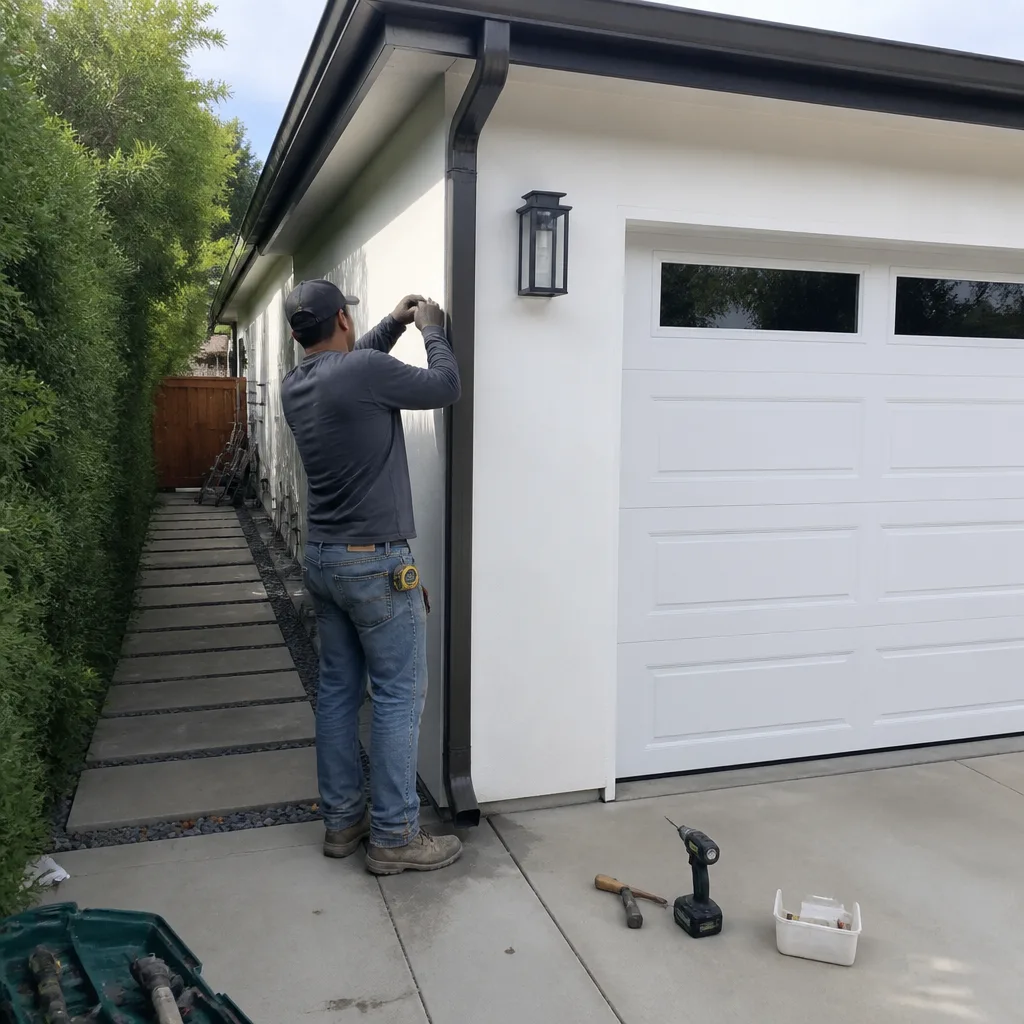 After
AfterWhen to Call a Professional
Call a licensed contractor when you find a crack wider than 1/16 inch in stucco, any stair-step cracking pattern, a foundation crack that grows over 90 days, a roof leak that has reached the underlayment, any ductwork issue beyond taping a small tear, or wood rot that has compromised more than the surface of a trim board. These are not maintenance problems; they’re repair problems, and in California, several of them require a permit. If you’re in Los Angeles and you’re not sure which side of the line your issue falls on, Bradford Remodeling offers free estimates, and a real person answers the phone at (903) 568-7222. We’ll tell you honestly if you’re looking at a DIY fix or a contractor repair, and if it’s a repair, we’ll put the price in writing before any work starts.
Frequently Asked Questions
Inspect your home’s exterior twice a year, in September before the rain season and in March after the rain season ends. The pre-rain inspection catches problems before water finds them, and the post-rain inspection documents any new movement or water damage. Los Angeles’s wet-dry cycle means these two windows bracket the period of highest stress on stucco, foundations, and flatwork.
The most common maintenance problem in Los Angeles homes is buried weep screeds on stucco walls. Dirt, mulch, and plant materials accumulate against the base of stucco walls and block the drainage gap, trapping moisture inside the wall system. This leads to dry rot in framing, mold growth, and stucco failure years before the problem becomes visible on the exterior.
A stucco crack is serious if it is wider than 1/16 inch, if it runs through the brown coat underneath the finish, if it forms a stair-step pattern, or if it radiates from a window corner or beam pocket. Hairline surface crazing is cosmetic. Any crack you can fit a nickel’s edge into is a water pathway and should be assessed by a licensed contractor.
No permit is required for owner maintenance like cleaning gutters, scraping weep screeds, sealing hairline cracks, replacing weatherstripping, or changing air filters. A permit is required for roof repairs over 32 square feet, ductwork replacement, structural framing work, and most foundation repairs. Bradford Remodeling pulls permits and passes inspections as part of every project that requires them.
Doors that stick in winter but swing freely in summer are responding to expansive clay soil under the foundation. Winter rain causes the clay to swell, which lifts and shifts the foundation slightly, misaligning door frames. Summer drying reverses the process. This seasonal movement is normal in Los Angeles, but if the sticking becomes year-round, the movement has become differential and should be evaluated by a contractor.
A general contractor maintenance inspection in Los Angeles typically runs between $150 and $400 depending on the size of the home and whether it includes a roof inspection, crawl space access, or attic access. Some contractors, including Bradford Remodeling, offer free estimates for specific repairs identified during an inspection. Call (903) 568-7222 for pricing on a specific scope of work.
The Bottom Line
Los Angeles homes fail in predictable ways that four-season maintenance checklists completely miss-browse our more guides & resources for climate-specific advice. The real work is in the specific failure points of this climate and this housing stock: stucco weep screeds that have been buried by landscape, control joints cracked by thermal cycling, roof edges lifted by Santa Ana winds, foundations moving with expansive clay soil, and ductwork losing conditioned air in 140-degree attics. A disciplined inspection routine, done twice a year, catches these problems while they’re still owner-addressable. When they cross the line into contractor territory, work with someone who puts the price and the guarantee in writing before the work starts. If you’re not sure where your issue falls, call (903) 568-7222 for a free estimate from Bradford Remodeling in Los Angeles.
Written by Curtis Lane, Owner at Bradford Remodeling, serving Los Angeles since 2004.