Last updated October 9, 2026


Free written scope consultation - allowances, timeline, and change-order rules on paper before a single trade is scheduled
DIY vs Professional Home Remodeling: What’s Safe to Do Yourself
Here’s a number most DIY guides won’t give you: in Los Angeles, a homeowner who pulls an owner-builder permit and then sells the house within 12 months can be forced to either tear out the work or renegotiate the sale to cover retroactive permits, which often costs double or triple the original job. Most DIY vs Professional Kitchen Remodeling: What’s Safe to Do Yourself advice treats remodeling as a cost calculation: your labor is free, so do it yourself. The real dividing line in California isn’t cost. It’s liability. This guide draws that line where California law actually draws it, trade by trade, so you know what’s genuinely safe to do on a Saturday and what belongs in a licensed contractor’s hands. We’re writing this from Los Angeles, where the code requirements, permit rules, and real estate disclosure laws are stricter than most homeowners realize.
Quick Answer
You can safely DIY cosmetic work like painting, cabinet hardware, backsplash tile in dry areas, and trim replacement. You cannot legally DIY any project requiring a contractor’s license in California: electrical work beyond replacing a fixture or outlet, any gas line work, structural changes, HVAC, or plumbing beyond minor fixture swaps. The riskiest DIY move in Los Angeles is unpermitted work that alters structure or systems, because when you sell, California requires you to disclose it, and buyers’ inspectors flag it every time.
Styles & brands we work with



Table of Contents
- The California Permit Problem Most DIY Guides Skip
- What’s Genuinely DIY-Safe in Los Angeles
- What Looks DIY-Safe But Isn’t
- The Hybrid Model: Demo and Finish Work, Pro in the Middle
- What Unpermitted DIY Work Does to a Home Sale in California
- DIY Cost vs. Pro Cost: Where the Savings Actually Are
- A Skill-Honest Assessment of Your Own Abilities
- Common Mistakes to Avoid
The California Permit Problem Most DIY Guides Skip
California gives homeowners a legal path to act as their own general contractor through something called an owner-builder permit. It sounds like a green light for DIY. It isn’t. When you sign an owner-builder permit application in Los Angeles, you’re certifying under penalty of perjury that you will not sell the property for one full year from the date the permit is issued. You’re also accepting personal liability for worker injuries on the site, and if you hire unlicensed help, you’re responsible for workers’ compensation claims out of your own pocket. Most DIY guides never mention the one-year sale restriction, and it’s the single most expensive surprise in California remodeling.
Beyond the owner-builder permit, California law requires a licensed contractor for specific trades regardless of who’s doing the work. A homeowner cannot legally pull a permit and then perform electrical work beyond basic device replacement. Gas line work is flatly off-limits to unlicensed individuals, full stop. Structural work, seismic retrofitting, foundation repair, and any change to a load-bearing element requires a licensed contractor with the right specialty class. In Los Angeles, the Department of Building and Safety enforces these rules through inspection records, and when a buyer’s inspector pulls the permit history during escrow, gaps show up.
The insurance angle is just as sharp. Standard homeowners insurance policies treat losses during an owner-builder remodel differently than losses during a licensed contractor’s project. A water leak from a DIY shower pan install may be denied because the insurer classifies it as faulty workmanship rather than sudden damage. If you didn’t pull a permit for that shower, the claim gets even harder. The Garrison Standard we operate under at Bradford Remodeling exists for exactly this reason: every price, every scope item, and every guarantee goes in writing before work starts, because the alternative is a homeowner absorbing the liability alone. For a complete overview of what we cover, see our General Contractor Maintenance Checklist for Los Angeles Homeowners.
What’s Genuinely DIY-Safe in Los Angeles
Some work really is safe to do yourself, provided you’re honest about your skill level and follow the manufacturer’s instructions. This is cosmetic work that doesn’t touch structure, waterproofing, gas, or electrical systems. In Los Angeles homes, where drywall and stucco are the standard substrates, these projects are straightforward and low-stakes.
- Interior painting on walls and ceilings. Prep work is the real job: tape lines, drop cloths, and two coats minimum. In older Los Angeles homes with lath-and-plaster walls, test for lead paint before sanding anything built before 1978.
- Cabinet hardware replacement: knobs, pulls, hinges. This is a drill, a template, and an hour of patience. It changes a kitchen’s look without touching the cabinet boxes.
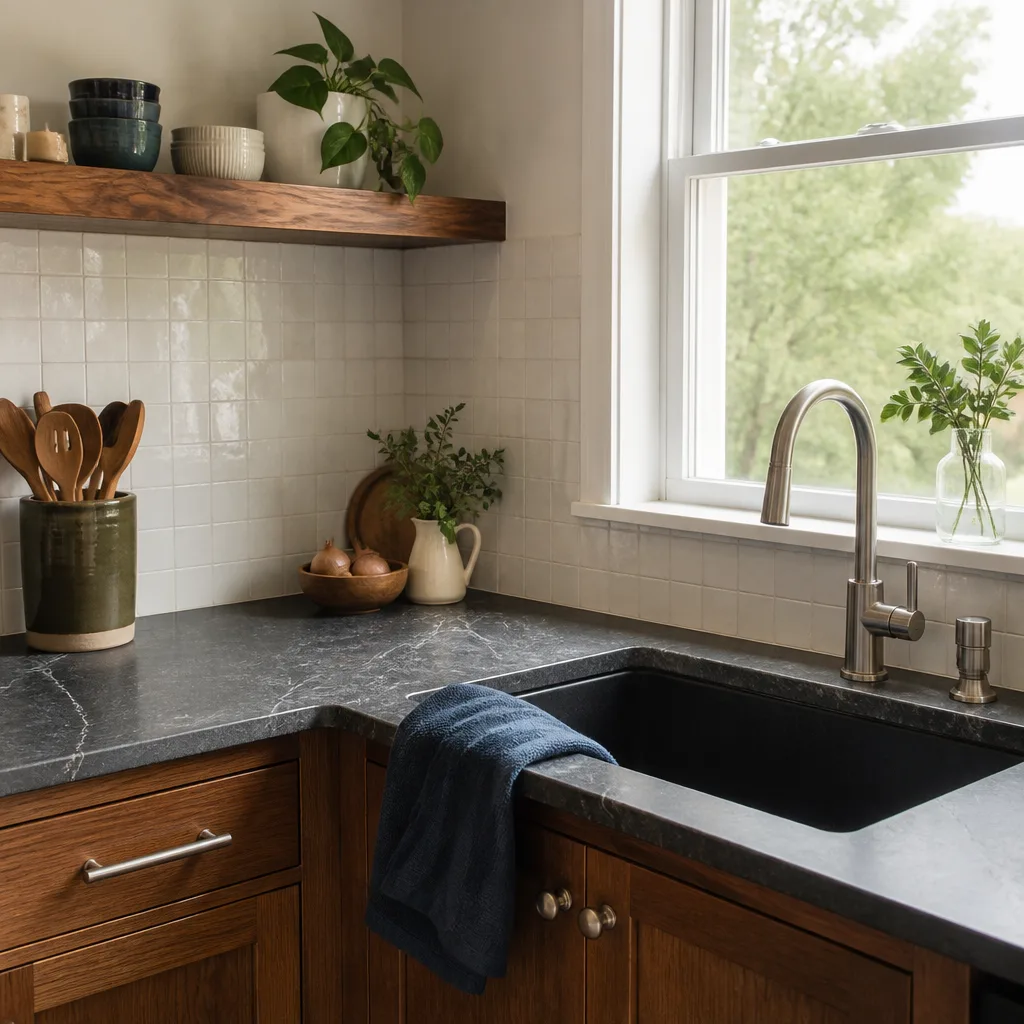
- Backsplash tile in dry areas (behind a range but not inside a shower). Use mastic in dry locations, not thinset, and seal grout. Avoid this if the tile is marble or another stone that needs a wet saw; rent one and practice on scrap first.
- Trim and baseboard replacement: pulling old trim and nailing new trim is beginner-friendly. Miter cuts take practice, but scrap pine is cheap.
- Light fixture replacement: swapping an existing light fixture for a new one of the same voltage is legal for a homeowner in California. Turn off the breaker, test the wires, and match the gauge. Anything involving new circuits or new wire runs is not DIY.
- Caulking and weatherstripping: re-caulking a tub, sink, or window, and replacing door weatherstripping. This is preventive maintenance that saves real money in LA’s dry summers and rainy winters.
Los Angeles has a specific advantage here: the climate. You’re not fighting humidity and freeze-thaw cycles for interior paint and trim work the way a Midwesterner would be. But the same climate that makes LA pleasant also hides water damage behind stucco, so any project that touches a wall cavity or an exterior surface deserves a second look before you open it up.
What Looks DIY-Safe But Isn’t
Every contractor in Los Angeles has been called out to fix a DIY project that the homeowner was certain they could handle. Here’s the honest list of work that appears simple on a YouTube thumbnail and goes wrong fast.
Tile in a shower pan. A shower floor is a waterproofing system, not a tile job. The difference is a pre-sloped mortar bed, a waterproof membrane like Schluter Kerdi or a vinyl pan liner, and a flood test before tile ever touches the surface. If the membrane is wrong, the water doesn’t show up for months, and by the time it does, the substrate is rotten. We’ve seen Los Angeles shower pans where the homeowner tiled directly over drywall. The tear-out cost ran $4,000 to $6,000, three times what a professional install would have been.
Anything touching a load-bearing wall. You cannot tell if a wall is load-bearing by tapping it. In a Los Angeles craftsman or post-war ranch, interior walls often carry roof load. Cutting an opening without an engineer’s letter is how you get a cracked ceiling and a structural repair bill in the five figures. Even removing a non-load-bearing partition requires a permit if the wall contains electrical, which most do.
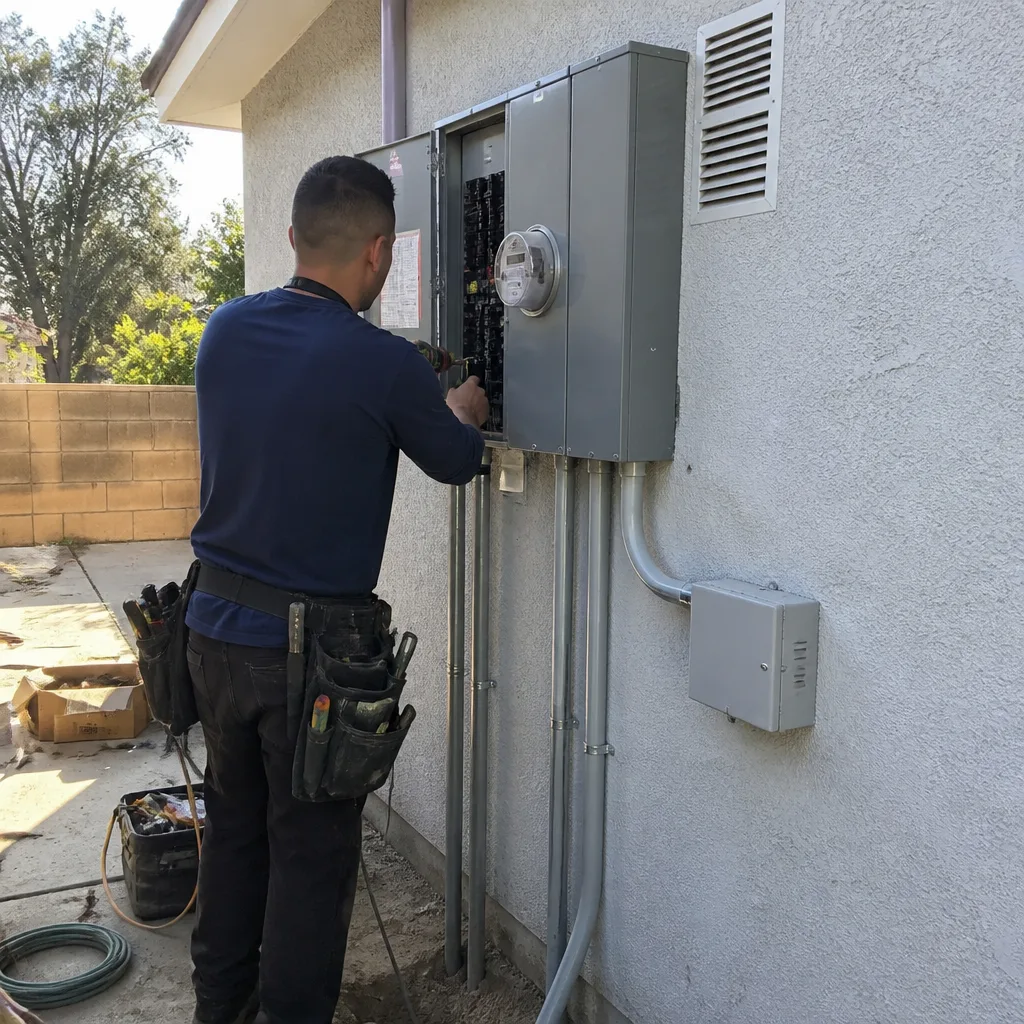
Electrical beyond a fixture swap. Adding an outlet, running a new circuit, installing a ceiling fan where no box exists, or upgrading a panel is all licensed work in California. Los Angeles inspectors flag unpermitted electrical immediately on a permit check. Insurance carriers deny fire claims from DIY electrical. It’s the single most dangerous category to get wrong.
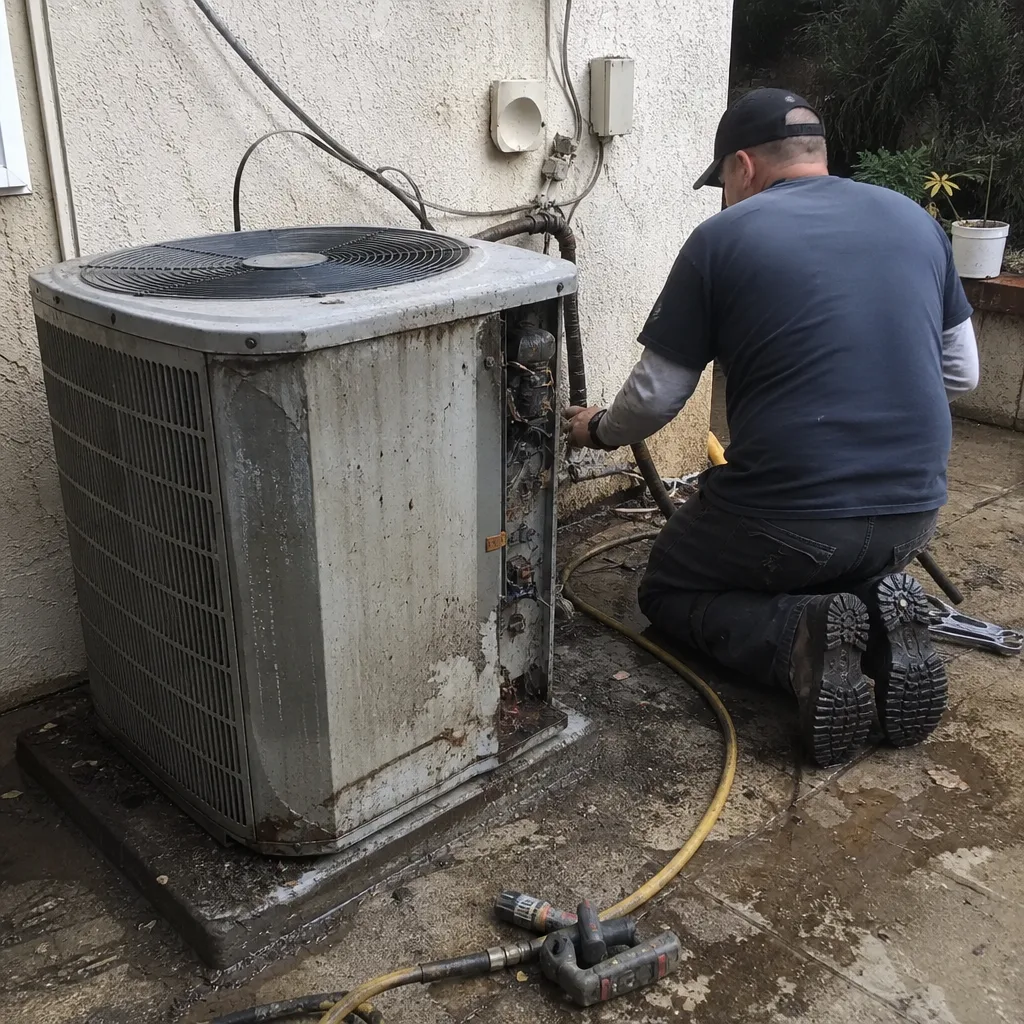
Any gas appliance or gas line work. This is not a gray area. In California, anyone who works on gas lines without the proper license and certification is violating state law. A gas leak from a DIY range hookup or water heater install is a life-safety issue, not a budget line item. This includes running a gas line for a barbecue, a dryer, or a tankless water heater.
Permit-required plumbing. Replacing a faucet or a toilet is fine. Moving a drain, installing a new bathroom, or adding a vent stack is not. Los Angeles’s plumbing code has specific requirements for venting and drainage that amateurs don’t know, and a failed inspection means the work gets red-tagged and redone.
The Hybrid Model: Demo and Finish Work, Pro in the Middle
The most cost-effective approach for a capable Los Angeles homeowner isn’t full DIY or full pro. It’s a hybrid, where you handle the low-skill, high-labor work and a licensed contractor carries the parts that matter for the permit record. A licensed general contractor in Los Angeles can structure this as an agreement where they pull the permit, perform the rough-in work, and pass inspection, while you take on defined finish items. Here’s how it typically breaks down.
- Demo, if it’s non-structural. Removing cabinets, pulling old carpet, and taking out old baseboards is labor-heavy and skill-light. Do it yourself and save real money. Stay out of walls until you know what’s inside them.
- Rough-in stays with the licensed contractor. This is framing, electrical, plumbing, HVAC, and waterproofing. Every one of these trades requires a licensed professional in California, and the permit inspection is tied to them. No hybrid model works if the rough-in is DIY.
- Inspections are the contractor’s responsibility. The contractor calls the inspection, meets the inspector, and fixes any deficiencies. You don’t want to be the one explaining a failed inspection to the Los Angeles Department of Building and Safety.
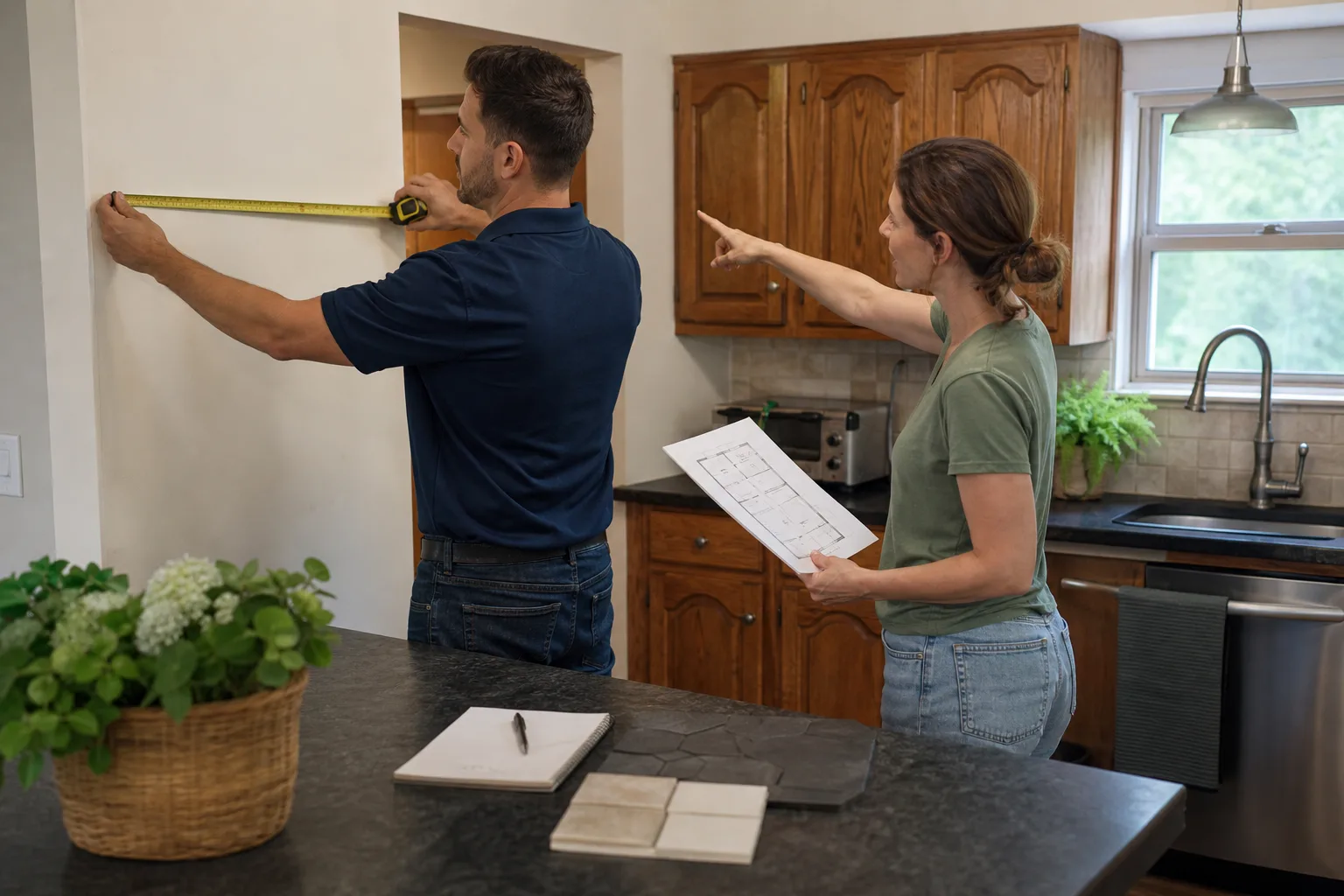
- Finish work can come back to you. Painting, trim, hardware, and sometimes flooring or tile in dry areas are finish tasks a homeowner can take on after the rough-in passes. Agree on the scope in writing before the project starts so there’s no ambiguity about who owns what part.
We’re asked to structure hybrids often enough that it’s become part of how we think about the work. The key is putting the division of labor in the written scope before anything starts. Without that, homeowners and contractors end up pointing fingers at the inspection stage. A General Contractor in Los Angeles should be able to tell you exactly which parts of your project are legally yours to do and which are legally theirs. If they can’t answer that question in plain English, that’s a signal.
What Unpermitted DIY Work Does to a Home Sale in California
California’s seller disclosure laws are not optional. When you sell a home in Los Angeles, the Transfer Disclosure Statement asks whether you’ve made any modifications without a permit. Lying on that form is fraud, and California courts take it seriously. The modern disclosure forms are specific enough that “I didn’t know” doesn’t hold up when the modification is visible in the listing photos.
Here’s what typically happens when a buyer’s inspector finds unpermitted work during escrow. The inspector notes it in the report. The buyer’s lender may refuse to fund until the work is retroactively permitted, which requires opening walls to expose framing, electrical, or plumbing for the Los Angeles building inspector. The buyer requests a credit, and that credit is typically structured as the buyer taking the permit risk off your hands. In a competitive Los Angeles market, a seller may accept that credit. In a cooler market, the buyer walks or asks for a full repair escrow. Every one of those outcomes costs more than the permit and the licensed contractor would have in the first place.
The hard truth from the Los Angeles real estate market: unpermitted square footage doesn’t count in the listing, unpermitted bathroom additions get red-flagged, and unpermitted electrical panels are a lender’s deal-breaker. A homeowner can do excellent DIY work and still lose the resale benefit because the paper trail doesn’t exist. The one-year owner-builder sale restriction compounds this: if you pulled the permit yourself and sell within a year, you’re in violation of the permit’s terms, and the buyer’s title company may refuse to insure the sale.
DIY Cost vs. Pro Cost: Where the Savings Actually Are
The honest cost conversation isn’t “your labor is free.” It’s “your labor is free, but your mistakes aren’t, and your resale liability is a lien against the savings.” Here’s a real-price comparison for common Los Angeles remodeling projects, in 2026 dollars.
| Project | DIY Cost (Materials Only) | Pro Cost (Licensed, Permitted) | Real Savings |
|---|---|---|---|
| Interior paint (1,200 sf) | $600 – $900 | $3,500 – $6,000 | $2,900 – $5,100 |
| Cabinet hardware (30 pieces) | $150 – $400 | $800 – $1,500 | $400 – $1,100 |
| Backsplash tile (30 sf, dry) | $400 – $700 | $1,800 – $3,200 | $1,100 – $2,500 |
| Shower pan rebuild | $600 – $1,000 (likely fail) | $3,500 – $7,000 | Negative $2,900 – $6,000 if failed |
| Kitchen remodel (full) | $25,000 – $40,000 (hybrid) | $60,000 – $120,000 | $20,000 – $80,000, if hybrid holds |
The savings are real in the finish categories. They’re imaginary in the waterproofing, electrical, gas, and structural categories, because the failure cost erases the savings and then some. A full Kitchen Remodeling in Los Angeles done right with a documented material schedule, like KraftMaid cabinetry and Cambria counters, holds its value in a way a DIY cabinet reskin doesn’t.
A Skill-Honest Assessment of Your Own Abilities
Here’s a test most homeowners never take. Answer these four questions truthfully before starting any DIY remodel project.
- Have you done this specific task before, not watched it on video? Watching a tile installation is not tile experience. Your hands need to have done the work.
- Do you own the right tools, and do you know how to use them safely? A wet saw, a level, a breaker finder, a moisture meter. Renting tools for a one-time job is fine. Using them for the first time on your kitchen wall is how mistakes happen.
- Can you afford the failure? If the project fails, can you afford to tear it out, fix the damage, and pay a professional to redo it? If the answer is no, you can’t afford the project.
- Will the project require a permit, and if so, who pulls it? Any answer that avoids this question is a red flag for your future resale.
If you answered honestly and you still want to do the work, start with one surface in one room. The garage wall, not the kitchen. The guest bathroom backsplash, not the master shower. In Los Angeles, where construction costs run higher than the national average, the stakes on a failed DIY are proportionally higher. We’ve seen homeowners in Silver Lake and Pasadena do beautiful DIY work that we’d never touch. We’ve also seen DIY failures in the same neighborhoods that cost more to remediate than the original professional quote. The difference is never the enthusiasm. It’s the skill-honesty.
Common Mistakes to Avoid
- Pulling an owner-builder permit without reading the one-year sale restriction. In California, that restriction is on the permit application you sign. If you sell within a year, you’re in breach of the permit’s terms, and the sale can be derailed by a cautious title company.
- Tiling a shower without a waterproofing membrane. This is the single most expensive DIY mistake in Los Angeles remodeling. Green board is not waterproof. Cement board is not waterproof. Only a proper membrane system is waterproof, and it must be installed before tile, not after.
- Cutting into a wall without checking for electrical, plumbing, or load-bearing structure. That wall may be carrying roof load in a 1940s LA bungalow. Opening it without knowing what’s inside is how you buy yourself a structural engineer’s bill.
- Using the wrong materials for the location. Mastic in a shower, indoor drywall on an exterior wall, unsealed grout behind a range. Material choice is code-driven, not preference-driven.
- Failing to pull a permit because “no one will know.” The buyer’s inspector will know. The Los Angeles property records will show the permit history, and an unpermitted kitchen or bath is a disclosure item that follows the house.
- Hiring an unlicensed handyman for licensed work. California’s licensing requirements exist to protect homeowners, and using an unlicensed worker shifts all liability to you. If they’re hurt on the job, your insurance may not cover it.
- Starting demo before locking in the written price for the rebuild. You rip out the kitchen and then get contractor bids. Now you have a tight timeline and a tradesperson who knows it. Get the written price first, then demo.
When to Call a Professional
You’re past the DIY line when the project touches structure, waterproofing, gas, HVAC, or any electrical work beyond a like-for-like fixture swap. You’re also past it when the project requires a permit and you’re not willing to be personally liable for the inspector’s findings. And you’re past it when the work will appear on your seller’s disclosure and you want it to appear with a clean permit record. Bradford Remodeling offers Home Remodeling free estimates in Los Angeles. Call (903) 568-7222 and we’ll walk the project with you, explain what’s legally yours to do and what isn’t, and put a written price in your hand before any work starts. The call is the cheapest part of the remodel.
Frequently Asked Questions

You can do cosmetic finish work like painting, cabinet hardware, backsplash tile in dry areas, trim, caulking, and like-for-like fixture swaps without a license or permit. You cannot do any gas work, any electrical work beyond replacing an existing device, structural modifications, HVAC work, or plumbing beyond minor fixture replacement. Anything requiring a permit in Los Angeles needs a licensed contractor for the licensed trades unless you pull an owner-builder permit and accept the legal restrictions that come with it.
Yes, California allows owner-builder permits, but the permit application includes a certification that you won’t sell the home for one year, and you accept personal liability for any workers on your site. Los Angeles requires that you actually reside in the home and that you’re doing the work yourself, not hiring an unlicensed contractor to work under your permit. Call (903) 568-7222 for a free estimate if you’re weighing this option against hiring a licensed contractor.
Under California law, you must disclose unpermitted work on the Transfer Disclosure Statement. A buyer’s inspector will likely flag it, the buyer’s lender may refuse to fund until the work is retroactively permitted, and the buyer will likely request a credit or repair escrow. Retroactive permits in Los Angeles require opening walls to expose the work, which often costs more than the original permit and professional installation combined.
For finish work like painting and hardware, yes, the savings are real and the risk is low. For waterproofing, electrical, gas, plumbing, and structural work, the long-run cost is almost always higher because the failure cost and the permit issue erase your up-front savings. The break-even point in Los Angeles is usually around the point where a permit is required. For more guides & resources, visit our blog.
Non-structural interior demolition, like removing cabinets or old carpet, typically doesn’t require a permit. Structural demolition of load-bearing walls or any exterior wall work does. Before you demo anything, check with the Los Angeles Department of Building and Safety or have a licensed contractor assess the space. We structure hybrid projects where the homeowner handles demo and we handle everything that requires a license and inspection.
You can’t reliably determine that by looking at the wall. Load-bearing walls often run perpendicular to floor joists, but in older Los Angeles homes with varied framing, this isn’t a dependable rule. The only way to know is to have a structural engineer or a licensed general contractor with framing experience assess the wall. Removing a load-bearing element without a plan and a permit is one of the most expensive mistakes a homeowner can make.
The Bottom Line
The DIY vs. professional question in Los Angeles comes down to this: if it’s finish work, DIY it and keep the savings. If it’s a licensed trade, structural work, waterproofing, or permit-required work, hire a licensed contractor and get everything in writing. California’s permit laws, owner-builder restrictions, and seller disclosure requirements mean the hidden costs of unpermitted DIY are higher than anywhere most homeowners have lived before. We see it in the projects we’re called to fix and the escrows that fall apart. If you’re not sure which side of the line your project falls on, call (903) 568-7222. We’ll tell you straight, the same way we’d tell our own crew. The Home Remodeling in Los Angeles work we do at Bradford Remodeling is built on the same principle: a written price, a written guarantee, and no surprises at the door.
Written by Curtis Lane, Owner at Bradford Remodeling, serving Los Angeles since 2004.
See the difference
 Before
 After
After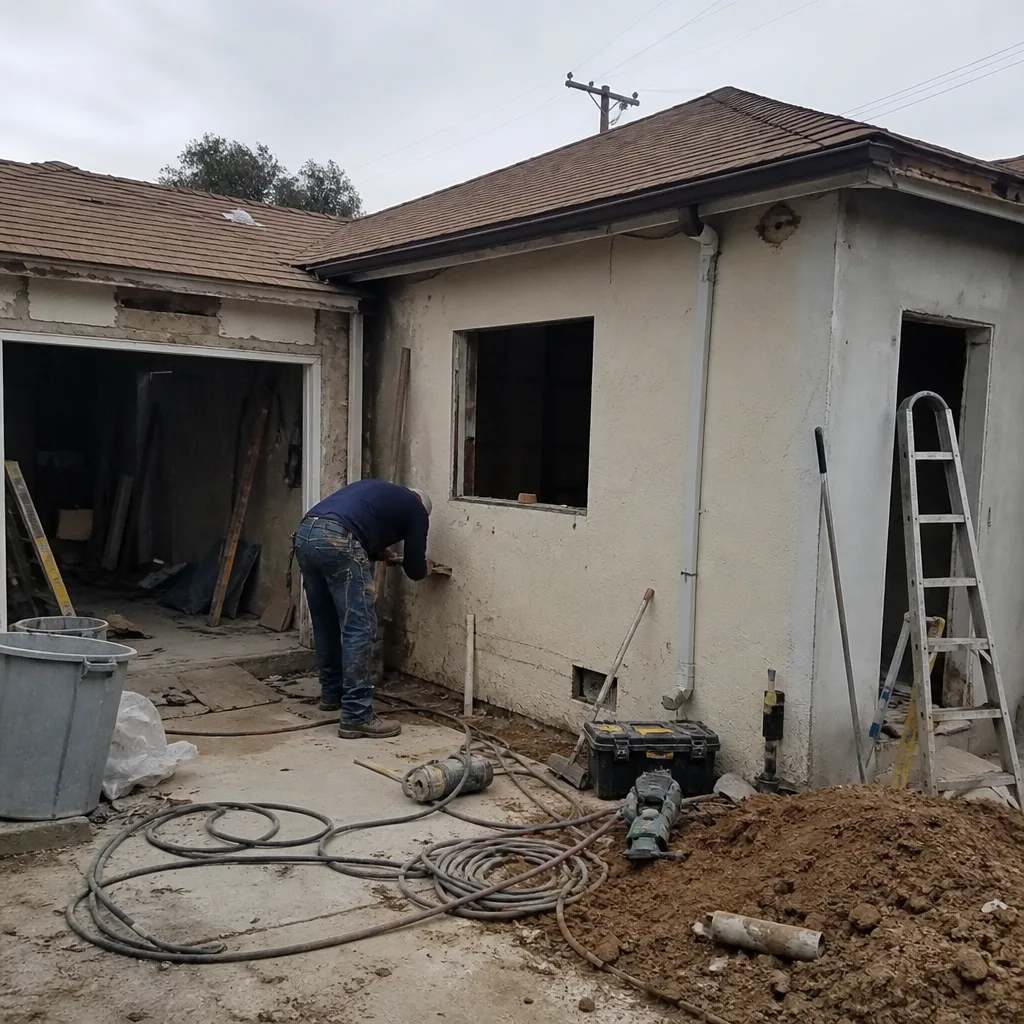 Before
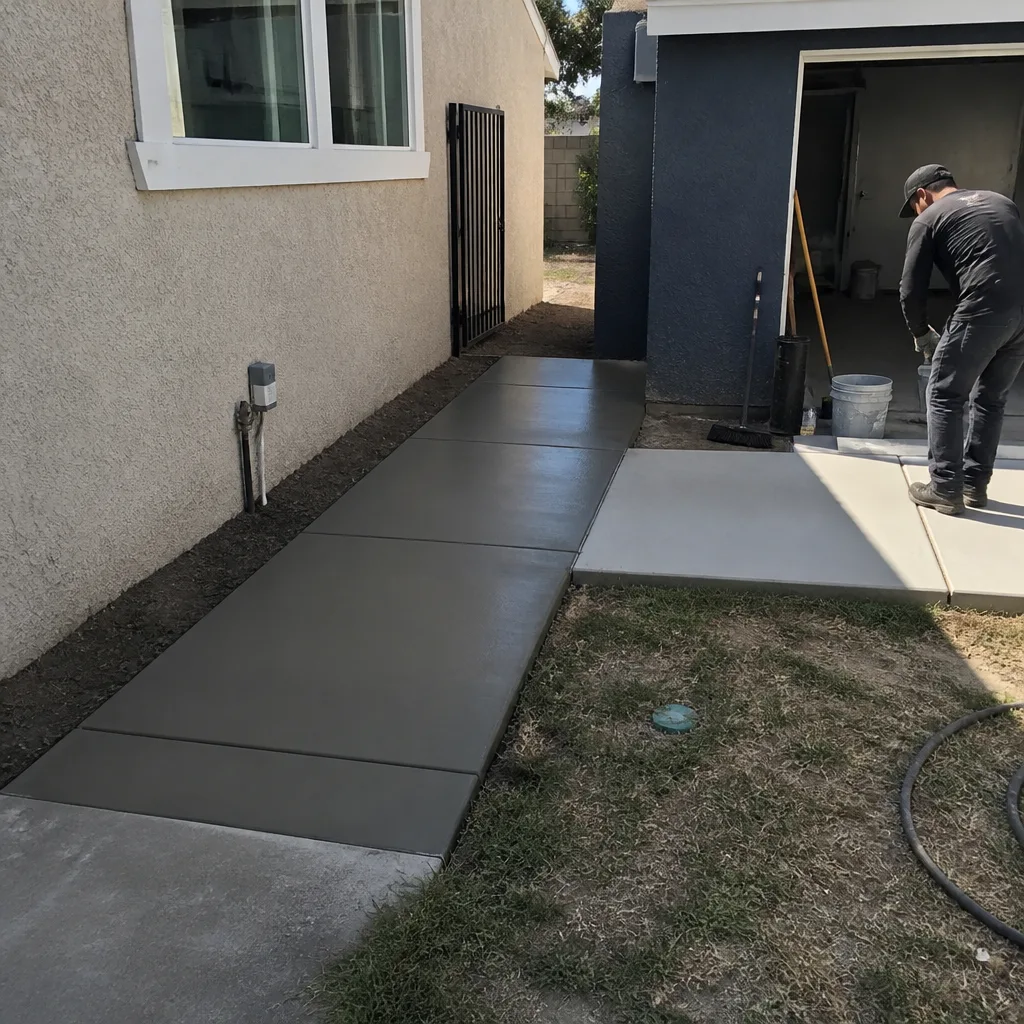 After
After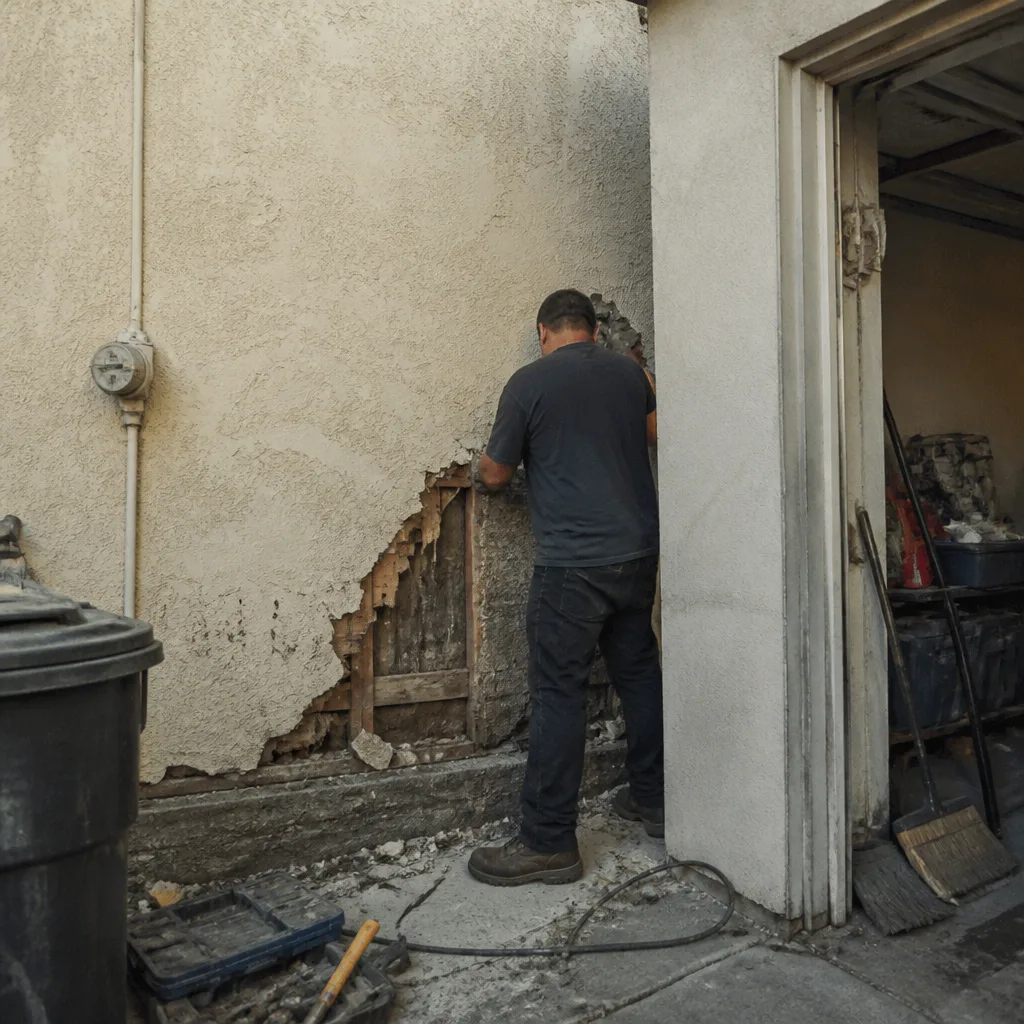 Before
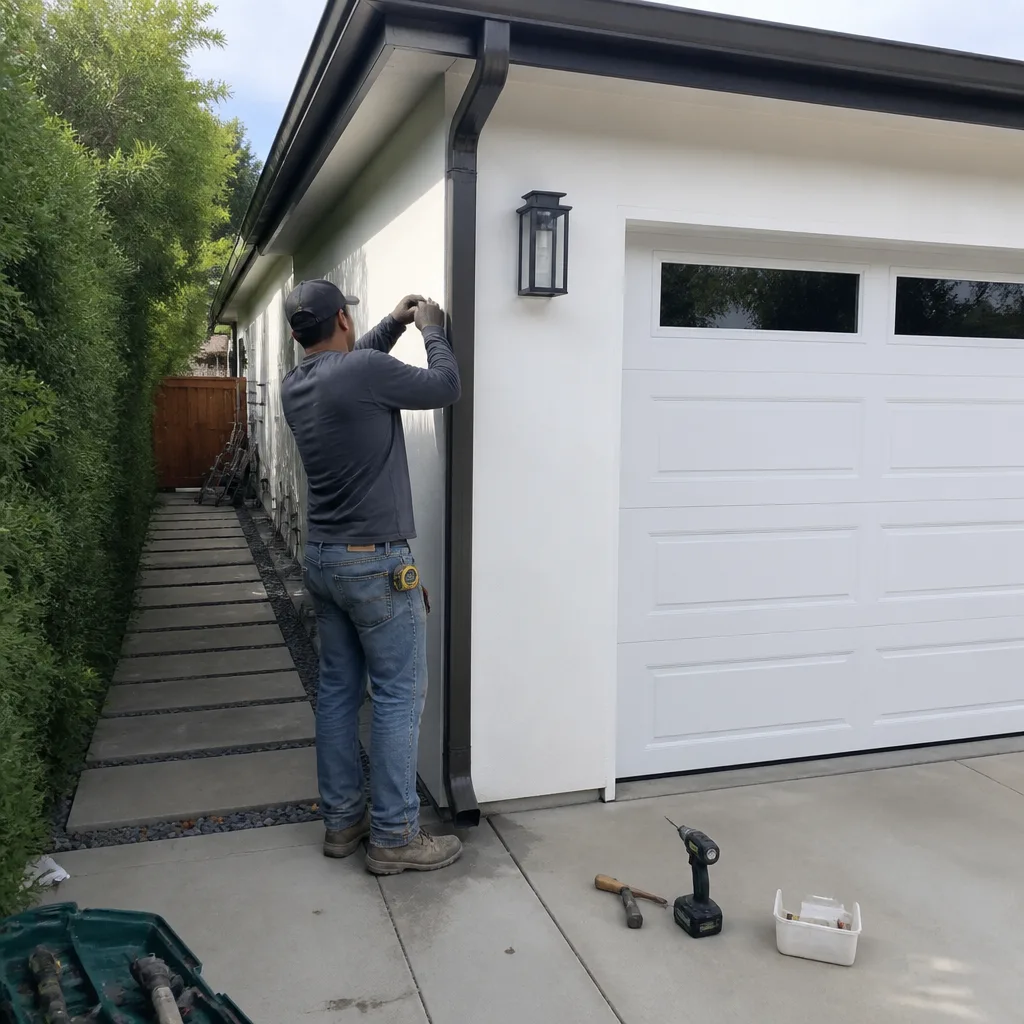 After
After