Last updated October 9, 2026

Free written scope consultation - allowances, timeline, and change-order rules on paper before a single trade is scheduled
How Long Does Home Remodeling Take? Timelines and What to Expect
A “four-month remodel” quoted without a written schedule is almost always just the construction estimate. Design and permit review in Los Angeles can add three to five months before a single nail is driven. This guide maps the full sequence – four timelines running in order, not one – so you can read a contractor’s quote, spot what’s missing, and know exactly where delays actually come from. We’ll walk through design, permitting, construction, and punch list, with realistic durations for each phase across Los Angeles.
Styles & brands we work with
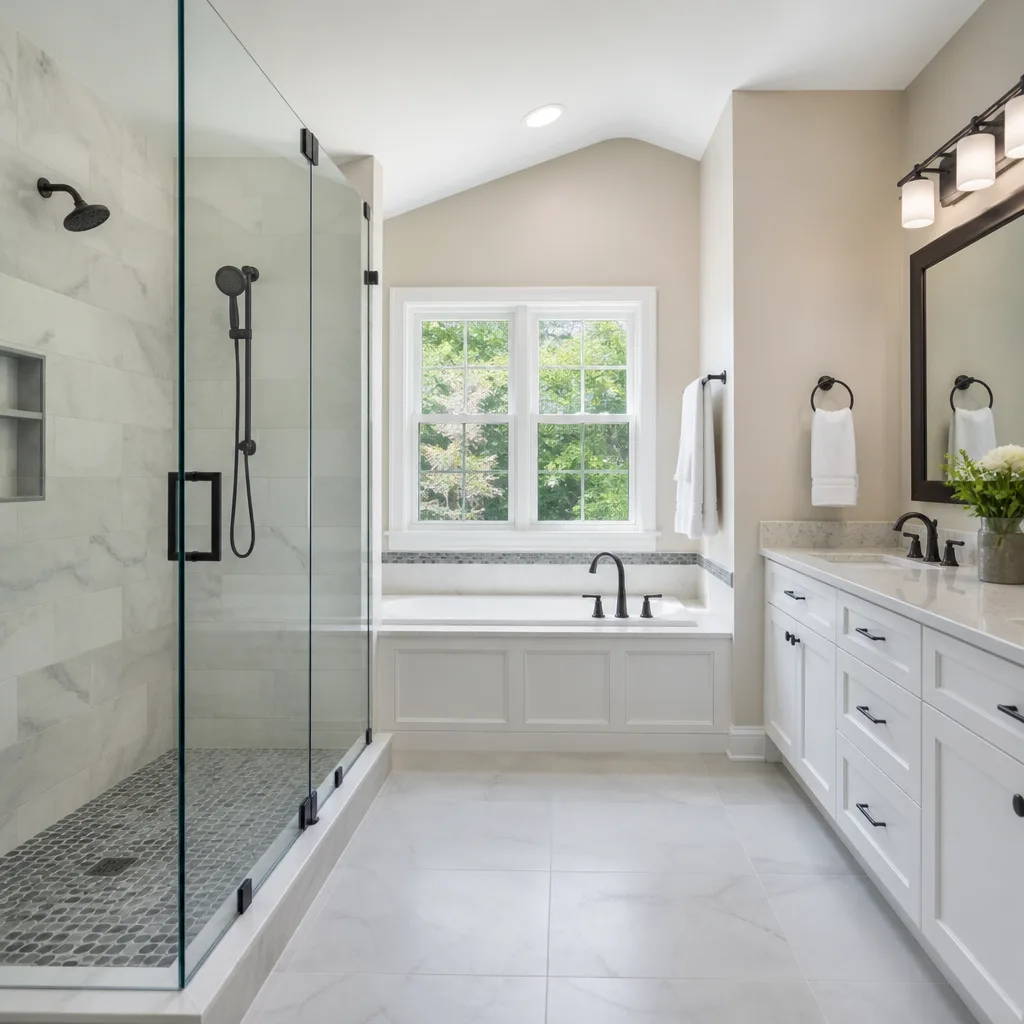


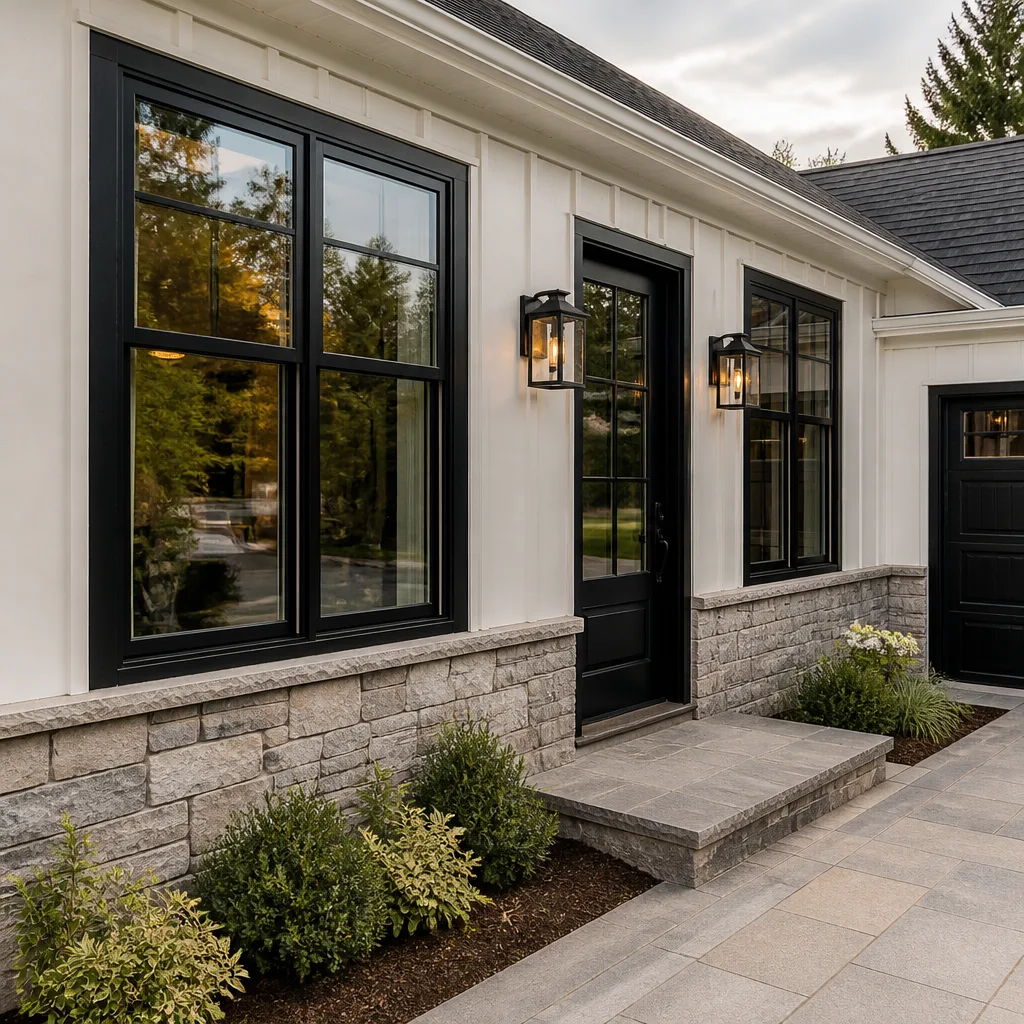
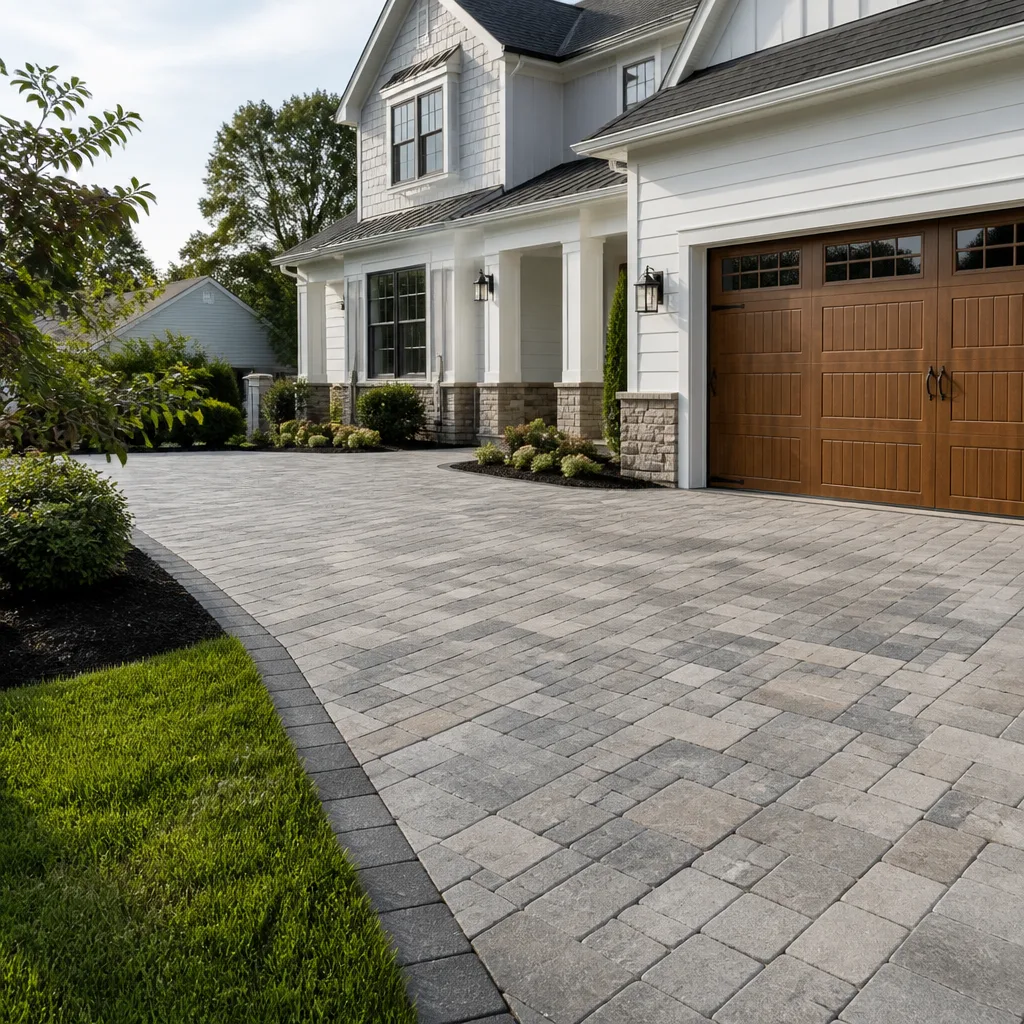
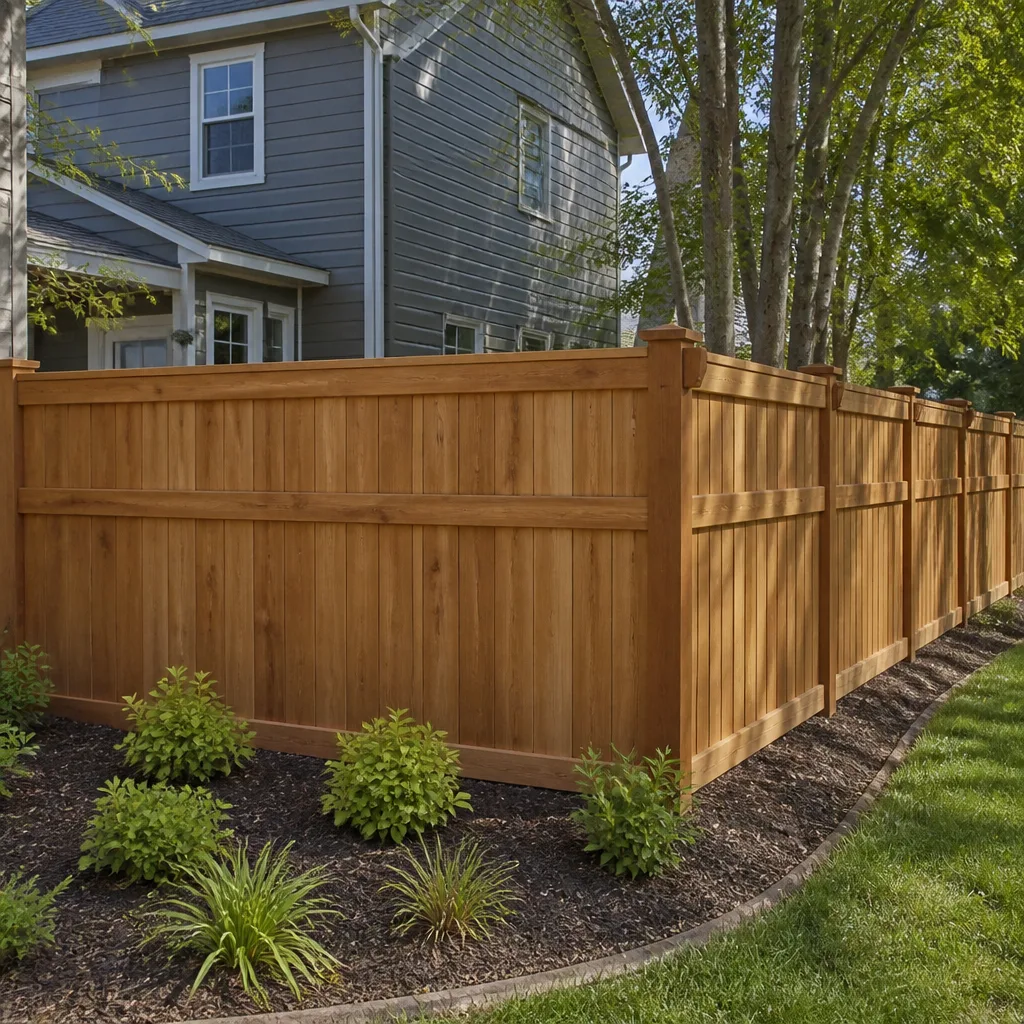
Quick Answer
A whole-home remodel in Los Angeles typically takes 8 to 14 months from first design meeting to final walkthrough. Construction itself usually runs 4 to 7 months. The rest is design, material ordering, and city permit review – phases that happen before the crew arrives and that many quotes never mention.
Table of Contents
- The Four Timelines Most Quotes Leave Out
- Phase One: Design and Scope (4 – 10 Weeks)
- Phase Two: Permitting in Los Angeles (2 – 5 Months)
- Phase Three: Construction Trade by Trade (4 – 7 Months)
- Phase Four: Punch List and Closeout (1 – 3 Weeks)
- Why Scope Changes Multiply Delays, Not Add Days
- How to Evaluate a Contractor’s Quoted Timeline
- What Homeowners Should Lock Down During the Permit Wait
- Common Mistakes to Avoid
- When to Call a Professional
- Frequently Asked Questions
- The Bottom Line
The Four Timelines Most Quotes Leave Out
Remodeling timelines are not one number. They are four separate phases, each with its own clock, its own bottlenecks, and its own handoff. Here is the sequence as we schedule it at Bradford Remodeling home for Los Angeles projects.
The Four-Phase Model
- Design and scope: 4 to 10 weeks. This is where the project gets defined – measurements, layout, material selections, written specifications.
- Permitting: 2 to 5 months in Los Angeles. City plan review, corrections, and approval. No work starts without it.
- Construction: 4 to 7 months for a whole-home remodel. Framing, rough-in, drywall, finishes, in that order, with inspection holds between phases.
- Punch list and closeout: 1 to 3 weeks. Final corrections, touch-ups, cleaning, and the signed written guarantee in your hand.
The handoff between each phase is where projects fall apart. A contractor who is vague about what happens between design and construction, or between rough-in and inspection, is vague on purpose. A credible schedule names each phase, each handoff, and each inspection hold point. In our experience, the homeowners who understand this sequence are the ones who never get surprised.
Phase One: Design and Scope (4 – 10 Weeks)
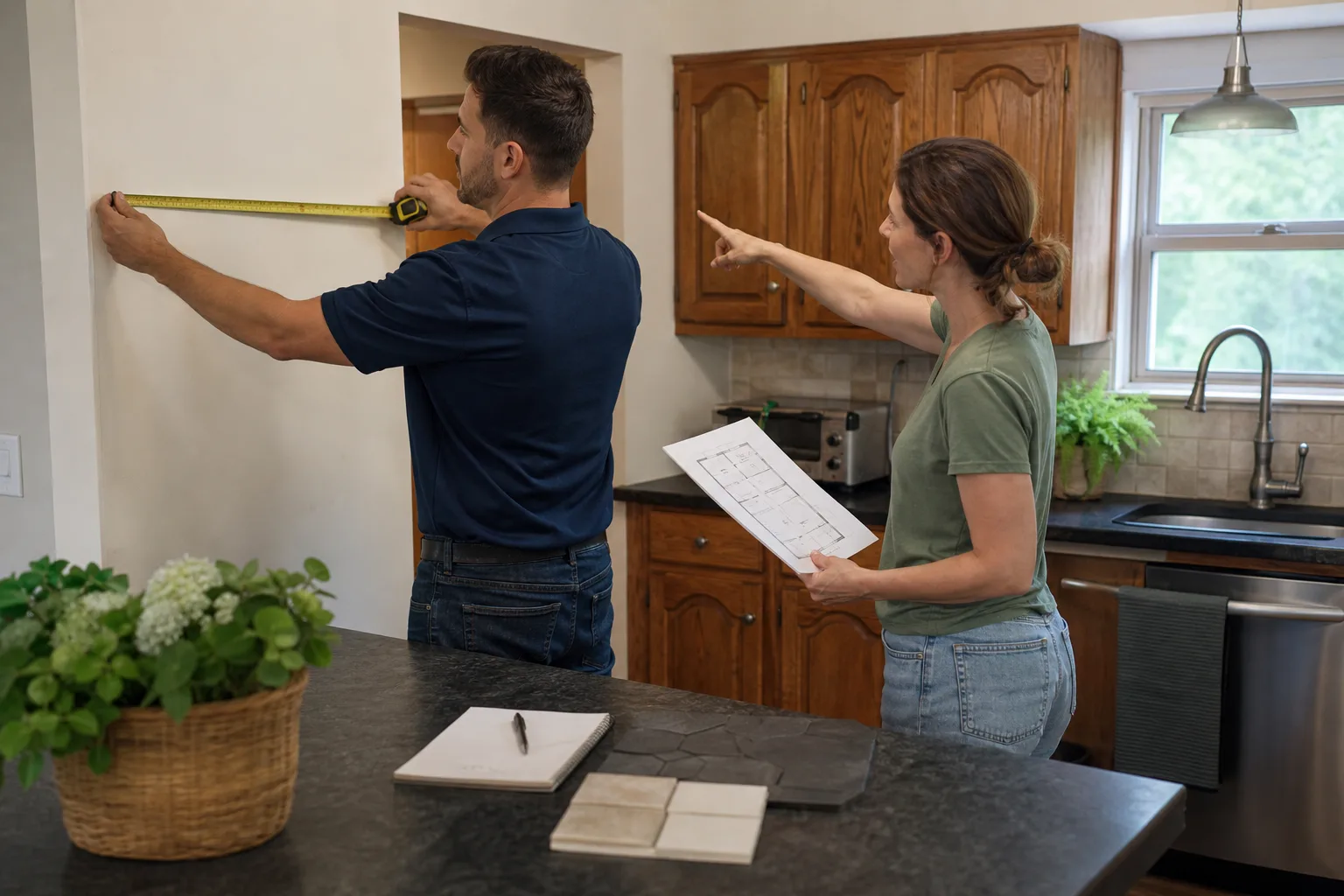
Design is where the written scope gets built. Skipping it or rushing it is the single most expensive mistake in remodeling, because every decision made later costs more and takes longer. In this phase, we measure the existing structure, document what stays and what goes, produce drawings, and lock material specifications.
What Actually Happens During Design
- Site measurements: Precise field measurements of every room, wall height, ceiling condition, and existing electrical or plumbing location.
- As-built drawings: Documentation of what is there now, before any demo work.
- Scope definition: A written list of every element – cabinets, countertops, flooring, lighting, fixtures, paint, tile, structural work.
- Material selection: Cabinetry from KraftMaid or Wellborn, surfaces from Cambria or Caesarstone, fixtures from Kohler or Moen. These choices drive lead times, so they happen here, not during construction.
- Budget alignment: The written price comes out of this phase. No scope, no price. No price in writing, no project.
The reason design takes 4 to 10 weeks is not that anyone is slow. It is that every open question left on the table becomes a change order during construction. A homeowner who locks countertop material in week six is on schedule. A homeowner who decides countertops in month four of construction has just pushed the cabinet install and the plumber and the tile setter back – and that sequence delay ripples through every trade after it. See How Long Does Kitchen Remodeling Take? Timelines and What to Expect for a deeper look at how these trade sequences work.
Phase Two: Permitting in Los Angeles (2 – 5 Months)
Permit review in Los Angeles is the timeline element no contractor controls. The Home Remodeling in Los Angeles process involves plan submission, review by the Los Angeles Department of Building and Safety (LADBS), corrections cycles, and plan approval before a permit is issued. Depending on the scope and the district office, this runs two to five months. Structural work, electrical panel changes, plumbing relocations, and exterior modifications all trigger plan review.
Why the Permit Phase Varies
- Scope complexity: A kitchen refresh with no wall movement reviews faster than a whole-home remodel with structural changes.
- Plan quality: Complete plans with clear specifications review with fewer correction cycles. Incomplete plans bounce back, and each cycle adds two to four weeks.
- District workload: Some LADBS offices are busier than others. Timing shifts by month and by office.
At Bradford, every project receives a written price before any work starts, and that price is tied to a scope that is drawn and spec’d before we submit for permit. The permit phase is not empty time. It is a decision window, and we cover below what homeowners should be locking down during it.
Phase Three: Construction Trade by Trade (4 – 7 Months)
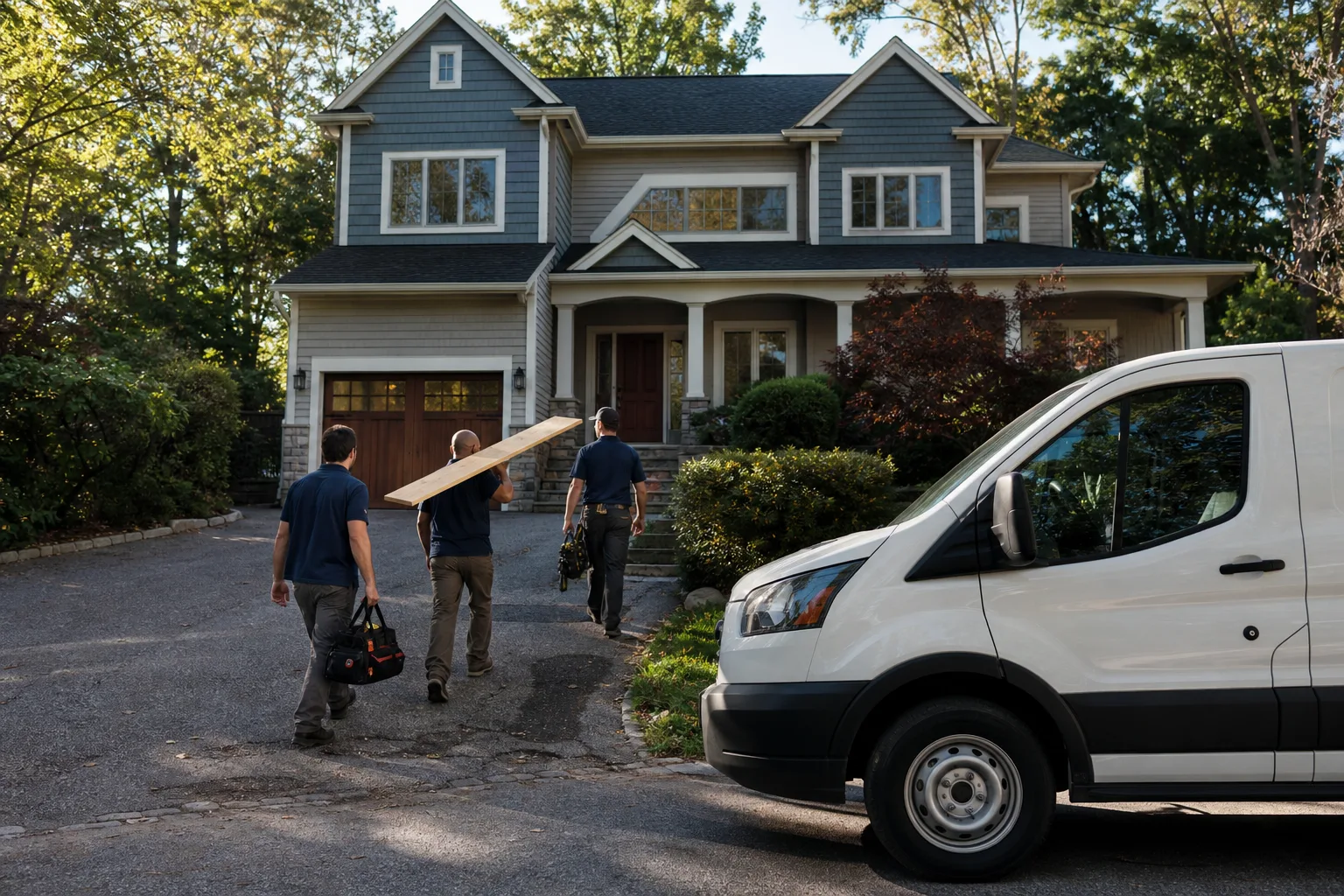
Whole-home construction in Los Angeles runs 4 to 7 months, and it runs in a fixed trade sequence. Each trade depends on the one before it, and each phase ends at an inspection hold point – a point where work legally cannot proceed until an inspector signs off. This is not a contractor preference. It is building code.
The Trade Sequence, In Order
- Demo and structural: Removal of old finishes, framing modifications, foundation work if required. Ends with a framing inspection.
- Rough-in: Electrical wiring, plumbing supply and drain lines, HVAC ducting. These go inside walls before drywall closes them. Ends with a rough-in inspection covering all three trades.
- Insulation and drywall: Insulation installed, drywall hung, taped, and sanded. Ends with an insulation inspection before drywall closes the walls.
- Finishes: Cabinetry install, countertop templating and install, tile, flooring, trim, paint.
- Fixture set: Plumbing fixtures, light fixtures, switches, outlets, appliances connected.
- Final inspection: The LADBS inspector verifies the completed work. Final sign-off ends the construction phase.
The inspection hold points are the scheduling backbone. If a framing inspection is scheduled for Tuesday and it is failed for a minor correction, the re-inspection might be Friday, and the electrician and plumber who were scheduled for Wednesday get pushed, which pushes the drywall crew, which pushes the cabinet installer. This is why a contractor who says “we don’t worry about inspections” is not experienced – in Los Angeles, you cannot close a wall without the sign-off, and pretending otherwise is how projects stall for weeks with no visible work happening. For help vetting your contractor, read our guide on How to Hire a Construction Contractor in Los Angeles: A Step-by-Step Guide.
Phase Four: Punch List and Closeout (1 – 3 Weeks)
The punch list is the final walkthrough list of small corrections – a paint touch-up here, a cabinet hinge adjustment there, a caulk line that needs to be redone. At Bradford, this phase is not optional and it is not informal. We walk the project with the homeowner, write every item down, and work through it item by item.
Closeout for a Bradford project looks a specific way: clean site, documented scope compared against the finished work, and a signed written guarantee in the homeowner’s hand. That guarantee is the 365-Day Done Right Promise – if the work fails inside a full year, we come back and correct it at no charge. Not a verbal assurance. A written term, signed, dated, and handed over at the final walkthrough.
In Los Angeles, where homeowners have been burned by no-shows and half-finished jobs, that piece of paper is the difference between a project that feels complete and one that leaves a knot in the stomach. It is why we put every guarantee in writing before a single tool comes out – The Garrison Standard, the operating framework behind every Bradford project.
Why Scope Changes Multiply Delays, Not Add Days
A homeowner adds a wet bar mid-construction. That sounds like “a few extra days” of plumbing. It is not. Here is the real sequence: the plumbing rough-in was already inspected and closed. The wall is drywalled. To add the wet bar, the plumber reopens the wall, runs new supply and drain lines, the work gets re-inspected, the drywall gets patched and re-finished, the painter comes back, the cabinet order changes, the countertop template changes, and the tile schedule shifts.
That is not an extra three days. That is a re-sequencing of four trades, two inspection cycles, and a material lead time. In Los Angeles, where every trade is booked weeks out, that single change can add three to six weeks to the schedule – not because anyone is slow, but because the sequence broke.
This is why Bradford’s written scope and written price exist. Every decision locked during design is a delay avoided during construction. Homeowners who understand this do not “decide later.” They decide during design, and they hold the line during construction.
How to Evaluate a Contractor’s Quoted Timeline
You should be able to look at a contractor’s schedule and see the following. If you cannot, the timeline is a number on a napkin, not a schedule.
What a Credible Schedule Includes
- Trade sequence: Demo, framing, rough-in, drywall, finishes, fixtures, in that order, with named trades and named week ranges.
- Inspection holds: Explicit callouts for framing, rough-in, insulation, and final inspections, with buffer days built around each one.
- Material delivery windows: Lead times for cabinetry, countertops, windows, and doors listed in weeks, tied to order dates and install dates.
- Permit milestones: Submission date, expected review duration, and what happens if corrections are requested.
- Punch list and closeout: A defined final phase, not an afterthought.
What a Vague Timeline Looks Like
- “We should be done in about four months.” No sequence, no phases, no inspection points.
- “We’ll figure out materials as we go.” Material lead times are not figured out mid-job. They are ordered during design.
- “Inspection? Don’t worry about it.” In Los Angeles, you worry about it. It is code.
- No written scope tied to the schedule. If the scope is verbal, the schedule is fiction.
At Bradford, the written price and the written schedule are the same document family. The General Contractor in Los Angeles work we do is scheduled against trade sequence and inspection holds, not optimism. That is The Garrison Code in practice: say what you will do, write it down, and do it.
What Homeowners Should Lock Down During the Permit Wait
The permit phase feels like dead time. It is not. It is the window where every material decision and every finish choice needs to be finalized, because once construction starts, a late decision is a delay. Here is what disciplined homeowners lock down during the permit wait:
- Cabinet line, door style, and finish: KraftMaid and Wellborn lead times run weeks. Ordering happens after permit approval but selection happens now.
- Countertop material and edge profile: Cambria, Caesarstone, Silestone – templating happens after cabinets are installed, but the slab is reserved during this window.
- Plumbing fixtures: Kohler and Moen faucets, shower heads, and valves. Rough-in valves go in the wall during rough-in – that means they are picked before construction starts, not after.
- Exterior products if the scope includes them: GAF or CertainTeed roofing, James Hardie siding, Therma-Tru doors. Exterior work often happens early in construction, and order lead times matter.
- Tile and flooring: Specific tile lines, sizes, and grout colors. Tile is installed mid-construction, and the material needs to be on site before the setter arrives.
- Light fixtures and hardware: Exact models, not “something like this.” Fixtures install near the end, but ordering happens mid-project.
Homeowners who use the permit wait this way sail through construction with no self-inflicted delays. In our experience, this is the single biggest differentiator between a 5-month construction phase and a 7-month one – not contractor speed, but owner readiness. Browse our more guides & resources to stay ahead of every phase.
Common Mistakes to Avoid
- Signing a contract with a verbal timeline. If the schedule is not written, it does not exist. Get the trade sequence, inspection holds, and material windows on paper.
- Picking materials during construction. Every mid-job decision is a re-sequence. Lock everything during design and the permit wait.
- Ignoring inspection hold points. In Los Angeles, you cannot legally proceed past certain phases without sign-off. A contractor who races past them is creating a code violation and a future disclosure problem.
- Believing a “four-month remodel” quote that includes no design or permit time. That is four months of construction only. The total clock is longer, and a contractor who does not say so is not being straight with you.
- Choosing the lowest bid without a written scope. Low bids are often written with a fuzzy scope, which means the price moves at the door. Written scope, written price, written guarantee – no exceptions.
- Skipping the punch list walkthrough. Small items left unaddressed become big frustrations. Walk the job, write every item down, and get the signed guarantee before final payment.
When to Call a Professional
If your project involves structural changes, kitchen or bath reconfiguration, plumbing or electrical relocation, or anything that requires an LADBS permit, this is not a weekend project. It is a multi-month construction job with legal and safety requirements attached. A professional who runs a disciplined schedule – written scope, written price, inspection holds, and a written one-year guarantee – is not an expense. It is the cheapest way to avoid a half-finished house and a moving price. Bradford Remodeling offers free estimates in Los Angeles – call (903) 568-7222 to schedule yours.
Frequently Asked Questions
A whole-home remodel in Los Angeles typically takes 8 to 14 months from design kickoff to final walkthrough. Construction alone runs 4 to 7 months. The remainder is design, material ordering, and LADBS permit review, which runs 2 to 5 months depending on scope and district workload. Call (903) 568-7222 for a written timeline tied to your specific project – estimates are free.
Los Angeles plan review includes submission, LADBS review cycles, corrections, and final approval, and each correction cycle adds two to four weeks. Structural work, electrical, plumbing, and exterior modifications all trigger plan review. Complete, clearly spec’d plans move faster; incomplete plans get reviewed, corrected, and re-reviewed. That is why a written scope and complete drawings go in before any permit application at Bradford.
In Los Angeles, no. Work that requires a permit cannot legally start until the permit is issued. Starting early creates stop-work orders, fines, and a project that stalls mid-way while paperwork catches up. A disciplined contractor schedules around the permit, not in front of it. If you need an exact timeline, call (903) 568-7222 for a written schedule.
Inspection holds are points where work legally stops until an LADBS inspector signs off – after framing, after rough-in, after insulation, and at final. If an inspection fails, re-inspection adds days, and every trade scheduled after it shifts. A credible schedule builds buffer around each hold point; a vague one ignores them. At Bradford, inspection holds are named in the written schedule, not discovered mid-job.
Lock every material and finish decision during design and the permit wait – cabinetry, countertops, plumbing fixtures, tile, lighting, hardware. Late decisions re-sequence trades and add weeks. The homeowners who finish fastest are not the ones who push the crew; they are the ones who arrive at construction with every spec written down. Call (903) 568-7222 and we’ll walk you through the lock-down list specific to your project.
It should not, if the scope is written and complete. At Bradford, every project receives a written price before any work starts – no numbers that move at the door. If you change the scope mid-job, the price changes because the work changes, and that is a documented change order, not a surprise invoice. That is The Garrison Standard: the price and the guarantee are in writing before a single tool comes out. For an exact quote, call (903) 568-7222.
The Bottom Line
A whole-home remodel is four timelines in sequence – design, permitting, construction, and punch list – and the total is 8 to 14 months in Los Angeles, not the four months a construction-only quote suggests. The handoffs between phases are where projects break, and the fix is written scope, written price, written schedule, and a signed one-year guarantee at closeout. That is how Kitchen Remodeling in Los Angeles and whole-home work should be run: by the book, with every promise in writing. If you are planning a remodel and want a written timeline before you commit, call Bradford Remodeling at (903) 568-7222 for a free estimate.
Written by Curtis Lane, Owner at Bradford Remodeling, serving Los Angeles since 2004.
See the difference
 Before
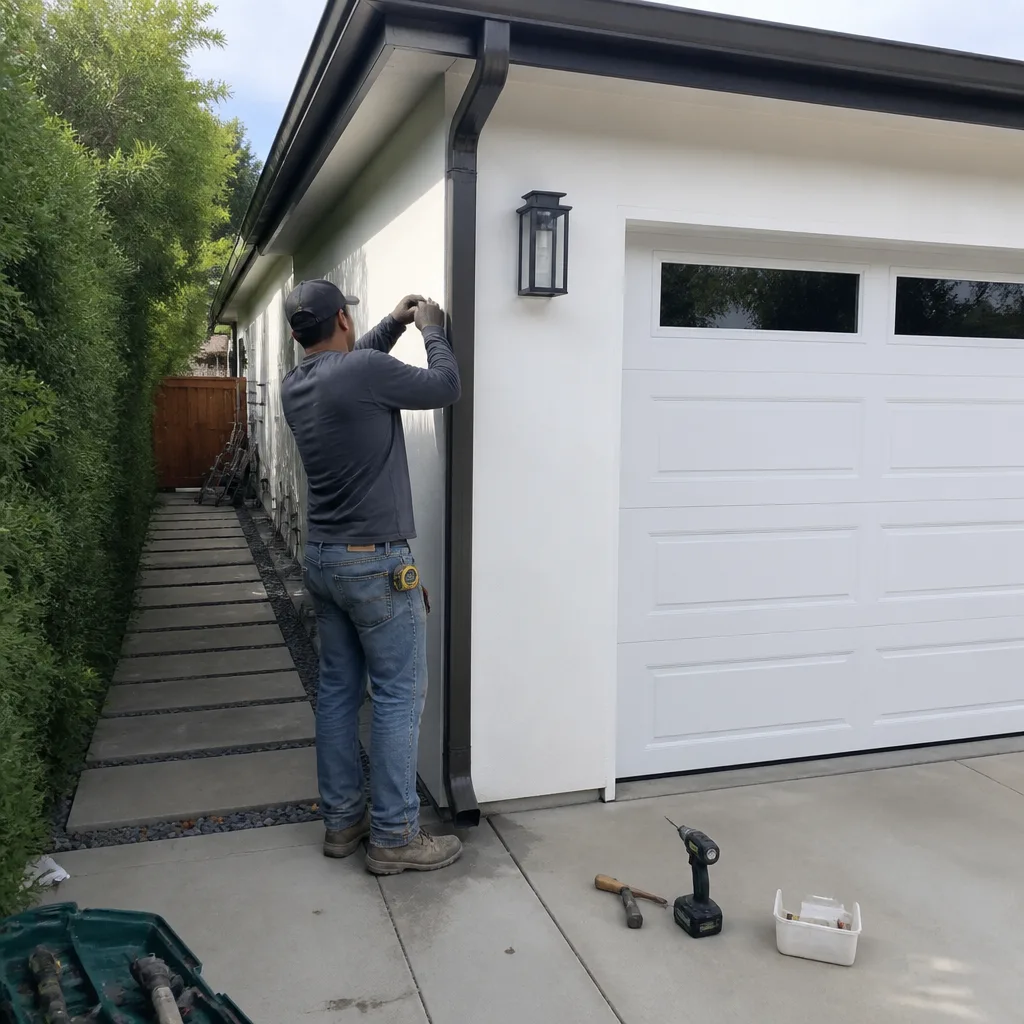
 After
After Before
 After
After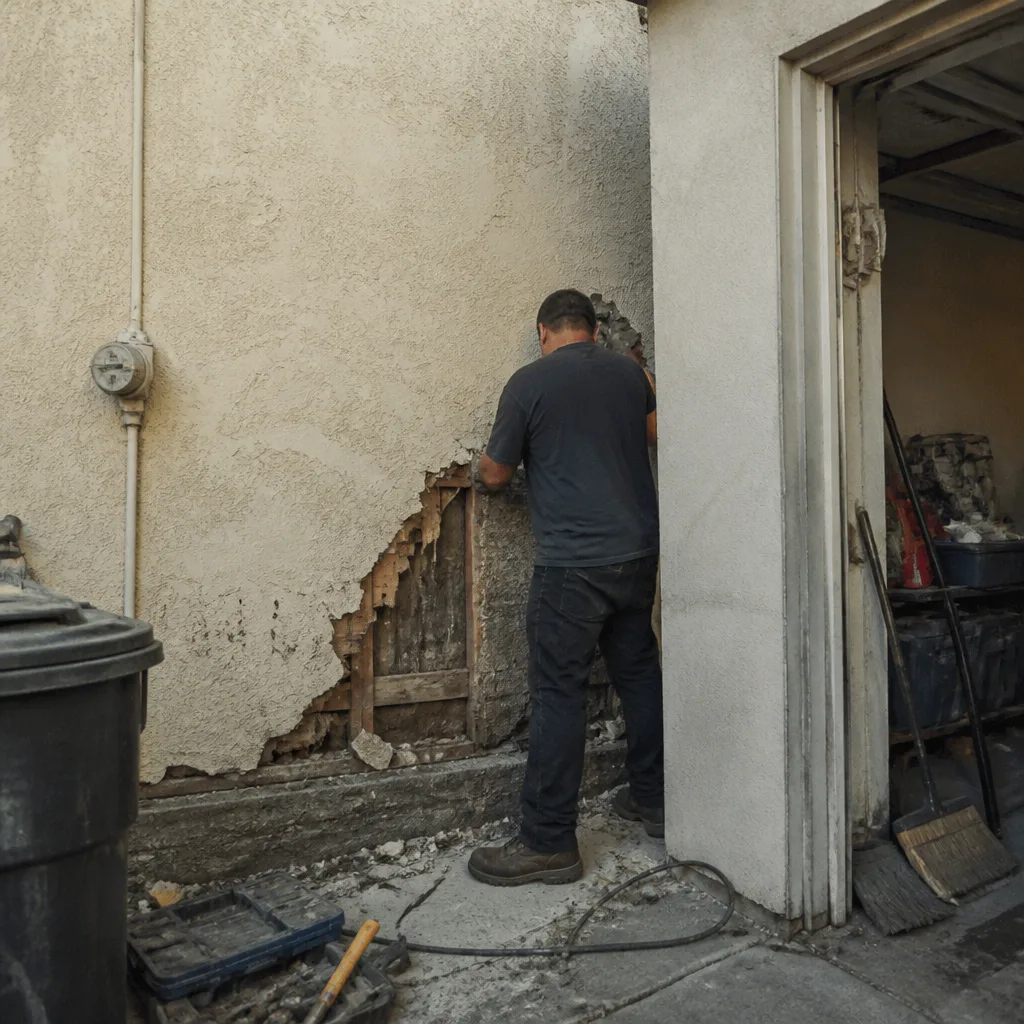 Before
 After
After