Last updated October 9, 2026
Free written scope consultation - allowances, timeline, and change-order rules on paper before a single trade is scheduled
How Long Does Kitchen Remodeling Take? Timelines and What to Expect
The average Los Angeles DBS permit for a kitchen remodel takes 4 – 8 weeks to clear, before any work starts. Most timeline estimates you’ll find online skip this entirely. That’s why a homeowner hears “six weeks” from a contractor, then waits four months staring at a torn-out kitchen. This guide maps every phase including the invisible pre-construction window that most remodelers never quote, so you can hold a written schedule up against reality and know exactly where your our Kitchen Remodeling services project stands.
Quick Answer
A full kitchen remodel in Los Angeles typically takes 10 to 16 weeks from signed contract to final inspection, with roughly half that time spent in pre-construction, meaning permits, material lead times, and design sign-off before demolition ever begins. Cosmetic refreshes run 3 to 6 weeks. The cabinet order is usually the single longest variable.
Styles & brands we work with


Table of Contents
- The Pre-Construction Phase: The Timeline Nobody Quotes
- Los Angeles Permits: LADBS Processing Times Explained
- Cabinet Lead Times: Stock vs. Semi-Custom vs. Custom
- Demolition and Rough-In: What Happens Week by Week
- Installation and Finishes: The Home Stretch
- What a Written Project Schedule Should Include
- Legitimate Delays vs. Contractor Execution Failures
- Common Mistakes to Avoid
- When to Call a Professional
- Frequently Asked Questions
The Pre-Construction Phase: The Timeline Nobody Quotes
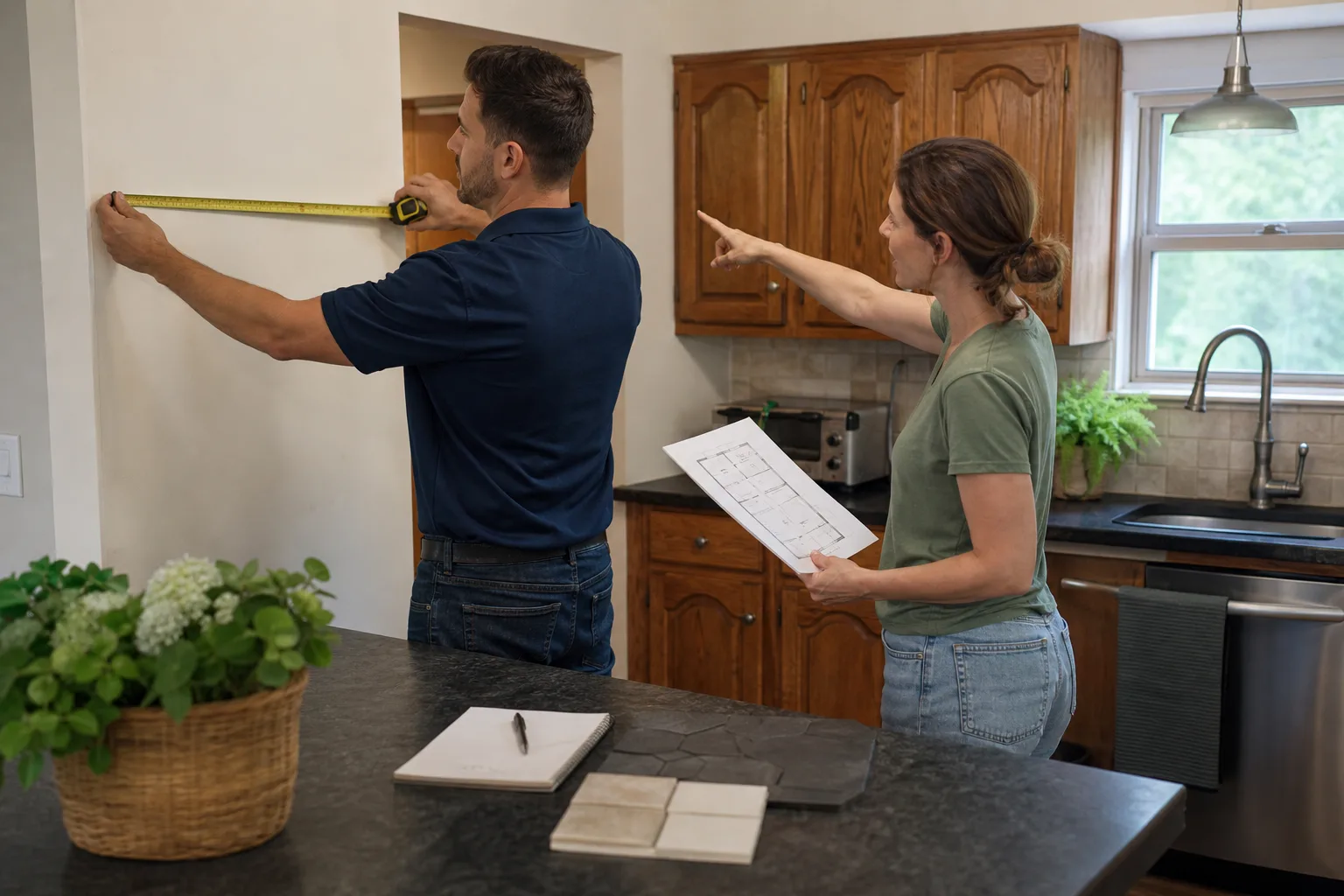
Here’s the number most homeowners never hear: a disciplined kitchen remodel in Los Angeles spends 4 to 8 weeks in pre-construction before anyone swings a hammer. This is not delay. This is the phase where scope gets locked, materials get ordered, and permits get pulled. Skip it or rush it and the project pays the price later in change orders and stop-work notices.
Pre-construction breaks into three workstreams that should run in parallel, not sequence:
- Design sign-off: Floor plan, elevations, electrical layout, plumbing locations, cabinet configuration. Every decision you make after demolition costs exponentially more than the same decision made on paper. Budget 1 to 3 weeks for full-kitchen designs, less for a like-for-like replacement.
- Permit submission: Your contractor submits drawings to LADBS. The clock starts the day the application is accepted, not the day you sign the contract.
- Material procurement: Cabinets, countertops, tile, fixtures, appliances. More on cabinet lead times below, but know this now: the order should be placed the week the design is signed, not after demo.
When we work on a Kitchen Remodeling in Los Angeles, the written schedule starts at contract signature and includes every pre-construction milestone with a date next to it. That’s The Garrison Standard: no gray area about who does what and when.
Los Angeles Permits: LADBS Processing Times Explained
The Los Angeles Department of Building and Safety runs two permit tracks, and the difference between them can be four to six weeks on your calendar. Here’s what each one means in practice:
- Over-the-Counter (OTC) plan check: For simple remodels that don’t move walls or alter structural elements, LADBS can review and issue permits the same day or within a few days. Cosmetic kitchen refreshes, cabinet swaps, and fixture replacements often qualify. Reality check: OTC still requires complete drawings and a contractor who knows which window to walk up to.
- Full Plan Check: Any remodel that moves plumbing, relocates a gas line, alters load-bearing walls, or changes the electrical panel goes through the regular plan check queue. LADBS processing runs 4 to 8 weeks in most Los Angeles neighborhoods, sometimes longer in busy seasons. This is the number that surprises homeowners who were quoted a six-week project.
After plan approval, inspections hold their own schedule. Rough-in inspections for framing, plumbing, electrical, and mechanical happen at defined milestones. Final inspection closes the permit. Each inspection requires 24 to 48 hours of notice in Los Angeles, and a missed inspection can cost a week if the inspector finds a correction item.
The takeaway for Los Angeles homeowners: if your contractor hands you a timeline that doesn’t name which permit track you’re on and when the submission date falls, you don’t have a schedule. You have a guess. As part of the Garrison Partners family since 2004, our office at Bradford Remodeling home puts the permit submission date and the plan check track in writing before you sign.
Cabinet Lead Times: Stock vs. Semi-Custom vs. Custom
Cabinets are the single longest material variable in a kitchen remodel, and the range is wide enough to wreck a schedule if you order late. Here are realistic lead times as of this writing, with Los Angeles delivery factored in:
- Stock cabinets: 2 to 4 weeks. These are pre-built in standard sizes and finishes. Fast, predictable, and fine for rental units or budget-driven projects. No modifications.
- Semi-custom cabinets: 6 to 10 weeks. Brands like KraftMaid and Wellborn build these to order from your design: custom widths, depths, and finishes within a defined product line. This is the sweet spot for most Los Angeles homeowners who want a tailored kitchen without custom pricing.
- Custom cabinets: 10 to 16 weeks. Built from scratch to your exact dimensions by a local shop or specialty manufacturer. For unusual layouts, historic homes, or very specific design intent.
Here’s the part most guides skip: the cabinet order should be placed before demolition starts, not after. Every day of cabinet lead time that overlaps with pre-construction is a day you get back on the back end. A competent schedule orders cabinets the week the design is signed, so the boxes arrive while rough-in is still happening, not after the walls are closed and the kitchen is ready for them.
Surfaces matter too. Cambria and Caesarstone countertops run 2 to 4 weeks from template to install, and the template can’t be cut until the base cabinets are set in place. Fixtures from Kohler and Moen are generally in stock, but special finishes can add 3 to 6 weeks. The disciplined move is to spec every finish at design sign-off and place the orders together.
Demolition and Rough-In: What Happens Week by Week
Once permits are issued and cabinets are on order, the visible work begins. Here’s a realistic week-by-week breakdown of the construction phase for a full Los Angeles kitchen remodel:
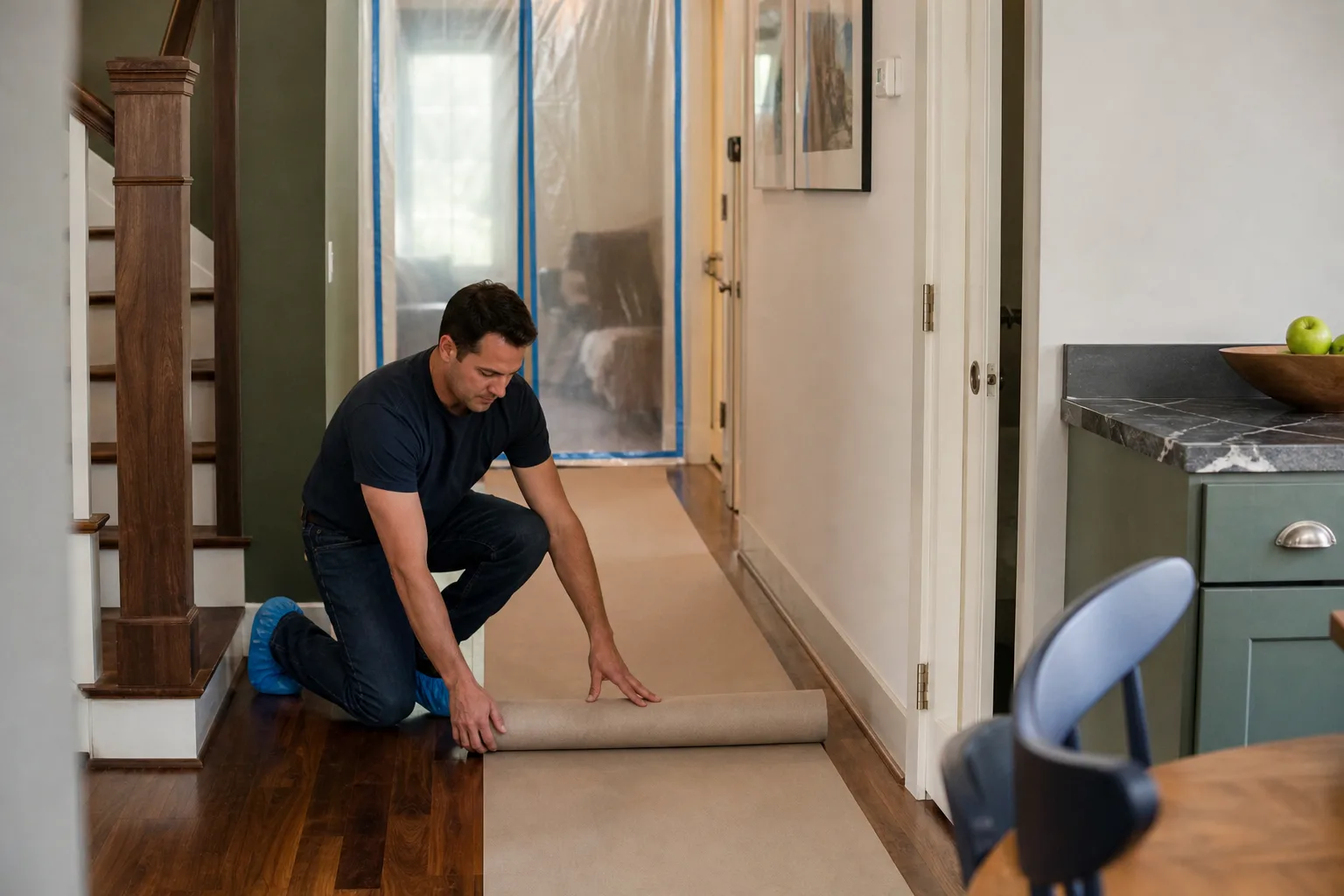
- Week 1: Demolition and prep. The old kitchen comes out, including soffits if the design removes them. Flooring gets opened if utilities move. A disciplined crew installs dust containment (zip walls, floor protection) before cutting begins. This is where you find out what’s actually inside the wall: framing, old wiring, maybe a pipe nobody knew about.
- Weeks 2 – 3: Rough-in. Framing modifications happen first, then electrical, plumbing, and mechanical. New circuits for appliances get pulled. Gas lines get relocated if the range moves. This is the phase where code compliance lives or dies, and it’s why you want a contractor who works to LADBS standards without being reminded.
- Weeks 3 – 4: Inspection hold points. LADBS inspectors check rough-in work for framing, plumbing, electrical, and mechanical before the walls close. Every correction adds days. A contractor who pre-checks the work before calling the inspector saves you the two-week back-and-forth that sloppy crews burn through.
- Weeks 4 – 5: Drywall, paint, and substrate. Walls get hung, taped, textured, and primed. Floor prep happens here too, including leveling and underlayment for the new flooring.
This phase runs 3 to 5 weeks for a typical kitchen. It’s also where Los Angeles housing stock throws curveballs: older homes in the Valley and Mid-City often have non-standard framing, outdated wiring that fails inspection, or water damage hiding behind the old backsplash. A written schedule accounts for these unknowns with a contingency line, not by hoping for the best.
Installation and Finishes: The Home Stretch
The final phase is where the kitchen actually becomes a kitchen. It runs 3 to 5 weeks and follows a strict sequence, because each step depends on the one before it. Skipping the sequence is how you get scratched floors and misaligned cabinets.
- Cabinetry installation: Base and upper cabinets go in, get leveled, and get secured to studs. This takes 2 to 4 days depending on the layout. Hardware follows.
- Countertop template and fabrication: After cabinets are set, a template tech measures the exact dimensions. Fabrication runs 1 to 2 weeks for quartz brands like Cambria and Caesarstone, then install takes a day.
- Plumbing and electrical finish: Sinks, faucets, garbage disposals, and appliances get connected. Lighting fixtures and outlet plates go on. This needs to be sequenced after countertops so there’s no finish damage from installation work.
- Backsplash and flooring finish: Tile backsplash goes in after countertops. Flooring gets its finish coats or final installation if it was held back to protect it.
- Final punch list and inspection: The contractor walks the job with you, item by item, against the written scope. LADBS final inspection closes the permit. You get a signed written guarantee before the crew leaves.
The Garrison Standard says a job isn’t done until it’s squared away: clean site, documented scope, every item checked against the written schedule, and the 365-Day Done Right Promise in your hand. If something fails inside that year, we come back and correct it at no charge. No call-back fee, no negotiation.
What a Written Project Schedule Should Include
A real schedule is not a timeline graphic with a start arrow and an end arrow. It’s a working document that names phases, dates, hold points, and who owns each piece. Here’s what belongs in one, line by line:
- Contract signature date and the date the permit application is submitted to LADBS. These are two different dates, and both should be on the schedule.
- Plan check track: Over-the-Counter or Full Plan Check. This determines the permit timeline and should be stated explicitly.
- Material order dates: Cabinets, countertops, fixtures, appliances. Each with the supplier name and the confirmed lead time from that supplier.
- Phase milestones: Demolition start, rough-in complete, inspection dates, drywall complete, cabinet install, countertop template, countertop install, finish work, final walkthrough.
- Inspection hold points: Every LADBS inspection that stops work until it passes. The schedule should show when the contractor calls for inspection and what happens if the inspector doesn’t show or issues a correction.
- Contingency days: A specific number of days set aside for the unknowns that every remodel reveals. If the contingency isn’t spent, the project finishes early. If it is, the schedule holds.
- Responsible party per line: Who orders the cabinets? Who calls the inspector? Who schedules the template? If it’s not named, it’s not owned.
Curtis Lane reviews every schedule before a client signs. The work runs on that document, and when reality shifts (a backordered fixture, an inspector correction), the schedule gets updated on paper, not verbally. That’s the difference between a contractor who manages the job and one who reacts to it.
Legitimate Delays vs. Contractor Execution Failures
Every remodels hits snags. The question is whether a delay is the job talking or the contractor failing. Here’s how to tell the difference, because holding a contractor accountable requires knowing which one you’re looking at. For deeper guidance, see our How to Hire a Construction Contractor in Los Angeles: A Step-by-Step Guide.
Legitimate delays (the job talking):
- LADBS plan check backlog: The city controls this clock. A 6-week plan check on a full permit set is normal, not a contractor failure. If the permit gets returned with corrections, that adds time.
- Material backorders: A semi-custom cabinet line can slip 2 to 3 weeks because a manufacturer’s production runs behind. This happens across the industry. The mark of a good contractor is that they tell you the day they learn it, not the day you ask.
- Concealed conditions: Opening a wall and finding termite damage, outdated wiring, or a vent stack where the drawings said none. This is why contingency days exist in a schedule.
- Inspector corrections: An LADBS inspector can require changes to work that another crew did years ago and that’s now exposed. Bringing it up to code adds days and sometimes money.
Contractor execution failures (the contractor failing):
- Late material orders: Cabinets ordered 3 weeks after design sign-off because the contractor “got busy.” Now the project sits with a hole where the kitchen was, waiting on boxes.
- Unresolved permit issues: The contractor didn’t submit drawings for weeks, or submitted incomplete ones that got bounced back. That’s not a city delay, that’s a submission failure.
- Crew no-shows: A day or two of sickness happens. A week of “we’ll be there Monday” without a phone call is a scheduling failure.
- Scope creep without documentation: The contractor starts adding work (and cost) without a written change order. That’s not the job talking, that’s the contractor improvising.
As a General Contractor in Los Angeles, Bradford Remodeling works with background-checked, uniformed technicians who report on schedule. If a delay happens, you get the news with the date, the reason, and the revised schedule in writing. That’s not a promise. That’s how a disciplined operation runs.
Common Mistakes to Avoid
- Signing a contract without a written schedule. A verbal timeline means nothing. If the schedule isn’t on paper with dates and phases, you have no way to hold anyone accountable when the kitchen sits empty in week 12.
- Ordering cabinets after demo. This is the single most common schedule killer we see in Los Angeles. Demo reveals an empty room, the cabinet order goes in that day, and now you’re living without a kitchen for 10 weeks instead of running the cabinet lead time during pre-construction.
- Choosing materials during construction. Every finish decision made mid-project costs time. The tile should be picked before drywall goes up, not when the backsplash installer asks which box to open.
- Ignoring the permit track. If your remodel moves a gas line or a load-bearing wall, you’re on the Full Plan Check track whether anyone tells you or not. Assuming you’ll walk out of LADBS with a same-day permit is how schedules blow up in week 2.
- Hiring on price alone. The low bid usually buys you an unmanaged schedule. A contractor who cuts fees is cutting something else: sometimes it’s the permit, sometimes it’s the project manager, sometimes it’s the crew’s incentive to show up.
- Skipping the final punch list. Without a documented walkthrough against the written scope, you lose your leverage for corrections. A written guarantee should be in your hand before the crew leaves.
When to Call a Professional
If your kitchen remodel moves plumbing, gas lines, load-bearing walls, or the electrical panel, you need a licensed contractor and LADBS permits. No exceptions. If your project touches any of those systems and someone tells you a permit isn’t needed, walk away. The liability for unpermitted work falls on the property owner, not the contractor, and Los Angeles building records will flag it when you eventually sell.
Even for a cosmetic refresh like cabinets, counters, and fixtures, a professional handles the sequencing that keeps the project moving. The difference between a 6-week refresh and a 14-week ordeal is usually schedule discipline, not skill level. Bradford Remodeling offers free estimates in Los Angeles, call (903) 568-7222.
Frequently Asked Questions
A full plan check through LADBS typically adds 4 to 8 weeks to a kitchen remodel timeline in Los Angeles, and a returned plan check with corrections can push that further. The Over-the-Counter track for simple remodels can clear in days, which is why the permit track matters so much to your schedule. Call (903) 568-7222 for an exact timeline based on your project’s specific permit path, and the estimate is free.
The fastest realistic timeline for a full kitchen remodel in Los Angeles is 8 to 10 weeks, and that assumes an Over-the-Counter permit, stock cabinets, and no concealed conditions found during demolition. Most full remodels run 10 to 16 weeks when a move of plumbing or electrical puts the project into LADBS plan check. The cabinet order is the lever that determines whether the back half of the job runs tight or drags.
Cabinet lead times should not change the construction start date, because cabinets should be ordered during pre-construction before demolition begins. A semi-custom cabinet order placed the week design is signed arrives while rough-in is still happening, which means the cabinets are ready when the walls are. Call (903) 568-7222 for a written schedule that lines up material orders with construction phases, free estimate included.
At Bradford Remodeling, the price doesn’t change once work starts unless you approve a written change order for additional scope you request. Our no-hassle upfront pricing gives you a written price before any work begins, with no numbers that move at the door. If a concealed condition like termite damage or outdated wiring requires corrective work, you get a written change order with the cost before that work proceeds.
Yes, Bradford Remodeling pulls all required permits for kitchen remodels in Los Angeles, including LADBS permits for plumbing, electrical, mechanical, and structural work. We handle the submission, plan check, and inspection scheduling as part of the written schedule. Permits pulled and inspections passed are a non-negotiable part of how we work, under The Garrison Standard.
Every Bradford Remodeling kitchen remodel is covered by the 365-Day Done Right Promise, which is a written guarantee that lasts a full year from project completion. If the work fails inside that window, we return and correct it at no charge, no call-back fee, no negotiation. The guarantee is in writing and in your hand before the crew leaves the site.
The Bottom Line
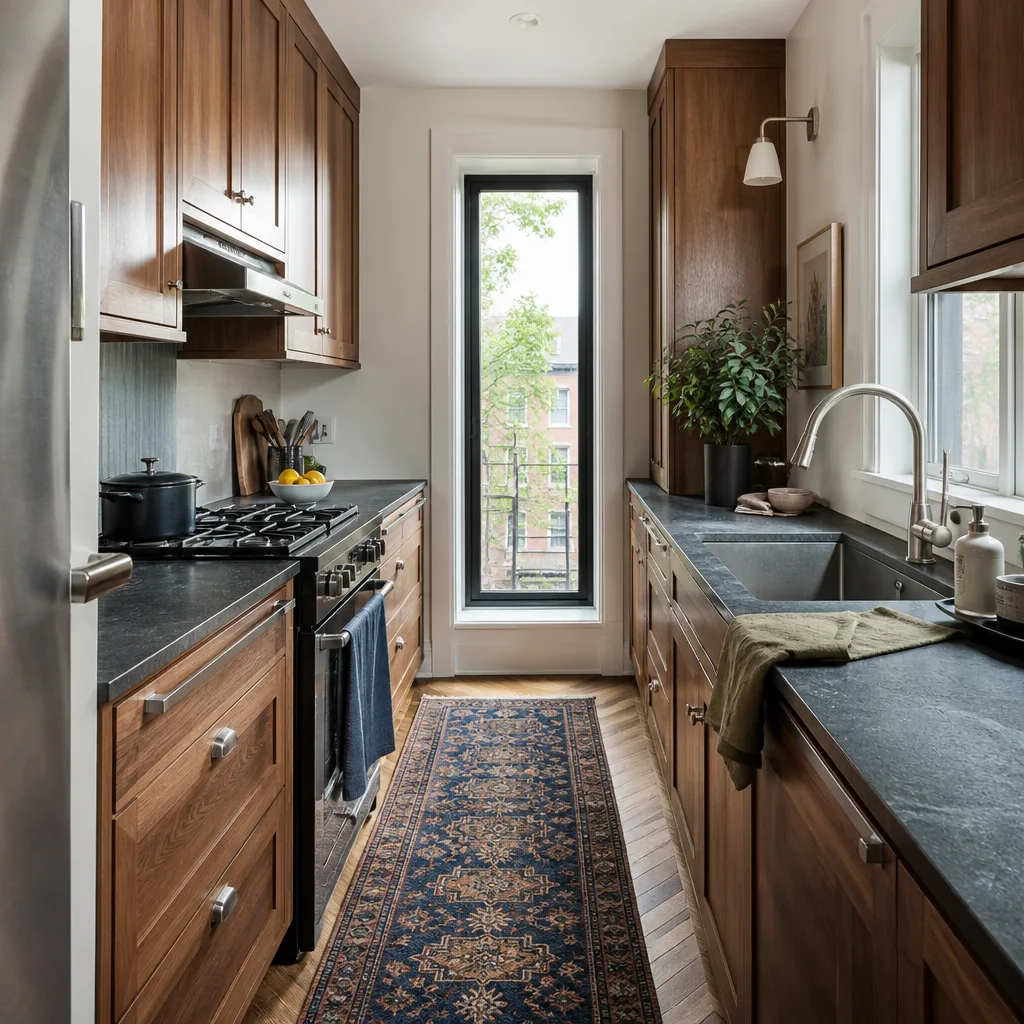
A Los Angeles kitchen remodel runs 10 to 16 weeks, with pre-construction eating nearly half that time before demo day. The permit track determines 4 to 8 weeks of it. Cabinet lead times determine another 2 to 16 weeks depending on what you order, and the smart money orders them before demolition. The schedule should be written, the price should be written, and the guarantee should be in your hand at close. That’s the only kind of project worth signing for. As a Home Remodeling in Los Angeles contractor held to The Garrison Standard, Bradford Remodeling puts every date, every price, and every promise on paper before work starts.
Written by Curtis Lane, Owner at Bradford Remodeling, serving Los Angeles since 2004. Explore more guides & resources on our blog.
See the difference
 Before
 After
After Before
 After
After Before
 After
After