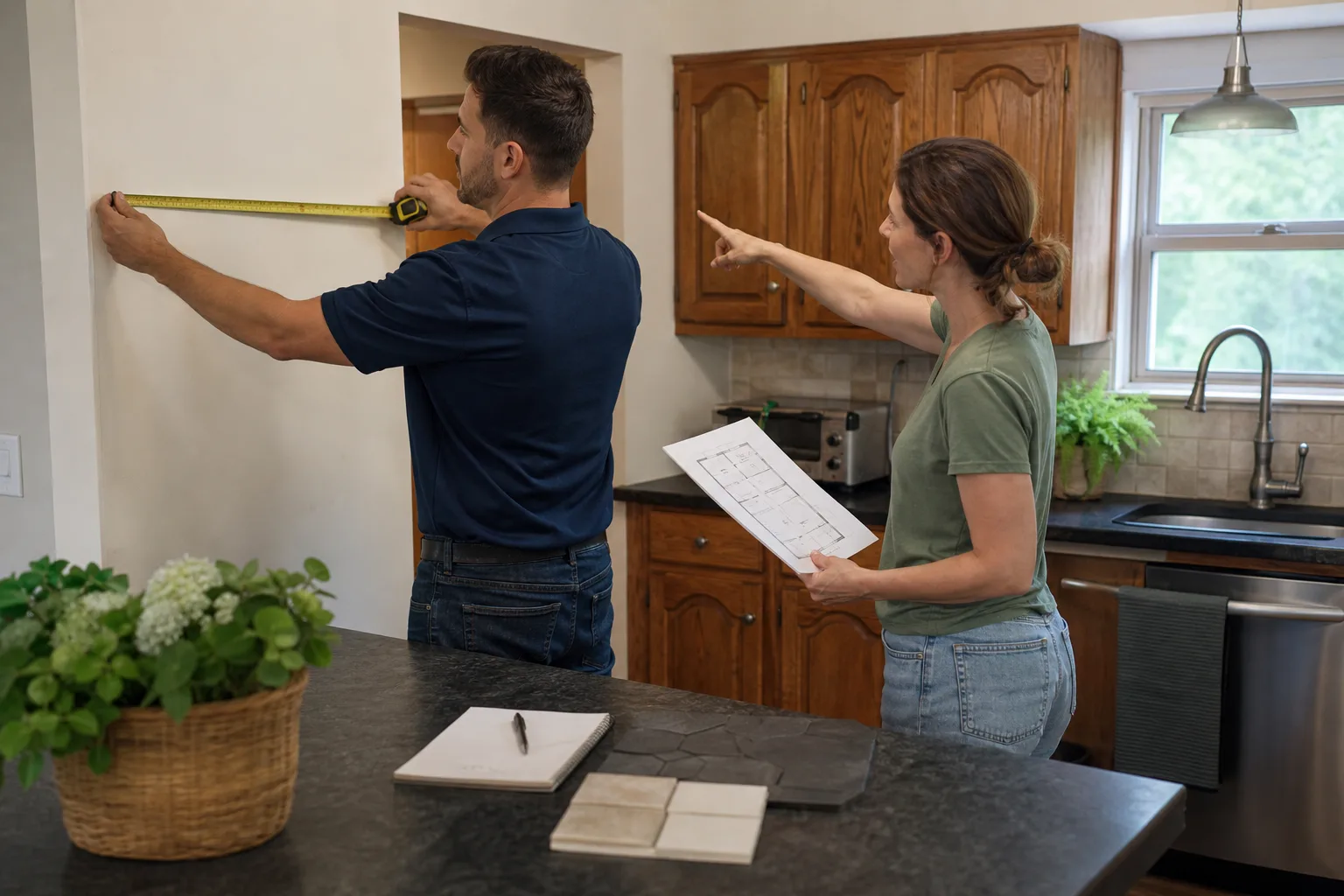
Last updated October 9, 2026








Free written scope consultation - allowances, timeline, and change-order rules on paper before a single trade is scheduled
Kitchen Remodeling Warning Signs Every Homeowner Should Know
Most homeowners in Los Angeles don’t get burned by the contractor who shows up drunk or disappears mid-project. They get burned by the one who seems great for six weeks, then hands them an invoice for $14,000 more than the contract said, pointing to a clause about “unforeseen conditions.” The Los Angeles remodeling market runs hot, and when demand is high, the operators who can’t compete on workmanship compete on contract ambiguity. This guide walks through the warning signs that live in the paperwork, the payment schedule, and the scope language, not just the job site. For more guides & resources, visit our blog. You’ll learn what a legitimate change order looks like, how to verify a license in California, and what “completion” should mean before you sign anything.
Quick Answer
The most dangerous kitchen remodeling warning signs in Los Angeles are vague contract language (“allowances” without specs, “similar materials” clauses, undefined “completion” terms), verbal change orders instead of written ones, contractors who won’t name their subcontractors, and missing insurance certificates. A legitimate contractor puts every price, scope, and guarantee term in writing before demo starts and stands behind the work for a defined period.
Styles & brands we work with







Table of Contents
- Contract Language Warning Signs
- The Change Order Process: Legitimate vs. Verbal
- CSLB License Verification in California
- Subcontractor Transparency and Liability
- Insurance Certificates to Request Before Demo
- Payment Schedule Red Flags
- Material Specifications and Allowance Traps
- What ‘Completion’ Should Mean in Writing
Contract Language Warning Signs
The biggest red flag in kitchen remodeling is not what a contractor says. It’s what the contract doesn’t say. We’ve reviewed hundreds of Los Angeles kitchen remodeling contracts over the years, and the ones that end in disputes share the same DNA: they use words that sound specific but leave every decision open until the work is underway.
Here are the specific phrases to watch for before you sign a kitchen remodel contract:
- “Allowances” without defined specifications. An allowance for “cabinets: $12,000” tells you nothing about what you’re getting. Is that KraftMaid or an imported knockoff? Plywood boxes or particleboard? Soft-close hardware included or a $40-per-hinge upsell? A legitimate allowance includes a make, model, finish, and quantities.
- “Similar materials” clauses. Some contracts state the contractor may substitute “similar materials” if specified products are unavailable. Without a definition of “similar,” that Cambria quartz countertop you picked can become a no-name slab from a different supplier. Insist that any substitution requires your written approval with a specific replacement product named.
- Undefined “completion” terms. A contract that says “final payment due upon completion” without defining completion is a blank check. Completion should be itemized: cabinets installed, countertops set, plumbing fixtures connected and tested, electrical outlets live and code-compliant, drywall finished, paint complete, debris removed, and final inspection passed.
- Missing start and finish dates. In the Los Angeles market, where permit queues and material lead times are real, a contract with no schedule is a contract with no accountability. The finish date can flex for documented material delays, but there should be a written date to flex from.
- No permit language. If the contract doesn’t address who pulls permits, schedule inspections, and closes them out, that’s a warning. Kitchen remodels in Los Angeles that touch electrical, plumbing, or structural work require permits. A contractor who says “we don’t need permits for this” on a job that clearly does is asking you to carry the risk.
At Bradford Remodeling, our written contracts specify materials by brand and model, define completion item by item, and include a written price before any work starts. That’s what Bradford Remodeling home practices on every Los Angeles kitchen remodel, and it’s the standard we hold ourselves to.
The Change Order Process: Legitimate vs. Verbal
Change orders are a normal part of kitchen remodeling. You open a wall and find plumbing that needs to move. You decide mid-job you actually want under-cabinet lighting. A legitimate contractor handles these with a written change order: a document that names the change, states the price, adjusts the schedule if needed, and requires your signature before work proceeds.
A contractor who adds costs verbally is a warning sign you should not ignore. In our experience, the homeowner who hears “that’ll be about $800 more, I’ll add it to the final bill” is the homeowner who gets to the end of the project and finds that “about $800” became $2,300, and there’s no record of who approved it.
A legitimate change order process in Los Angeles looks like this:
- Written description of the change. What exactly is being done that wasn’t in the original scope. “Relocate existing drain line 18 inches to accommodate new sink configuration.”
- Line-item price. Labor and materials separated, not a lump sum round number.
- Schedule impact. Whether this change adds days to the timeline and how many.
- Your signature before work starts. No signature, no work. Period.
- Copy retained by both parties. The change order becomes part of the contract record.
The worst version of this is the contractor who says, “I’ll take care of it, we’ll settle up at the end.” That sentence should stop the conversation. The final bill should never be a negotiation that happens after the work is done. It should be the predictable sum of the written original scope plus the written change orders you signed along the way.
CSLB License Verification in California
In California, anyone contracting for work over $500 in labor and materials must hold a valid license from the Contractors State License Board (CSLB). The CSLB check is free, takes five minutes, and is the single most important verification you can do before hiring a kitchen remodeler in Los Angeles.
Here’s the step-by-step process:
- Go to the CSLB website (cslb.ca.gov) and click “Check a License.”
- Enter the contractor’s license number or search by business name. Every legitimate Los Angeles remodeling contractor should give you their license number without hesitation. If they won’t, that’s the end of the conversation.
- Verify the license status shows “Active.” Not “Suspended,” not “Expired,” not “Revoked.” Active means the contractor has met bonding and insurance requirements and is clear to work.
- Check the license classification. Kitchen remodeling usually requires a “B” (General Building) classification. Some jobs may involve “C” specialty licenses for electrical, plumbing, or HVAC. The classification on the license tells you whether the contractor is actually authorized to do the work they’re bidding.
- Review any disclosures. The CSLB lists arbitration awards, judgments, and license actions. A clean record matters, and so does a disclosed issue that the contractor is willing to explain.
- Confirm workers’ compensation coverage. If the contractor has employees, workers’ comp is mandatory in California. The CSLB record shows whether coverage is on file. If a contractor’s employee gets hurt on your property and there’s no workers’ comp, your homeowner’s insurance is on the hook.
- Liability clarity. If a subcontractor drops a slab of quartz through your window, who pays? If a sub installs a faucet wrong and it leaks into your cabinets, who fixes it? The answer should be the general contractor. They hired the sub. They own the result. A contract that says “subcontractors are responsible for their own work” passes liability to you, and you have no contract with that sub to enforce.
- Mechanic’s liens. In California, a subcontractor or supplier who isn’t paid can file a mechanic’s lien against your property, even if you paid the general contractor in full. A contractor who runs an honest operation manages payments to subs and suppliers so this doesn’t happen. You can also protect yourself by issuing joint checks or requiring lien releases with each progress payment.
- Quality control. You want to know who’s doing the tile on your backsplash. If the general contractor sends a different crew than the one whose portfolio sold you, that’s a warning sign. Ask for the names of the subs and whether they’ve worked with this contractor before. Ten years with the same electrician tells you something. A new sub on every job tells you something else.
- Background and licensing. Subcontractors in California need their own licenses for their trades. The homeowner has a right to verify that the electrician on site holds a valid C-10 license, not just that the general contractor says they do.
- General liability insurance. This covers property damage and bodily injury caused by the contractor’s work. For a kitchen remodel in Los Angeles, reasonable coverage starts at $1 million per occurrence and $2 million aggregate. Ask to be named as an additional insured. It costs the contractor little or nothing and gives you direct notification if the policy lapses or is canceled.
- Workers’ compensation insurance. Mandatory in California for any contractor with employees. If a worker is injured on your property and there’s no workers’ comp policy, your homeowner’s insurance can be pursued for medical costs and lost wages. The CSLB requires proof of workers’ comp as a condition of an active license, but the homeowner should still verify the certificate is current.
- Certificate holder line with your name and address. The certificate of insurance (COI) is the document issued by the insurance carrier that lists the policy types, limits, and effective dates. The certificate holder section should show your name and property address. This is how you confirm the policy actually exists and covers your project.
- Builder’s risk or installation floater. For larger remodels, this covers materials and work in progress on your property before the job is complete. If a fire damages your half-remodeled kitchen, builder’s risk covers the materials and work that aren’t yet part of your homeowner’s policy claim.
- Milestones tied to vague definitions. “25% at rough-in” means whatever the contractor says it means. “25% after rough plumbing and electrical are visible and approved” means something specific you can walk through and verify.
- Final payment due “upon completion” without a punch list process. The final draw should be tied to a written punch list that’s been resolved, not to the contractor’s opinion that the job is done. If they won’t put a punch list in the process, they don’t want the process.
- Front-loaded schedule. If 80% of the money is due before the cabinets are installed, the contractor has no financial incentive to finish cleanly. A balanced schedule keeps a meaningful final payment on the table until the end.
- The low allowance. The contractor prices the job with a $6,000 allowance for cabinets on a $45,000 kitchen. You go to the showroom, pick cabinets, and they’re $11,000. Now you owe $5,000 more than the contract said. But the contract said the cabinet line item was $6,000, and you picked cabinets, so it feels like your fault. It wasn’t. A $6,000 cabinet allowance for a mid-size Los Angeles kitchen was never realistic, and a qualified contractor knew that when they wrote it.
- The unspecified allowance. “Countertops: $8,000 allowance” without naming the material, edge profile, backsplash, or fabrication details. You thought you were getting the Cambria slab you saw in the showroom. The contractor priced a basic quartz from a different line. The gap between allowance and actual cost is now yours to pay.
- The “similar materials” substitution. Covered in the contract language section, but worth repeating: when the allowance is paired with a substitution clause, the contractor controls the final material decision, not you.
- All contracted items installed and functional. Cabinets hung, doors aligned, drawers sliding clean. Countertops set and seams finished. Appliances in place, connected, and tested. Plumbing fixtures installed with no leaks under a pressure test. Electrical outlets live and GFCI-protected where required.
- All permits signed off. In Los Angeles, that means final inspection has passed and you have documentation. Permits that sit open after the contractor leaves are your problem.
- Punch list resolved. A written list of minor defects and incomplete items, each addressed and signed off. Not a verbal “yeah, I’ll swing by next week.” A list, in writing, with dates and initials.
- Site clean and debris removed. A clean site isn’t a courtesy; it’s part of the job. Dust, construction debris, and material scraps should be gone. That’s what “squared away” looks like at job close.
- Written warranty in hand. Before you release the final payment, you should hold a signed, written guarantee that states exactly what’s covered and for how long. Not a handshake. Not “we stand behind our work.” A document.
An active license in good standing doesn’t mean the contractor does good work. It means they’ve cleared the baseline legal and financial requirements to operate in this state. Good work requires more, but no license at all is a hard stop. Bradford Remodeling is held to General Contractor in Los Angeles standards that begin with full CSLB compliance and extend from there.
Subcontractor Transparency and Liability
The contractor you hire is not always the contractor who does the work. Most Los Angeles kitchen remodels involve subcontractors: plumbers, electricians, countertop fabricators, tile setters. That’s standard practice and not inherently a problem. The problem is when the general contractor won’t tell you who the subs are, or hides the fact that subs are involved at all.
Here’s what subcontractor transparency actually protects:
A legitimate contractor will name their subs, stand behind their subs’ work, and include that guarantee in the written contract. At Bradford Remodeling, the 365-Day Done Right Promise covers the completed project, not just the parts our own crew touched. If it fails inside the guarantee window, we come back and correct it at no charge. That’s the point of hiring a general contractor instead of trying to coordinate five trades yourself.
Insurance Certificates to Request Before Demo
Most homeowners know to ask if a contractor is insured. Few know to ask for the actual certificates. The difference matters. A contractor who says “yeah, we’re insured” has told you nothing. A contractor who emails you certificates of insurance before any wall comes down has shown you something.
Here are the certificates to request before demo starts on a Los Angeles kitchen remodel:
Verify the certificates, not just the promise. Call the insurance carrier or use the carrier’s online verification to confirm the policy is active. A certificate can be forged. A phone call can’t be. This is standard practice for any homeowner working with a Kitchen Remodeling in Los Angeles company with real coverage in place.
Payment Schedule Red Flags
The payment schedule is where unscrupulous contractors do most of their damage. The right schedule ties your money to work you can see. The wrong schedule front-loads risk onto you and incentive away from the contractor.
The clearest payment schedule warning sign: a contractor who asks for a large deposit before any work begins. In California, the legal limit for a down payment on a home improvement contract is 10% of the total contract price or $1,000, whichever is less. That’s state law, not negotiation. A contractor who asks for 50% down is violating California law, period.
Beyond the legal limit, watch for these schedule patterns:
A secure payment schedule for a Los Angeles kitchen remodel might look like: 10% down, a draw after demo and rough-in inspection passes, a draw after cabinets and countertops are installed, a draw after final inspection passes, and the final 5-10% after the punch list is complete and the written guarantee is in your hand. Every payment tied to visible, verifiable work. No numbers that move at the door.
Material Specifications and Allowance Traps
The allowance is the most abused tool in kitchen remodeling contracts. It’s a line item with a dollar figure that’s supposed to cover materials like cabinetry, countertops, tile, and fixtures. Done right, it’s a reasonable way to price materials you haven’t picked yet. Done wrong, it’s a mechanism for the contractor to low-ball the bid and make up the difference through “allowance overages” later.
Here’s how allowance traps work in practice:
The fix is to demand spec-level detail in every allowance line. A legitimate allowance names the brand, the product line, the quantities, and the finishes it covers. Bradford Remodeling specifies materials by name: KraftMaid or Wellborn cabinetry, Cambria or Silestone surfaces, Kohler or Moen fixtures, Owens Corning or GAF for any roofing-related work. You’ll see the name of what you’re getting in writing before you sign, not a round number that shifts later. That’s what a no-hassle upfront price actually means, and it’s a standard we hold on every Home Remodeling in Los Angeles project.
What ‘Completion’ Should Mean in Writing
The sentence that causes more kitchen remodeling disputes than any other is: “Final payment due upon completion.” It sounds reasonable. It is not. It’s the phrase that lets a contractor decide the job is done when they’re tired of working on it, and you’re arguing about a backsplash that’s still not grouted while the contractor says “that’s a punch list item, I’ll get to it” and then doesn’t.
Completion should be defined in the contract as an itemized list of specific, verifiable conditions. Before the final payment is released, you should be able to walk through the kitchen and check each item off. Here’s what a defensible completion definition looks like for a Los Angeles kitchen remodel:
At Bradford Remodeling, this is written into the contract as the 365-Day Done Right Promise. Every completed project carries a full-year written guarantee. If the work fails inside that window, Bradford returns and corrects it at no charge. That’s not a marketing promise. It’s a term of the written contract, backed by The Garrison Standard, and it’s the reason the final walkthrough ends with a signed guarantee in the homeowner’s hand.
Common Mistakes to Avoid
- Signing a contract without reading every line. Los Angeles homeowners sometimes treat the contract like a receipt. It’s not. It’s the document that governs what happens when something goes wrong. Read it. If you don’t understand a clause, ask. If the contractor won’t explain it, don’t sign.
- Hiring without a CSLB license check. Five minutes on the CSLB website prevents most of the horror stories you’ve heard. An active license in good standing is the floor, not the ceiling, but it’s a floor that eliminates outright scammers.
- Accepting verbal change orders. A verbal change order is not a change order. It’s a memory of a conversation, and memories favor whoever has the invoice. Get every change in writing with a price and your signature.
- Skipping the insurance certificate verification. Asking “are you insured?” and hearing “yes” is not verification. Get the certificate, check the dates, call the carrier if you want certainty. The cost of a lapse is a claim against your homeowner’s policy.
- Paying too much up front. California caps the down payment on home improvement contracts at 10% or $1,000, whichever is less. Anyone asking for more is already telling you who they are.
- Letting the allowance set the price instead of the spec. The allowance is not the price of the material. The spec is. When the spec is vague, the allowance is a starting bid for whatever the contractor decides to install.
- Releasing final payment before the punch list is closed. The final payment is your leverage. Once it’s gone, so is your position. Hold it until completion is defined in writing and verified in person.
See the difference
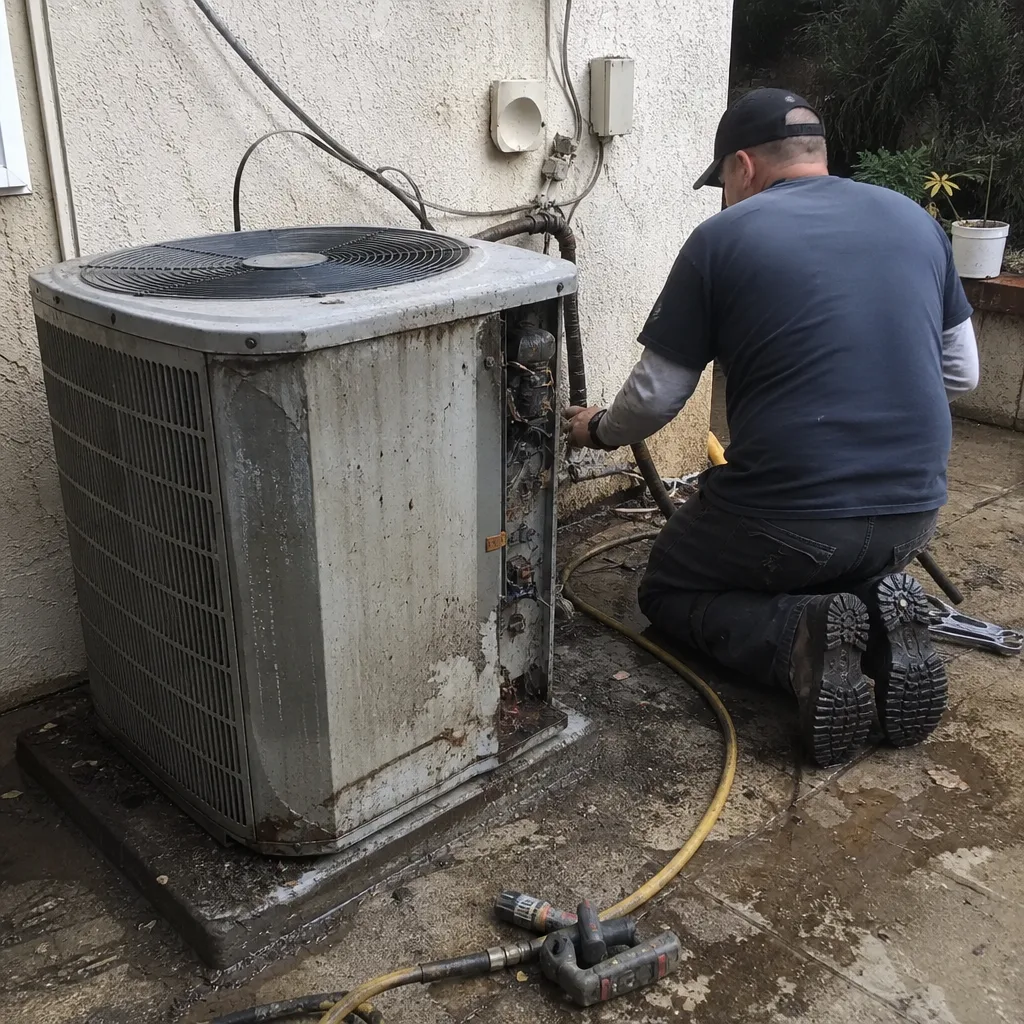 Before
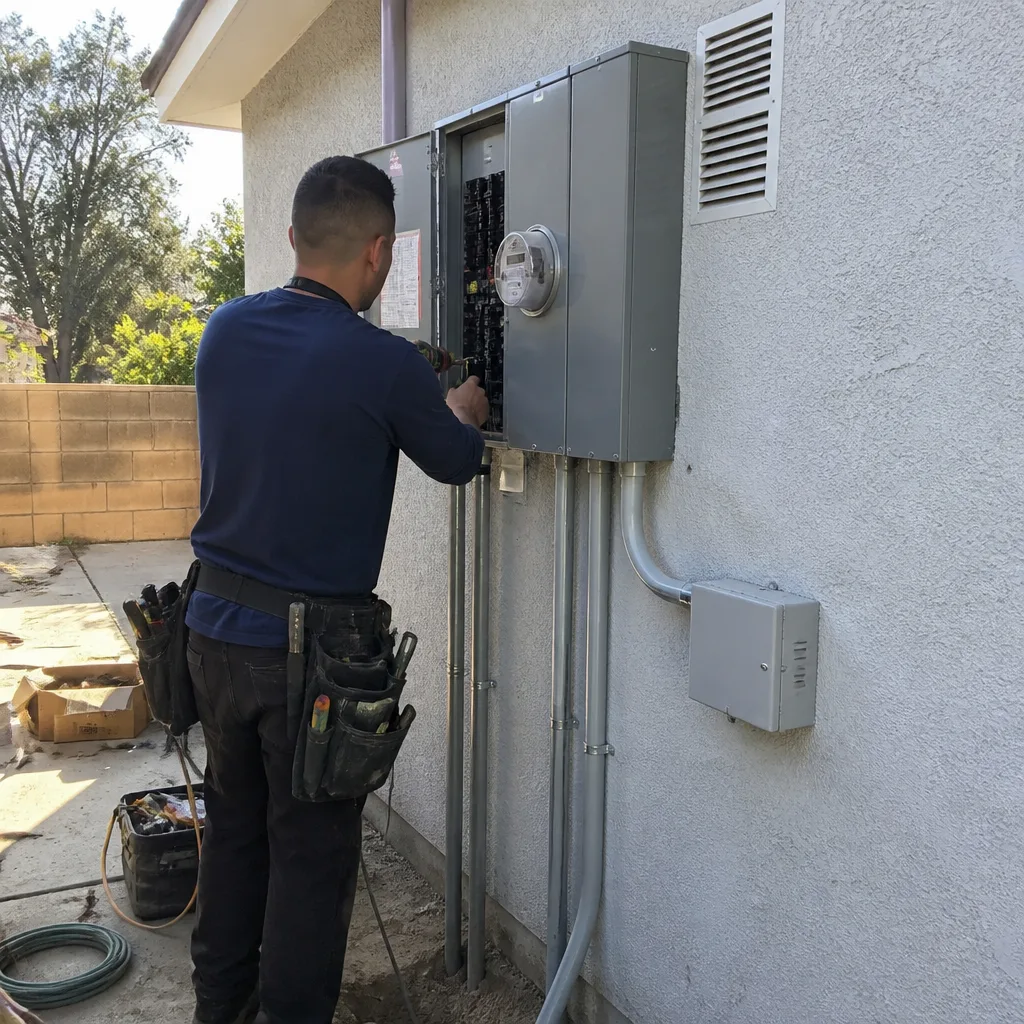 After
After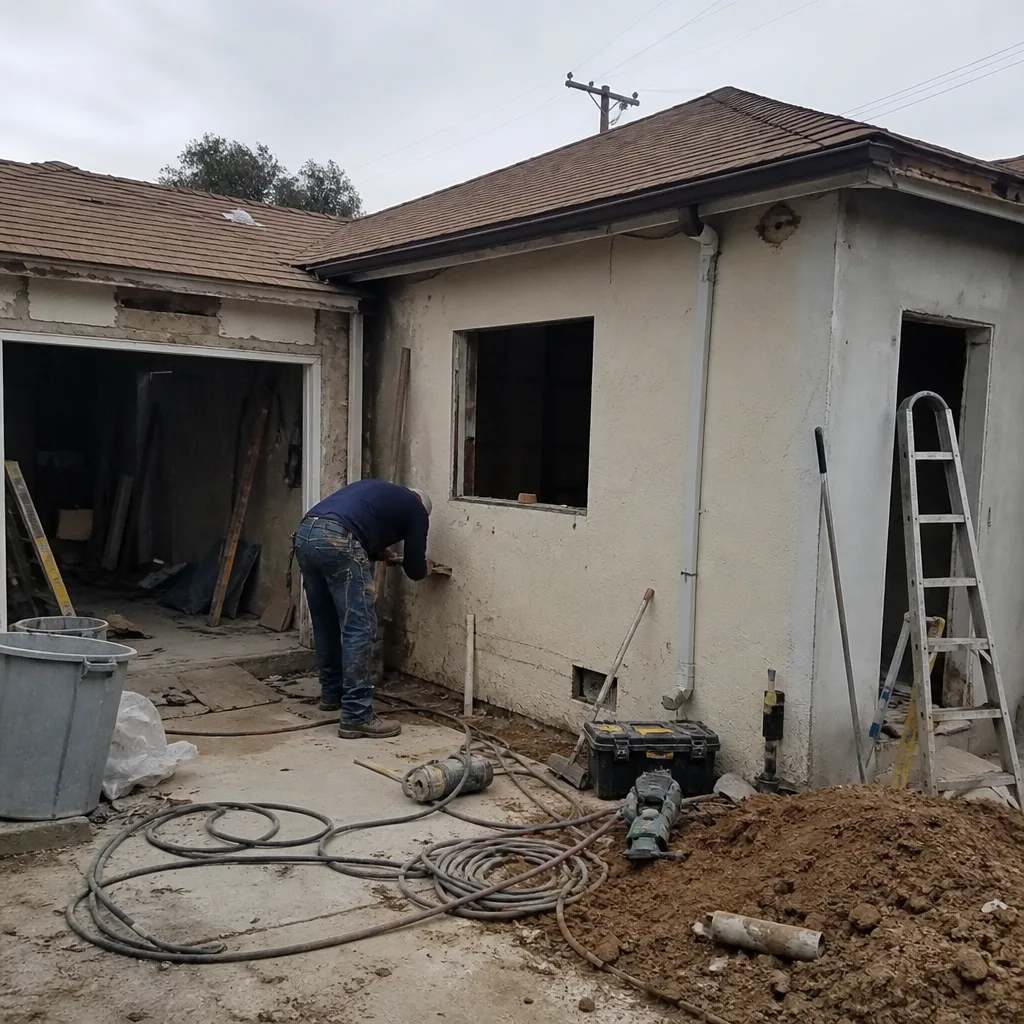 Before
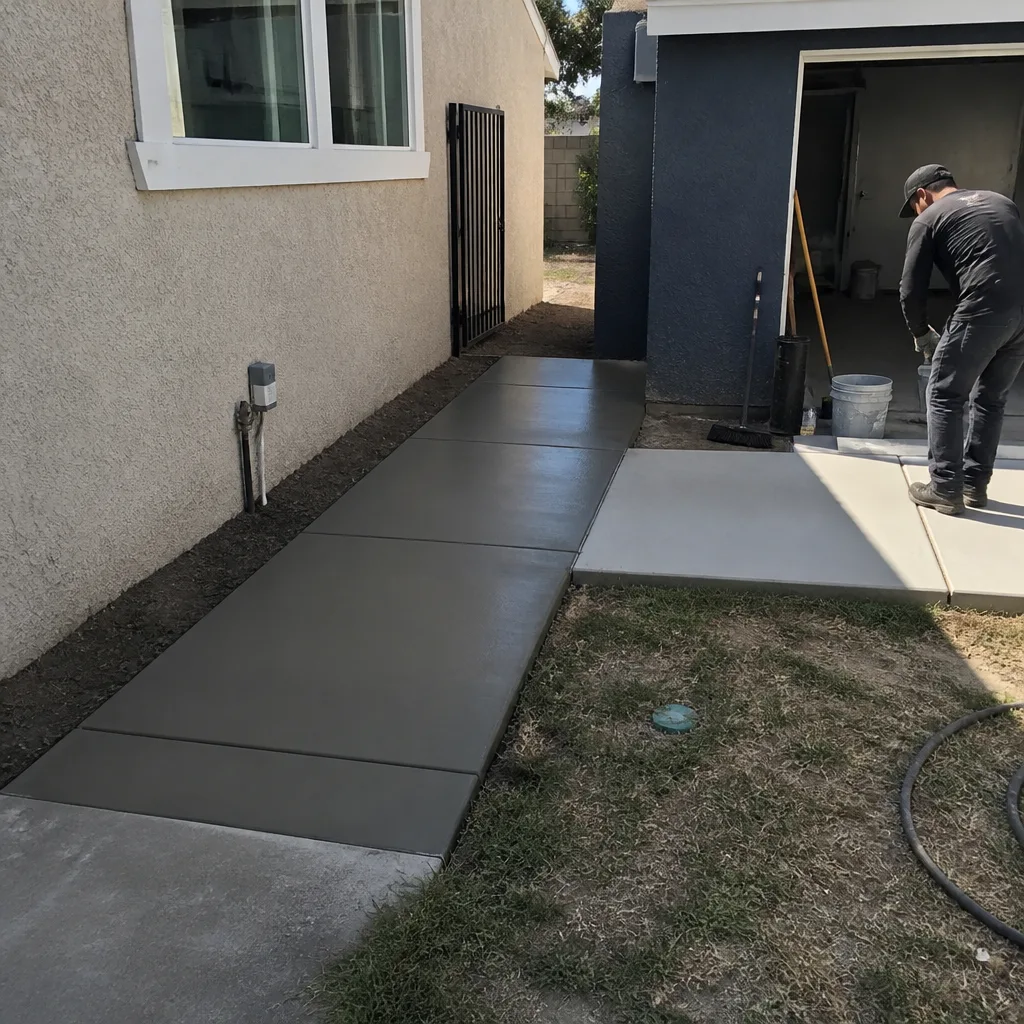 After
After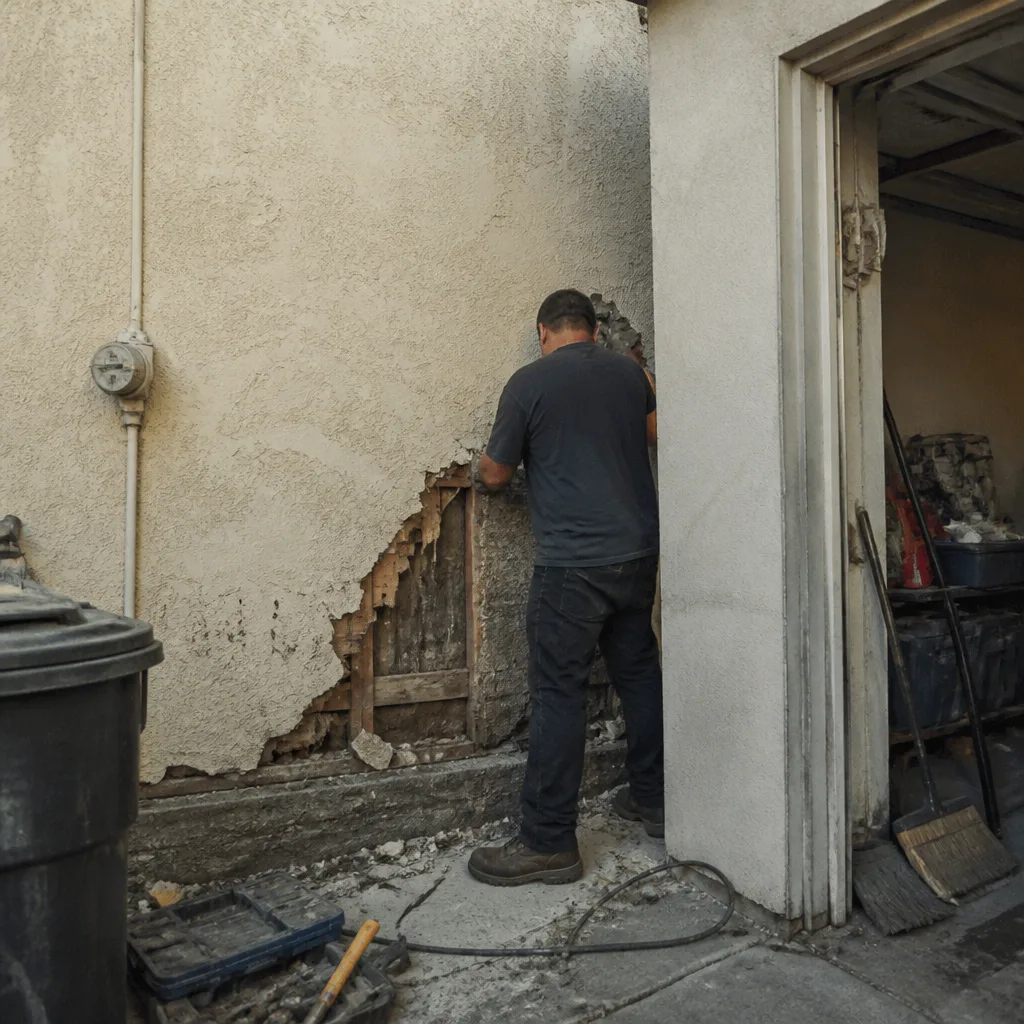 Before
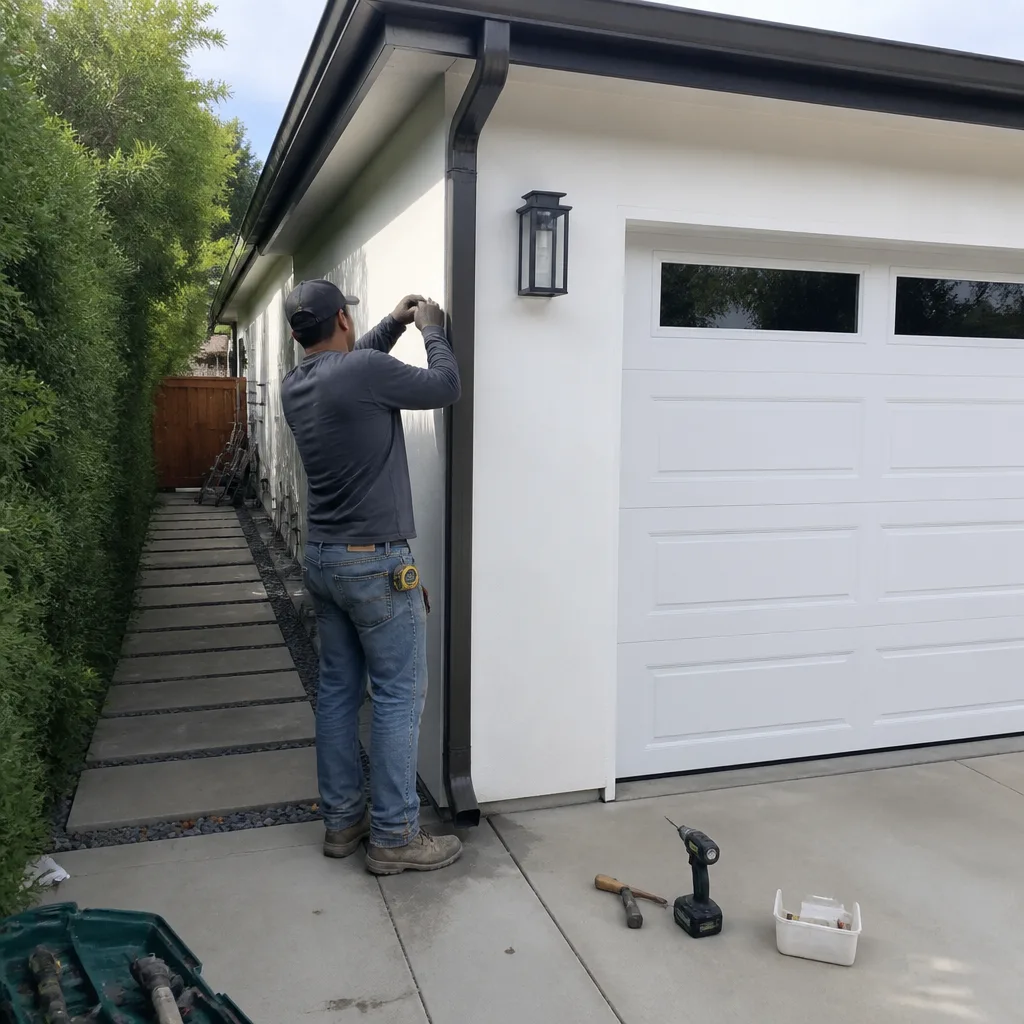 After
AfterWhen to Call a Professional
Some warning signs show up before you hire anyone. The contract reads like it was written to protect the contractor, not you. The license number isn’t provided when you ask for it. The insurance certificates don’t arrive. The allowance amounts look too low for the materials you’re discussing. These are the moments to walk away, and you don’t need a professional to tell you that.
Other warning signs show up after work starts. The change orders are always verbal. The payment milestones keep being described as “standard” without being specific. The completion definition keeps getting postponed. At that point, you may need a contractor who can step in, assess what’s been done, and finish the job with written scope, written pricing, and a written guarantee. Bradford Remodeling offers free estimates in Los Angeles, call (903) 568-7222 to schedule yours. If you’re already mid-project and things have gone sideways, we can assess where the job stands and tell you what finishing it right will cost, in writing, before any work begins.
Frequently Asked Questions

The biggest red flags are vague contract language like undefined “allowances” and “similar materials” clauses, a down payment request above California’s 10% or $1,000 legal limit, reluctance to provide a CSLB license number, and an inability or unwillingness to produce insurance certificates before work starts. These are all signs the contractor is managing risk and pricing on the back end, not up front. Call (903) 568-7222 for a free estimate from a contractor who puts every price in writing first.
California law caps the down payment on home improvement contracts at 10% of the total contract price or $1,000, whichever is less. A contractor who asks for more is violating state law, and that violation alone is reason enough to walk away. The remaining payments should be tied to written milestones that describe verifiable work, not vague phase names.
“Completion” should mean an itemized list of specific conditions: all contracted items installed and functional, permits closed with final inspection passed, punch list resolved in writing, site clean and debris removed, and a signed written guarantee in the homeowner’s hand. If the contract defines completion as “when the work is done,” it isn’t defined. Bradford Remodeling defines completion in writing on every Los Angeles kitchen remodel and backs it with the 365-Day Done Right Promise.
Yes, if the work touches electrical, plumbing, or structural elements, permits are required in Los Angeles. That includes moving a sink, adding outlets, relocating walls, installing new lighting circuits, and most gas line work. A contractor who says permits aren’t needed on a job that clearly requires them is asking you to carry the legal and insurance exposure on your own. A legitimate contractor pulls the permits, schedules the inspections, and closes them out before final payment.
A change order is a written document that modifies the original contract scope, naming the specific change, the line-item price, any schedule impact, and requiring your signature before work proceeds. You should sign one whenever anything changes from the original written scope: a wall gets opened and plumbing is relocated, you add lighting, you upgrade a fixture. Never accept a verbal change order. If it isn’t written and signed, it isn’t binding, and the final invoice will reflect whatever the contractor remembers, not what you agreed to.
The general contractor you hired is liable. That’s the point of hiring a general contractor instead of managing trades yourself. The general contractor hired the subcontractor and owns the result. If the contract attempts to pass liability to the subcontractor or to you, that’s a warning sign. Before work starts, confirm the general contractor stands behind all subs’ work in writing and that their guarantee covers the completed project, not just work done by the general contractor’s own crew.
The Bottom Line
The kitchen remodel that goes wrong rarely starts with an obvious villain. It starts with a contract that protects the contractor’s pricing instead of your scope. It starts with “allowances” that aren’t specs, “completion” that isn’t defined, and change orders that are never written down. The fix is simple in principle and demanding in practice: get every price, every material name, every task, and every guarantee term in writing before the first tool comes out. Verify the license, verify the insurance, and tie every payment to work you can see. In Los Angeles, where the market gives contractors plenty of demand, the ones who still operate this way are the ones who plan to be here in five years.
Written by Curtis Lane, Owner at Bradford Remodeling, serving Los Angeles since 2004.